
BROWSE BY PROVINCE

Tayabas City, Quezon
Santuario De Las Almas
Tayabas’ Quiet Sanctuary of Memory and Colonial Echoes
Share
Tweet
Email
EXPLORE Santuario De Las Almas

PUBLISHED July 1, 2018

PHOTOS | WORDS BY MARIANO SAYNO

  • Tayabas City, Quezon
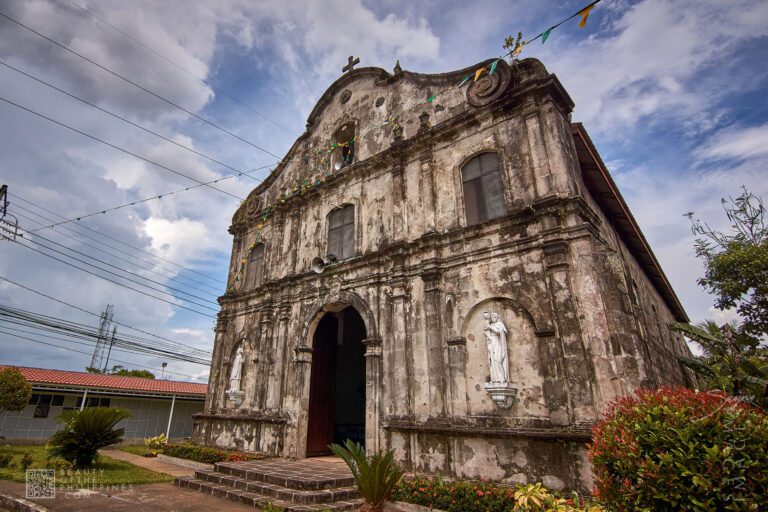
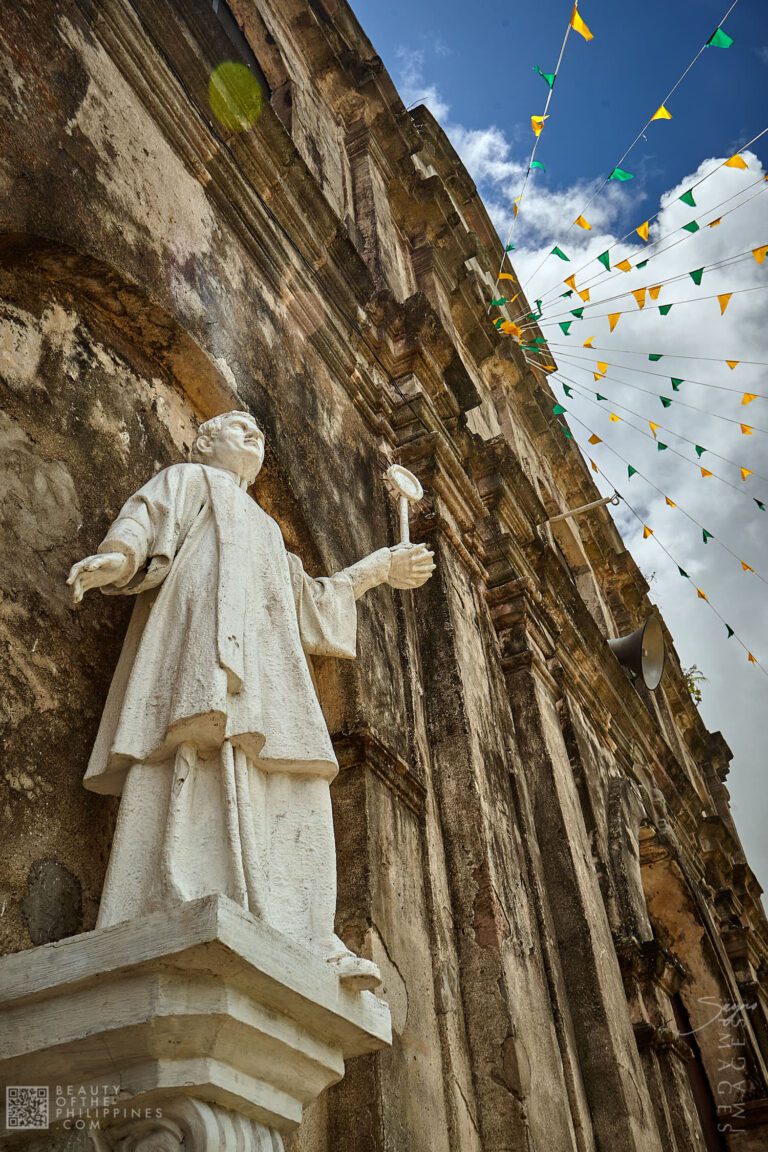
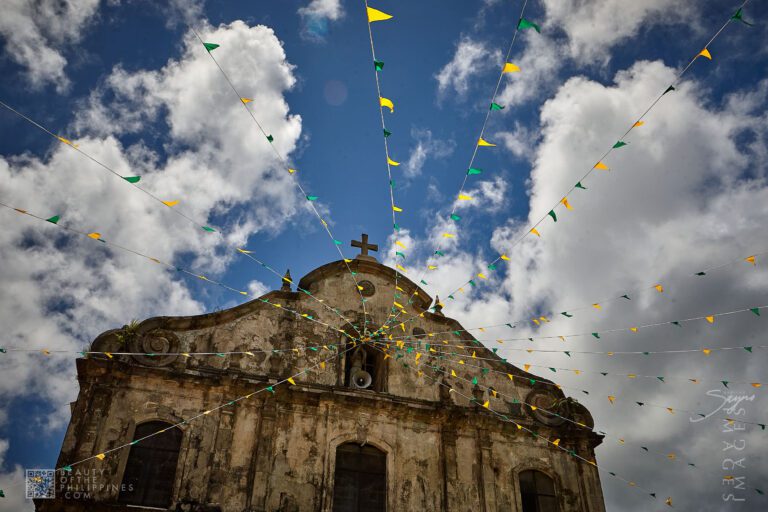
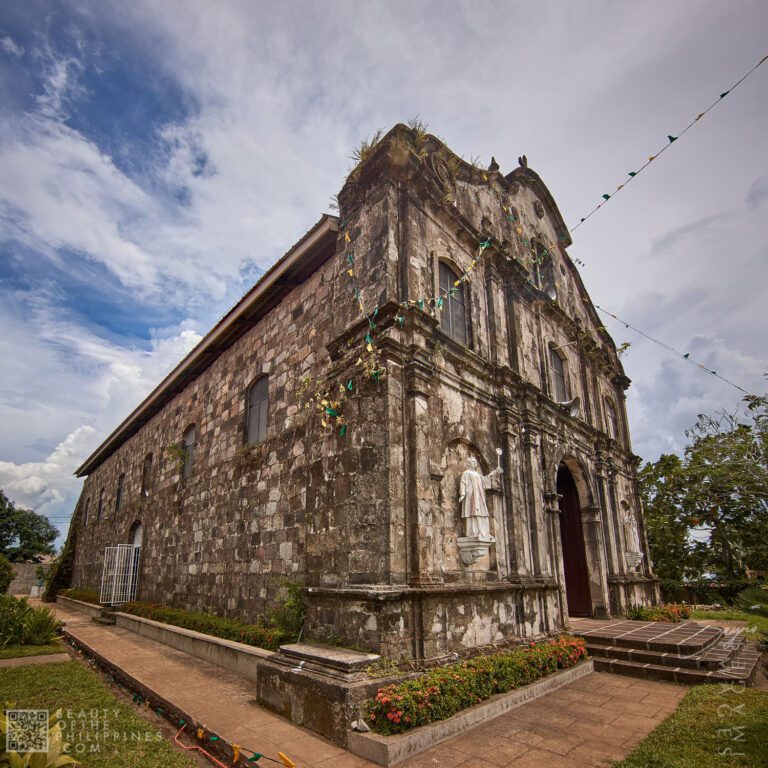
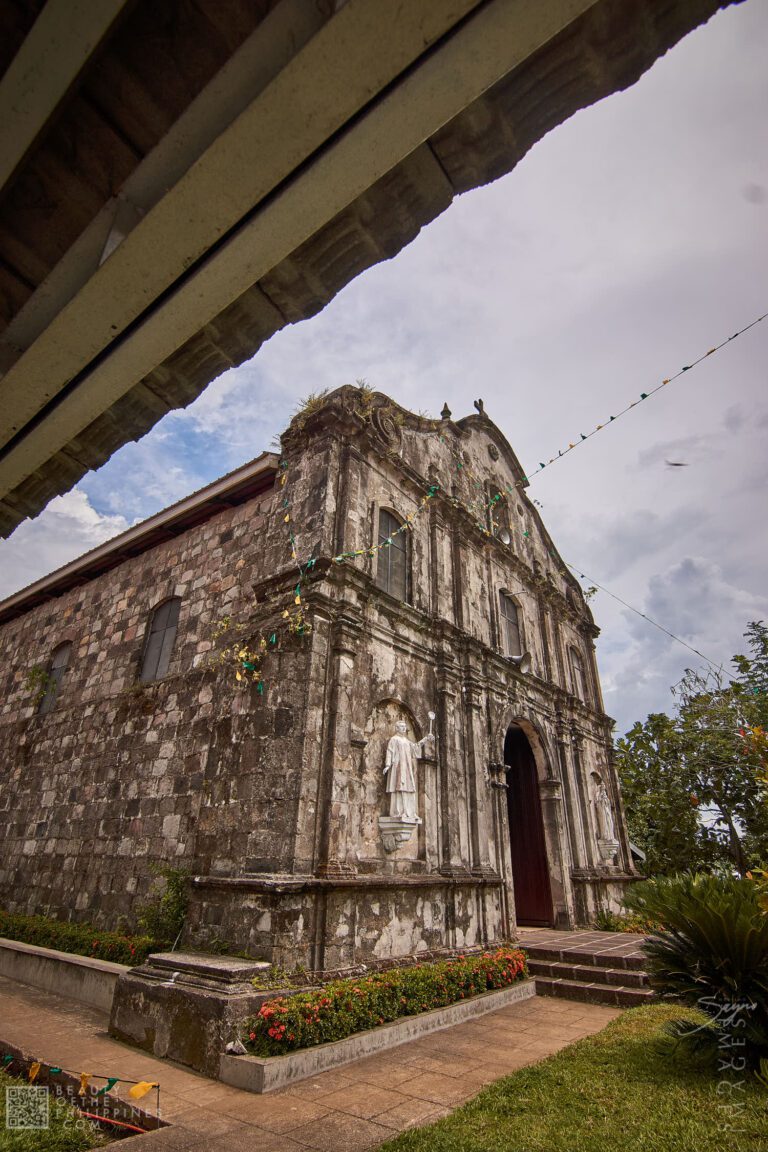
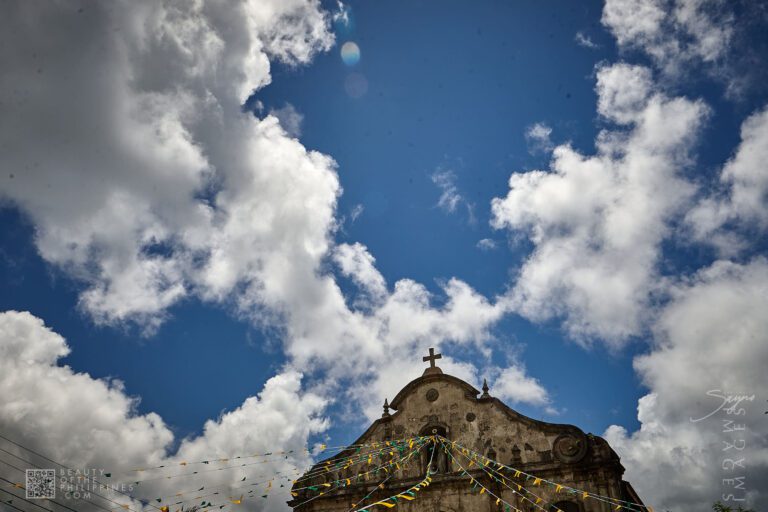
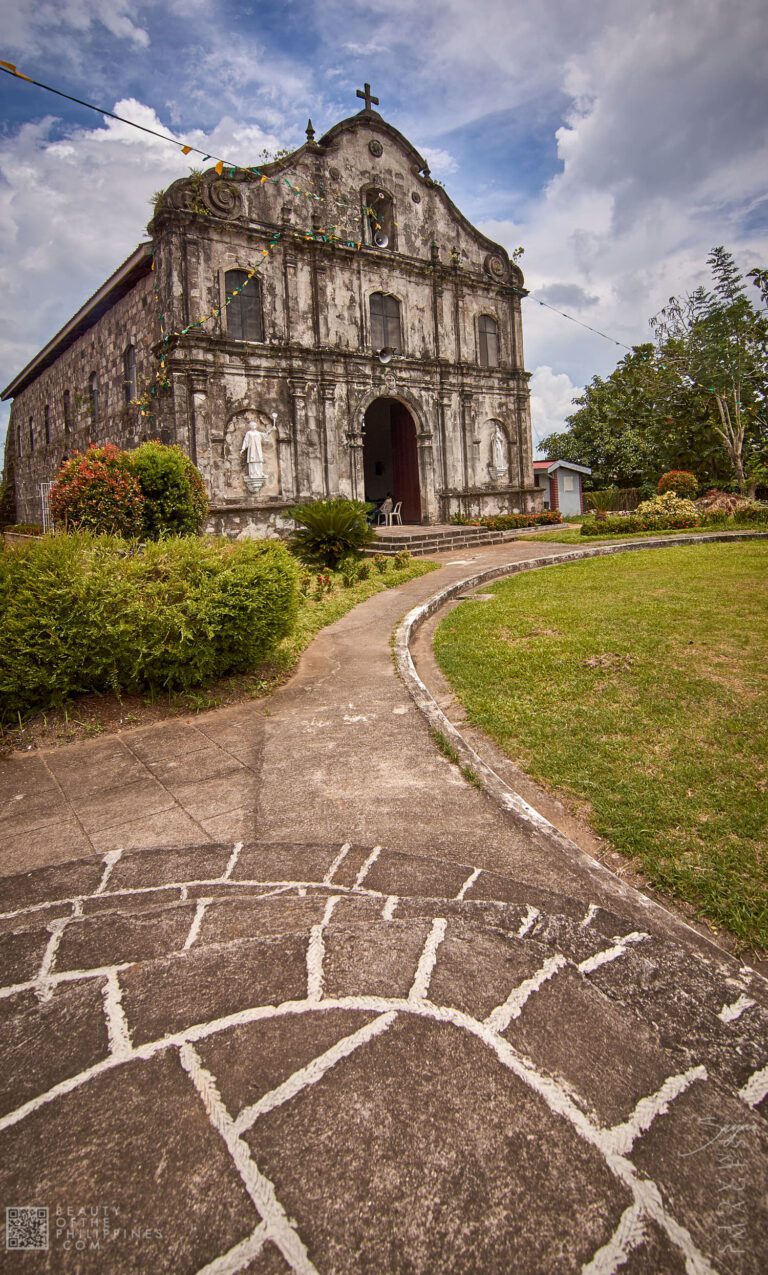
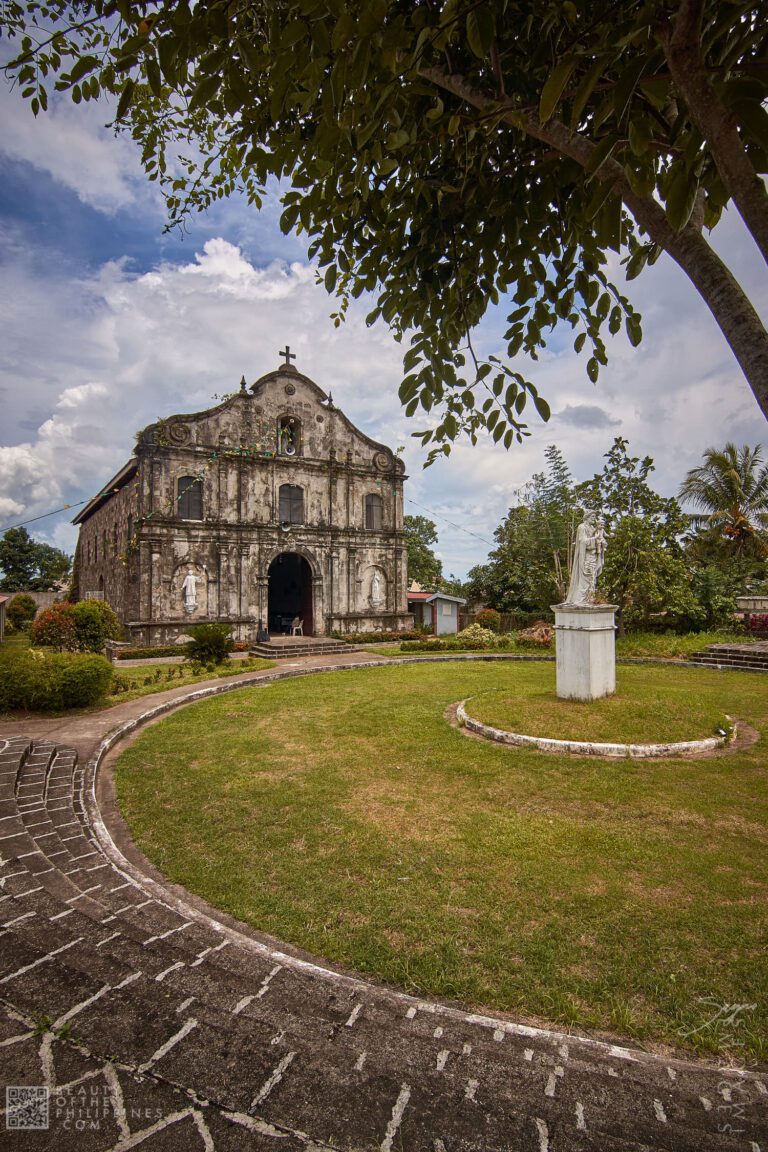
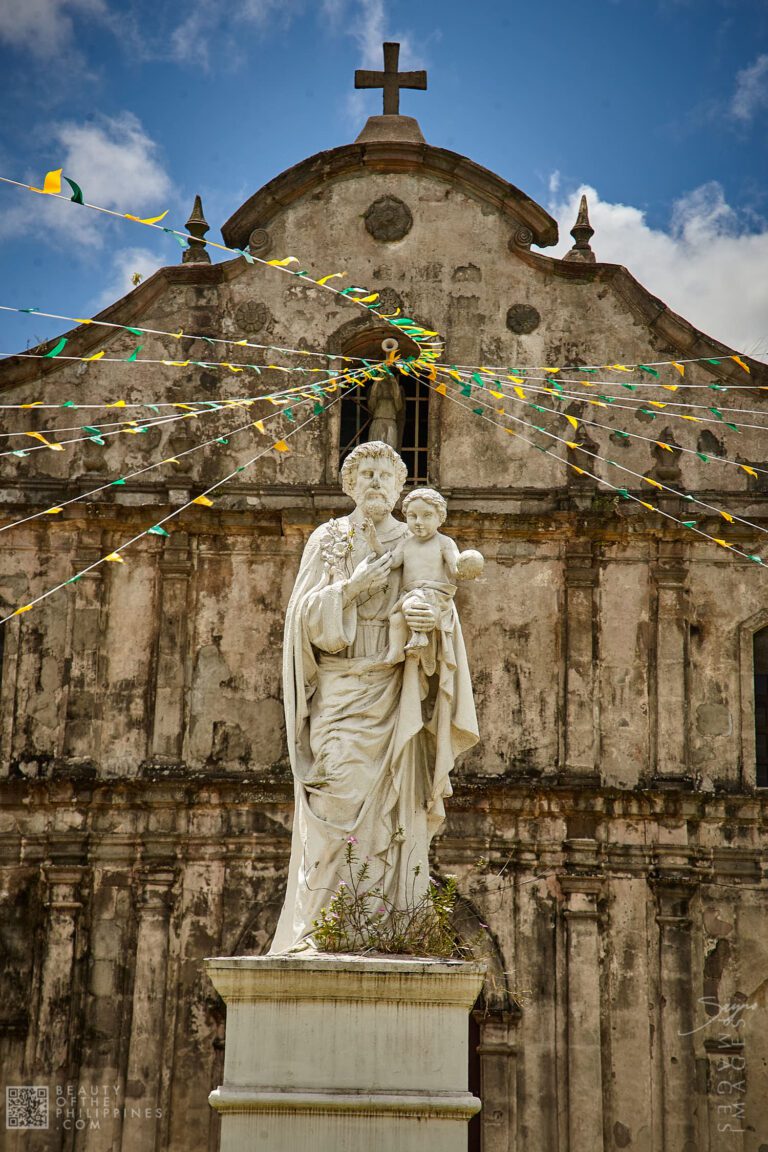
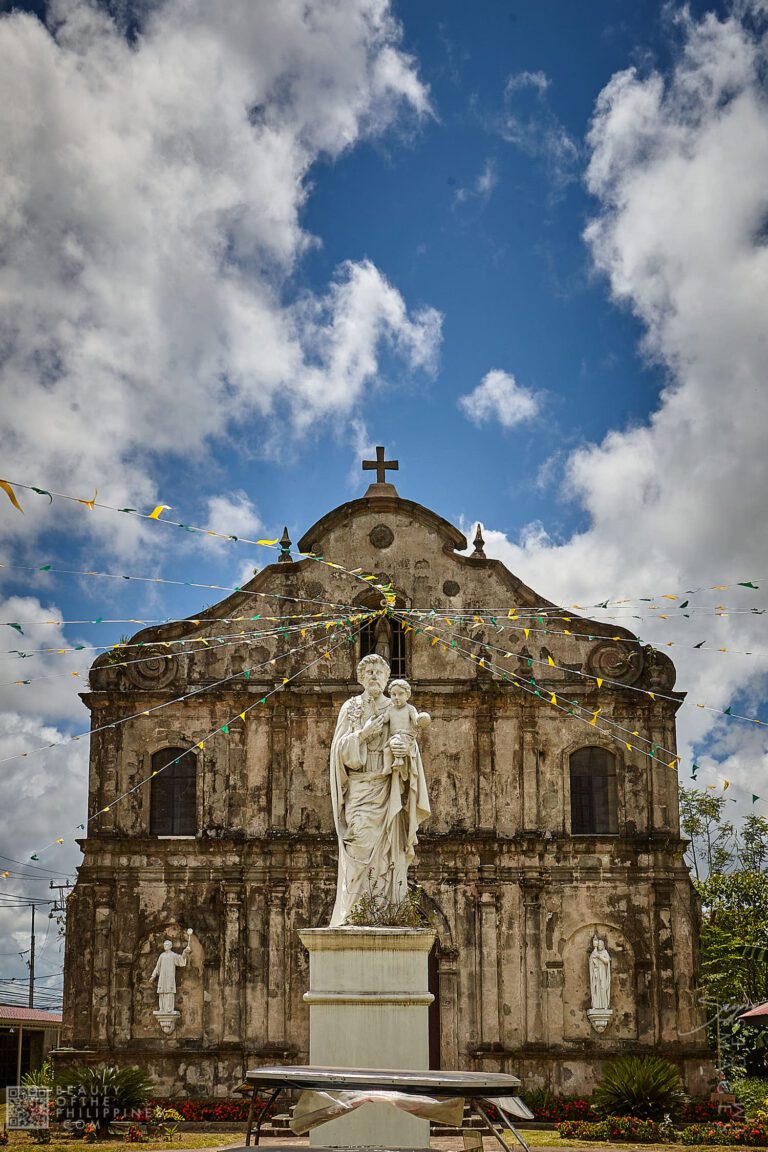
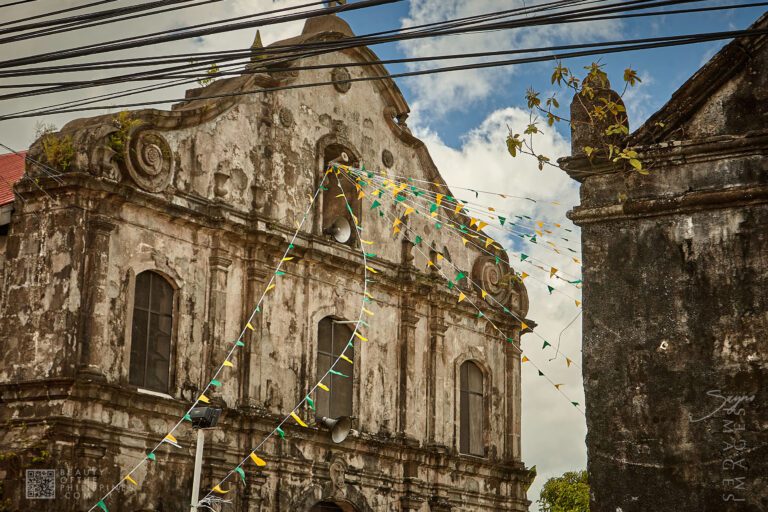
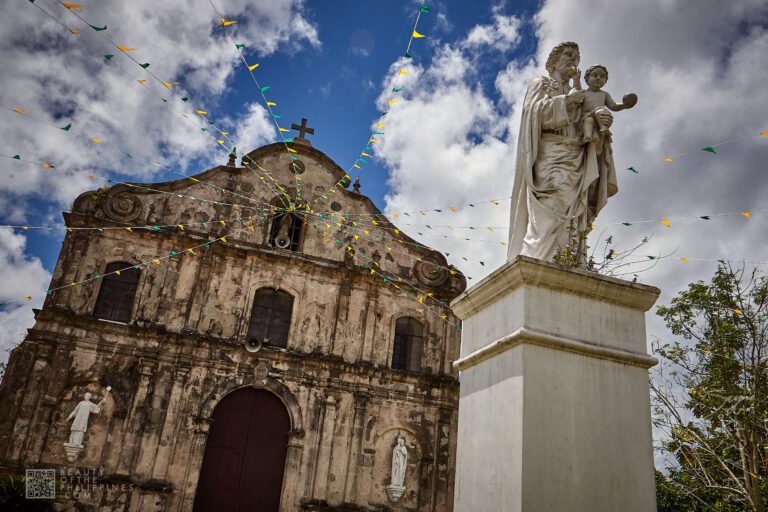
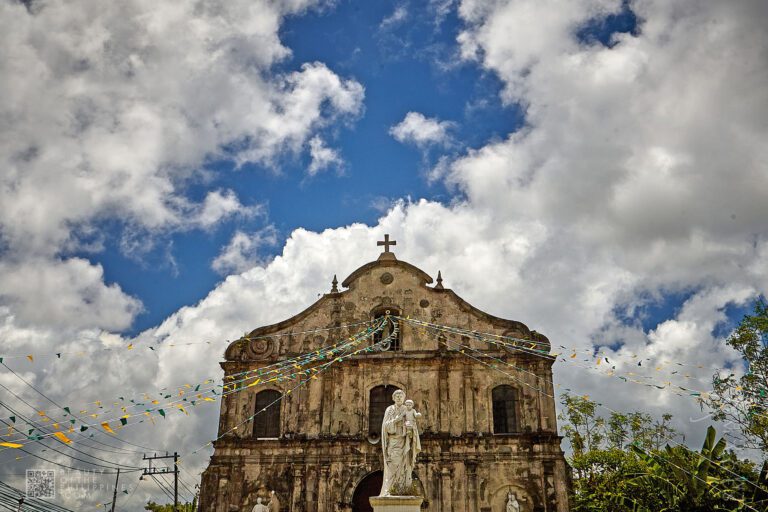
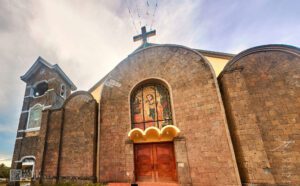
At the quieter edge of Tayabas City’s historic core, beyond the larger presence of basilicas, bridges, and festival routes, Santuario De Las Almas offers a more reflective encounter with the city’s colonial and spiritual past. Once tied to the Spanish-era Cemeterio de los Españoles, this sanctuary reveals how burial, remembrance, and Catholic devotion were physically built into the structure of old Tayabas. Its modest presence carries a different kind of gravity—less public grandeur, more intimate memory—where funerary customs, prayer for departed souls, and the realities of colonial hierarchy remain visible through architecture and local devotion. For travelers moving through Quezon’s heritage landscapes, it becomes a place that broadens understanding of the city beyond postcard landmarks. Here, history is not expressed through spectacle but through silence, ritual, and survival, connecting Spanish ecclesiastical planning, revolutionary memory, and present-day family devotion within one of Tayabas’ most understated but culturally resonant spaces.
Explore the Philippines through my lens as we venture into Santuario De Las Almas with Point of View (POV) photography. Using a body cam, I’ll guide you on an interactive tour, revealing the behind-the-scenes of capturing the shots shared here. Let’s dive into this visual journey together and uncover the wonders through my lens!
Let’s explore the PHILIPPINES through my lens as we journey on a photo slideshow to Santuario De Las Almas. Join me in this visual adventure and discover the wonders captured through my lens! Check out the shared slideshow here.
Where Tayabas Keeps a More Silent Past

Within Tayabas City, a place more frequently identified by the commanding Minor Basilica of Saint Michael the Archangel, the lively Mayohan Festival, ancestral houses, and the famed Malagonlong Bridge, Santuario De Las Almas occupies a far quieter place in the city’s historical imagination. It does not dominate the skyline, nor does it command immediate attention from first-time visitors, yet its significance runs deep within the layered spiritual and colonial geography of old Tayabas.


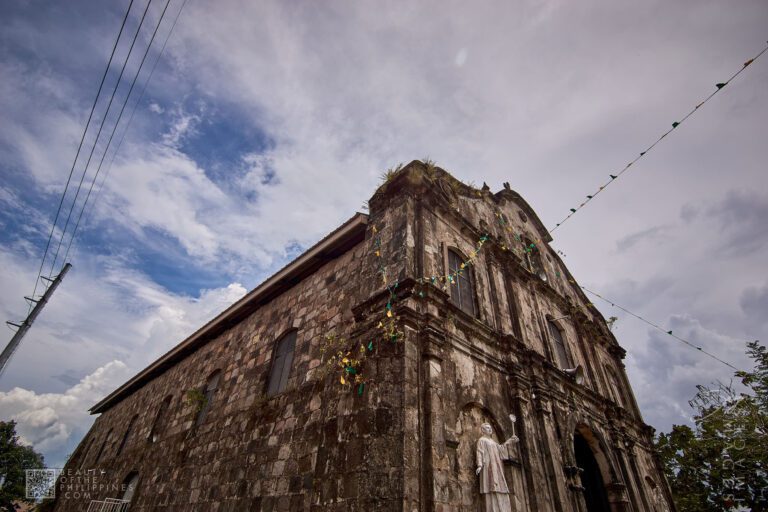
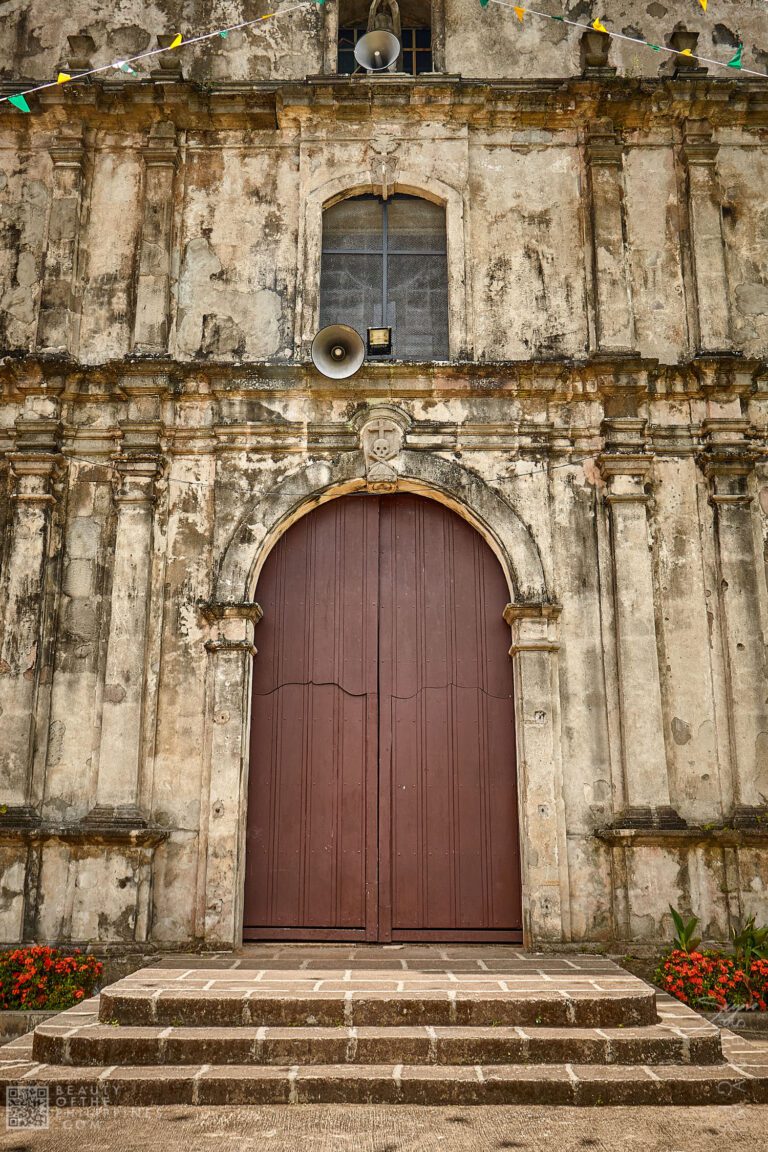
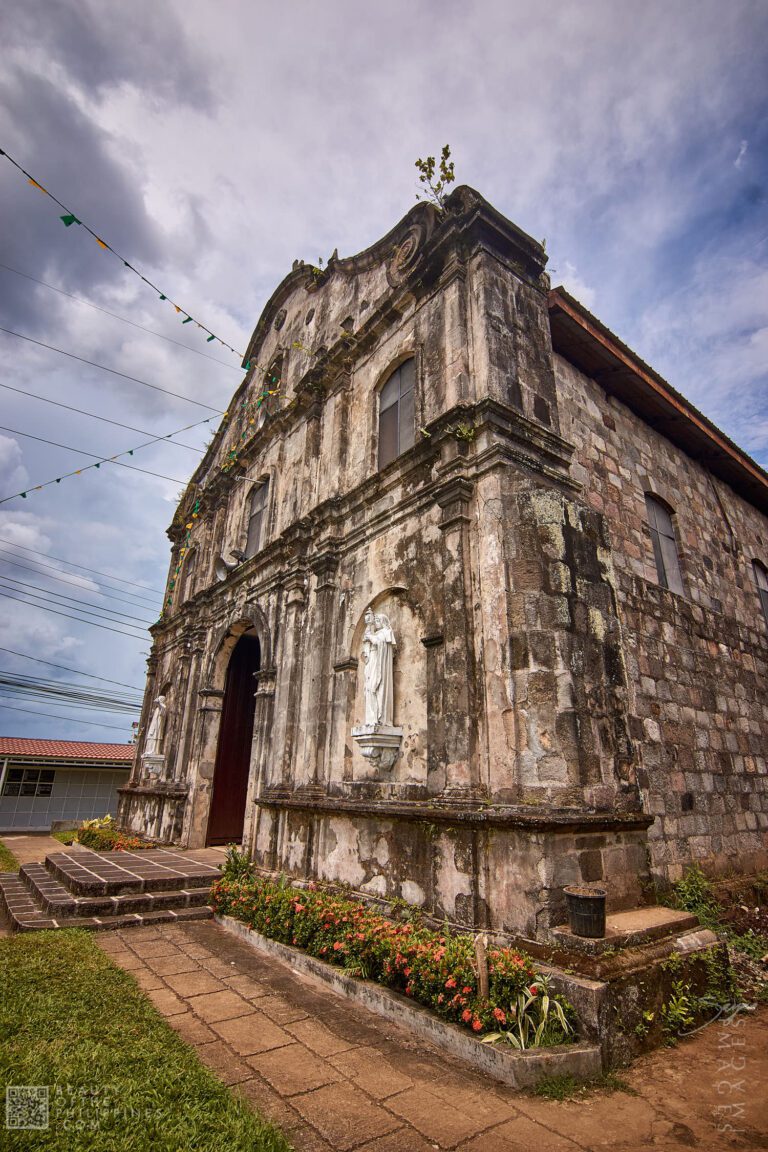
Often overshadowed by larger pilgrimage and heritage landmarks, the sanctuary stands as one of the city’s most understated yet culturally meaningful remnants. Historically linked to the old Cemeterio de los Españoles or Cemetery of the Spaniards, it survives as more than a religious structure—it is a spatial reminder of how Spanish colonial society organized death, class, devotion, and remembrance within the built environment. In a heritage city often celebrated for grandeur, Santuario De Las Almas reveals the quieter architecture of mortality.

Check out the video for more highlights. See what I’ve captured through my lens with Point of View (POV) photography. Using a body cam, I’ll take you on an interactive tour, showing you behind-the-scenes moments of capturing the shots shared here.
Check out the video below for additional features. Explore what I’ve captured through my lens in this cinematic slideshow.
Built for Souls Within Colonial Hierarchy

Research places the sanctuary’s roots around 1855 during the Spanish colonial period under Franciscan oversight, when it functioned as part of the Camposanto para los Españoles, a cemetery space associated with Spaniards and elite sectors. This origin is essential to understanding both its religious and social significance.


Burial grounds during the colonial era often reflected rigid divisions of race and class, and Santuario De Las Almas existed within that structure. As a mortuary chapel, it served as a site of spiritual intercession for departed souls, a place where funerary rites, remembrance, and Catholic theology converged. While larger ecclesiastical landmarks projected institutional authority, this sanctuary represented a more intimate spiritual framework centered on purgatory, salvation, and prayer for the dead.

Its existence demonstrates that Spanish urban planning in the Philippines was not limited to governance or worship alone—it also structured how death itself was ritualized. For heritage observers, this transforms the site from an old chapel into a surviving expression of colonial social order.

From Sacred Chapel to Revolutionary Landscape

Like many heritage structures in the Philippines, Santuario De Las Almas carries significance beyond its original purpose. Local historical studies indicate that during the turbulence of late Spanish colonial unrest and the broader Philippine Revolution, the sanctuary and its surrounding grounds reportedly served as strategic refuge points for revolutionaries, including forces associated with General Miguel Malvar.


This historical layer changes how the site is understood. It was not solely a funerary or devotional structure—it also became part of a resistance landscape. Sacred spaces in colonial towns were often drawn into political upheaval, and Santuario De Las Almas reflects that transformation.

For travelers documenting the intersections of faith and resistance, this dual identity adds unusual depth. The same grounds once associated with colonial hierarchy and spiritual remembrance may also have sheltered movements resisting colonial rule, giving the sanctuary both religious and nationalist resonance.

Baroque Echoes and the Visual Language of Mortality

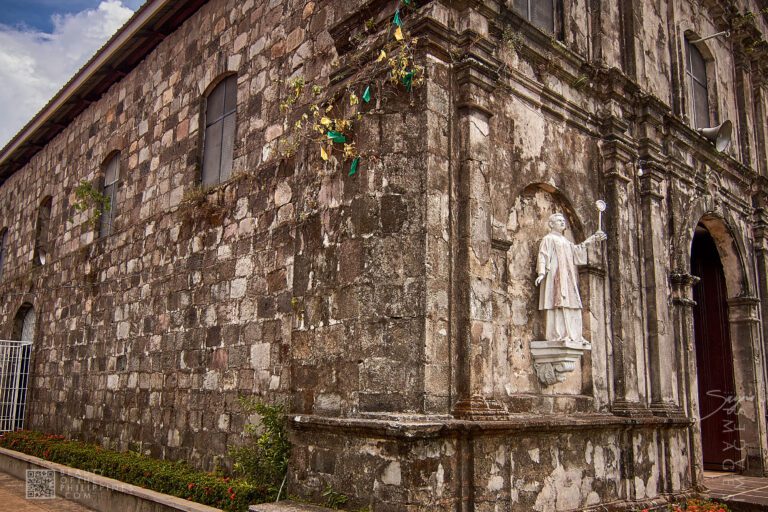
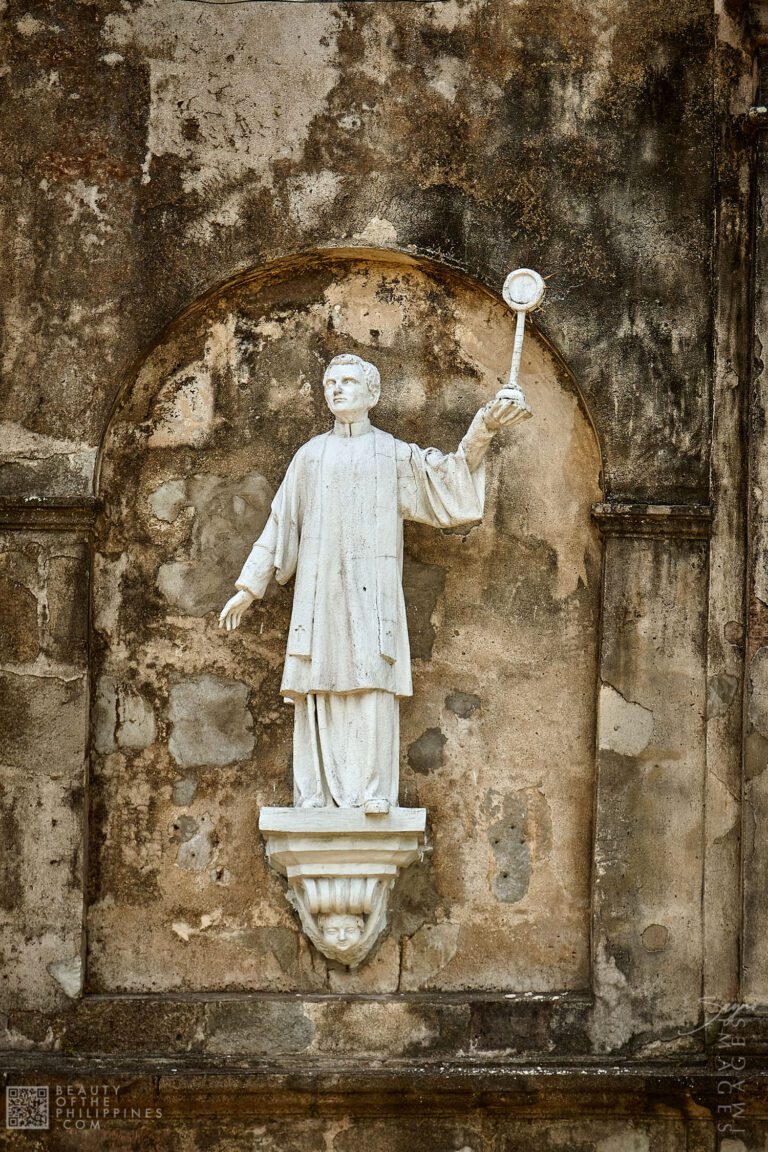
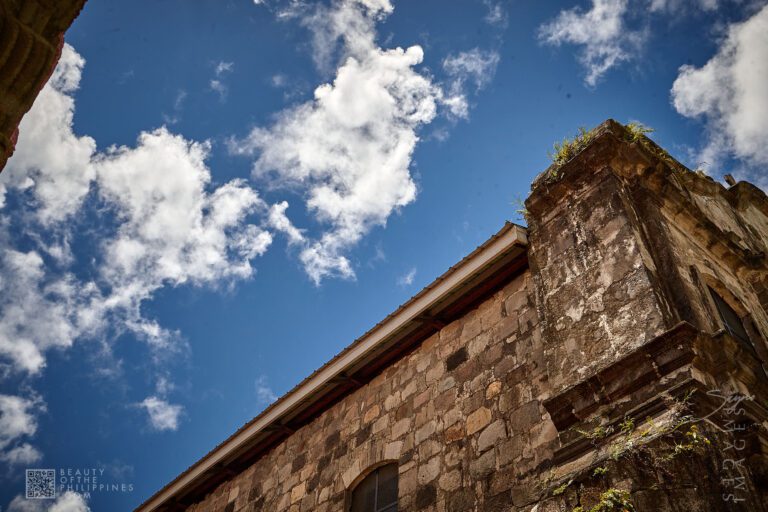
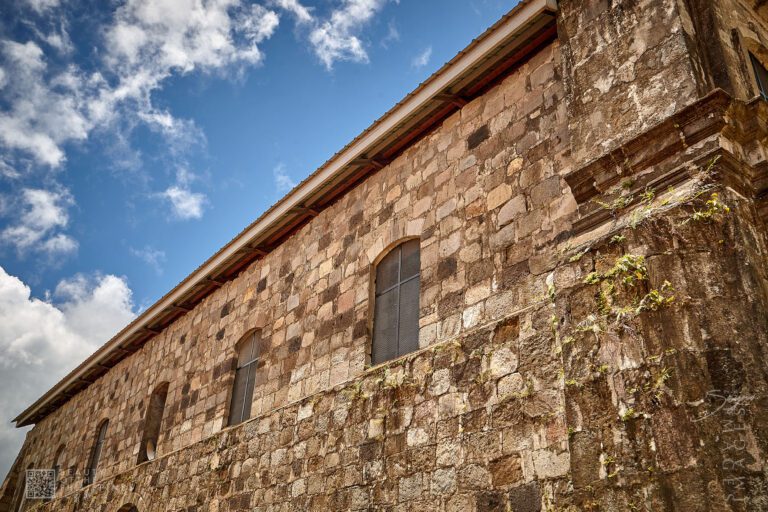
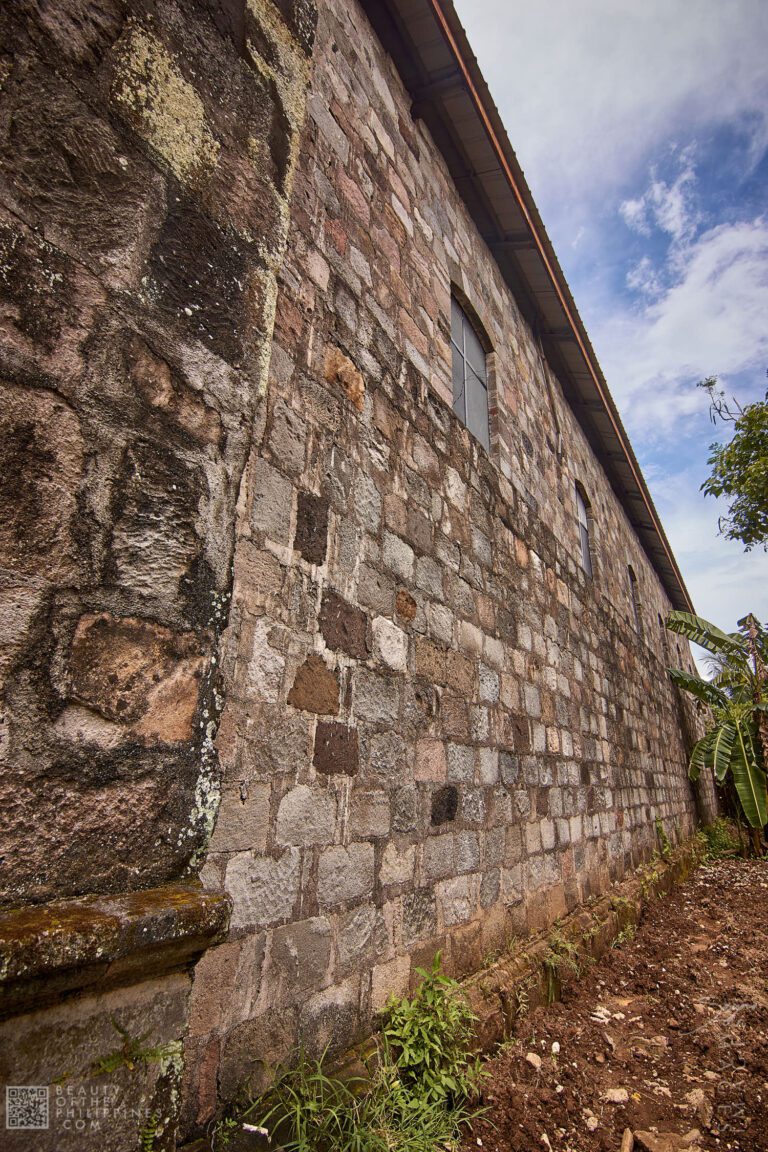
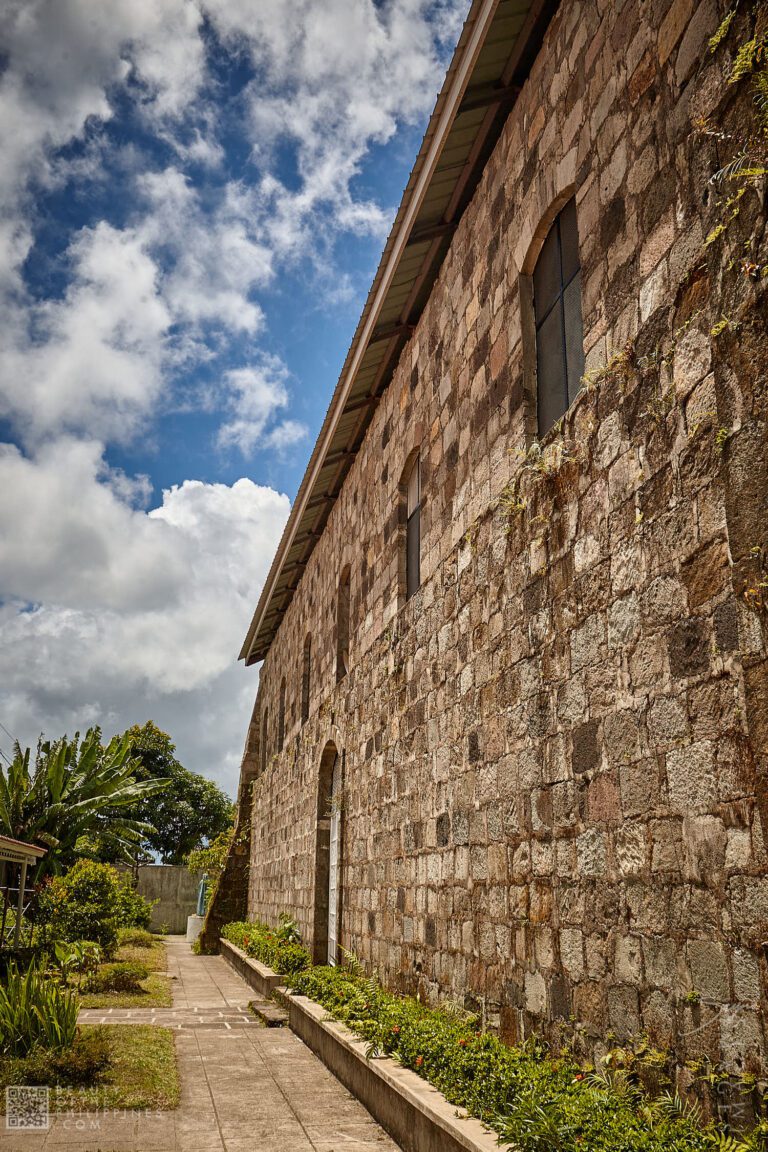
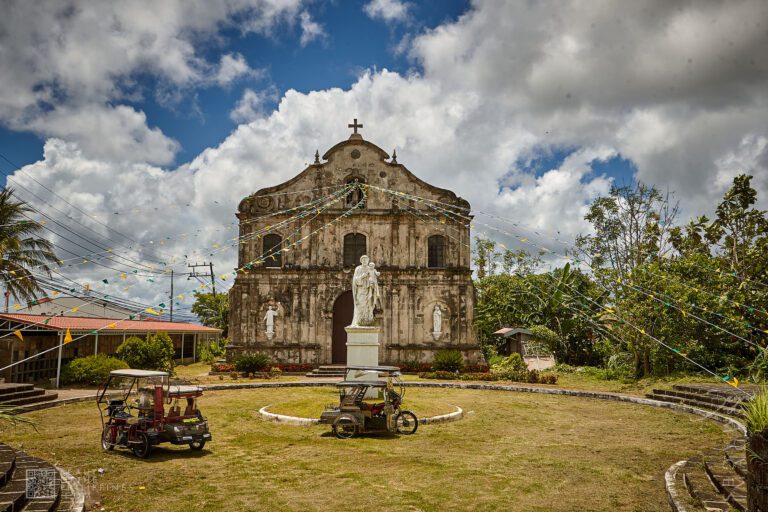
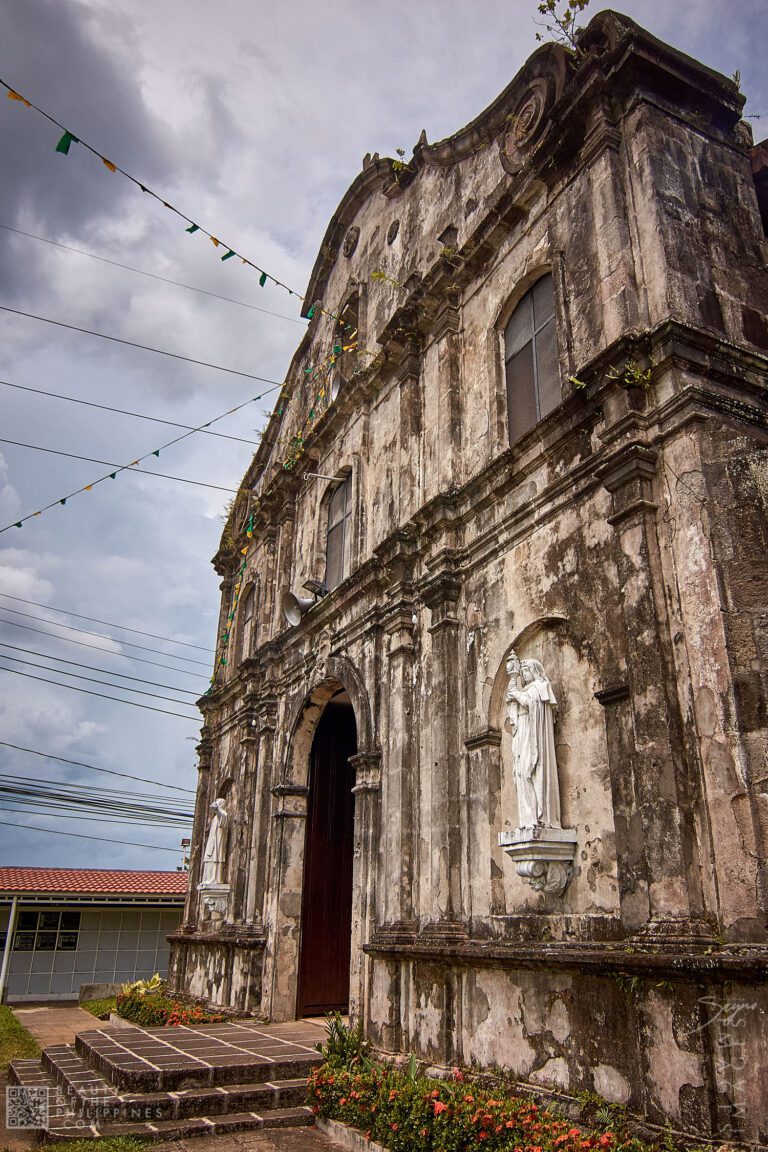
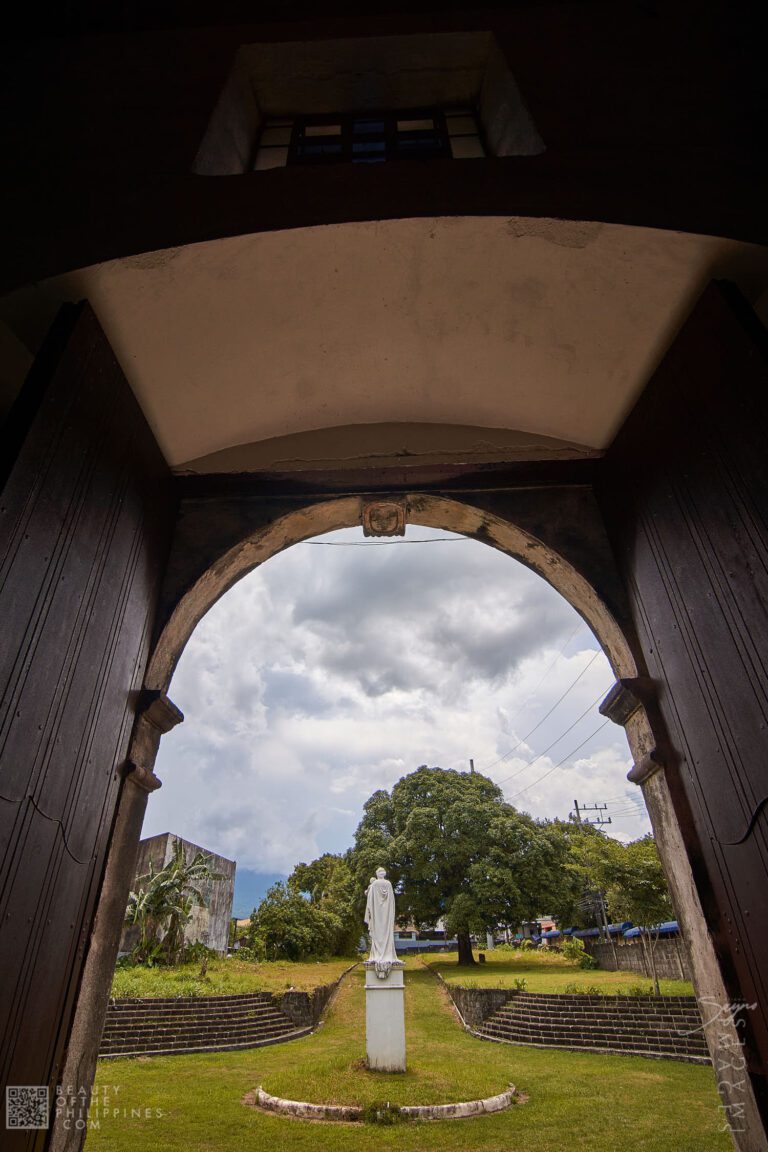
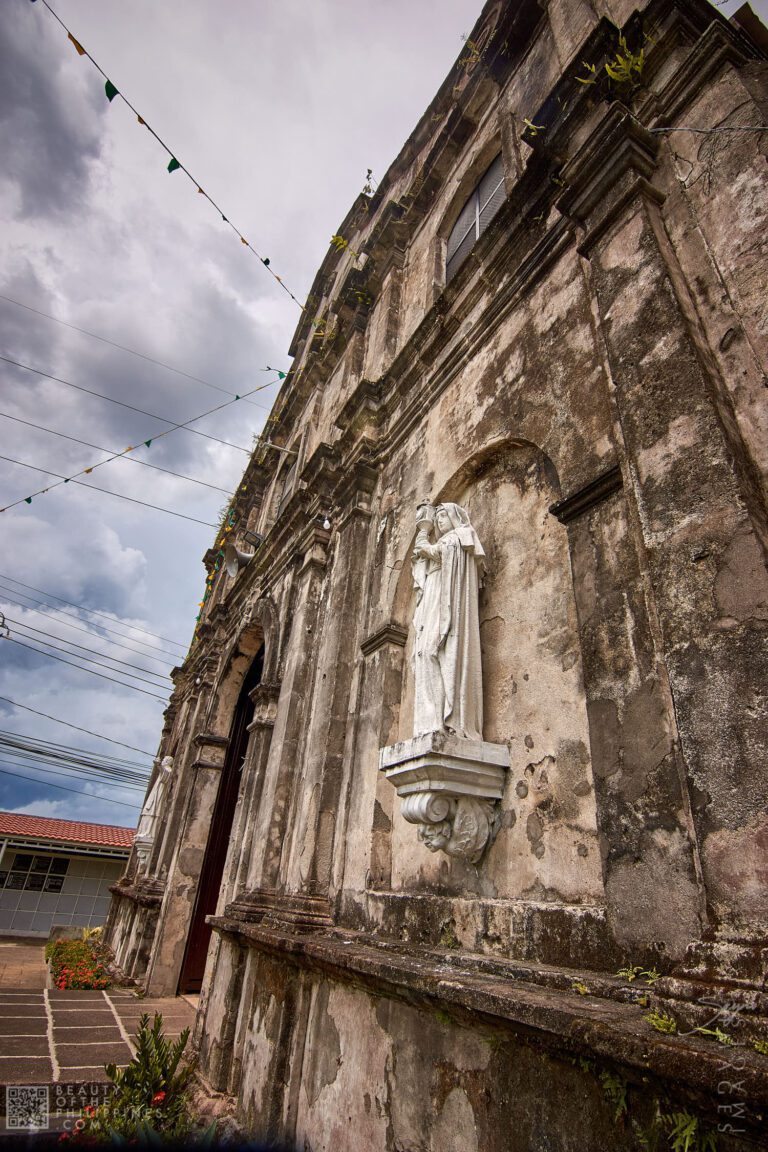
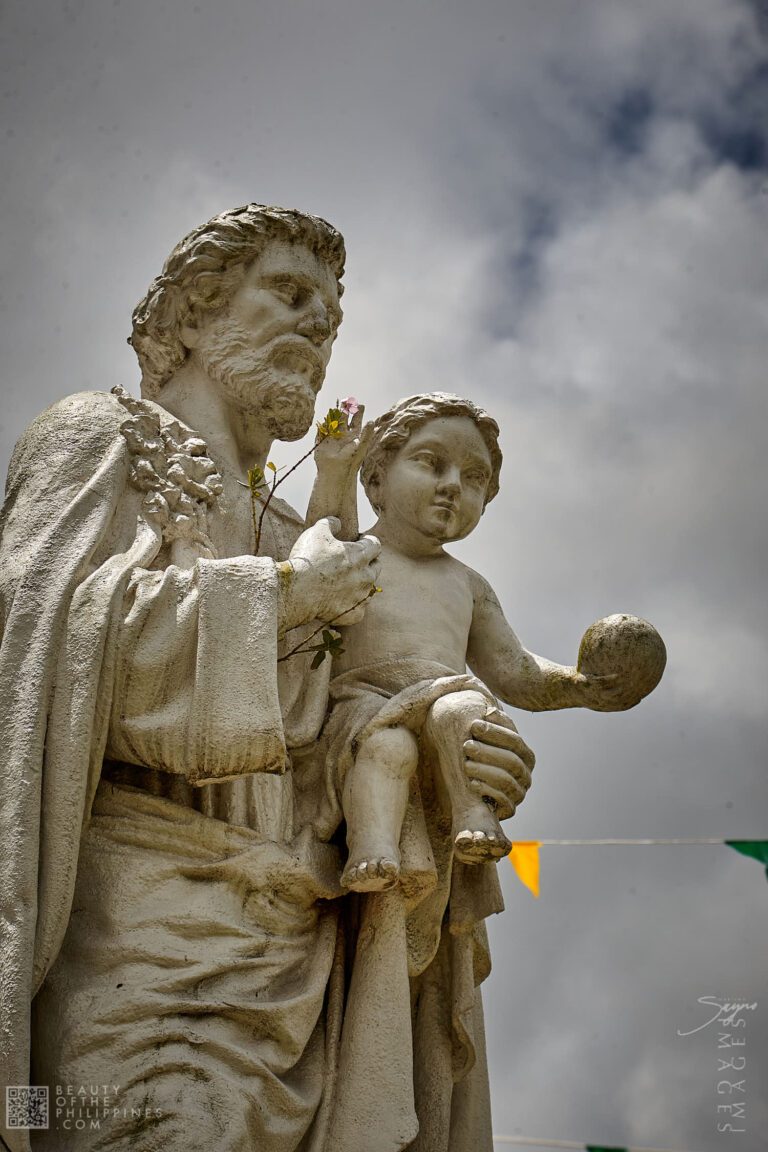
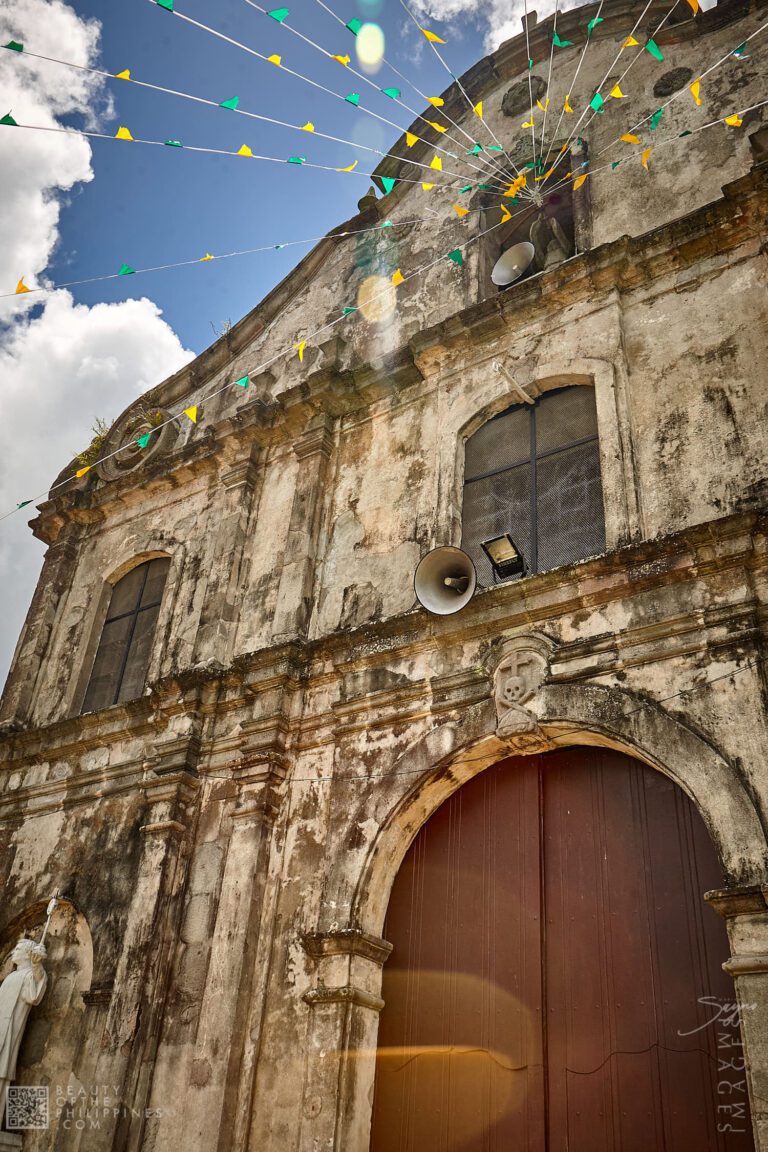
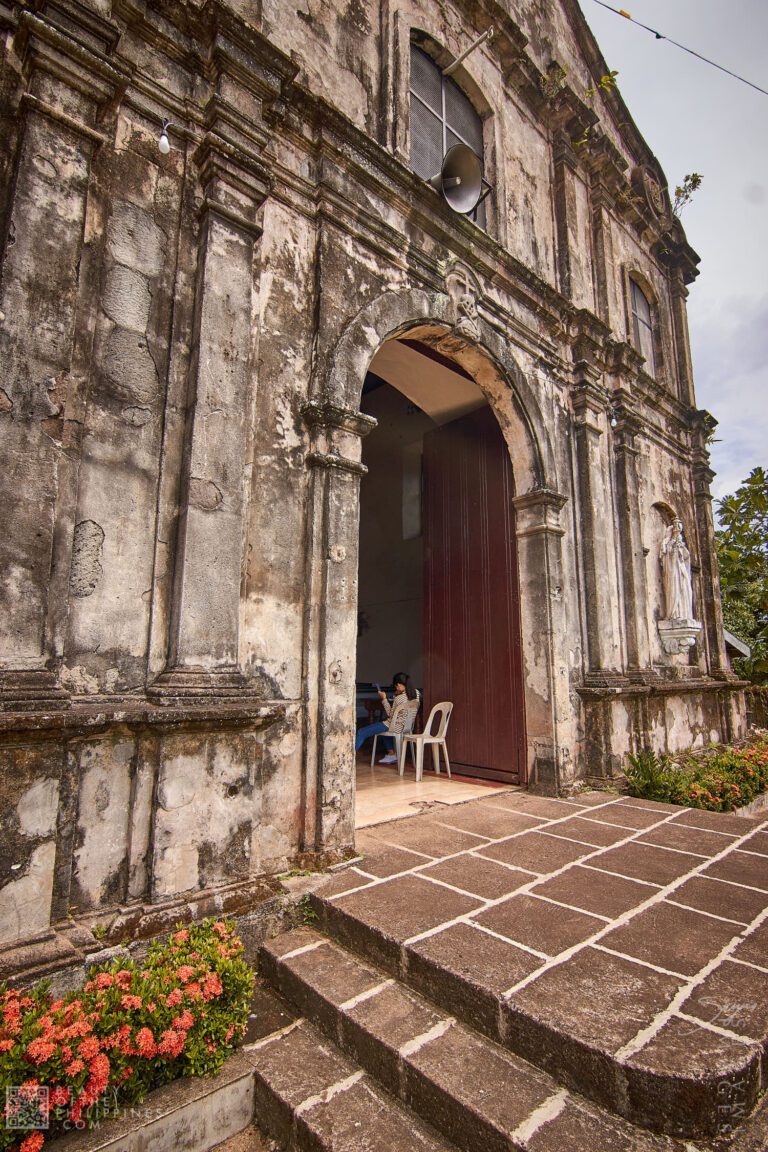
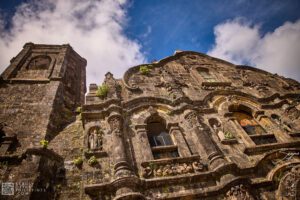
Though smaller and less monumental than Tayabas’ Minor Basilica, the sanctuary preserves distinctive elements of Spanish colonial baroque-influenced ecclesiastical design. Heritage accounts note façade elements shaped by baroque sensibilities, cemetery chapel typology, symbolic skull imagery at the entrance, and religious statuary linked in local accounts to Saint Michael the Archangel and other saints.


These details matter not only architecturally but symbolically. The skull imagery reflects memento mori traditions—visual reminders of mortality deeply embedded in Catholic funerary culture. Rather than decorative excess, such imagery reinforced spiritual reflection on death, redemption, and the soul.


For photographers, slow travelers, and students of architecture, Santuario De Las Almas offers a distinctly different visual experience from Tayabas’ more festive or monumental landmarks. Its atmosphere is more somber, contemplative, and symbolically charged. This becomes especially compelling during Undas, heritage walks, or cultural documentation tours when themes of memory and mortality become central.

Living Faith, Family Memory, and Undas Season

Despite its historical depth, Santuario De Las Almas is not simply a preserved ruin or static relic. By the present day, it remains an active devotional and memorial site. Local studies describe novena masses, family prayers for deceased relatives, religious gatherings, and continued significance during Undas or All Saints’ Day.


This continuity gives the sanctuary living relevance. Rather than functioning as a detached tourist stop, it remains integrated into local spiritual life, where remembrance of the dead continues through ritual practice. For visitors, this creates a form of reflective tourism shaped not by spectacle but by observation and cultural respect.


Its role aligns with growing interest in faith tourism, dark heritage tourism, and ancestral memory travel, though its atmosphere resists sensationalism. Santuario De Las Almas is better understood as a place of contemplation—where Filipino Catholic tradition, family remembrance, and historical continuity quietly converge.

A Quieter Counterpoint in Tayabas’ Heritage Circuit

Founded in 1578 and once central to the old Tayabas Province, Tayabas City remains one of Quezon’s richest colonial landscapes. Visitors often focus on grander landmarks such as the Minor Basilica of Saint Michael the Archangel, Casa Comunidad, Nuestra Señora de las Angustias, Spanish-era bridges, lambanog culture, festival routes, and ancestral streetscapes.


Within this broader heritage route, Santuario De Las Almas offers an essential counterpoint. Where other landmarks emphasize civic, architectural, or celebratory grandeur, this sanctuary centers mortality, remembrance, and spiritual intimacy. It broadens the tourism narrative of Tayabas, reminding travelers that the city’s heritage is not only built on public spectacle but also on quieter spaces of grief, devotion, and memory.


For walking heritage itineraries, it works best not as an isolated attraction but as part of a fuller exploration of Tayabas’ spiritual geography.

RELATED STORIES

Moriones Festival: Bondoc’s Barefoot Senturyon Revealed

When most travelers picture the Moriones Festival, it’s the streets of Marinduque that come to mind. Yet the Bondoc Peninsula in Quezon Province has its

Read More »
Niyogyugan Festival

Hambujan Festival: A Celebration of Agricultural Bounty and Spiritual Devotion

Located in the heart of Dolores, Quezon, the Hambujan Festival is a vibrant celebration that embodies the town’s rich heritage and deep connection with nature.

Read More »

Lamon Bay: The Pacific Coast Jewel of Quezon

Along Quezon Province’s eastern seaboard, Lamon Bay unfolds as a living tapestry of sea, sand, and human stories. Unlike the more visited Pacific-facing beaches of

Read More »

Dolores’ Paskotitap 2025: Quezon’s One-of-a-Kind Christmas Celebration

This Christmas, Dolores shone as the creative heart of Quezon province. Paskotitap 2025 transformed the town into a radiant celebration of lights, movement, and storytelling—where

Read More »
Preservation Challenges and the Value of Hidden Histories

Research suggests the sanctuary has long existed outside the main tourism spotlight. Compared with flagship attractions, it faces challenges that include limited interpretive materials, lower promotional visibility, preservation vulnerability, and the risk of being overshadowed.


Yet in an era when Philippine heritage tourism increasingly values overlooked narratives, this may also define its future importance. Santuario De Las Almas can be positioned not as a secondary landmark but as “Tayabas’ sanctuary of memory,” where colonial funerary practice, Catholic theology, revolutionary history, and local remembrance intersect.


For travel writers, heritage researchers, pilgrims, cemetery architecture enthusiasts, and documentary photographers, this site offers something increasingly rare: a destination that asks visitors not simply to see, but to reflect.

I’m looking forward to the stories and images leaving a lasting positive impression on you, just as they have on me. Stay connected with us on social media for a weekly exploration of travel assignments and breathtaking visuals. Our focus is on championing local tourism, showcasing small businesses, and honoring the magnificence of the Philippines through the content we curate. Join us in spreading the word by clicking the ‘share’ buttons below. Your support means the world to us.

BROWSE BY REGION
  • metro MANILA
  • abra
  • albay
  • baguio city
  • BATAAN
  • batangas
  • Benguet
  • bulacan
  • cagayan
  • cavite
  • cebu
  • cotabato
  • davao oriental
  • Guimaras
  • ilocos norte
  • ilocos sur
  • Iloilo
  • Isabela
  • laguna
  • lanao del norte
  • maguindanao
  • negros occidental
  • nueva vizcaya
  • palawan
  • Pampanga
  • pangasinan
  • QUEZON
  • rizal
  • Samar
  • sarangani
  • sorsogon
  • Tarlac
  • zambales
  • zamboanga city

EXPLORE MORE about

  • Quezon

Lamon Bay: The Pacific Coast Jewel of Quezon

Along Quezon Province’s eastern seaboard, Lamon Bay unfolds as a living tapestry of sea, sand, and human stories. Unlike the more visited Pacific-facing beaches of

Read More »

San Narciso Port: A Small Harbor at the Center of Coastal Life

When people talk about ports in Quezon Province, the bigger and busier ones usually come to mind first. But further south, along the Bondoc Peninsula,

Read More »

Candle Festival of Candelaria: A Marian Tribute to Nuestra Señora de la Candelaria

The Candle Festival in Candelaria, Quezon, held from January 31 to February 5, 2026, celebrates devotion to Nuestra Señora de la Candelaria while highlighting community

Read More »

A&J Cafe: Exploring Gumaca One Sip at a Time

Finding A&J Cafe at J.P. Rizal Street corner E. Caparros Street in Barangay Pipisik, the space immediately communicates calm. Minimalist design, warm lighting, and an

Read More »

Lucban Church: Stone, Story, and the Spirit of Pahiyas

Right in the heart of Lucban, Quezon, you’ll find the San Luis Obispo de Tolosa Parish Church, more commonly known as Lucban Church. This centuries-old

Read More »

Atimonan Port: Gateway to Lamon Bay and the Island Routes of Quezon

Along the Edge of Lamon Bay I first approached Atimonan Port with the sea on one side and the steady traffic of the Maharlika Highway

Read More »

Lucban Longganisa: A Garlicky Icon of Quezon’s Culinary Heritag

When you wander into the vibrant town of Lucban, Quezon, you can’t miss the aroma that defines its identity — the unmistakable, bold scent of

Read More »

San Narciso Beach: Talisay Cove’s Scenic Escape

Located in the town of San Narciso, Quezon Province, San Narciso Beach — or Talisay Beach as locals call it — stretches along the Philippine

Read More »

Moriones Festival: Bondoc’s Barefoot Senturyon Revealed

When most travelers picture the Moriones Festival, it’s the streets of Marinduque that come to mind. Yet the Bondoc Peninsula in Quezon Province has its

Read More »

Gunao Lake: A Hidden Gem in Dolores, Quezon

Gunao Lake, located in the charming town of Dolores in Quezon Province, remains a hidden treasure waiting to be discovered by adventurers seeking natural wonders.

Read More »

Sariaya Church: Sto. Cristo de Burgos and the Heritage of Quezon

Traveling along the Maharlika Highway in the heart of Sariaya, Quezon Province, you can’t help but notice the quiet elegance of Sariaya Church. Known formally

Read More »

Quezon Zigzag Road: Adventure Through Bitukang Manok’s Winding Paths

Quezon Zigzag Road, or Bitukang Manok, was constructed in 1969 during President Ferdinand Marcos’ administration. Engineers faced the challenge of traversing the rugged slopes of

Read More »

Sirena ng Atimonan: Where Folklore Meets the Sea

A Familiar Figure Along the Road The Sirena ng Atimonan stands along the Pan-Philippine Highway, right by the shores of Lamon Bay in Barangay Angeles,


Read More »
Niyogyugan Festival

Niyogyugan Festival: Celebrating Quezon’s Coconut Heritage and Vibrant Culture

Every August, Quezon Province bursts with color, rhythm, and tradition as the Niyogyugan Festival takes over Lucena City. More than just a tribute to coconuts,

Read More »

Pabasa ng Pasyon: Experience Spiritual Devotion Through Song and Kubols

Every Holy Week, from Palm Sunday to Good Friday, the town of General Luna in Quezon transforms into a living stage of devotion and culture.

Read More »

Pulong Pasig Sandbar: Walking the Endless White Sands of Calauag

Pulong Pasig Sandbar, situated in the pristine coastal waters of Calauag, Quezon, is a breathtaking sandbar that emerges and disappears with the tides, offering an

Read More »

Hondagua: Where Deep Waters and Old Rails Tell Stories

Hondagua is a barangay in the Municipality of Lopez, within Quezon Province, part of Region IV-A (CALABARZON) on Luzon island, Philippines. It lies directly along

Read More »

Siain Port: From Copra Trade to Community Pier in Plaridel

Every time I walk toward Siain Port, the first thing that hits me is the line of the pier itself—long, straight, and stretching into Lamon

Read More »

Boling-Boling Festival: Street Revelry and Cultural Heritage in Catanauan

For travelers exploring Quezon Province, few festivals rival the energy and creativity of the Boling-Boling Festival in Catanauan. Celebrated in the days leading up to
Read More »

Pahiyas Festival: Street Dancing, Floats, and the Spirit of San Isidro

Every May 15, the charming town of Lucban, Quezon, bursts into a kaleidoscope of colors, music, and movement for the Pahiyas Festival, a grand celebration

Read More »

Lucban Pahiyas Festival: A Spectacularly Colorful Tradition in Quezon

Every May 15, the charming town of Lucban, Quezon bursts into a dazzling display of colors, artistry, and cultural pride as it celebrates the Pahiyas

Read More »

Candle Festival: From Local Tradition to National Spotlight

This celebration of the “Candle Festival” takes place from the 31st of January to the 2nd of February each year and is held in order

Read More »
Malagonlong Bridge Tayabas Quezon

Malagonlong Bridge: A Timeless Crossing in Tayabas, Quezon

Tucked along the Dumacaa River in Tayabas City, Malagonlong Bridge — or Puente de Malagonlong — is one of the Philippines’ oldest and longest stone

Read More »

Mulanay Church: A Quiet Witness to Mulanay’s History

Standing quietly at the center of town, Mulanay Church feels less like a monument and more like a steady presence. I noticed how time moves

Read More »

Dolores’ Paskotitap 2025: Quezon’s One-of-a-Kind Christmas Celebration

This Christmas, Dolores shone as the creative heart of Quezon province. Paskotitap 2025 transformed the town into a radiant celebration of lights, movement, and storytelling—where

Read More »

San Narciso Church: The Spiritual Heart of Quezon Town

At the heart of San Narciso town in Quezon, a modest but profoundly significant landmark rises — the San Narciso Church, officially named St. Joseph

Read More »

Senturyons of General Luna: Witnessing Quezon’s Sacred Rituals

In General Luna, Quezon, Holy Week is far from ordinary. The town’s quiet streets transform into a tapestry of devotion and local artistry through the
Read More »
Niyogyugan Festival

Hambujan Festival: A Celebration of Agricultural Bounty and Spiritual Devotion

Located in the heart of Dolores, Quezon, the Hambujan Festival is a vibrant celebration that embodies the town’s rich heritage and deep connection with nature.

Read More »

BROWSE BY CATEGORIES

LOCATIONS
PROVINCES

Abra

Albay

Baguio City

Bataan

Batangas

Benguet

Bulacan

Cagayan

Cavite

Cebu

Cotabato

Davao Oriental

Guimaras

Ilocos Norte

Ilocos Sur

Iloilo

Isabela

Laguna

Lanao del Norte

Maguindanao

Manila

Negros Occidental

Nueva Vizcaya

Palawan

Pampanga

Pangasinan

Quezon

Rizal

Samar

Sarangani

Sorsogon

Tarlac

Zambales

Zamboanga City

ARCHITECTURE
HERITAGE

Bonifacio Monument Tutuban

Burdang Lumban Festival

Cagsawa Festival

Capones Lighthouse

Casa Manila

Christ the King Seminary

Corregidor Island Dark Tour Experience

Corregidor Island Reopens

Corregidor Island

Cultural Center of the Philippines

Fantasy World

Gabriela Silang Memorial Shrine

Gomburza National Monument

Hondagua

Iloilo Customs House

Intramuros

Jones Bridge

Jones Bridge

Kartilya ng Katipunan

La Loma Cemetery

LOAD MORE

CHURCHES
FAITH

Bacolor Church

Baguio Cathedral

Barasoain Church

Binondo Church

Calaca Church

Calumpit Church

Chong Hock Tong Temple

Feast of Black Nazarene

Greenbelt Chapel

Guadalupe Chapel Intramuros

Guadalupe Ruins Makati

La Naval de Manila

Las Piñas Bamboo Organ

Las Piñas Church

Lingayen Cathedral

Lubenas Festival

Lucban Church

Malate Church

Manila Abbey

Manila Cathedral

LOAD MORE

NATURAL & MAN-MADE
ATTRACTIONS

A&J Cafe

Alligator Lake

Amare La Cucina Baguio

Ambuklao Dam

Antipolo Cathedral

Apurawan Beach

Atimonan Port

Avilon Zoo

Azalea Hotels & Residences Baguio

Bagac Beach

Baguio Media Newseum

Balai Isabel

Balayan Bay

Baluarte de San Diego

Betis Church

Binondo Chinatown

Bustos Dam

Café Khawa

Callao Cave

Camara Island

LOAD MORE

FESTIVALS &
EVENTS

Al Cinco de Noviembre Festival

Ana Kalang Festival

Antipolo Maytime Festival

Balacat Festival

Balitok Ti Alicia Festival

Bañamos Festival

Bato Art Festival

Bato Art Festival

Boling-Boling Festival

Buhayani Festival

Burdang Lumban Festival

Candle Festival

Dinagyang Festival

Feast of Santo Niño

Gilingan Festival

Halamanan Festival

Hambujan Festival

Iloilo Dinagyang Festival

Inaul Festival

Itik Festival

LOAD MORE
Facebook Twitter Instagram Envelope

All photographs that appear on the site are copyright of Mariano Sayno ©2022 Beauty of the philippines

All photographs that appear on the site are copyright of Mariano Sayno ©2022 Beauty of the philippines.com

Beauty of the philipipnes LOGO WHITE

BROWSE BY PROVINCE

Abra

Albay

Baguio City

Bataan

Batangas

Benguet

Bulacan

Cagayan

corregidor-island

Cavite

Cebu

Cotabato

Davao Oriental

Manggahan aFestival of Guimaras

Guimaras

Ilocos Norte

Ilocos Sur

dinagyang aliwan friesta husayno mariano sayno

Iloilo

Isabela

Laguna

Lanao del Norte

Maguindanao

Manila Bay by Mariano Sayno

Manila

Negros Occidental

Magat River Dupax Del Norte

Nueva Vizcaya

Palawan

Pampanga

Lingayen Cathedral

Pangasinan

Quezon

Rizal

Samar

Sarangani

Sorsogon

Tarlac

Zambales

Zamboanga City

City of Tayabas, Quezon, Philippines