Quezon Zigzag Road: The Wild Ride Through Bitukang Manok
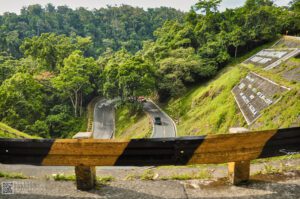
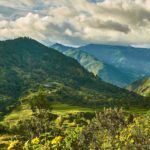
The Quezon Zigzag Road was built in 1969 during the Marcos administration, designed to link Quezon Province with the Bicol Region. Faced with the rugged
If you think the Moriones Festival is something you can only witness in Marinduque, think again. Over the years, this dramatic, mask-filled tradition has quietly taken root in the Bondoc Peninsula, Quezon Province—breathing new life into local tourism and giving visitors a whole new reason to explore this less-traveled gem in Southern Luzon.
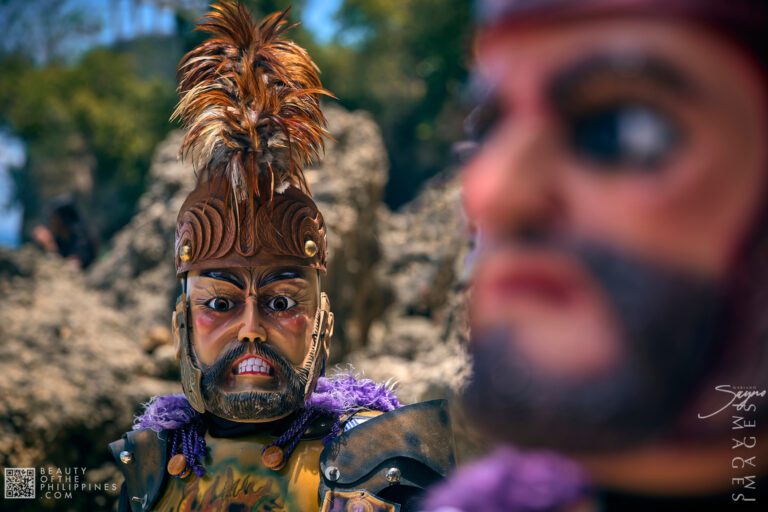
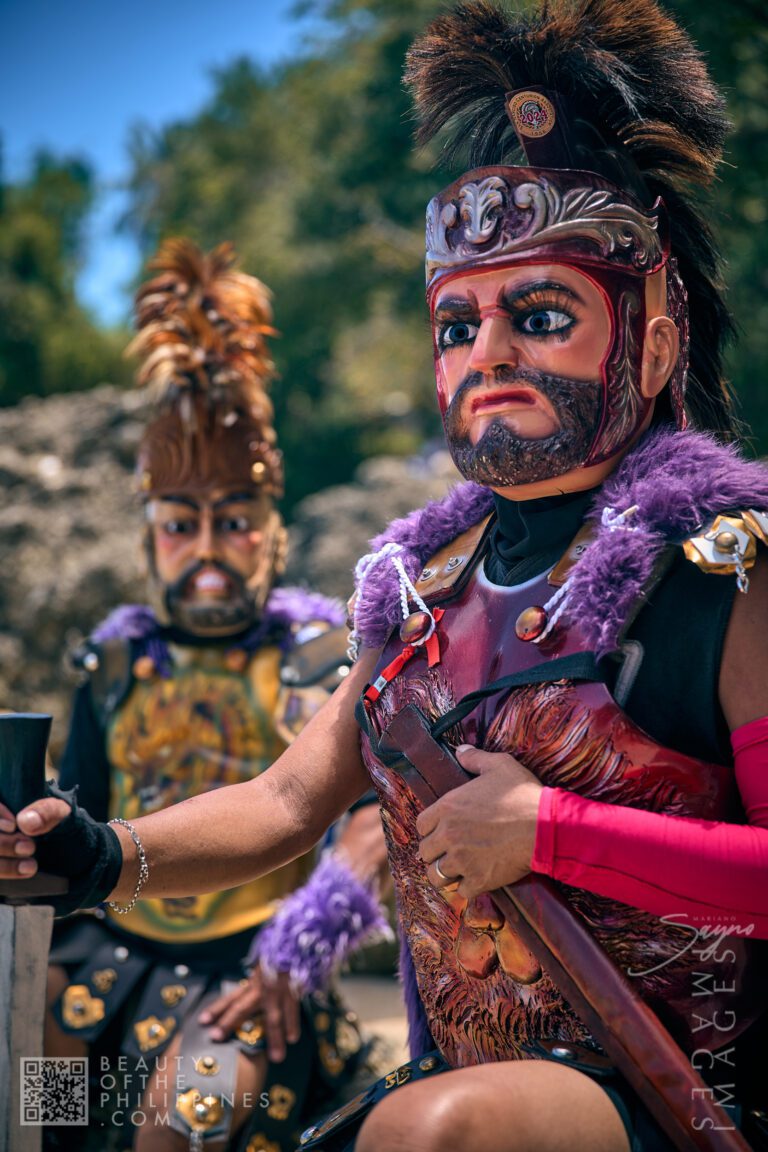
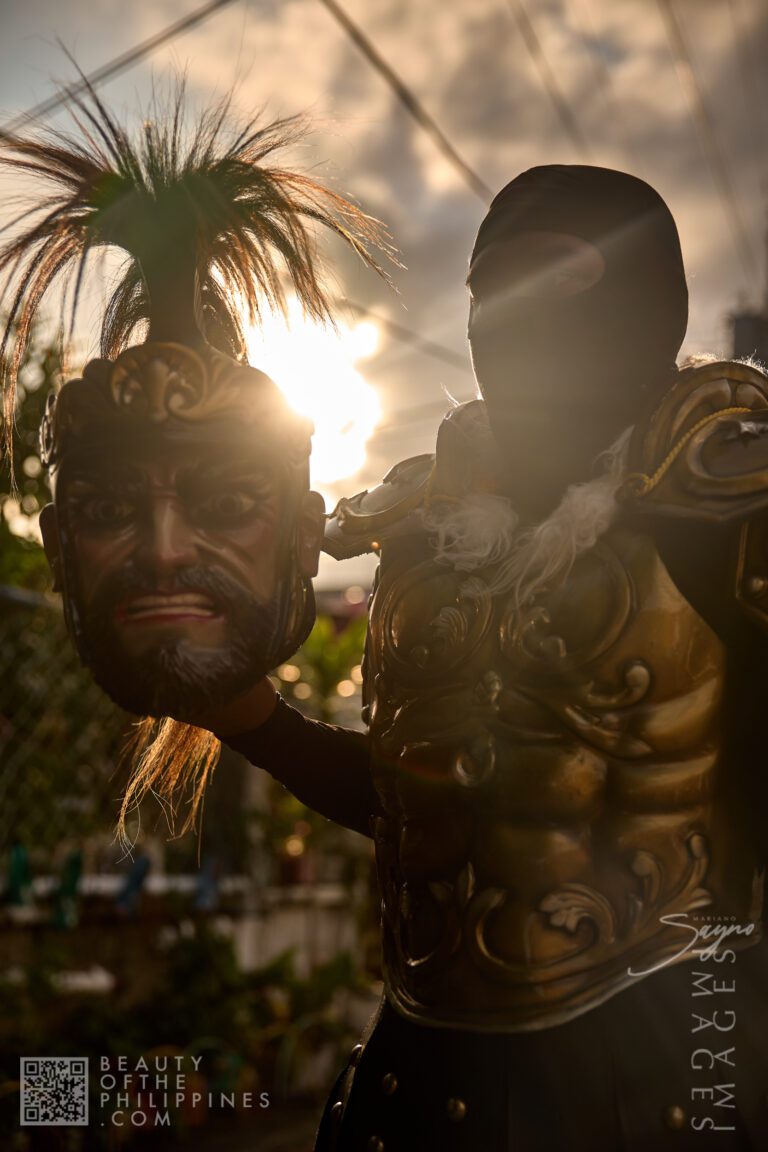
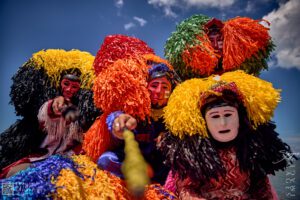
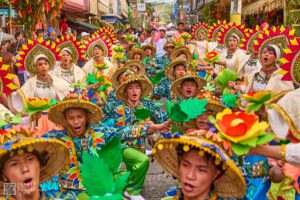
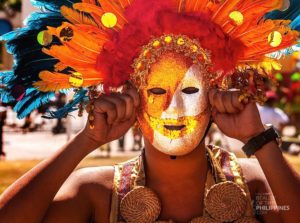
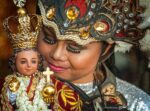
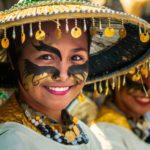
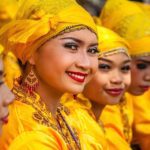
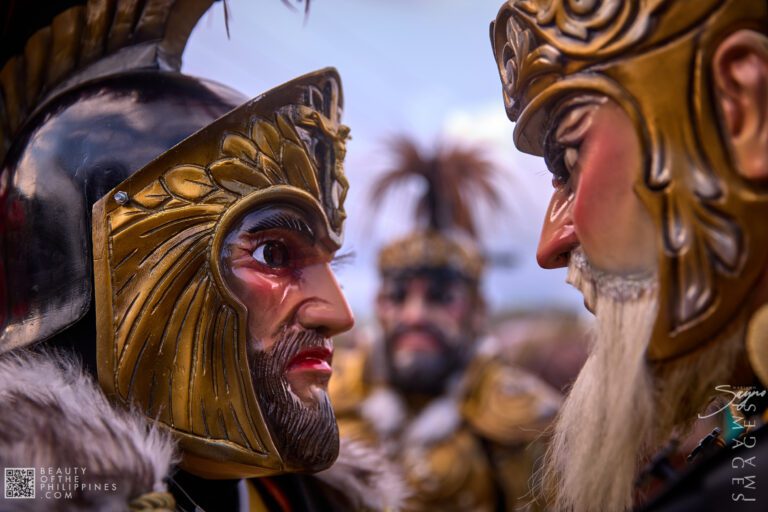
ABOVE: The Moriones Festival, though rooted in Marinduque, is also celebrated in Bondoc Peninsula towns like Catanauan and San Narciso, where locals reenact the story of Longinus through colorful Roman costumes and handcrafted masks in a powerful blend of faith, theater, and tradition.
Let’s break it down. Moriones is that Holy Week tradition where locals dress as Roman soldiers—complete with hand-carved masks and colorful tunics—to reenact the life and redemption of Longinus, the half-blind Roman centurion who pierced Christ’s side and later converted to Christianity. It’s not just performance; it’s penitence, pageantry, and passion rolled into one.
While the roots of the festival lie in Marinduque, Bondoc Peninsula communities like Catanauan, San Narciso, and even Buenavista have embraced and adapted the tradition in ways that are both faithful and fresh.
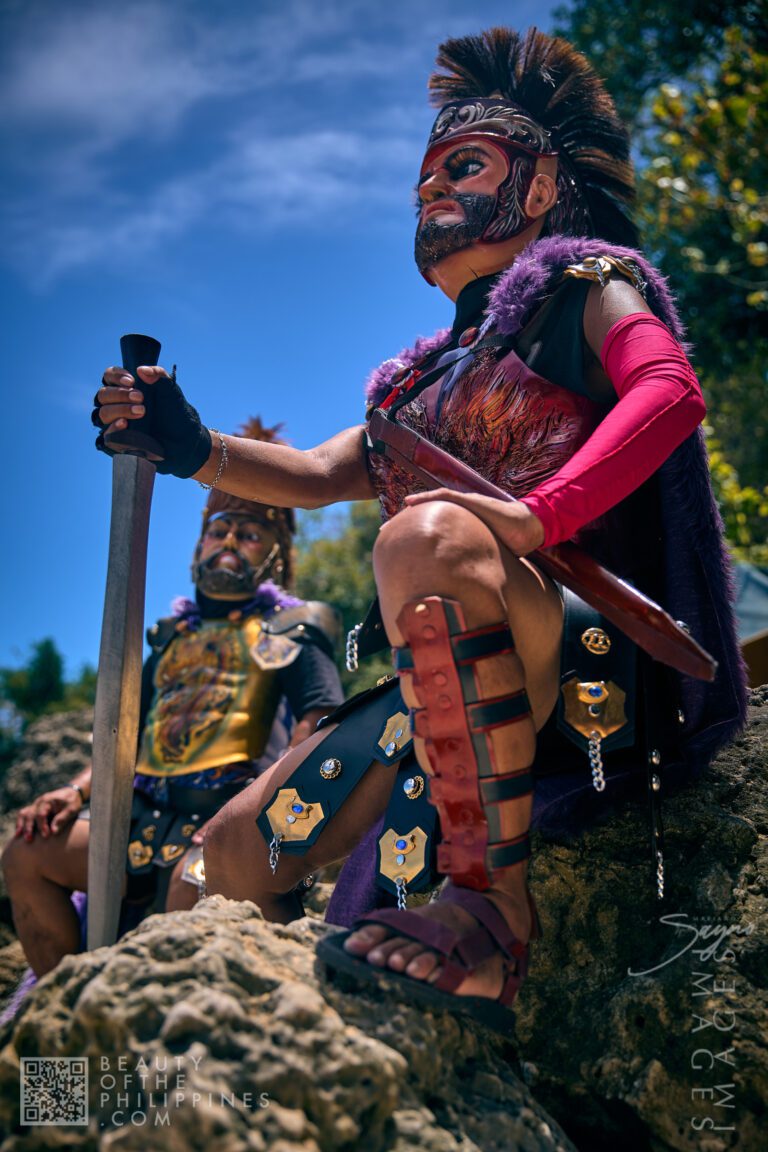
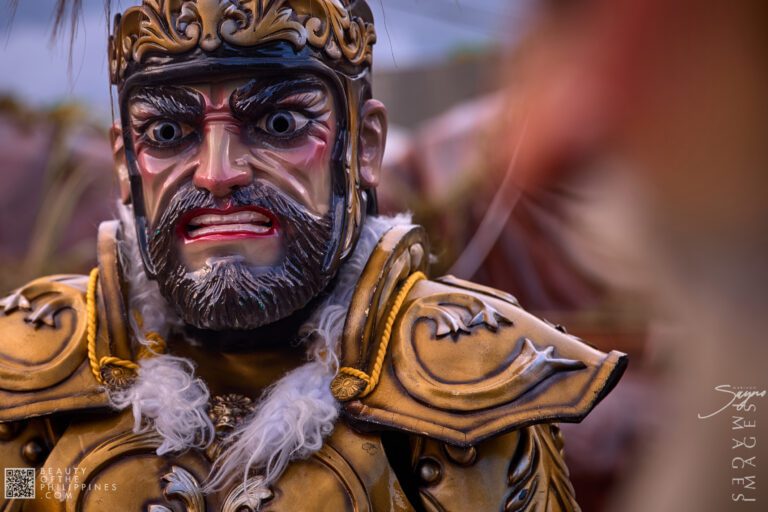
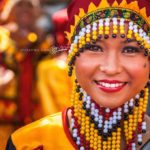
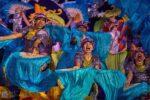
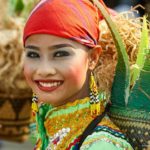
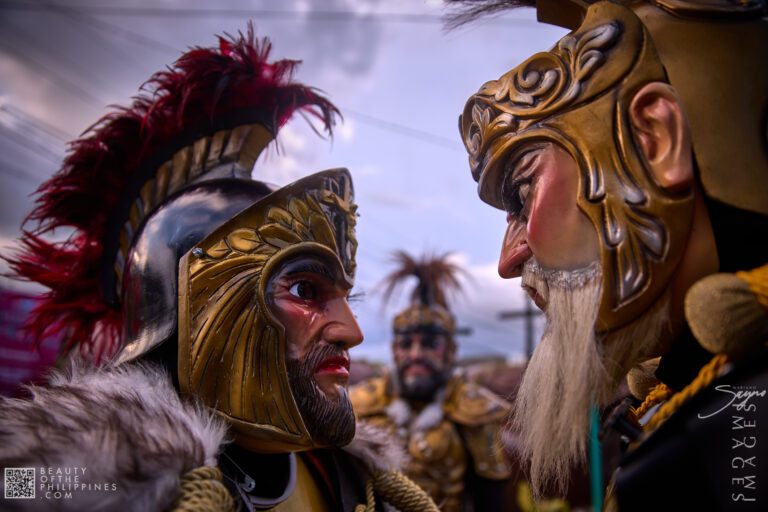
ABOVE: In Catanauan, Bondoc Peninsula, the Moriones Festival has grown into a raw, uniquely local celebration—blending Marinduque roots with original masks, street dramatizations, and drumbeats that echo through villages, offering an unfiltered, deeply Filipino experience.
In Catanauan, for example, the Moriones Festival has taken on a life of its own. It’s no longer just a religious observance—it’s a full-blown cultural celebration. Locals say the festival arrived here decades ago, brought by people with family ties to Marinduque. But over time, Bondoc’s own version emerged, with unique masks, storytelling elements, and even dance dramatizations that set it apart from its island cousin.
And here’s the thing—unlike in major tourist hotspots, where things can feel overly commercialized, the Moriones in Bondoc Peninsula feels deeply personal. You don’t just watch it; you’re immersed in it. The performers walk barefoot through neighborhoods. The crowd cheers. The sound of drums echo through rice paddies and coastal roads. It’s raw, real, and intensely Filipino.
For travelers who love off-the-beaten-path destinations, Moriones season is a great time to explore Bondoc Peninsula. Local tourism offices, especially in Catanauan, have ramped up their efforts in recent years to market the festival as a unique cultural attraction. And it’s working—homestays fill up, eateries do brisk business, and local artisans who carve masks by hand finally get the spotlight they deserve.
Research on the cultural transformation of Moriones notes that these evolving practices are keeping the tradition alive and meaningful for today’s generation.
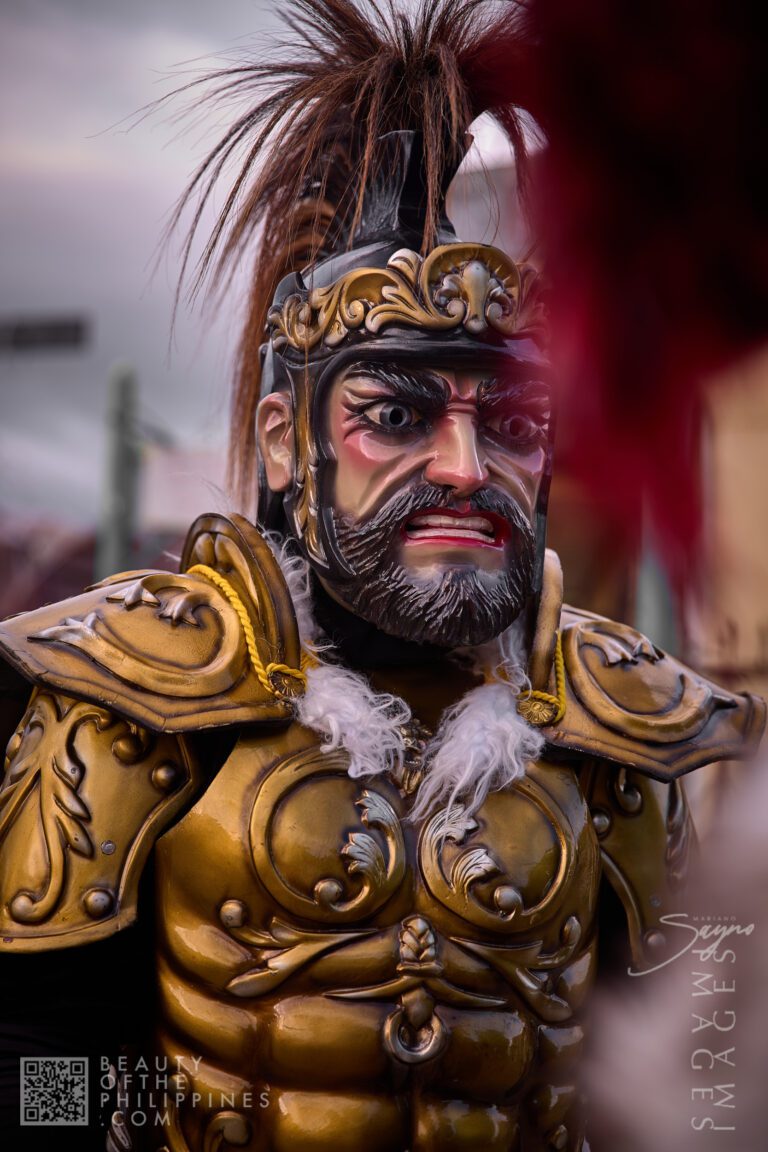
And let’s not forget the masks—gorgeously grotesque and painstakingly carved from wood, each one tells a story. In fact, for many locals, mask-making is more than just craft; it’s identity. Visitors can often buy or commission their own Morion masks as unforgettable souvenirs.
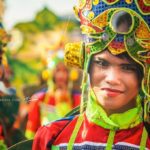
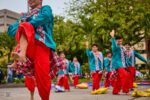
ABOVE: The Moriones Festival in the Bondoc Peninsula offers a powerful blend of faith, folklore, and heartfelt Filipino hospitality—an experience that stands on its own, inviting Holy Week travelers to skip the usual and return not just with photos, but with unforgettable stories
The Bondoc Peninsula may be a bit of a journey—rough roads, narrow highways, and scenic detours—but that’s part of the charm. From Manila, buses heading to Lucena City are the first step. From there, hop on vans or jeeps bound for Catanauan or San Narciso. Best to travel a day or two before Holy Week to catch all the action.
And while you’re there, don’t just stick to town plazas. Check out nearby waterfalls, quiet beaches, and ancestral houses. This corner of Quezon is packed with hidden gems that often go unnoticed.
RELATED STORIES

The Quezon Zigzag Road was built in 1969 during the Marcos administration, designed to link Quezon Province with the Bicol Region. Faced with the rugged


This celebration of the “Candle Festival” takes place from the 31st of January to the 2nd of February each year and is held in order


The Malagonlong Bridge is among the 11 historical bridges of the city of Tayabas located in Quezon Province. This bridge is one of the oldest


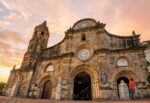
If you’re planning a trip to Quezon province, you absolutely can’t miss the stunning Sariaya Church, officially known as the Saint Francis of Assisi Parish


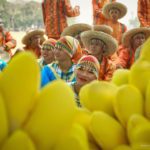
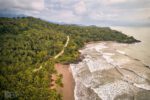
ABOVE: Getting to the Bondoc Peninsula may involve rough roads and scenic detours, but that’s part of its charm—take a bus to Lucena City from Manila, then hop on a van or jeep bound for Catanauan or San Narciso, ideally traveling a day or two before Holy Week to experience all the action, while also exploring the nearby waterfalls, quiet beaches, and ancestral houses that make this corner of Quezon a treasure trove of hidden gems.
The Moriones Festival in the Bondoc Peninsula isn’t just a side act to Marinduque’s more famous celebration—it’s a destination in its own right. It’s where faith meets folklore, where history meets hospitality, and where every visitor is welcomed like family.
So this coming Holy Week, if you’re craving something meaningful, beautiful, and deeply rooted in Filipino heritage—skip the usual and head south. You might just come home with more than photos; you’ll come back with stories.
I’m looking forward to the stories and images leaving a lasting positive impression on you, just as they have on me. Stay connected with us on social media for a weekly exploration of travel assignments and breathtaking visuals. Our focus is on championing local tourism, showcasing small businesses, and honoring the magnificence of the Philippines through the content we curate. Join us in spreading the word by clicking the ‘share’ buttons below. Your support means the world to us.
EXPLORE MORE about


Every time I walk toward Siain Port, the first thing that hits me is the line of the pier itself—long, straight, and stretching into Lamon


Standing quietly at the center of town, Mulanay Church feels less like a monument and more like a steady presence. I noticed how time moves


Pulong Pasig Sandbar, situated in the pristine coastal waters of Calauag, Quezon, is a breathtaking sandbar that emerges and disappears with the tides, offering an


Finding A&J Cafe at J.P. Rizal Street corner E. Caparros Street in Barangay Pipisik, the space immediately communicates calm. Minimalist design, warm lighting, and an


This Christmas, Dolores shone as the creative heart of Quezon province. Paskotitap 2025 transformed the town into a radiant celebration of lights, movement, and storytelling—where

If there’s one local delicacy that defines the town of Lucban, Quezon, it’s the unmistakably bold and garlicky Lucban Longganisa. This native sausage isn’t just


The Quezon Zigzag Road was built in 1969 during the Marcos administration, designed to link Quezon Province with the Bicol Region. Faced with the rugged


Located along the northeastern coast of Luzon, Philippines, Lamon Bay is a stunning destination that boasts pristine waters, rich marine life, and a vibrant local


Located in the heart of Dolores, Quezon, the Hambujan Festival is a vibrant celebration that embodies the town’s rich heritage and deep connection with nature.


If you’ve ever wondered what faith looks like when it’s woven into the daily life of a town, you might want to head to General


When people talk about ports in Quezon Province, the bigger and busier ones usually come to mind first. But further south, along the Bondoc Peninsula,


If you’re planning a trip to Quezon province, you absolutely can’t miss the stunning Sariaya Church, officially known as the Saint Francis of Assisi Parish


The Malagonlong Bridge is among the 11 historical bridges of the city of Tayabas located in Quezon Province. This bridge is one of the oldest


General Luna, Quezon might not be the first place that pops into your head when planning Holy Week travel—but maybe it should be. Every Lenten


You and your family and friends can experience the beauty of San Narciso Beach in Quezon Province. This stunning beach offers plenty of activities and


Every May 15, the charming town of Lucban, Quezon, bursts into a kaleidoscope of colors, music, and movement for the Pahiyas Festival, a grand celebration


The Candle Festival in Candelaria, Quezon, held from January 31 to February 5, 2026, celebrates devotion to Nuestra Señora de la Candelaria while highlighting community

Right in the heart of Lucban, Quezon, you’ll find the San Luis Obispo de Tolosa Parish Church, more commonly known as Lucban Church. This centuries-old


Gunao Lake, located in the charming town of Dolores in Quezon Province, remains a hidden treasure waiting to be discovered by adventurers seeking natural wonders.


Situated along the pristine shores of Quezon Province, Atimonan Port is more than just a transportation hub—it is a doorway to stunning islands and a


This celebration of the “Candle Festival” takes place from the 31st of January to the 2nd of February each year and is held in order

A Familiar Figure Along the Road The Sirena ng Atimonan stands along the Pan-Philippine Highway, right by the shores of Lamon Bay in Barangay Angeles,


Located in the Municipality of San Narciso, Quezon Province, the San Narciso Church serves as the central Roman Catholic parish for the town’s faithful. Standing


Among the many festivals that take place in Quezon, one of the most popular is the Boling-Boling Festival, particularly in the town of Catanauan. The


Every May 15, the charming town of Lucban, Quezon bursts into a dazzling display of colors, artistry, and cultural pride as it celebrates the Pahiyas


Hondagua is a barangay in the Municipality of Lopez, within Quezon Province, part of Region IV-A (CALABARZON) on Luzon island, Philippines. It lies directly along
BROWSE BY CATEGORIES
BROWSE BY PROVINCE