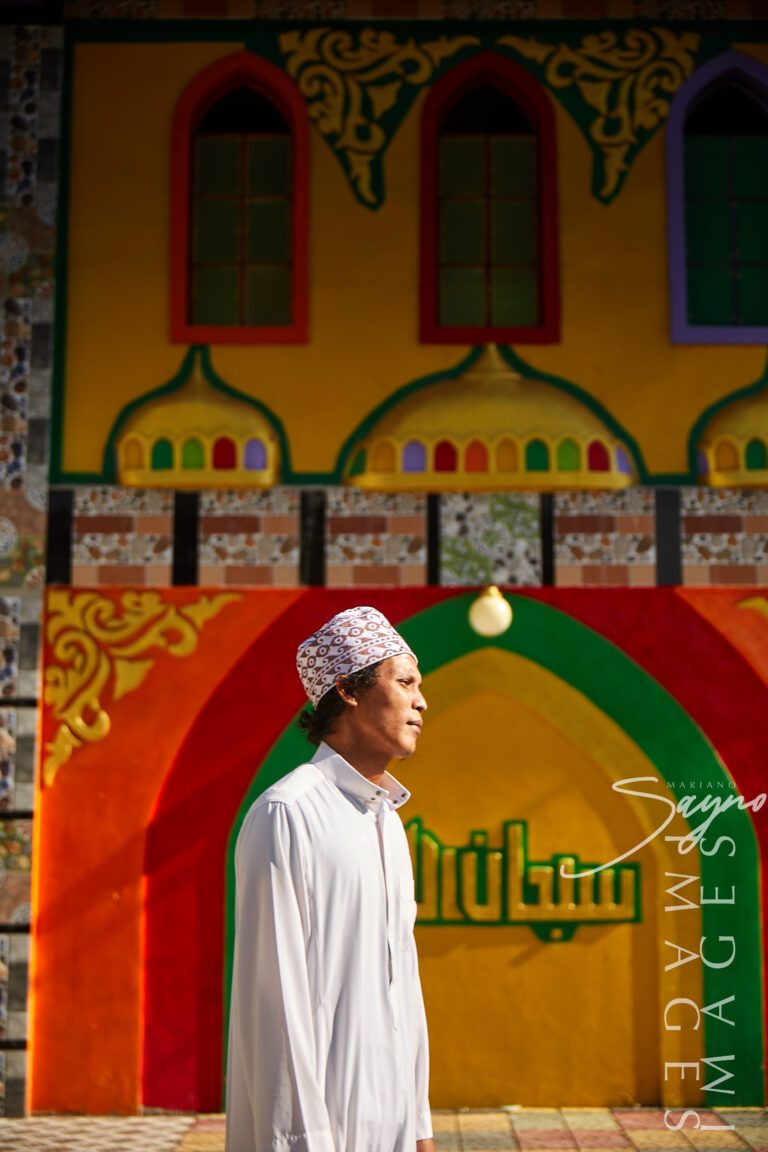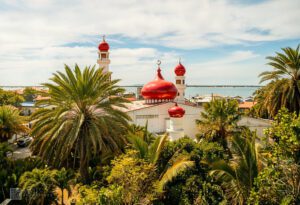
Taluksangay Mosque: The Oldest Islamic Center in the Zamboanga Peninsula
The drive east from Zamboanga City proper toward Barangay Taluksangay shifts gradually from busy urban streets to a calmer coastal stretch. About 19 kilometers out,
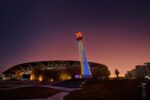
Driving through Tumaga Road in Barangay Sta. Maria, I remember how the dome appeared before I even realized I was looking for it. The colors catch you first — bold bands circling the structure, almost luminous under the tropical sun. Locals call it the Rainbow Mosque, but its official name is Masjid Al-Islamia.
It rises confidently along Veterans Avenue Extension, only about ten minutes from downtown Zamboanga City. In a city often referred to as “Asia’s Latin City” because of its Chavacano heritage and Spanish-era influences, seeing this mosque so prominently placed feels like a reminder that this city’s identity has always been layered.
The mosque did not always wear rainbow colors. Originally, its exterior carried more conventional tones, like many other houses of worship. The transformation came in the years following the 2017 Marawi Siege. The repainting was done as a tribute to fallen heroes and as a visible prayer for peace across Mindanao.
Standing there, photographing the dome against a shifting sky, it’s difficult not to think about that context. The rainbow, in many cultures, signals hope after a storm. Here, it feels intentional — not decorative but declarative. The structure became a public message about resilience and interfaith goodwill in a region often misunderstood.
Local accounts note that the seven colors symbolize the diversity of cultures and beliefs that shape life in Zamboanga City. This is a place where Chavacano, Tausug, Sama, and other identities intersect. Muslim and Christian communities have lived alongside one another for generations, sharing markets, schools, and neighborhoods.
The colors on the dome are not just for visual impact. They reflect coexistence — a mosaic rather than a single narrative. As a photographer, I found myself stepping back several times, adjusting angles, trying to capture that sense of plurality in one frame.
Beyond the dome, the mosque features Maranao okir (also spelled okil) designs — flowing arabesque patterns deeply rooted in Moro artistry. These motifs, with their curved plant forms and geometric rhythms, connect the building to centuries-old craftsmanship traditions of the Maranao people.
The designs are more than embellishments. They anchor the mosque in the wider cultural tapestry of the southern Philippines and even into neighboring regions like Borneo and Malaysia. Looking closely through my lens, I noticed how the carvings and painted details soften the boldness of the rainbow exterior, balancing vibrancy with tradition.
Getting there is straightforward. By car or taxi, simply head toward Tumaga Road; the mosque’s colors make it nearly impossible to miss. Jeepneys and tricycles that pass along the route can drop you nearby — just mention the Rainbow Mosque and drivers know where to stop.
As an active place of worship, Masjid Al-Islamia welcomes respectful visitors. Modest clothing is essential. Shoes must be removed before entering prayer areas, and it’s best to avoid visiting during prayer times unless given permission. Inside, the atmosphere shifts from the lively exterior to something calm and contemplative. The transition feels almost cinematic — from bright street energy to quiet reflection.
For photography, early morning or late afternoon light works beautifully. The dome absorbs the warm glow, and shadows add depth to the minaret. Midday light can be intense, but even then, the colors hold their own.
RELATED STORIES

The drive east from Zamboanga City proper toward Barangay Taluksangay shifts gradually from busy urban streets to a calmer coastal stretch. About 19 kilometers out,


Built between 1905 and 1907, the Zamboanga City Hall, officially known as Bahay Pamahalaan ng Lungsod ng Zamboanga, is a striking landmark that stands as
A stop at the Rainbow Mosque fits naturally into a broader cultural route around the city. Not far away stands Fort Pilar, another powerful symbol of historical coexistence. A short drive leads to the Yakan Weaving Village, where intricate textiles showcase another layer of Mindanaoan artistry.
For green space, Pasonanca Park offers a relaxed contrast, while the Canelar Barter Market provides insight into everyday community exchanges and trade. Seeing the mosque within this wider circuit makes its message of unity feel even more grounded in daily life.
The Rainbow Mosque is visually striking, yes, but what stays with me is its context. In a city defined by blended histories — Spanish colonial echoes, Islamic heritage, indigenous roots — this mosque stands as a reminder that identity here is shared, not singular.
Photographing it felt less like capturing a landmark and more like documenting a statement: color as commitment, architecture as dialogue.
I’m looking forward to the stories and images leaving a lasting positive impression on you, just as they have on me. Stay connected with us on social media for a weekly exploration of travel assignments and breathtaking visuals. Our focus is on championing local tourism, showcasing small businesses, and honoring the magnificence of the Philippines through the content we curate. Join us in spreading the word by clicking the ‘share’ buttons below. Your support means the world to us.
EXPLORE MORE about


Built between 1905 and 1907, the Zamboanga City Hall, officially known as Bahay Pamahalaan ng Lungsod ng Zamboanga, is a striking landmark that stands as


The drive east from Zamboanga City proper toward Barangay Taluksangay shifts gradually from busy urban streets to a calmer coastal stretch. About 19 kilometers out,
BROWSE BY CATEGORIES
BROWSE BY PROVINCE