Sambuokan Festival: A Week-Long Celebration of Unity and Diversity in Mati, Davao Oriental
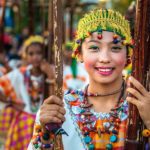
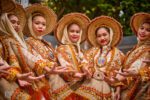
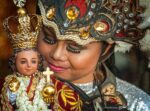
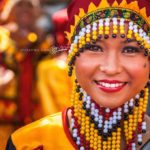
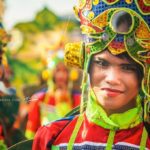
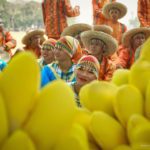
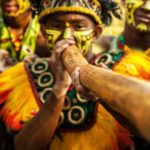
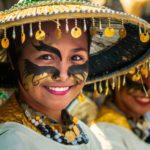
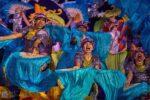
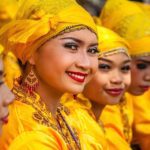
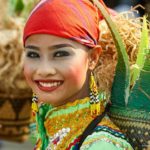
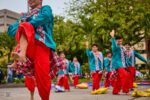
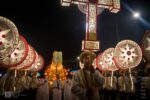
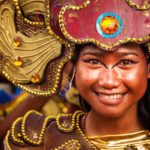
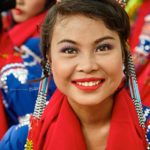
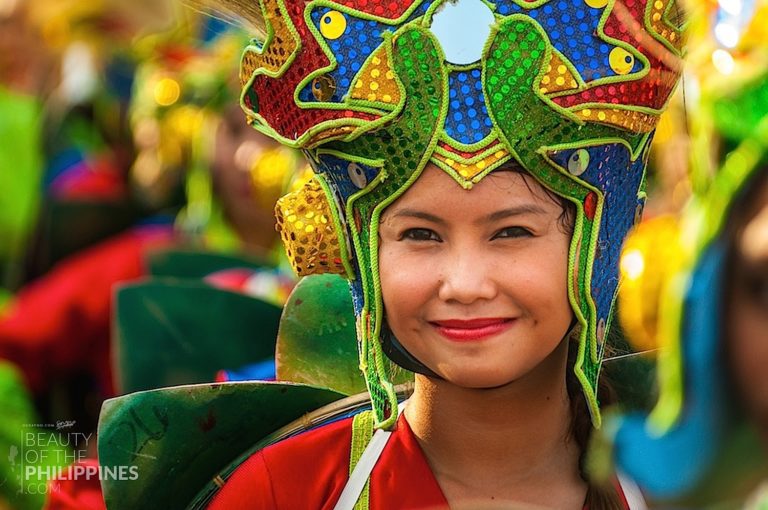
It is the most colorful and much awaited Sambuokan Festival in the City of Mati in Davao Oriental that is celebrated in October. The people

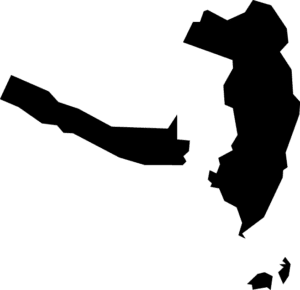
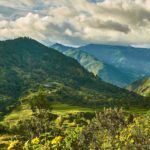
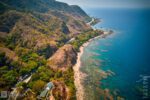
Traveling through Davao Oriental Province feels expansive, as if the landscape itself encourages you to look farther and stay longer. The province stretches along the eastern edge of Mindanao, where the Pacific Ocean shapes both scenery and daily life. Roads trace the coastline, rise toward forested mountains, and dip into quiet towns that feel grounded and self-sustained.
In Mati City, the provincial capital, the pace is steady and purposeful. The city faces the open sea, and the presence of the coast is constant — from early morning walks along the bay to fishing boats returning with the day’s catch. Urban growth is visible, but it hasn’t overpowered the city’s connection to nature. Public spaces remain open, and views of the ocean are never far away.
North of the capital, towns like Banaybanay and Lupon reflect everyday coastal living. Shorelines here are practical rather than decorative, shaped by fishing routines and local trade. Coconut trees line the roads, and small ports serve as entry points for goods and movement. Early light across the water offers clean, unforced compositions for photography.
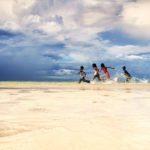
Heading south, Baganga and Boston reveal Davao Oriental’s quieter, more rugged side. Beaches stretch wide and uncrowded, framed by hills and forested backdrops. These areas feel remote without being inaccessible, and the environment sets the tone. You begin to notice how towns adapt naturally to weather, tides, and terrain.

It is the most colorful and much awaited Sambuokan Festival in the City of Mati in Davao Oriental that is celebrated in October. The people

Inland, places like Caraga and Manay show a different texture of the province. Rivers, farmlands, and forest edges define daily routines. Agriculture and fishing intersect here, shaping livelihoods that follow seasons rather than schedules. The land feels productive without feeling overworked.
Food across Davao Oriental Province stays close to source. Seafood is fresh and simply prepared, while local produce fills markets and roadside stalls. Meals are meant to sustain long days, shared casually, and eaten without rush. There’s a quiet satisfaction in food that doesn’t need explanation.
As a traveler and photographer, Davao Oriental invites wide framing and patience. Long coastlines, open skies, and small human details coexist easily. You document not just scenery, but the relationship between people and the edges of land and sea.
Leaving Davao Oriental Province, what remains is a sense of openness — a place shaped by distance, water, and time, offering stories that unfold naturally when you give them space.
EXPLORE MORE ABOUT THE
Philippines
BROWSE BY CATEGORIES