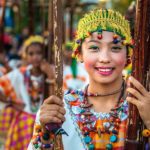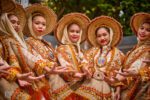
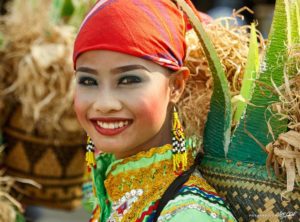
Meguyaya Festival: Where Teduray, Maguindanaon, and Christians Converge
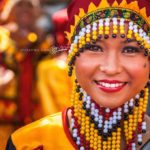
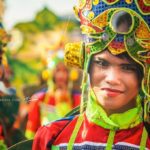
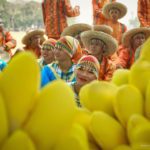
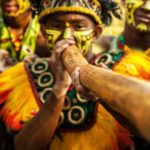
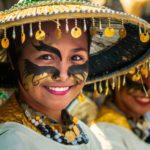
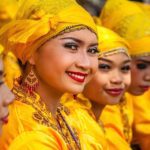
The Meguyaya Festival in Upi, Maguindanao del Norte, Mindanao, held annually for a week, finds its linguistic origins in the Teduray language, encompassing both gratitude

In the heart of Mindanao, the Inaul Festival emerges as a vivid celebration of craftsmanship, identity, and communal pride. First held in Buluan, Maguindanao from February 9 to 14, 2017, this festival marked a turning point for the province, replacing the long-standing Sagayan Festival to put the spotlight on the intricate hand-woven Inaul cloths that have long symbolized Maguindanaon heritage.
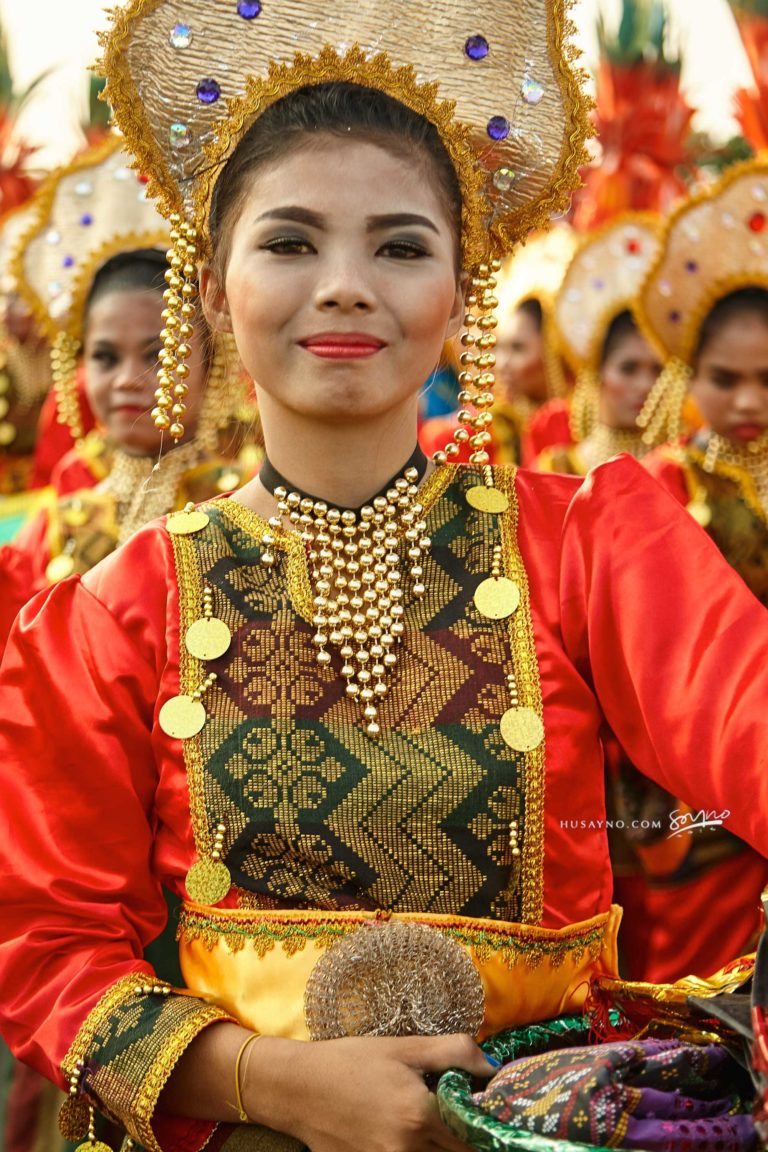
The festival’s inception drew from deep cultural roots. The term “Inaul” literally means “woven” in Maguindanaon, emphasizing the centrality of textile craftsmanship. Traditionally crafted into malong garments, each piece tells a story — red threads for bravery, green for peace, black for dignity, and white for mourning. These textiles were once family heirlooms, each motif a guarded signature, manually woven on wooden looms passed down through generations. Today, Inaul has extended into shawls, modern fashion pieces, and accessories, bridging tradition with contemporary creativity.
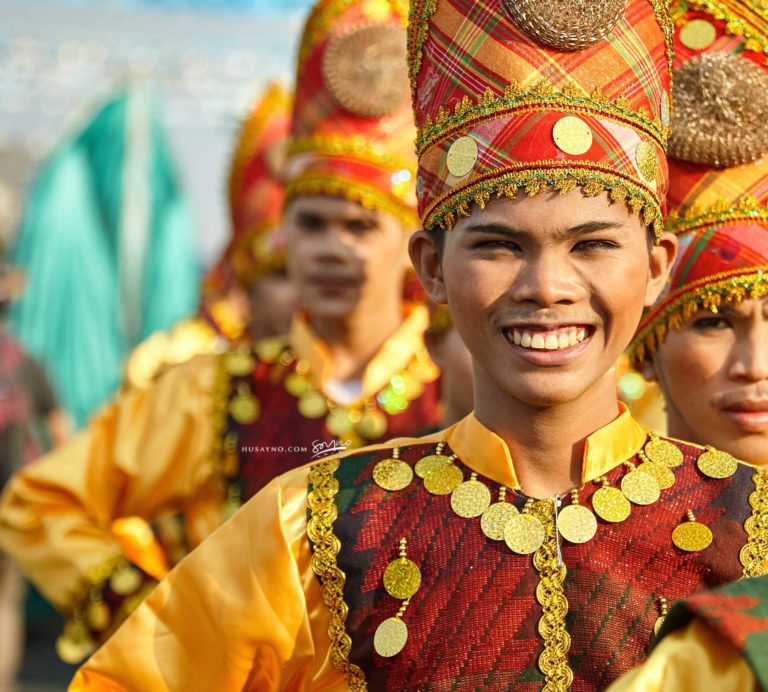
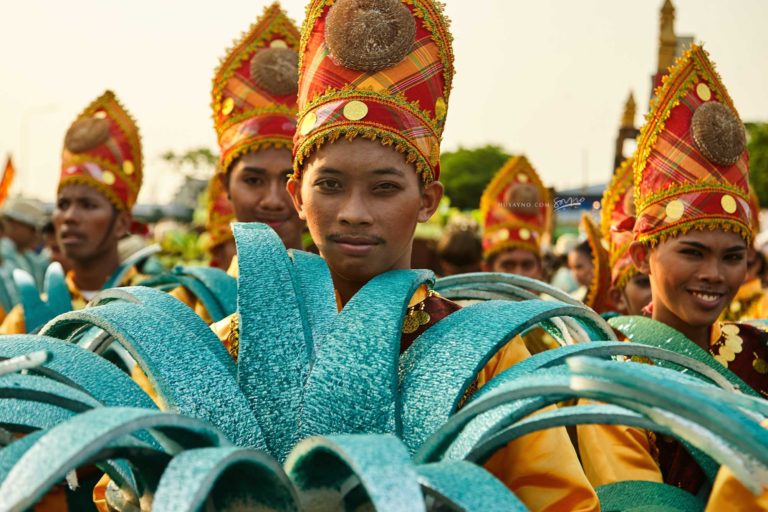
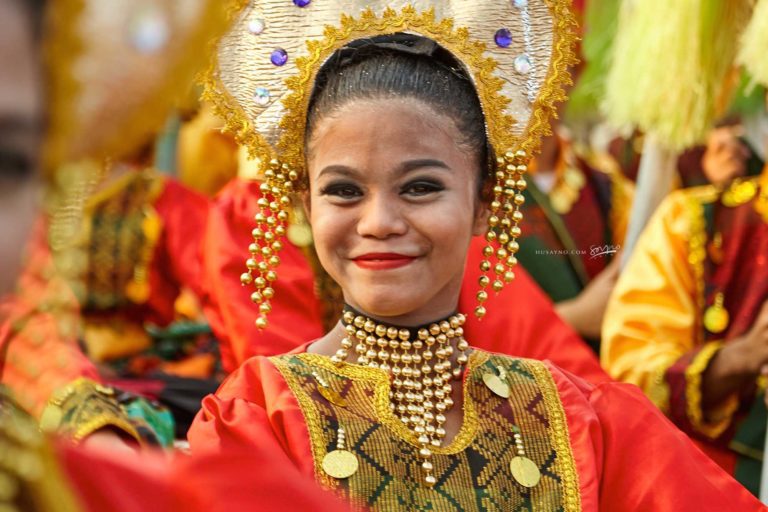
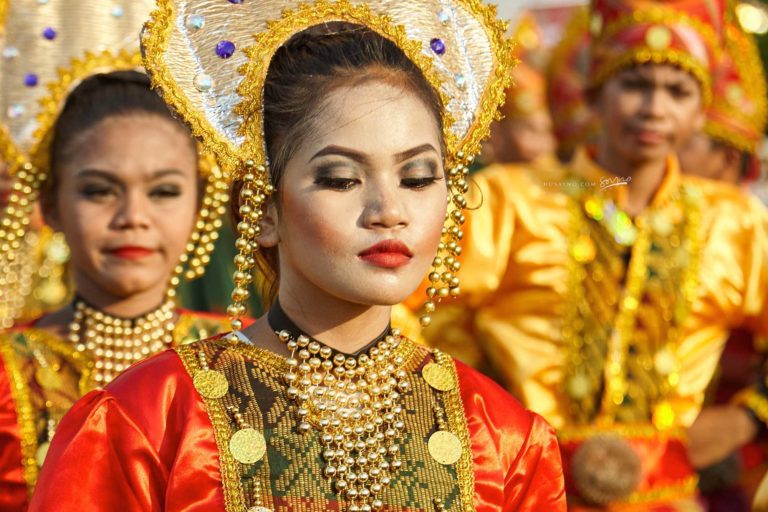
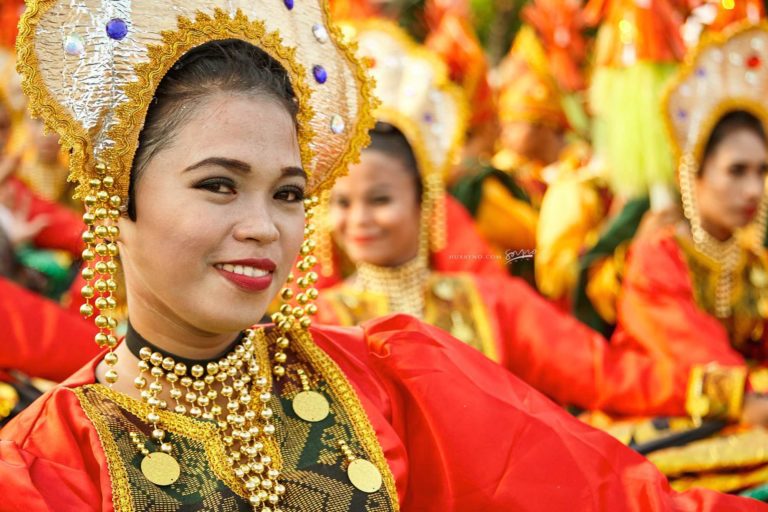
The inaugural celebration was designed as a ten-day immersion into Maguindanaon culture. Kapaginaul, the weaving competition, showcased master artisans creating four-meter Inaul cloths with enduring patience and precision. Streets of Buluan became alive with cultural parades, where performers in traditional attire brought both old Sagayan war dances and new interpretations to vibrant life. Trade expos and exhibitions highlighted indigenous products, giving visitors firsthand interaction with craftsmen and insight into the textile’s economic and cultural importance. Outdoor events, such as mountain biking, offered a dynamic mix of leisure and heritage, encouraging tourism and local engagement.
The festival also served as a strategic platform for safeguarding Inaul weaving. The Autonomous Region in Muslim Mindanao (ARMM) allocated funds to support production, link weavers to markets abroad, and develop centers for skill and commercial growth. By marrying artistry with livelihood, the festival highlighted how cultural preservation can directly bolster economic opportunity for local communities, ensuring Inaul remains both relevant and sustainable.
The 2017 Aliwan Fiesta in Pasay City provided a national spotlight for Inaul Festival. The contingent from Datu Piang represented Maguindanao with a cultural performance combining music, dance, and costumes inspired by Inaul, earning runner-up honors and second place in the Tugtog ng Aliwan category. This recognition underscored the festival’s ability to translate local heritage into national cultural influence, positioning Inaul as a powerful ambassador for Mindanao’s identity.
The significance of the Inaul Festival extends beyond aesthetics. It reinforces cultural identity, nurtures creative talent, and strengthens tourism. Visitors witness a community’s pride stitched into every pattern, color, and motion of parade and performance. Through Inaul, the threads of past and present, village and city, artistry and livelihood intertwine, leaving a lasting impression of Maguindanao’s living heritage.
RELATED STORIES

The Meguyaya Festival in Upi, Maguindanao del Norte, Mindanao, held annually for a week, finds its linguistic origins in the Teduray language, encompassing both gratitude


I’m looking forward to the stories and images leaving a lasting positive impression on you, just as they have on me. Stay connected with us on social media for a weekly exploration of travel assignments and breathtaking visuals. Our focus is on championing local tourism, showcasing small businesses, and honoring the magnificence of the Philippines through the content we curate. Join us in spreading the word by clicking the ‘share’ buttons below. Your support means the world to us.
EXPLORE MORE about


The Meguyaya Festival in Upi, Maguindanao del Norte, Mindanao, held annually for a week, finds its linguistic origins in the Teduray language, encompassing both gratitude
BROWSE BY CATEGORIES
BROWSE BY PROVINCE