
Hoka Brew: Savor Scenic Flavors Amid Baguio’s Mountain Charm
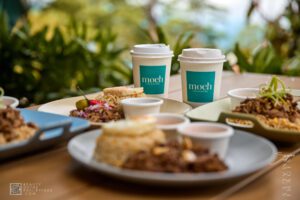
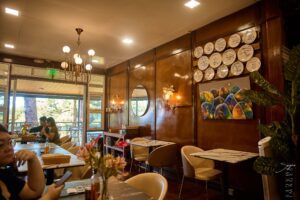
Perched along Marcos Highway inside The Podium Boutique Hotel, Hoka Brew welcomes visitors with a warm, wood-themed interior and wide windows framing the lush, pine-covered
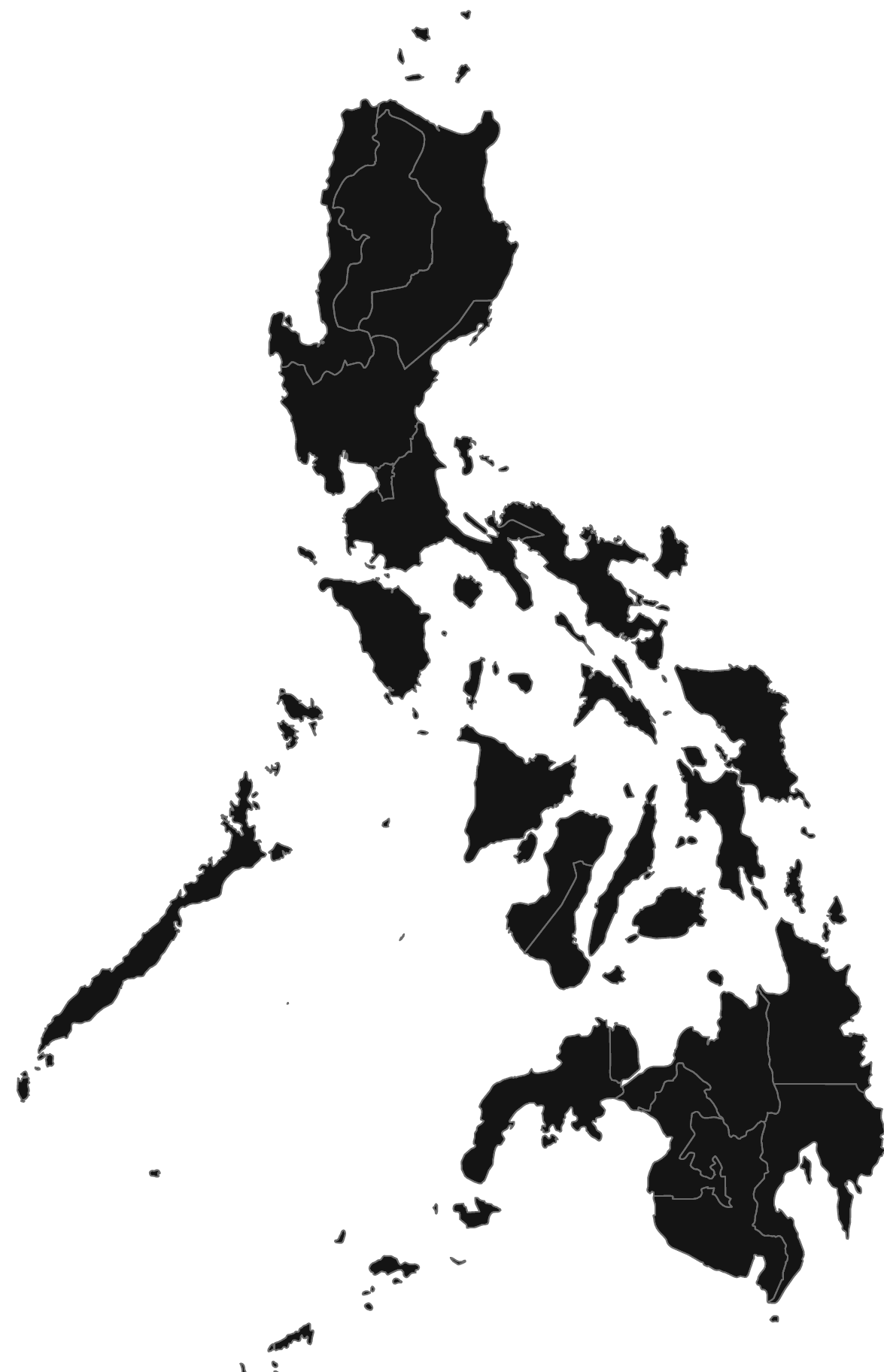
Kabayan, Benguet is a fourth-class municipality in the Cordillera Administrative Region of northern Luzon, Philippines. Covering roughly 242.69 km² of mountainous terrain, it is home to around 15,000 residents across 13 barangays, including Adaoay, Bashoy, Pacso, and Población (Central). Bordered by Buguias to the north, Hungduan, Ifugao to the east, Bokod to the south, and Atok to the west, Kabayan’s highland location brings cool climate, steep slopes, and breathtaking vistas that define the region’s landscape.
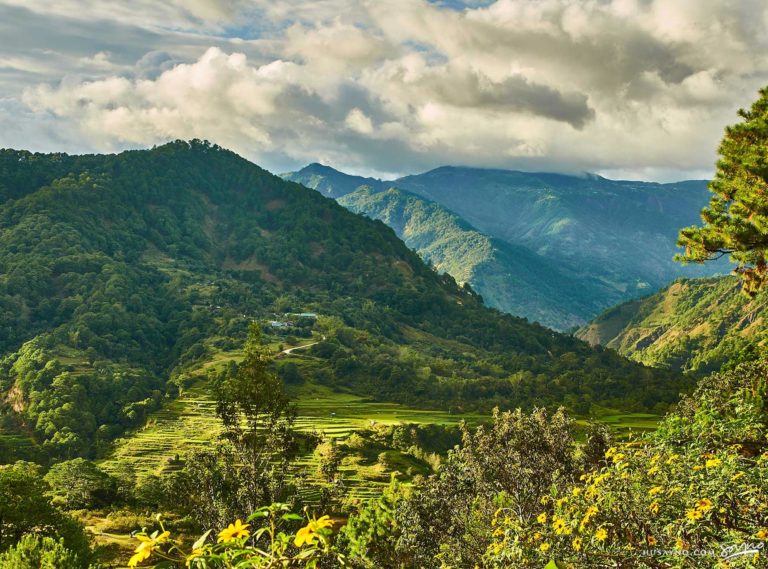
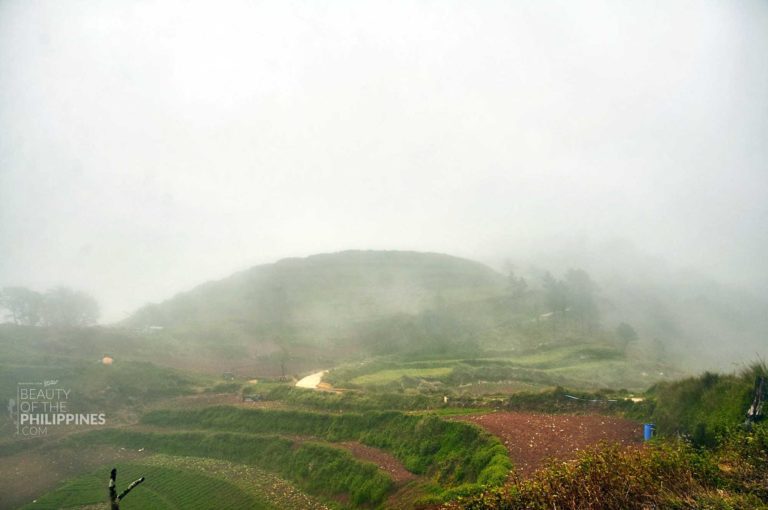
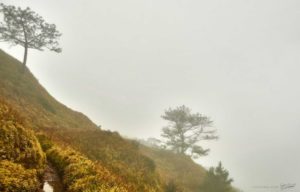
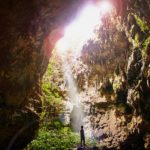
ABOVE: Kabayan offers access to Mount Pulag National Park, where visitors can see the “sea of clouds,” trek the third highest peak in the Philippines, and enjoy panoramic views of hills, forests, and meadows.
The town is a key seat of Ibaloi culture, one of the Indigenous peoples of the Cordilleras, where ancestral traditions, community rites, and respect for nature are deeply rooted. Kabayan, Benguet is most renowned for the Fire Mummies, centuries-old bodies preserved using herbs, salt, heat, and smoke. These Ibaloi mummies are housed in Timbac Cave, Opdas Cave, and Tinongchol Burial Rock, with some caves containing scores of ancient remains. Recognized as Philippine National Cultural Treasures, these sites are now actively preserved and monitored by the National Museum of the Philippines, ensuring the protection of artifacts and local heritage.
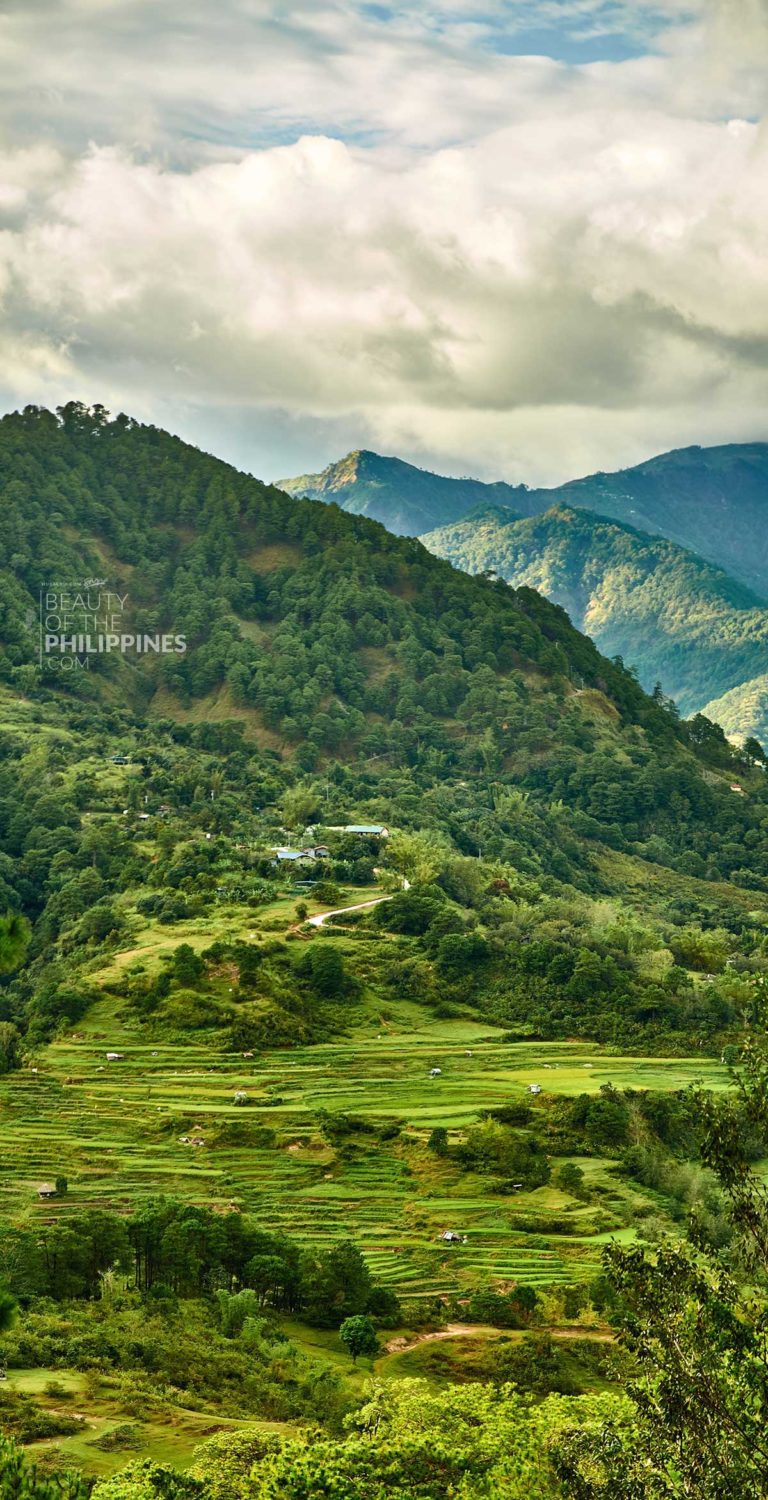
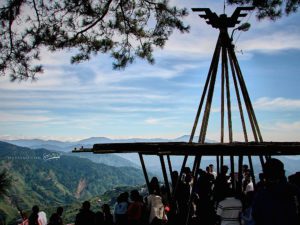
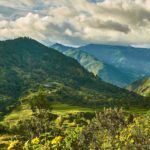
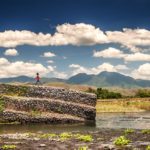
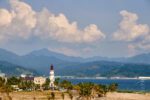
ABOVE: On the roadside in Kabayan, Benguet, you’ll find a breathtaking view of the majestic mountains and the iconic rice terraces, a common sight in the town.
Kabayan shares jurisdiction over Mount Pulag, the third highest peak in the Philippines at approximately 2,926 m. Known for the Sea of Clouds sunrise views, pine forests, mossy woodlands, and highland grasslands, Mount Pulag attracts mountaineers and nature enthusiasts alike. The area is home to rare flora and fauna, found only at high elevations, making it a prime location for eco-tourism and biodiversity observation.
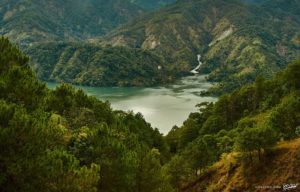
In addition to Mount Pulag, Kabayan features scenic lakes such as Lake Tabeo and other bodies collectively called the 4 Great Lakes of Kabayan, framed by lush forests and mountain slopes. The Agno River Valley runs through the broader region, historically significant for indigenous communities and ecological richness.
The Kabayan Museum preserves ancient artifacts, exhibits on Ibaloi death rituals, plants used in mummification, and other cultural items. Currently under renovation with government funding, the museum aims to enhance preservation and provide interpretation for tourists and researchers.
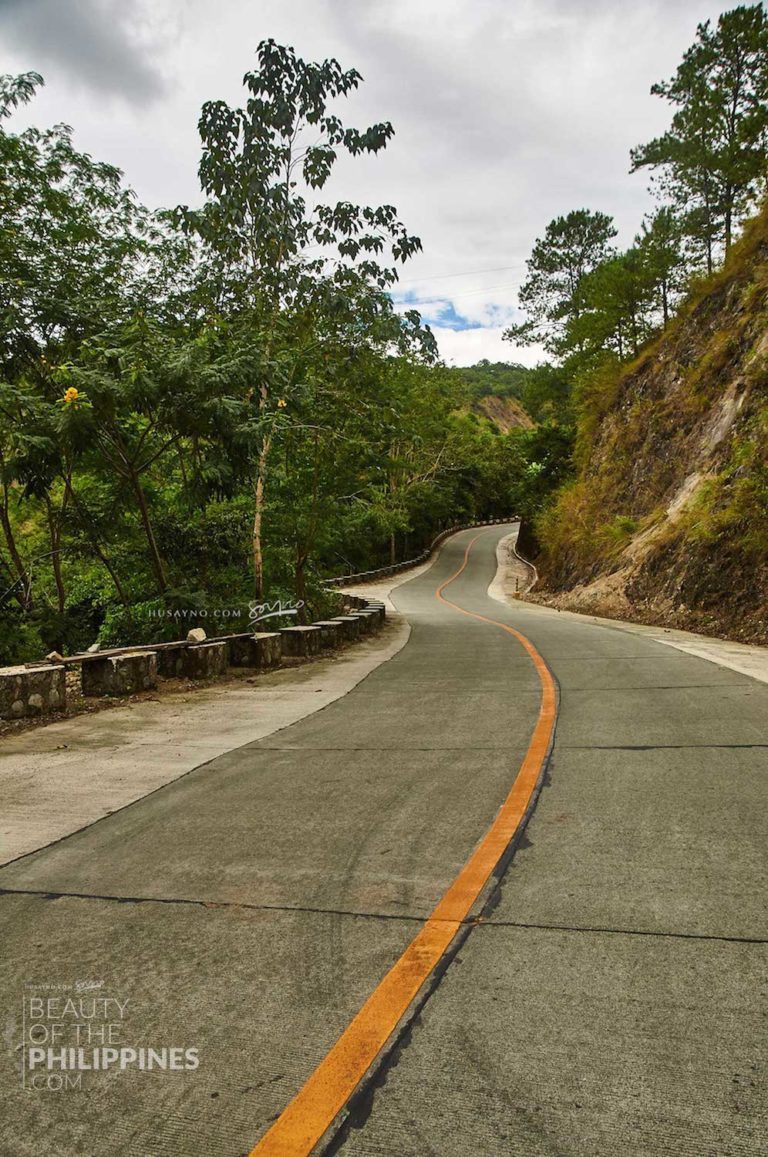
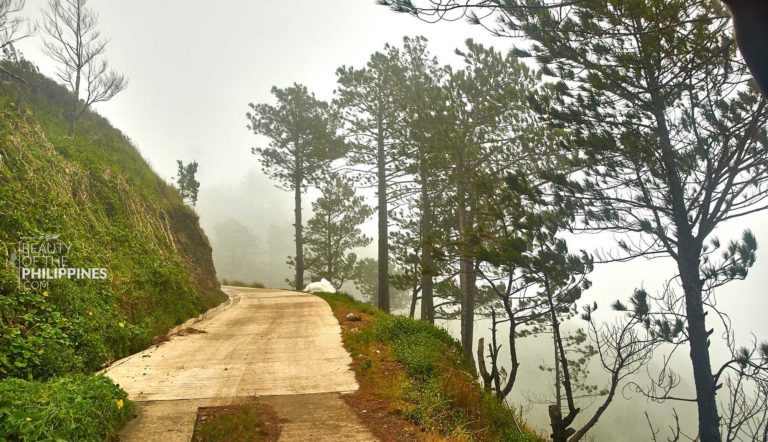
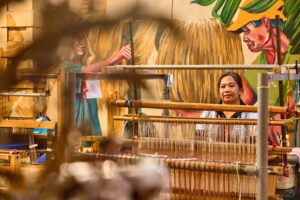
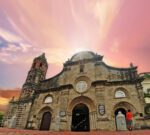
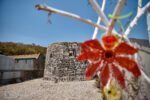
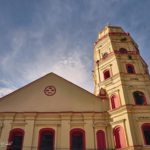
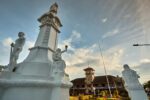
ABVOVE: On the roadside in Kabayan, Benguet, enjoy a breathtaking view of the majestic mountains and the region’s rich cultural heritage.
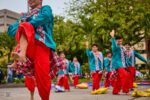
Kabayan celebrates traditional festivals rooted in Ibaloi culture, such as Bendian dance festivals and eco-tourism events, which highlight community customs through music, dance, and social gatherings. Rituals like paanak, or offerings, and communal feasts reflect longstanding cultural practices, showing the enduring connection between the community and their ancestors.
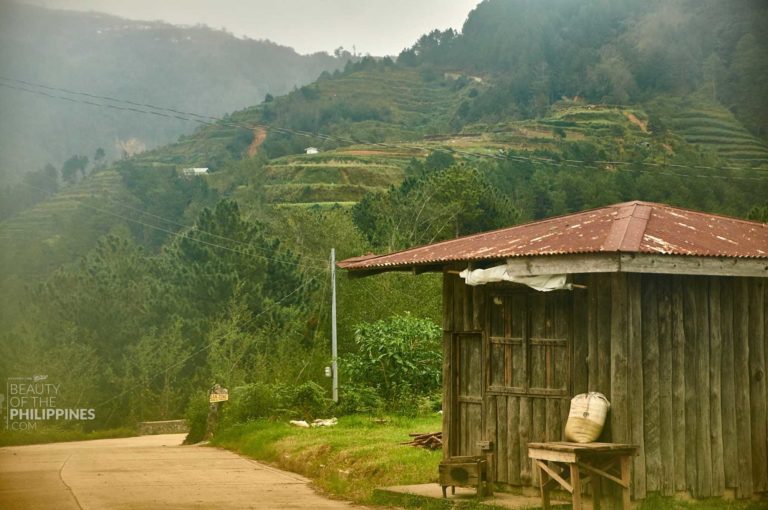
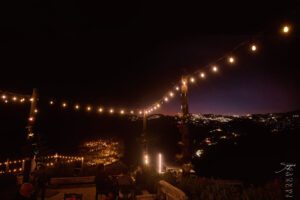
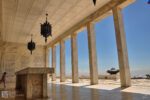
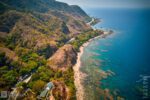
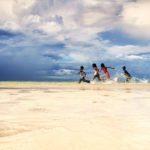
ABOVE: Set in the scenic highlands of the Cordillera Administrative Region, Kabayan, Benguet charms visitors with its vibrant cultural heritage, breathtaking landscapes, and notable historical sites.
The town’s economy is primarily agricultural, producing rice (including aromatic and red rice varieties), Arabica coffee, vegetables, and lumber products. Agriculture is complemented by cultural heritage tourism, creating sustainable livelihoods while supporting the preservation of local traditions.
The mummy caves face threats from natural deterioration, looting, and vandalism before protection measures were in place. Local authorities, national agencies, and international groups continue efforts to balance heritage preservation with community welfare.
Kabayan, Benguet is far more than a highland municipality—it’s a living tapestry of culture, history, and nature. From the mysteries of the Ibaloi mummies to the panoramic ridges of Mount Pulag, and from tranquil lakes to enduring traditions, every layer of Kabayan resonates with depth and authenticity.
RELATED STORIES

Perched along Marcos Highway inside The Podium Boutique Hotel, Hoka Brew welcomes visitors with a warm, wood-themed interior and wide windows framing the lush, pine-covered


Azalea Residences Baguio welcomes travelers with the perfect balance of comfort, convenience, and modern design in the heart of the City of Pines. Nestled along


Mount Pulag, rising to 2,922–2,928 meters above sea level, is the highest peak in Luzon and the third-highest in the Philippines. Its summit sits at


High above the bustle of Baguio’s commercial districts, Café Khawa rises along Loakan Road as a ridge-top sanctuary where sweeping mountain views dominate the experience.
I’m looking forward to the stories and images leaving a lasting positive impression on you, just as they have on me. Stay connected with us on social media for a weekly exploration of travel assignments and breathtaking visuals. Our focus is on championing local tourism, showcasing small businesses, and honoring the magnificence of the Philippines through the content we curate. Join us in spreading the word by clicking the ‘share’ buttons below. Your support means the world to us.
EXPLORE MORE about


For many people, it has always been a dream to visit a place that offers a breathtaking view surrounded by a natural atmosphere that is


Travelers wandering through the cool, pine-scented corners of Baguio often search for places that blend good food, local creativity, and that distinct highland charm the


Baguio City has long been celebrated for its cool climate, mountain landscapes, and thriving creative culture. Within the Baguio Botanical Garden sits the Harvest Creative


Baguio City, the Summer Capital of the Philippines, has long been celebrated for its vibrant art scene and rich cultural heritage. In 2025, the Ibagiw


Ambuklao Dam is located in Barangay Ambuclao, Municipality of Bokod, Benguet, roughly 36 kilometers from Baguio City in northern Luzon. It spans the Agno River


Amid the cool mountain air and pine-scented streets of Baguio City, there is a place where the warmth of a crackling wood-fired oven meets the


Mount Pulag, rising to 2,922–2,928 meters above sea level, is the highest peak in Luzon and the third-highest in the Philippines. Its summit sits at


The Kasiyana “All Will Be Well” Art Exhibit at Gallery 2600 in Baguio brings together more than 20 local artists whose works reflect the Kankanaey


Nestled in the heart of Baguio City, the Our Lady of Atonement Cathedral—more popularly known as Baguio Cathedral—stands as a masterpiece of neo-Romanesque architecture and



Perched along Marcos Highway inside The Podium Boutique Hotel, Hoka Brew welcomes visitors with a warm, wood-themed interior and wide windows framing the lush, pine-covered


Originally known as the Baguio Flower Festival, the Panagbenga Festival is a month-long annual flower festival held every February in Baguio City, that celebrates and


As a popular festival that originated in Dolores in the Province of Abra, Sakuting Festival depicts a mock battle using sticks, usually striped or bamboo.


Pilak Silvercraft and Gift Shoppe is one of Baguio City’s enduring gateways into the proud tradition of Cordilleran craftsmanship. Located along Leonard Wood Road,


When you think of Baguio, you imagine pine‑scented breezes, foggy mornings, and cozy cafés tucked into the city’s winding streets. Among these, Guest Haven Coffee


Azalea Residences Baguio welcomes travelers with the perfect balance of comfort, convenience, and modern design in the heart of the City of Pines. Nestled along


Baguio Media Newseum, also known as the Art World & Media Newseum, offers travelers a unique experience beyond the familiar pine forests and scenic viewpoints


Le Coq Bleu Baguio is a welcoming space where comfort meets creativity. Owned by Chantal Michaut-Pangilinan, a Frenchwoman who has lived in the city for

If you are planning a trip to the highlands of the Philippines, particularly around Baguio or Benguet, a visit to Dulche Chocolates offers a uniquely


High above the bustle of Baguio’s commercial districts, Café Khawa rises along Loakan Road as a ridge-top sanctuary where sweeping mountain views dominate the experience.
BROWSE BY CATEGORIES
BROWSE BY PROVINCE