BROWSE BY PROVINCE

Tagaytay City, Cavite
Kidlat Tahimik INDIOGENIUS
Rediscovering Filipino Ingenuity at DAP Tagaytay
Share
Tweet
Email
EXPLORE Kidlat Tahimik INDIOGENIUS

PUBLISHED October 6, 2026

PHOTOS | WORDS BY MARIANO SAYNO

  • Tagaytay City, Cavite
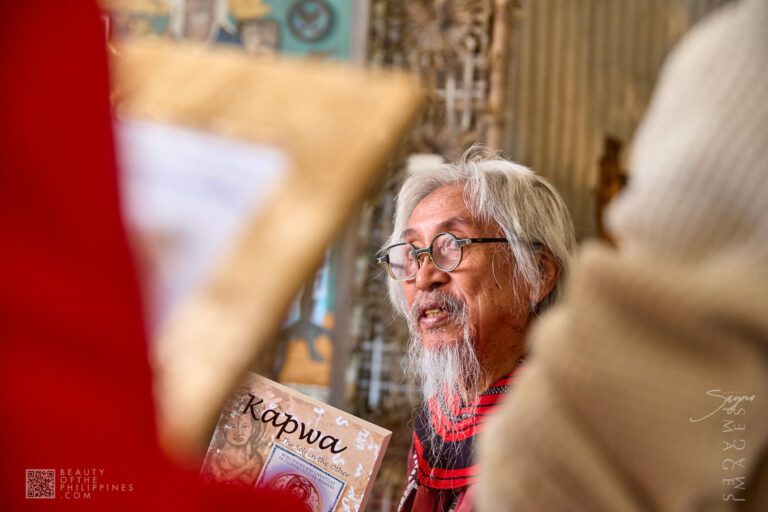
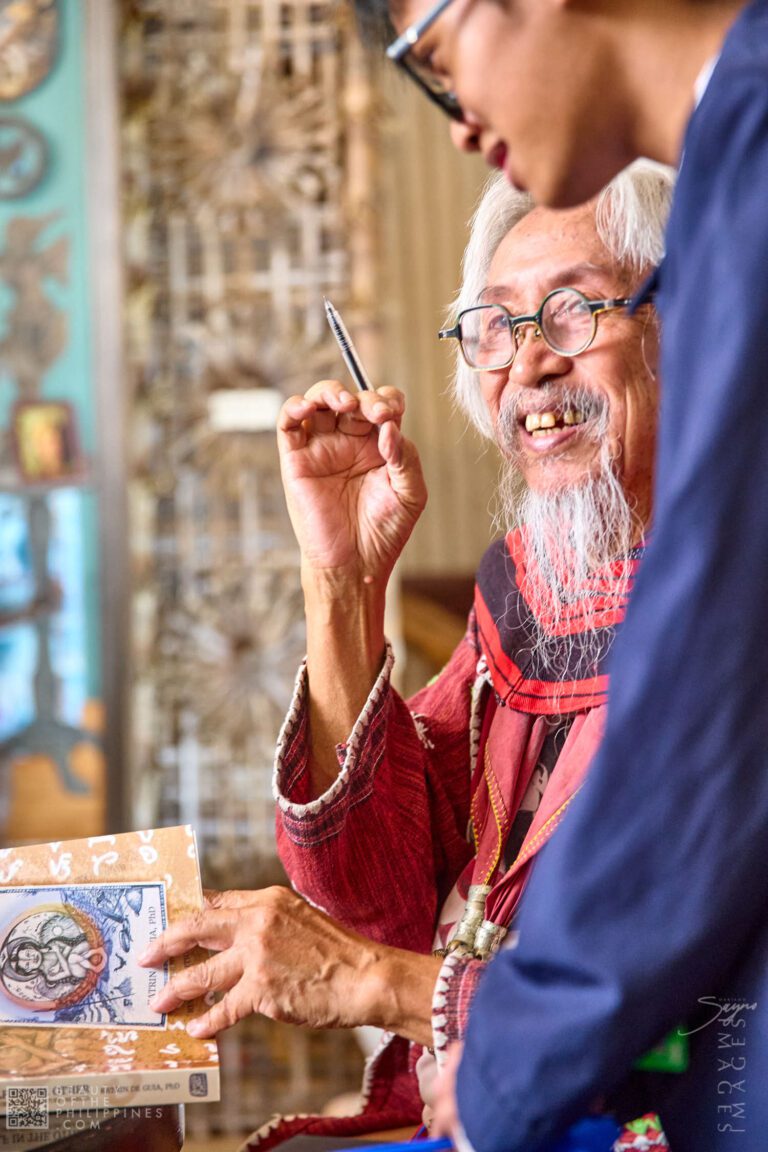
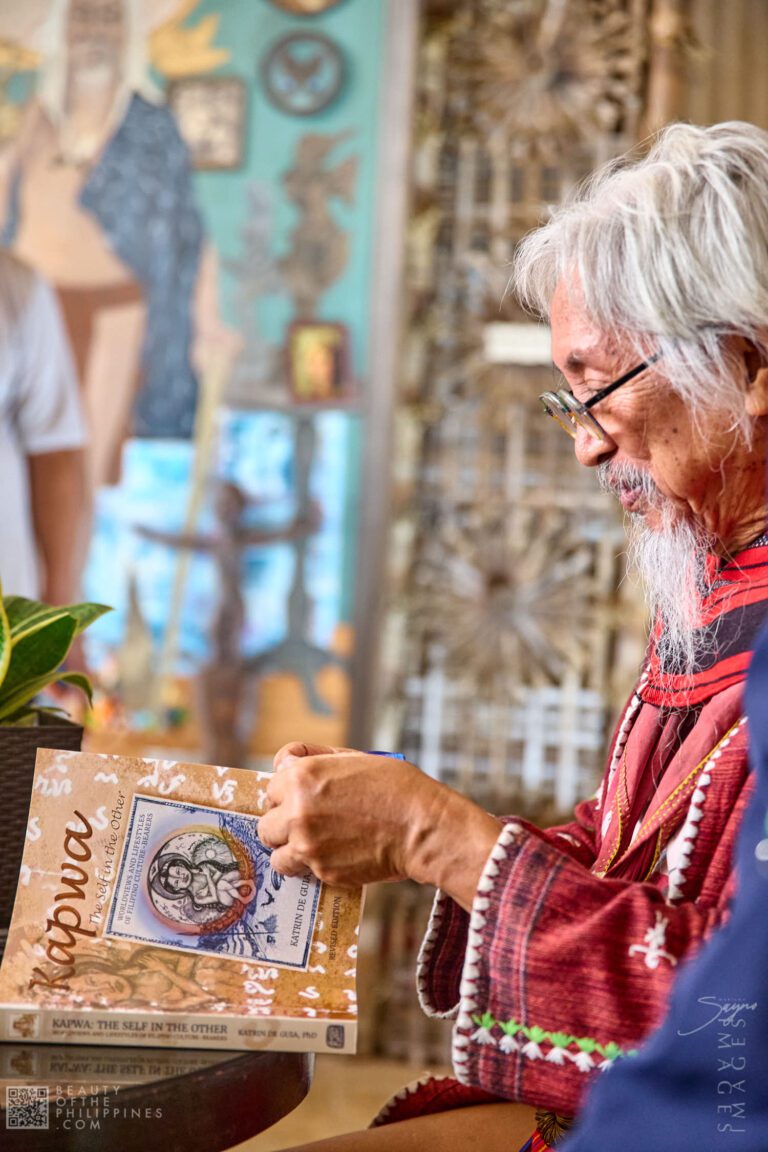
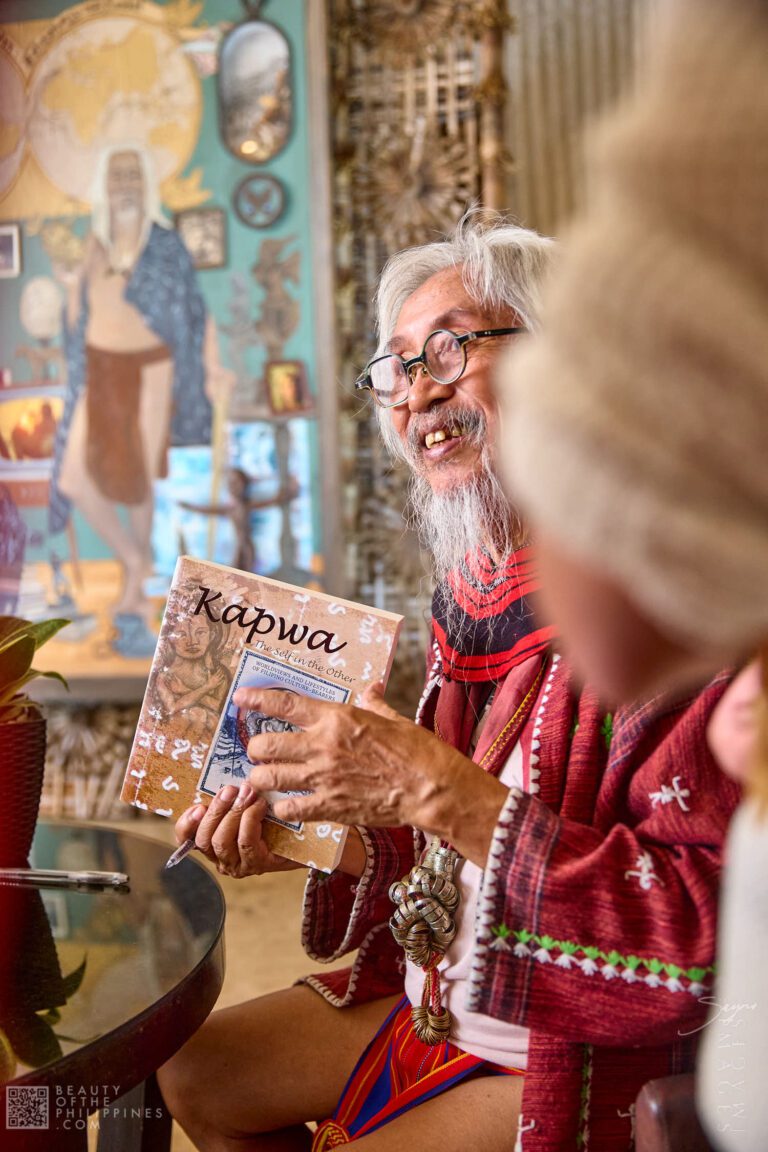
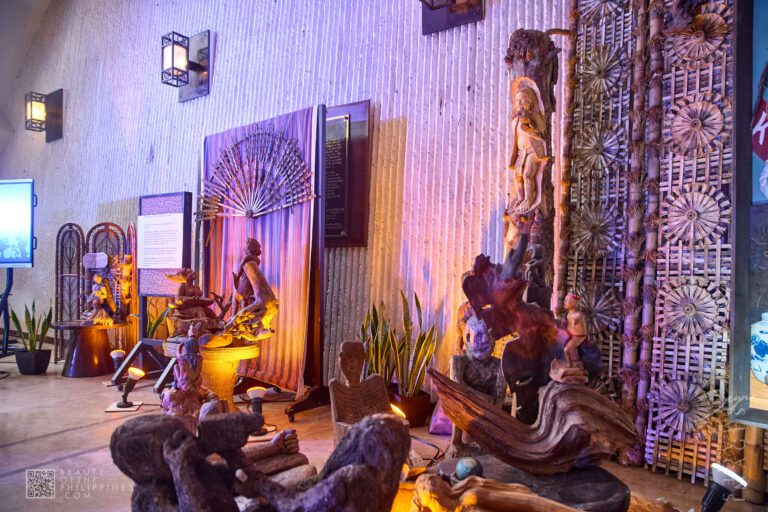
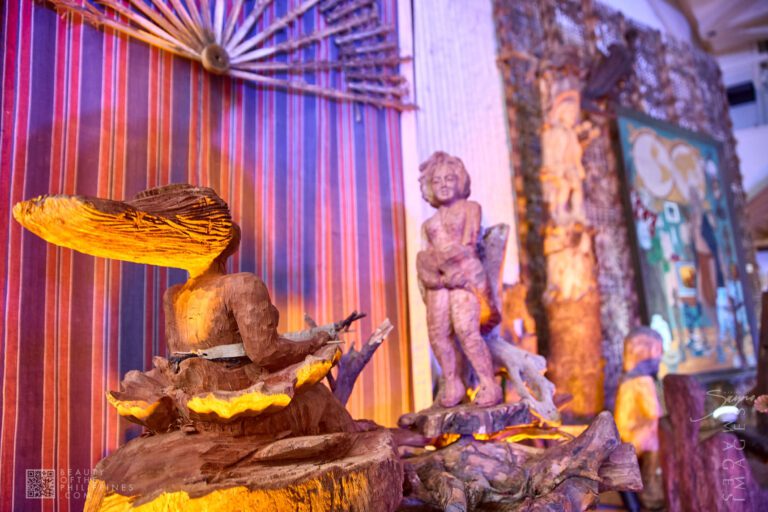
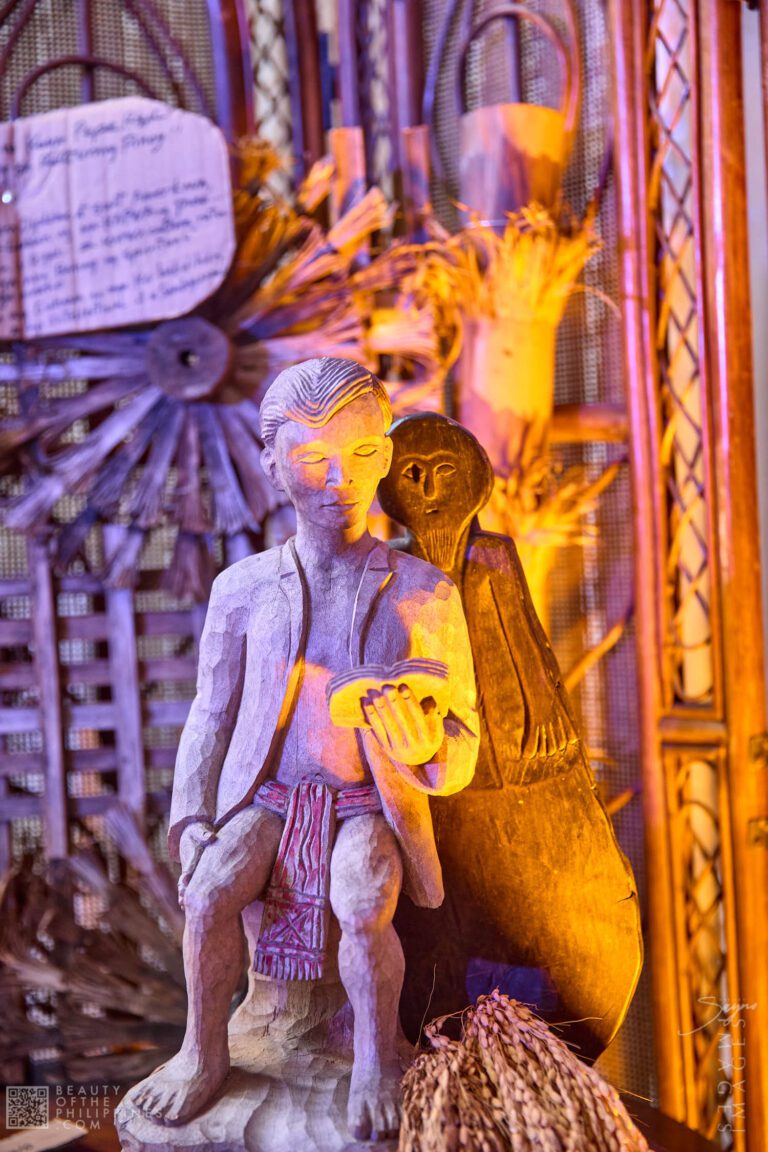
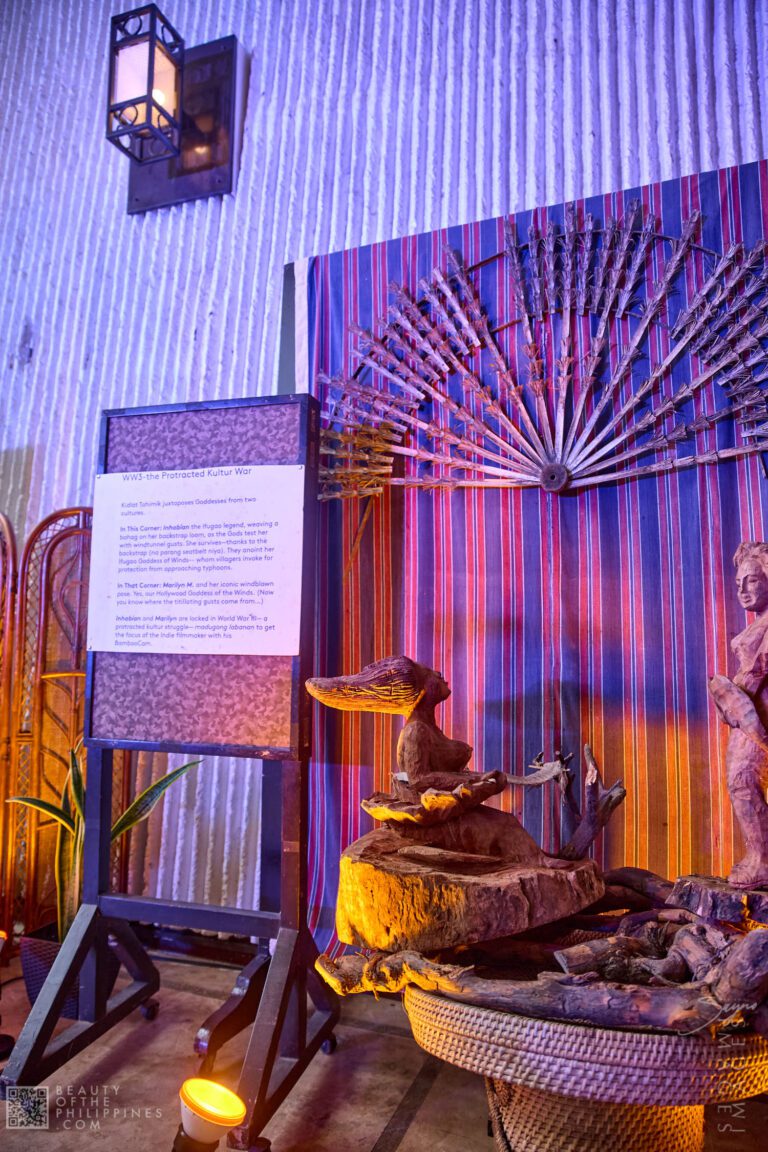
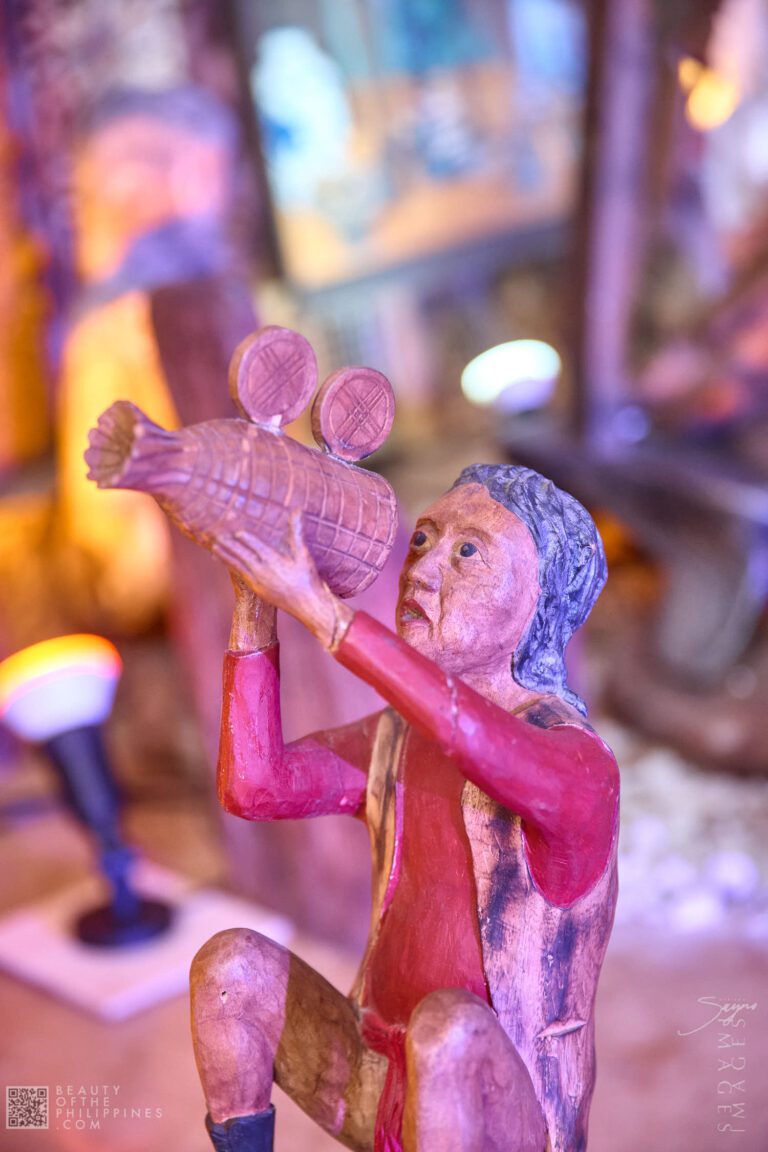
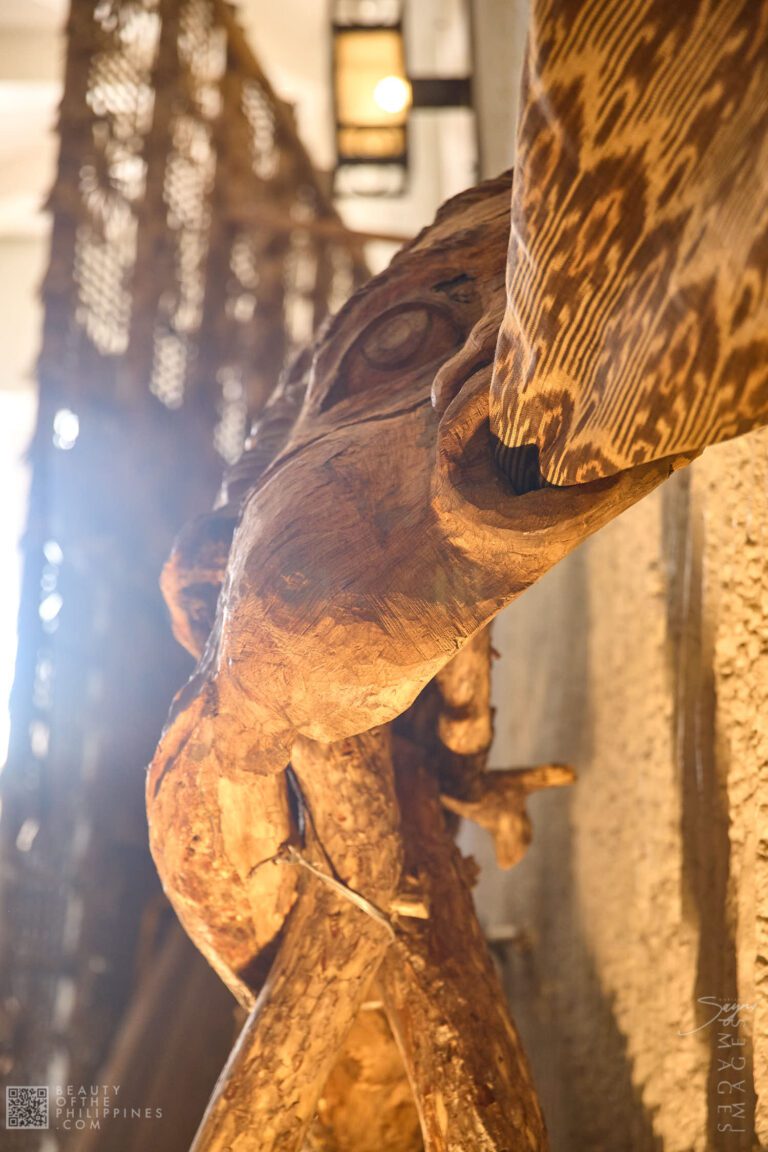
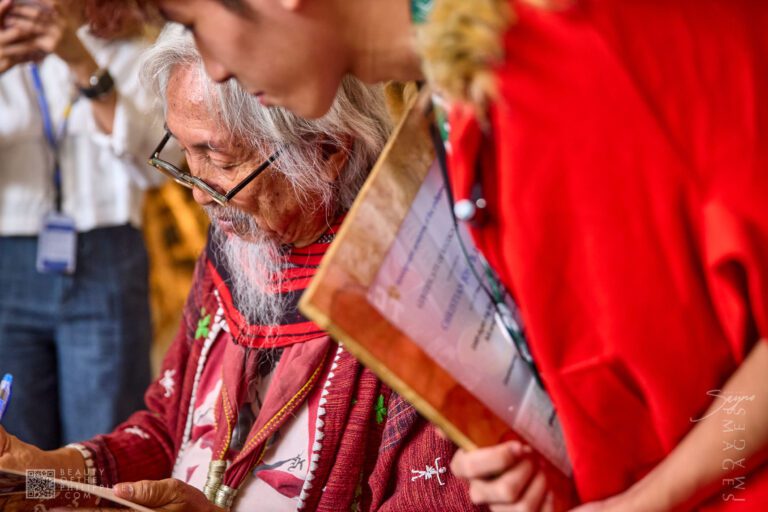
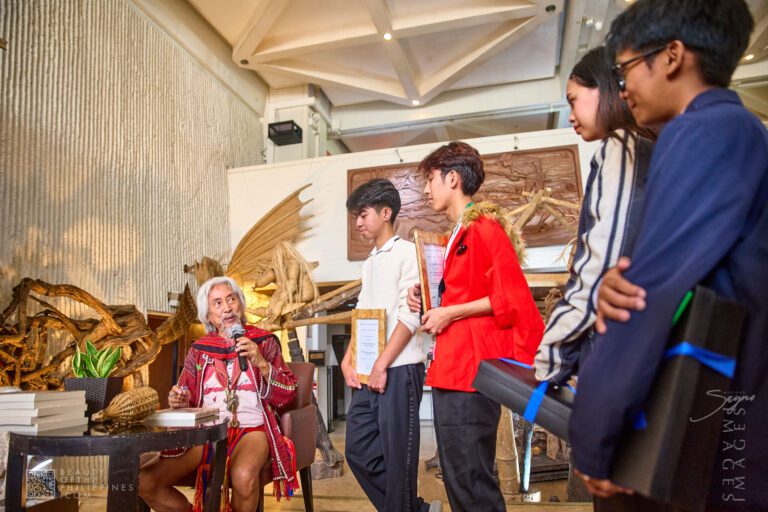
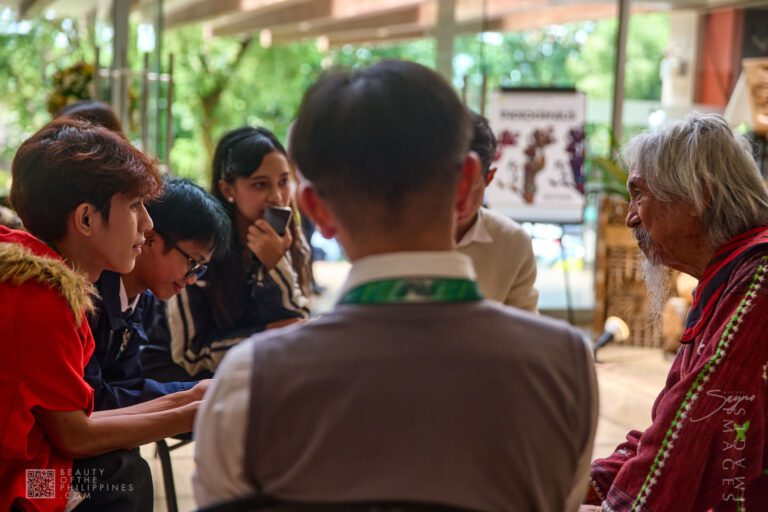
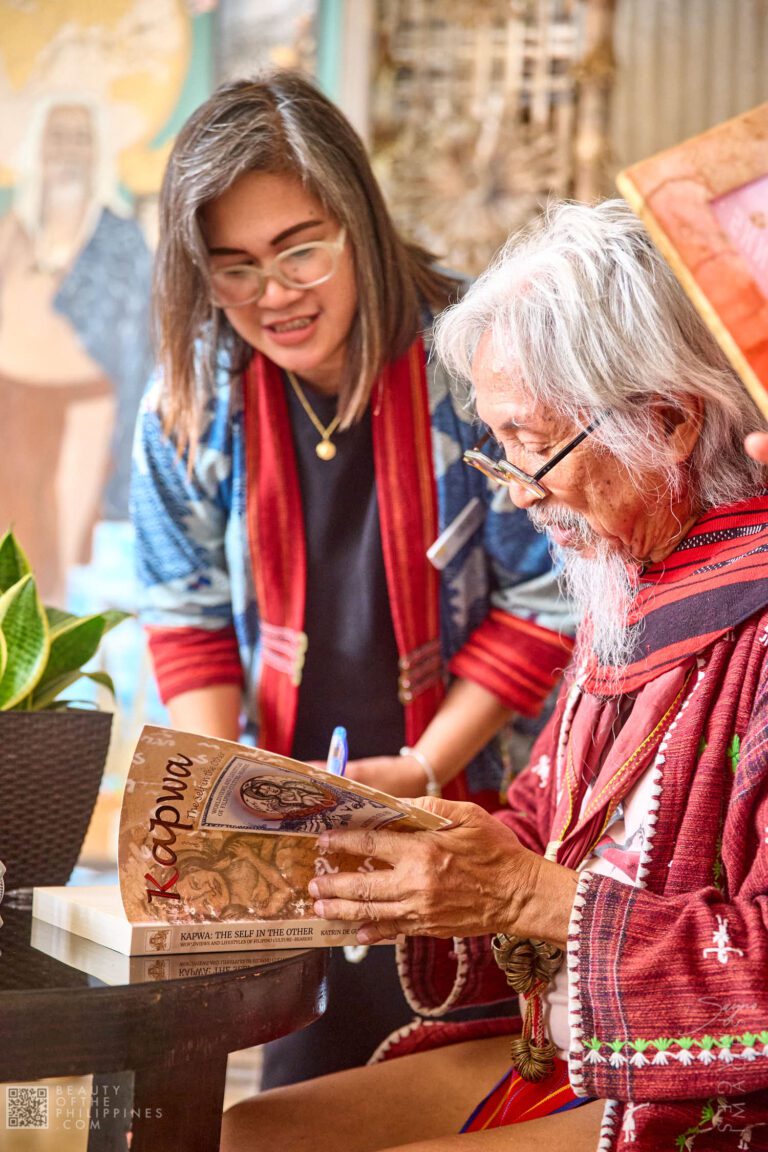
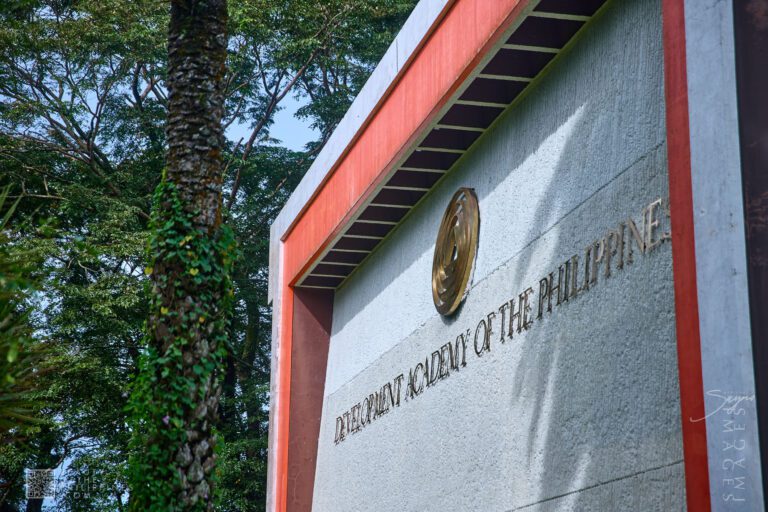
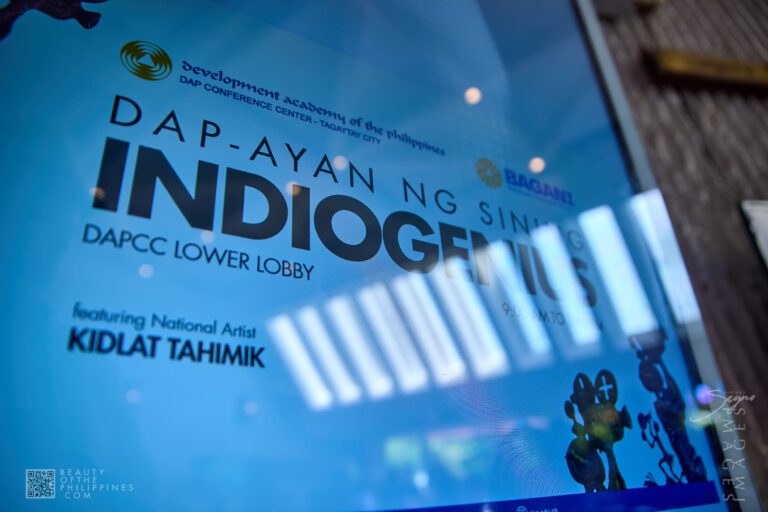
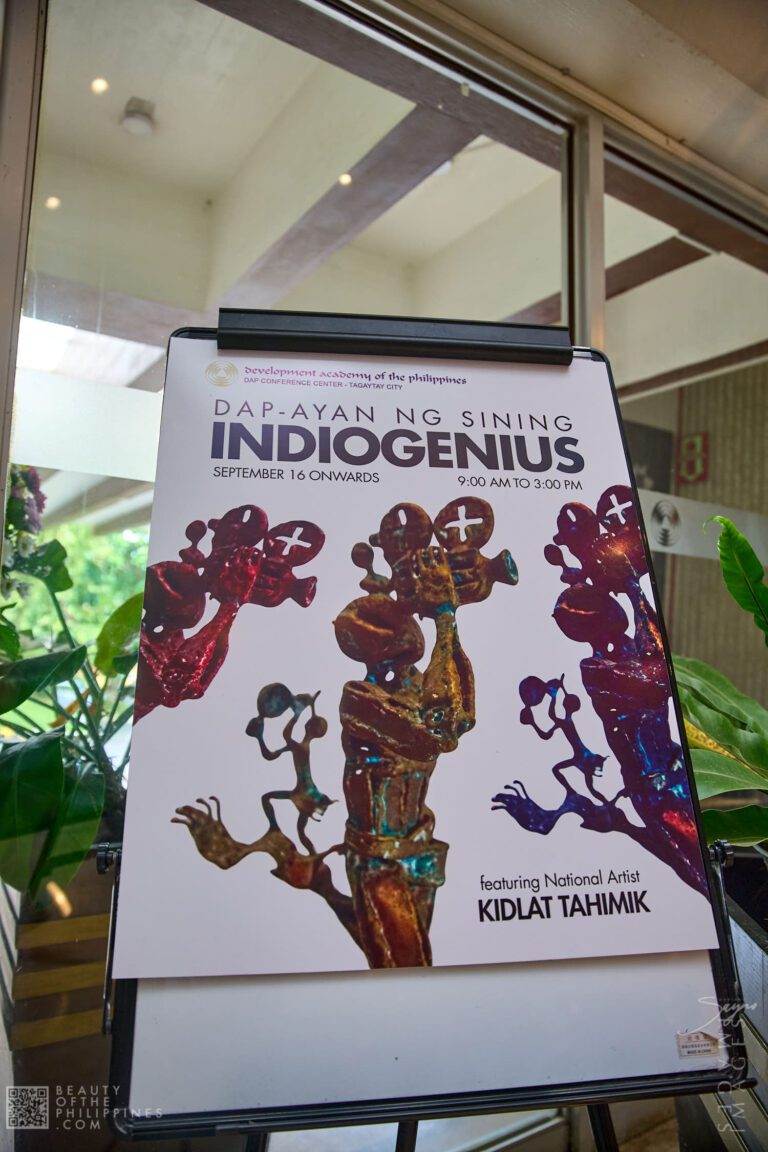
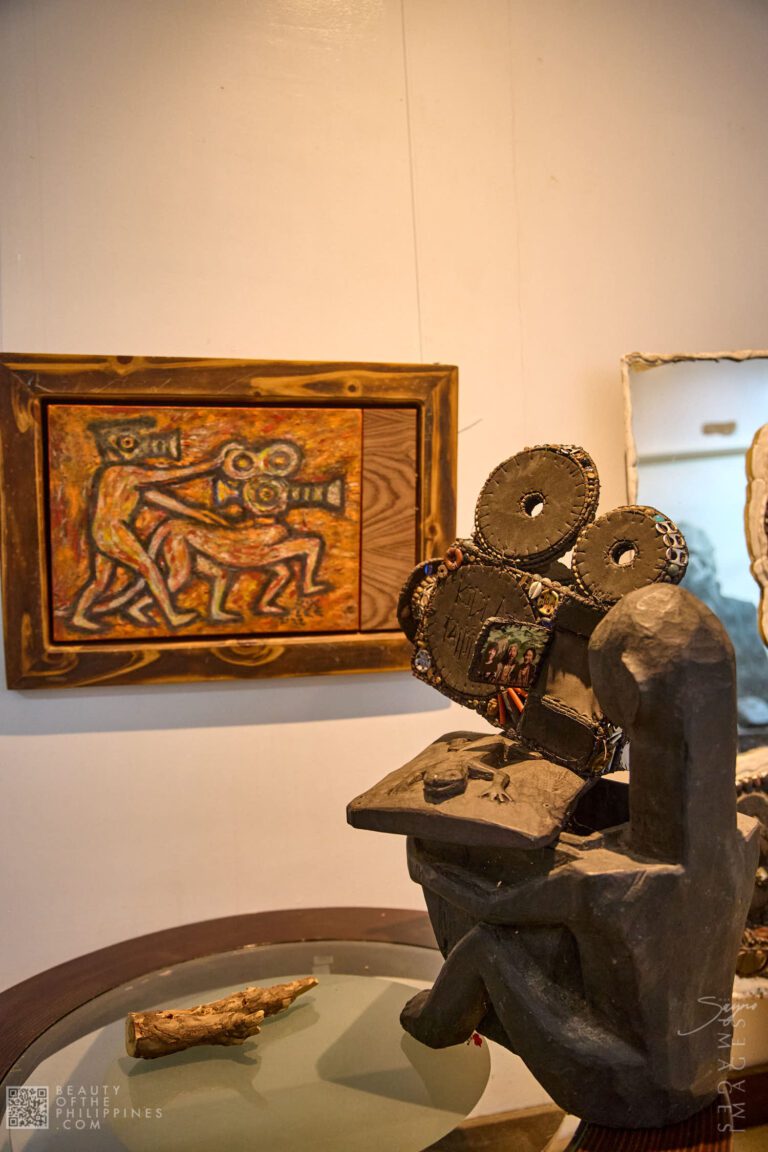
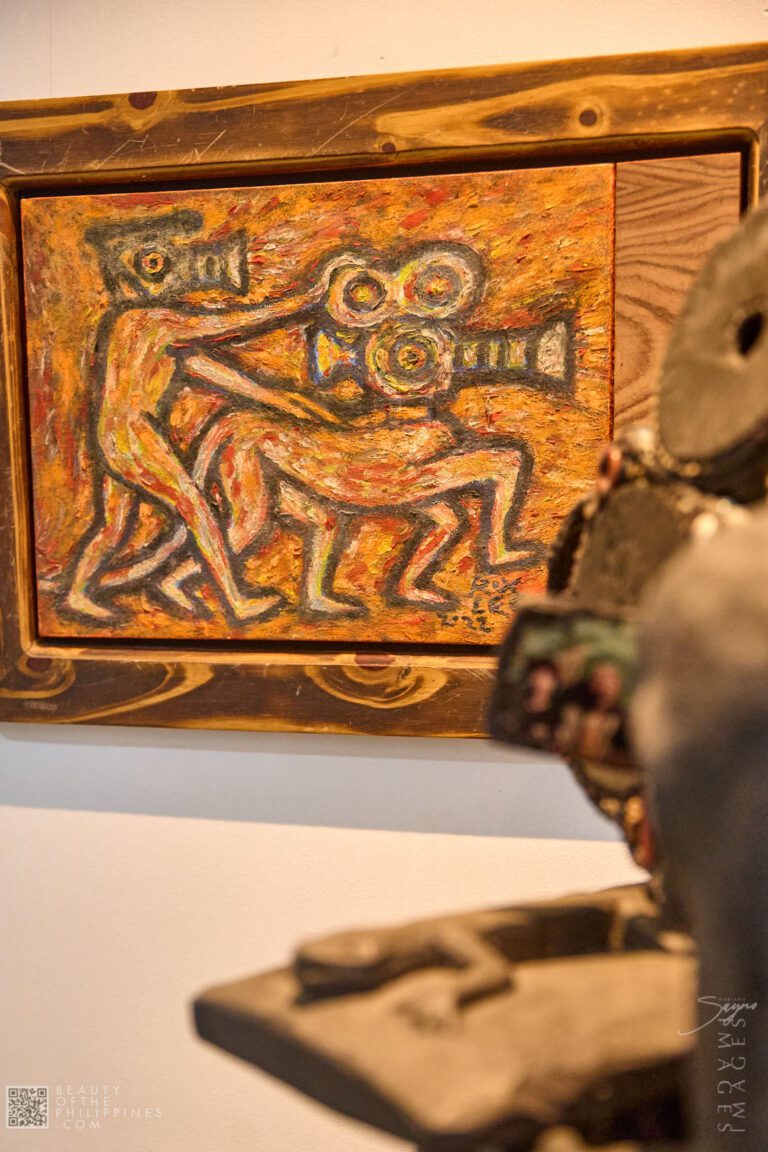
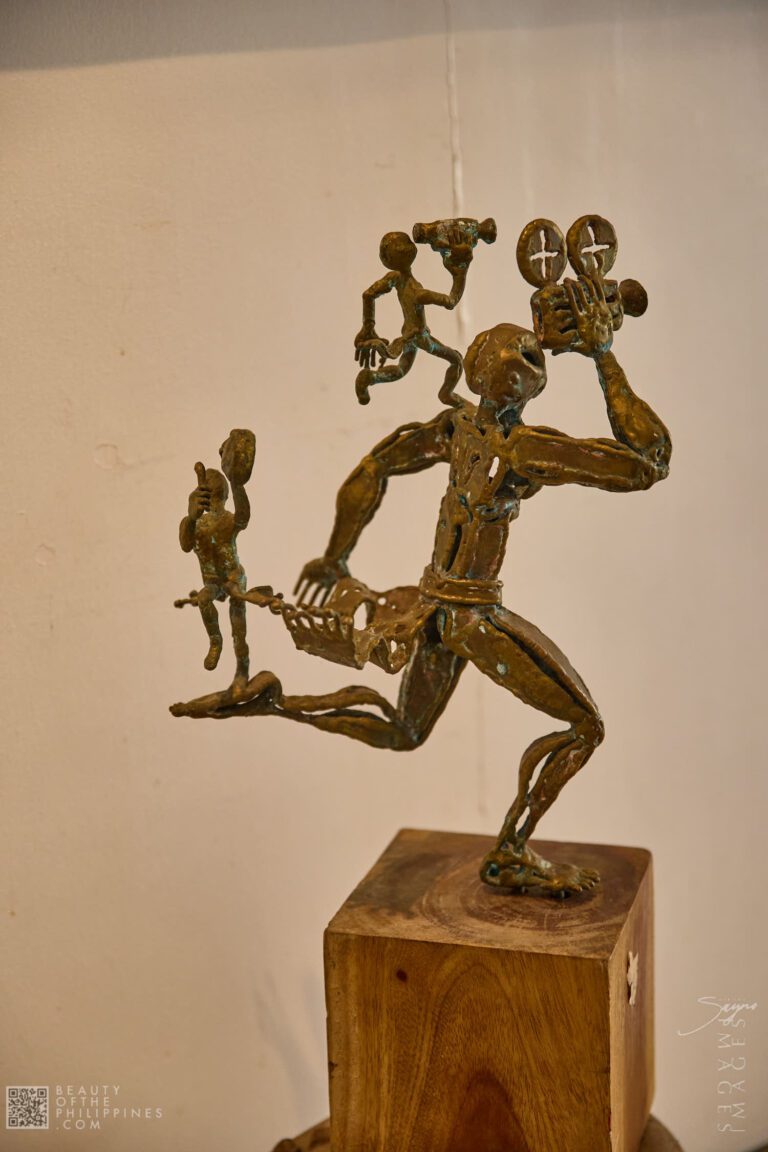
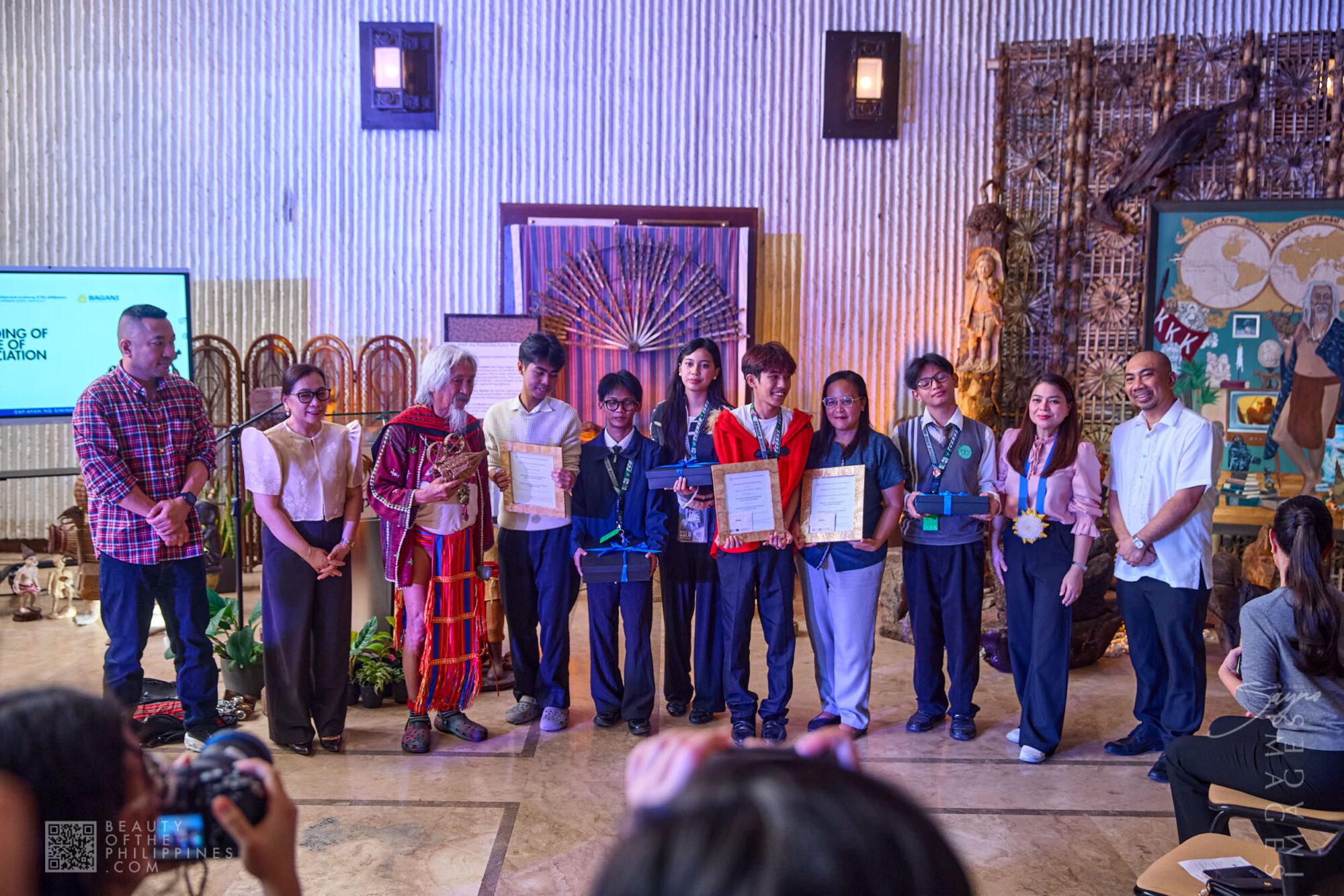
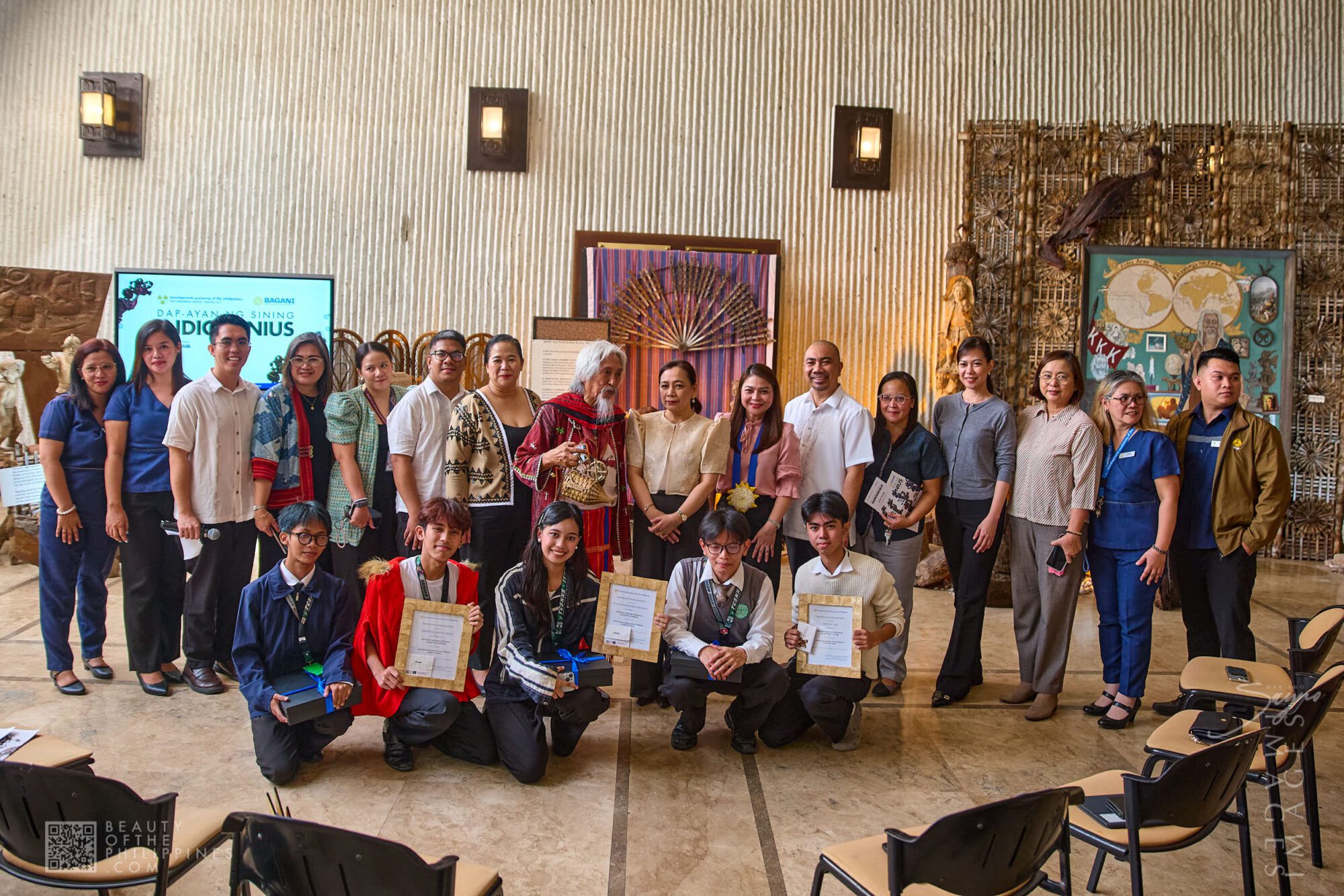
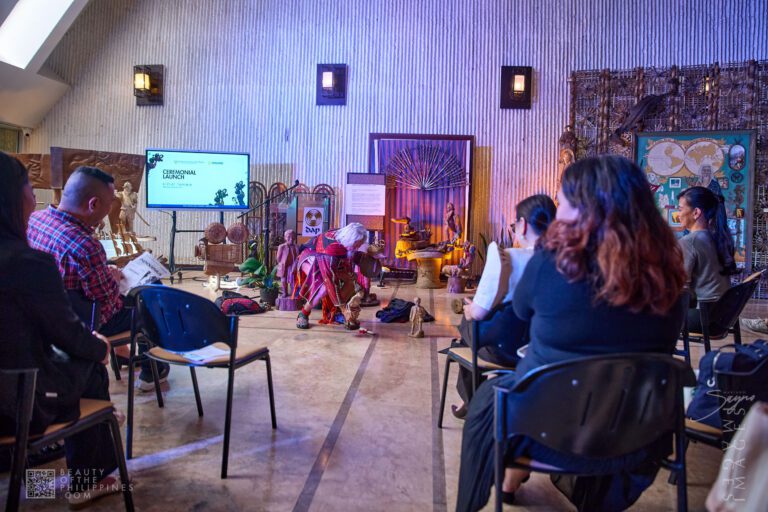
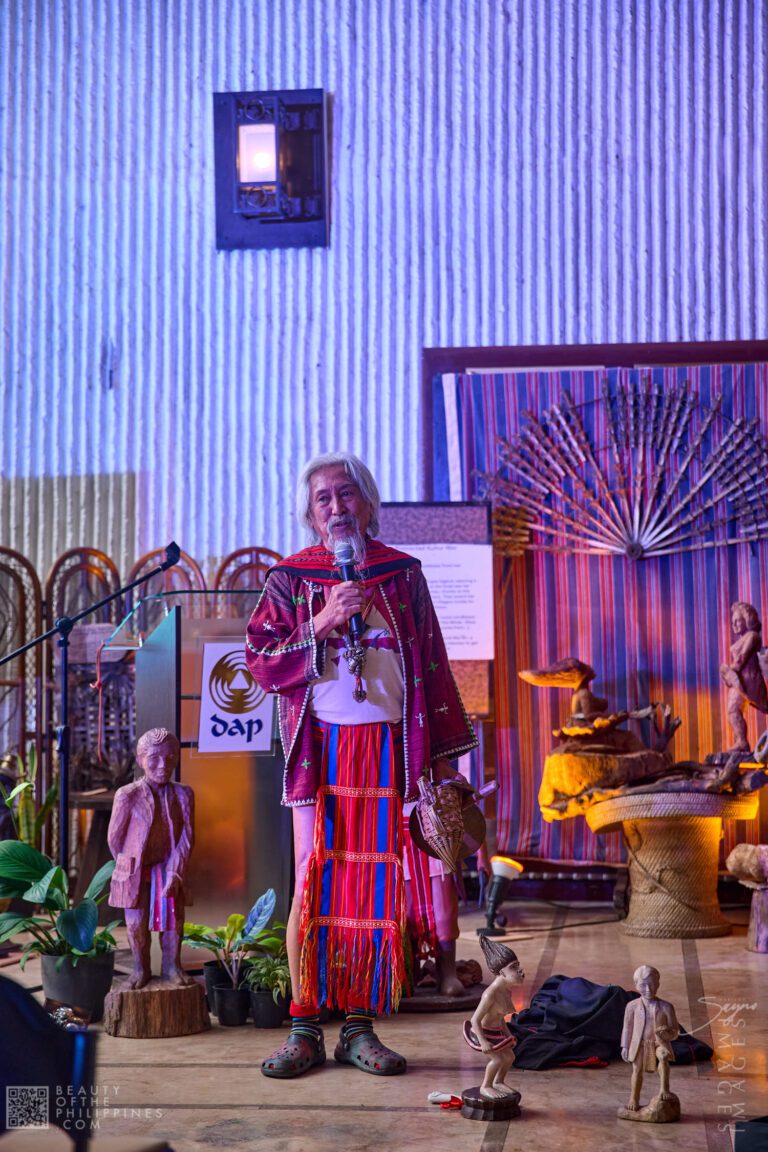
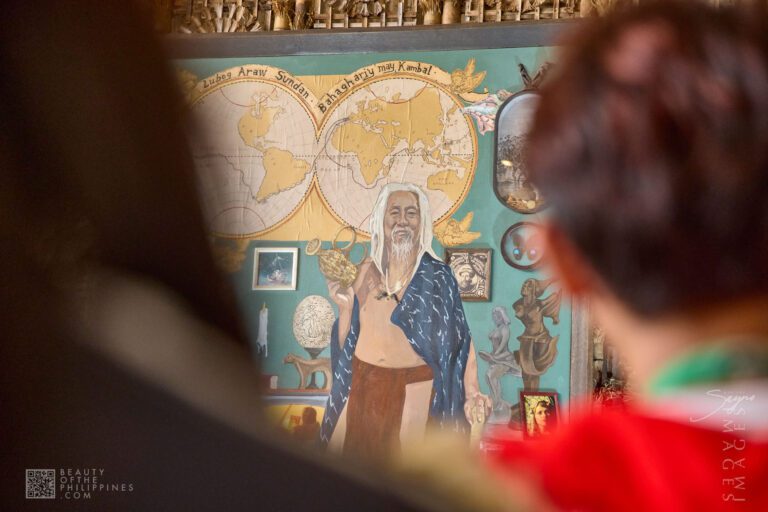
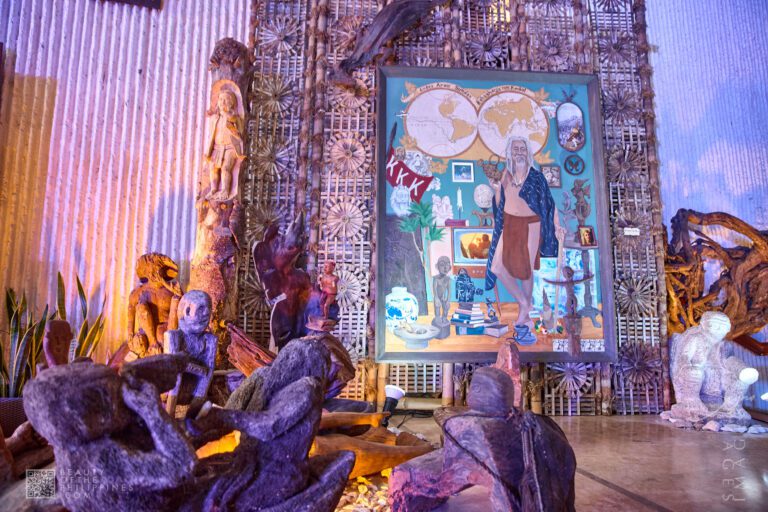
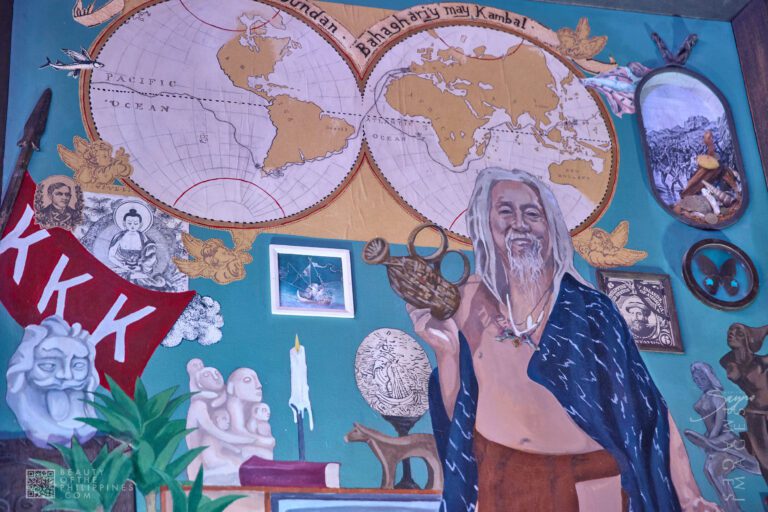
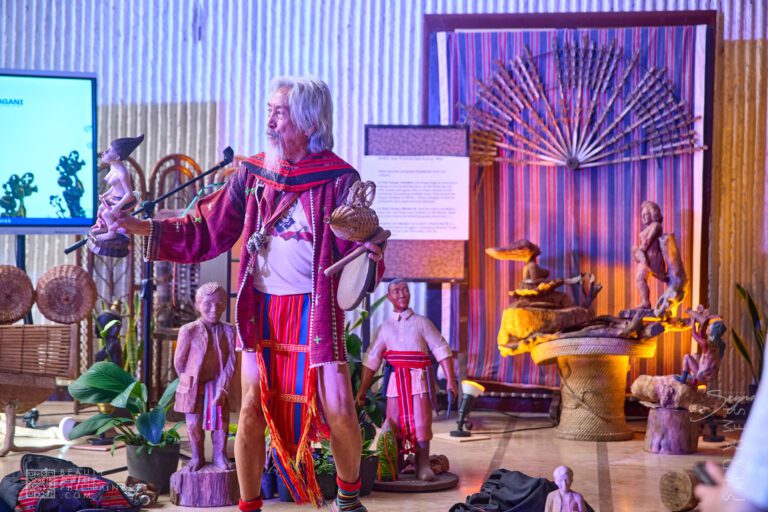
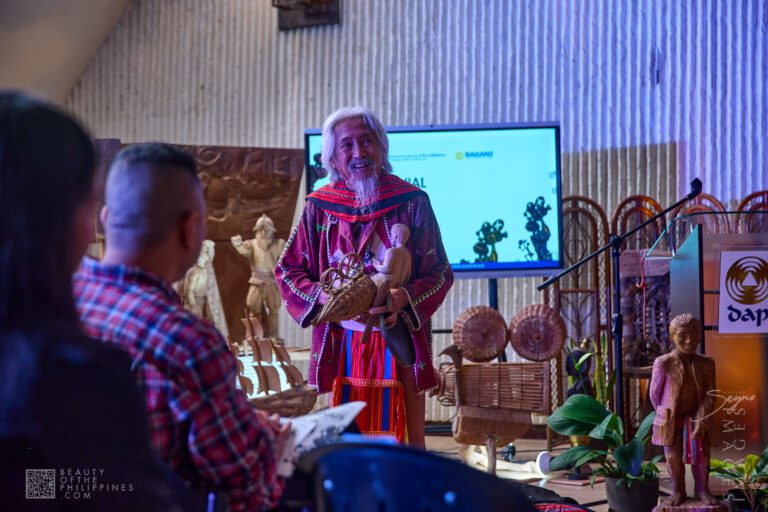
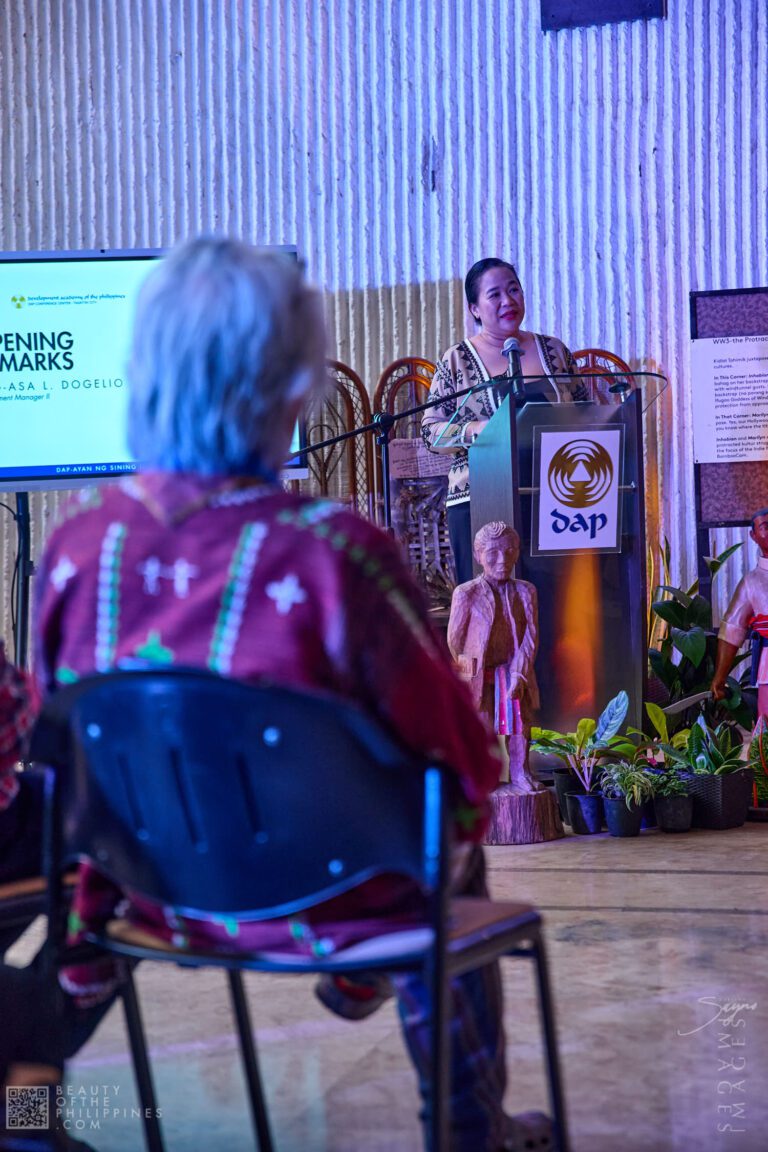
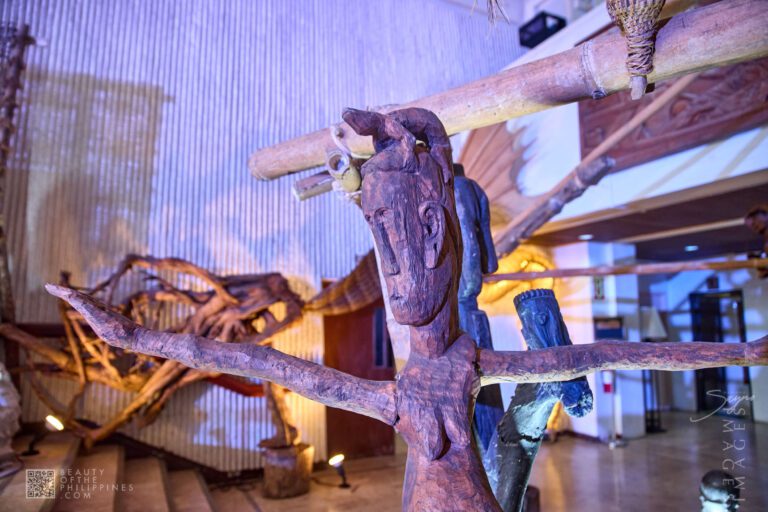
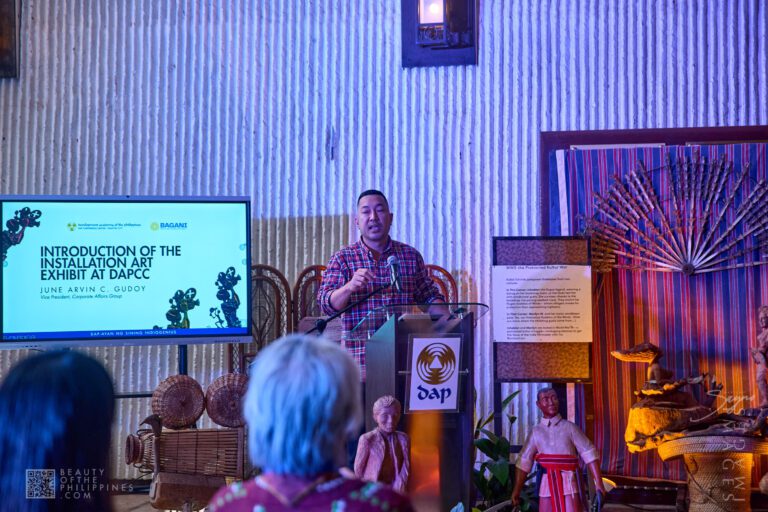
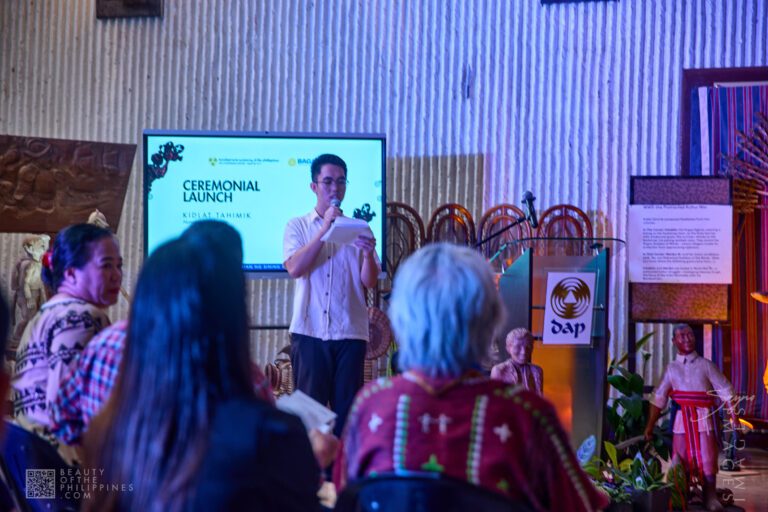
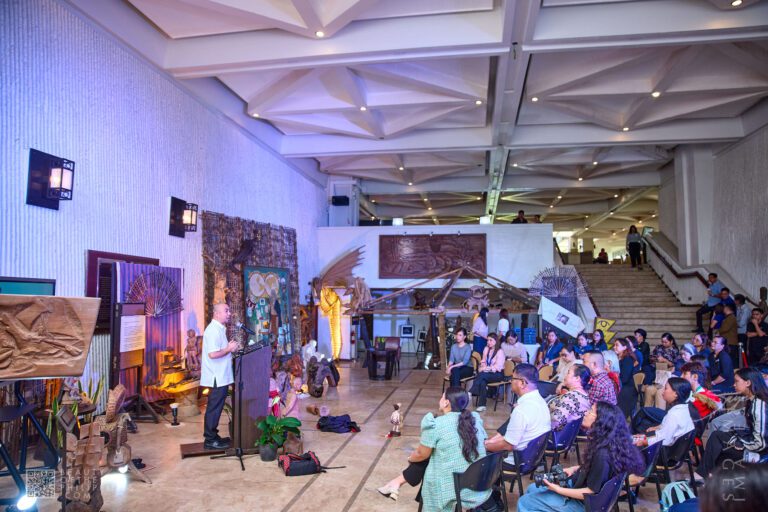
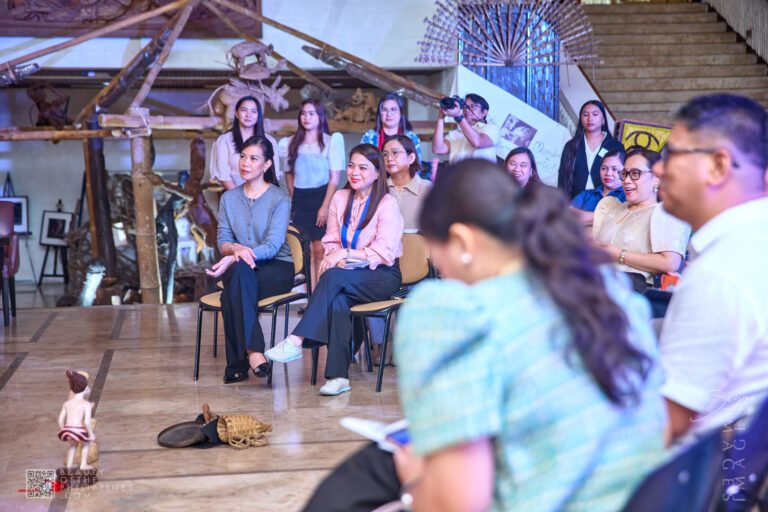
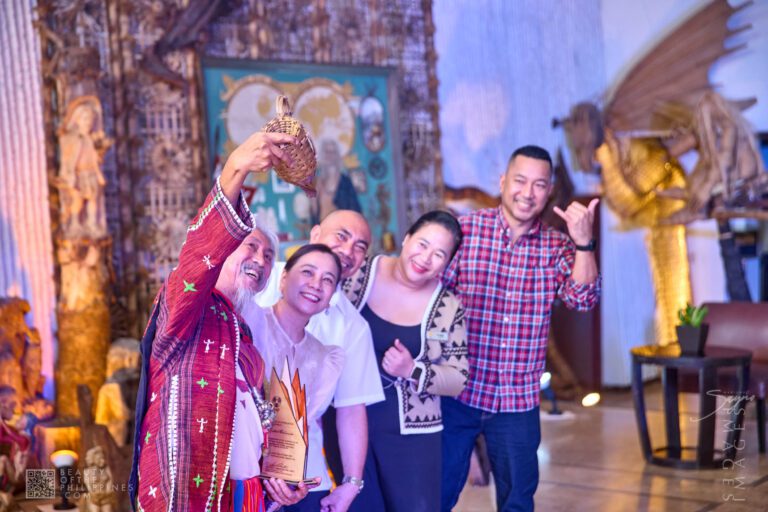
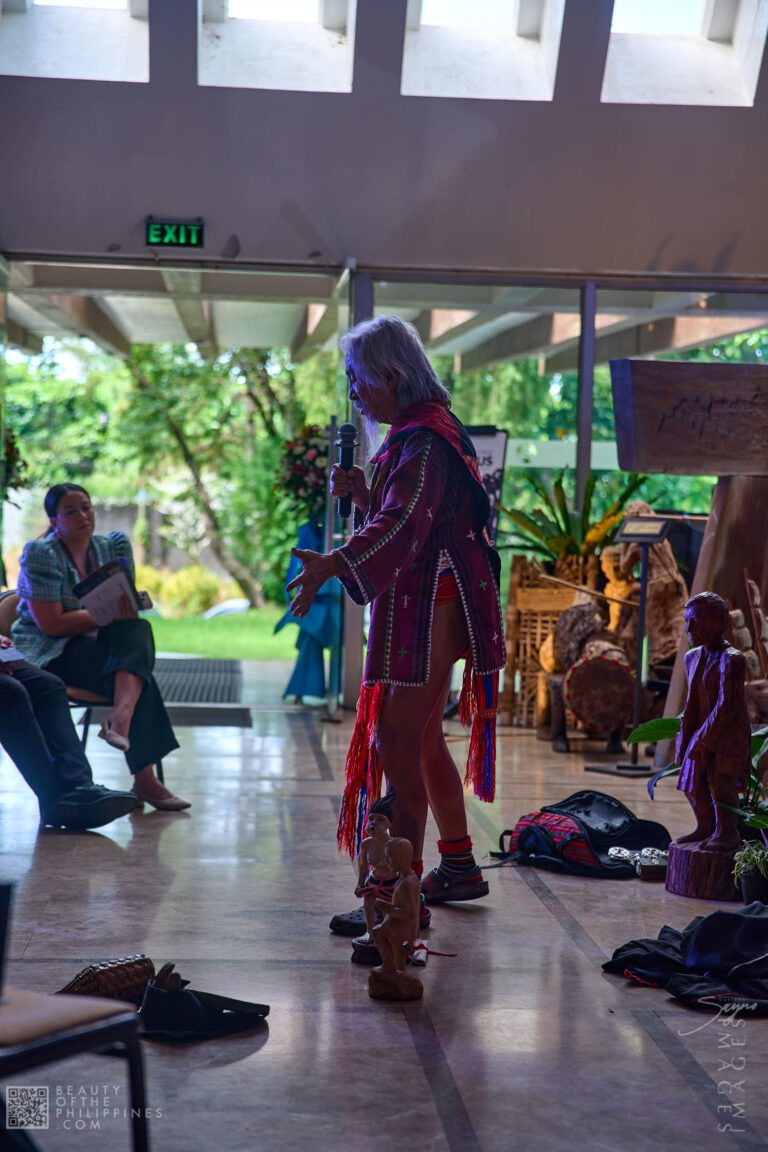
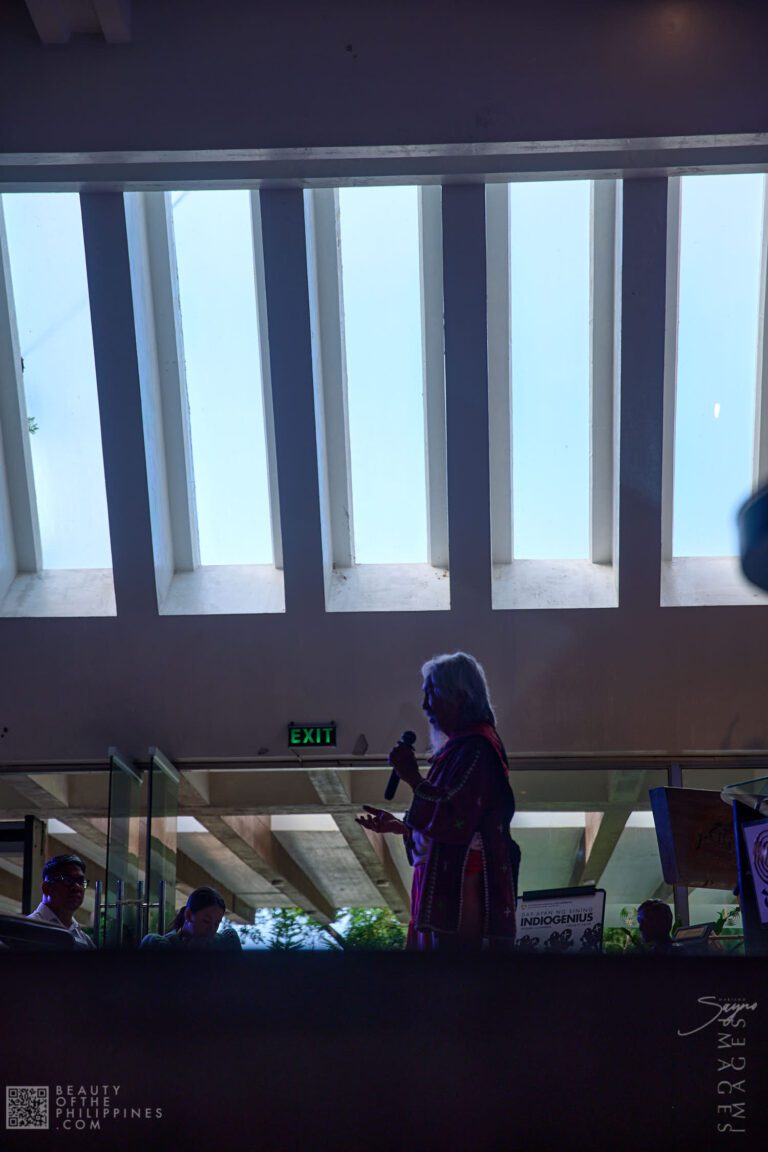
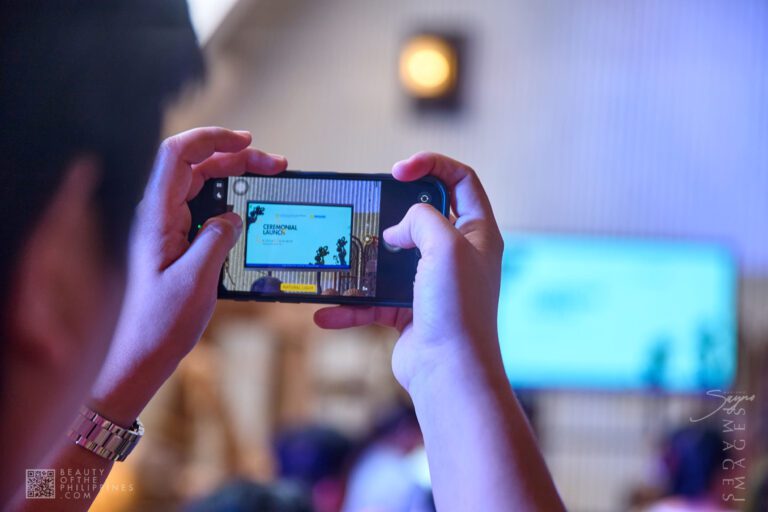
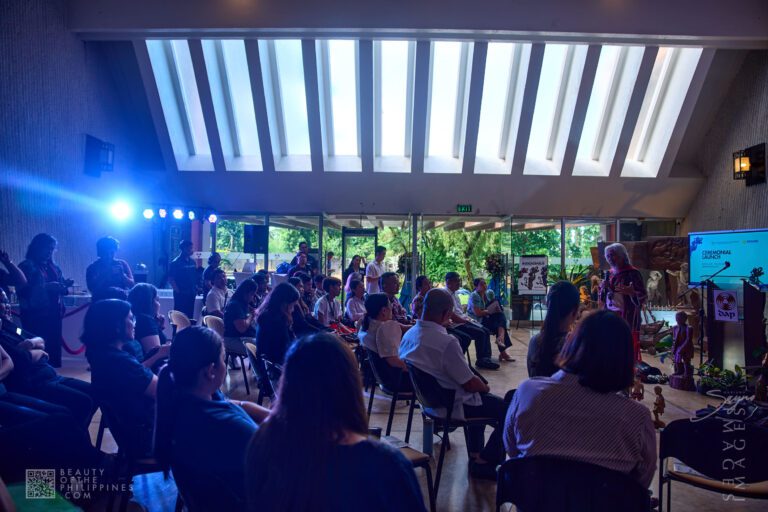
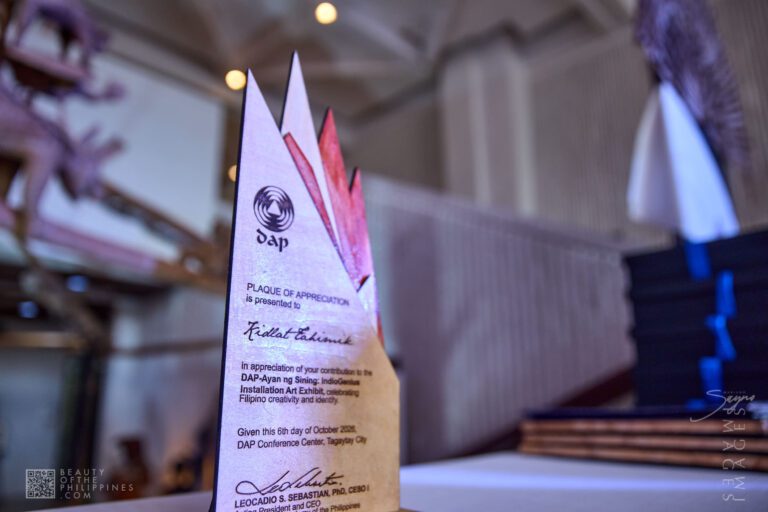
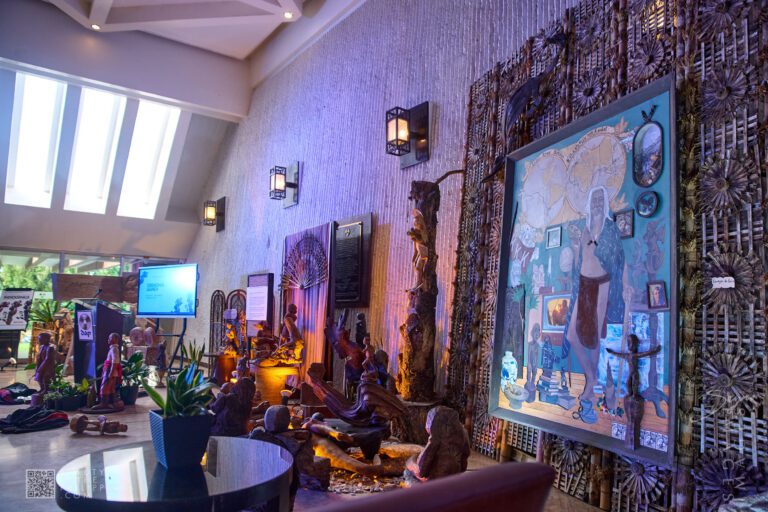
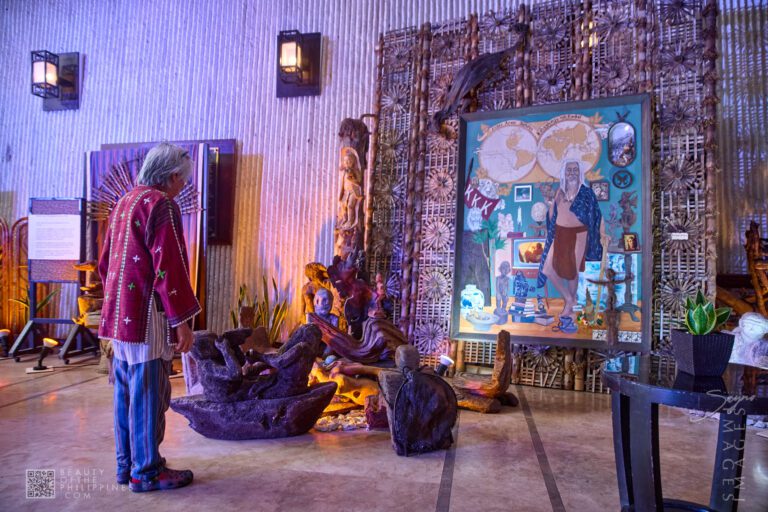
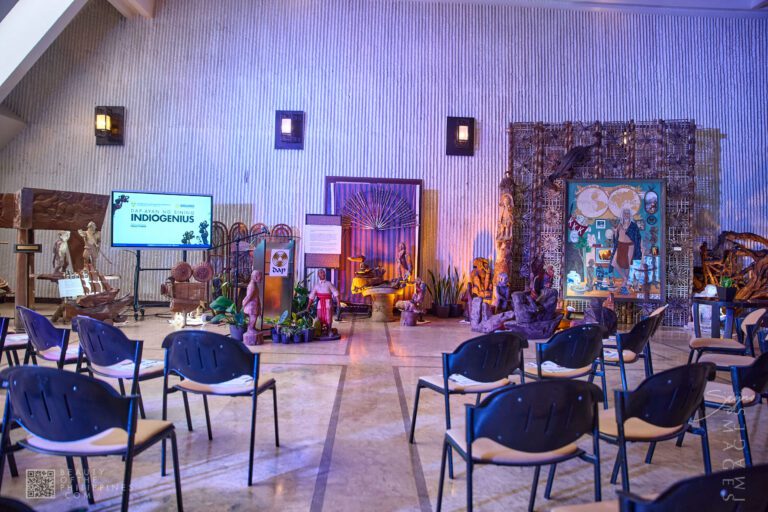
Beyond Tagaytay City’s familiar viewpoints and leisure stops, DAP-Ayan ng Sining: INDIOGENIUS offers a reason to look more closely at the ideas shaping Filipino identity. Presented at the Development Academy of the Philippines Conference Center in Tagaytay, the exhibition brings together the artistic world of National Artist Kidlat Tahimik, including portraits, caricatures, and installation works that encourage reflection on indigenous knowledge, colonial history, and creative expression. For a traveler-photographer, the experience offers more than subjects to document; it raises questions about the stories behind the objects and the knowledge they carry.
Explore the Philippines through my lens as we venture into Kidlat Tahimik INDIOGENIUS with Point of View (POV) photography. Using a body cam, I’ll guide you on an interactive tour, revealing the behind-the-scenes of capturing the shots shared here. Let’s dive into this visual journey together and uncover the wonders through my lens!
Let’s explore the PHILIPPINES through my lens as we journey on a photo slideshow to Kidlat Tahimik INDIOGENIUS. Join me in this visual adventure and discover the wonders captured through my lens! Check out the shared slideshow here.
Check out the video for more highlights. See what I’ve captured through my lens with Point of View (POV) photography. Using a body cam, I’ll take you on an interactive tour, showing you behind-the-scenes moments of capturing the shots shared here.
Check out the video below for additional features. Explore what I’ve captured through my lens in this cinematic slideshow.
Beyond the Usual Tagaytay View

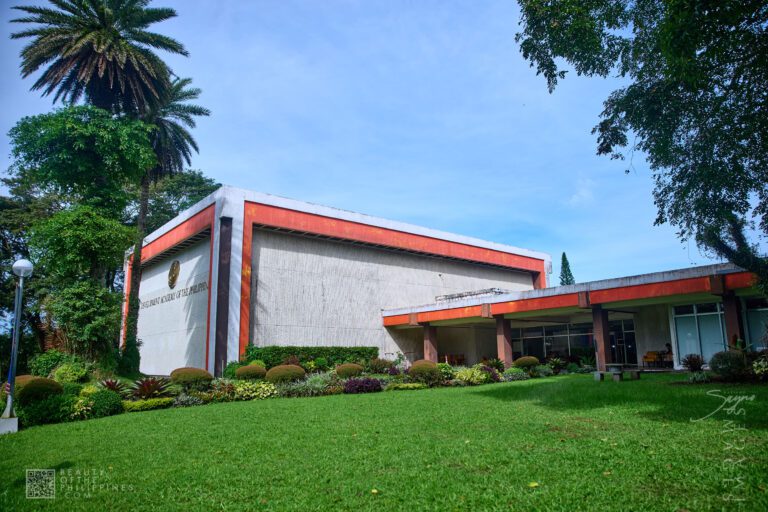
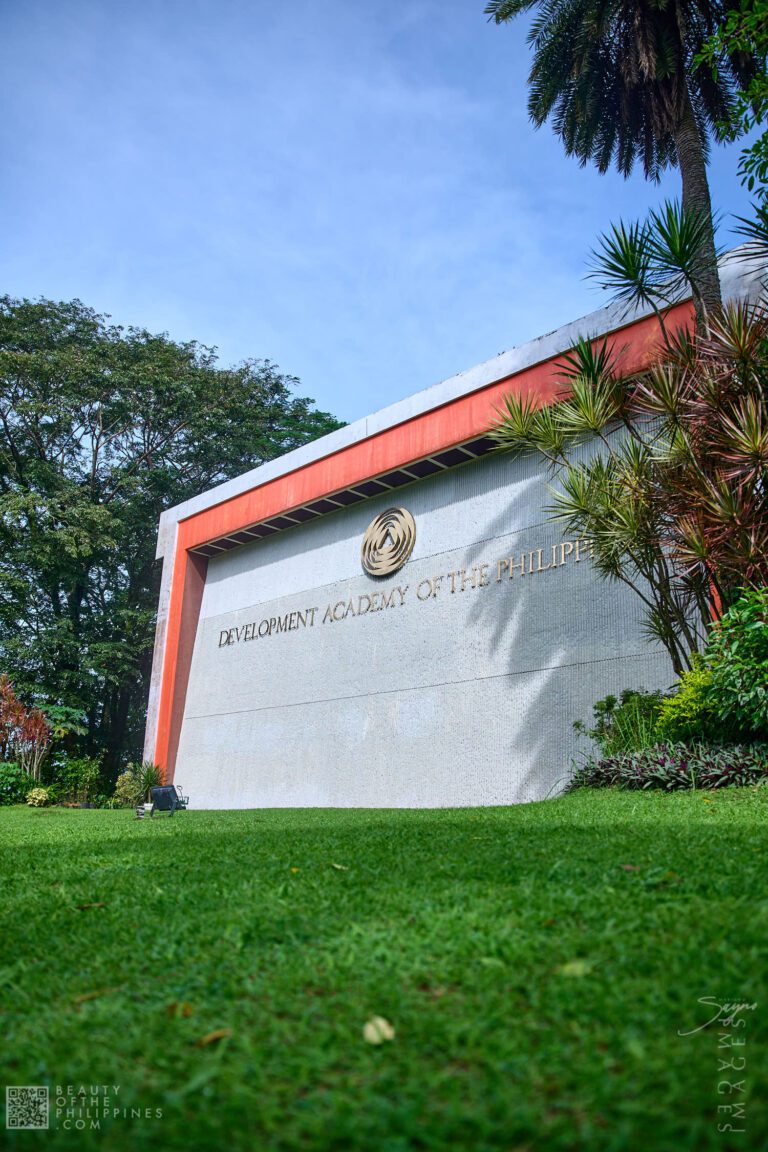
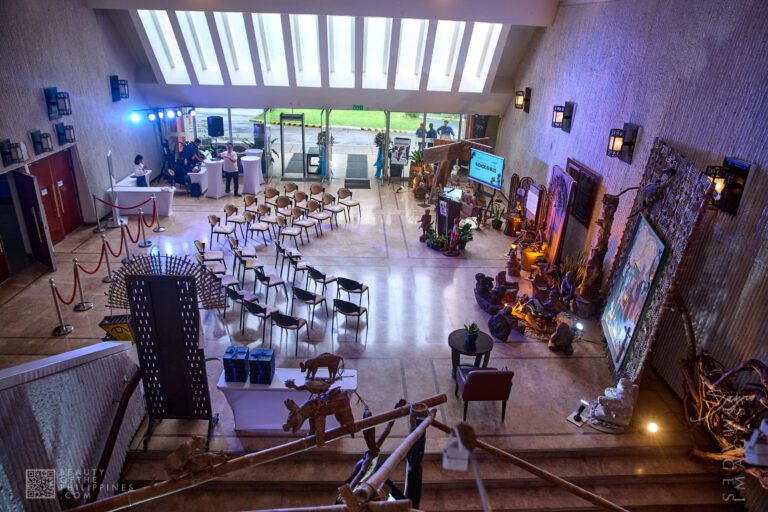
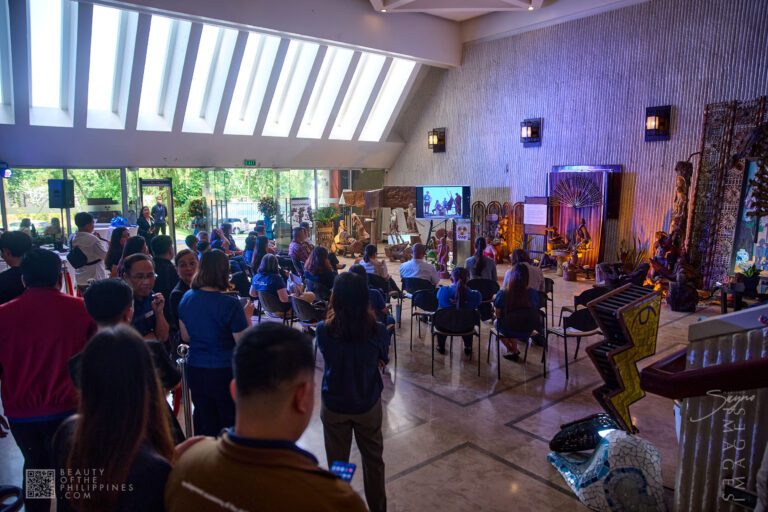
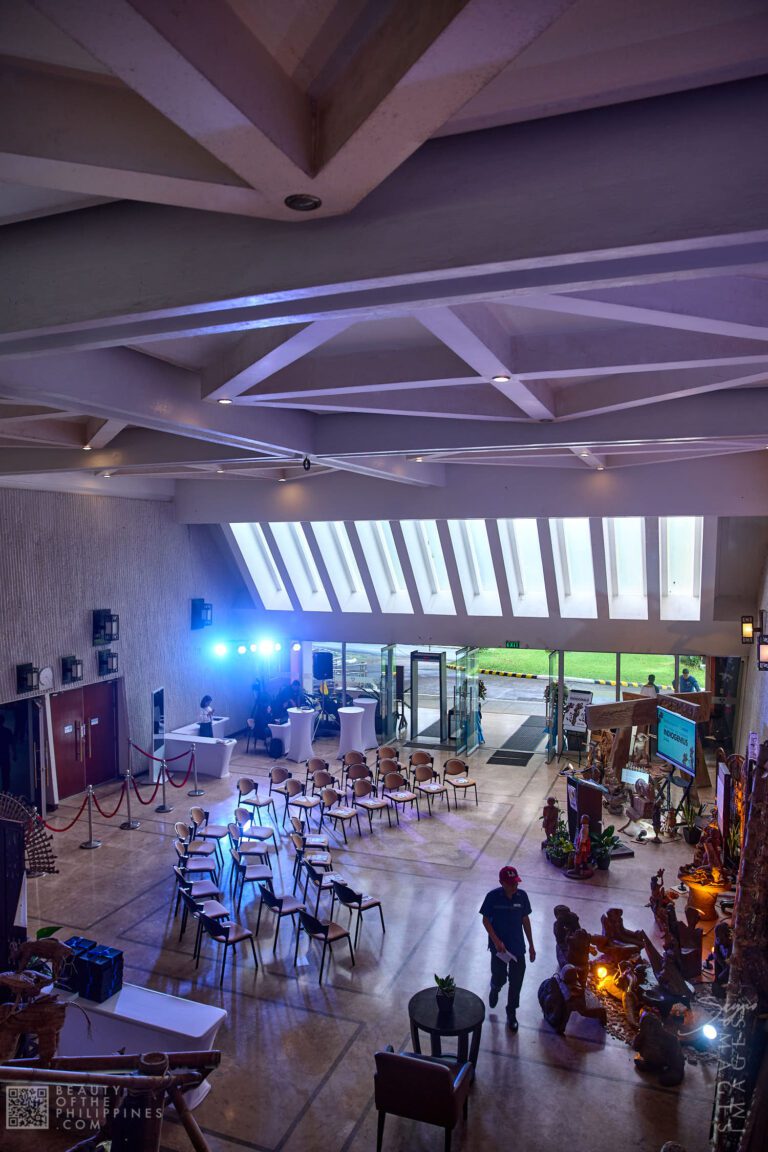
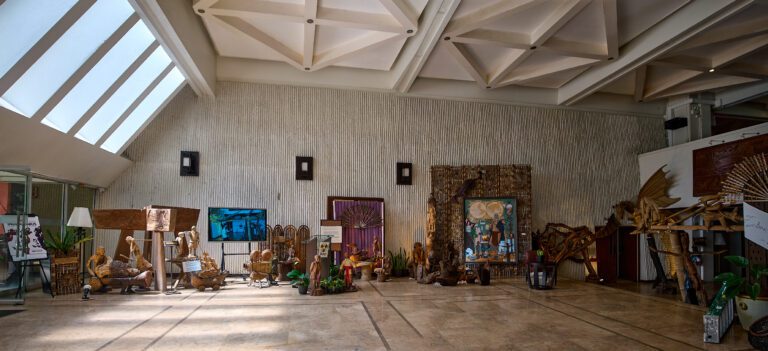
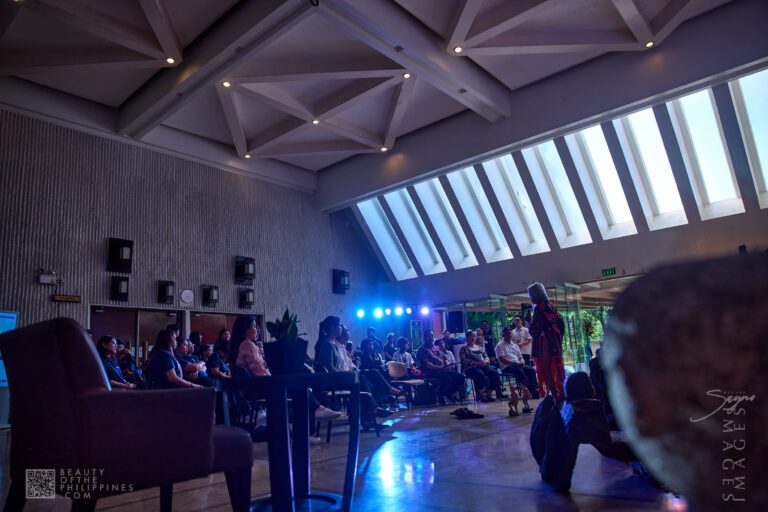
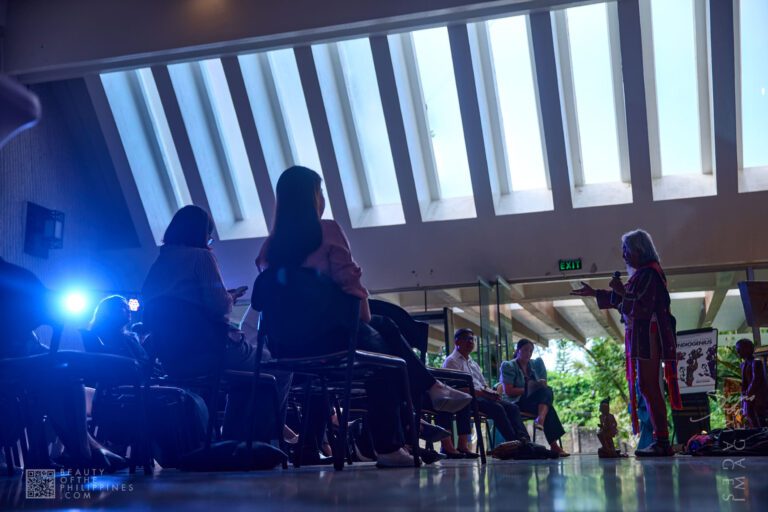
Tagaytay City is often associated with views of Taal Lake, the surrounding highlands, restaurants, and short leisure trips from nearby urban centers. Yet a destination can reveal another side of itself when the focus shifts from its scenery to the ideas expressed through art. At the Development Academy of the Philippines Conference Center (DAPCC), DAP-Ayan ng Sining: INDIOGENIUS brings Filipino cultural identity into a setting more commonly associated with conferences, training, and institutional learning.


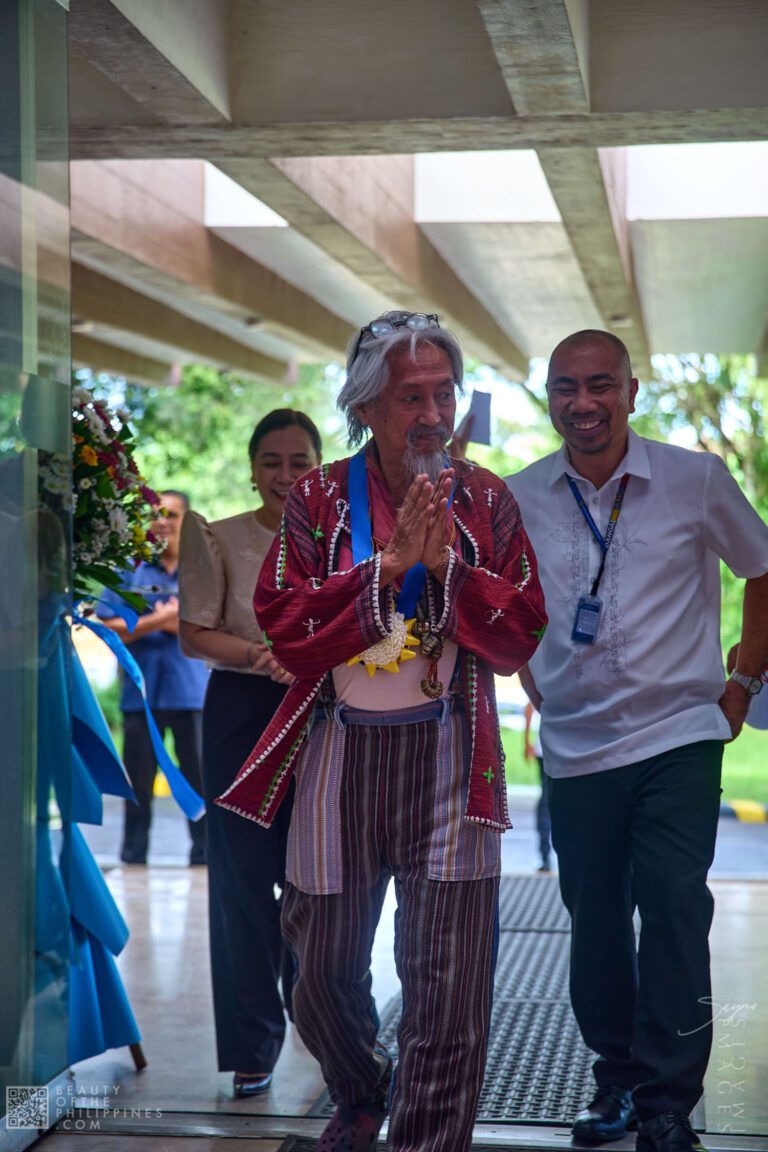
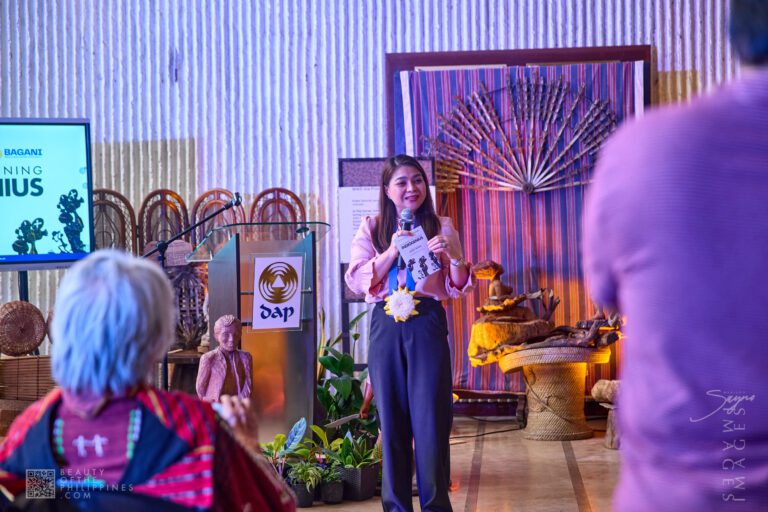
Announced by the Development Academy of the Philippines (DAP) through its Rising Leaders Development Program (RLDP) BAGANI, the exhibition features the works and creative world of National Artist Kidlat Tahimik. Its stated purpose extends beyond displaying artworks. It encourages visitors to consider how indigenous knowledge, artistic expression, heritage, leadership, and community development relate to one another.


For visitors interested in documenting the exhibition, this distinction matters. The experience is not simply an opportunity to photograph unusual installations or encounter the work of a nationally recognized artist. It is also an invitation to examine the ideas behind the objects and to consider how cultural heritage continues to influence Filipino life.

Reading INDIOGENIUS Through Filipino Ingenuity

The title INDIOGENIUS brings together ideas about native Filipino identity and creative intelligence. Related materials from Kidlat Tahimik’s broader artistic practice also use the forms Indio-Genius and INDIO-GENIUS. For the Tagaytay event, however, the official title is DAP-Ayan ng Sining: INDIOGENIUS.


The concept draws on a cultural argument developed by Tahimik, who was inspired by the words of Lopes Na-Uyac, an Ifugao mentor. In the artist’s interpretation, indigenous knowledge and Filipino creativity deserve recognition in their own right rather than being measured exclusively against Western ideas of sophistication, progress, or achievement. The term also recalls the colonial-era use of indio for native inhabitants of the Spanish Philippines, a label historically associated with unequal social and racial hierarchies.


Bringing indio together with genius challenges the historical devaluation of native Filipino intelligence. It suggests that creativity, craftsmanship, storytelling, belief systems, and environmental knowledge are already present in local communities and do not require outside validation to have value.


This interpretation should not be mistaken for a claim that all indigenous communities share a single worldview. The Philippines is home to numerous Indigenous Peoples with distinct languages, histories, practices, and knowledge systems. The exhibition’s broader value lies in encouraging visitors to recognize this diversity and question the assumptions through which cultural achievement has traditionally been judged.


The word rediscover is particularly important to this idea. In the official exhibition announcement, Tahimik emphasizes rediscovering Filipino cultural knowledge rather than simply discovering it. The distinction acknowledges that knowledge may have existed for generations even when colonial influence or dominant narratives pushed it to the margins.

The Artist Behind the Installations

Born Eric Oteyza de Guia, Kidlat Tahimik is a Filipino filmmaker, visual artist, and storyteller whose work examines colonialism, cultural identity, and the relationship between Filipino life and Western influence. He is recognized as a National Artist of the Philippines for Film and Broadcast Arts, but his creative practice extends well beyond cinema.


His internationally recognized film Mababangong Bangungot (Perfumed Nightmare) explores the attraction of Western modernity and the contradictions that emerge when a Filipino protagonist encounters foreign models of power, technology, and aspiration. Other significant works include Turumba and Balikbayan #1: Memories of Overdevelopment Redux III. Across these films, questions about cultural identity, economic power, colonial history, and the meaning of progress recur.


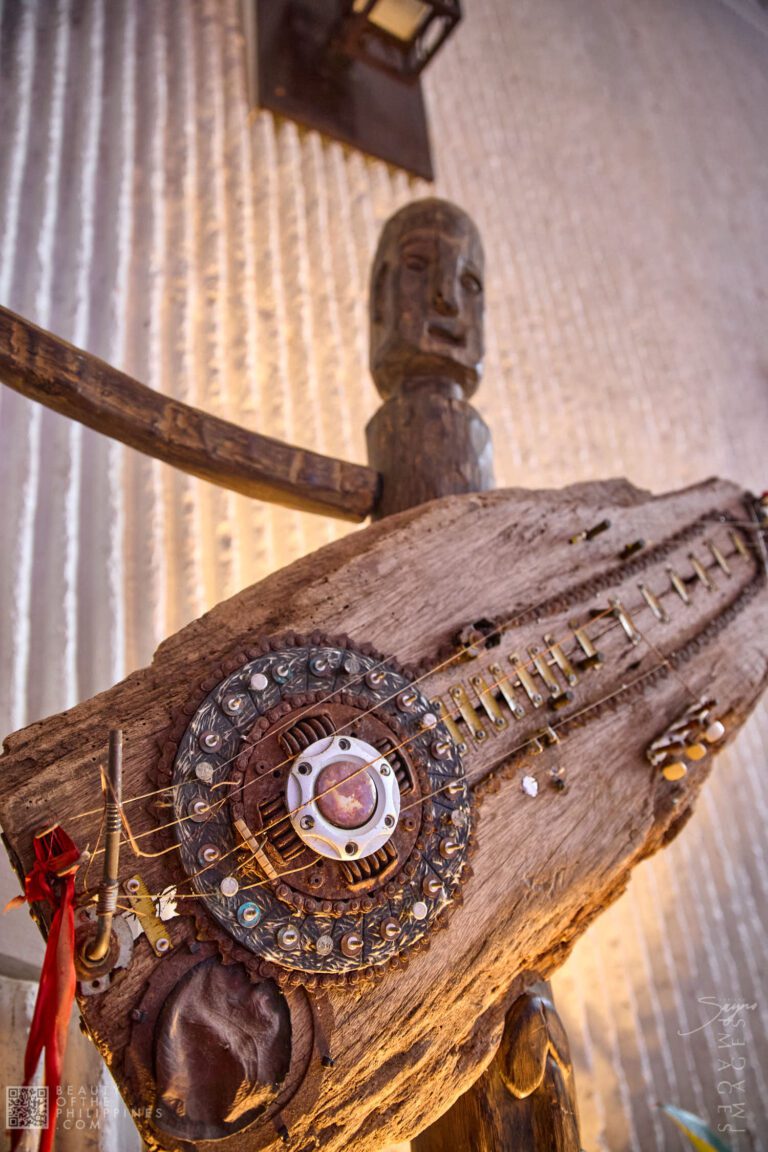
These concerns provide useful context for understanding INDIOGENIUS. In visual art and installation work, Tahimik can explore related ideas through objects, portraits, structures, found materials, and the arrangement of elements in physical space. His process has been described in National Museum of the Philippines exhibition materials as kapa-kapa—an exploratory, instinctive approach that responds to available materials and surroundings rather than following a rigid, predetermined design.


This approach also helps explain why the physical installation matters. A photograph can record an artwork’s visible appearance, but it may not convey the full relationship between its components, its surroundings, and the visitor’s position within the space. Observing these relationships is especially useful for travel-photography documentation, where the objective is to record not only the subject but also the setting in which it is encountered.


Tahimik’s influence extends into cultural spaces beyond conventional galleries. His involvement in Ili-Likha Artists’ Village in Baguio City, a creative environment incorporating artistic activity, community life, and references to Cordillera culture, provides another example of his interest in connecting art with everyday surroundings.

The Kubo at the Heart of the Exhibition

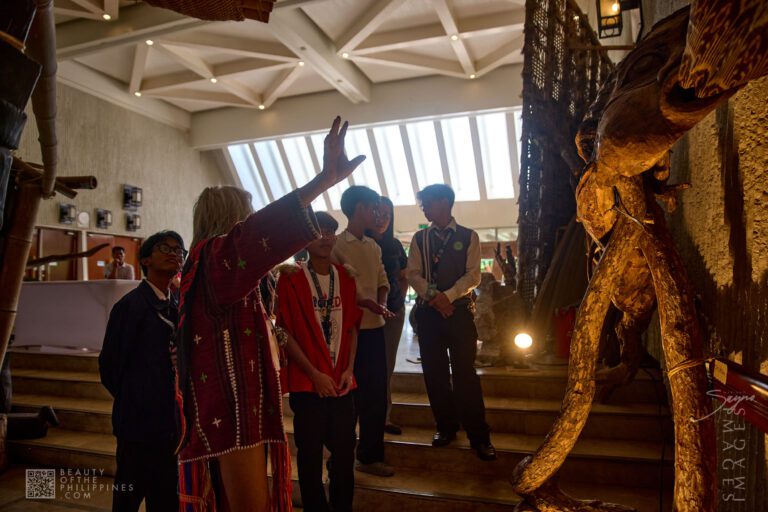
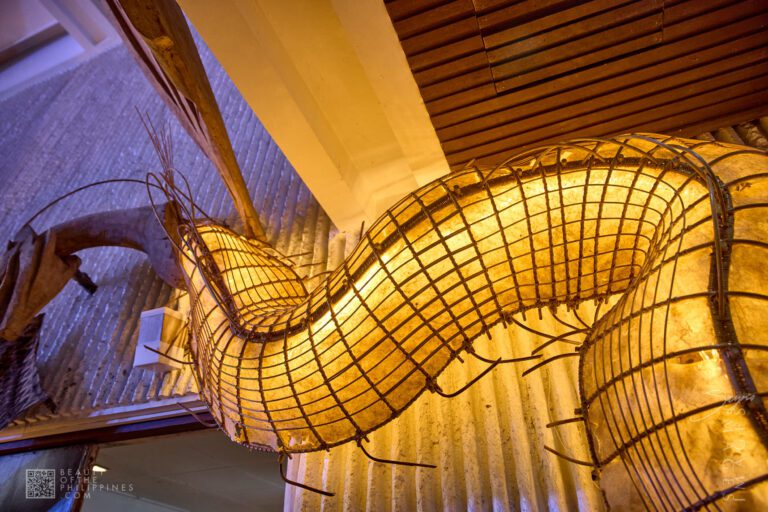
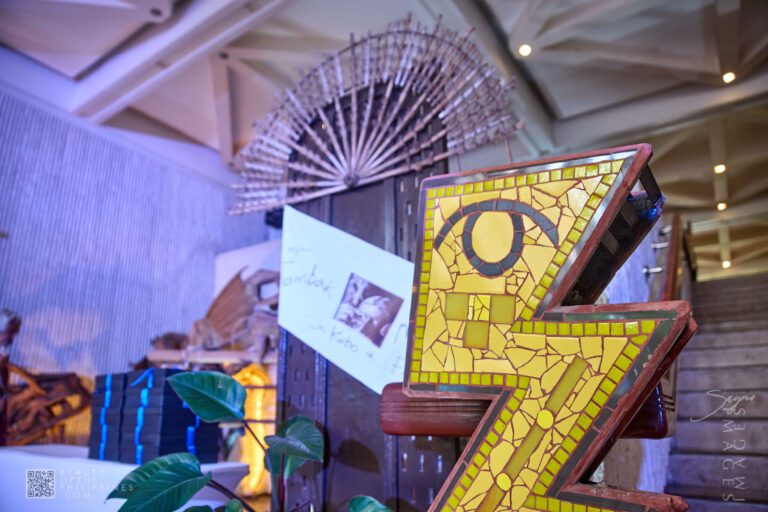
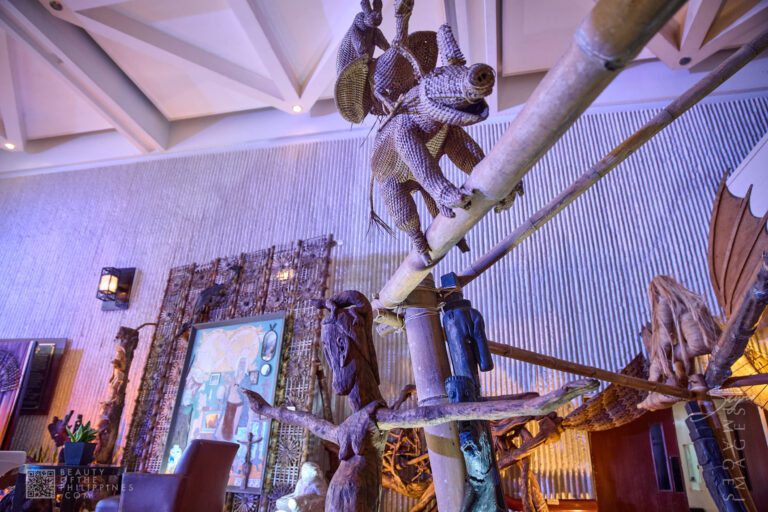
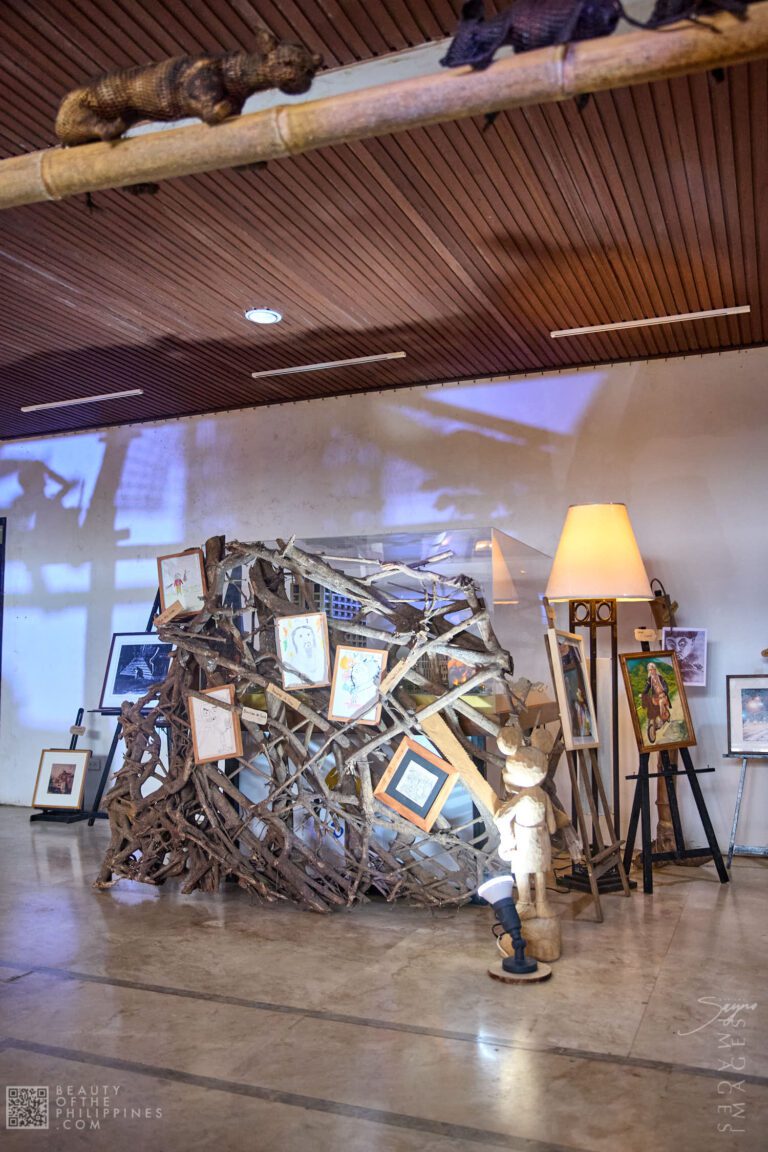
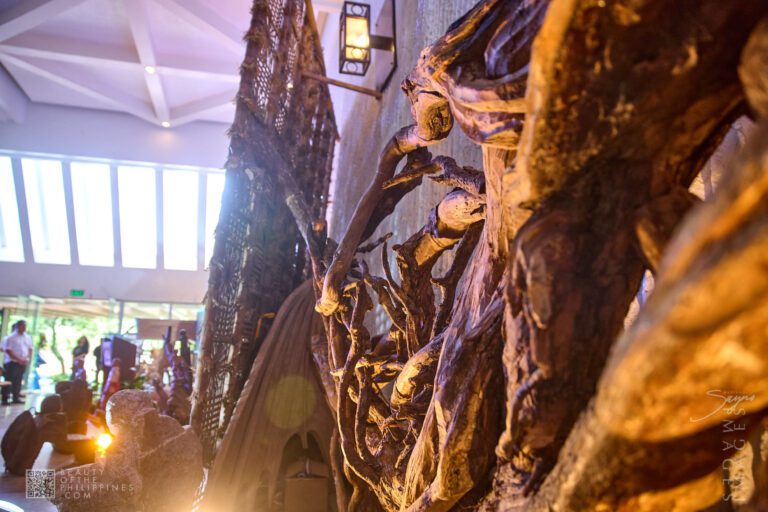
One of the specifically identified works in the DAP announcement is Kubo ng isang babaylan o mumbaki. The institution reports that Tahimik described the structure as central to the exhibition. It draws on indigenous forms and symbols and can also be understood in relation to the persistence of creativity when an artist encounters obstacles or a creative block.


The title brings together two culturally specific terms that should not be treated as interchangeable. A babaylan is associated with spiritual, healing, ritual, and community leadership roles in various Philippine societies, although the precise roles and meanings differ according to place and historical period. A mumbaki, by contrast, is specifically associated with Ifugao ritual knowledge and practices.


The title places these references in conversation, but interpretation of the particular installation should remain grounded in the artist’s explanation and the exhibition’s own interpretive materials. It would be misleading to use the work as evidence that all indigenous traditions follow the same practices or share identical beliefs.


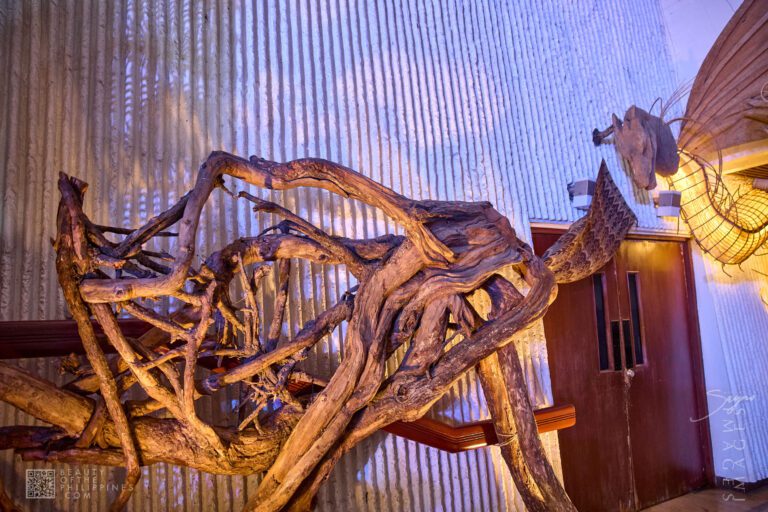
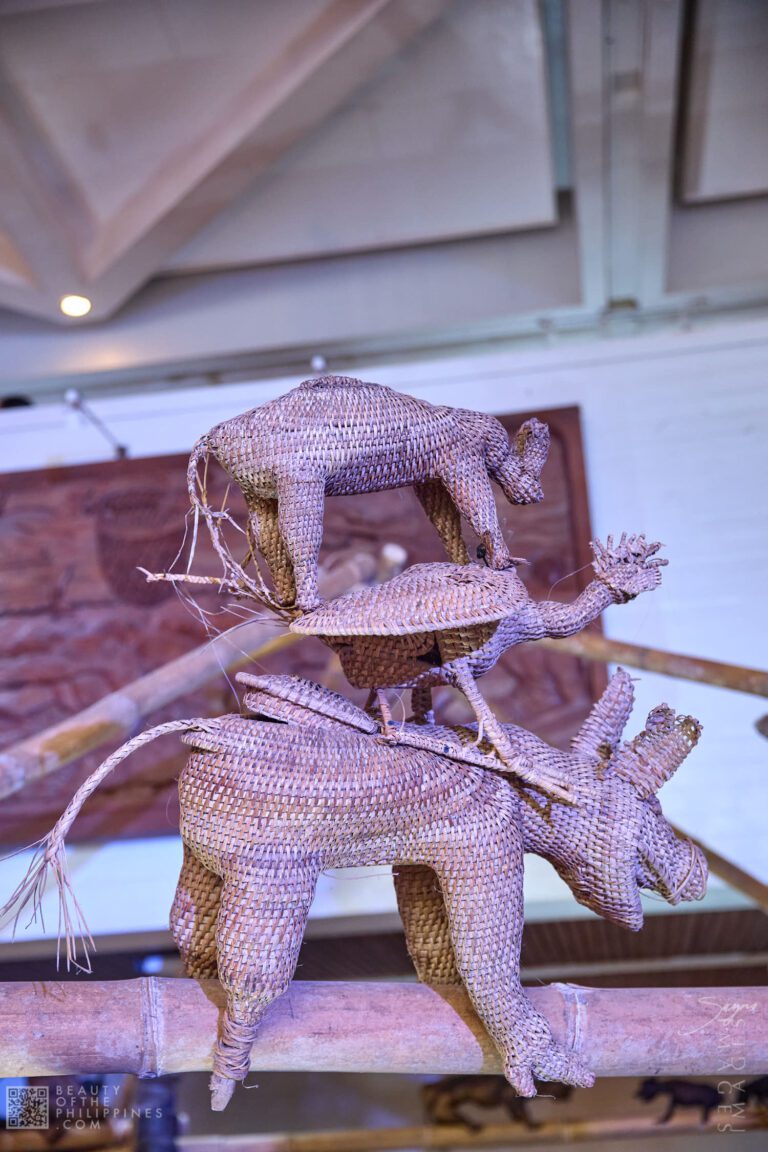
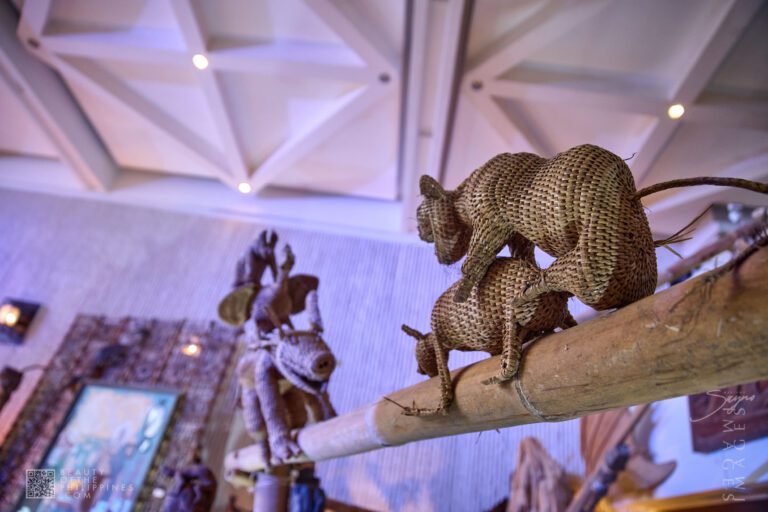
For a traveler-photographer, the installation offers several ways to document the encounter responsibly. A wider composition can establish the structure’s scale and its relationship to the surrounding exhibition space, while closer photographs, when permitted, can record visible textures, construction details, and the arrangement of individual components. The same care applies to materials. Kidlat Tahimik’s broader artistic practice has incorporated natural and found materials such as wood, rocks, shells, and dried palm leaves. 

Portraits, Caricatures, and the Many Ways an Artist Is Seen

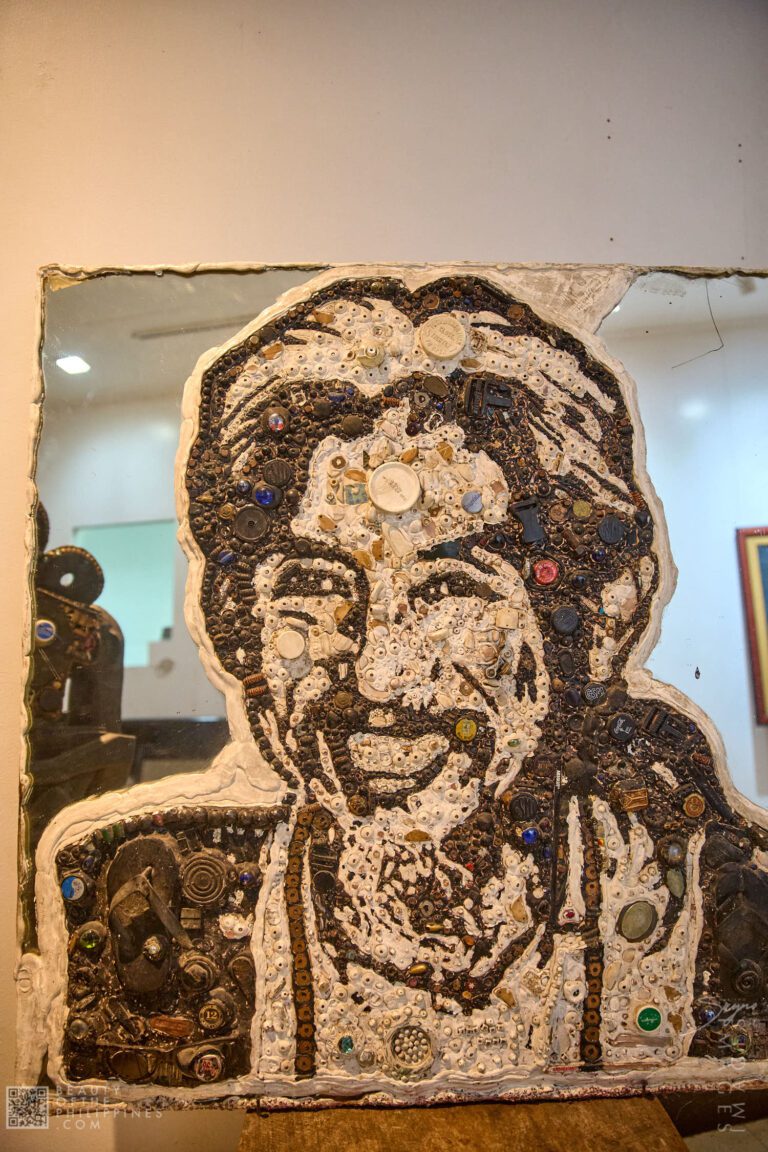
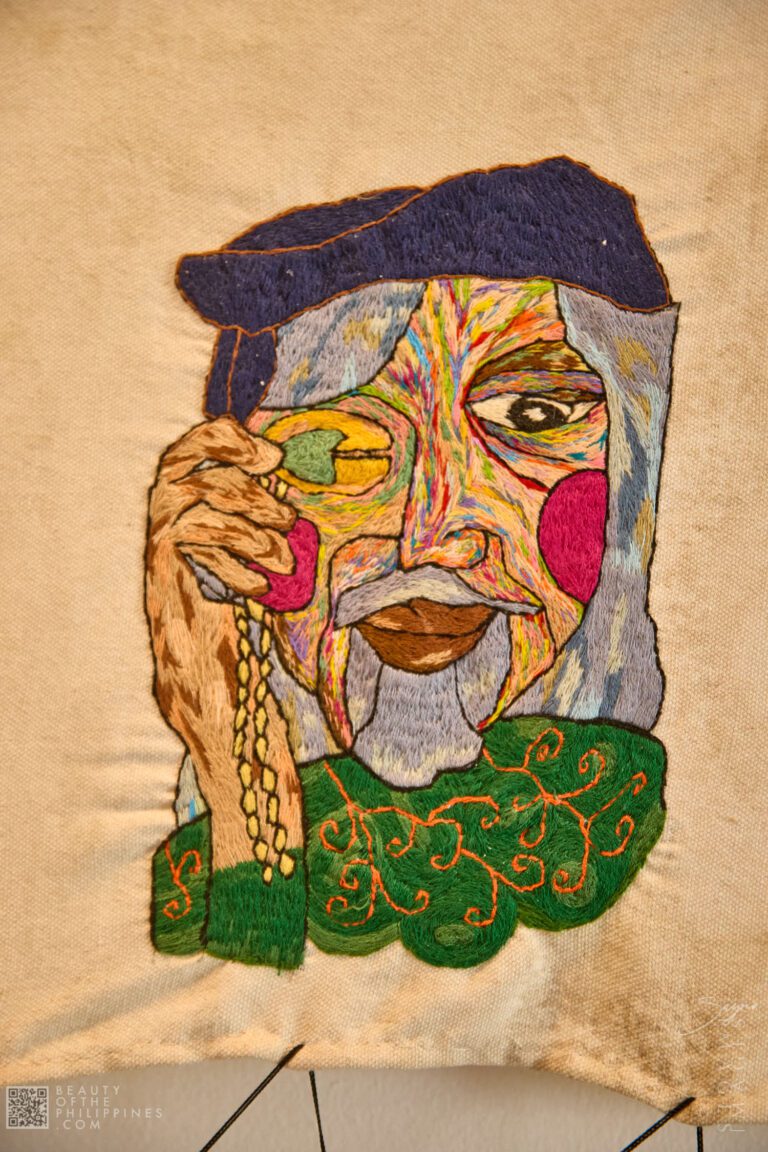
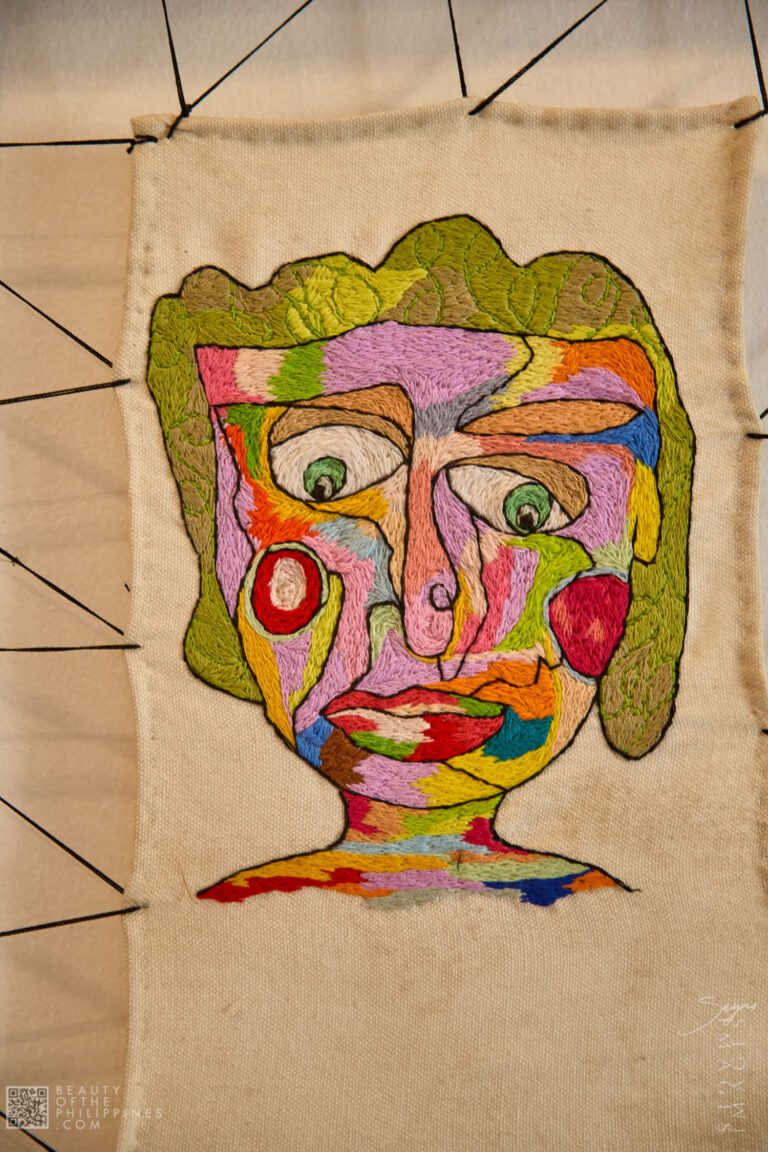
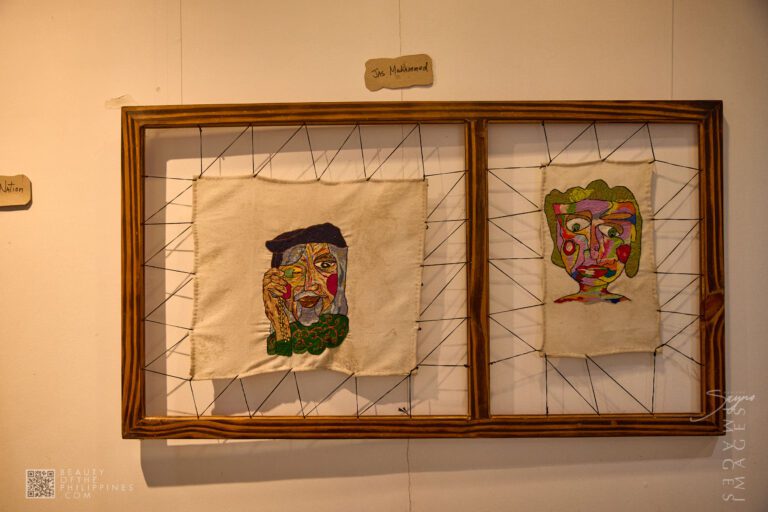
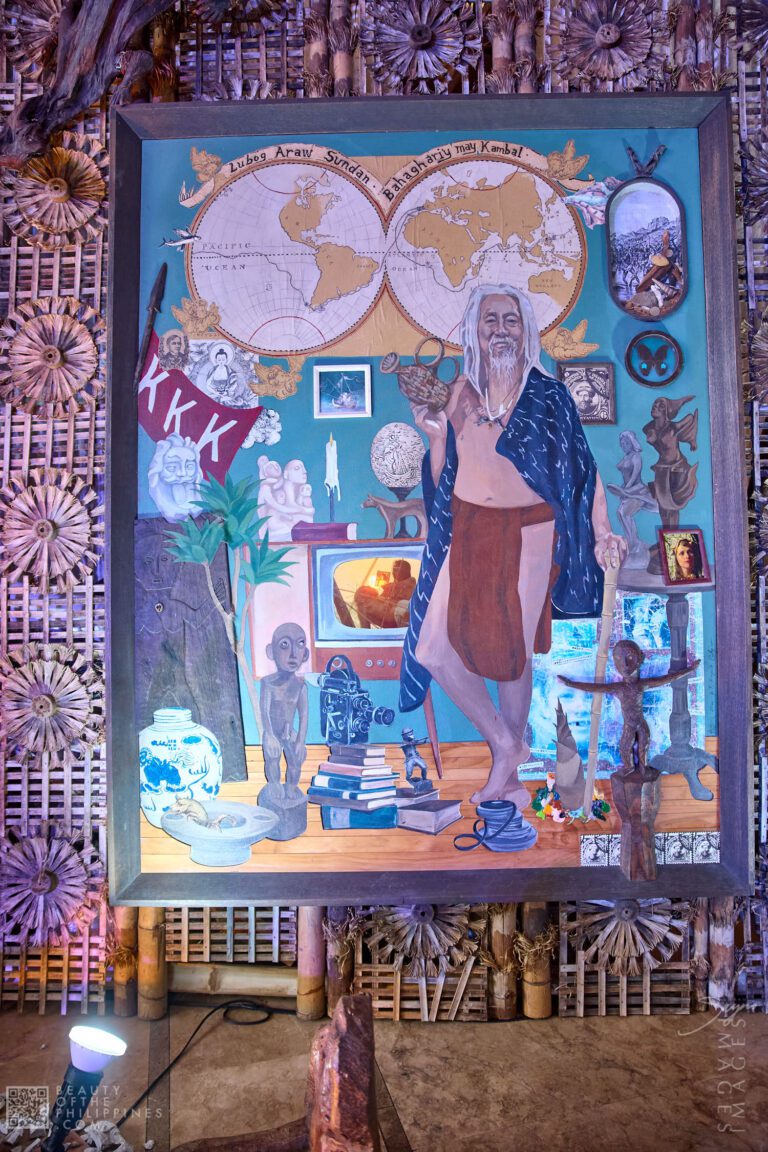
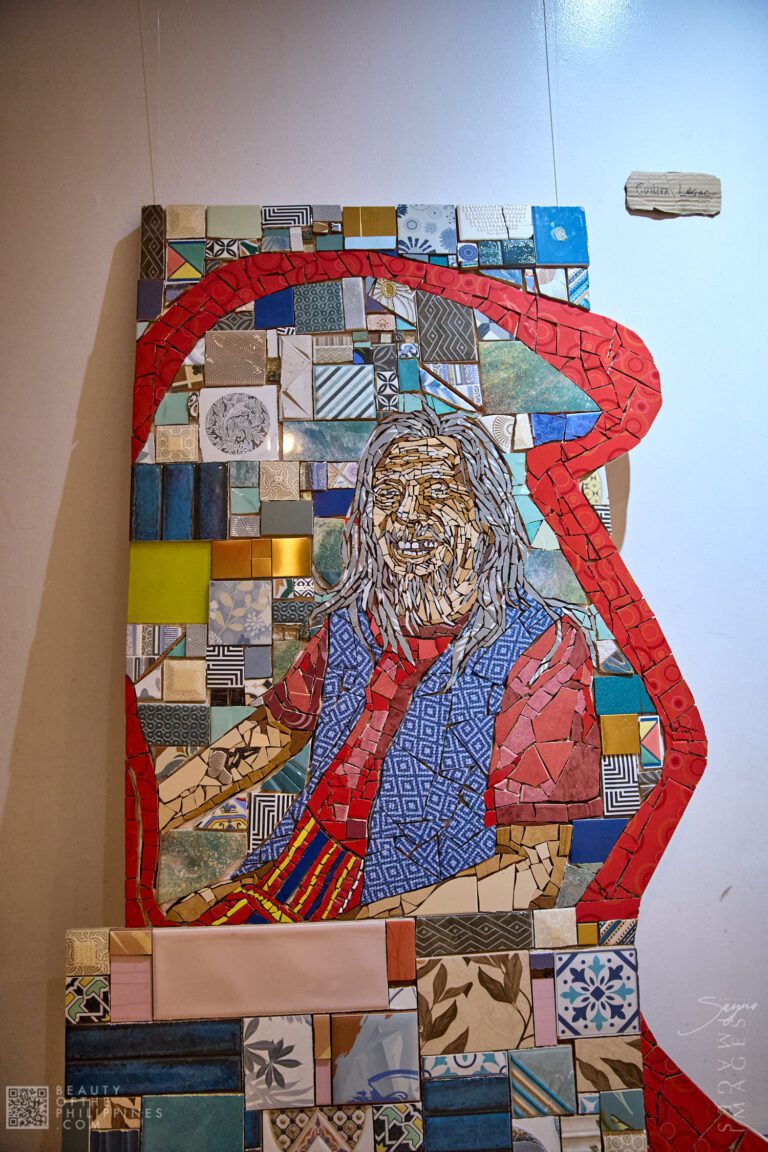
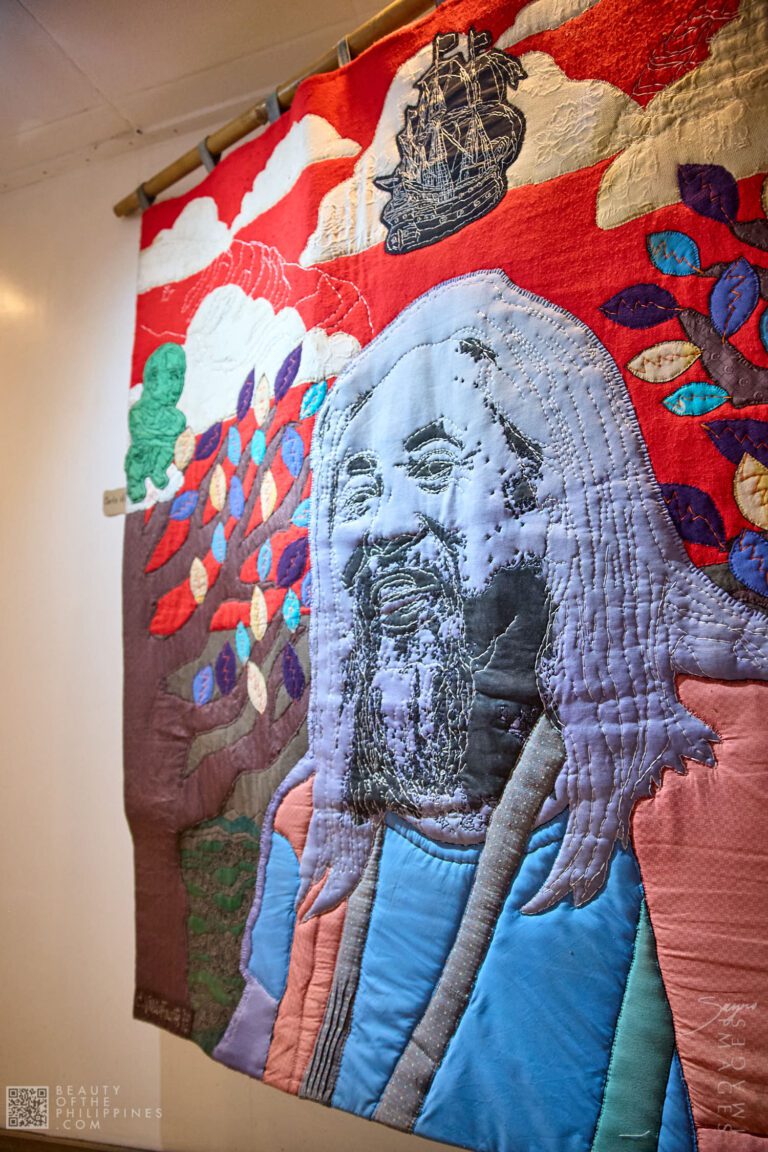
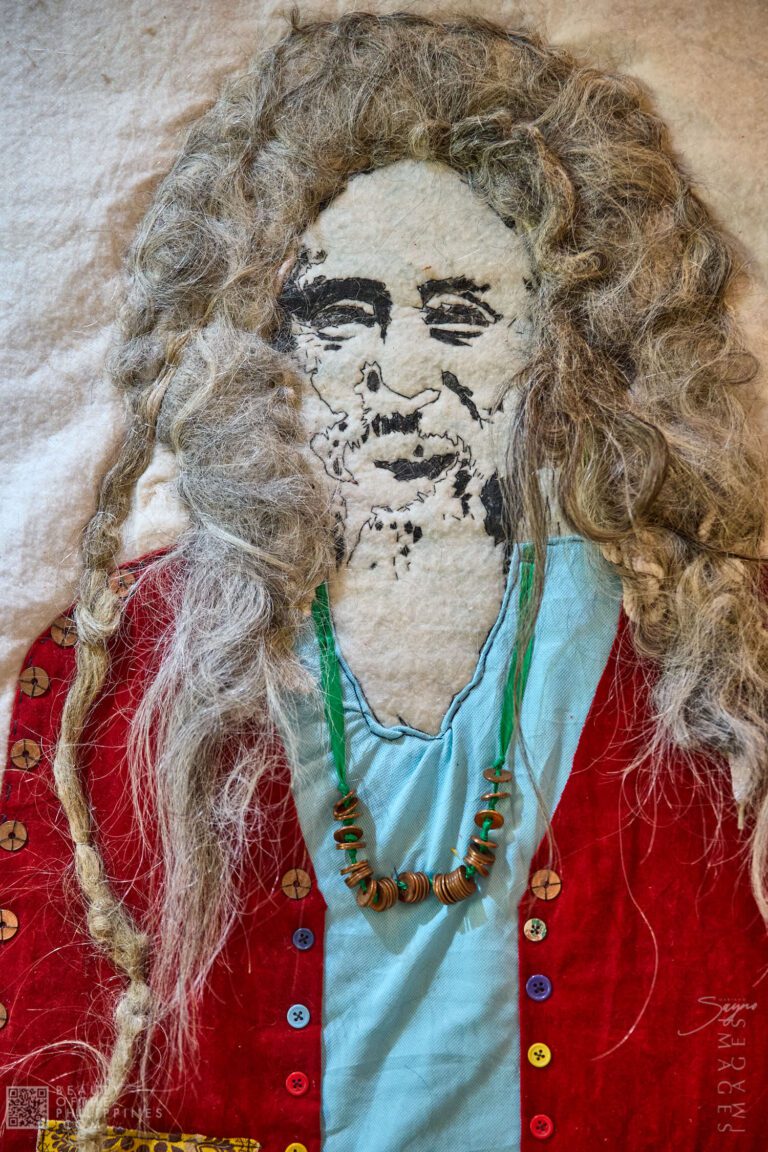
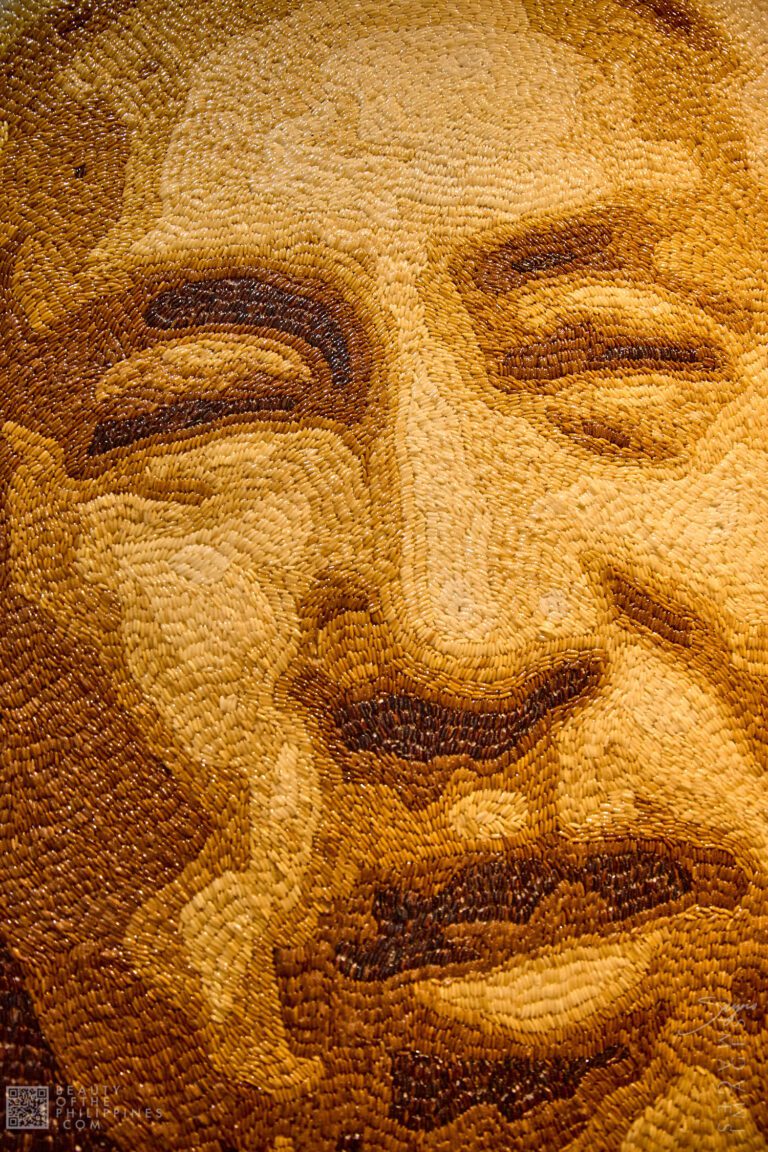
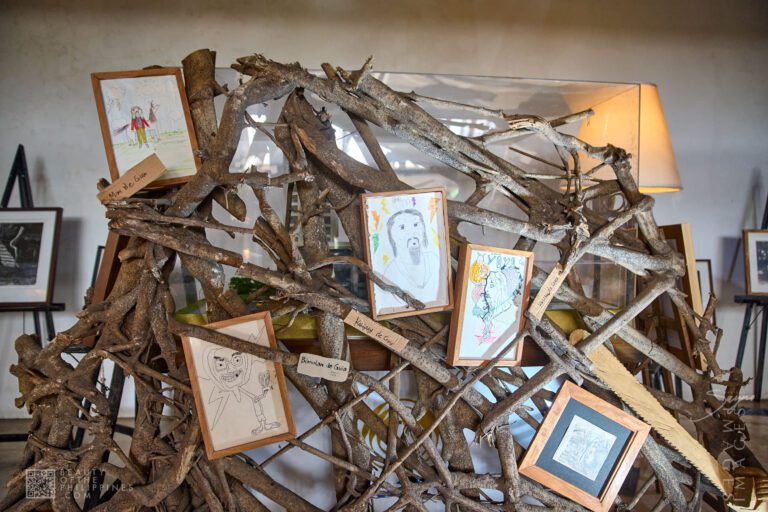
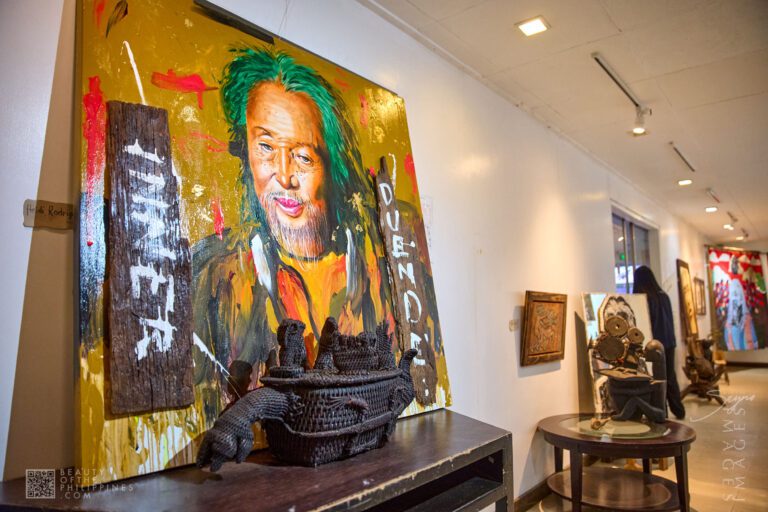
The DAP announcement also identifies portraits and caricatures of Kidlat Tahimik, including works produced by artists over more than five decades. Their presence introduces another dimension to the exhibition: the artist himself becomes a subject interpreted through different visual languages and individual perspectives.


Rather than treating these works merely as likenesses of a famous figure, visitors can consider how each artist chooses to represent the same person. Differences in form, emphasis, expression, and style can reveal how artistic identity is shaped by the person making the image as well as by the subject being represented.


This is also an opportunity to approach an exhibition without reducing the visit to a checklist of objects. A portrait can be considered in relation to the works around it, the way it is displayed, and any accompanying label that identifies its maker. An installation can be examined through its materials, spatial arrangement, and relationship to the viewer.

From Cultural Struggle to a Wider Historical Conversation

A fuller understanding of INDIOGENIUS comes from the earlier exhibition INDIO-GENIUS: 500 Taon ng Labanang Kultural (1521–2021), which opened to the public at the National Museum of Anthropology on October 22, 2022, alongside the museum’s reopening.


That presentation explored Kidlat Tahimik’s artistic interpretation of five centuries of cultural struggle, using the period from 1521 to 2021 to frame the continuing effects of colonial history on Filipino identity. Its subject was the struggle to preserve, reclaim, and reinterpret indigenous knowledge and cultural narratives. The dates refer to a period of colonial encounters and their continuing consequences; they do not suggest that Philippine cultural history began with the arrival of the Spanish expedition in 1521. Indigenous societies and their knowledge systems existed long before that encounter.


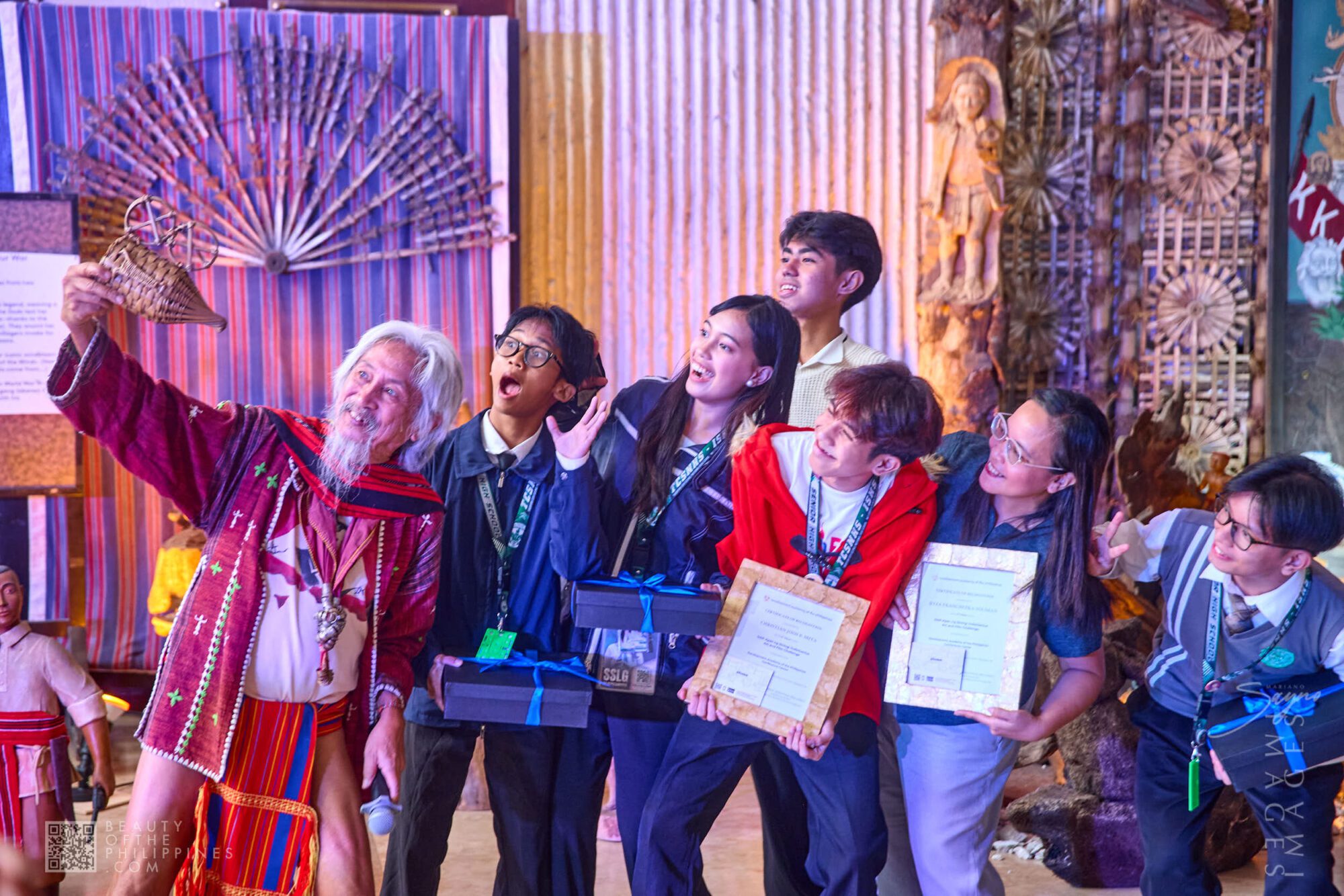
The National Museum presentation included works ranging from small crafts to large installations. Its launch also involved ceremonial and performative elements, including a cultural reawakening reenactment and contributions from members of ethnolinguistic groups who had collaborated with Tahimik over the years.


This earlier exhibition provides important context for the Tagaytay presentation, but the two should not be confused. INDIO-GENIUS: 500 Taon ng Labanang Kultural (1521–2021) is the title of the earlier National Museum exhibition. DAP-Ayan ng Sining: INDIOGENIUS is the specific title of the DAP event. The available information connects them through the artist’s wider ideas about indigenous creativity and cultural resistance, but does not establish that the Tagaytay exhibition is a direct transfer of the earlier display.


In this context, cultural struggle concerns more than remembering historical events. It also concerns whose stories are heard, whose knowledge is valued, which aesthetic standards are treated as authoritative, and how local experiences are represented. The exhibition’s relevance lies in encouraging visitors to consider how cultural memory can be preserved and reinterpreted while communities participate in a changing society.

RELATED STORIES

Pawikan Festival

Pawikan Festival: Celebrating and Conserving Sea Turtles in Naic, Cavite

In its thirteenth year, the Pawikan Festival commenced its weekend celebration on the early morning of February 4th. The festivities unfolded with a vibrant parade


Read More »

Kura Cafe: Cavite’s Cozy Corner for Coffee, Community, and Quick Escapes

You know how some places just naturally slow you down in the best way? Kura Cafe is one of them. Tucked in the heart of

Read More »

Silang Church: Discovering the Soul of Cavite in Timeless Silang

Tucked in the cool uplands of Silang, Cavite, just a quick detour from Tagaytay’s bustling ridges and coffee spots, stands a quiet landmark that tells

Read More »

Paru-Paro Festival: Dasmariñas Dazzles at Araw ng Kalayaan 2025

When Dasmariñas, Cavite brought its beloved Paru-Paro Festival to the national spotlight during the Araw ng Kalayaan 2025 celebration at Luneta Park last June 12,

Read More »
When Culture Becomes Part of Development

The connection between art and development distinguishes the DAP presentation from a conventional gallery feature. The exhibition was mounted in conjunction with BAGANI, the Development Academy of the Philippines’ Rising Leaders Development Program, which focuses on developing young leaders for public service and nation-building.


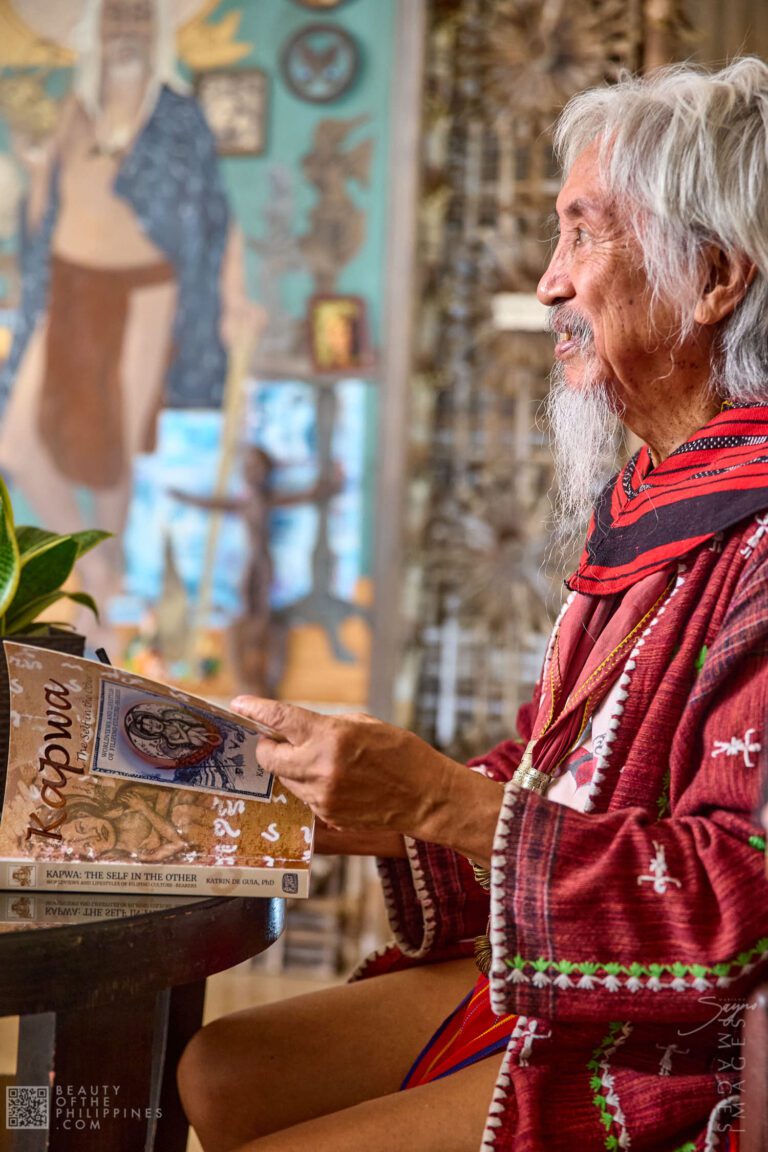
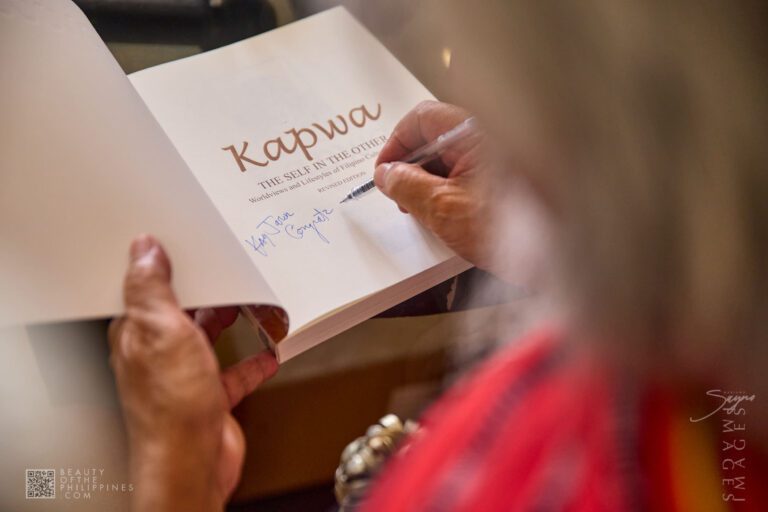
One of the central ideas highlighted by DAP is kapwa, a Filipino value associated with recognizing others as fellow human beings and members of a shared community. Tahimik describes this as an embracing cultural orientation that encourages people to help one another and work toward a common destination. In his view, returning to this orientation can contribute to development.


Within the exhibition, kapwa connects cultural identity with collective responsibility. It invites visitors to consider whether progress should be evaluated only through infrastructure, productivity, technology, and economic performance, or whether it should also account for relationships, shared values, and community knowledge.


This does not mean rejecting development. Rather, the question is how development can proceed without treating cultural identity as an obstacle or an afterthought. Traditions, artistic practices, and local knowledge can remain relevant to contemporary life while communities respond to new social and economic conditions.


The idea of rediscovery reinforces this connection. Cultural heritage is not limited to objects in museums or information recorded in historical documents. It may also persist through oral traditions, craftsmanship, community memory, everyday practices, and relationships with the natural environment.


For travelers, the exhibition provides an opportunity to approach cultural tourism as more than the consumption of attractive sights. Understanding a cultural practice requires attention to its meaning and context, not simply its visual appeal. By bringing artistic expression into a leadership and learning environment, DAP-Ayan ng Sining: INDIOGENIUS creates a setting in which heritage, education, and development can be considered together.

Inside the DAP Conference Center: Rooms and Amenities

The Development Academy of the Philippines Conference Center is located along Tagaytay–Calamba Road, in Barangay Sungay East, Tagaytay City, Cavite. It operates as a venue for training, conferences, learning programmes, and other organized gatherings. Its institutional role is important to the exhibition’s context: the artworks are presented in a place associated with leadership and development rather than solely within a conventional public art museum.


The official DAPCC facility information also describes accommodation and amenities that may interest travelers planning a longer stay in Tagaytay. These are venue facilities, however, and should not be interpreted as services automatically included with exhibition admission.


The listed Studio Rooms number 66 units, each with a floor area of 24 square metres and capacity for two to four persons. The published amenities include air-conditioning, a 32-inch Smart TV, and a toilet and bath. The Suite Rooms are listed as four units, with a published floor area of 354.75 square metres and capacity for two to three persons. The described features include air-conditioning, a separate seating area with a sofa and coffee table, a 32-inch Smart TV, a refrigerator, and a private toilet and bath.


The facility also lists 15 Family Rooms, each with a published floor area of 34.75 square metres and capacity for three to five persons. These rooms are air-conditioned and include a 32-inch Smart TV and toilet and bath. For guests requiring more space, the listed Cottages number six units, each with a floor area of 80 square metres and capacity for up to four persons. The published description identifies two bedrooms, two bathrooms with toilet-and-bath facilities, a receiving area, dining area, kitchen with refrigerator and gas range, and a covered garage.


Beyond accommodation, the center lists two dining halls. Dining Hall A has a published floor area of 250.42 square metres and capacity for approximately 100 to 150 persons, while Dining Hall B has a floor area of 471.71 square metres and capacity for approximately 300 to 350 persons. Both are described as air-conditioned and serving breakfast, lunch, and dinner.


Its other listed facilities include a DAPCC Gym equipped for exercise and fitness activities; a DAPCC Lobby with reception and seating; and a glass-walled Connecting Hallway between the main lobby and dormitory, with tables and chairs overlooking the barbecue plaza. The Barbecue Plaza can accommodate approximately 50 to 100 persons and is commonly reserved for bonfires and special events. The Inner Court is identified as a space for small-group activities, collaboration, and photo opportunities.


The venue also lists two parking areas, one accommodating up to 10 vehicles and another accommodating approximately 30 to 60 vehicles. The facility page describes perimeter lighting and round-the-clock security for the parking areas.


These details give travelers a clearer picture of the broader conference-center facilities, especially those considering accommodation or an event booking. They do not establish that exhibition visitors can freely use the gym, dining halls, accommodation, or recreational areas. 

A Different Cultural Stop in a Scenic Destination

The INDIOGENIUS exhibition adds an educational and artistic dimension to Tagaytay City, complementing the landscape-based attractions for which the destination is widely known. Its value is not that it replaces the city’s viewpoints or leisure activities, but that it offers another way to understand a place through cultural expression and ideas.


Museo Orlina, with its emphasis on glass sculpture and contemporary art, provides a useful comparison for visitors interested in the city’s artistic offerings. Tagaytay Picnic Grove represents a more familiar landscape-based experience, while People’s Park in the Sky offers an elevated viewpoint and a different perspective on Tagaytay’s built and historical environment.


These attractions illustrate the variety of experiences available in the city; they are not confirmed stops on an official INDIOGENIUS tour. Travelers considering a combined itinerary should check current operating conditions, allow sufficient travel time, and plan around the exhibition’s published viewing window.


The exhibition is best understood as a time-limited cultural event within a learning institution, rather than as an established permanent tourism landmark. The available sources do not establish visitor totals, increased tourism revenue, or measurable effects on nearby businesses. Its significance for tourism writing is instead grounded in the opportunity to encounter the work of a National Artist and reflect on Filipino identity, indigenous knowledge, and contemporary development.


For visitors interested in cultural heritage, visual art, education, and place-based storytelling, this offers a different way to spend time in Tagaytay. The emphasis shifts from what a destination looks like to the stories and values through which people understand it.

I’m looking forward to the stories and images leaving a lasting positive impression on you, just as they have on me. Stay connected with us on social media for a weekly exploration of travel assignments and breathtaking visuals. Our focus is on championing local tourism, showcasing small businesses, and honoring the magnificence of the Philippines through the content we curate. Join us in spreading the word by clicking the ‘share’ buttons below. Your support means the world to us.

BROWSE BY REGION
  • metro MANILA
  • abra
  • albay
  • baguio city
  • BATAAN
  • batangas
  • Benguet
  • bulacan
  • cagayan
  • cavite
  • cebu
  • cotabato
  • davao oriental
  • Guimaras
  • ilocos norte
  • ilocos sur
  • Iloilo
  • Isabela
  • laguna
  • lanao del norte
  • maguindanao
  • negros occidental
  • nueva vizcaya
  • palawan
  • Pampanga
  • pangasinan
  • QUEZON
  • rizal
  • Samar
  • sarangani
  • sorsogon
  • Tarlac
  • zambales
  • zamboanga city

EXPLORE MORE about

  • cavite

Paru-Paro Festival: Dasmariñas Dazzles at Araw ng Kalayaan 2025

When Dasmariñas, Cavite brought its beloved Paru-Paro Festival to the national spotlight during the Araw ng Kalayaan 2025 celebration at Luneta Park last June 12,

Read More »

Kura Cafe: Cavite’s Cozy Corner for Coffee, Community, and Quick Escapes

You know how some places just naturally slow you down in the best way? Kura Cafe is one of them. Tucked in the heart of

Read More »

DEAFinitely Happy Store: Coffee, Compassion, and Cavite’s Best Kept Secret

Tucked quietly inside Carmona Elementary School in Cavite is a little café with a big heart—and an even bigger mission. It’s not your typical coffee

Read More »
Pawikan Festival

Pawikan Festival: Celebrating and Conserving Sea Turtles in Naic, Cavite

In its thirteenth year, the Pawikan Festival commenced its weekend celebration on the early morning of February 4th. The festivities unfolded with a vibrant parade
Read More »

Corregidor Island Reopens: History You Can Visit Again

Honestly, there’s something powerful about returning to places that shaped history. In Manila Bay, Corregidor Island stands as one of those rare destinations where stories

Read More »

Silang Church: Discovering the Soul of Cavite in Timeless Silang

Tucked in the cool uplands of Silang, Cavite, just a quick detour from Tagaytay’s bustling ridges and coffee spots, stands a quiet landmark that tells

Read More »

Siglo Modern Filipino: A Taste of Tradition in Tagaytay

If you’re looking for a real Filipino dining experience, Siglo Modern Filipino in Tagaytay City, Cavite, is the place to be. With the motto “Likhang

Read More »

Tagaytay City: A Breathtaking Escape in the South

Nestled in the province of Cavite, Tagaytay City is one of the most sought-after destinations in the Philippines. Just a short drive from Metro Manila,

Read More »

Corregidor Island Dark Tour Experience: Echoes of War at Night

Set to launch in mid-2026, the Corregidor Island Dark Tour offers a new way to experience the island’s wartime history by guiding visitors from late

Read More »

Corregidor Island: A Historic Fortress at the Gateway of Manila Bay

Cavite’s Corregidor Island forms the largest part of the harbor defenses of Manila Bay, together with El Fraile Island, Caballo Island, and Carabao Island, which

Read More »

Carmona Race Track: The Heartbeat of Motorsports in Cavite

If you’re looking for a high-energy, adrenaline-filled day trip just outside Metro Manila, the Carmona Race Track in Cavite deserves a spot on your itinerary.

Read More »

BROWSE BY CATEGORIES

LOCATIONS
PROVINCES

Abra

Albay

Baguio City

Bataan

Batangas

Benguet

Bulacan

Cagayan

Cavite

Cebu

Cotabato

Davao Oriental

Guimaras

Ilocos Norte

Ilocos Sur

Iloilo

Isabela

Laguna

Lanao del Norte

Maguindanao

Manila

Negros Occidental

Nueva Vizcaya

Palawan

Pampanga

Pangasinan

Quezon

Rizal

Samar

Sarangani

Sorsogon

Tarlac

Zambales

Zamboanga City

ARCHITECTURE
HERITAGE

Bonifacio Monument Tutuban

Burdang Lumban Festival

Cagsawa Festival

Capones Lighthouse

Casa Manila

Christ the King Seminary

Corregidor Island Dark Tour Experience

Corregidor Island Reopens

Corregidor Island

Cultural Center of the Philippines

Fantasy World

Gabriela Silang Memorial Shrine

Gomburza National Monument

Hondagua

Iloilo Customs House

Intramuros

Jones Bridge

Jones Bridge

Kartilya ng Katipunan

La Loma Cemetery

LOAD MORE

CHURCHES
FAITH

Bacolor Church

Baguio Cathedral

Barasoain Church

Binondo Church

Calaca Church

Calumpit Church

Chong Hock Tong Temple

Feast of Black Nazarene

Greenbelt Chapel

Guadalupe Chapel Intramuros

Guadalupe Ruins Makati

La Naval de Manila

Las Piñas Bamboo Organ

Las Piñas Church

Lingayen Cathedral

Lubenas Festival

Lucban Church

Malate Church

Manila Abbey

Manila Cathedral

LOAD MORE

NATURAL & MAN-MADE
ATTRACTIONS

A&J Cafe

Agos River

Agos River

Alligator Lake

Amare La Cucina Baguio

Ambuklao Dam

Angeles City Holy Rosary Parish Church

Antipolo Cathedral

Apurawan Beach

Atimonan Port

Avilon Zoo

Azalea Hotels & Residences Baguio

Bagac Beach

Baguio Media Newseum

Balai Isabel

Balayan Bay

Baluarte de San Diego

Betis Church

Binondo Chinatown

Binuatan Creations

LOAD MORE

FESTIVALS &
EVENTS

Al Cinco de Noviembre Festival

Ana Kalang Festival

Antipolo Maytime Festival

Balacat Festival

Balitok Ti Alicia Festival

Bañamos Festival

Bato Art Festival

Bato Art Festival

Boling-Boling Festival

Buhayani Festival

Burdang Lumban Festival

Candle Festival

Dinagyang Festival

Feast of Santo Niño

Gilingan Festival

Halamanan Festival

Hambujan Festival

Iloilo Dinagyang Festival

Inaul Festival

Itik Festival

LOAD MORE
Facebook Twitter Instagram Envelope

All photographs that appear on the site are copyright of Mariano Sayno ©2022 Beauty of the philippines

All photographs that appear on the site are copyright of Mariano Sayno ©2022 Beauty of the philippines.com

Beauty of the philipipnes LOGO WHITE

BROWSE BY PROVINCE

Abra

Albay

Baguio City

Bataan

Batangas

Benguet

Bulacan

Cagayan

corregidor-island

Cavite

Cebu

Cotabato

Davao Oriental

Manggahan aFestival of Guimaras

Guimaras

Ilocos Norte

Ilocos Sur

dinagyang aliwan friesta husayno mariano sayno

Iloilo

Isabela

Laguna

Lanao del Norte

Maguindanao

Manila Bay by Mariano Sayno

Manila

Negros Occidental

Magat River Dupax Del Norte

Nueva Vizcaya

Palawan

Pampanga

Lingayen Cathedral

Pangasinan

Quezon

Rizal

Samar

Sarangani

Sorsogon

Tarlac

Zambales

Zamboanga City

Tagaytay City, Cavite, Philippines