

Le Coq Bleu Homestay Baguio: Filipino Hospitality with a French Touch in Baguio
Le Coq Bleu Baguio is a welcoming space where comfort meets creativity. Owned by Chantal Michaut-Pangilinan, a Frenchwoman who has lived in the city for
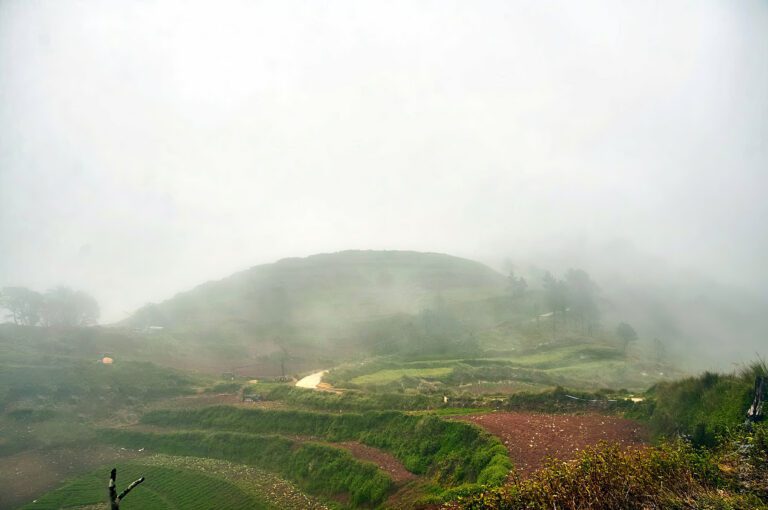
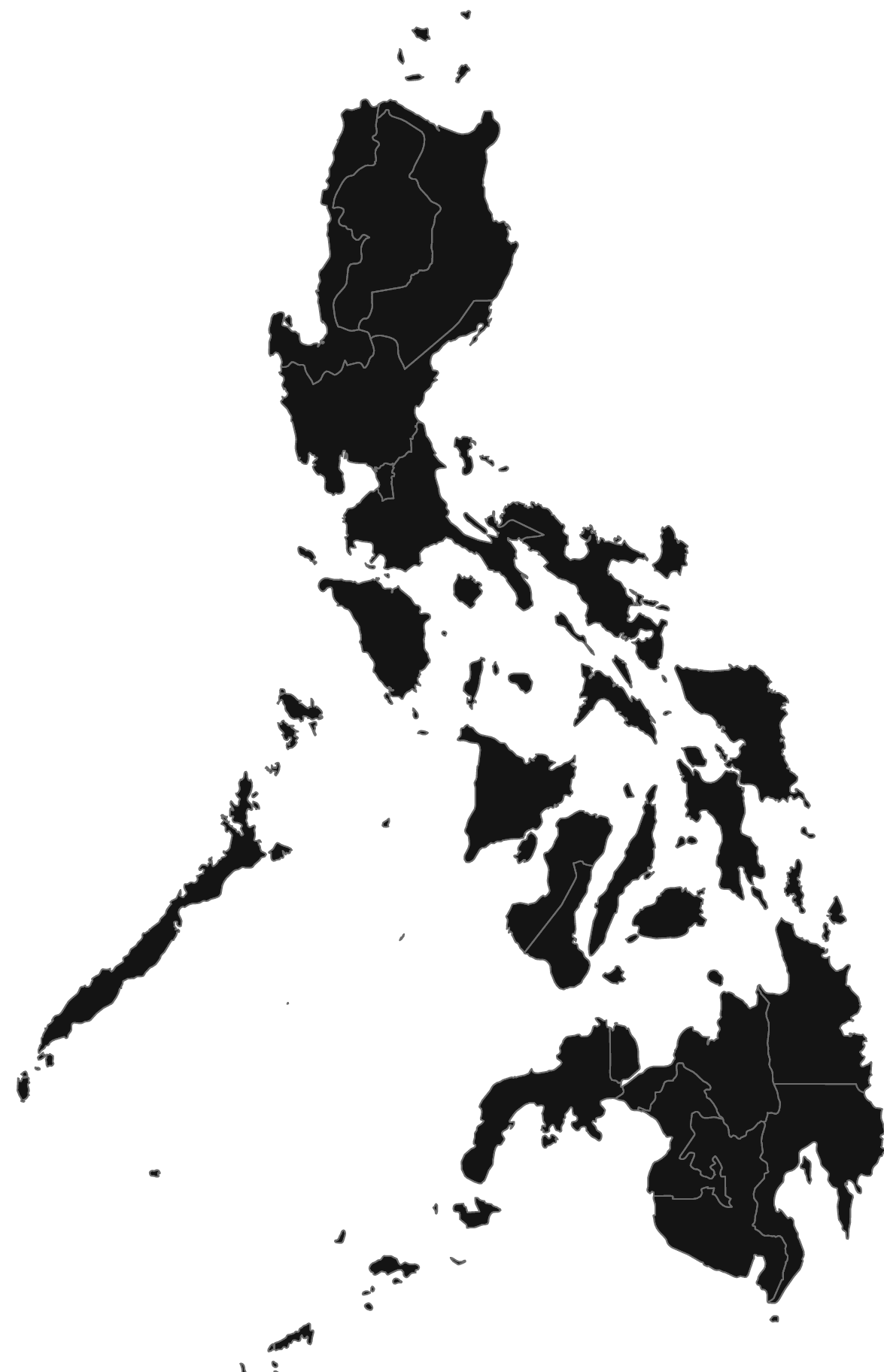
Mount Pulag, rising to 2,922–2,928 meters above sea level, is the highest peak in Luzon and the third-highest in the Philippines. Its summit sits at the junction of Benguet, Ifugao, and Nueva Vizcaya provinces, part of the dramatic Cordillera Mountain Range in northern Luzon. Its rugged landscape and ecological significance make it both a natural and cultural landmark.
Declared a National Park on February 20, 1987 through Presidential Proclamation No. 75, Mount Pulag National Park covers roughly 11,550 hectares and is part of the Cordillera Biogeographic Zone. Conservation efforts have even included attempts to nominate it as a UNESCO World Heritage Site, emphasizing the importance of its ecological and cultural values.
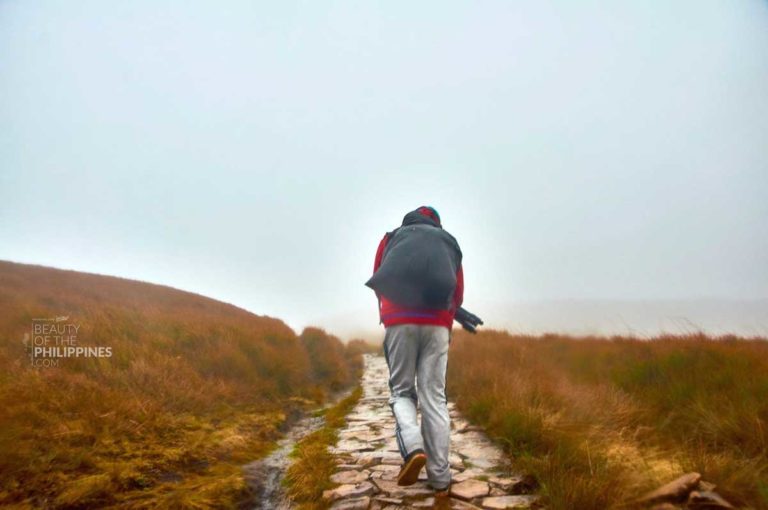
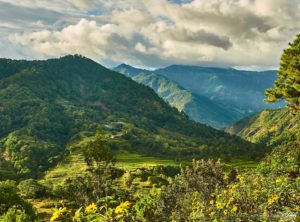
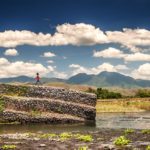
ABOVE: Mount Pulag, Luzon’s highest peak at 9,606 feet in Benguet, is famed as the “Playground of the Gods” for its sea of clouds, stunning sunrises, and diverse wildlife.
For the Ibaloi, Kalanguya, Kankana-ey, Karao, Ifugao, and Ilocano peoples, Mount Pulag holds sacred meaning. The Ibaloi consider it the home of ancestral spirit beings (tinmongao) and the resting place of souls. Nearby Kabayan mummy burial caves contain naturally preserved mummies, now Philippine national cultural treasures. Indigenous land rights and environmental governance have historically been complex, with ongoing discussions surrounding ancestral domains and conservation policy.


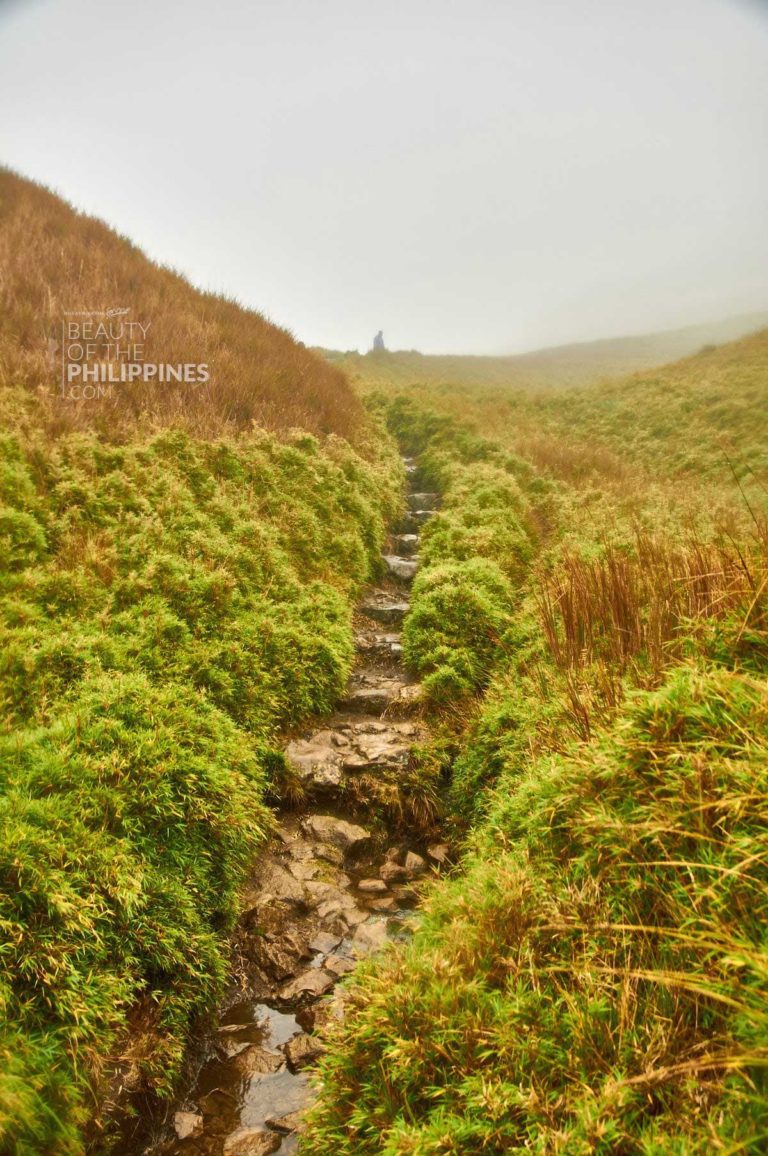
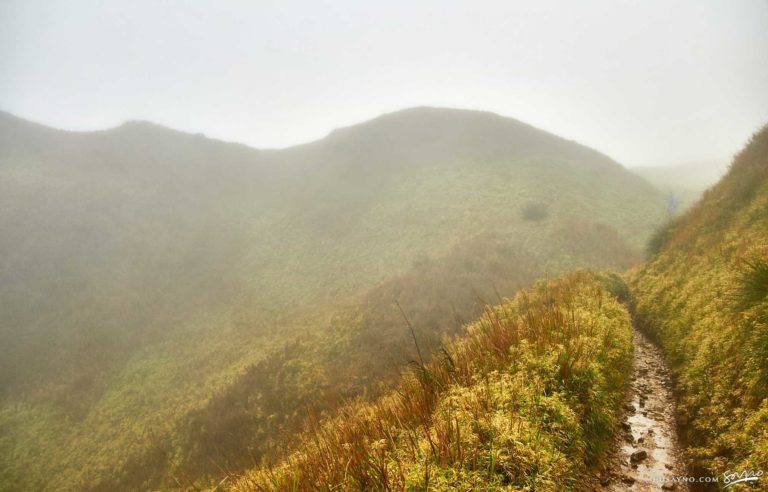
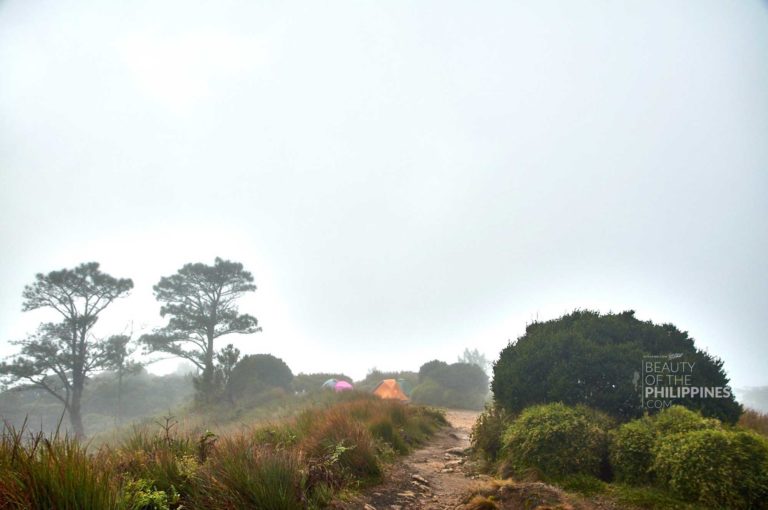
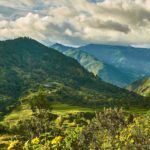
ABOVE: Mount Pulag, with 528 plant species including dwarf bamboo and Benguet pine, offers a unique natural experience in lush forests with vibrant ferns and lichens.
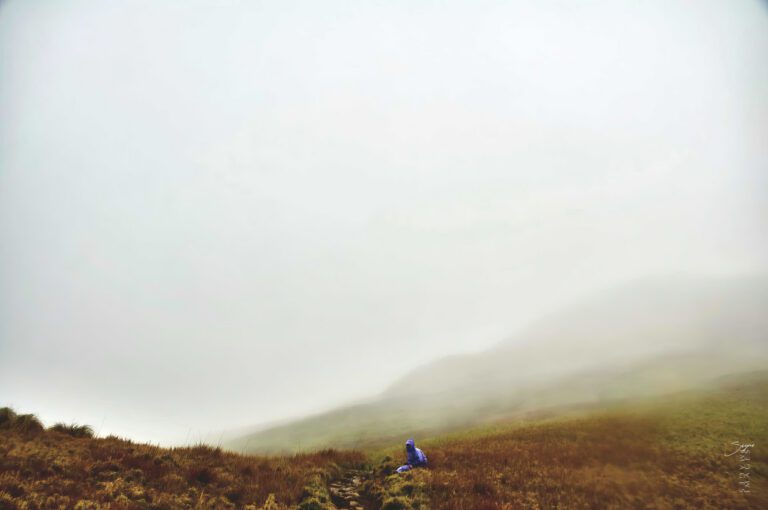
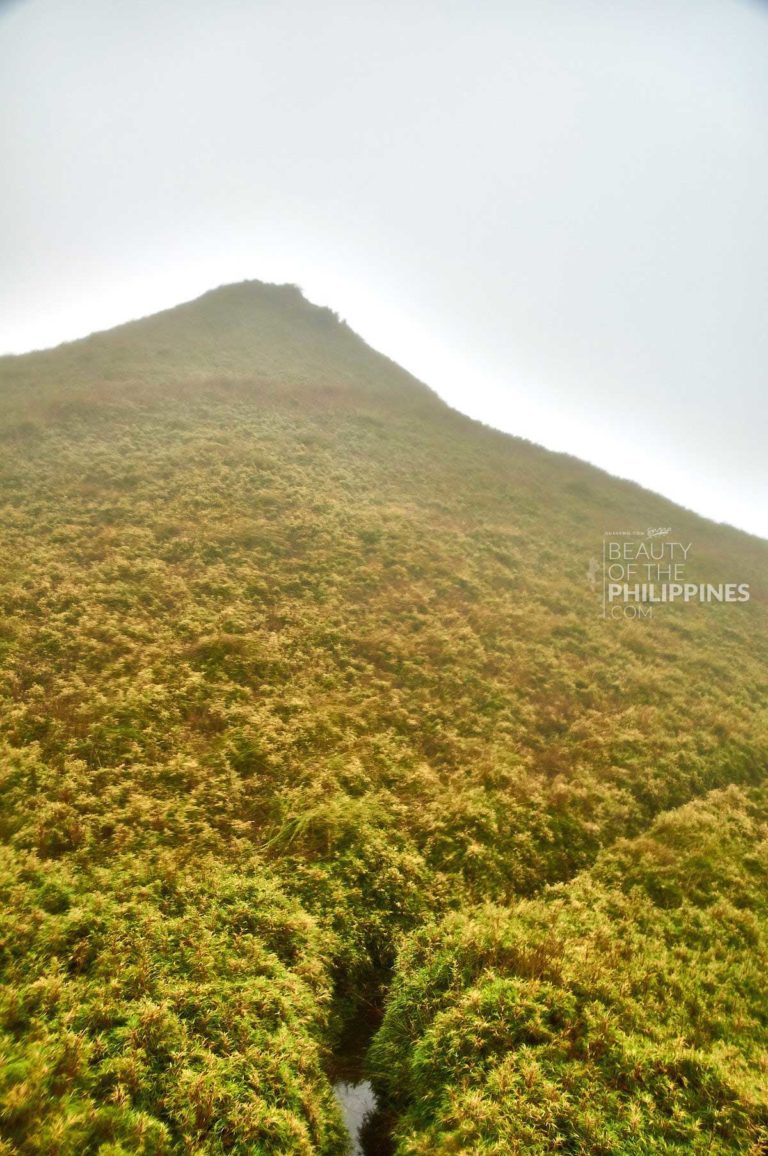
Mount Pulag features distinct ecological zones: the grassland summit plateau, fog‑shrouded mossy forests, and pine and broadleaf forests on lower slopes. The temperate climate, frequent fog, abundant rainfall (~4,489 mm annually), and occasional frost create a unique mountain environment uncommon in tropical countries.


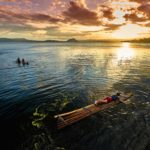
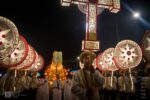
ABOVE: Discover the rich cultural heritage of the Ibaloi people of Benguet, who consider Mount Pulag a sacred dwelling place for spirits and a site of national cultural importance due to its mountain-high burial grounds.
Flora on Pulag includes 528+ plant species, from dwarf bamboo (Yushania niitakayamensis) to Benguet pine (Pinus kesiya), mosses, ferns, lichens, and orchids. Distinct vegetation belts follow the changes in altitude, offering diverse habitats across the mountain.
Fauna includes all four species of Philippine cloud rats, Philippine deer, the long-haired fruit bat, and many rare birds like the Koch pitta. This makes Mount Pulag a key site for conservation and ecological research.


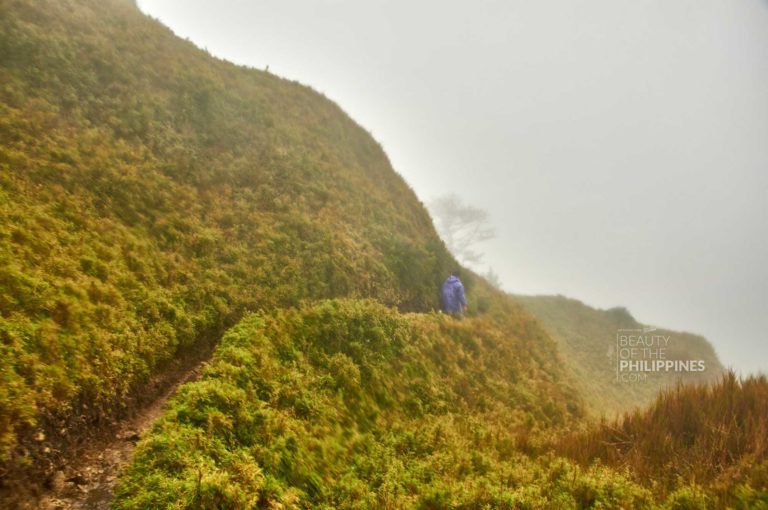
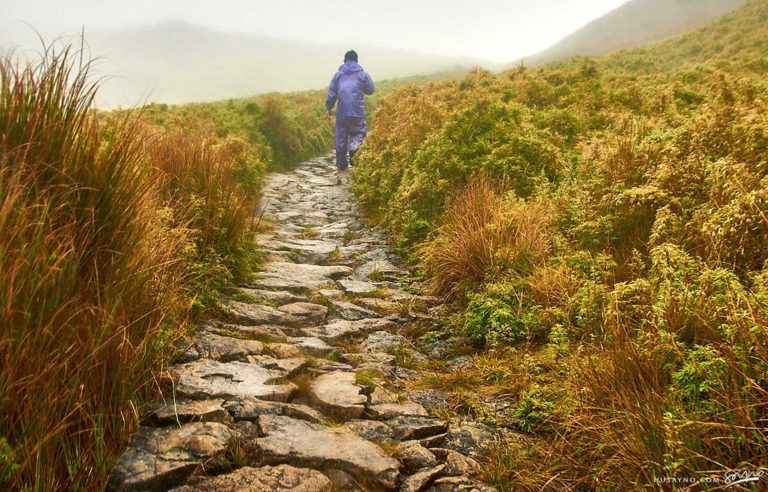
Popular climbing routes include the Ambangeg Trail (easiest), Akiki Trail (“killer trail” for steep climbs), Tawangan Trail, and Ambaguio Trail from Nueva Vizcaya. Ascents typically take 1–4 days, depending on the trail and pace. The famous sea of clouds at sunrise is a highlight for many hikers and photographers.
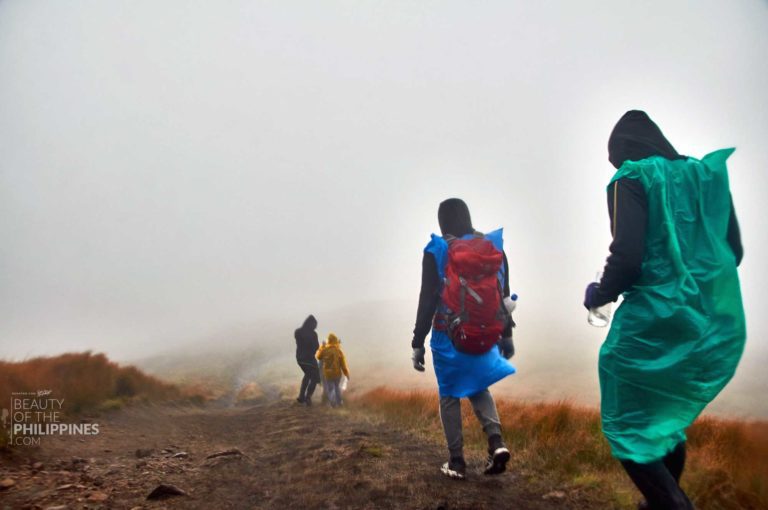
Hikers need permits from the DENR, and local guides and homestays provide support for logistics, making trips safer and more enjoyable.


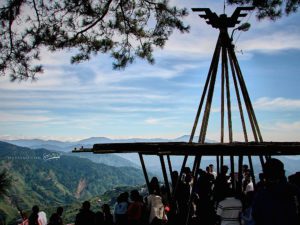
ABOVE: At Mount Pulag’s summit, hikers enjoy stunning views of a sea of clouds, the Milky Way, and the Cordillera Mountains, making the climb truly worthwhile.
Despite protections, Mount Pulag faces threats from forest fires, trail erosion, and the pressures of increasing tourism. Balancing conservation with local needs and ancestral land rights remains an ongoing discussion.


RELATED STORIES


Le Coq Bleu Baguio is a welcoming space where comfort meets creativity. Owned by Chantal Michaut-Pangilinan, a Frenchwoman who has lived in the city for


High above the bustle of Baguio’s commercial districts, Café Khawa rises along Loakan Road as a ridge-top sanctuary where sweeping mountain views dominate the experience.


If you are planning a trip to the highlands of the Philippines, particularly around Baguio or Benguet, a visit to Dulche Chocolates offers a uniquely


As a popular festival that originated in Dolores in the Province of Abra, Sakuting Festival depicts a mock battle using sticks, usually striped or bamboo.


Beyond its impressive elevation or breathtaking views, Mount Pulag embodies living ecosystems, indigenous culture, and ongoing conservation efforts, making it a rich destination for nature enthusiasts, hikers, and photographers alike.


I’m looking forward to the stories and images leaving a lasting positive impression on you, just as they have on me. Stay connected with us on social media for a weekly exploration of travel assignments and breathtaking visuals. Our focus is on championing local tourism, showcasing small businesses, and honoring the magnificence of the Philippines through the content we curate. Join us in spreading the word by clicking the ‘share’ buttons below. Your support means the world to us.
EXPLORE MORE about


Le Coq Bleu Baguio is a welcoming space where comfort meets creativity. Owned by Chantal Michaut-Pangilinan, a Frenchwoman who has lived in the city for


Travelers wandering through the cool, pine-scented corners of Baguio often search for places that blend good food, local creativity, and that distinct highland charm the


Pilak Silvercraft and Gift Shoppe is one of Baguio City’s enduring gateways into the proud tradition of Cordilleran craftsmanship. Located along Leonard Wood Road,


Baguio Media Newseum, also known as the Art World & Media Newseum, offers travelers a unique experience beyond the familiar pine forests and scenic viewpoints


Azalea Residences Baguio welcomes travelers with the perfect balance of comfort, convenience, and modern design in the heart of the City of Pines. Nestled along


When you think of Baguio, you imagine pine‑scented breezes, foggy mornings, and cozy cafés tucked into the city’s winding streets. Among these, Guest Haven Coffee


Baguio City has long been celebrated for its cool climate, mountain landscapes, and thriving creative culture. Within the Baguio Botanical Garden sits the Harvest Creative


Baguio City, the Summer Capital of the Philippines, has long been celebrated for its vibrant art scene and rich cultural heritage. In 2025, the Ibagiw


If you are planning a trip to the highlands of the Philippines, particularly around Baguio or Benguet, a visit to Dulche Chocolates offers a uniquely


Ambuklao Dam is located in Barangay Ambuclao, Municipality of Bokod, Benguet, roughly 36 kilometers from Baguio City in northern Luzon. It spans the Agno River


As a popular festival that originated in Dolores in the Province of Abra, Sakuting Festival depicts a mock battle using sticks, usually striped or bamboo.


Kabayan, Benguet is a fourth-class municipality in the Cordillera Administrative Region of northern Luzon, Philippines. Covering roughly 242.69 km² of mountainous terrain, it is home to


The Kasiyana “All Will Be Well” Art Exhibit at Gallery 2600 in Baguio brings together more than 20 local artists whose works reflect the Kankanaey


Perched along Marcos Highway inside The Podium Boutique Hotel, Hoka Brew welcomes visitors with a warm, wood-themed interior and wide windows framing the lush, pine-covered


For many people, it has always been a dream to visit a place that offers a breathtaking view surrounded by a natural atmosphere that is


High above the bustle of Baguio’s commercial districts, Café Khawa rises along Loakan Road as a ridge-top sanctuary where sweeping mountain views dominate the experience.


Originally known as the Baguio Flower Festival, the Panagbenga Festival is a month-long annual flower festival held every February in Baguio City, that celebrates and

Nestled in the heart of Baguio City, the Our Lady of Atonement Cathedral—more popularly known as Baguio Cathedral—stands as a masterpiece of neo-Romanesque architecture and

Amid the cool mountain air and pine-scented streets of Baguio City, there is a place where the warmth of a crackling wood-fired oven meets the
BROWSE BY CATEGORIES
BROWSE BY PROVINCE