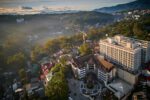
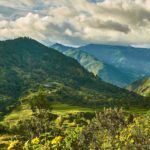
There’s a quiet mountain‑air kind of magic to Nueva Vizcaya Province — a place where landscapes shift from emerald rice terraces to misty ridges and deep river valleys, inviting you to slow down and really see. Tucked in the heart of the Cagayan Valley’s highlands, Nueva Vizcaya draws you first to its capital, Bayombong, where quiet streets hold the rhythm of provincial life and mornings begin with traders and students heading toward their day. Beyond the town centre, rivers like the Magat thread across fertile plains, and as the road climbs toward the Cordillera foothills, the scenery changes into a canvas of rolling hills and distant peaks that seem to breathe with every wind gust you catch on camera.
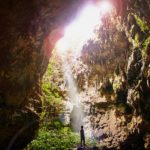
One of the province’s most striking natural treasures is Capisaan Cave, a subterranean network of chambers that feels like stepping into hidden earth itself. Light trickles through openings in the limestone ceiling, illuminating ancient deposits and stone formations that seem sculpted by time; the echo of footsteps and dripping water makes every frame feel like a discovery. Nearby, the forests around the cave trailheads are home to peaceful streams, shaded paths, and cool pockets of air that make early morning walks feel almost sacred.
Not far from these quiet limestone worlds, Imugan Falls tumbles into clear plunge pools surrounded by mossy rocks and fern‑lined banks. The hike to reach it winds through rice terraces and farm trails, where local farmers tend fields and greet passersby with a gentle nod; arriving at the falls feels like entering a cool, secret garden carved out between the hills. The sound of rushing water and the cool mist on your face make this a favourite not just for photos, but for moments of quiet reflection.
The cultural heart of Nueva Vizcaya beats in small towns with big traditions. In Solano, local markets come alive in the early hours with produce from nearby farms; this is where mangoes, bananas, and root crops pile high on stalls, and where morning coffee tastes of fresh earth and slow conversations. Around festival season, town plazas fill with music, dance, and brightly coloured costumes, each step and movement echoing community pride that photographers and travellers alike will want to catch in motion.
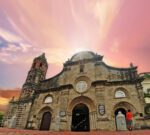
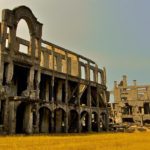
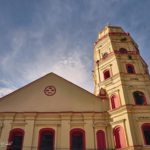
For history that stretches back before the present towns took shape, the old Spanish‑era churches scattered across the province offer portals into earlier centuries. In Santa Fe, the stone walls and simple lines of the local church speak of faith and endurance, while in Dupax del Sur and Dupax del Norte, centuries‑old religious art and quiet plazas make you slow your pace, listen more carefully, and notice the details carved into wood and stone by earlier hands.
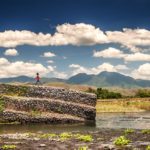
Highland air and wide views are part of the daily rhythm here too. As roads stretch toward the municipalities of Aurora and Diadi, the horizon widens, and on clear days you’ll notice layers of hills fading into the distance like shades on a painter’s palette. River bends and rice terraces close to these towns create patterns of green and gold that shift with the season, and early morning fog on these plains makes for sunrise frames that feel soft and unforgettable.
Whether you’re chasing the cool shade of caves, the rush of waterfalls, or the quiet geometry of rice terraces at dawn, Nueva Vizcaya Province feels like a mosaic of moments that reward observation. It’s a place where every turn in the road offers a fresh frame — and where every village, trail, and river beckons you to slow your pace, raise your lens, and really look.