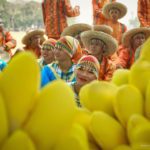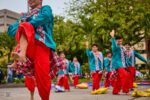
Tayo na sa Antipolo Maytime Festival: Antipolo’s Iconic Month of Celebration
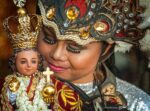
This festival, known as “Tayo na sa Antipolo Maytime Festival”, is one of the most popular celebrations in the Philippines due to the fact that

Just about 25 kilometers east of Manila, the Pinto Art Museum perches on the verdant hills of Antipolo, Rizal. For travelers and culture enthusiasts, the museum offers more than painted walls and sculptures; it provides a thoughtful, visual journey into the evolution of contemporary Filipino artistry. The name “Pinto,” meaning “door” in Filipino, is symbolic — it opens visitors to the depth, imagination, and narratives of Philippine visual culture.
Founded in 2010 by Dr. Joven Cuanang, a neurologist with a deep passion for art, Pinto Art Museum was born from decades of collecting and mentoring young artists. The early works of the Saling Pusa collective, showcased informally in Cuanang’s Silangan Gardens, paved the way for what would become a full museum dedicated to both emerging and established Filipino creatives. Today, Pinto remains a platform for nurturing artistic voices while preserving a personal collection that charts the country’s modern art history.
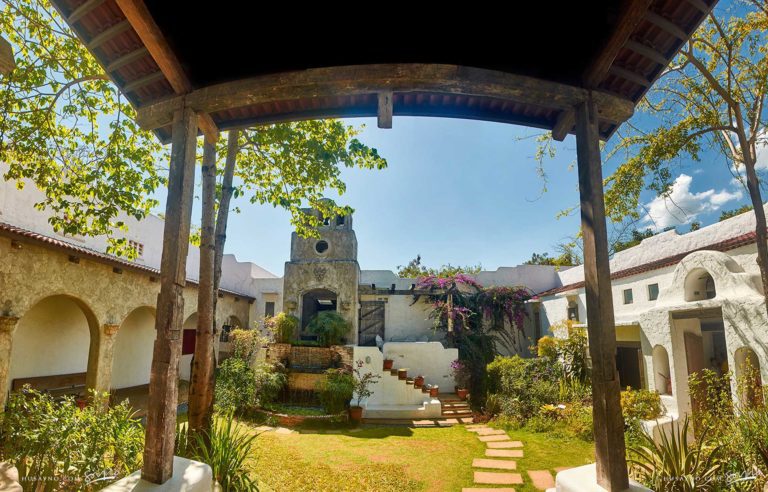
Situated at 1 Sierra Madre Street in the Grand Heights subdivision, the museum blends seamlessly with Antipolo’s hilly, lush landscape. The city itself has long been a cultural and pilgrimage hub, and Pinto leverages this context to create a destination that marries urban accessibility with countryside serenity. The surrounding Silangan Gardens provide natural corridors between galleries, encouraging a reflective experience in the midst of tropical greenery.
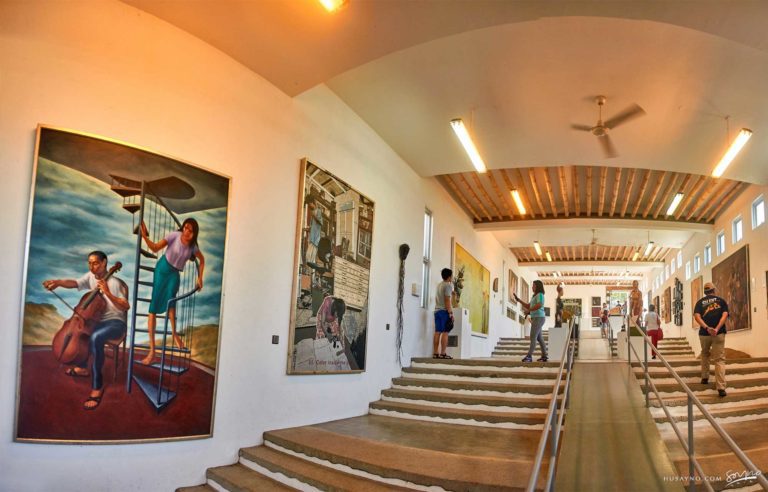
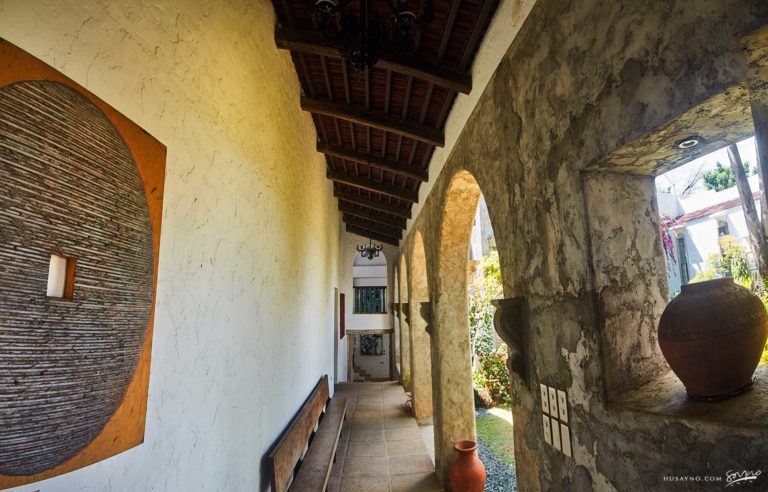
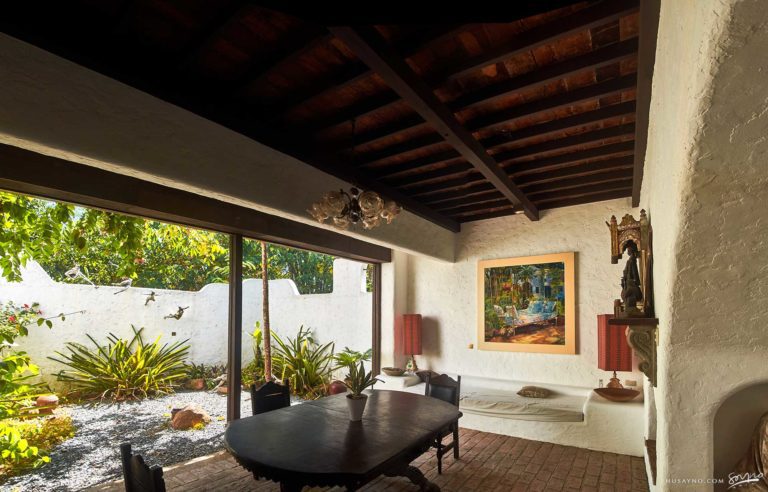
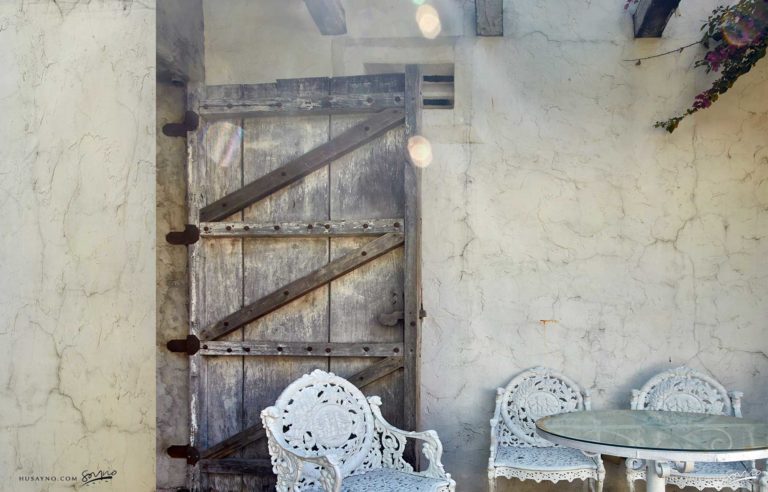
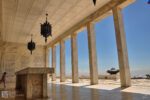
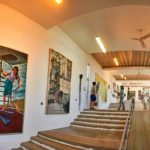
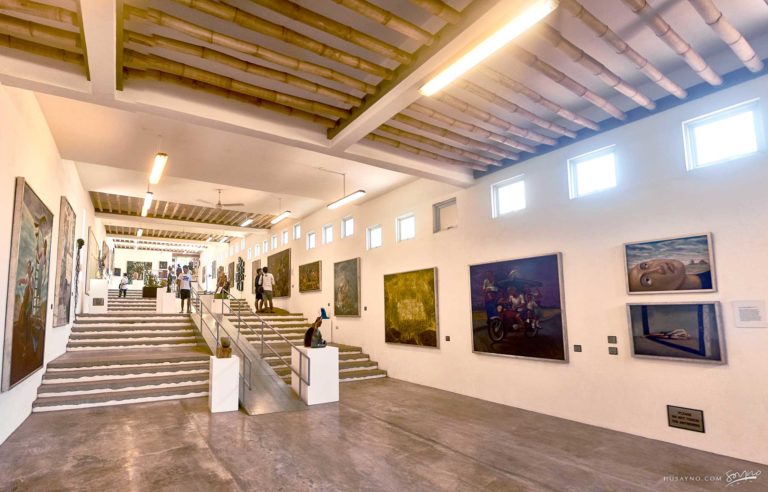
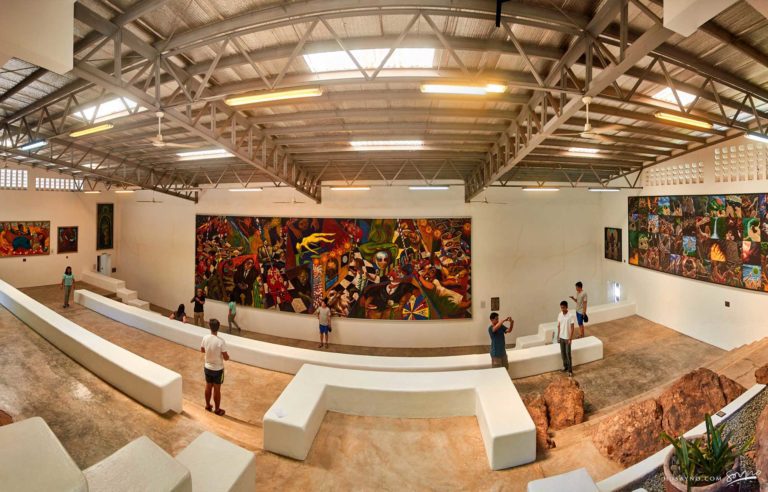
Pinto Art Museum is a collection of several interconnected galleries and open spaces spread across more than one hectare. The architecture reflects a mix of Mediterranean and Filipino influences, with whitewashed walls, spacious courtyards, and open-air galleries allowing natural light to highlight sculptures and paintings. Visitors wander through paths lined with art installations, creating moments where each turn feels like a discovery — a dialogue between the creative mind and the environment.
The museum showcases contemporary paintings, sculptures, and installations, representing both established Filipino masters and emerging talents. Particular attention is given to Saling Pusa artists, whose works document the post-People Power era and embody the playful yet serious energy of young creators. Outdoor sculptures, site-specific installations, and garden-integrated pieces make the museum an immersive, multi-sensory experience for travelers and photographers.
In 2016, Pinto had become a must-visit for locals and international travelers alike. Its atmosphere encourages slow exploration and contemplative engagement. Visitors can photograph artworks without flash, wander through open-air galleries, or relax in the shaded gardens. Nearby cafés and resting spots provide opportunities to pause, enjoy refreshments, and take panoramic shots of the Sierra Madre range. Access is straightforward from Metro Manila, typically via jeepney or van to Antipolo, followed by a short tricycle ride to the museum.
Pinto Art Museum bridges historical and contemporary Philippine art, showcasing the evolution of creative expression while celebrating the stories of artists who might otherwise remain underrepresented. For travelers, it offers a layered experience — art, nature, architecture, and culture — all within one destination. The museum exemplifies how cultural spaces can be both reflective and accessible, providing visitors with a nuanced appreciation of Filipino creativity while serving as a prime spot for travel photography and cultural immersion.
RELATED STORIES

This festival, known as “Tayo na sa Antipolo Maytime Festival”, is one of the most popular celebrations in the Philippines due to the fact that


June 12, 2025, isn’t just another national holiday—it marks a unique opportunity to witness two deeply rooted Filipino traditions side by side. In the heart


There are more than 3,000 specimens of exotic wildlife in the Avilon Zoo; representing more than 600 species of birds, mammals, reptiles, amphibians, freshwater fish


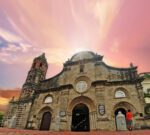
Perched atop the hills east of Metro Manila in Antipolo City, Antipolo Cathedral — formally the National Shrine of Our Lady of Peace and Good
I’m looking forward to the stories and images leaving a lasting positive impression on you, just as they have on me. Stay connected with us on social media for a weekly exploration of travel assignments and breathtaking visuals. Our focus is on championing local tourism, showcasing small businesses, and honoring the magnificence of the Philippines through the content we curate. Join us in spreading the word by clicking the ‘share’ buttons below. Your support means the world to us.
EXPLORE MORE about


Perched atop the hills east of Metro Manila in Antipolo City, Antipolo Cathedral — formally the National Shrine of Our Lady of Peace and Good


June 12, 2025, isn’t just another national holiday—it marks a unique opportunity to witness two deeply rooted Filipino traditions side by side. In the heart


This festival, known as “Tayo na sa Antipolo Maytime Festival”, is one of the most popular celebrations in the Philippines due to the fact that


There are more than 3,000 specimens of exotic wildlife in the Avilon Zoo; representing more than 600 species of birds, mammals, reptiles, amphibians, freshwater fish

One of the most photographed churches in the province of Rizal, the Morong Church is located in Morong of the Rizal Province, and is considered

BROWSE BY CATEGORIES
BROWSE BY PROVINCE