
Gilingan Festival: The Story That Shaped Siniloan
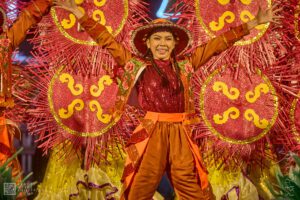
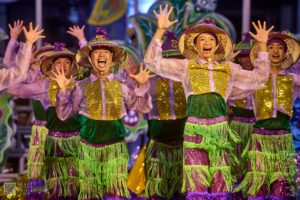
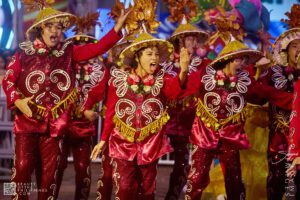
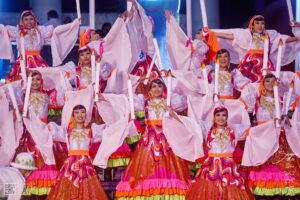
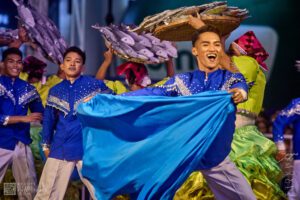
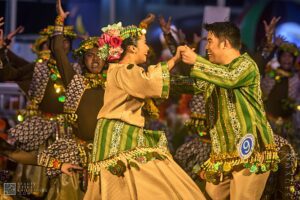
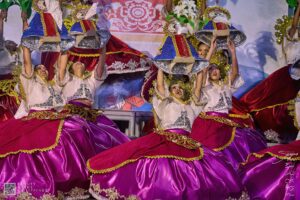
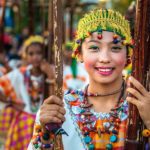
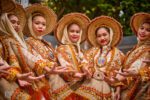
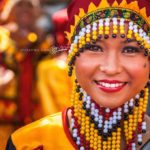
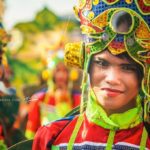
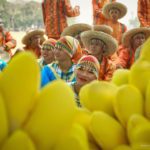
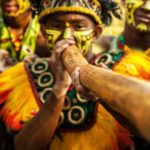
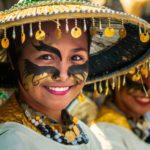
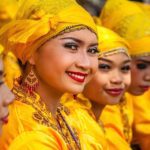
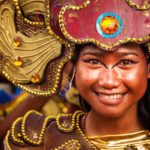
A Festival Rooted in a Name Standing in Siniloan during festival season, you begin to notice how one object keeps appearing—in costumes, in floats, in
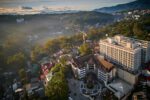
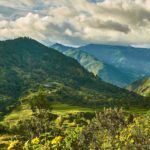
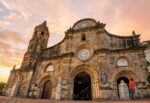
Tucked high on Mt. Banahaw and overlooking verdant valleys, Majayjay Church, formally known as the Saint Gregory the Great Parish Church, stands as one of Laguna’s most enduring landmarks. For pilgrims and travelers alike, this parish is not just a spiritual destination; it embodies more than four centuries of Filipino devotion, colonial history, and architectural craftsmanship.
The town of Majayjay was formally established in 1578 during early Spanish colonization, and with it came the need for a central place of worship. Initial structures were modest, built with nipa, bamboo, and light materials, and unfortunately, many succumbed to fire or decay. In 1616, stone construction began, marking the birth of the enduring church we see today. Decades of labor culminated in 1649, completing walls that have withstood time, typhoons, and other natural challenges, a testament to both faith and resilience.
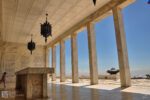
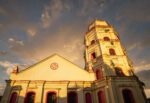
Majayjay Church is notable for its scale and design. Stretching 60 meters long, 17 meters wide, and 16.5 meters tall, it ranks among the largest parish churches in Laguna and CALABARZON. Its Romanesque style, featuring a commanding three-tiered façade, and a five-story bell tower beside the nave, offers a striking visual contrast against the surrounding green hills. Inside, travelers find centuries-old relics, antique saint images, retablos crafted by early Filipino artisans, and azulejo-tiled floors that evoke the feel of stepping back in time.
Adjacent to the church is a spacious convento that once housed friars and traveling missionaries. Today, part of the building serves as a local Catholic school, keeping the site connected to present-day community life. Nearby, the Chapel of Nuestra Señora de la Porteria — originally a Spanish tribunal — houses an 18th-century Marian image brought by missionaries, providing visitors a deeper layer of cultural and spiritual history.
The church has faced numerous trials. It survived three major fires and withstood typhoons, reflecting colonial construction adapted to local conditions. During the Filipino-American War, the convent and barracks were used by American forces, adding modern historical chapters to its legacy. Despite these challenges, Majayjay Church continues to operate as an active parish, maintaining its central role in the town’s spiritual and community life.
Majayjay Church has been designated a National Cultural Treasure by the National Museum of the Philippines, recognizing its importance to both local and national heritage. Visitors wander through shaded aisles, observe light filtering through stained glass, and step outside to take in sweeping views of rolling hills — the same panorama that welcomed generations of parishioners. The combination of spiritual resonance, architectural grandeur, and scenic surroundings makes it a compelling destination for heritage enthusiasts, photographers, and cultural travelers.
ABOVE: A detailed wooden relief sculpture depicts the crucifixion of Jesus Christ, surrounded by mourners and figures in prayer.
RELATED STORIES

A Festival Rooted in a Name Standing in Siniloan during festival season, you begin to notice how one object keeps appearing—in costumes, in floats, in


Verbena Gallery is located within Patis Tito Garden in Barangay San Antonio, San Pablo City, Laguna, roughly a two to three hour drive from Metro


Santa Cruz, a first-class urban municipality and the capital of Laguna province in the Philippines, is a place where tradition, culture, and culinary delights converge.


Nagcarlan Awakens: The Spirit of Ana Kalang Visiting Nagcarlan, Laguna in the third week of April, you immediately sense the town has transformed. The Ana


While the church itself is captivating, Majayjay offers additional natural wonders. Taytay Falls, a hidden cascade in lush forests, provides a refreshing complement to heritage visits. The cool mountain air and surrounding countryside make Majayjay an ideal stop for travelers seeking a blend of cultural immersion and nature exploration, offering multiple layers of experience for those capturing its landscapes and stories through photography.


The church embodies centuries of faith, community, and artistic excellence. It bridges history and modernity, standing as a testament to human resilience and devotion. For travelers, it is more than a structure — it is a narrative carved in stone, a visual story of architectural innovation, and a serene vantage point to observe both culture and landscape. Each corner offers an opportunity to reflect on the layers of time, and every stone echoes the enduring spirit of Majayjay’s people.
I’m looking forward to the stories and images leaving a lasting positive impression on you, just as they have on me. Stay connected with us on social media for a weekly exploration of travel assignments and breathtaking visuals. Our focus is on championing local tourism, showcasing small businesses, and honoring the magnificence of the Philippines through the content we curate. Join us in spreading the word by clicking the ‘share’ buttons below. Your support means the world to us.
EXPLORE MORE about


Lumban, recognized as the “Embroidery Capital of the Philippines,” comes alive every third week of September with its vibrant Burdang Lumban Festival, a celebration of


Enchanted Kingdom, often simply called EK, stands as the Philippines’ first and only world-class theme park in 2012. Located in San Lorenzo South, Santa Rosa


The Turumba Festival in Pakil, Laguna, centered around the veneration of Our Lady of Sorrows of Turumba, continues to unite locals and attract visitors, showcasing


Santa Cruz, a first-class urban municipality and the capital of Laguna province in the Philippines, is a place where tradition, culture, and culinary delights converge.


Tucked into Barangay Tadlac in Los Baños, Alligator Lake stands apart from Laguna’s more bustling attractions. While many flock to the town’s famed hot springs,


A Sweet Harvest in Motion: Calauan’s Pinya Festival Walking through Calauan in early May, you immediately feel the energy of a community united in celebration.

Patis Tito Garden Café is more than a restaurant; it is a place where the presentation of Filipino and Asian dishes is inseparable from the


Origins and Cultural Significance If you wander Victoria during the festival, it’s immediately clear that the Itik Festival is more than a celebration—it’s a living


What the Bañamos Festival Is About The Bañamos Festival is the signature cultural and tourism celebration of the Municipality of Los Baños, Laguna, commemorating the


Nagcarlan Awakens: The Spirit of Ana Kalang Visiting Nagcarlan, Laguna in the third week of April, you immediately sense the town has transformed. The Ana


The Buhayani Festival, held every June 19 in Calamba, Laguna, honors the life and heroism of Dr. José Rizal, the city’s most celebrated son. First


The Nagcarlan Underground Cemetery in Barangay Bambang, Nagcarlan, Laguna stands as one of the most unique historical sites in the Philippines. Unlike typical cemeteries, this
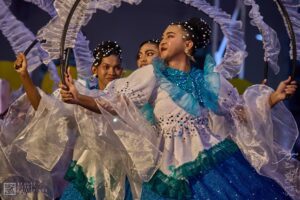

In Mabitac, Laguna, the celebration has been embraced wholeheartedly, particularly intertwining it with the town’s founding anniversary to create a grand town festival. It has


Laguna de Bay, or Laguna Lake, is much more than the Philippines’ largest freshwater lake. Covering approximately 900 km² with a 220 km shoreline, it stretches across


Understanding the Sambalilo Festival The Sambalilo Festival is the signature cultural celebration of Cavinti, a municipality in Laguna. Traditionally held during the first week of


A Festival Rooted in a Name Standing in Siniloan during festival season, you begin to notice how one object keeps appearing—in costumes, in floats, in


Verbena Gallery is located within Patis Tito Garden in Barangay San Antonio, San Pablo City, Laguna, roughly a two to three hour drive from Metro
BROWSE BY CATEGORIES
BROWSE BY PROVINCE