


BROWSE BY PROVINCE

Capas, Tarlac
Capas Train Station
Kilometre 106 of Memory
Share
Tweet
Email
EXPLORE Capas Train Station

PUBLISHED November 29, 2015

PHOTOS | WORDS BY MARIANO SAYNO

  • Capas, Tarlac
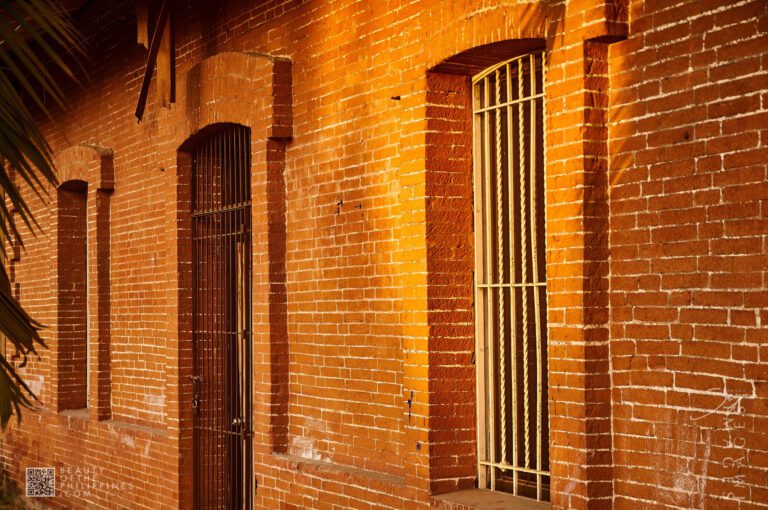
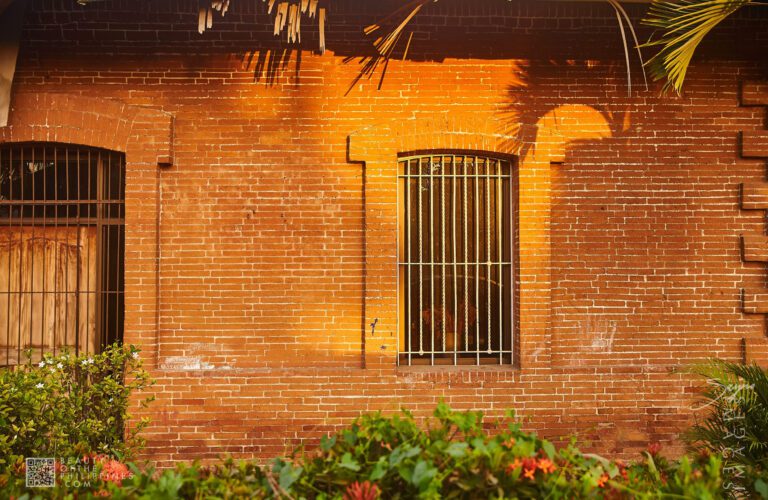
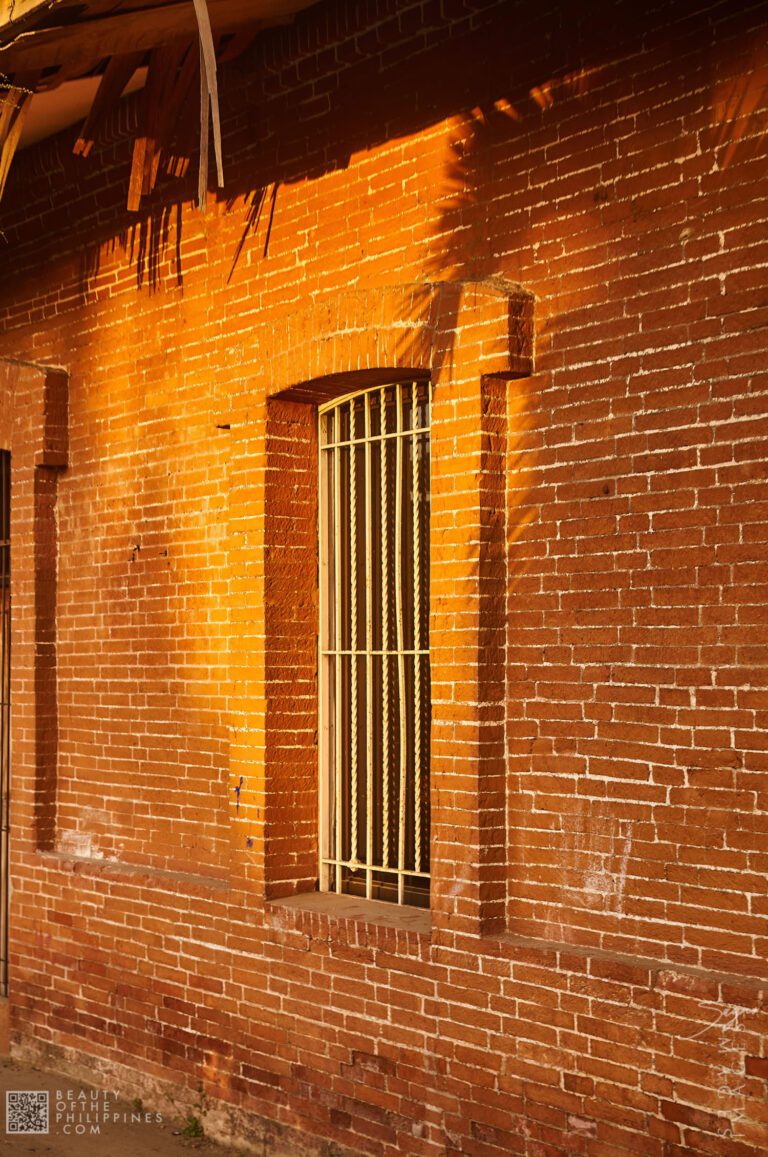
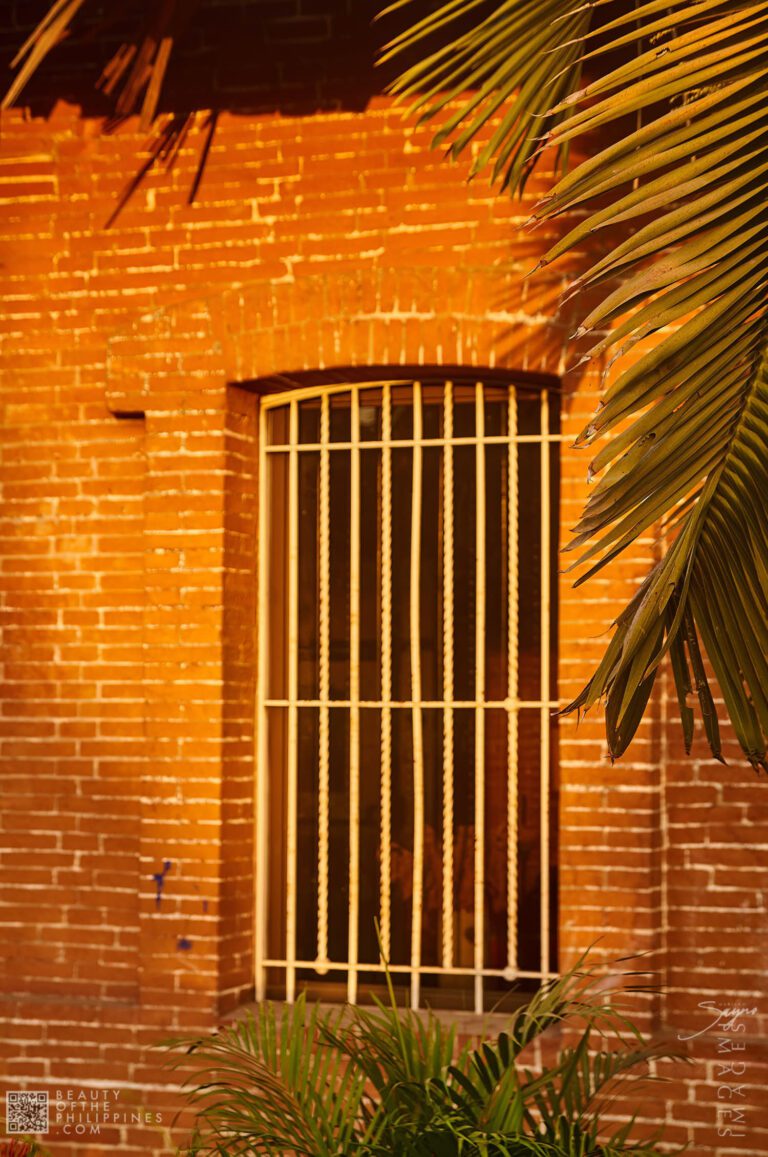
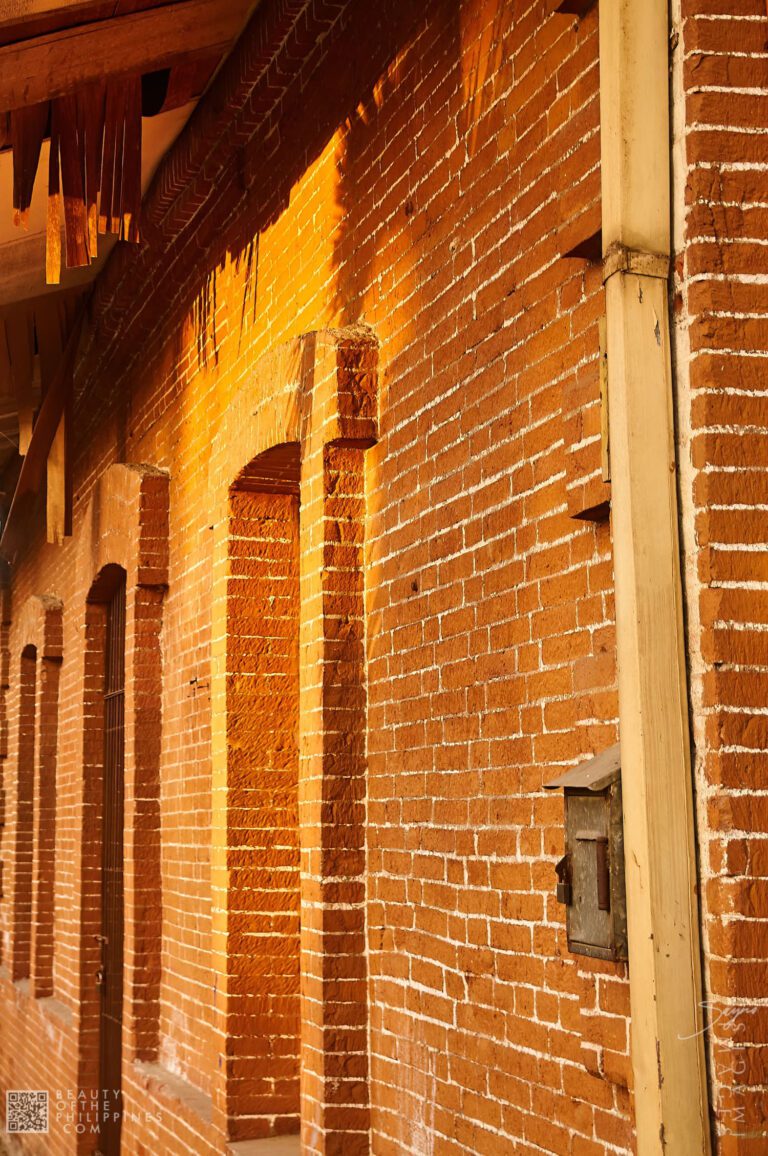
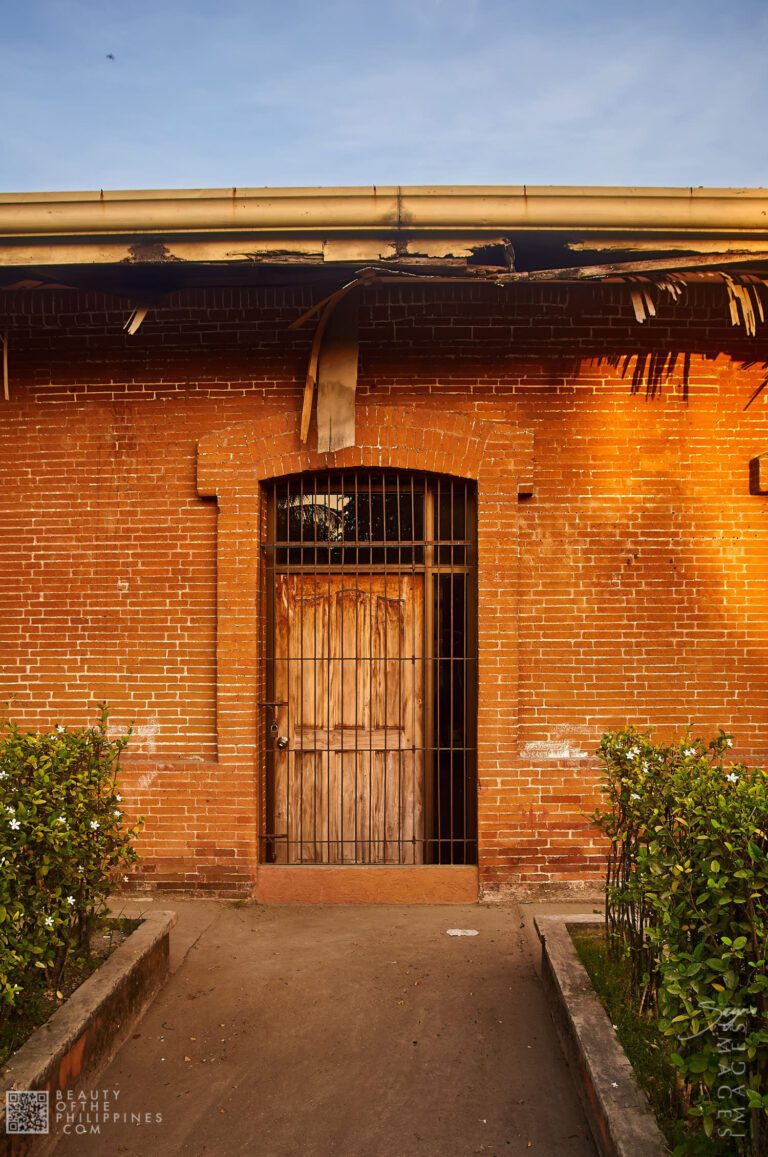
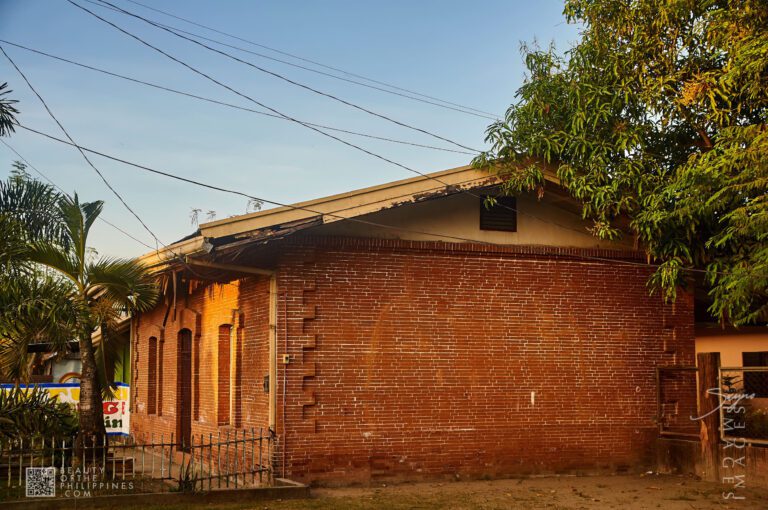
Standing quietly in Barangay Sto. Domingo II, the Capas Train Station no longer hears the sound of arriving trains. What remains is a place heavy with memory — where steel rails once carried exhausted prisoners toward one of the darkest chapters in Philippine history. As a photographer, it feels less like a station and more like a pause in time, asking visitors to slow down and remember.
Explore the Philippines through my lens as we venture into Capas Train Station with Point of View (POV) photography. Using a body cam, I’ll guide you on an interactive tour, revealing the behind-the-scenes of capturing the shots shared here. Let’s dive into this visual journey together and uncover the wonders through my lens!
Let’s explore the PHILIPPINES through my lens as we journey on a photo slideshow to Capas Train Station. Join me in this visual adventure and discover the wonders captured through my lens! Check out the shared slideshow here.
Capas Train Station — Location and Early Role

The Capas Train Station is located in Barangay Sto. Domingo II, Capas, Tarlac, and was once part of the historic Manila–Dagupan railway line operated by the Philippine National Railways. Built during the late Spanish colonial period, the station became operational when the railway line officially began service in 1892.


In its early years, this station functioned as a practical stop along the northern rail route, supporting trade, travel, and movement between Manila and Northern Luzon. Over time, as rail transport declined, regular train services in the north were gradually reduced and eventually ceased in the 1980s, leaving the station abandoned but not forgotten.

Check out the video for more highlights. See what I’ve captured through my lens with Point of View (POV) photography. Using a body cam, I’ll take you on an interactive tour, showing you behind-the-scenes moments of capturing the shots shared here.
Check out the video below for additional features. Explore what I’ve captured through my lens in this cinematic slideshow.
World War II and the Bataan Death March

The historical weight of Capas Train Station comes sharply into focus during World War II. In April 1942, following the fall of Bataan, thousands of Filipino and American soldiers were captured by Imperial Japanese forces. These prisoners endured the infamous Bataan Death March, beginning in Mariveles, Bataan, and marching approximately 102 kilometers to San Fernando, Pampanga.


From San Fernando, survivors were forced into overcrowded boxcars and transported by train to Capas. This station area became the disembarkation point where prisoners, already weakened by dehydration, starvation, and abuse, were unloaded.

The Final March to Camp O’Donnell

After arriving at Capas Train Station, prisoners were compelled to march an additional 6 to 14 kilometers to Camp O’Donnell, a former U.S. Army base converted into a Japanese concentration camp. Many did not survive this final stretch. Disease, malnutrition, and mistreatment continued inside the camp, resulting in tens of thousands of deaths.


Because of this, Capas Train Station is permanently tied to one of the most harrowing episodes in both Philippine and United States military history.

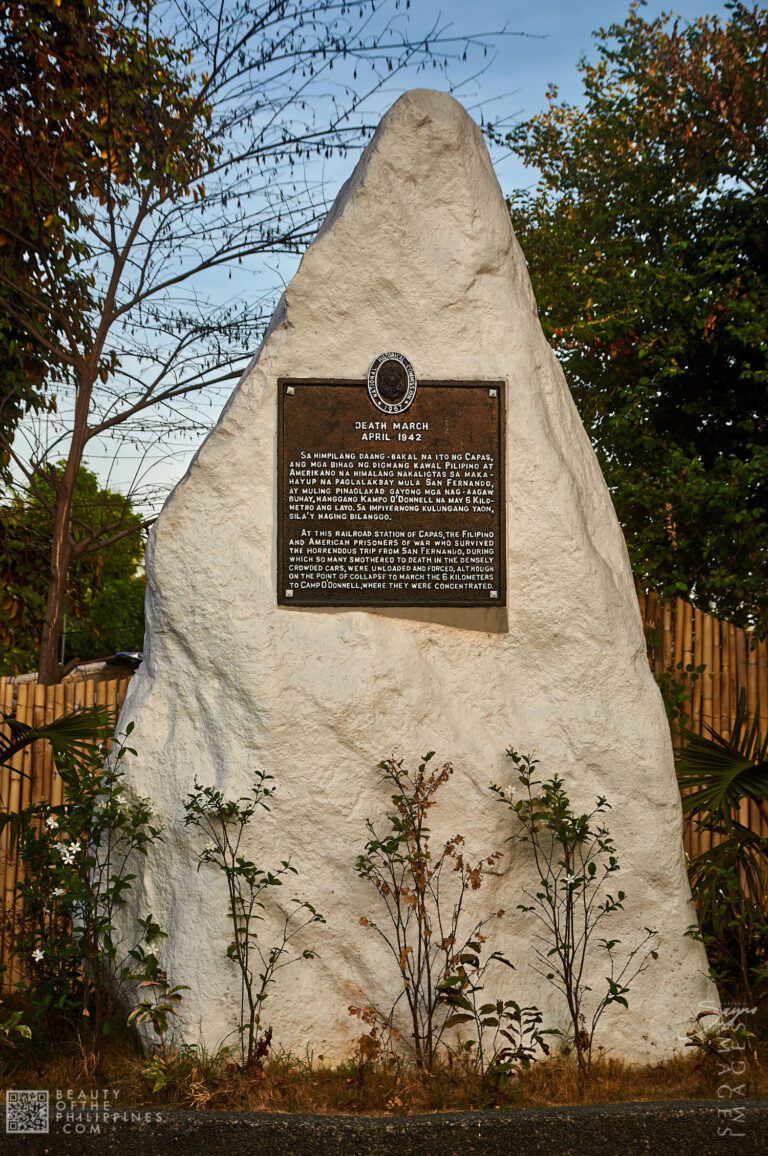
Capas Death March Marker — Kilometre 106

Near the former station site stands the Sto. Domingo II Train Station Death March Marker (1942, Km. 106). This marker identifies the precise location where prisoners were unloaded from the trains to begin the final phase of their suffering. The kilometre designation reflects its place along the historic Death March route.


The marker was sponsored by the Battling Bastards of Bataan Association, an organization committed to preserving the memory of those who endured the march. While the station property remains under Philippine National Railways, the marker is administered by the Philippine Tourism Authority in coordination with local Capas officials.

Capas Within the Broader Wartime Landscape

The story of Capas Train Station connects directly to other key sites across Central Luzon. A corresponding marker at San Fernando Station marks where prisoners were loaded onto trains, while the nearby Capas National Shrine commemorates those who perished at Camp O’Donnell.


Together, these locations trace the logistical route and human cost of the Bataan Death March, transforming ordinary places into powerful spaces of remembrance.

Personal Travel-Photography Note

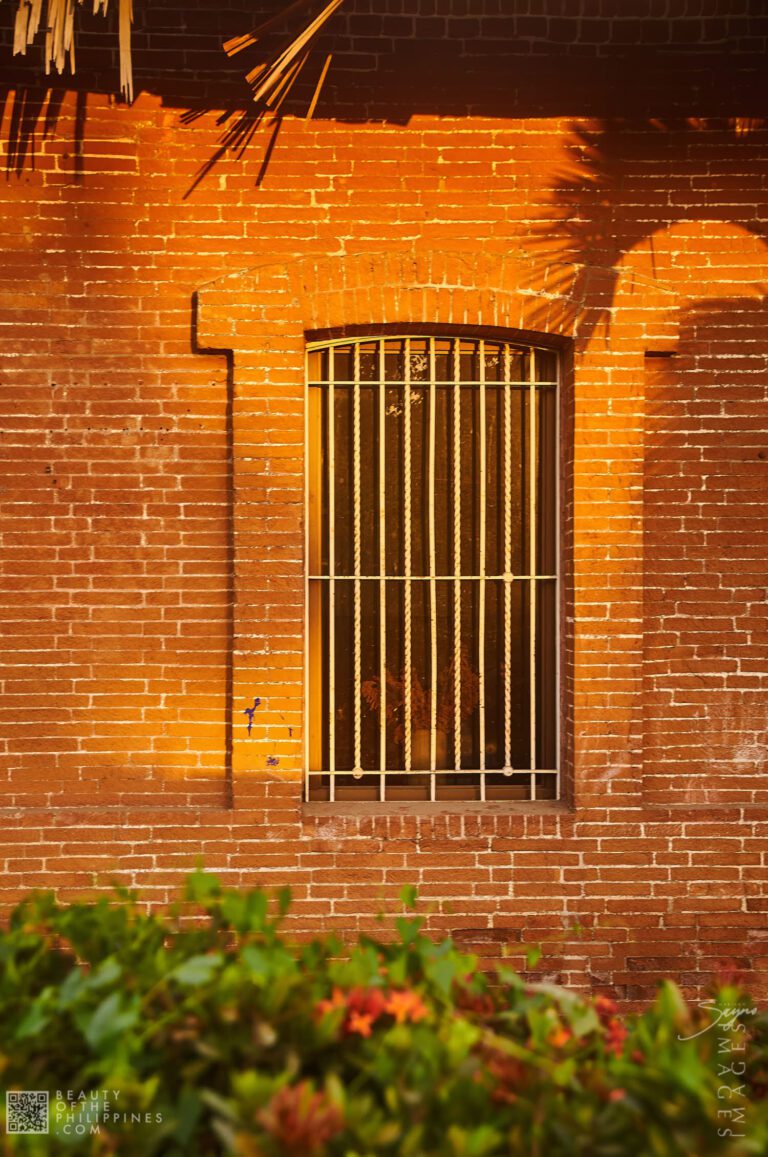
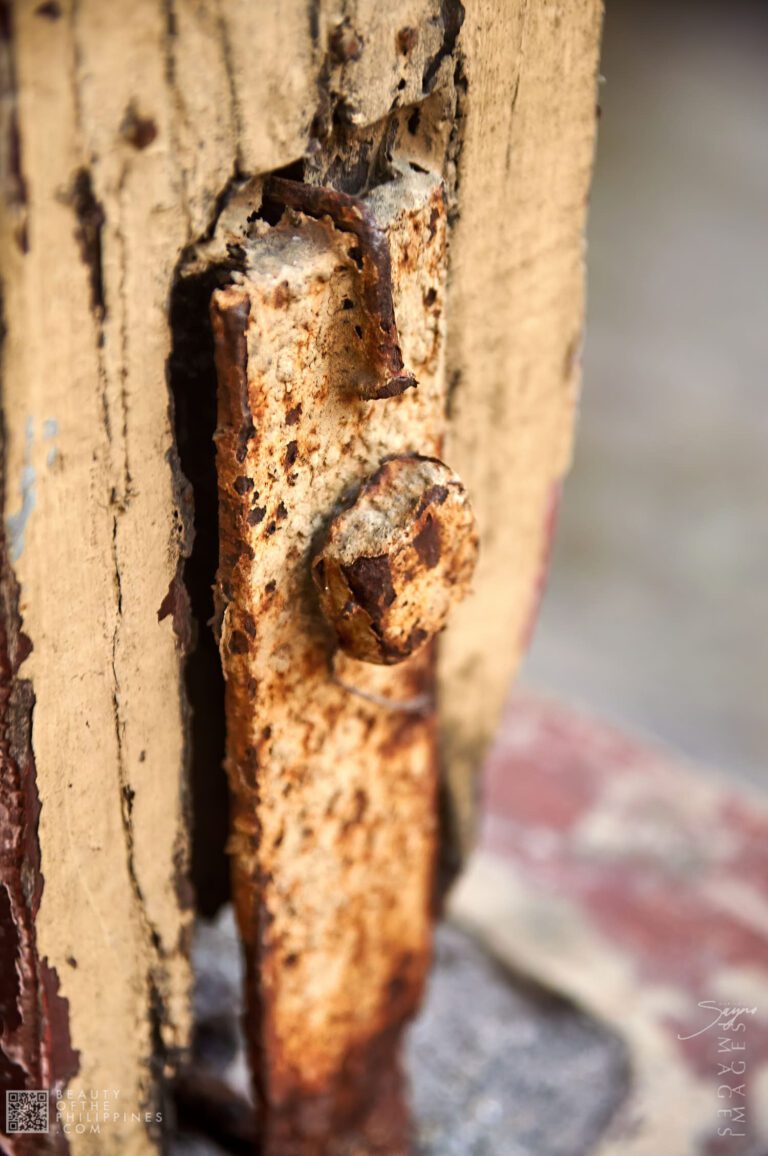
Walking near the old Capas Train Station, there’s no grand structure demanding attention. Instead, the silence does the work. As a photographer, I find myself framing absence — empty ground, weathered markers, and the invisible lines where history once moved in pain and exhaustion. It’s not a place you rush through. You stand, you read, you imagine, and you leave quieter than when you arrived.

RELATED STORIES

Philippine International Hot Air Balloon Fiesta: Rekindling the Magic of Flight

The Philippine International Hot Air Balloon Fiesta in New Clark City offered a spectacular showcase of aviation prowess and cultural celebration, leaving attendees captivated by

Read More »

I’m looking forward to the stories and images leaving a lasting positive impression on you, just as they have on me. Stay connected with us on social media for a weekly exploration of travel assignments and breathtaking visuals. Our focus is on championing local tourism, showcasing small businesses, and honoring the magnificence of the Philippines through the content we curate. Join us in spreading the word by clicking the ‘share’ buttons below. Your support means the world to us.

BROWSE BY REGION
  • metro MANILA
  • abra
  • albay
  • baguio city
  • BATAAN
  • batangas
  • Benguet
  • bulacan
  • cagayan
  • cavite
  • cebu
  • cotabato
  • davao oriental
  • Guimaras
  • ilocos norte
  • ilocos sur
  • Iloilo
  • Isabela
  • laguna
  • lanao del norte
  • maguindanao
  • negros occidental
  • nueva vizcaya
  • Pampanga
  • pangasinan
  • QUEZON
  • rizal
  • Samar
  • sarangani
  • Tarlac
  • zambales
  • zamboanga city

EXPLORE MORE about

  • Tarlac

Philippine International Hot Air Balloon Fiesta: Rekindling the Magic of Flight

The Philippine International Hot Air Balloon Fiesta in New Clark City offered a spectacular showcase of aviation prowess and cultural celebration, leaving attendees captivated by

Read More »

BROWSE BY CATEGORIES

LOCATIONS
PROVINCES

Abra

Albay

Baguio City

Bataan

Batangas

Benguet

Bulacan

Cagayan

Cavite

Cebu

Cotabato

Davao Oriental

Guimaras

Ilocos Norte

Ilocos Sur

Iloilo

Isabela

Laguna

Lanao del Norte

Maguindanao

Manila

Negros Occidental

Nueva Vizcaya

Pampanga

Pangasinan

Quezon

Rizal

Samar

Sarangani

Tarlac

Zambales

Zamboanga City

ARCHITECTURE
HERITAGE

Andres Bonifacio Birthplace Monument

Bonifacio Monumento

Capones Lighthouse

Casa Manila

Christ the King Seminary

Corregidor Island Dark Tour Experience

Corregidor Island Reopens

Corregidor Island

Cultural Center of the Philippines

Fantasy World

Gabriela Silang Memorial Shrine

Gomburza National Monument

Hondagua

Iloilo Customs House

Intramuros

Jones Bridge

Kartilya ng Katipunan

La Loma Cemetery

Liwasang Bonifacio

Lubenas Ning Pasku

LOAD MORE

CHURCHES
FAITH

Bacolor Church

Baguio Cathedral

Barasoain Church

Binondo Church

Calaca Church

Calumpit Church

Chong Hock Tong Temple

Greenbelt Chapel

Guadalupe Church Ruins

La Naval de Manila

Lingayen Cathedral

Lubenas Ning Pasku

Lucban Church

Malate Church

Manila Abbey

Manila Cathedral

The Manila Golden Mosque

Meycauayan Church

Morong Church

Mount Carmel Shrine

LOAD MORE

NATURAL & MAN-MADE
ATTRACTIONS

A&J Cafe

Alligator Lake

Amare La Cucina Baguio

Ambuklao Dam

Antipolo Church

Atimonan Port

Avilon Zoo

Azalea Hotels & Residences Baguio

Bagac Beach

Baguio Media Newseum

Balai Isabel

Balayan Bay

Baluarte de San Diego

Betis Church

Binondo Chinatown

Buhay na Kubol’s Senturyons

Café Khawa

Cagsawa Festival

Callao Cave

Camara Island

LOAD MORE

FESTIVALS &
EVENTS

Al Cinco de Noviembre Festival

Ana Kalang Festival

Antipolo Maytime Festival

Balacat Festival

Balitok Ti Alicia Festival

Bañamos Festival

Bato Art Festival

Boling-Boling Festival

Buhayani Festival

Burdang Lumban Festival

Candle Festival

Dinagyang Festival

Feast of Santo Niño de Tondo

Guilingan Festival

Halamanan Festival

Hambujan Festival

Iloilo Dinagyang Festival

Inaul Festival

Itik Festival

Kalivungan Festival

LOAD MORE
Facebook Twitter Instagram Envelope

All photographs that appear on the site are copyright of Mariano Sayno ©2022 Beauty of the philippines

All photographs that appear on the site are copyright of Mariano Sayno ©2022 Beauty of the philippines.com

Beauty of the philipipnes LOGO WHITE

BROWSE BY PROVINCE

Abra

Albay

Baguio City

Bataan

Batangas

Benguet

Bulacan

Cagayan

corregidor-island

Cavite

Cebu

Cotabato

Davao Oriental

Manggahan aFestival of Guimaras

Guimaras

Ilocos Norte

Ilocos Sur

dinagyang aliwan friesta husayno mariano sayno

Iloilo

Isabela

Laguna

Lanao del Norte

Maguindanao

Manila Bay by Mariano Sayno

Manila

Negros Occidental

Magat River Dupax Del Norte

Nueva Vizcaya

Pampanga

Lingayen Cathedral

Pangasinan

Quezon

Rizal

Samar

Sarangani

Tarlac

Zambales

Zamboanga City

Capas, Tarlac, Philippines