Balai Isabel: Where Lakeside Calm Meets Adventure
If you’re craving that sweet spot where calm meets adventure—where you can sip coffee while staring at a volcano, then hop on a kayak right
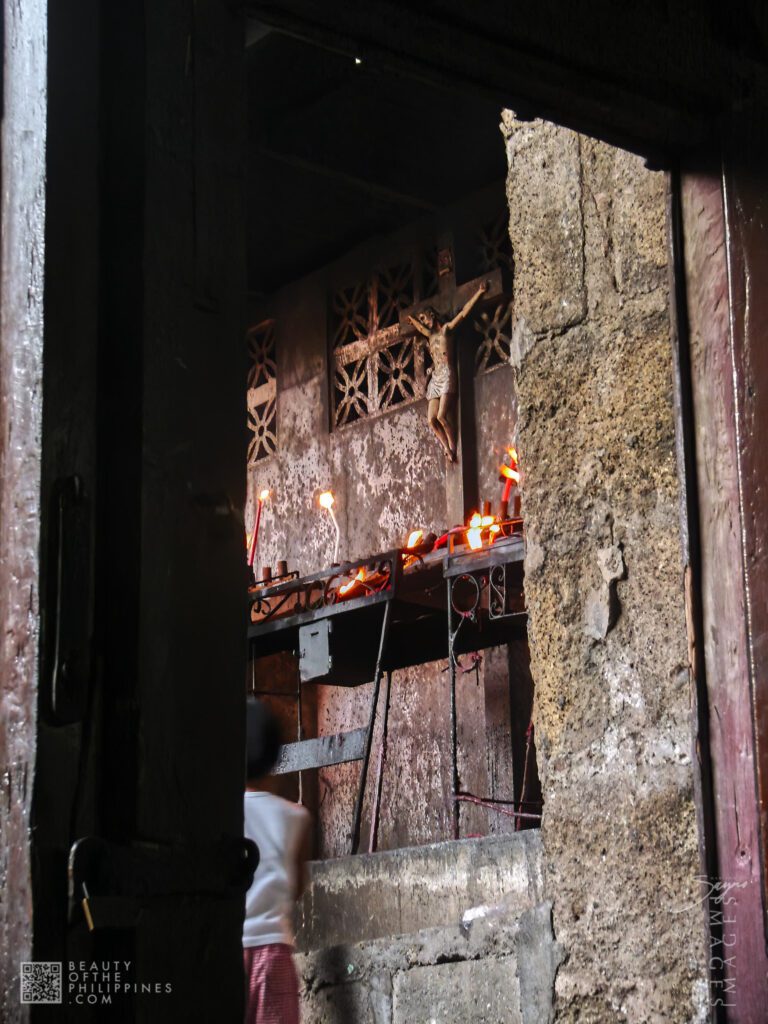
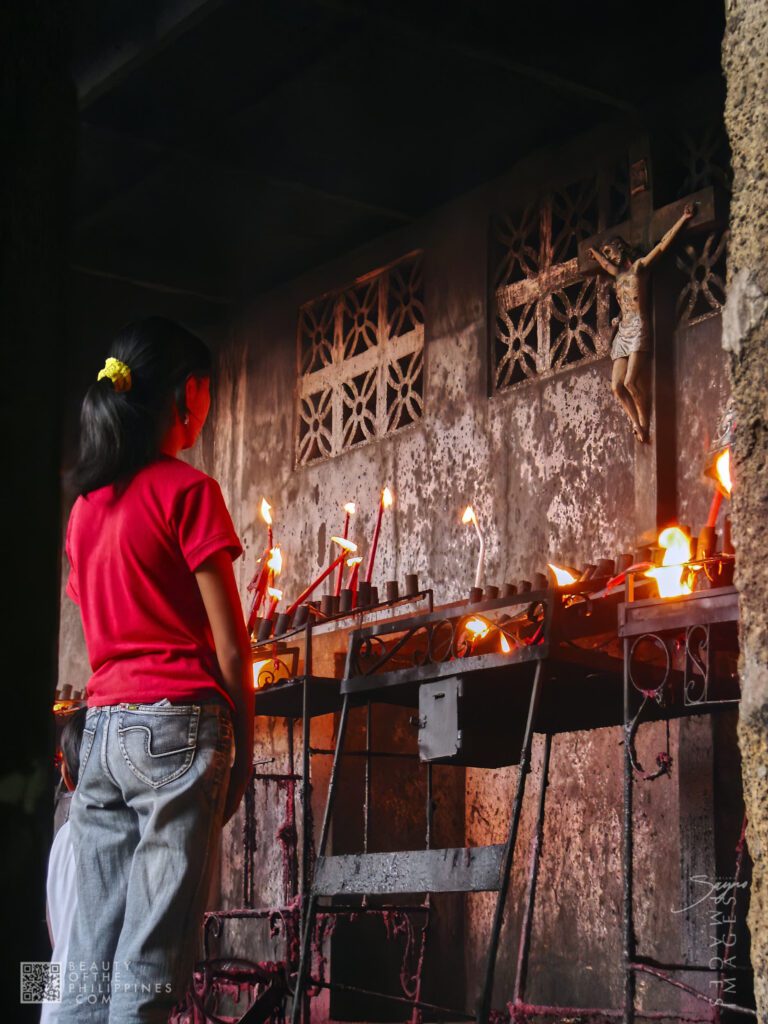
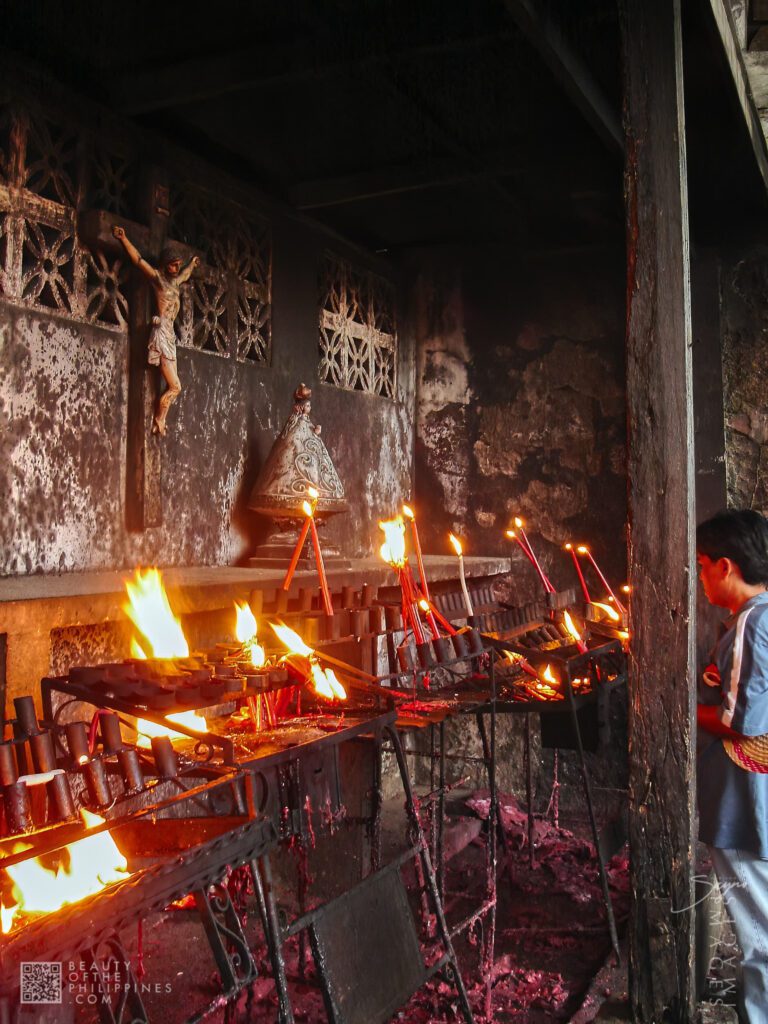
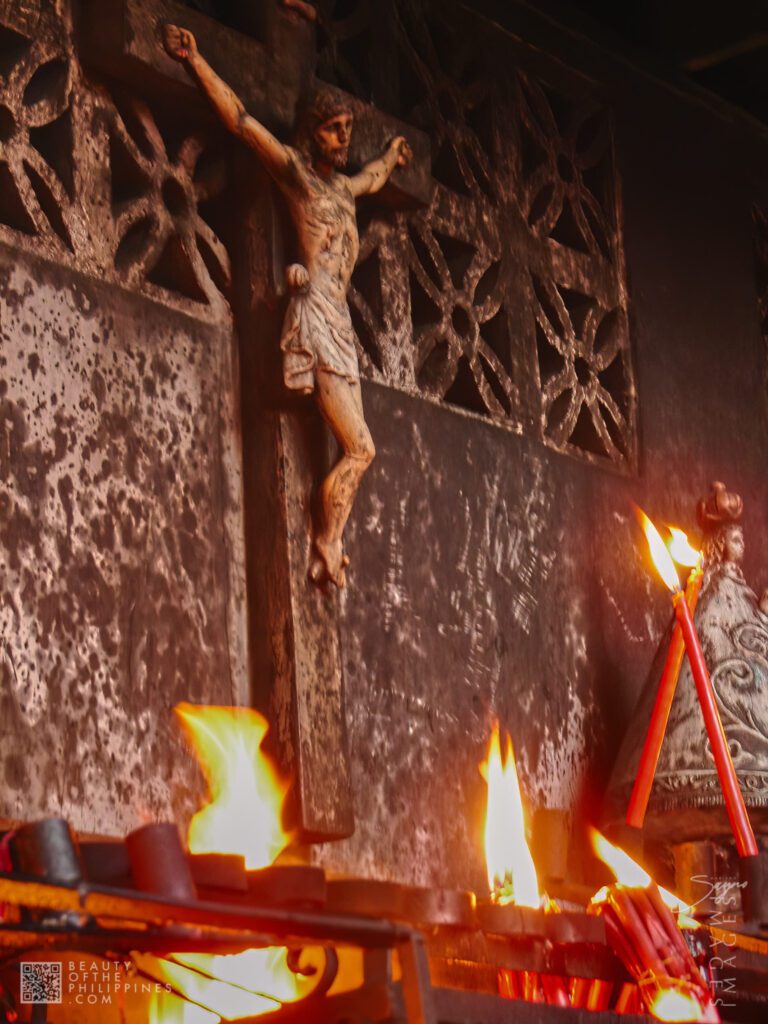
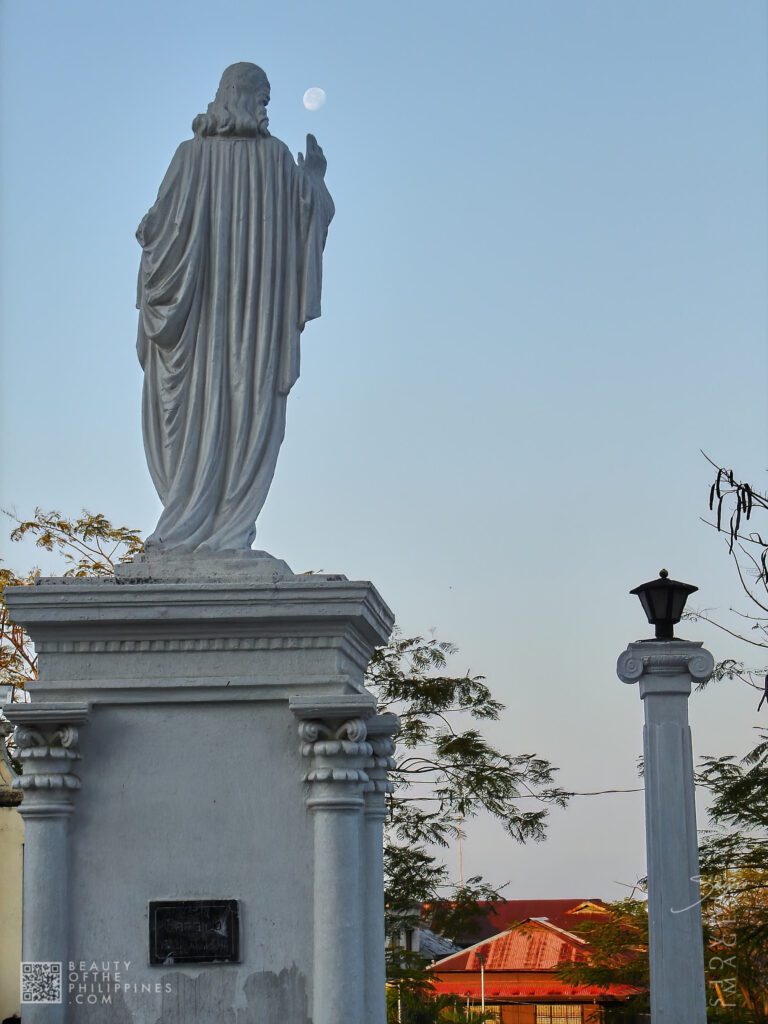
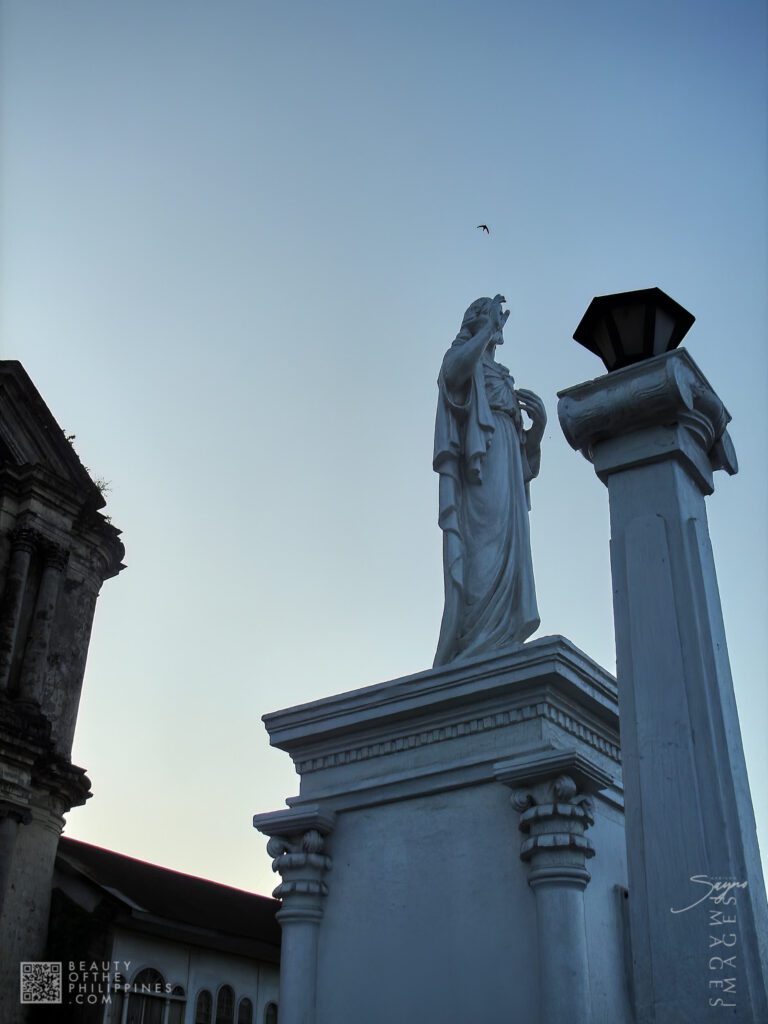
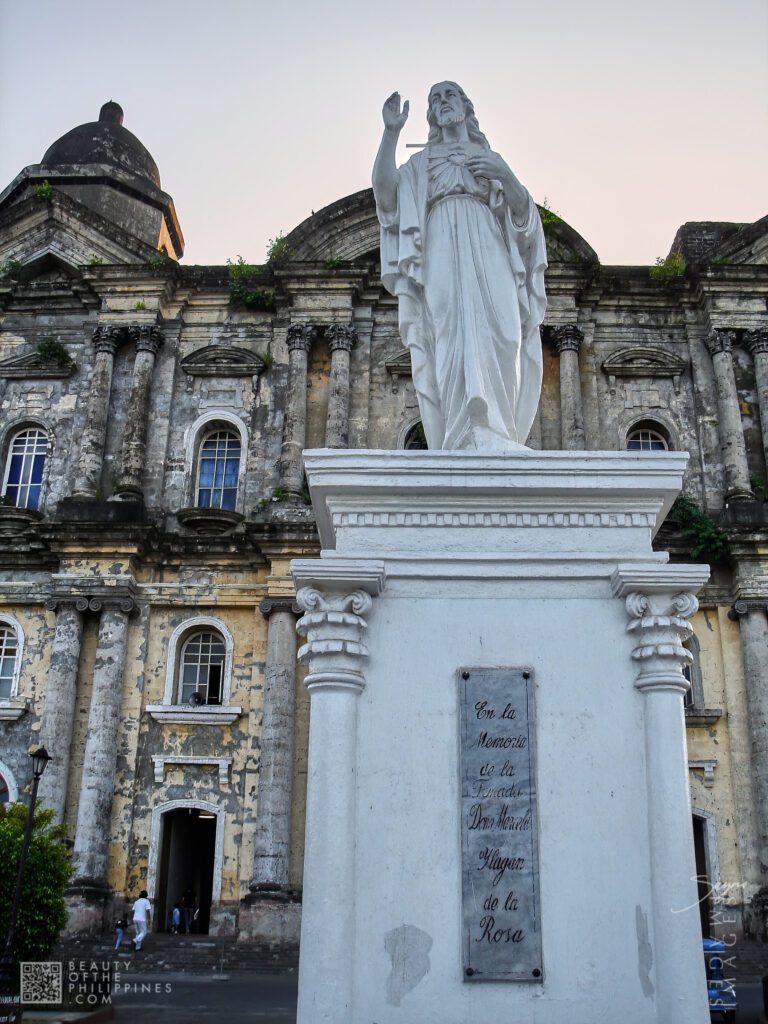
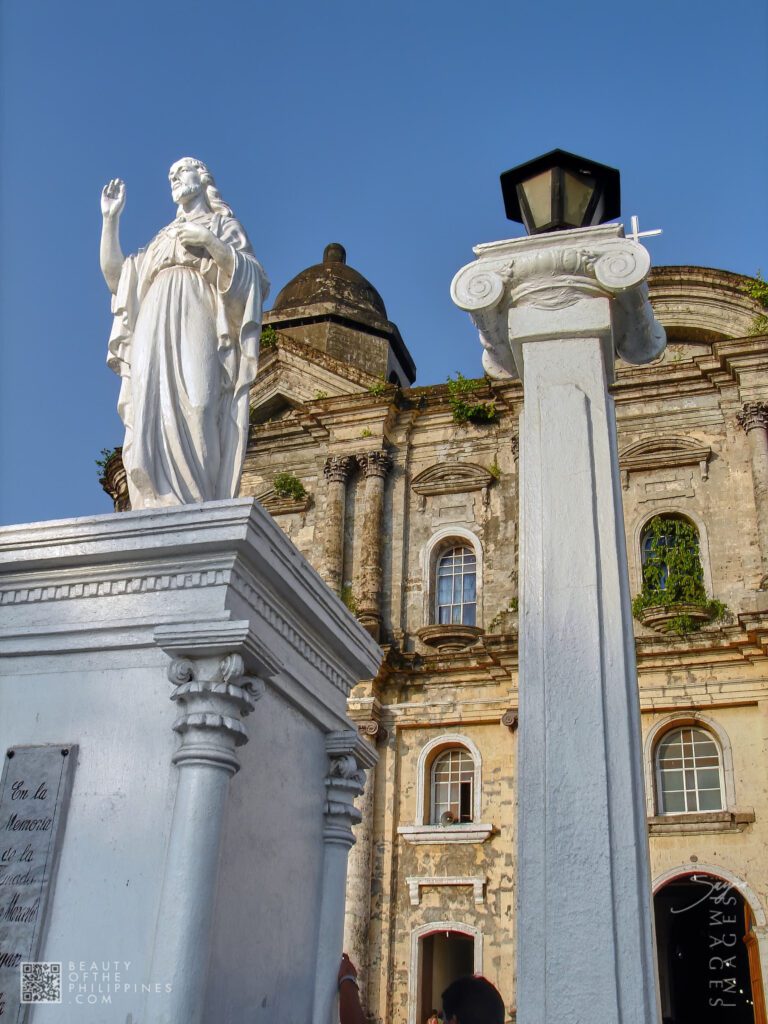
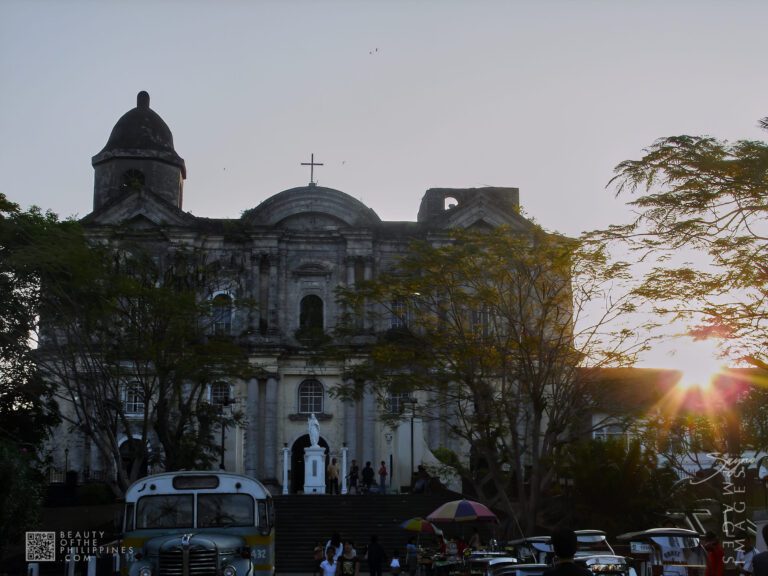
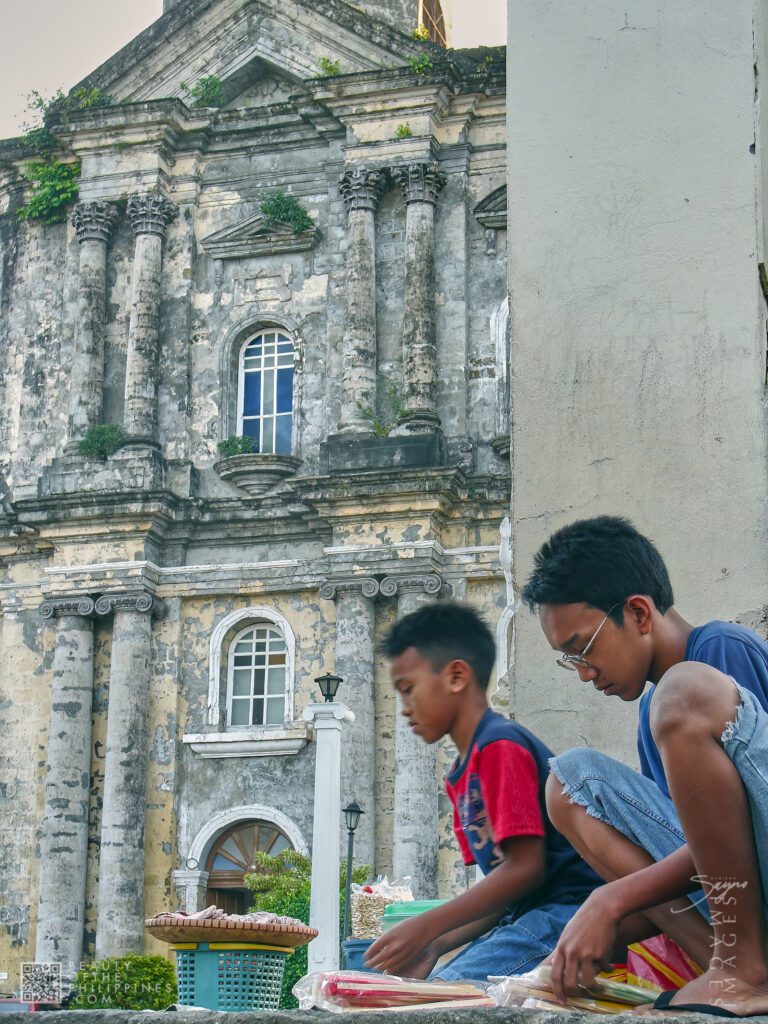
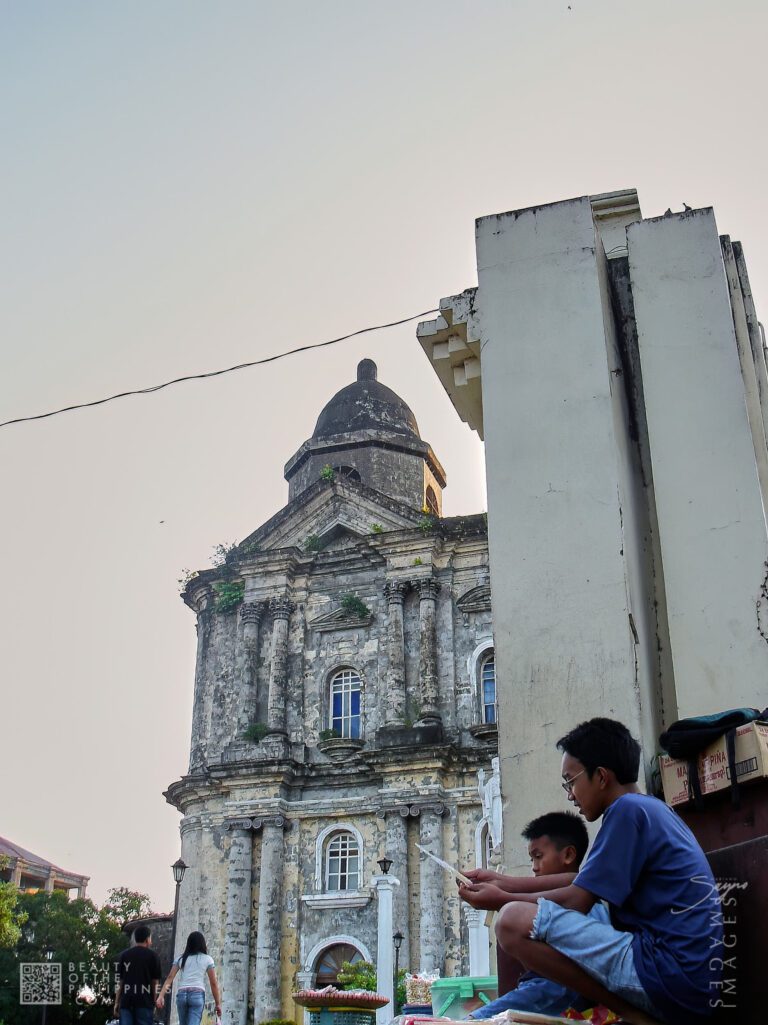
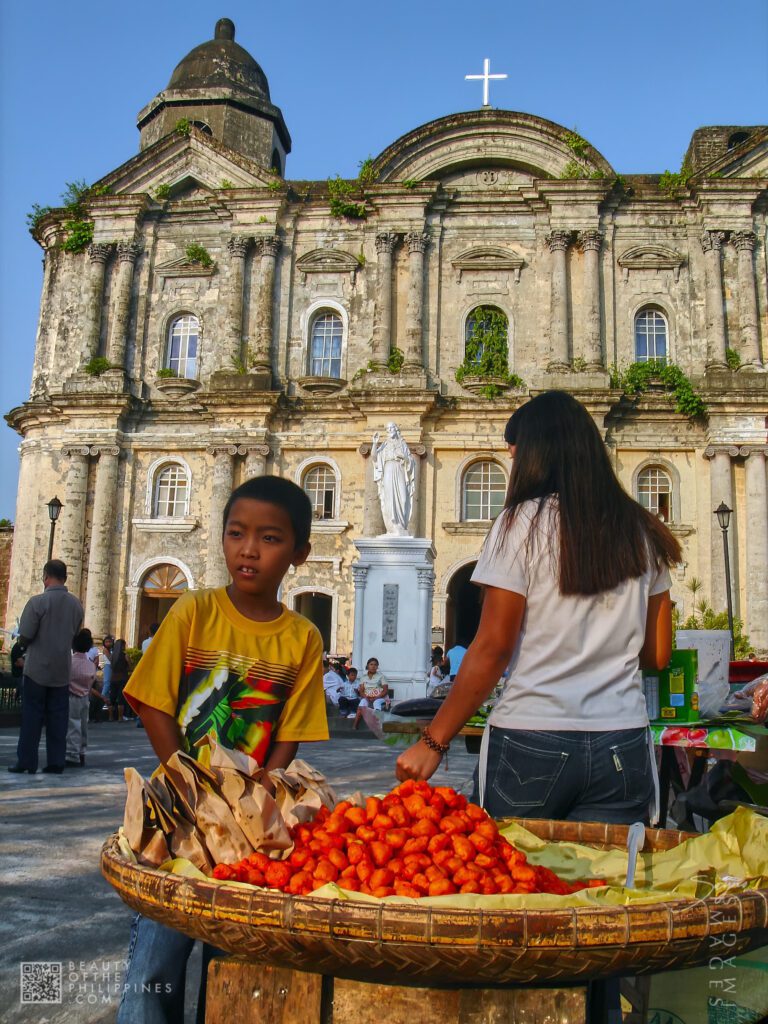
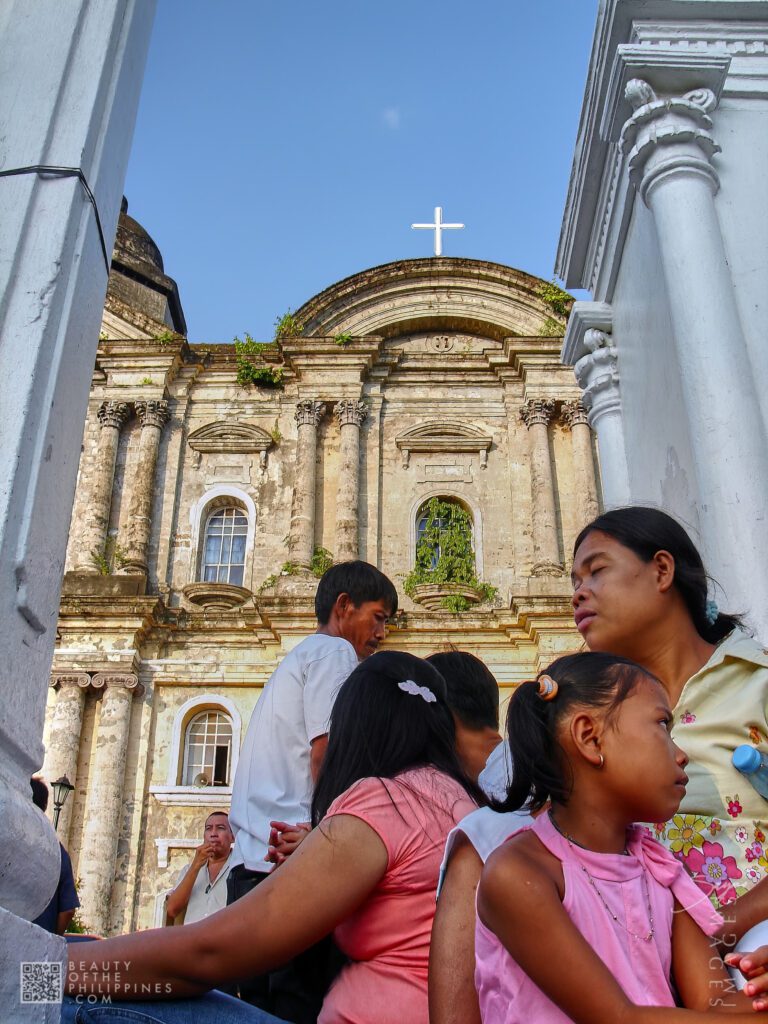
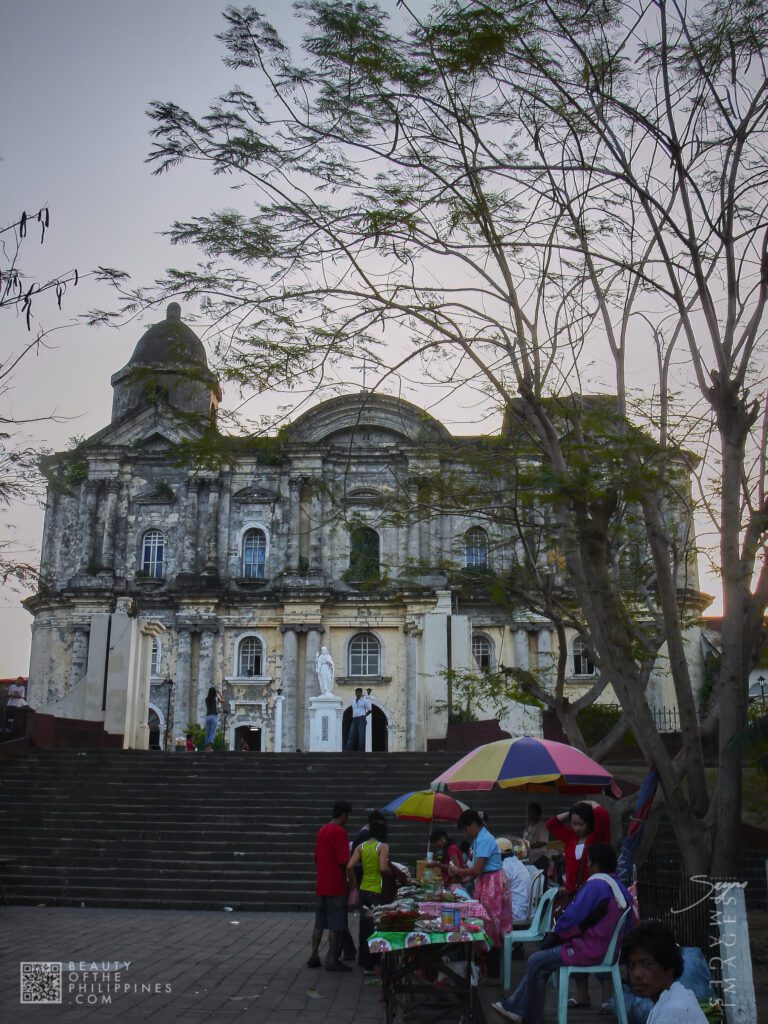
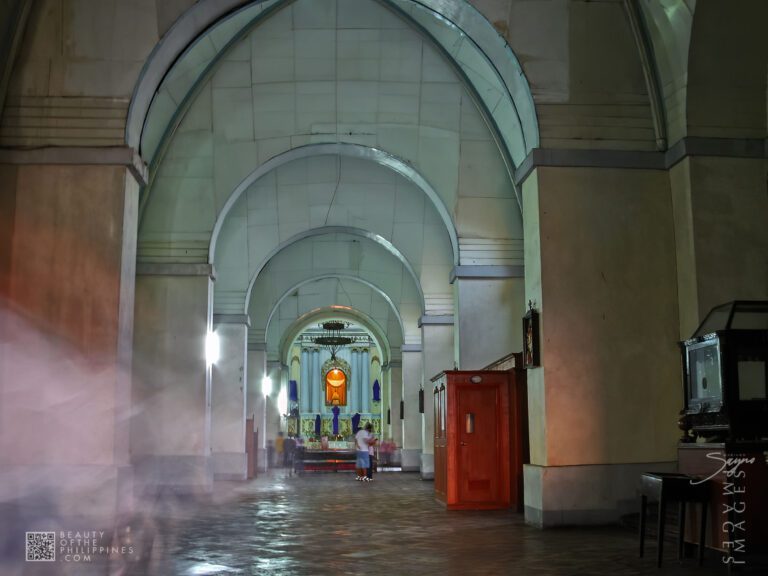
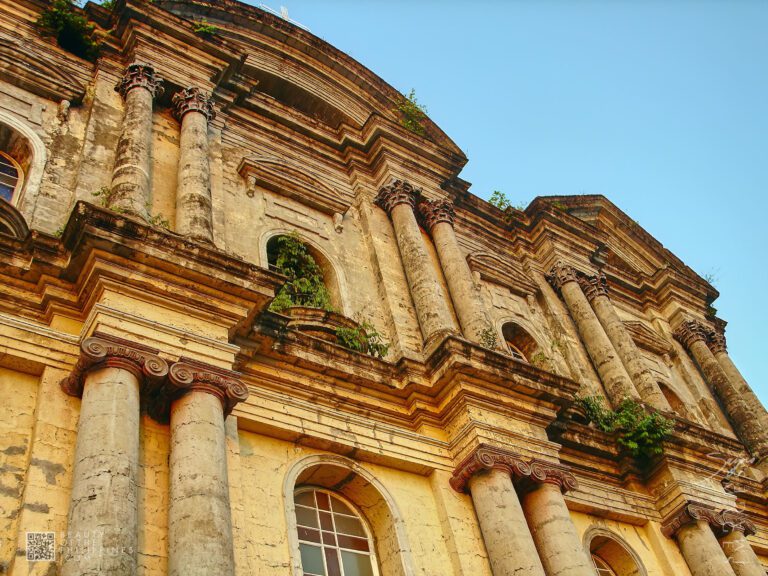
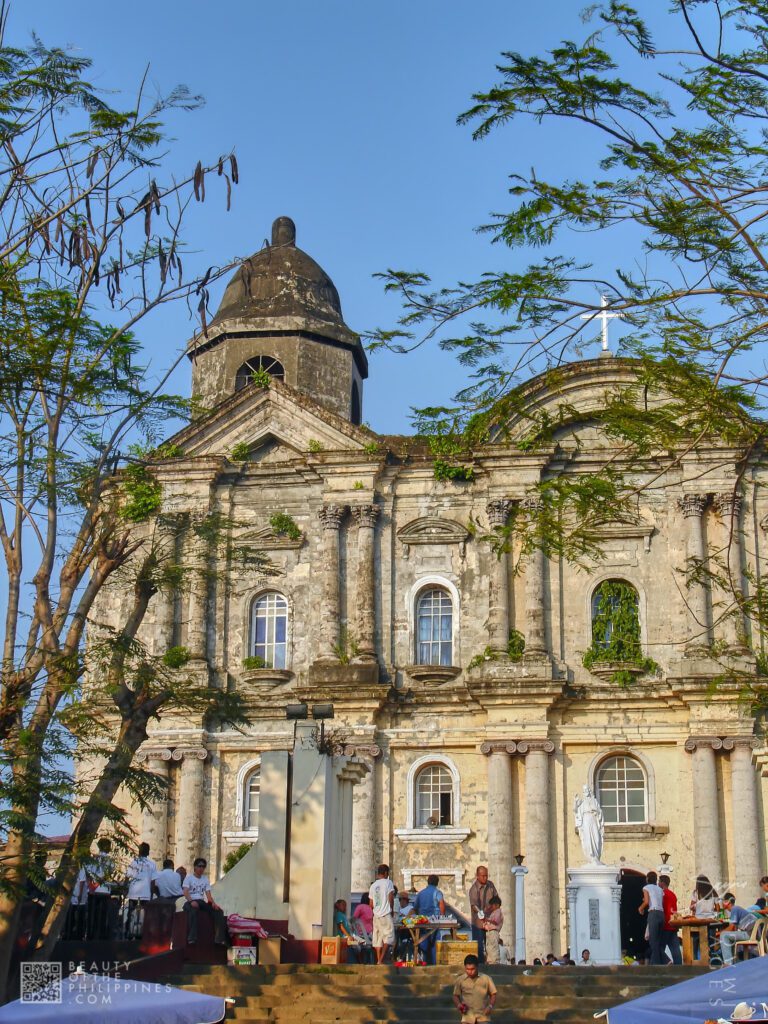
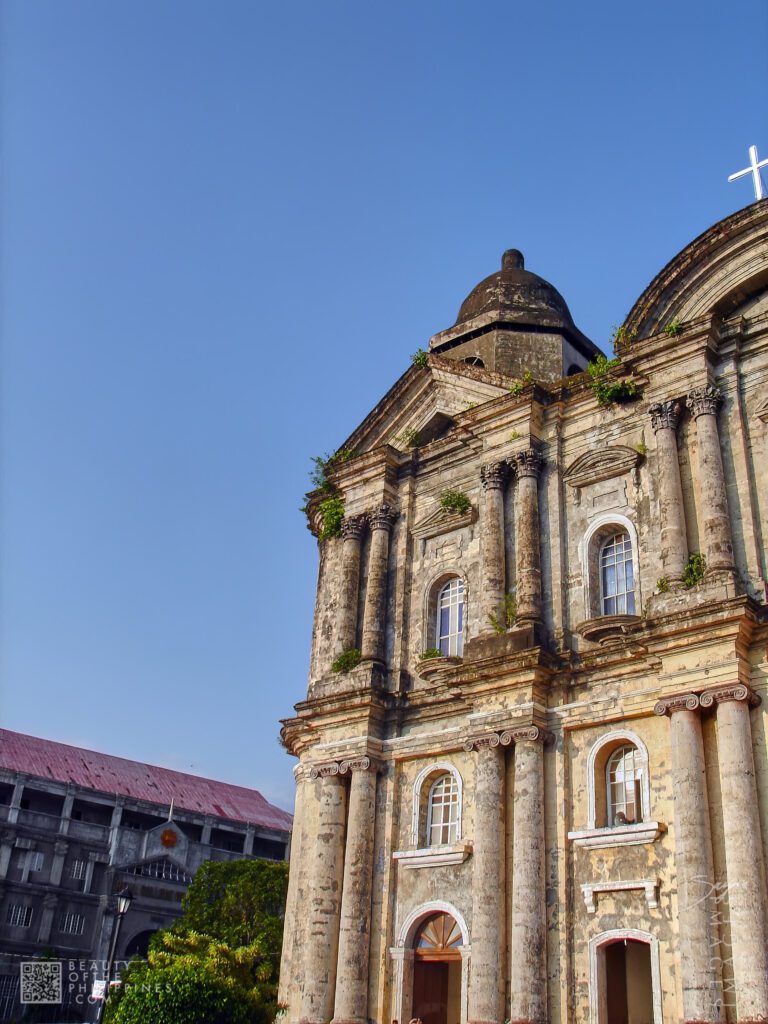
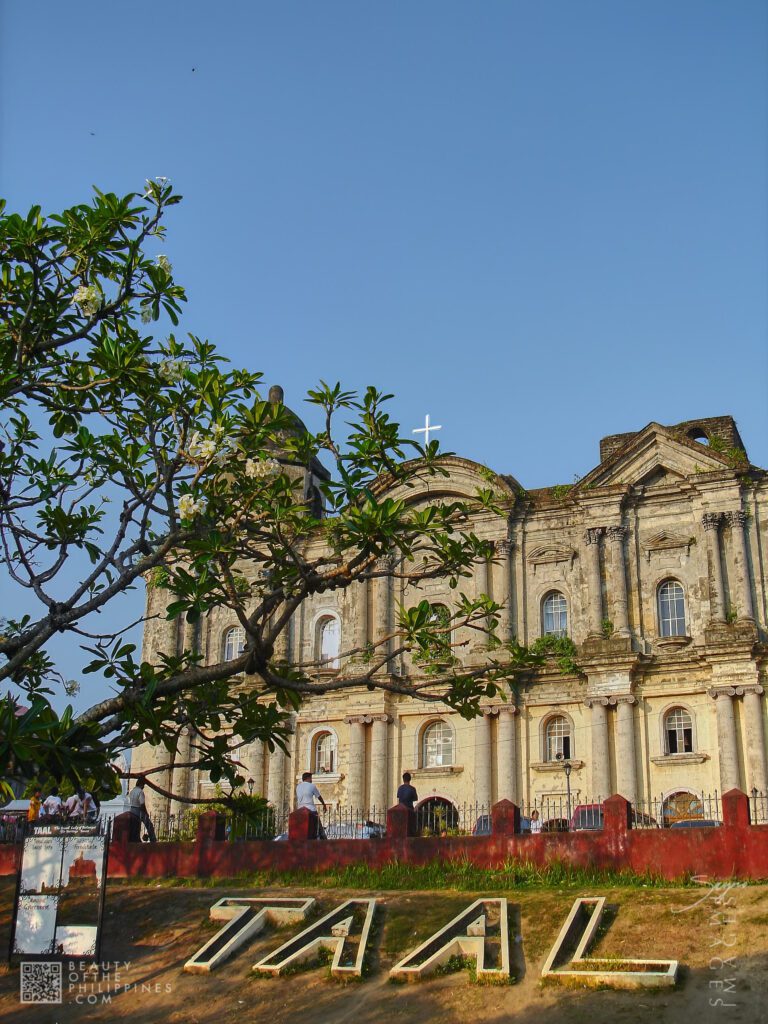
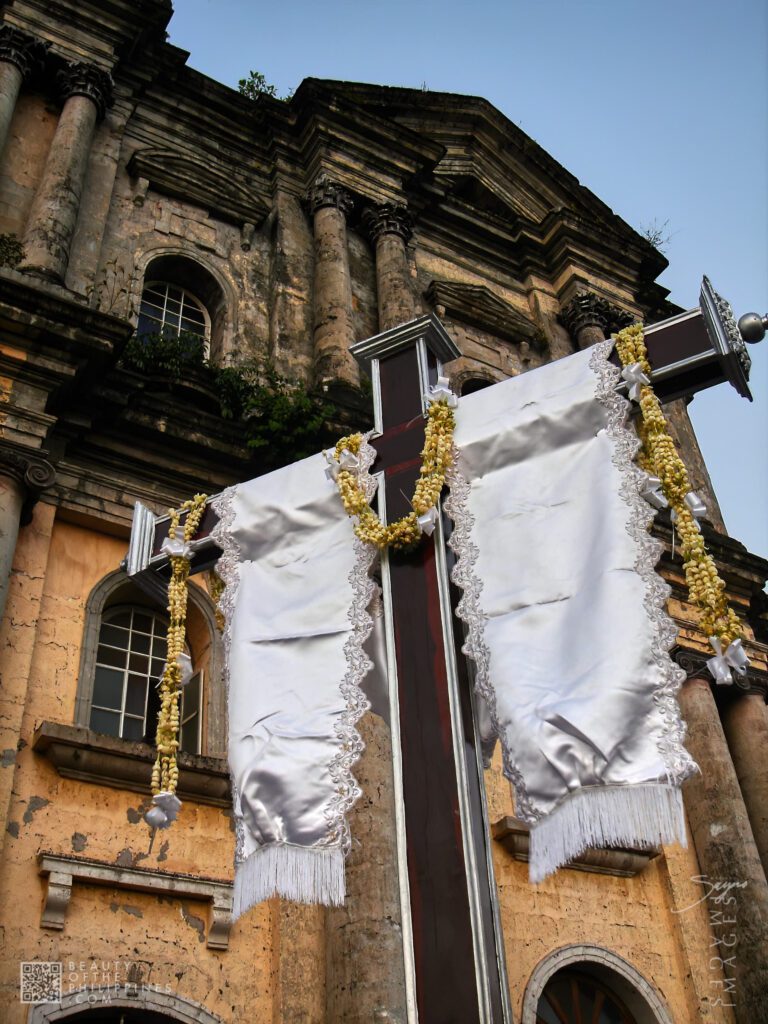
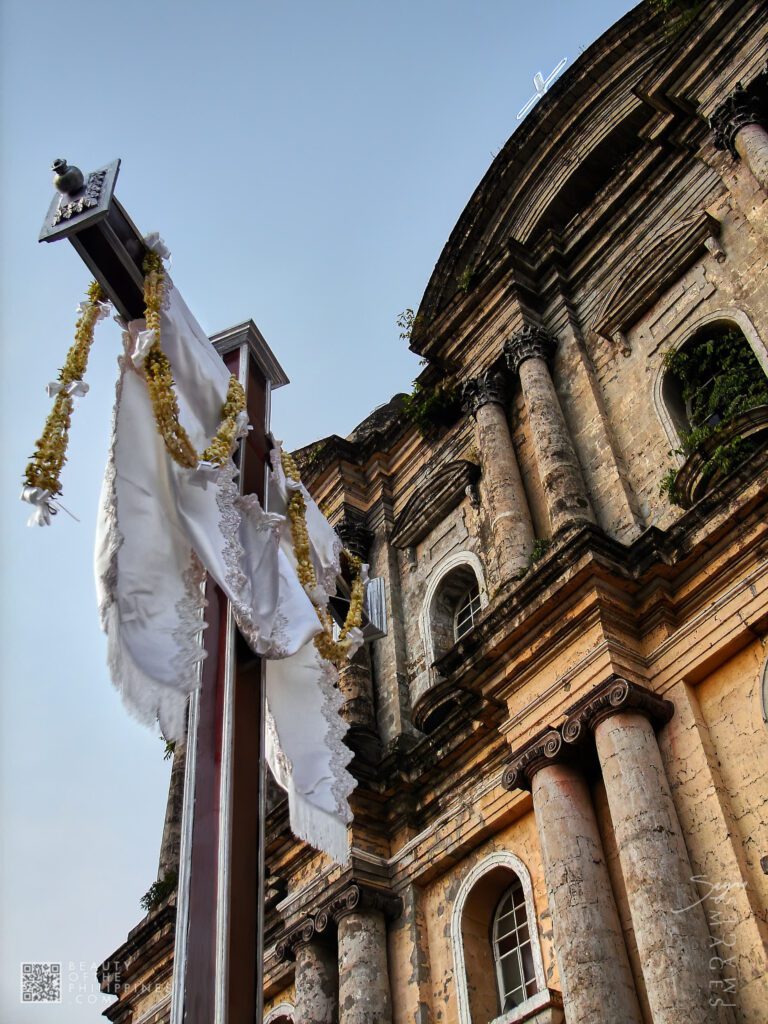
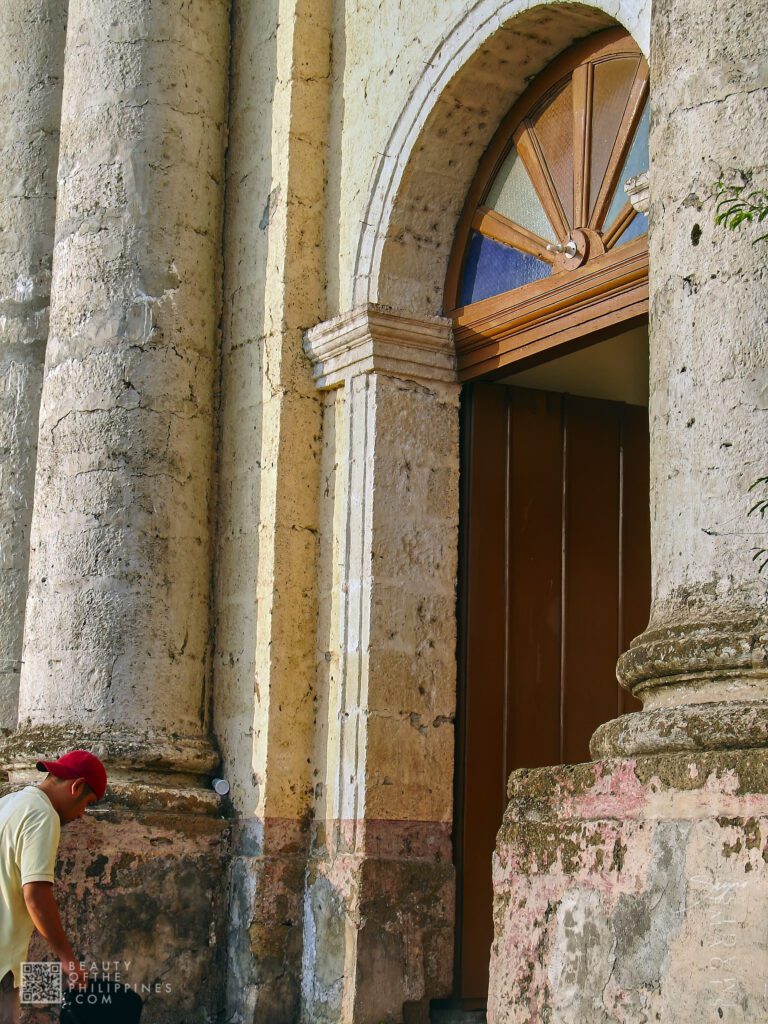
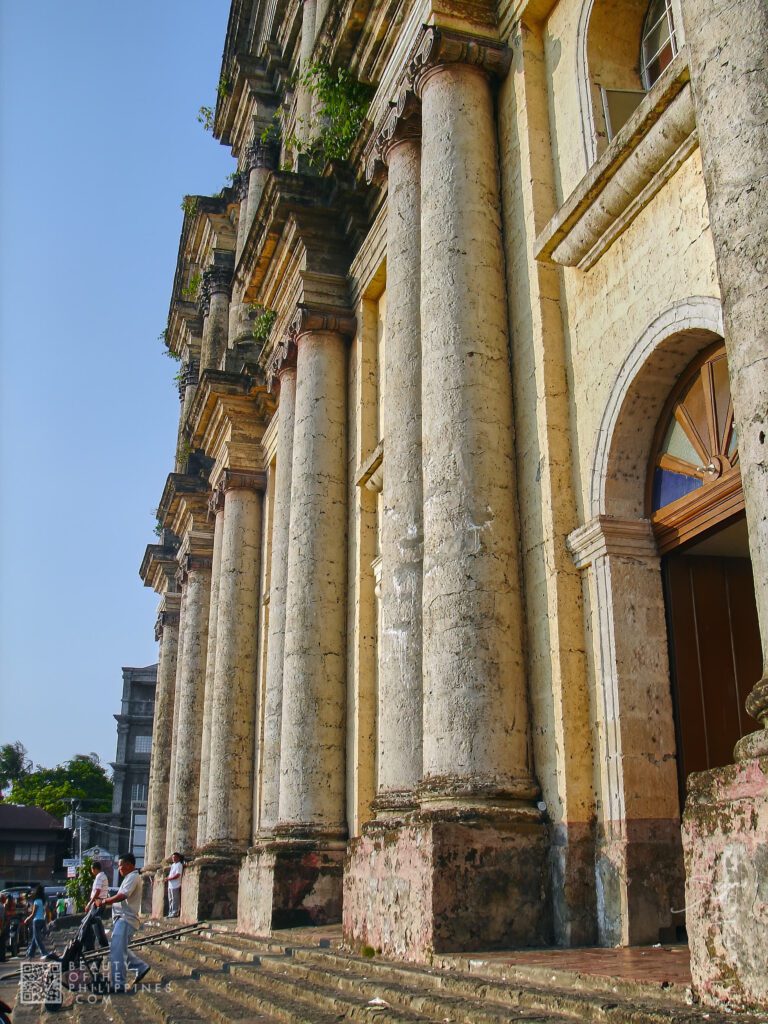
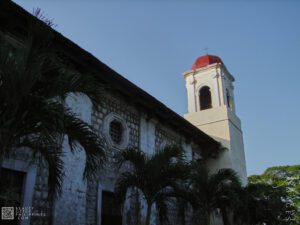
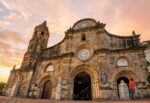
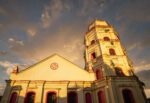
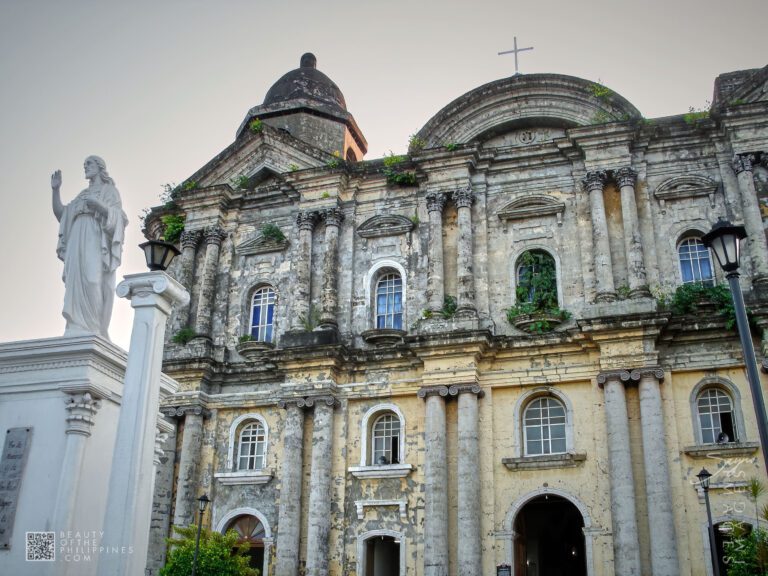
These photographs were taken in 2007, a year that now feels especially significant. Officially the Basilica of St. Martin of Tours, it holds the distinction of being the largest Catholic church in Asia. Even then, its scale was impossible to ignore—291 feet long and 157 feet wide, visible from afar, defining the town of Taal, Batangas. Built in honor of St. Martin of Tours, whose feast continues every November 11, the basilica already stood as a cornerstone of the community.
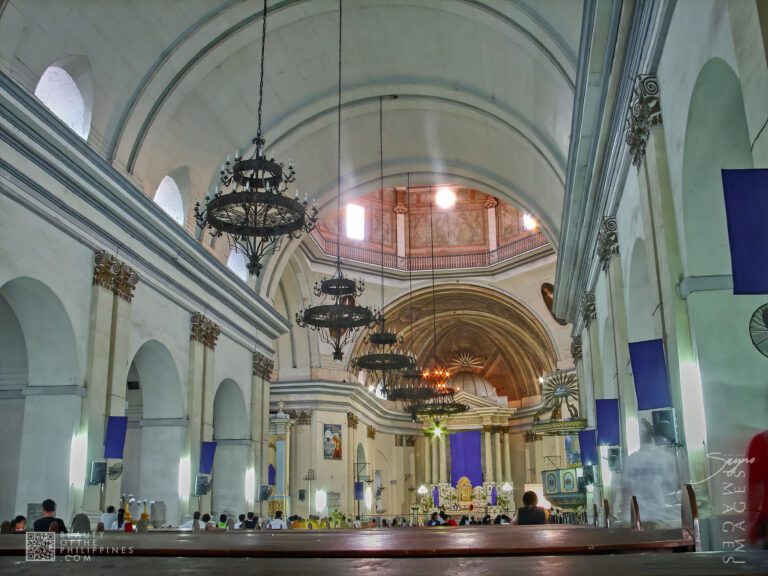
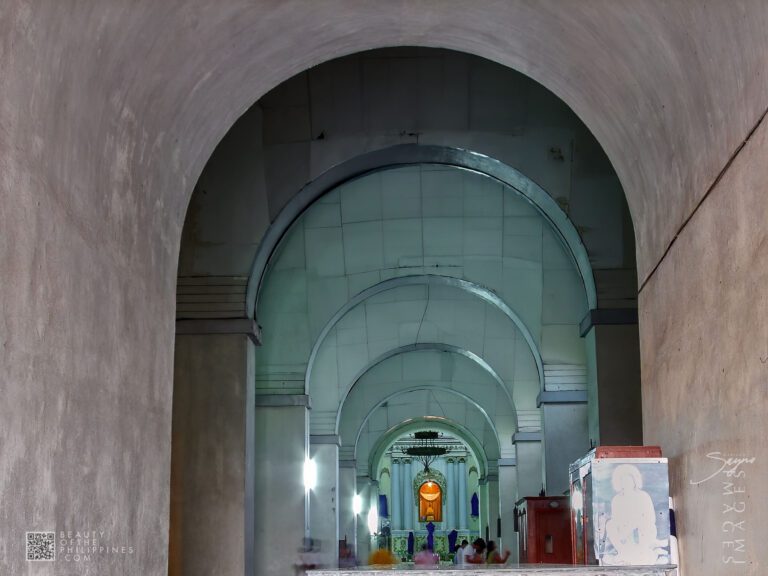
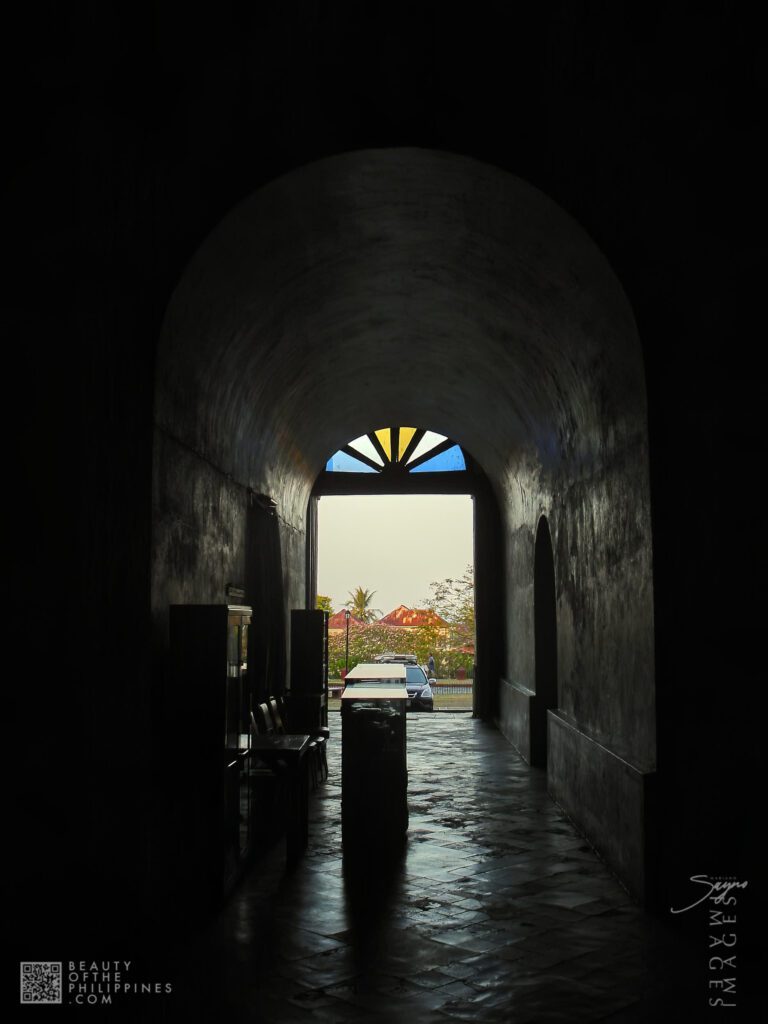
ABOVE: In Taal Basilica, the soft glow of candlelight illuminates silhouettes of people walking down the grand hallway, enhancing the church’s serene and timeless atmosphere.
The basilica carries centuries of layered history, a story that was very much present while capturing its presence in 2007. Three years after Taal’s founding near Taal Lake, Father Diego Espinar oversaw construction of the first church. Rebuilt in 1642 with sturdier materials, it was destroyed by Taal Volcano’s eruption in 1754, forcing most residents to relocate. Remains of that original church were still visible in San Nicolas, Batangas, by the time of this visit.
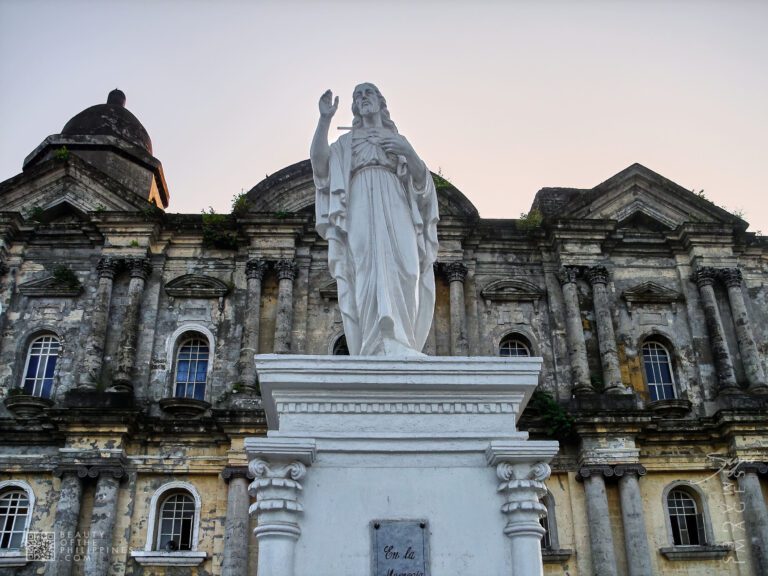
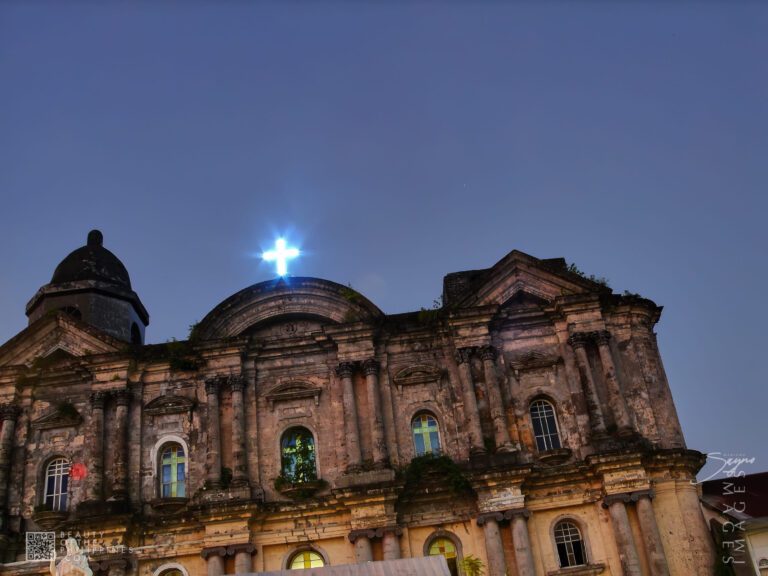
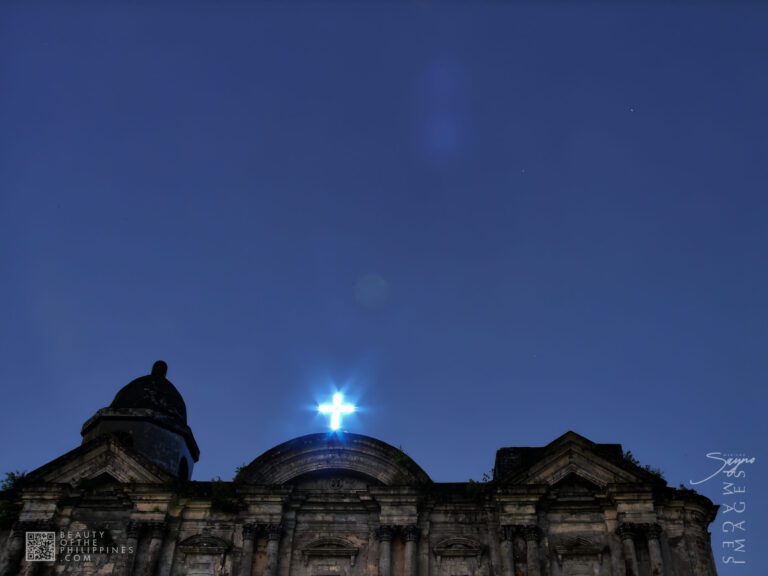
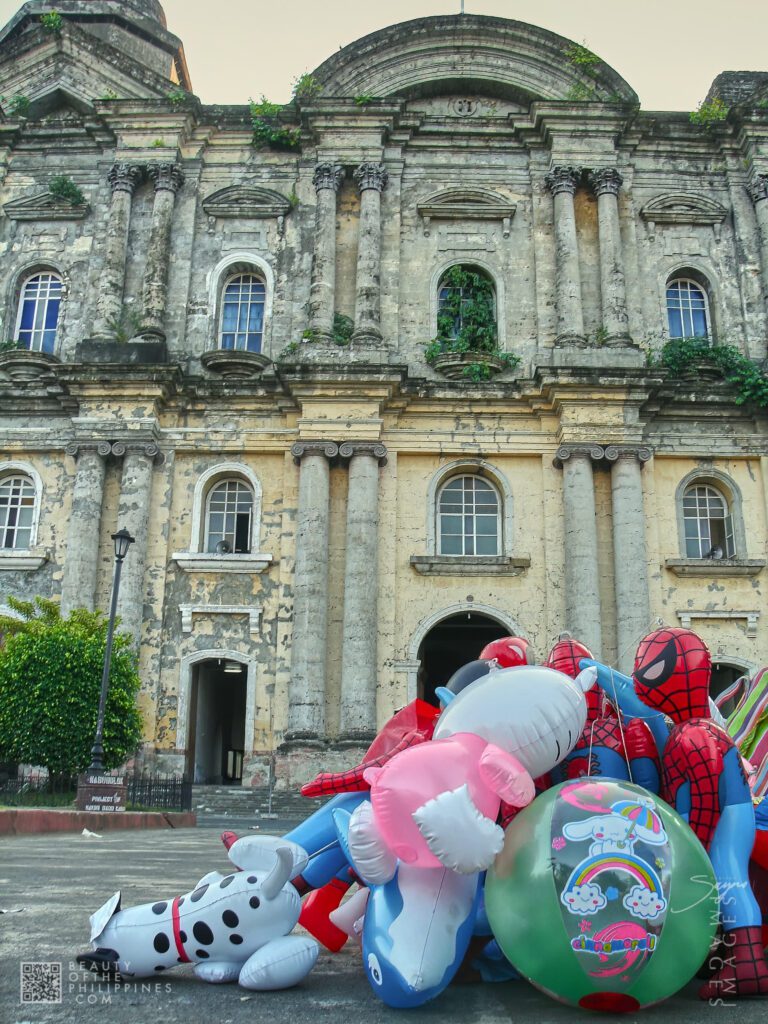
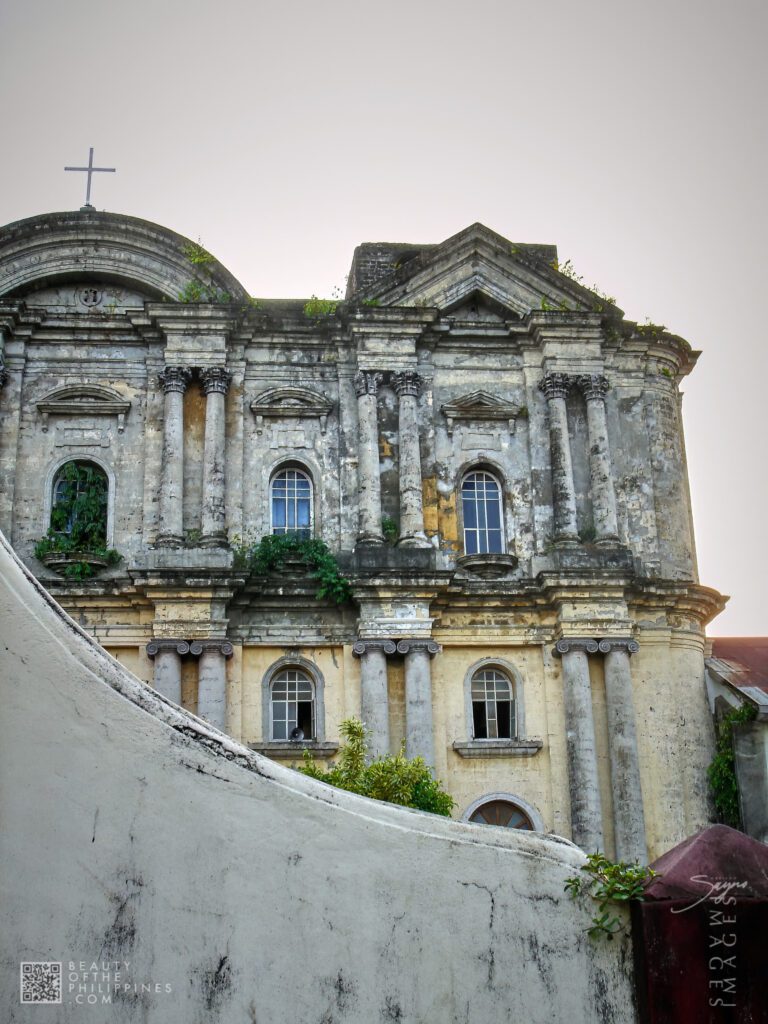
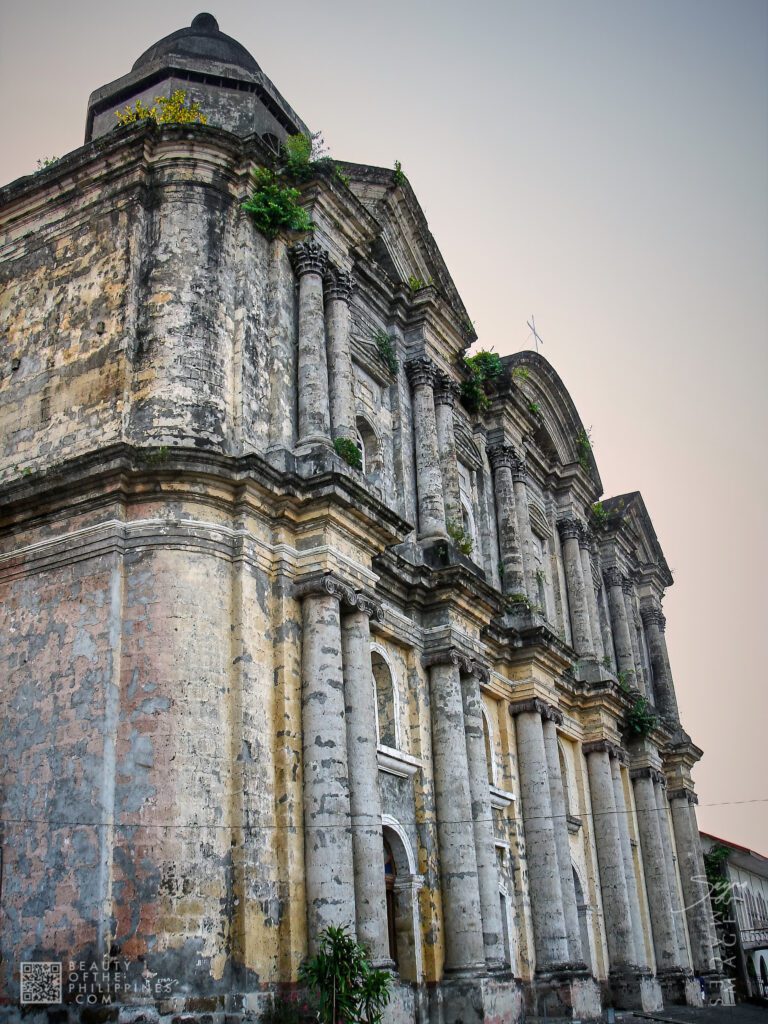
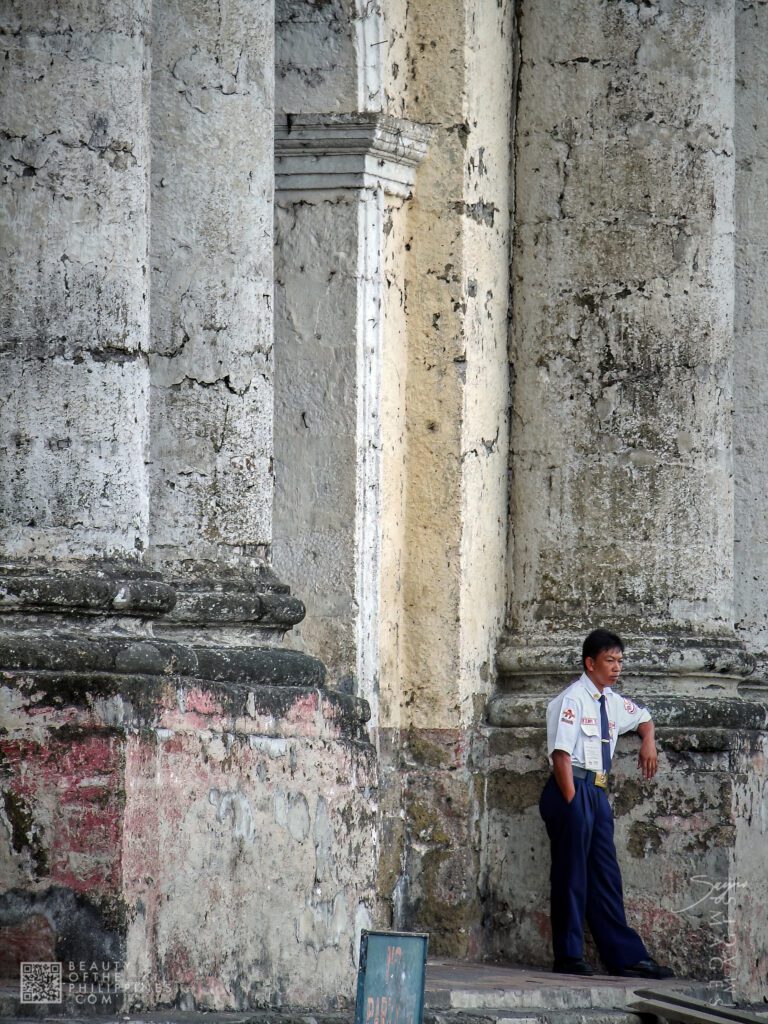
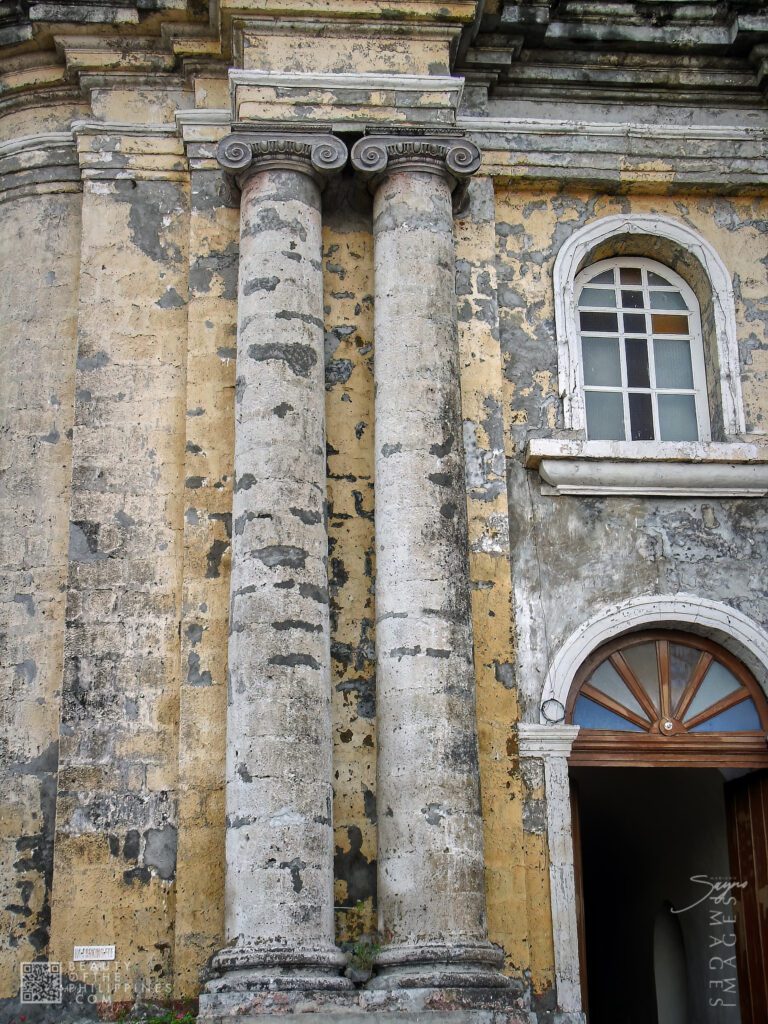
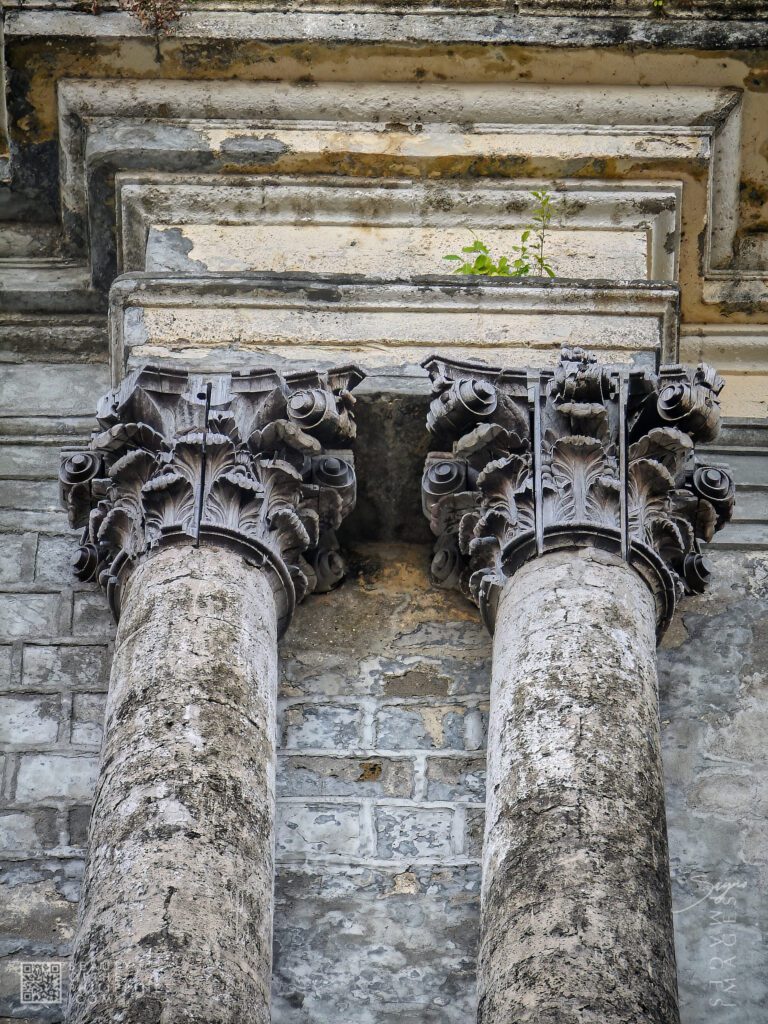
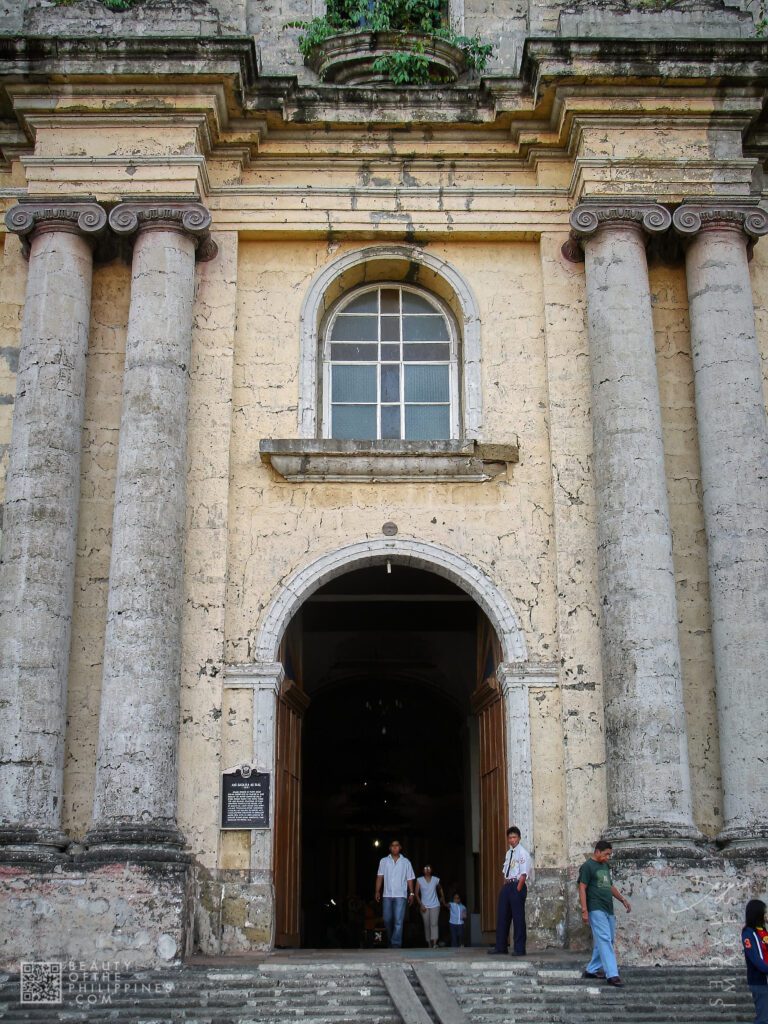
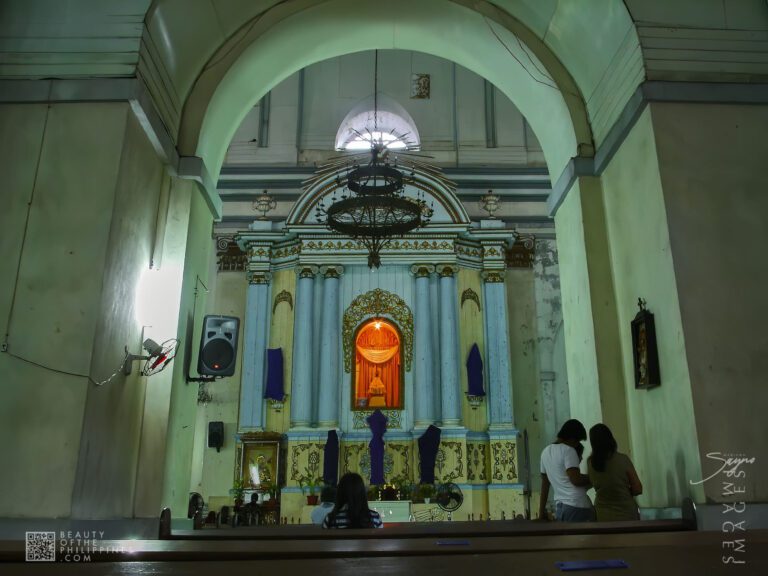
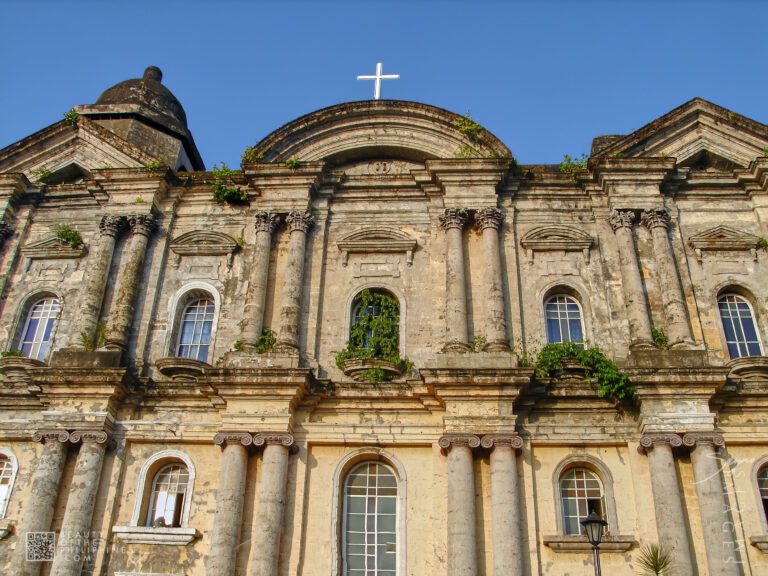
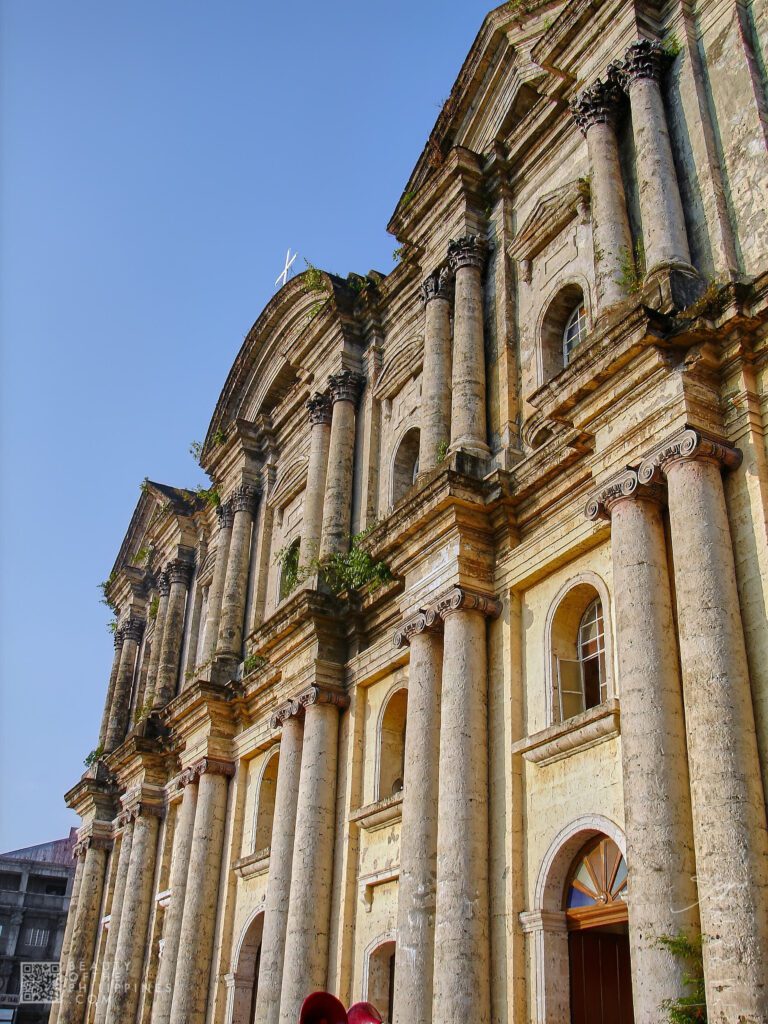
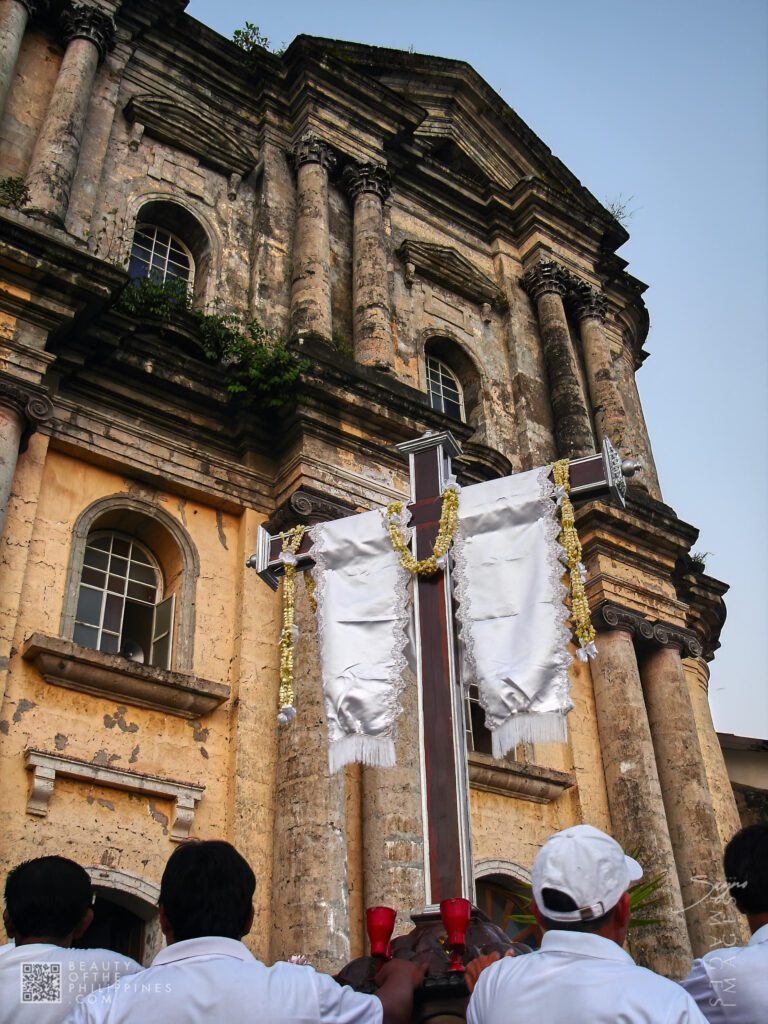
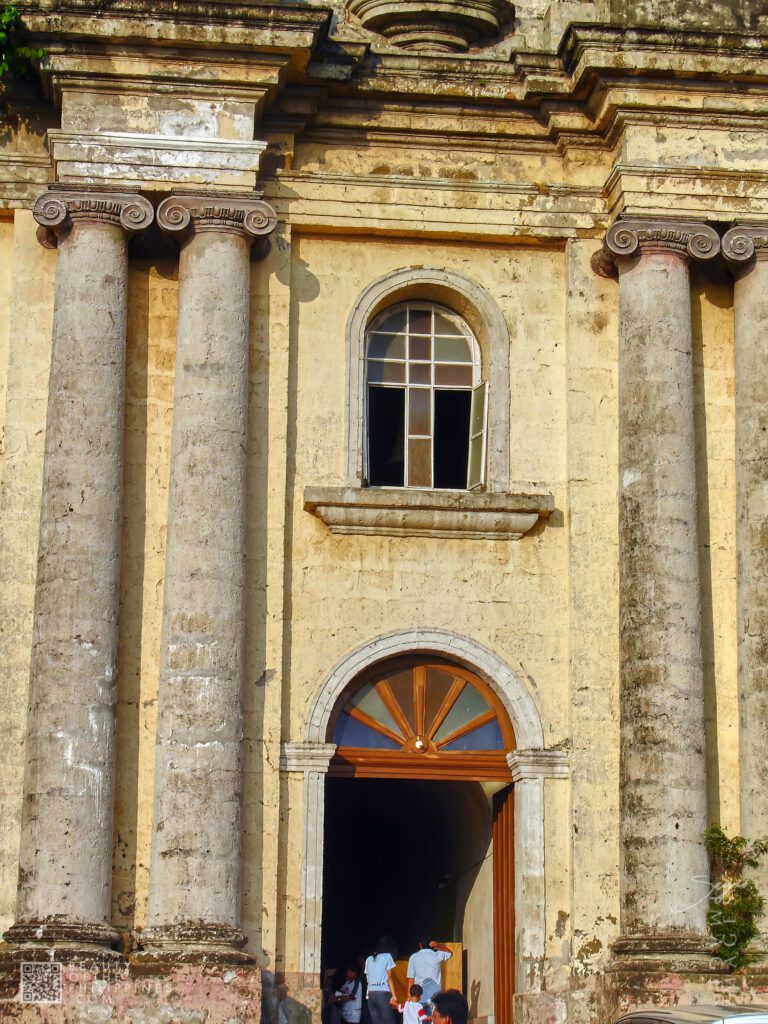
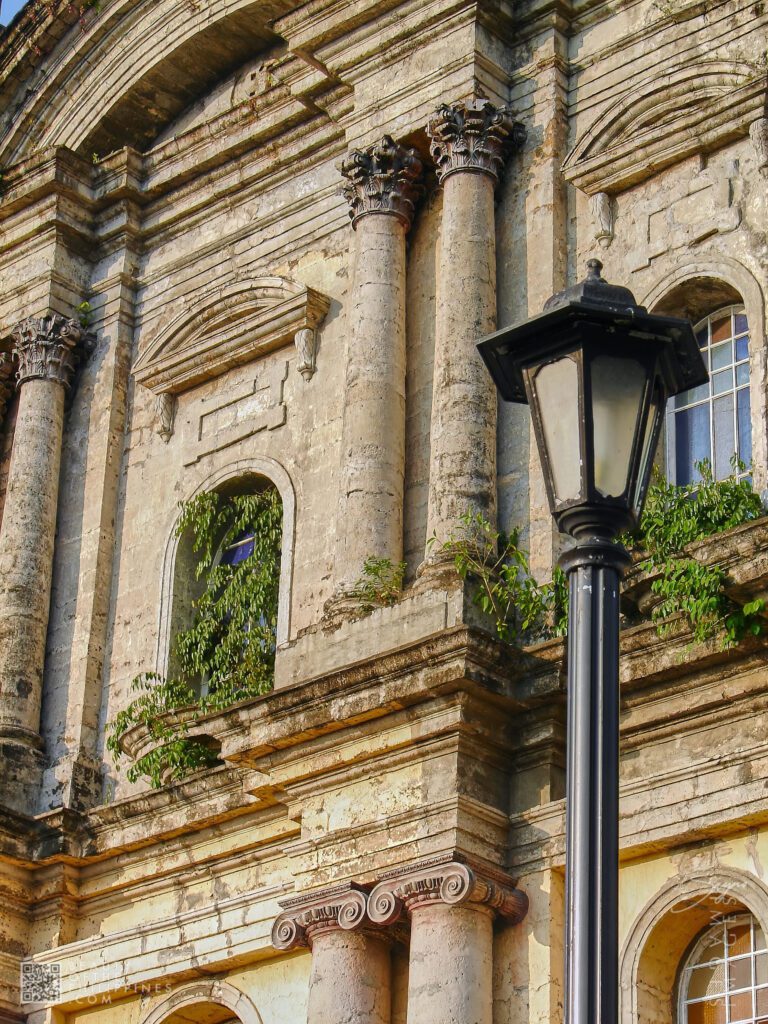
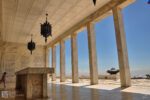
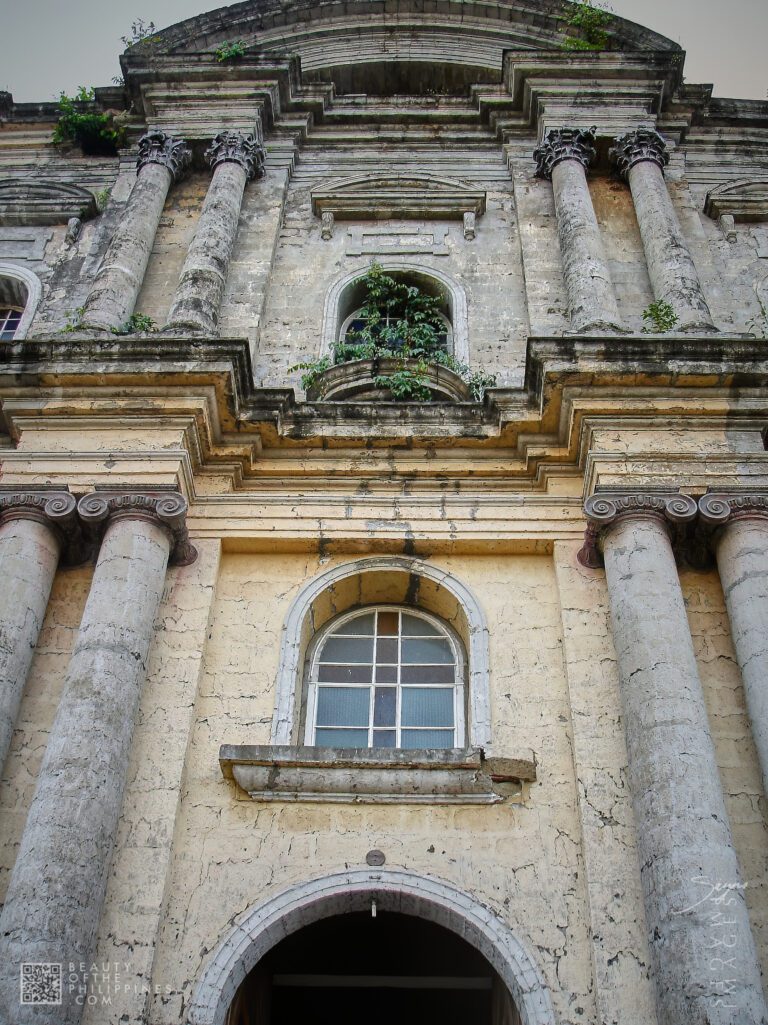
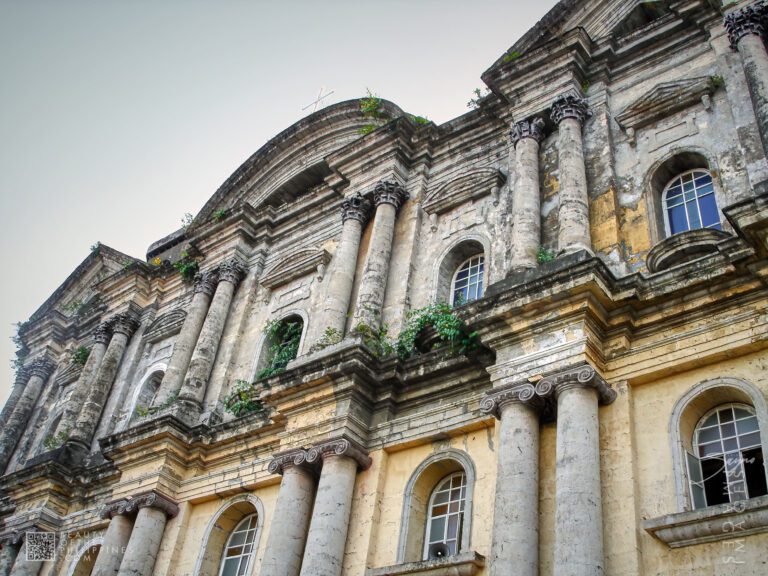
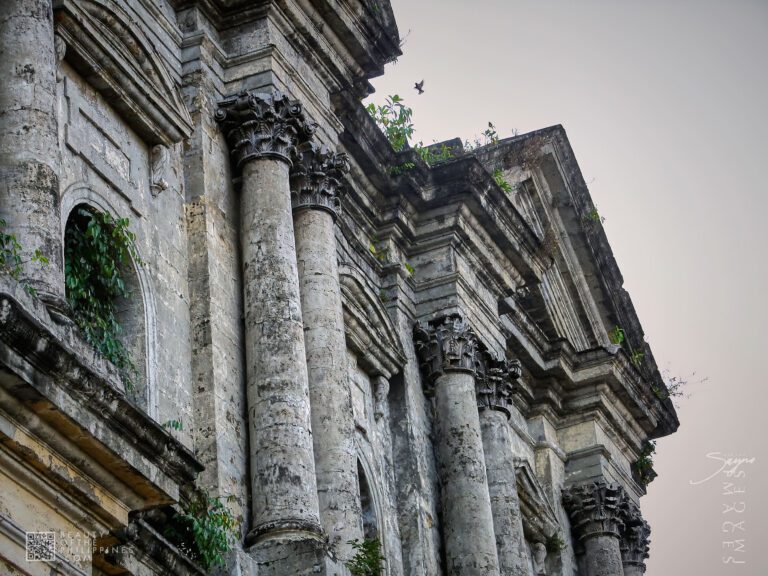
ABOVE: Taal Basilica, the grand Basilica of St. Martin de Tours in Batangas, is renowned for its impressive Baroque architecture, featuring uniquely huge pillars that support its magnificent structure, making it the largest church in the Philippines
Construction of the current basilica began in 1755 under Father Martin Aguirre, who devoted twenty-two years before passing it to Father Gabriel Rodriguez, continuing until 1782. Father Joseph Victoria later assumed responsibility, and Father Ramon del Marco focused on embellishing the completed sections and paving nearby streets with bricks. An earthquake in 1852 caused further damage, reshaping the church yet again.
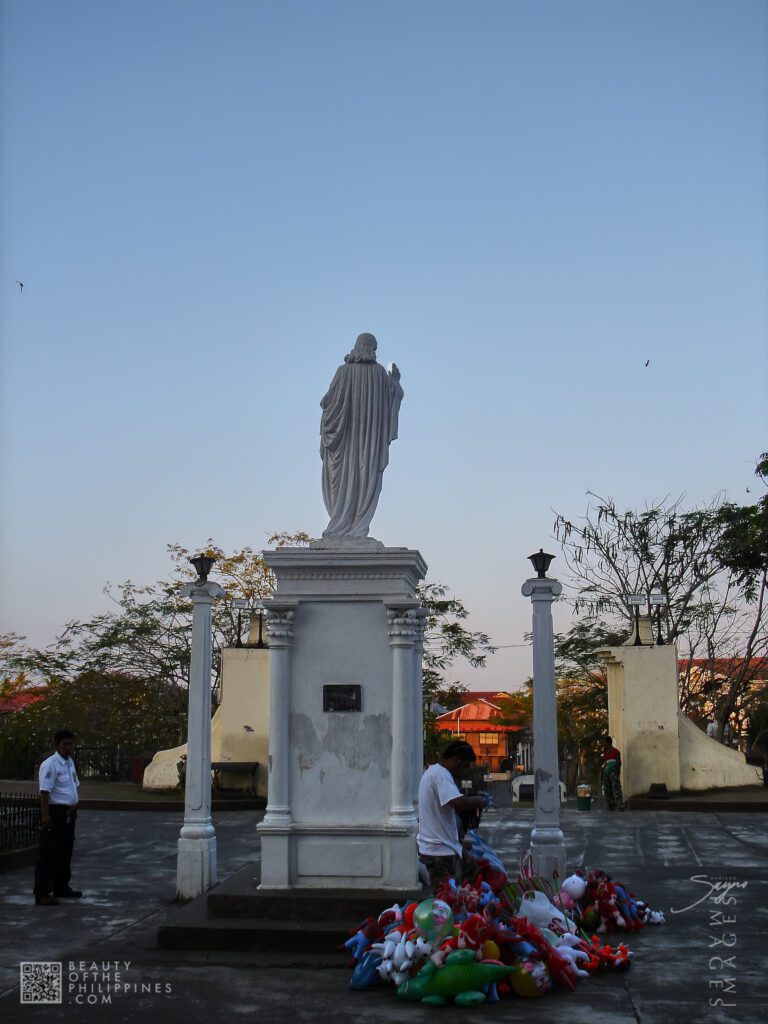
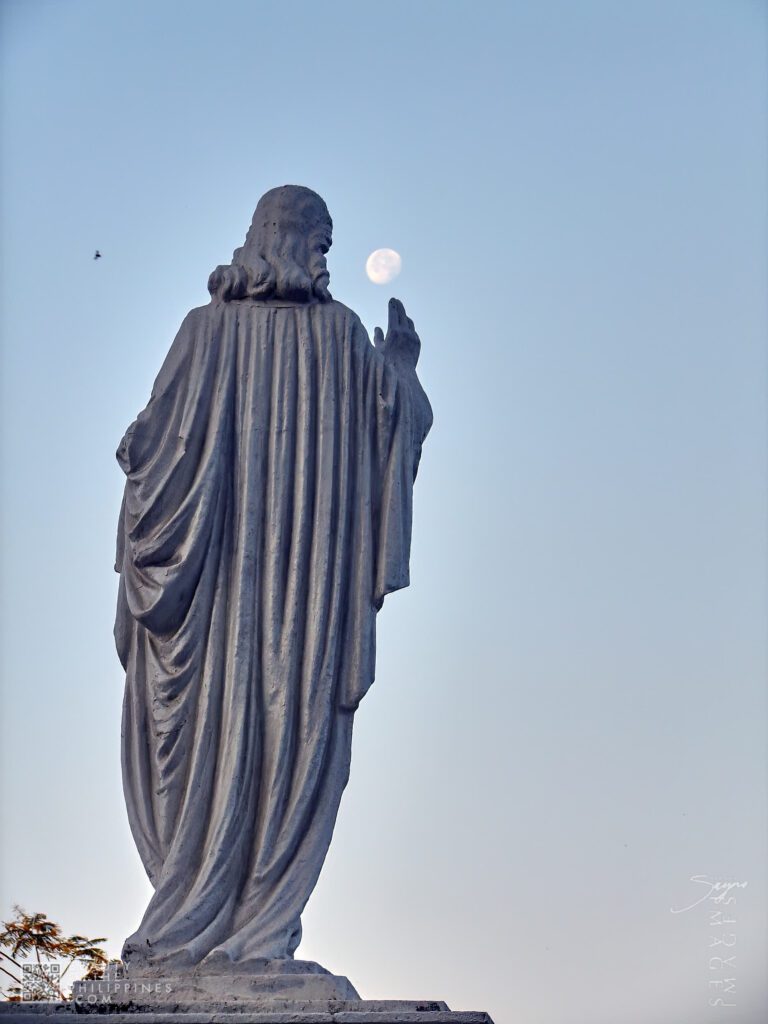
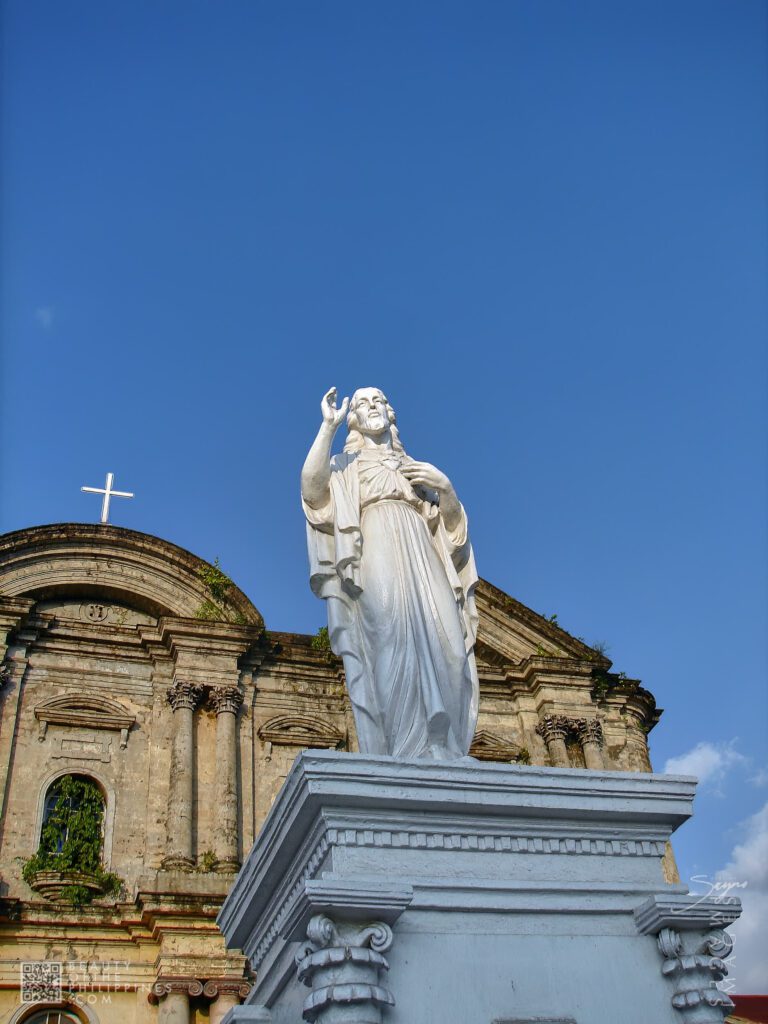
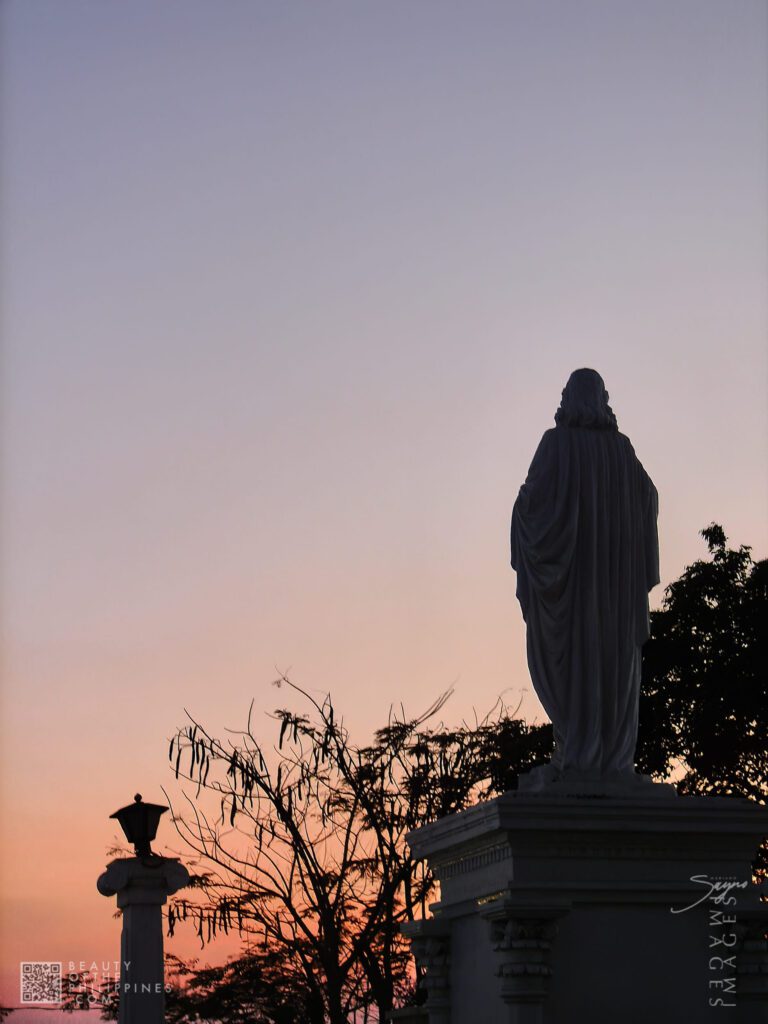
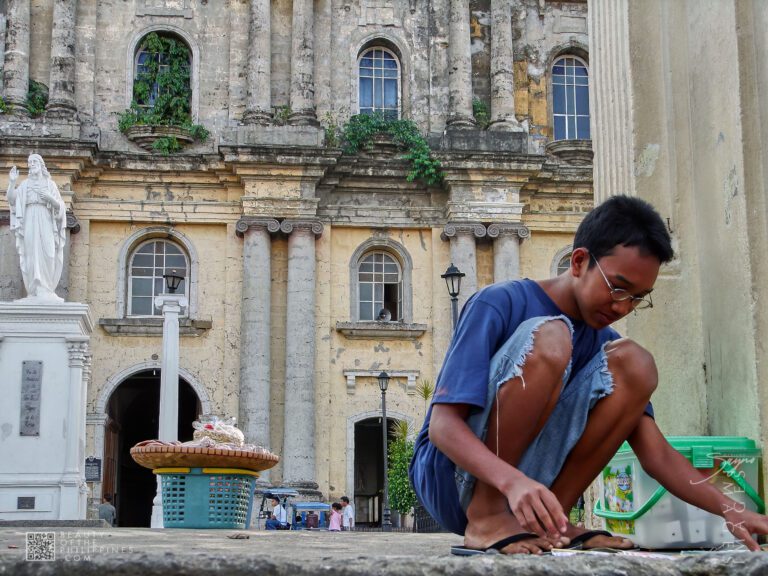
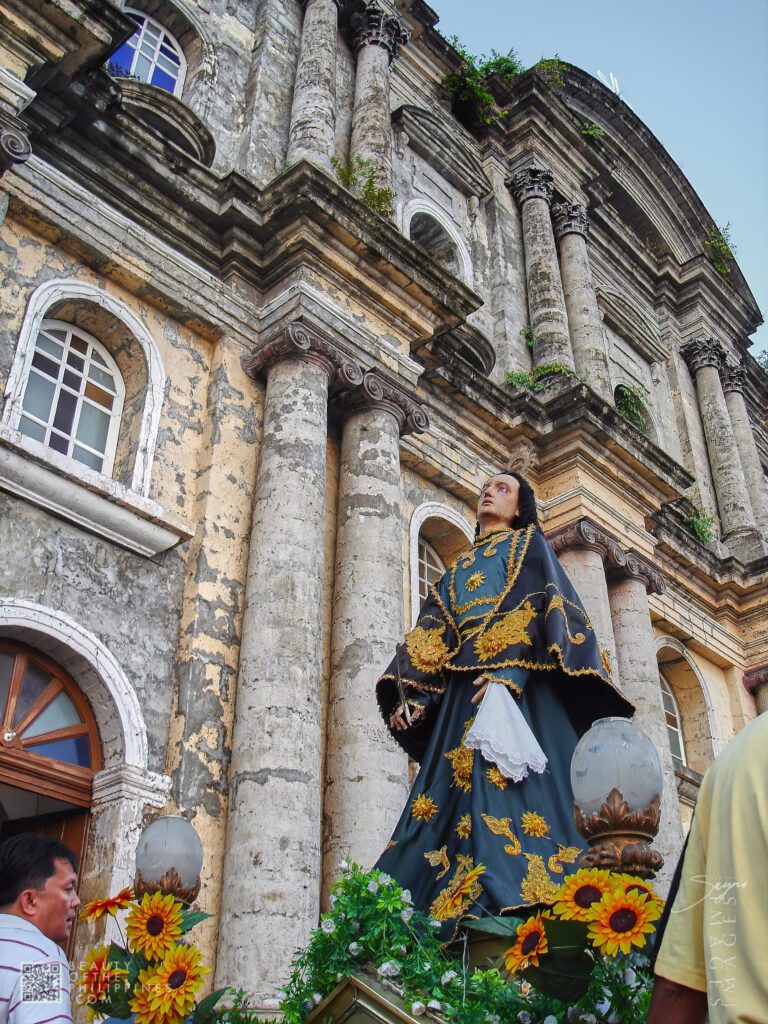
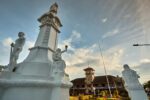
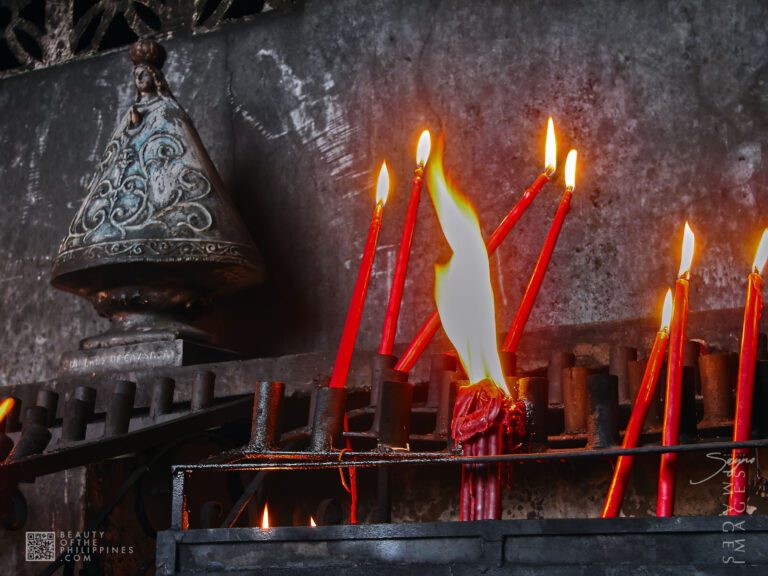
ABOVE: As the patron saint of the basilica, St. Martin is depicted wearing a traditional bishop’s attire, complete with a mitre and staff, symbolizing his role as a leader in the Christian faith. The statue not only enhances the beauty of the basilica’s exterior but also invites visitors to reflect on the rich religious heritage and devotion
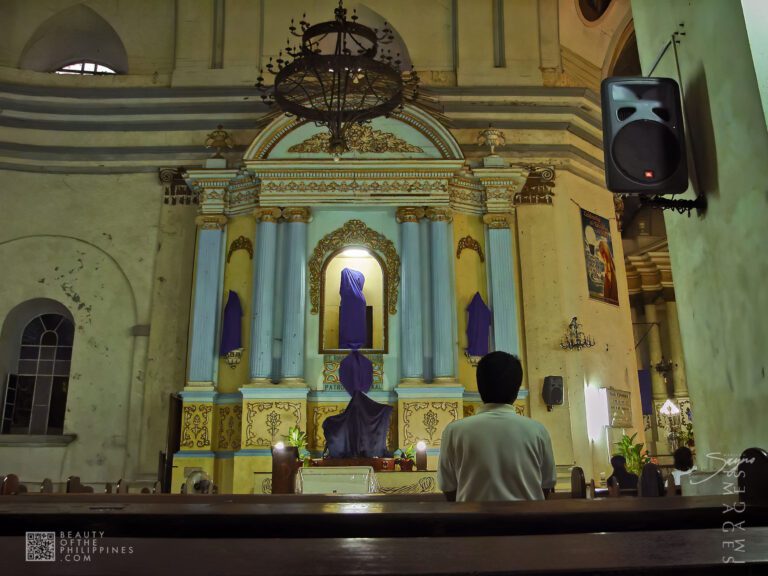
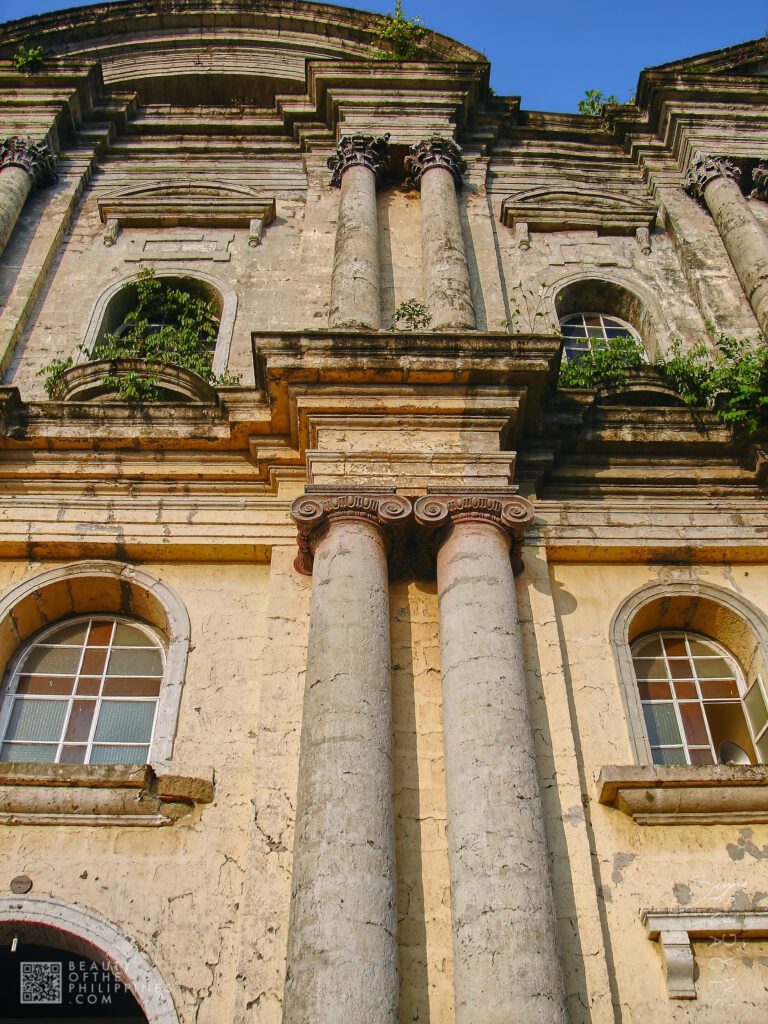
In 1856, Father Marcos Antonio, assisted by Spanish architect Luciano Oliver, began work on the structure that stood before me in 2007. Though inaugurated in 1865, the church was still incomplete. Father Agapito Aparicio spent the next thirteen years finishing it, including the Doric-style altar and baptistery—features clearly visible in this 2007 series.
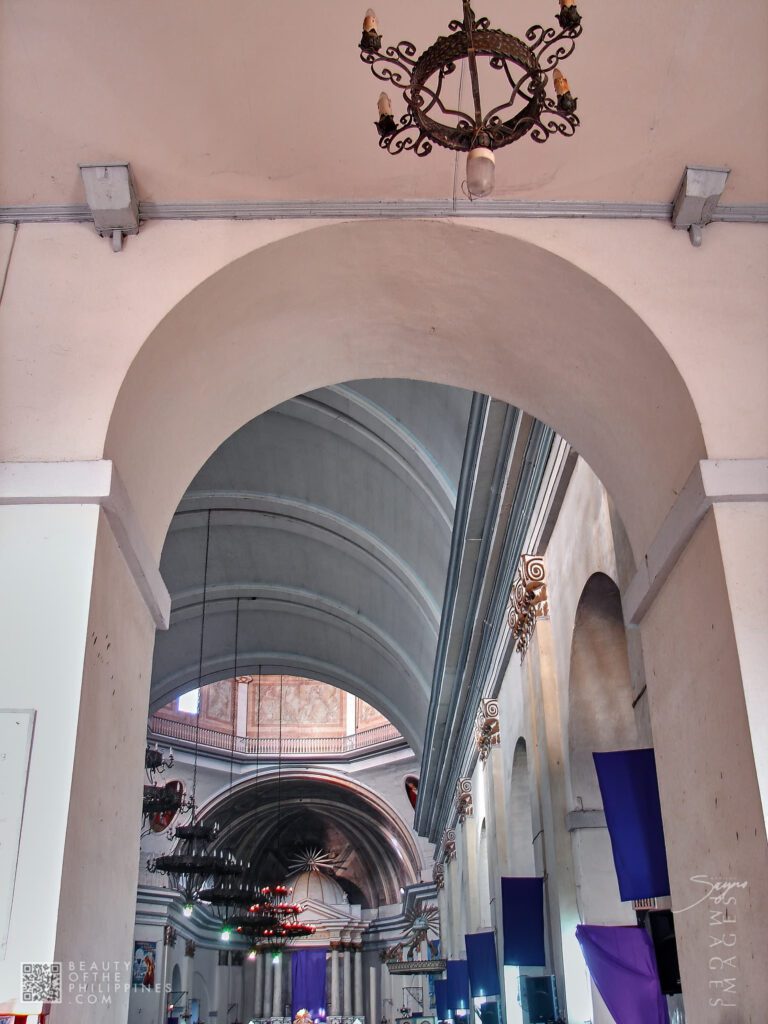
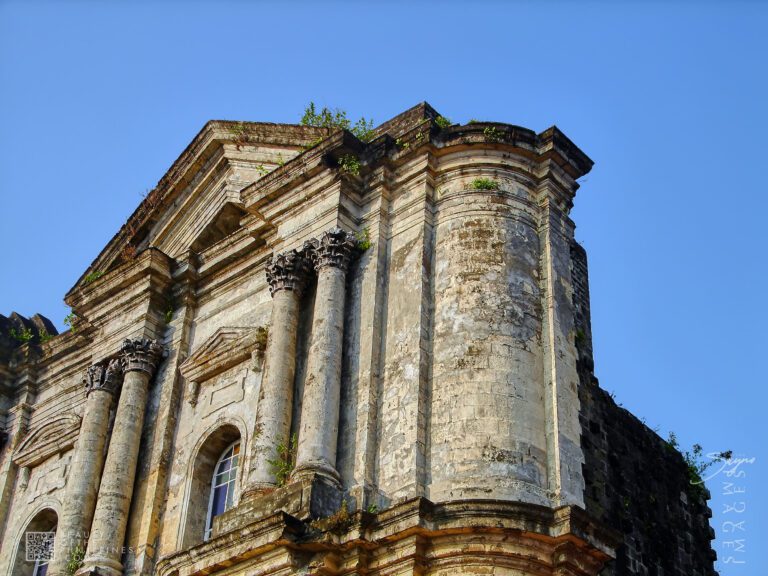
Architecturally, the basilica featured three naves, a grand transept, and a façade blending Ionic and Doric orders. On the left side of the façade, a small tower that once held a large bell had been destroyed in the 1942 earthquake. During the visit, the bell rested beside the entrance, a quiet but powerful reminder of the church’s endurance against time and nature.
RELATED STORIES

If you’re craving that sweet spot where calm meets adventure—where you can sip coffee while staring at a volcano, then hop on a kayak right


It is known as Taal Lake, formerly Bombón Lake, and is a freshwater lake in the province of Batangas. It fills the Taal Caldera, a


Every frame here feels like it’s whispering centuries-old stories. Walking along Calle Marcela Mariño Agoncillo and Calle Gliceria Marella, I could almost see the Taaleños


Let’s be real—when you think of volcanoes, you probably imagine something massive and far-flung, right? But here in the Philippines, just 50-ish kilometers from Metro


ABOVE: Taal Basilica, officially known as the Basilica of St. Martin de Tours, has a rich history marked by its construction in the late 19th century, subsequent renovations following natural disasters, and its ongoing role as a significant cultural and religious site in Batanga
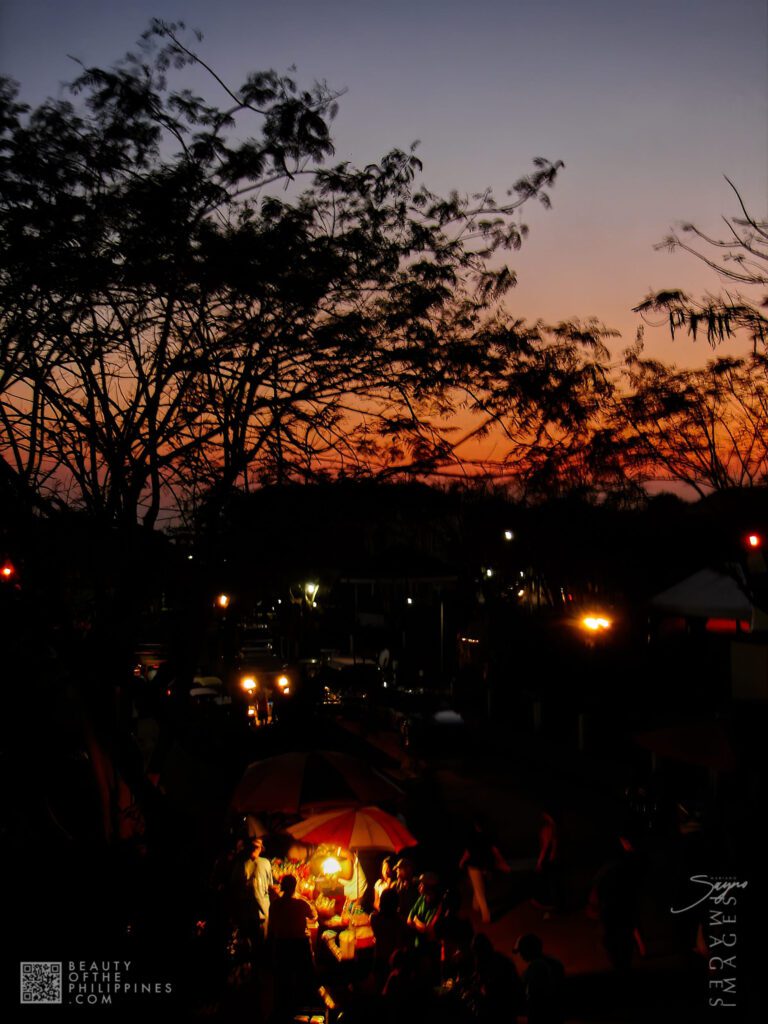
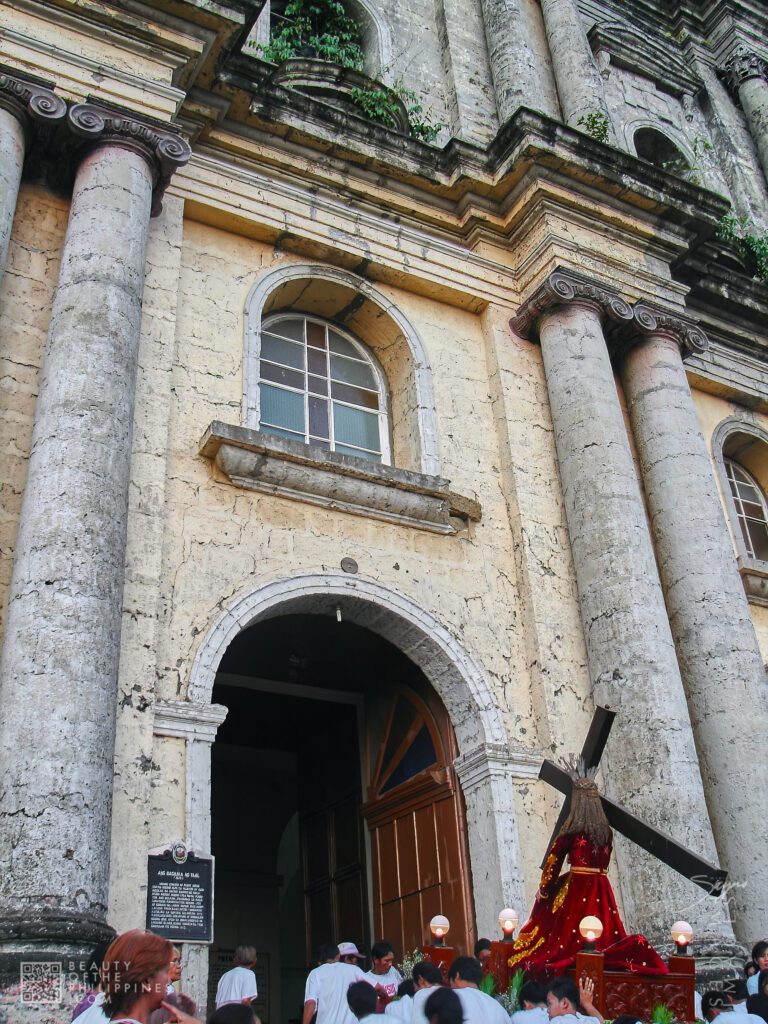
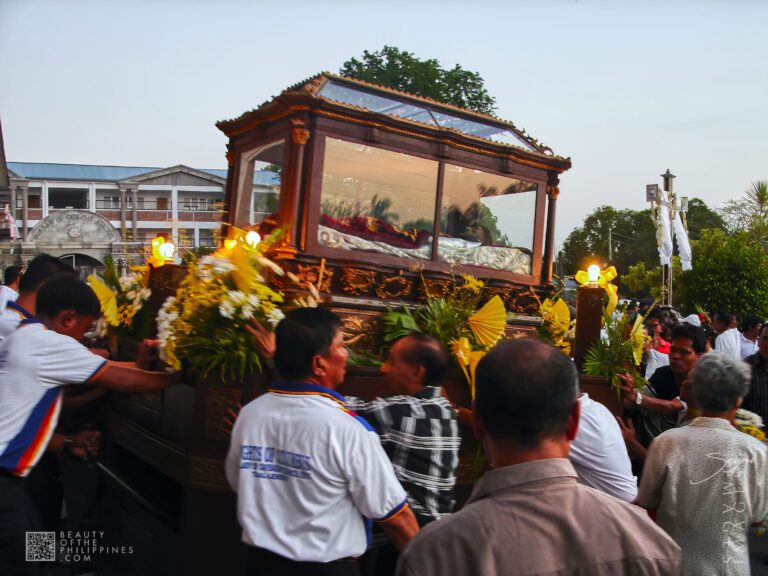
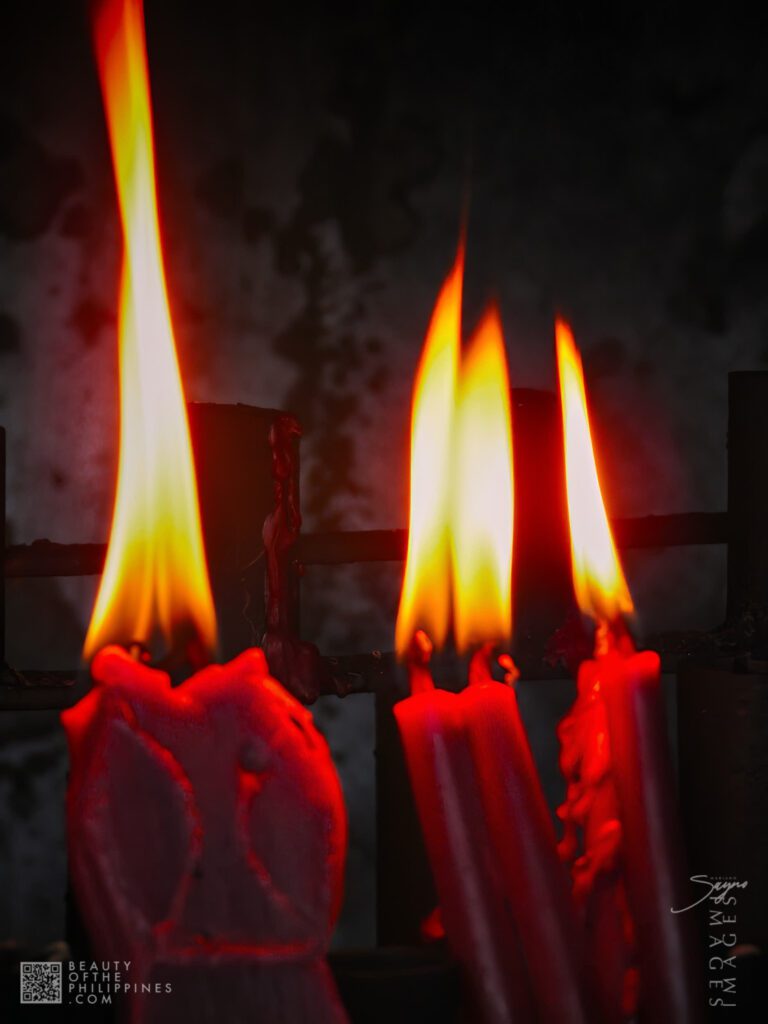
The visit coincided with Good Friday, during the Santo Entierro procession, already one of Taal’s most sacred observances by 2007. As evening approached, the basilica became the starting point, its grandeur softened by the measured movement of people, candlelight, and prayer. The image of the Santo Entierro moved silently through the streets, a living tradition captured in this series, with every frame reflecting reverence, shared devotion, and the weight of history.


The church underwent restoration in 1953 for the Canonical Coronation of Our Lady of Caysasay. In 1954, it was declared a Minor Basilica by Pope Pius XII, one of only three worldwide. By January 1974, it gained recognition as a national shrine. By 2007, these honors had long shaped the basilica’s significance both locally and nationally.


These photographs do more than document a landmark—they capture a specific chapter in the basilica’s long life. The light, the angles, the stillness of the town—all of it is anchored firmly in 2007. While revisits came later, this set remains a record of how the church looked, felt, and stood at that particular moment in time.
I’m looking forward to the stories and images leaving a lasting positive impression on you, just as they have on me. Stay connected with us on social media for a weekly exploration of travel assignments and breathtaking visuals. Our focus is on championing local tourism, showcasing small businesses, and honoring the magnificence of the Philippines through the content we curate. Join us in spreading the word by clicking the ‘share’ buttons below. Your support means the world to us.
EXPLORE MORE about


Let’s be real—when you think of volcanoes, you probably imagine something massive and far-flung, right? But here in the Philippines, just 50-ish kilometers from Metro


Each year, the Sigpawan Festival, which is held in Lemery, Batangas, takes place on Easter Sunday. The highlight of the festival is the Fluvial procession


Known as the Caysasay Church, the Shrine of Our Lady of Caysasay is located in Barrio Caysasay, Taal, Batangas. This is a coral-hewn chapel that


If you’ve ever found yourself stuck in Metro traffic, daydreaming about the beach while scrolling through Instagram—Laiya Beach might just be the answer your soul’s


You know that feeling when you just want to escape the city buzz and dive straight into a chill beach vibe? Well, Calatagan South Beach,


Located in Barangay Caloocan, Talisay, Batangas—just a couple of hours’ drive from Metro Manila—is a quiet little spot that’s as unbothered as it is underrated:


Among the many contributions of Balayan Bay that Batanguenos are proud of, the bay served as a fishing village and a summer retreat for locals


If you’re craving that sweet spot where calm meets adventure—where you can sip coffee while staring at a volcano, then hop on a kayak right


Tucked away in the historic town of Taal, Batangas, the Sta. Lucia Miracle Well—locally known as Balon ng Sta. Lucia—is more than just a quiet,


The Municipality of Tingloy Island got its name a little bit from a legend. Due to its location in Batangas, Philippines, it is almost named


The Nasugbu area has an extensive collection of beaches and snorkeling spots which make it a popular summer destination. There are numerous swimming-related activities and


It is known as Taal Lake, formerly Bombón Lake, and is a freshwater lake in the province of Batangas. It fills the Taal Caldera, a


Every frame here feels like it’s whispering centuries-old stories. Walking along Calle Marcela Mariño Agoncillo and Calle Gliceria Marella, I could almost see the Taaleños

It was once a stone church, that was built during the Spanish colonial era in Tanauan, Batangas, and was known as Tanauan Church or St

It is with Raphael the Archangel that the 184-year-old Spanish Colonial era church in Batangas gets its name. The Calaca Church is more commonly known

The Fantasy World theme park sits alone and quietly in Lemery, Batangas Province, and is known as the supposed Disney World as well as one
BROWSE BY CATEGORIES
BROWSE BY PROVINCE