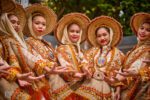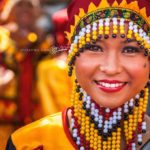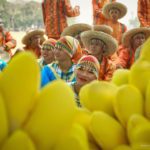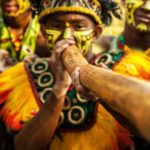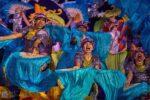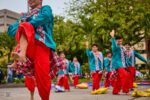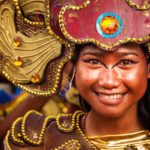
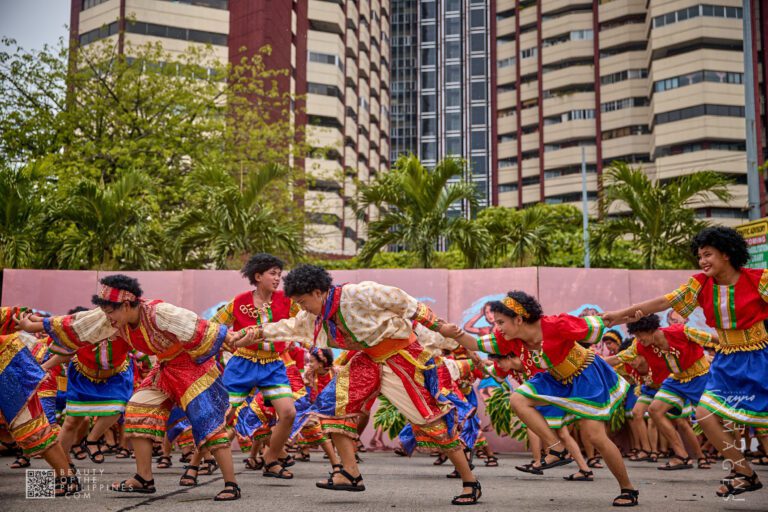
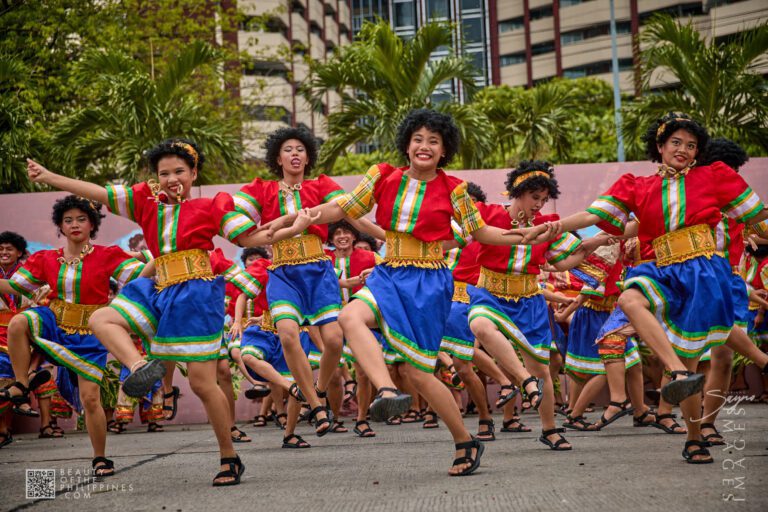
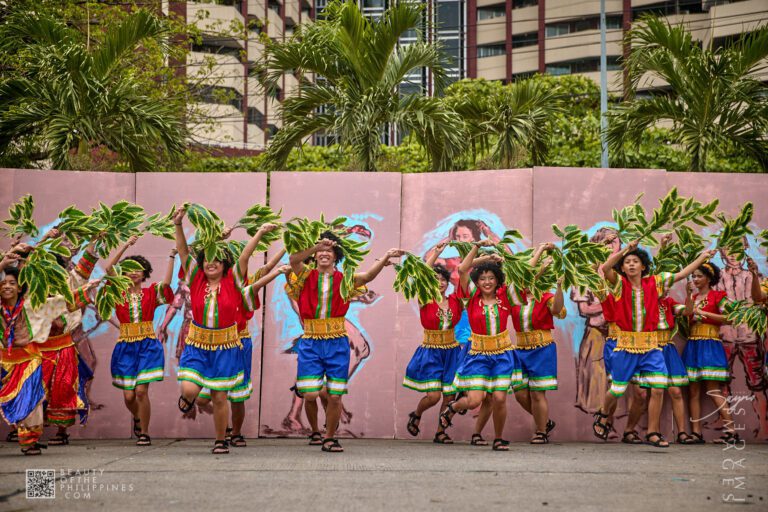
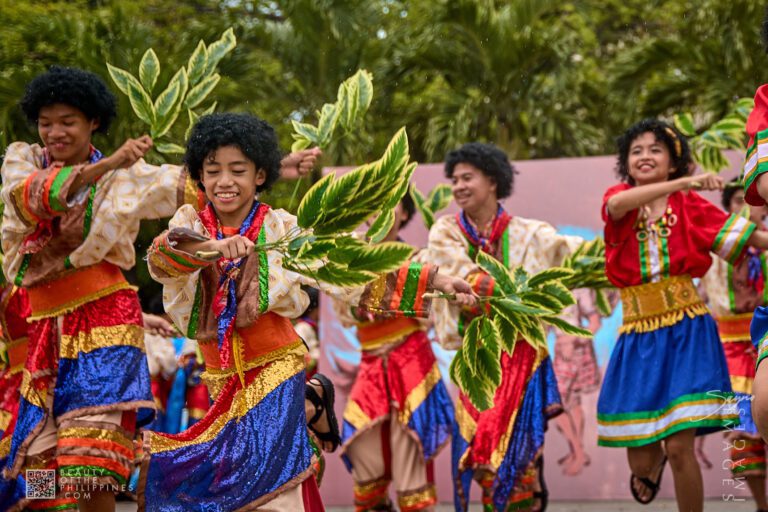
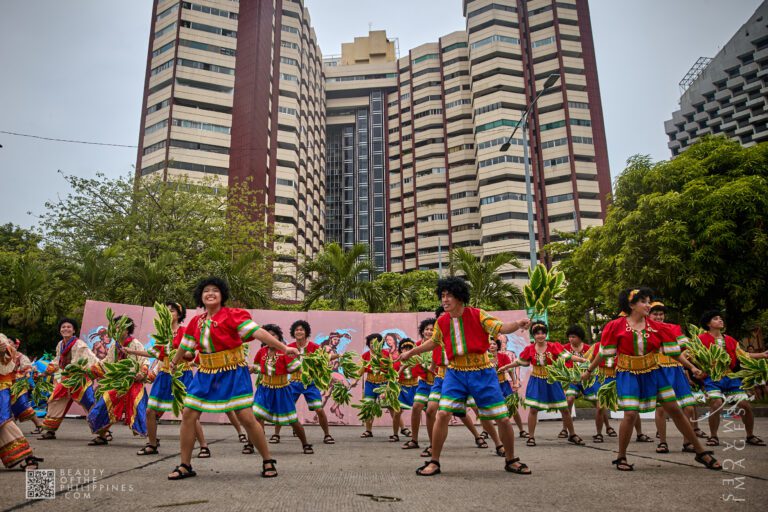
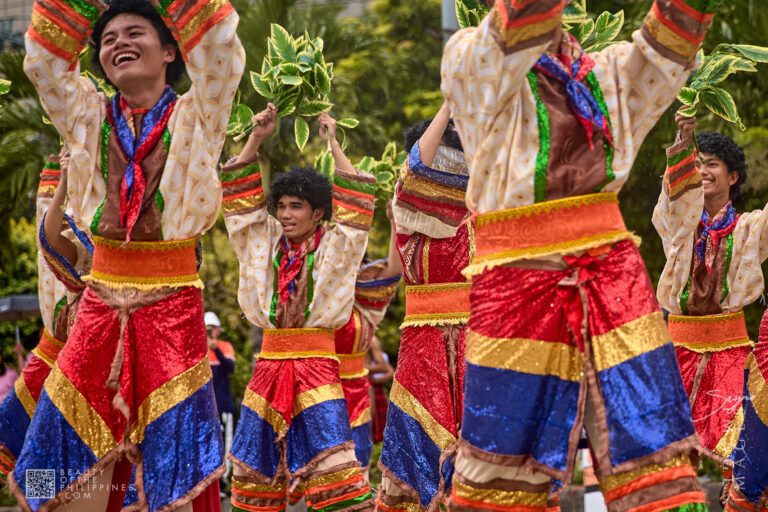
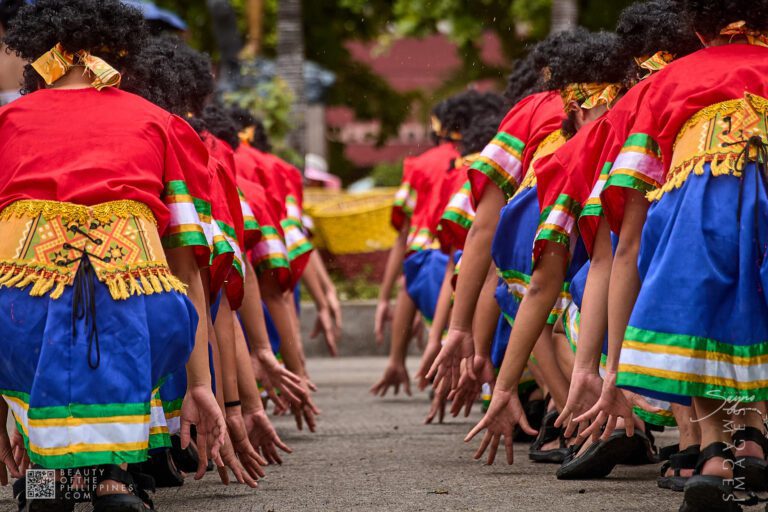
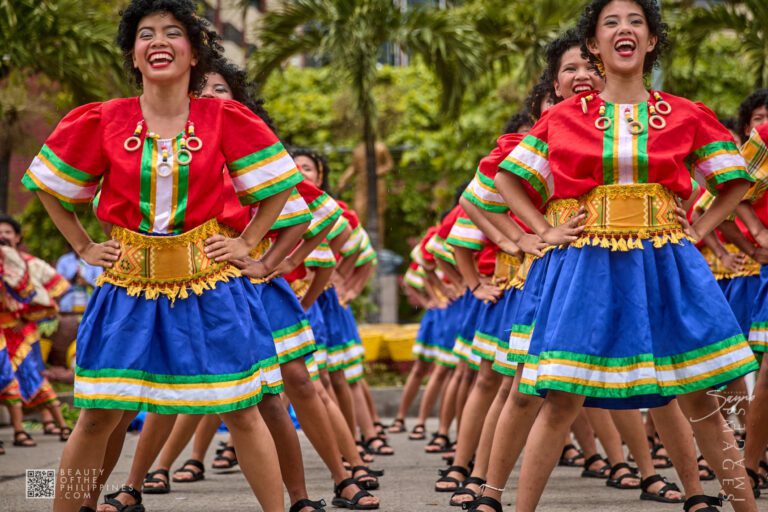
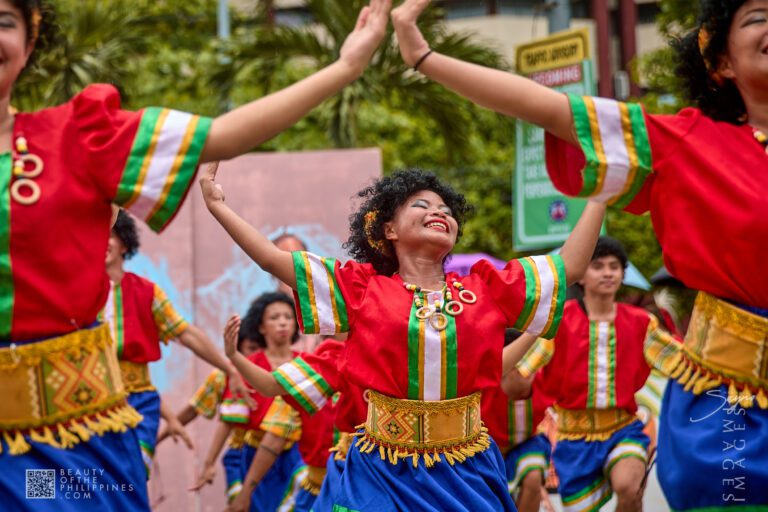
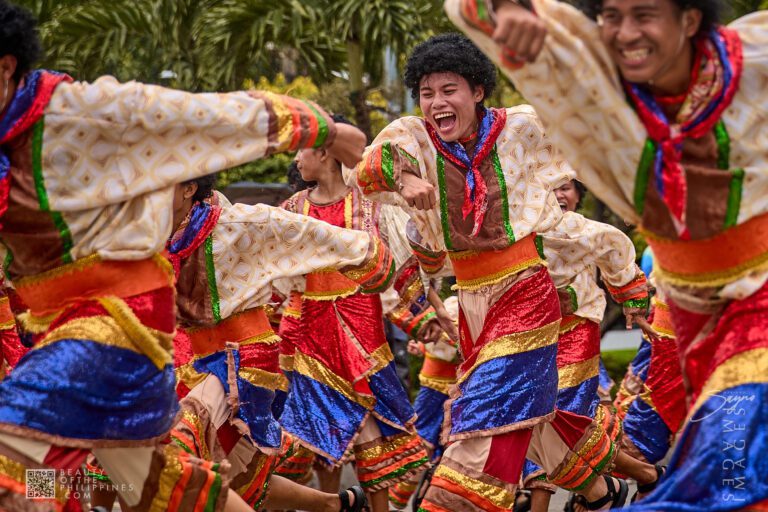
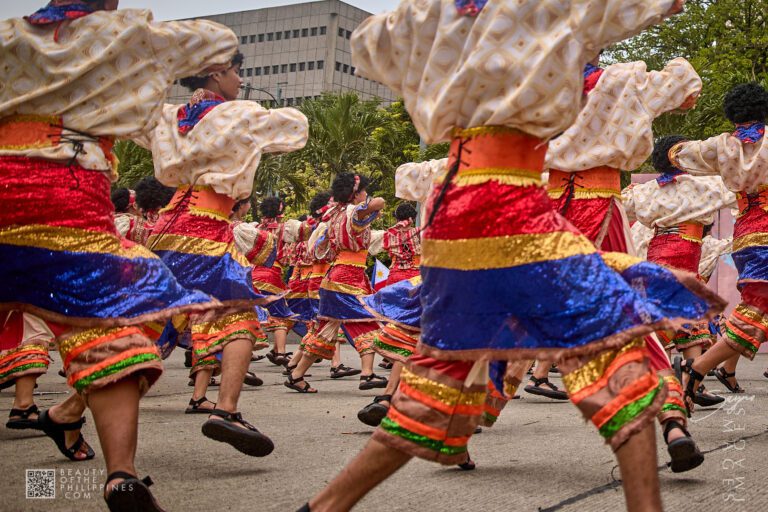
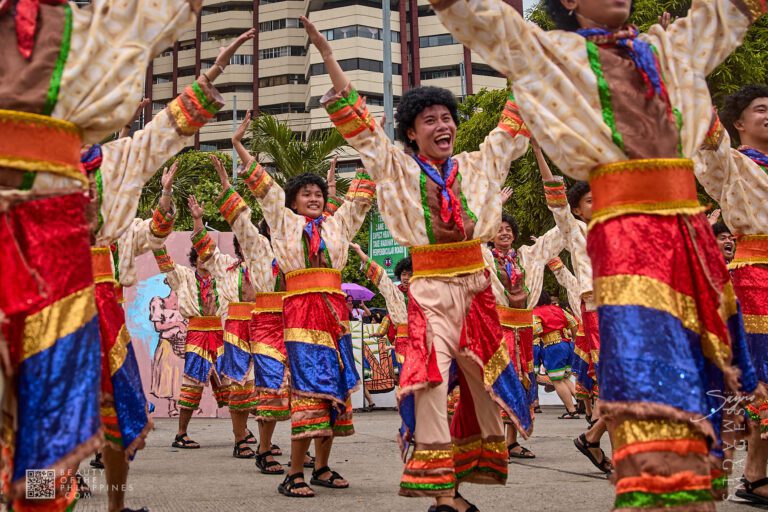
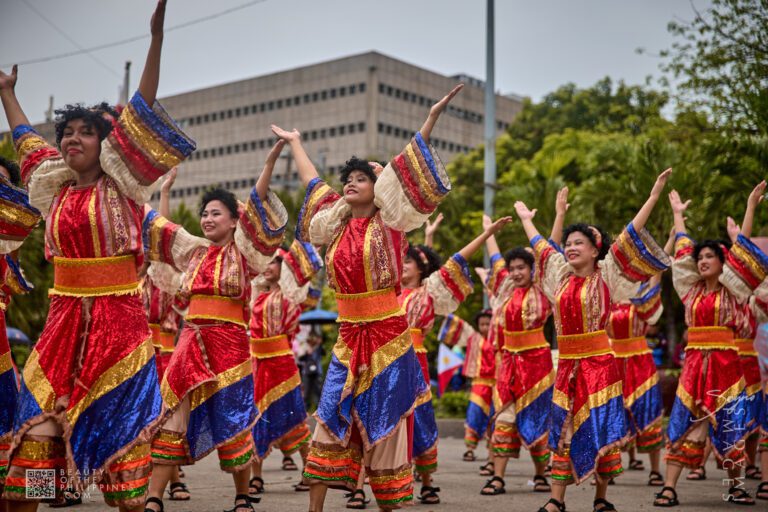
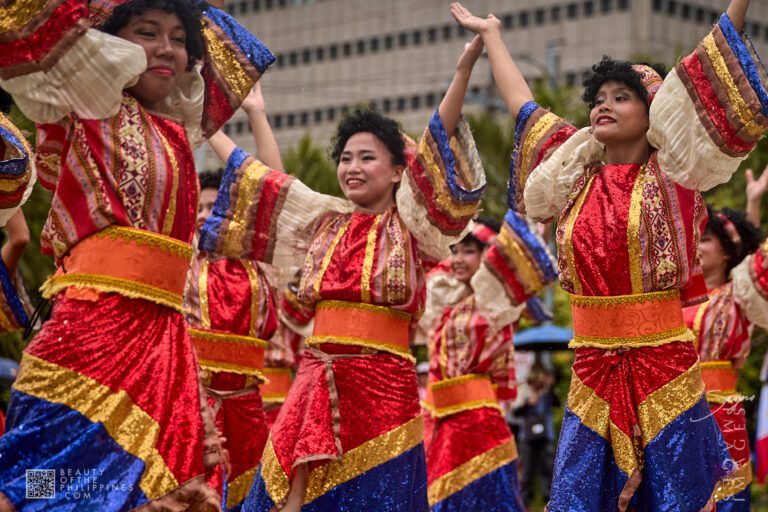
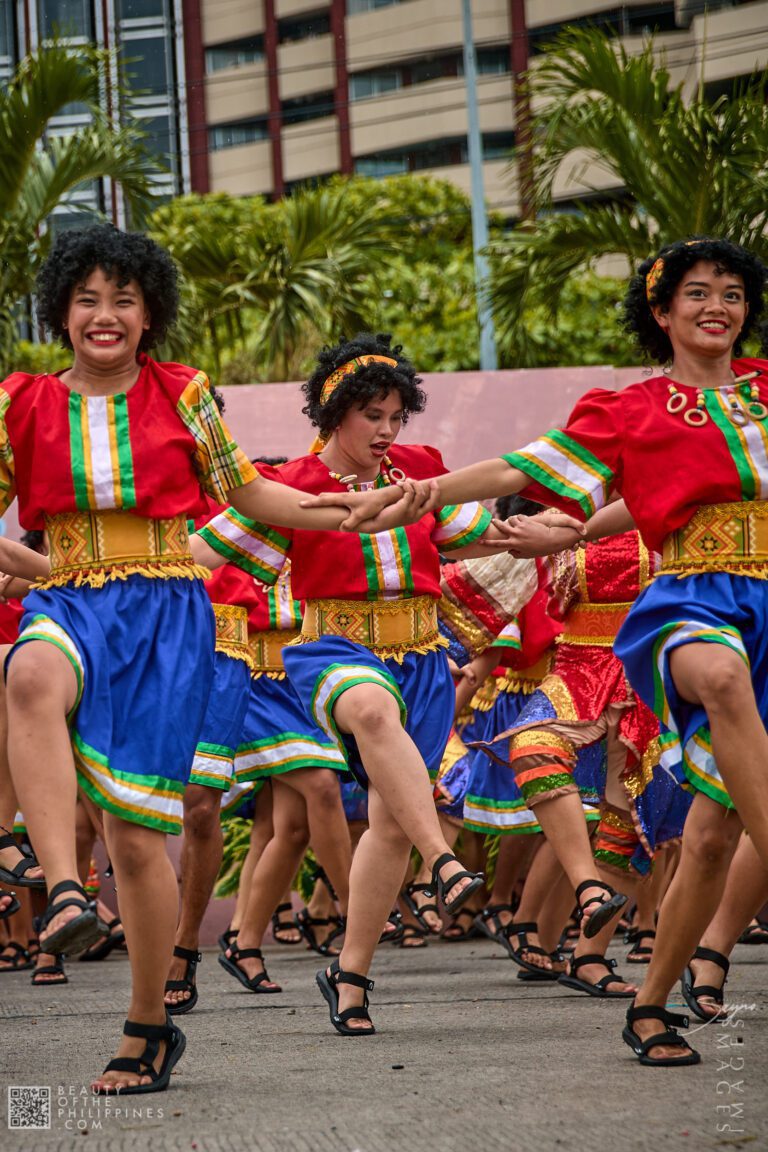
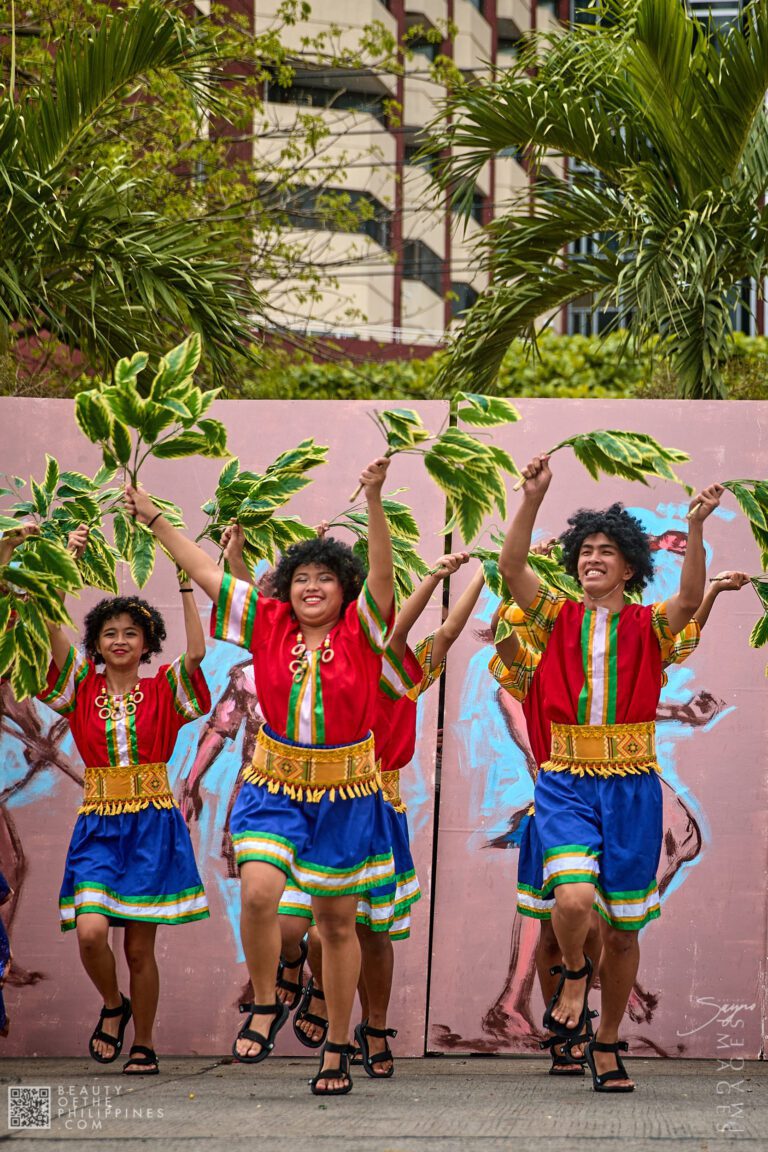
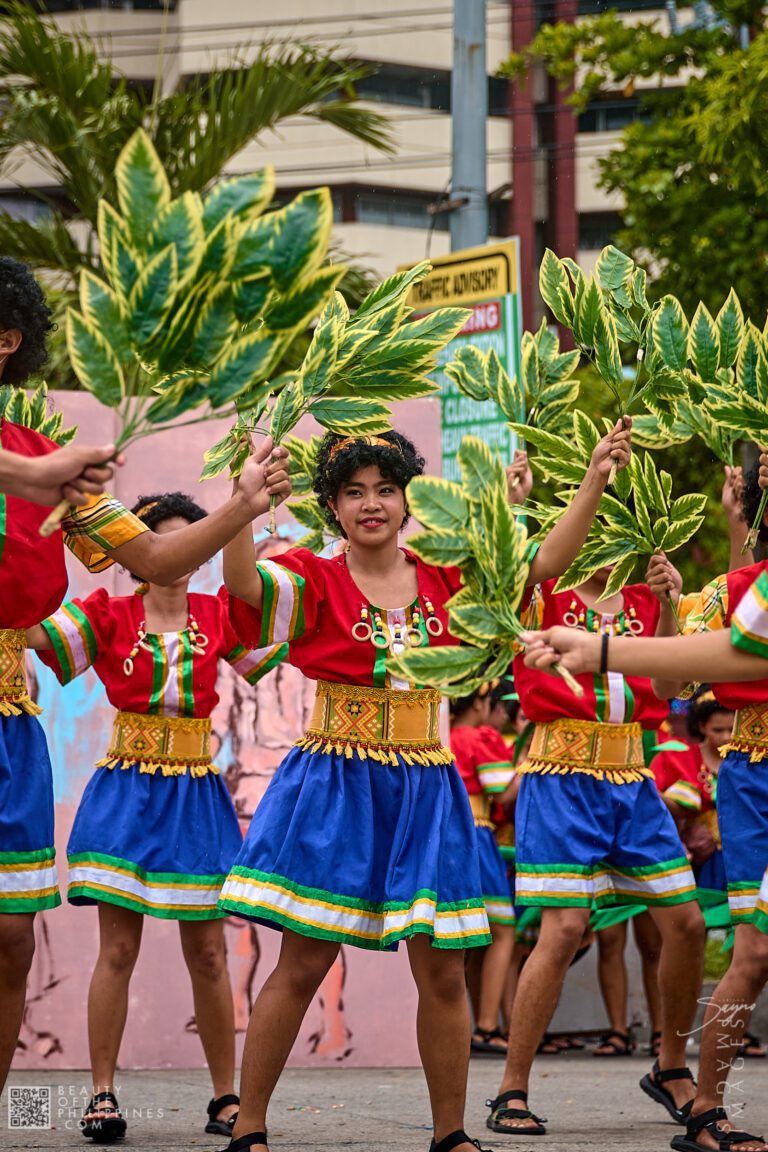
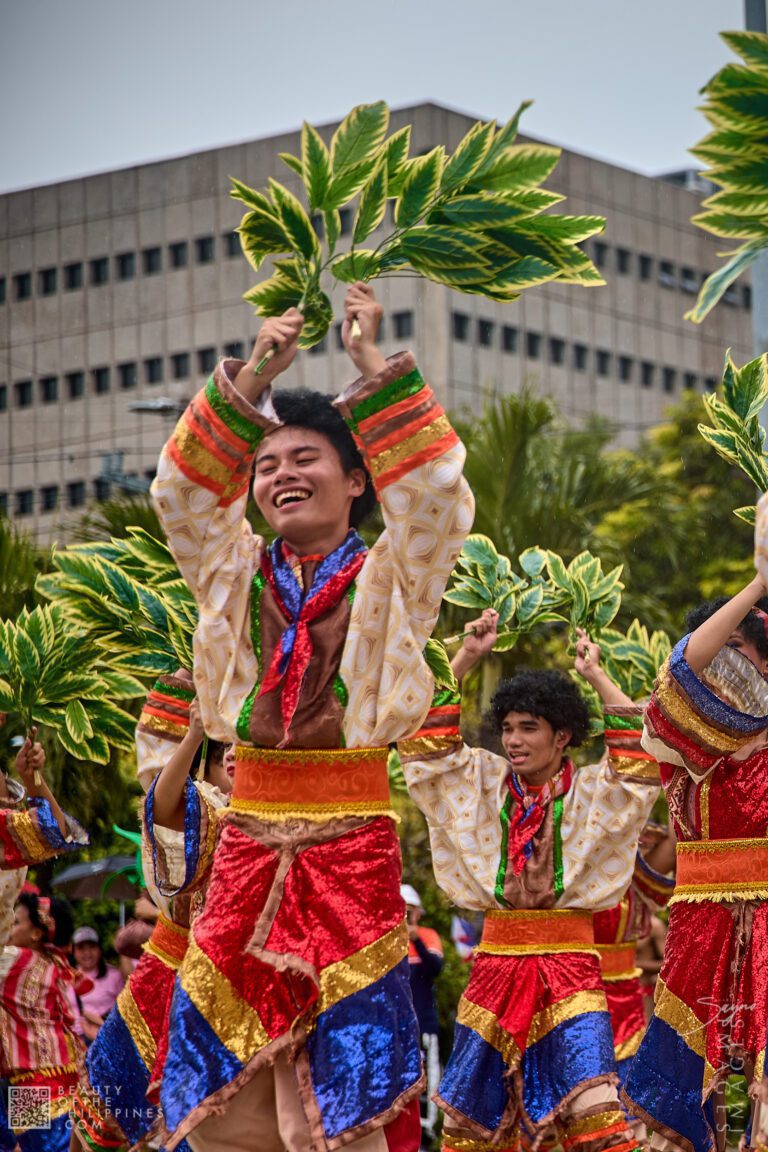
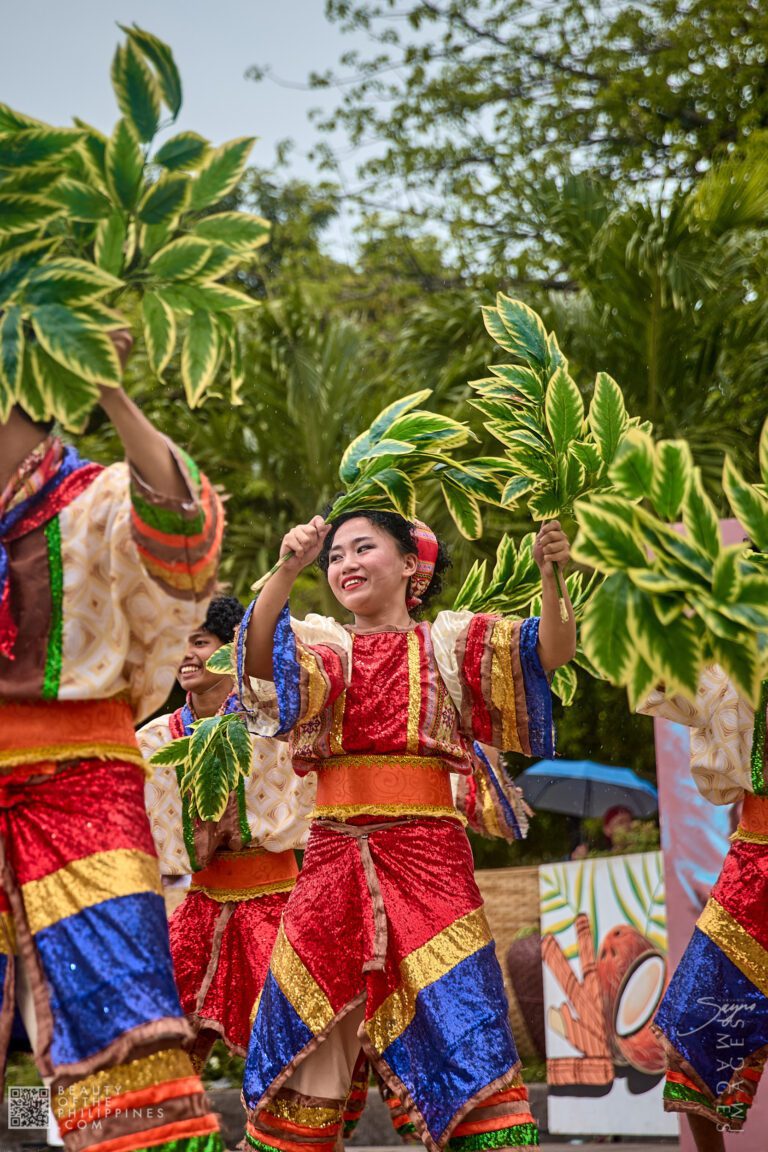
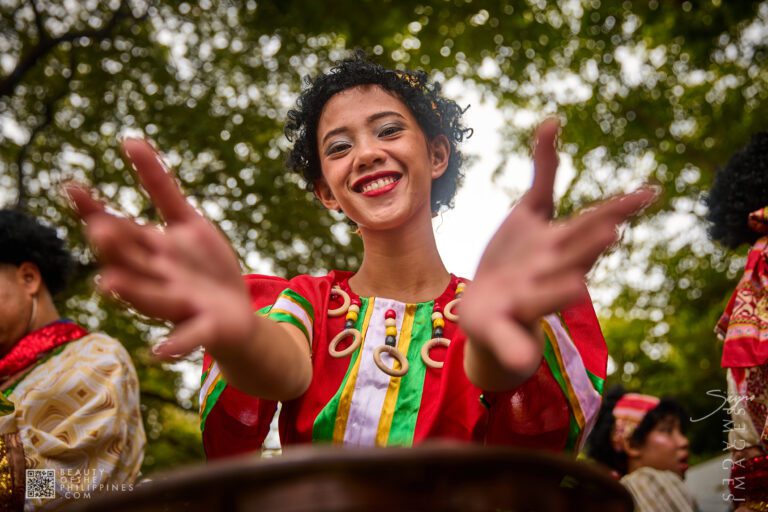
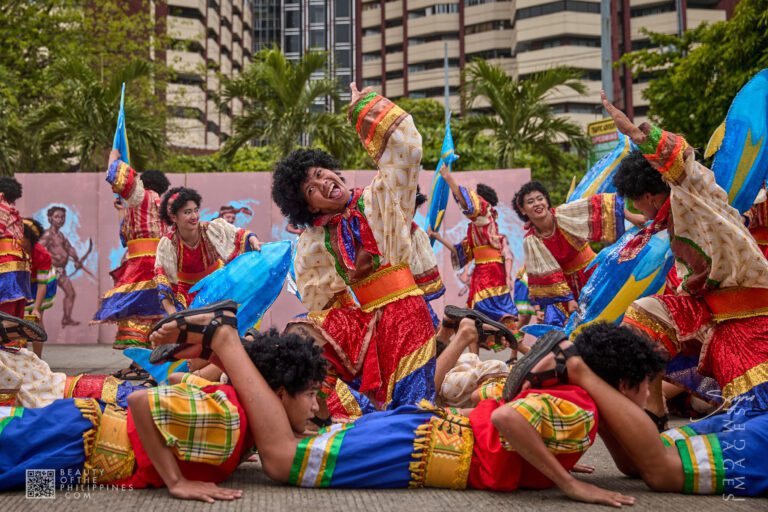
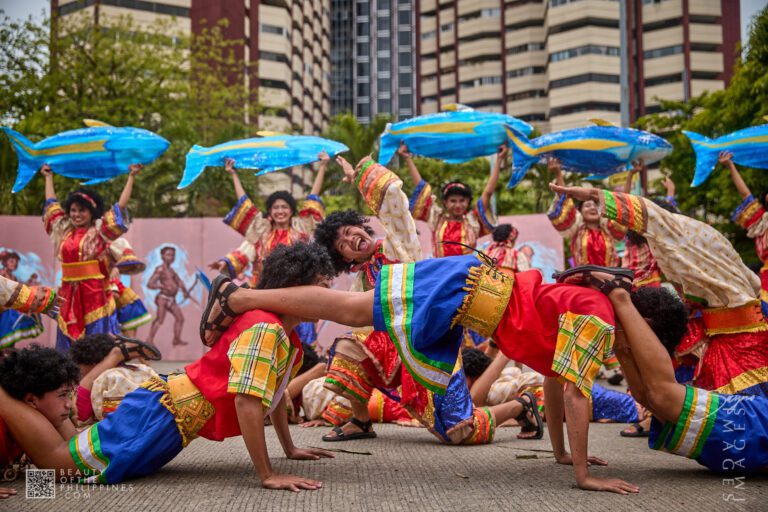
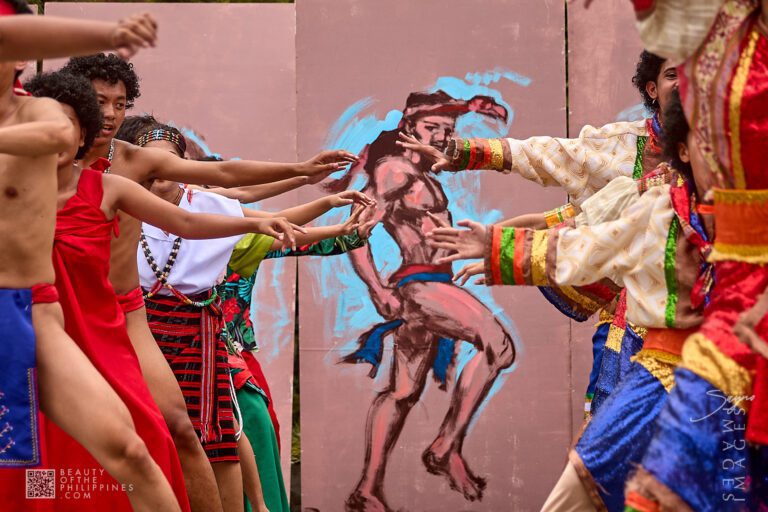
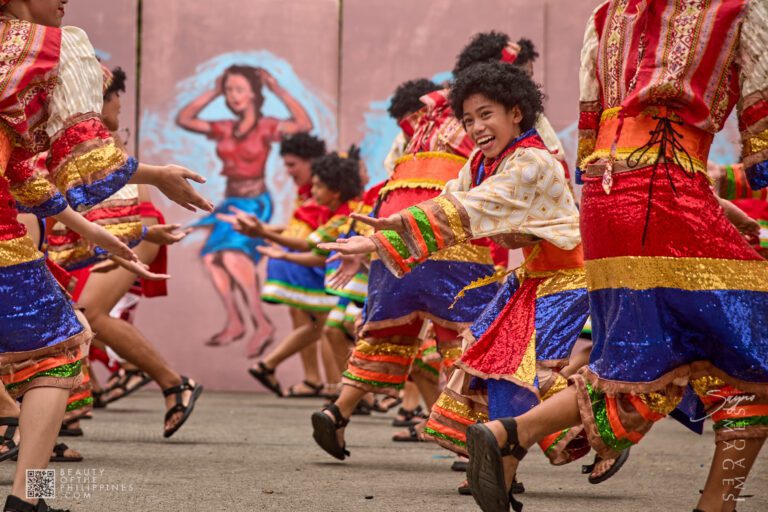
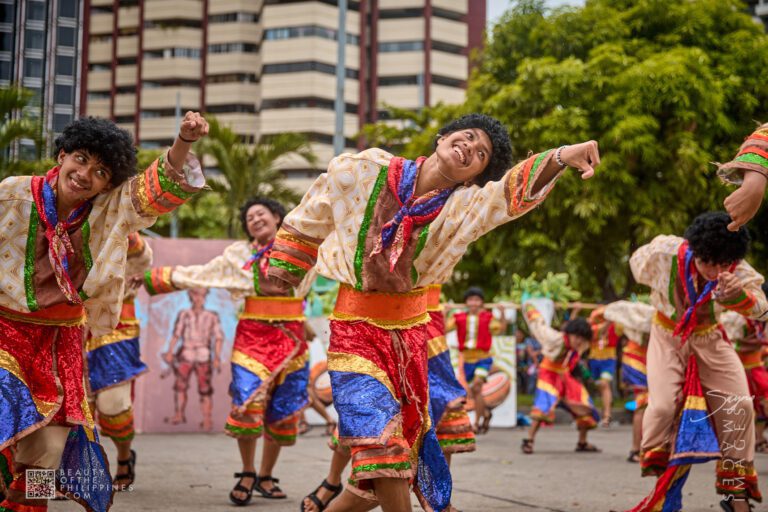
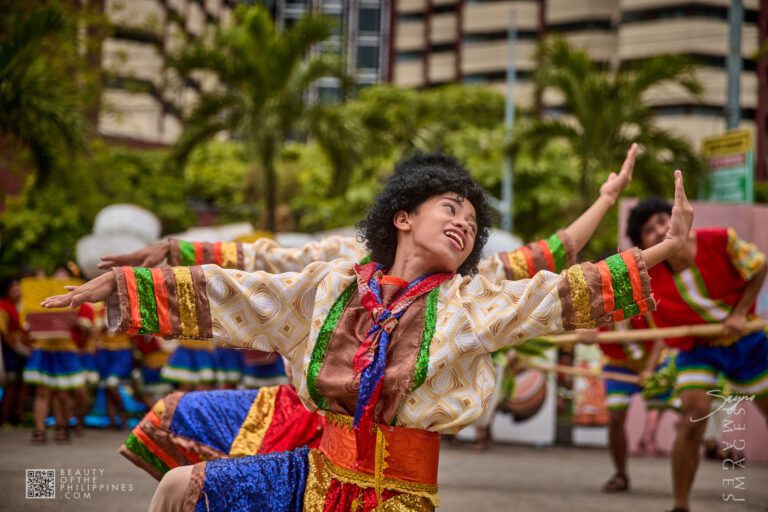
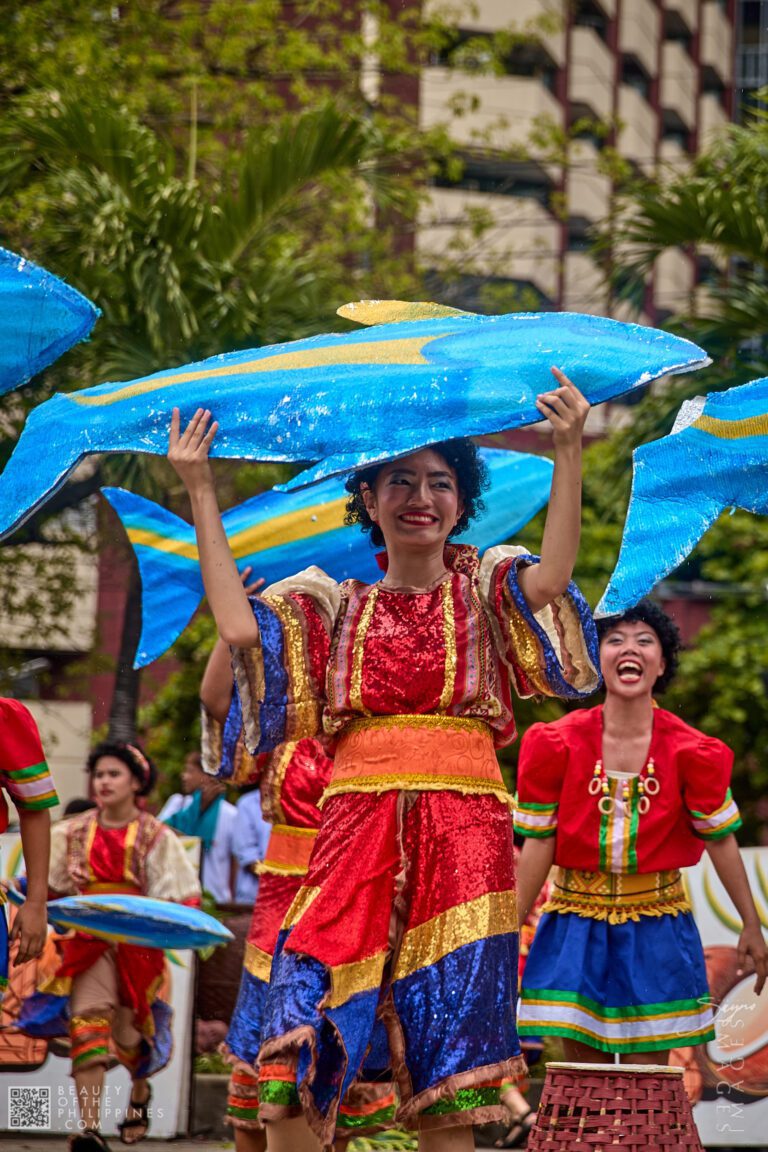
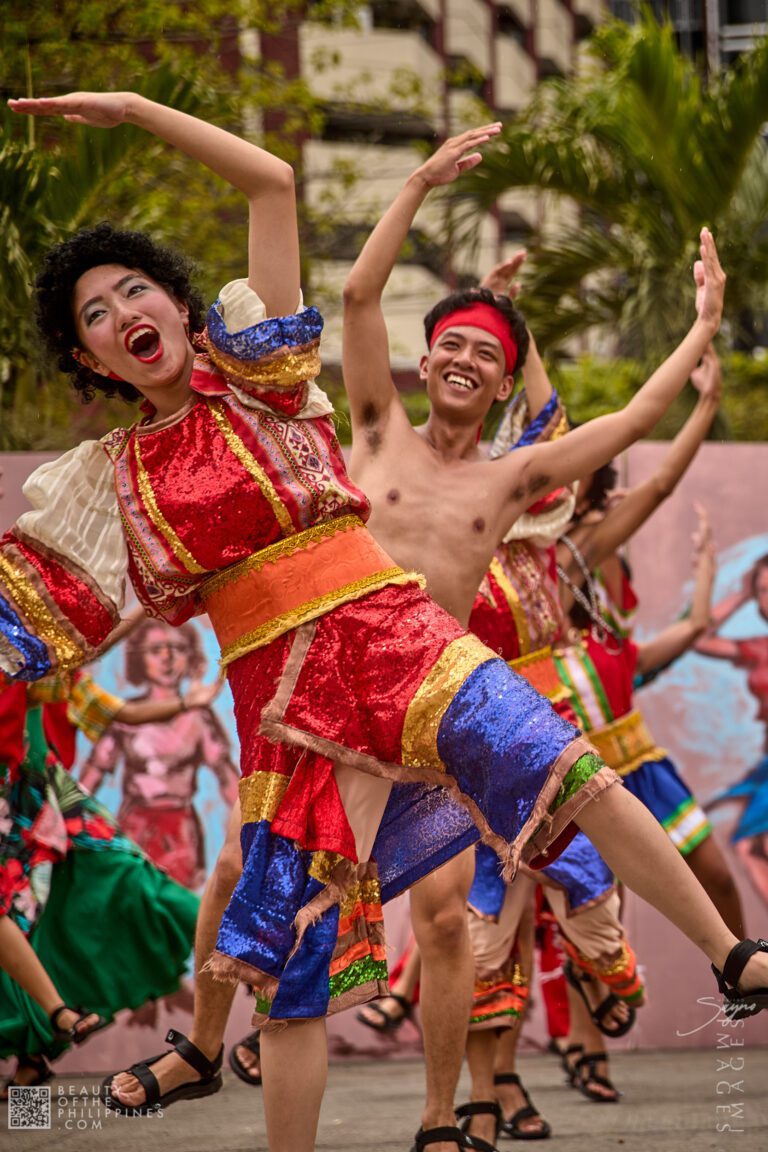
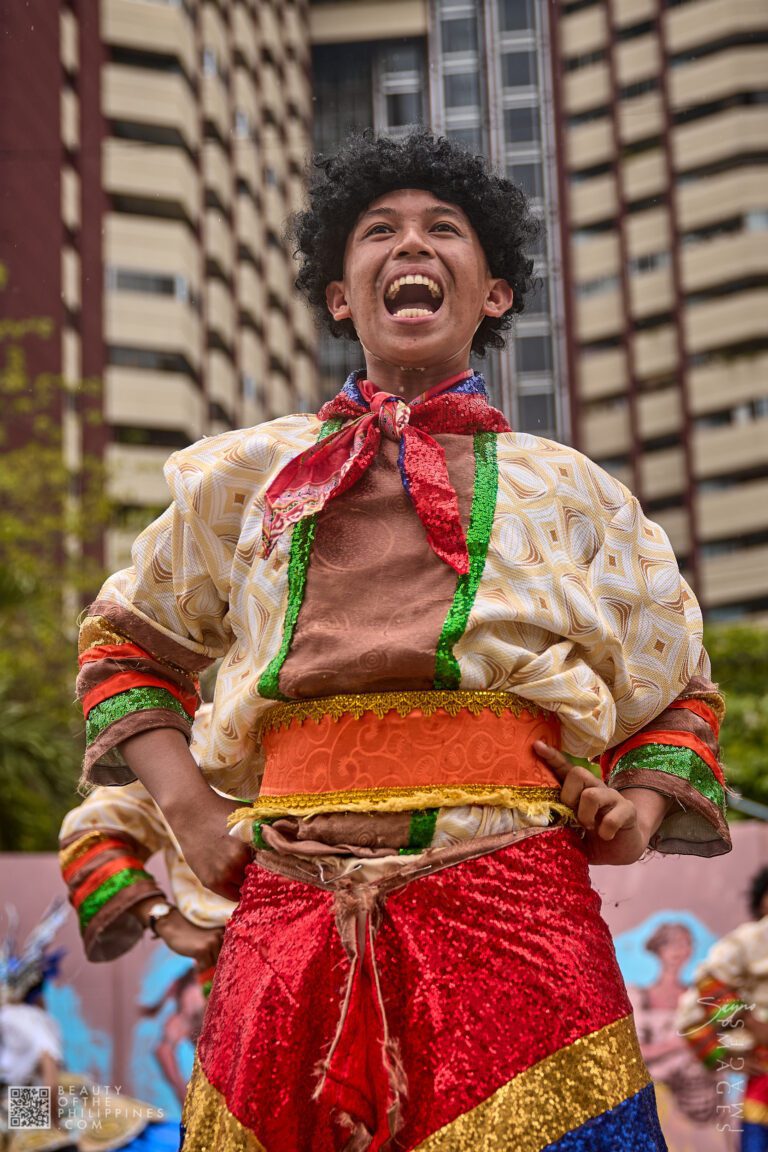
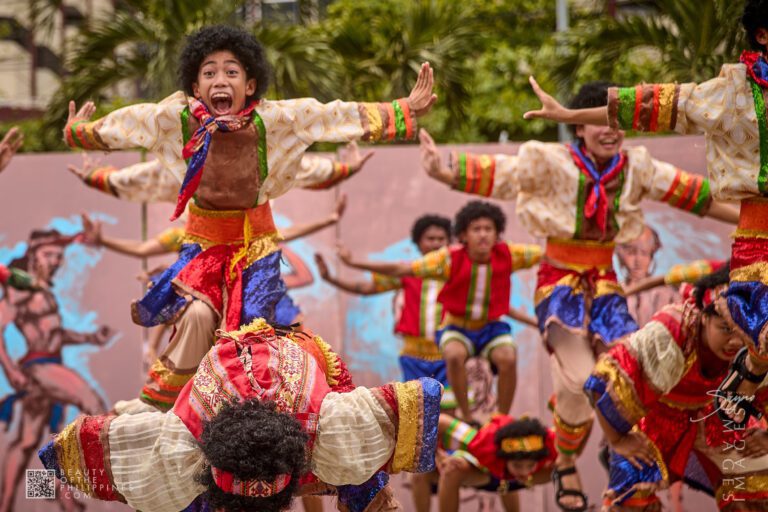
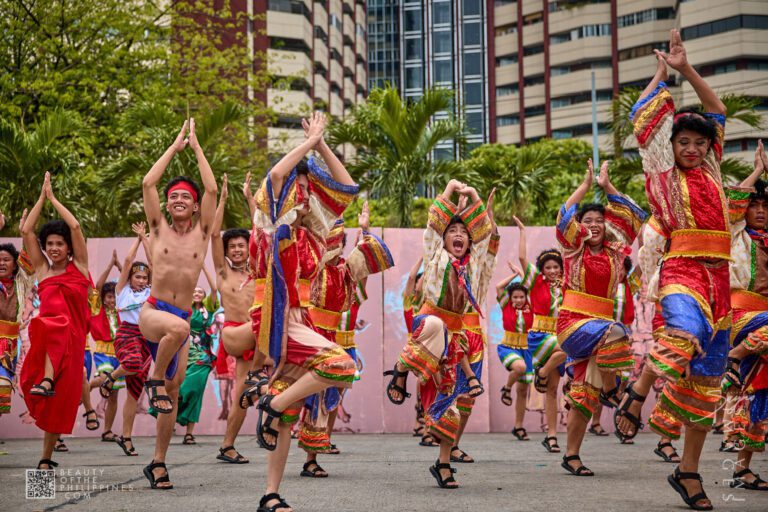
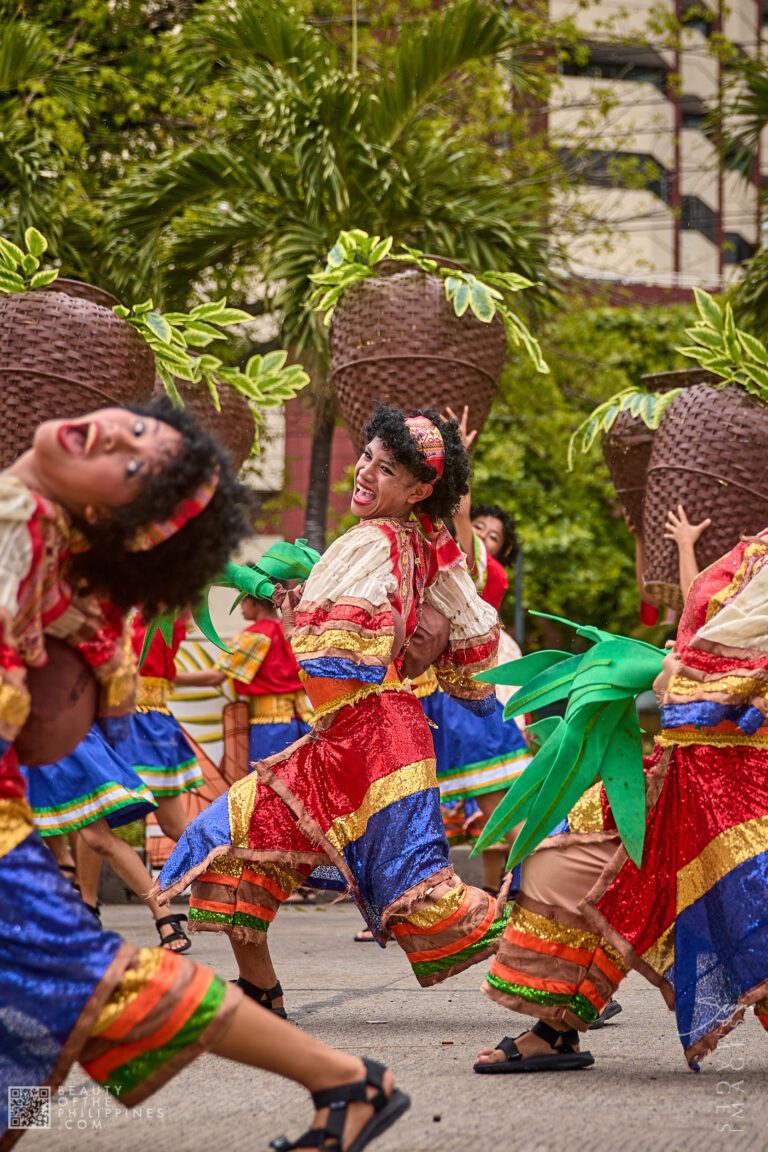
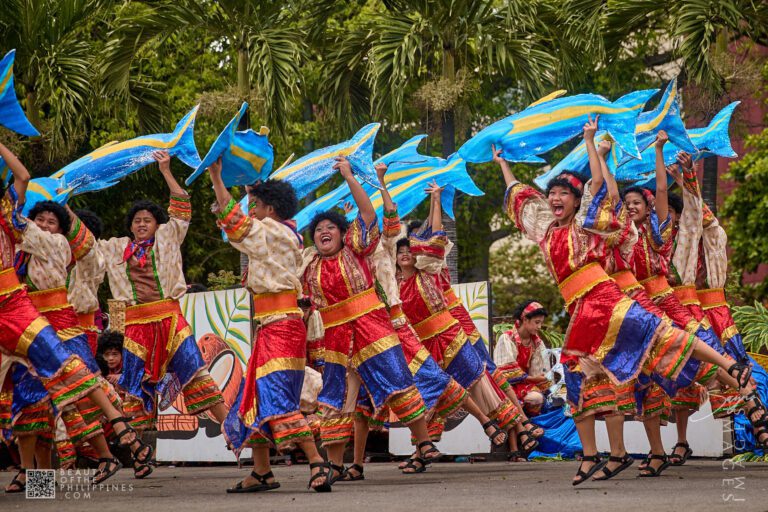
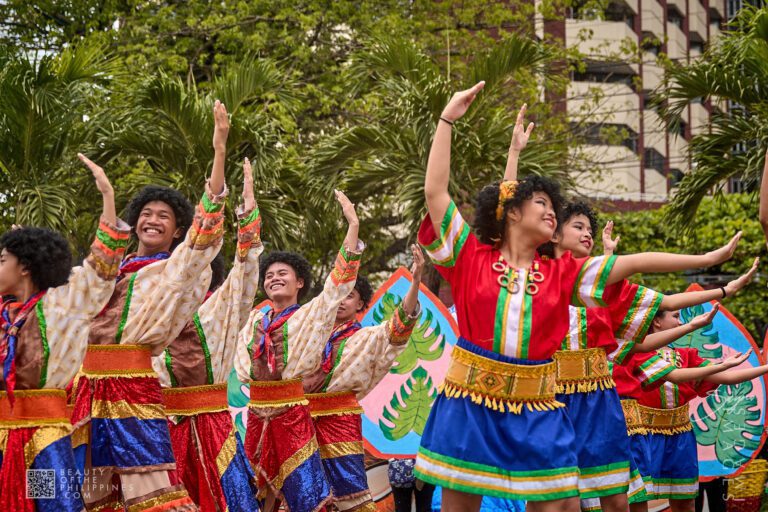
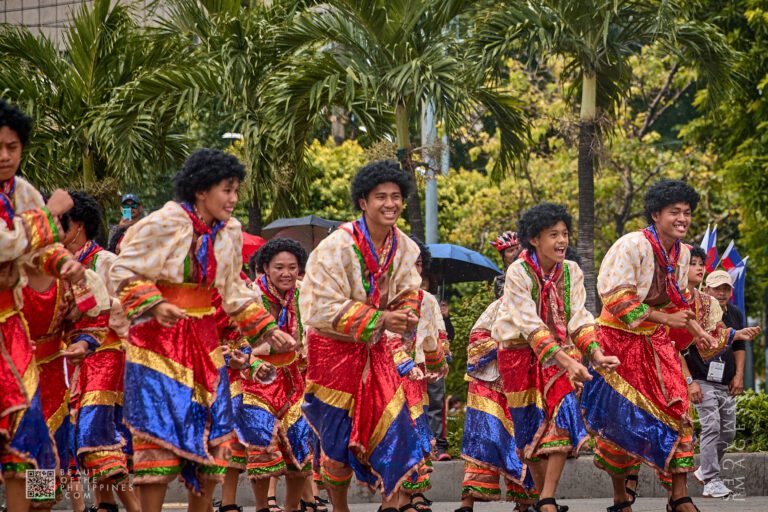
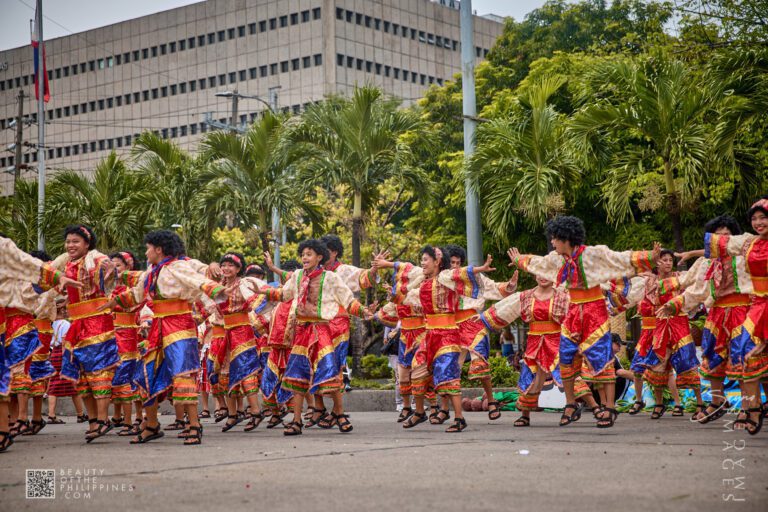
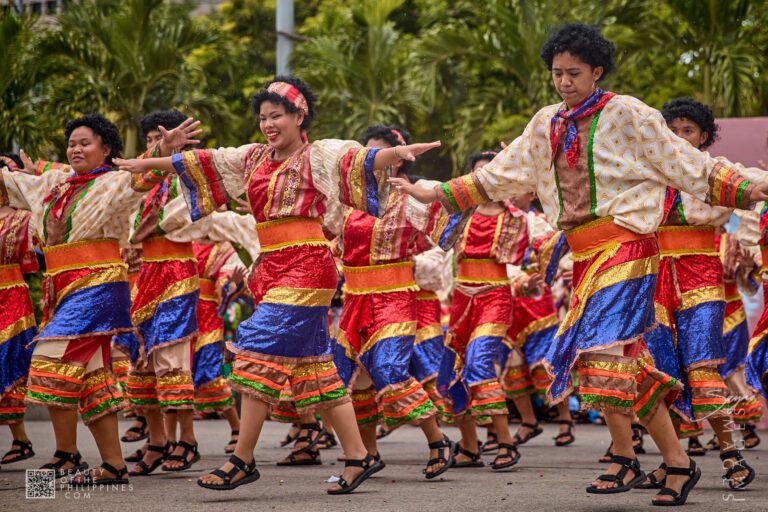
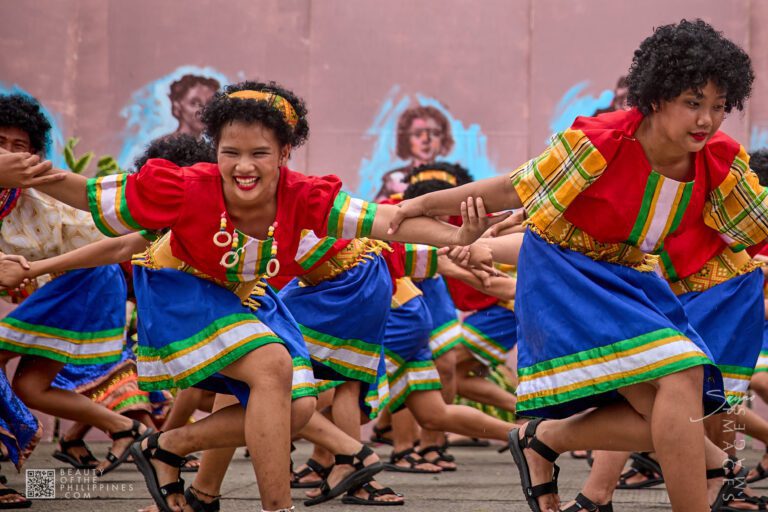
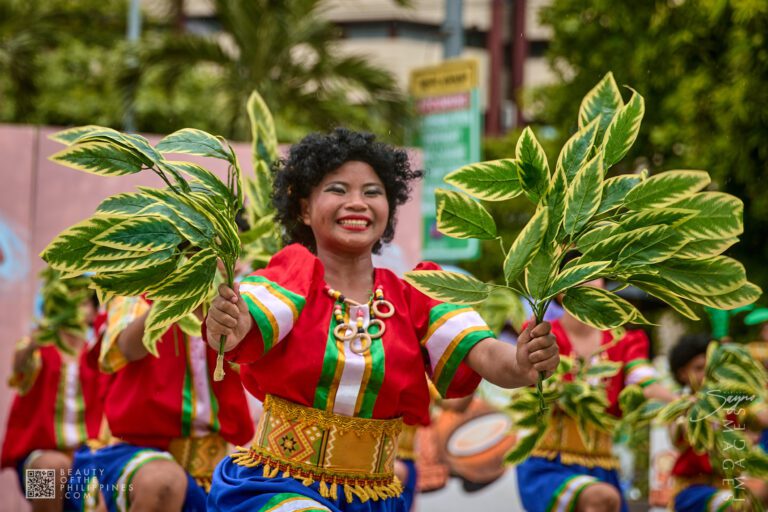
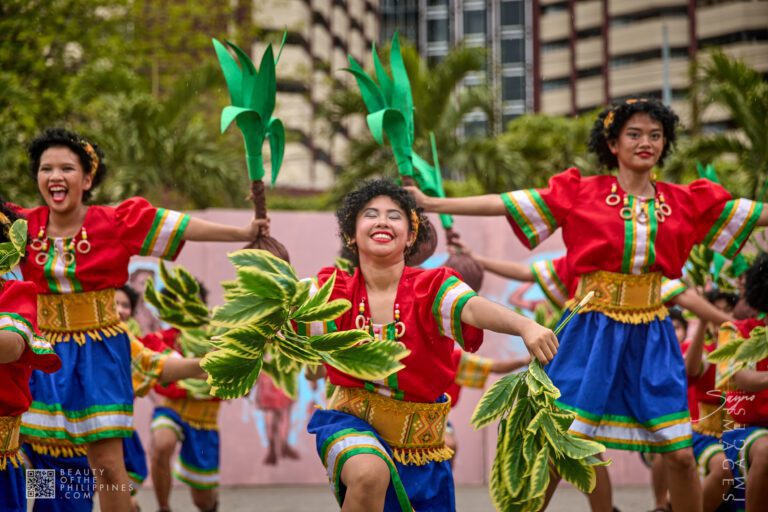
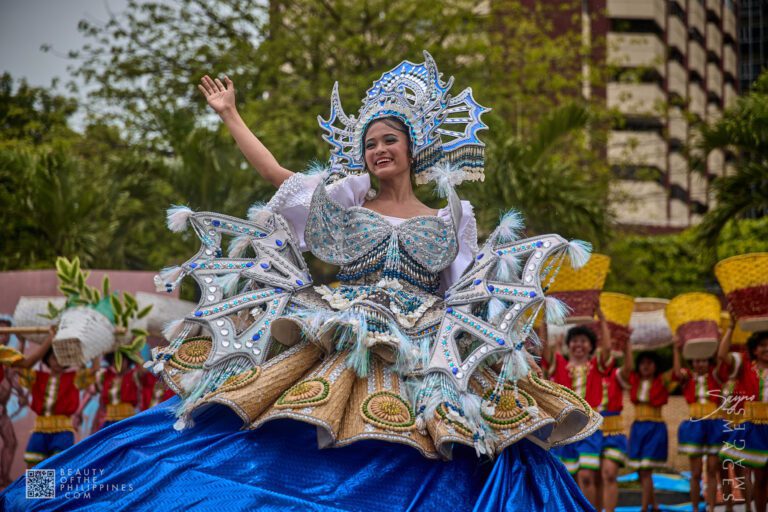
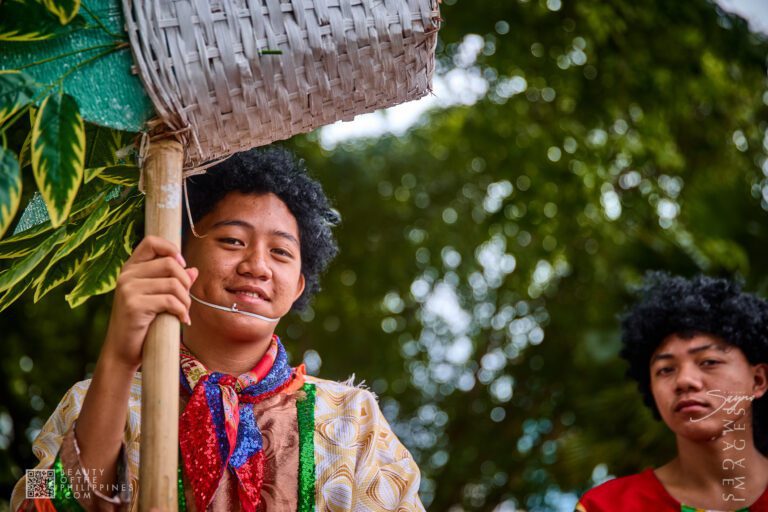
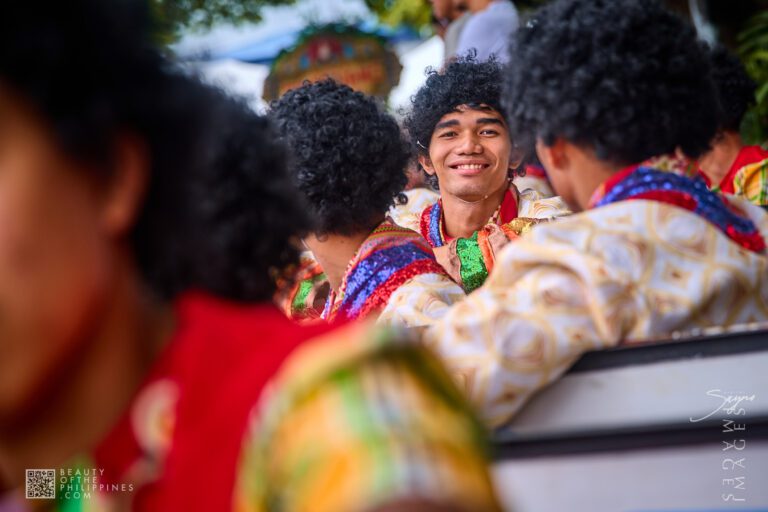
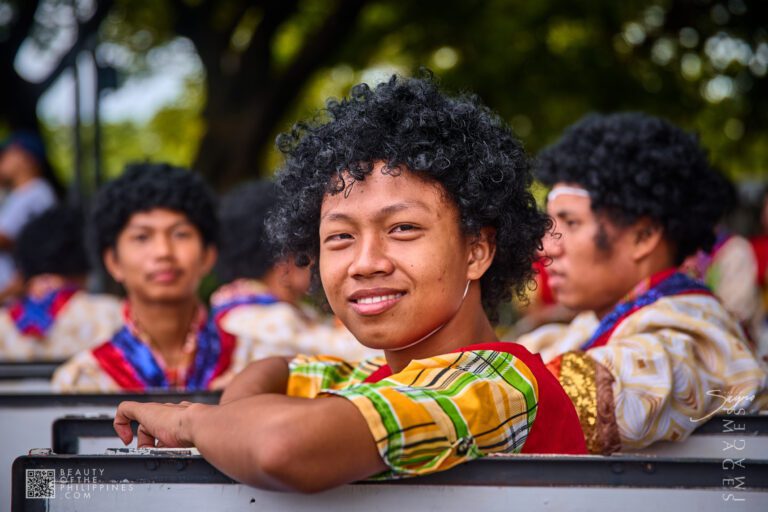
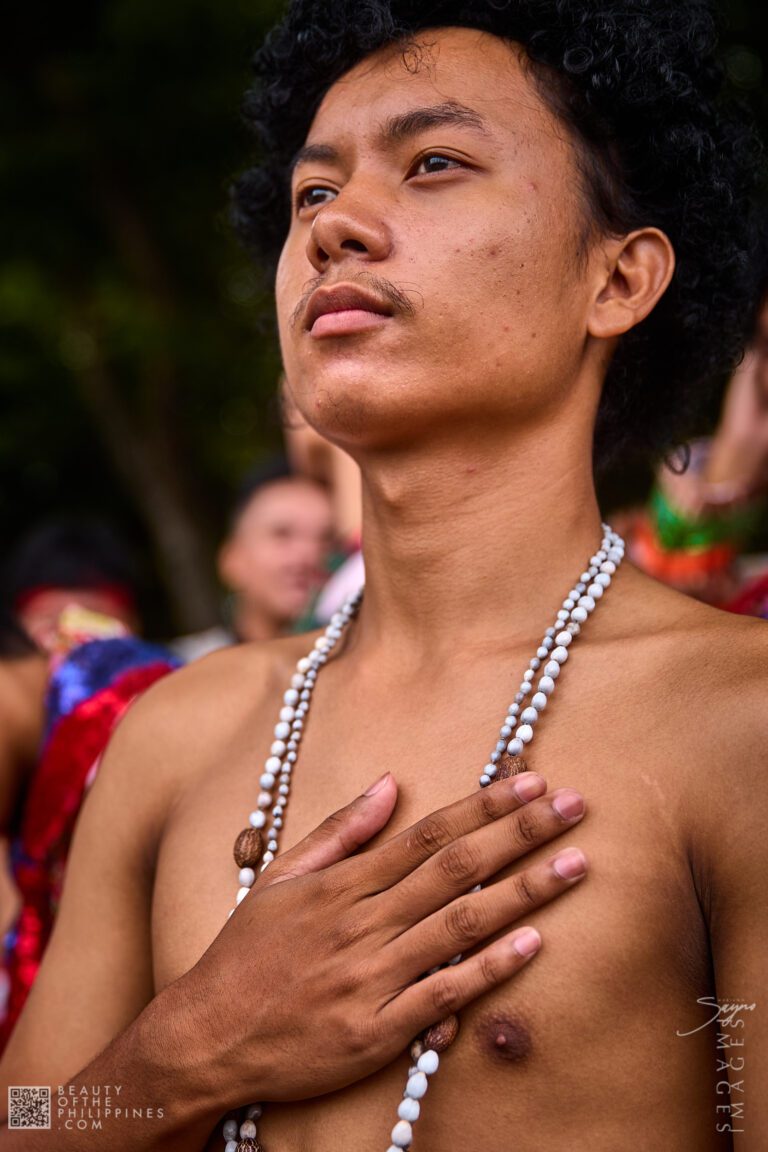
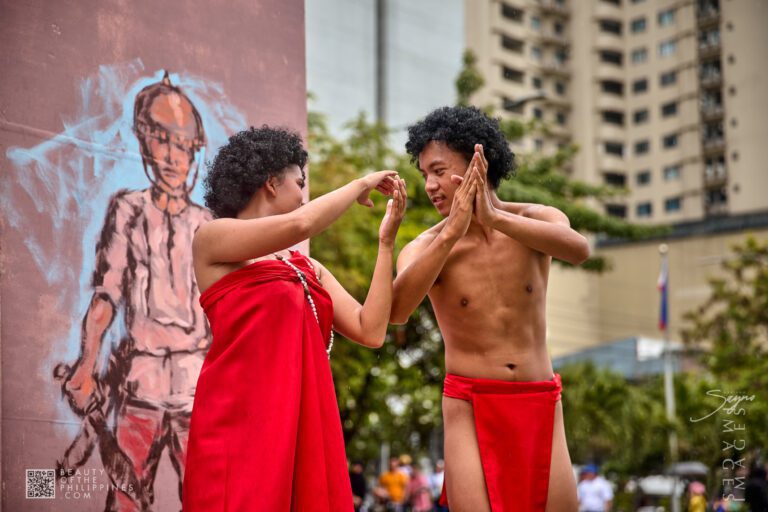
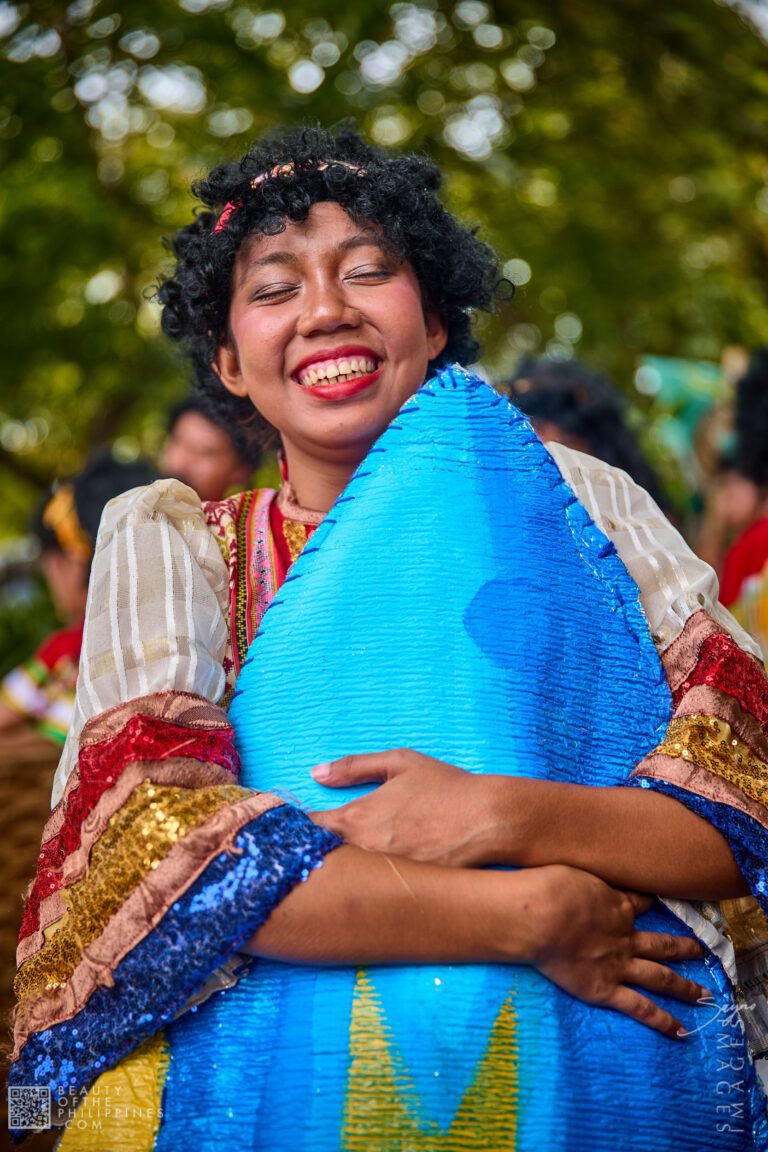
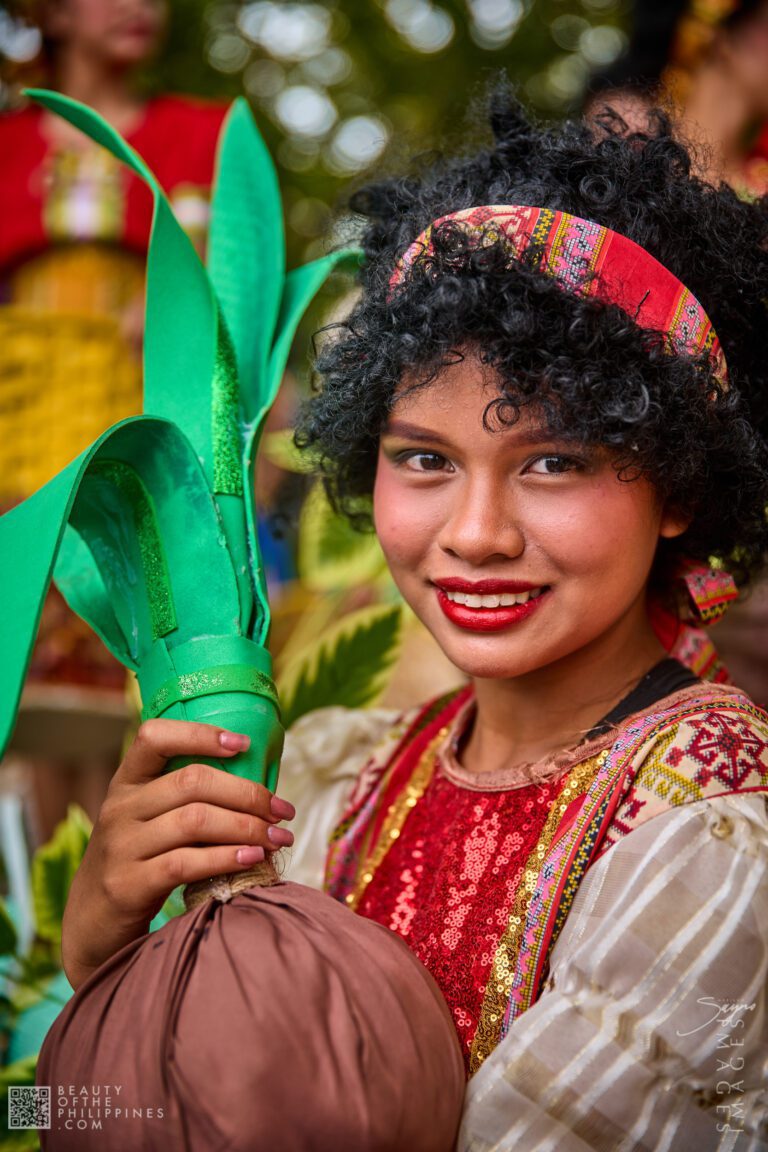
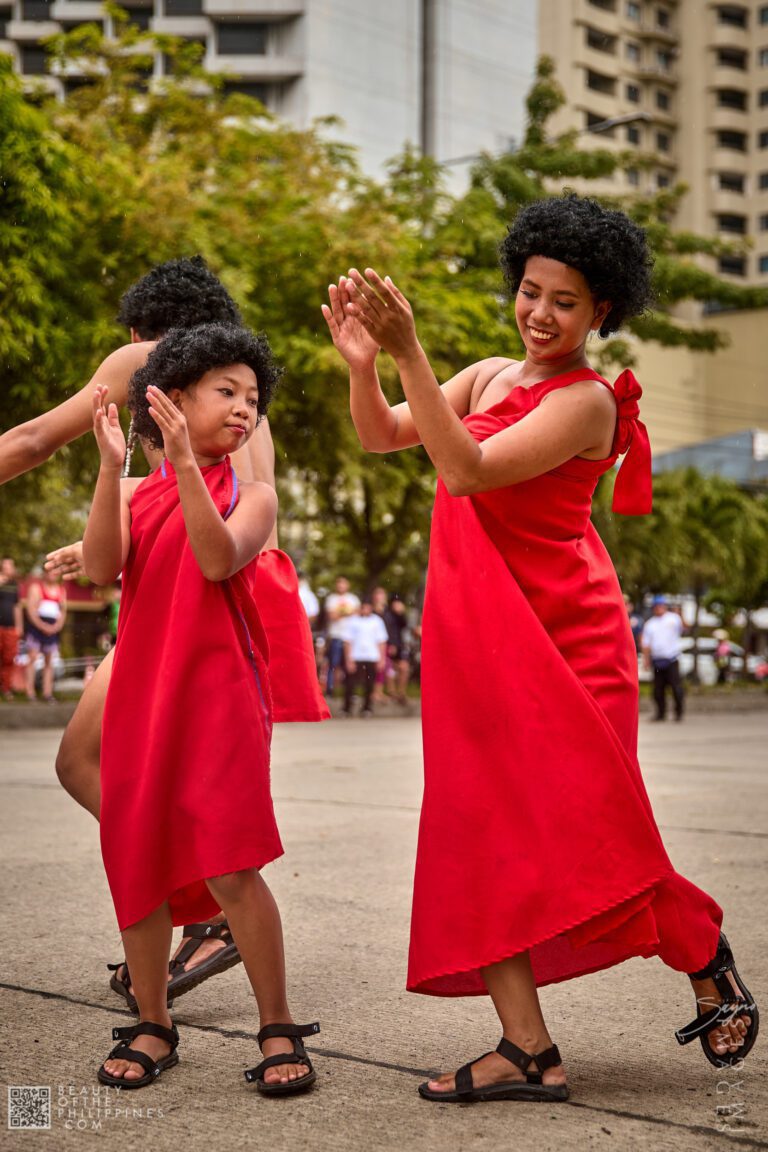
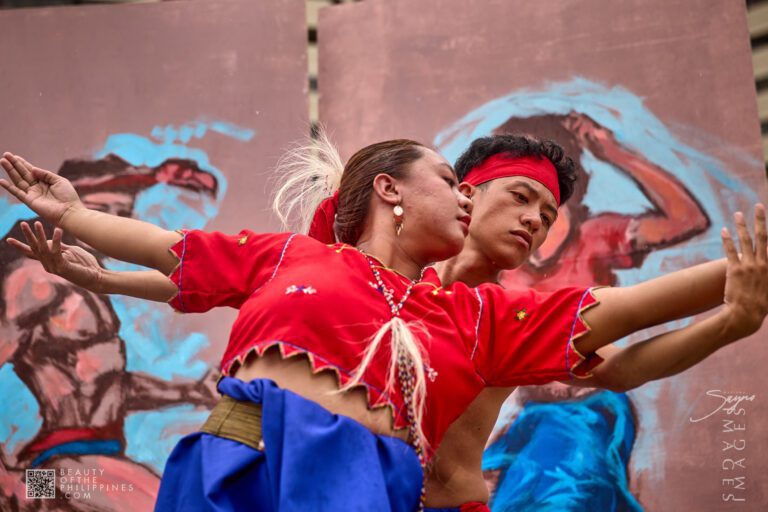
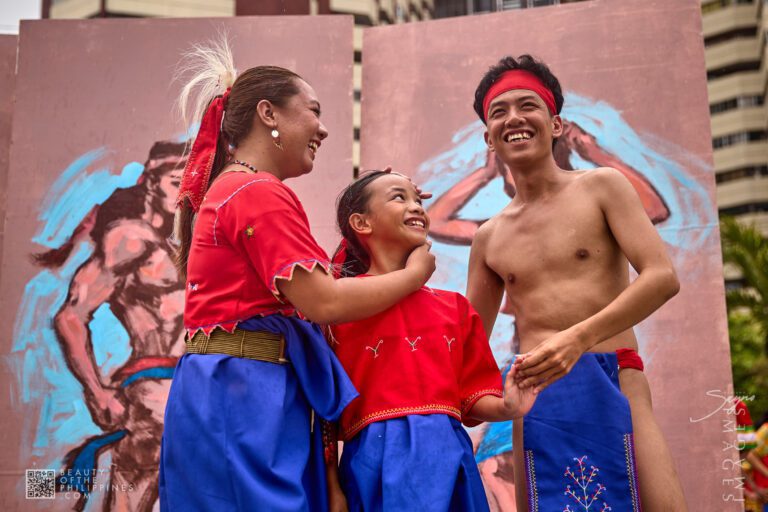
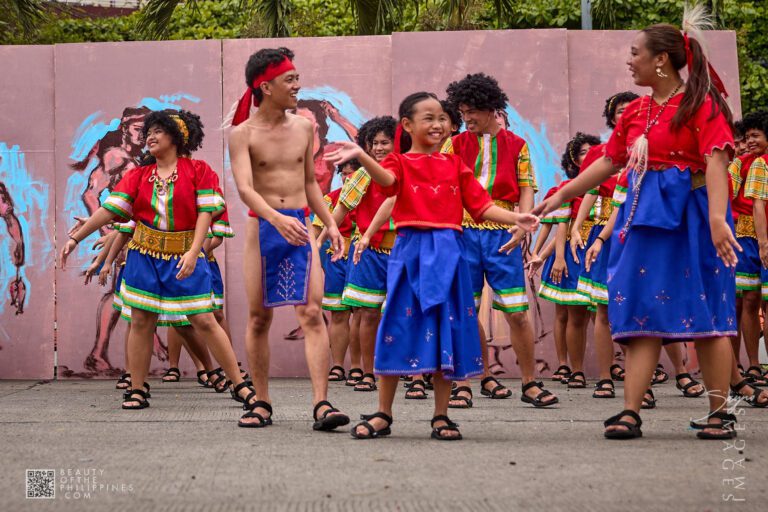
ABOVE: A smiling performer in colorful traditional attire reaches forward with open hands during the Pasidayaw Festival in Aurora on Araw ng Kalayaan 2025.



There is no way anyone can ignore the beauty of Pamatawan River if they are traveling in the area of the coast of Pundaquit in
Located within the pristine Subic Bay Freeport Zone in Zambales, Ocean Adventure stands as the Philippines’ first open-water marine theme park. Surrounded by lush rainforest

Bagac Beach refers to the coastal areas lining Bagac Bay in the municipality of Bagac, Bataan, facing the West Philippine Sea. Rather than being a
Subic bay is well known for its collection of shipwrecks from the past, as well as being visited frequently by the American Navy for military
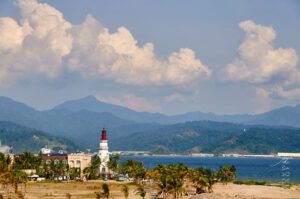
Along the Waterfront Road of Subic Bay Freeport Zone in Zambales, The Lighthouse Marina Resort rises as both a hotel and a visual landmark that
Bagac Beach refers to the coastal areas lining Bagac Bay in the municipality of Bagac, Bataan, facing the West Philippine Sea. Rather than being a
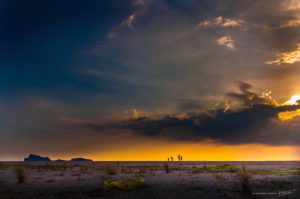
Pundakit, or the Municipality of Pundaquit of San Antonio, in Zambales Province, is a fishing village that boasts a multilingual local population (Ilocano, Zambal, Tagalog)
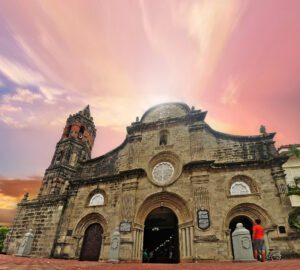
Standing at the heart of Malolos City, Bulacan, Barasoain Church rises with a presence that feels both solemn and proud. Officially known as the Our

Mount Malasimbo rises in the municipality of Dinalupihan, situated in northern Bataan, Central Luzon, Philippines. Part of the Zambales Mountain Range, the peak forms a
Located within the pristine Subic Bay Freeport Zone in Zambales, Ocean Adventure stands as the Philippines’ first open-water marine theme park. Surrounded by lush rainforest

Subic Spanish Gate, located along Sampson Road near Dewey Avenue in Olongapo City, was built in 1885 as the western entrance to the Spanish naval
There is no way anyone can ignore the beauty of Pamatawan River if they are traveling in the area of the coast of Pundaquit in
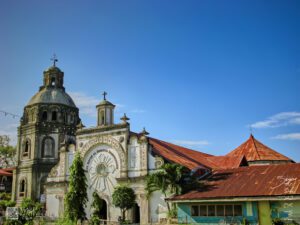
Bacolor, Pampanga, a town steeped in history and culture, is home to the Bacolor Church also known as San Guillermo Parish Church, a landmark that
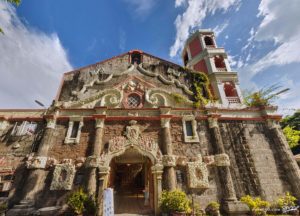
In the heart of Calumpit, Bulacan, rises San Juan Bautista Parish Church, more commonly called Calumpit Church. You don’t need a guidebook to sense its
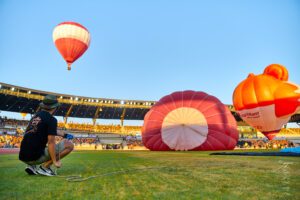
The Philippine International Hot Air Balloon Fiesta in New Clark City offered a spectacular showcase of aviation prowess and cultural celebration, leaving attendees captivated by

Located on Mount Samat in Pilar, Bataan, Philippines, the Mount Samat National Shrine, also known as Dambana ng Kagitingan (Shrine of Valor), commemorates the heroism

Sabang Beach sits in Barangay Sabang, part of Morong, Bataan, facing the West Philippine Sea. Morong occupies the western side of the Bataan Peninsula in
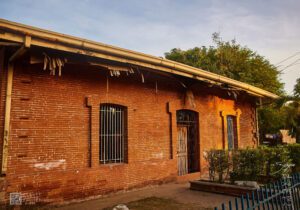
The Capas Train Station is located in Barangay Sto. Domingo II, Capas, Tarlac, and was once part of the historic Manila–Dagupan railway line operated by
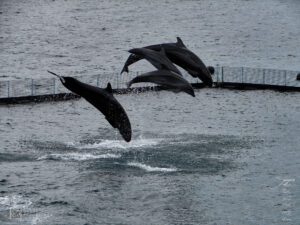
Located within the pristine Subic Bay Freeport Zone in Zambales, Ocean Adventure stands as the Philippines’ first open-water marine theme park. Surrounded by lush rainforest

Dinosaurs Island sits inside Clark Freeport Zone, Pampanga, and it immediately signals its audience—families, kids, and anyone curious about the prehistoric world. Known as the

Located in the heart of Subic Bay Freeport Zone, Zoobic Safari is a premier destination for nature lovers and thrill-seekers. Spanning 25 hectares, this one-of-a-kind

In the middle of modern homes and daily routines in Plaridel, Bulacan, the Simborio Chapel stands with a kind of calm persistence. It doesn’t tower
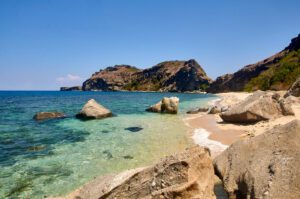
The first thing that strikes you about Capones Island rising off the west coast of Luzon is its silhouette — a bone‑shaped landmass of rock

The journey to Camara Island begins at Pundaquit, a coastal barangay in San Antonio, Zambales, where small bancas line the shore ready to ferry island-hoppers
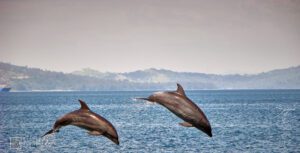
Located within the pristine Subic Bay Freeport Zone in Zambales, Ocean Adventure stands as the Philippines’ first open-water marine theme park. Surrounded by lush rainforest
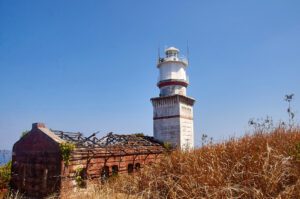
The approach always begins at Pundaquit Beach in San Antonio, Zambales. A small boat cuts across the waters of the West Philippine Sea, and slowly
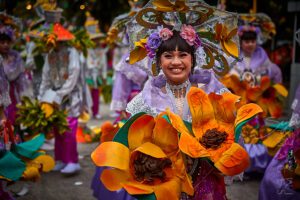
Halamanan Festival is a celebration that takes place every January 23rd in Guiguinto, Bulacan, the Garden Capital of the Philippines, celebrating the beauty of the
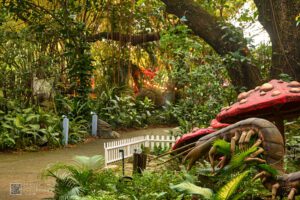
Walking into Insectlandia inside Clark Picnic Grounds, Clark Freeport Zone, Pampanga, feels like stepping into a playful, oversized insect world. Part of the broader Dinosaurs
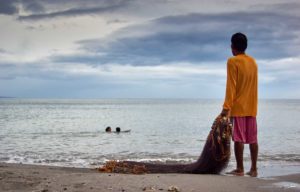
Nagbalayong Beach stretches along the South China Sea in Morong, Bataan Province, offering a long, tranquil shoreline that feels far removed from crowded tourist spots.
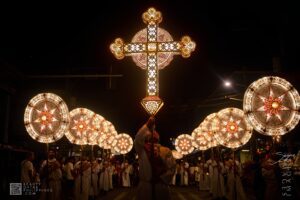
The Lubenas Festival in Magalang has its roots in the Spanish Catholic novena, nine days of prayer before a major feast, which evolved into a
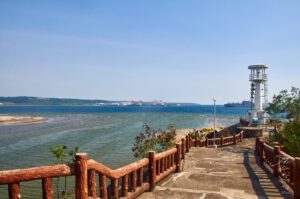
Travelers cruising along the national highway near Kalaklan Point in Olongapo City may suddenly notice a simple, all-white tower rising against the deep blue waters

The Balacat Festival in Mabalacat, Pampanga, stands as a vibrant celebration of the city’s rich culture and heritage, attracting visitors from far and wide to
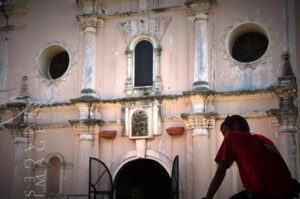
If you’re cruising through Pampanga, you simply can’t miss Betis Church — officially known as the Parish Church of Saint James the Apostle. This church
Subic bay is well known for its collection of shipwrecks from the past, as well as being visited frequently by the American Navy for military
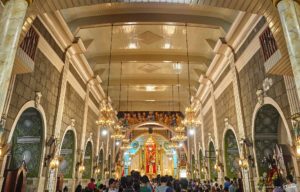
Standing in Poblacion, Meycauayan City, Bulacan, the Saint Francis of Assisi Parish Church, more commonly called Meycauayan Church, anchors the town both physically and emotionally.