Island Dreamer Resort: A Quiet Escape in Talisay, Batangas That Feels Like Home
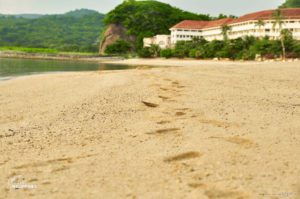
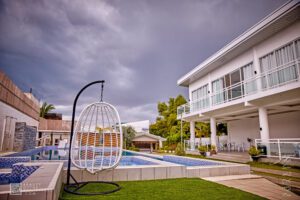
Located in Barangay Caloocan, Talisay, Batangas—just a couple of hours’ drive from Metro Manila—is a quiet little spot that’s as unbothered as it is underrated:

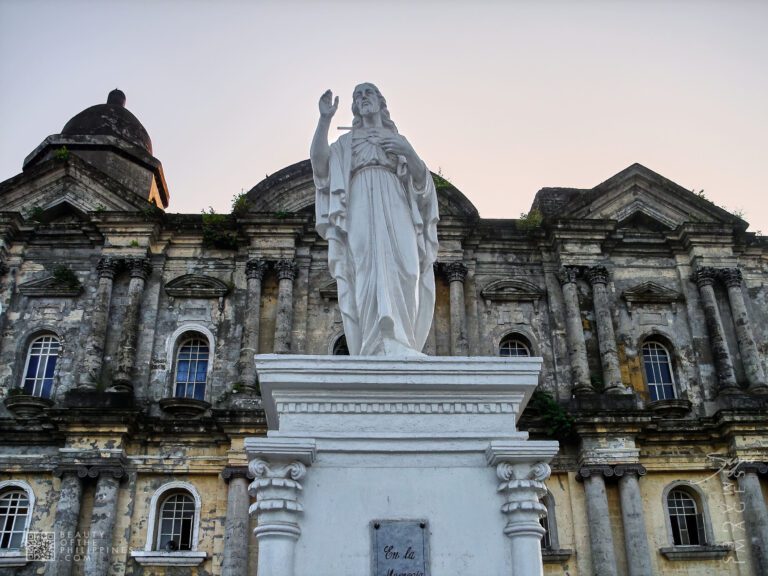
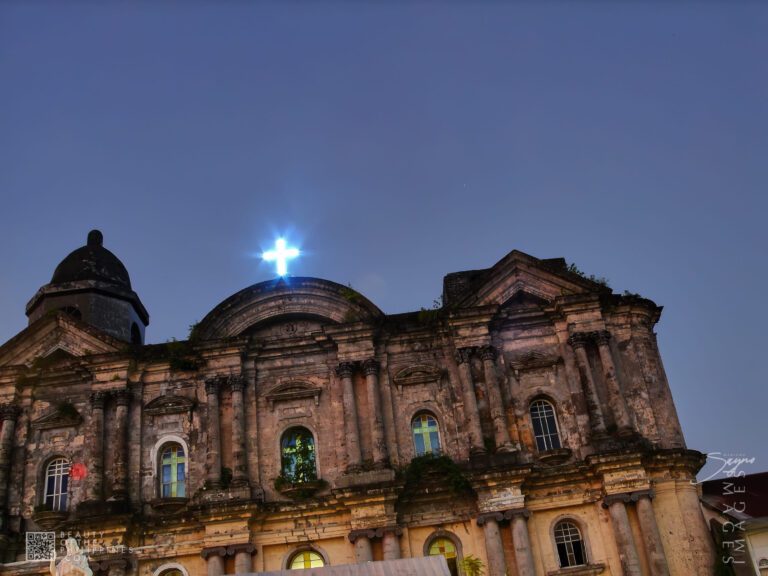
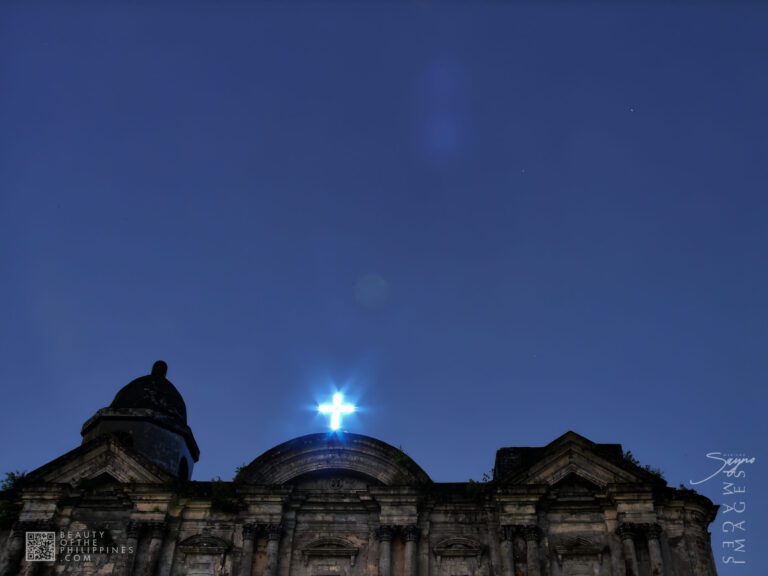
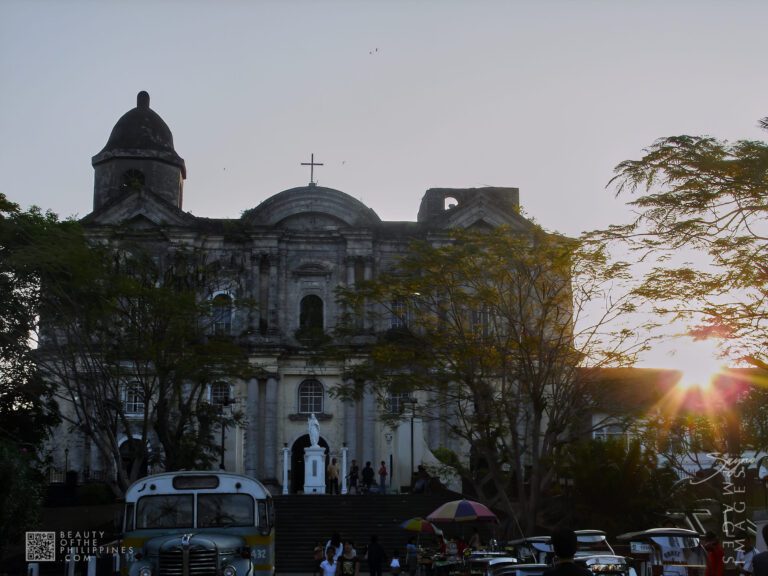
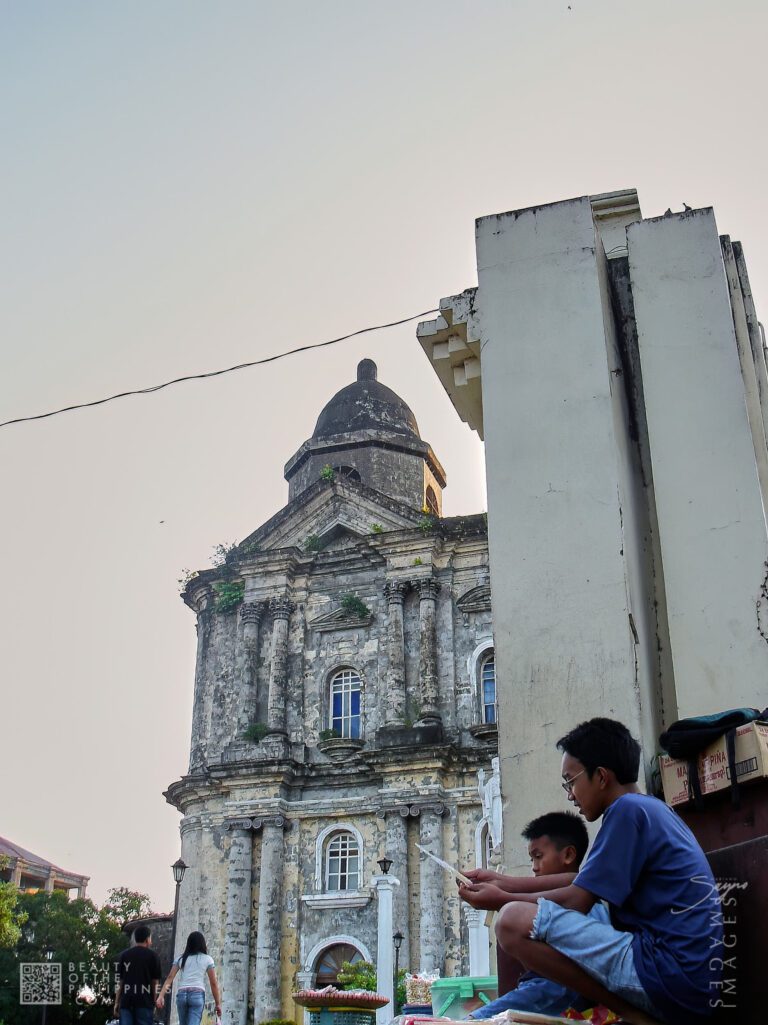
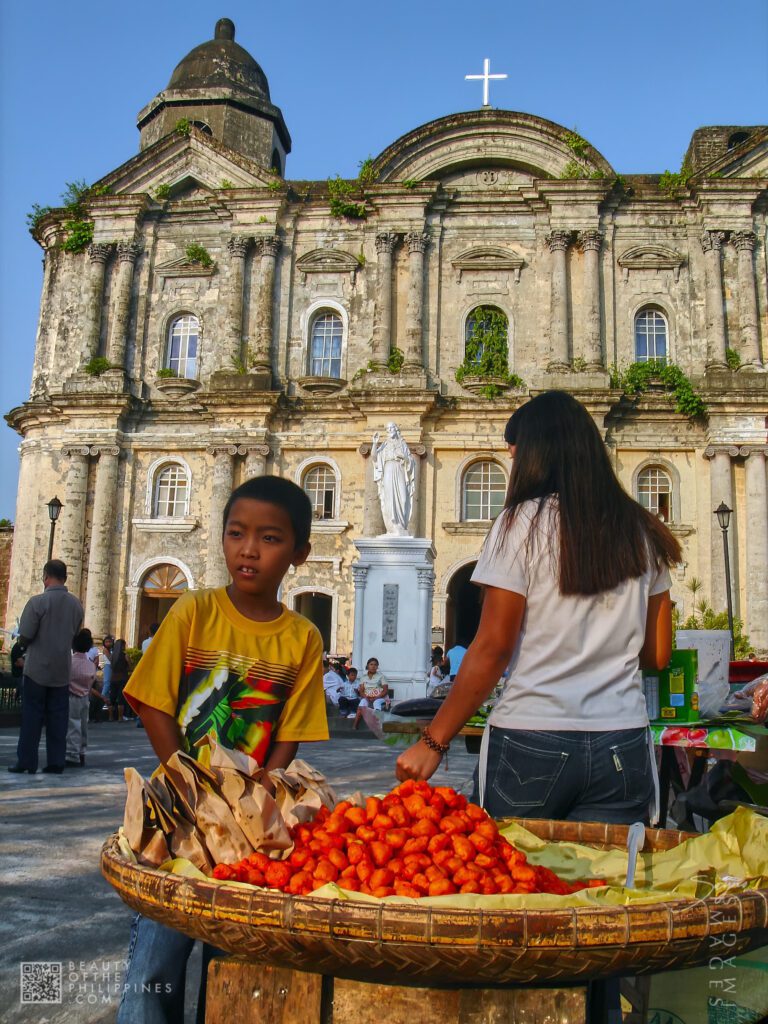
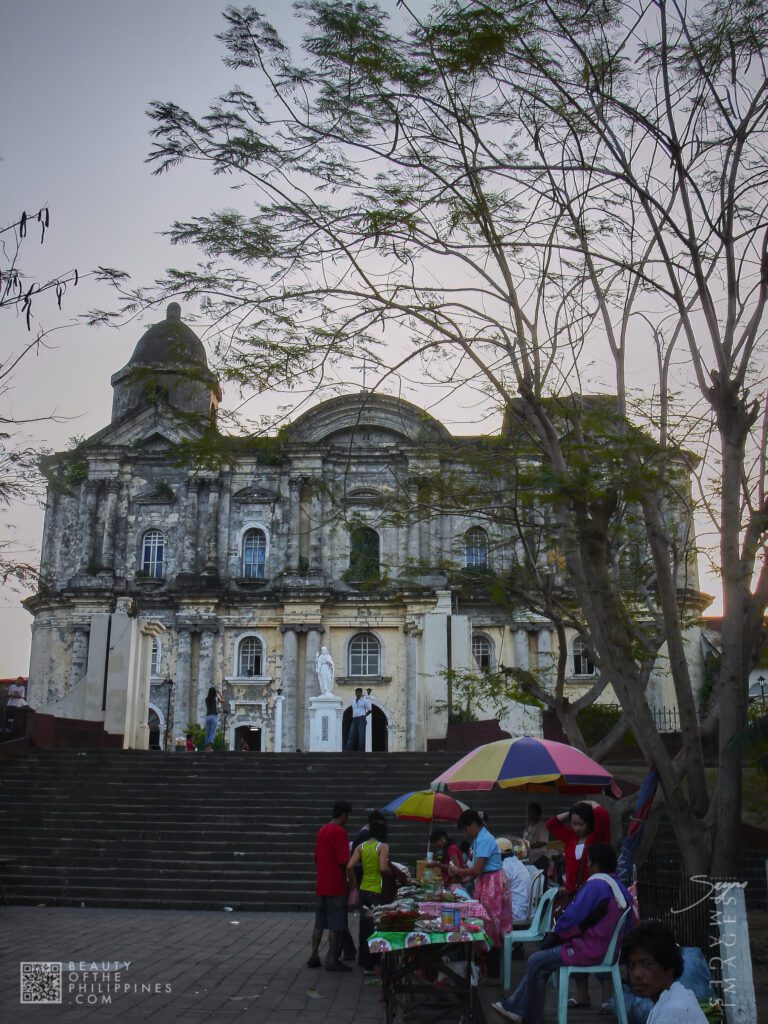
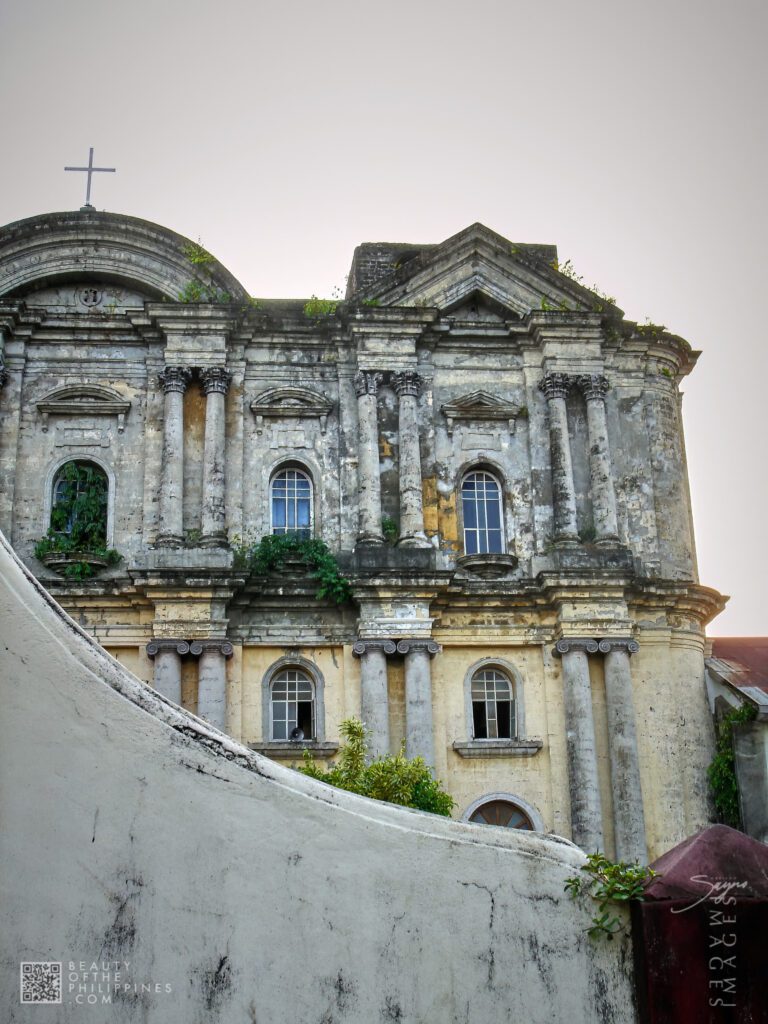
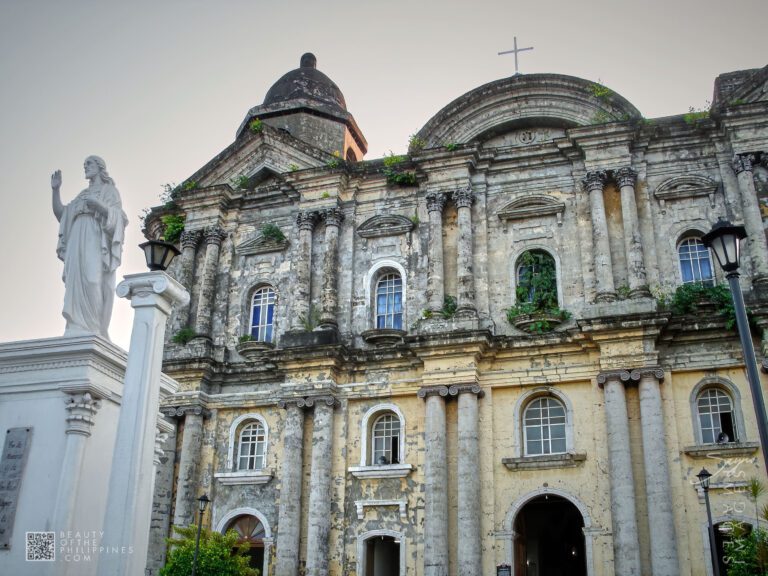
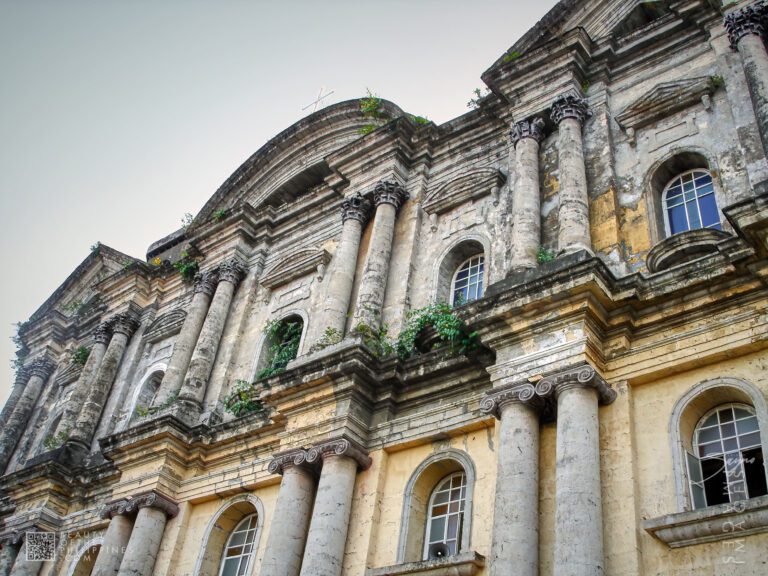
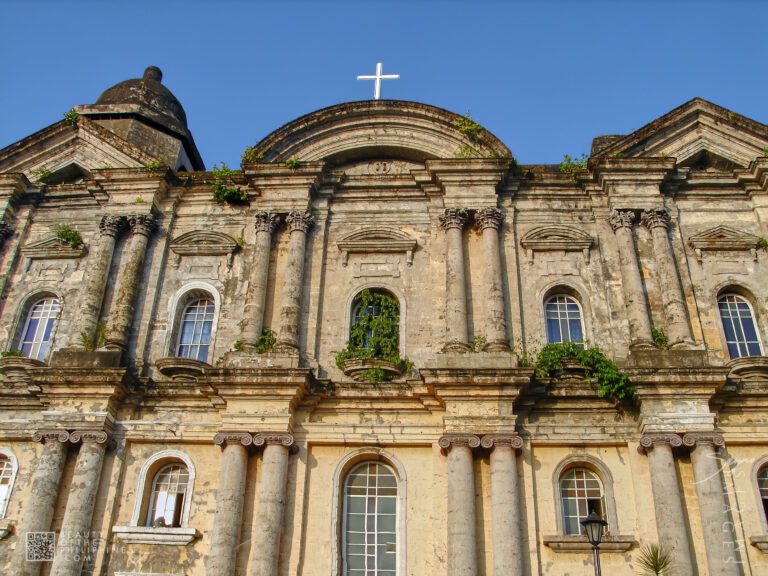
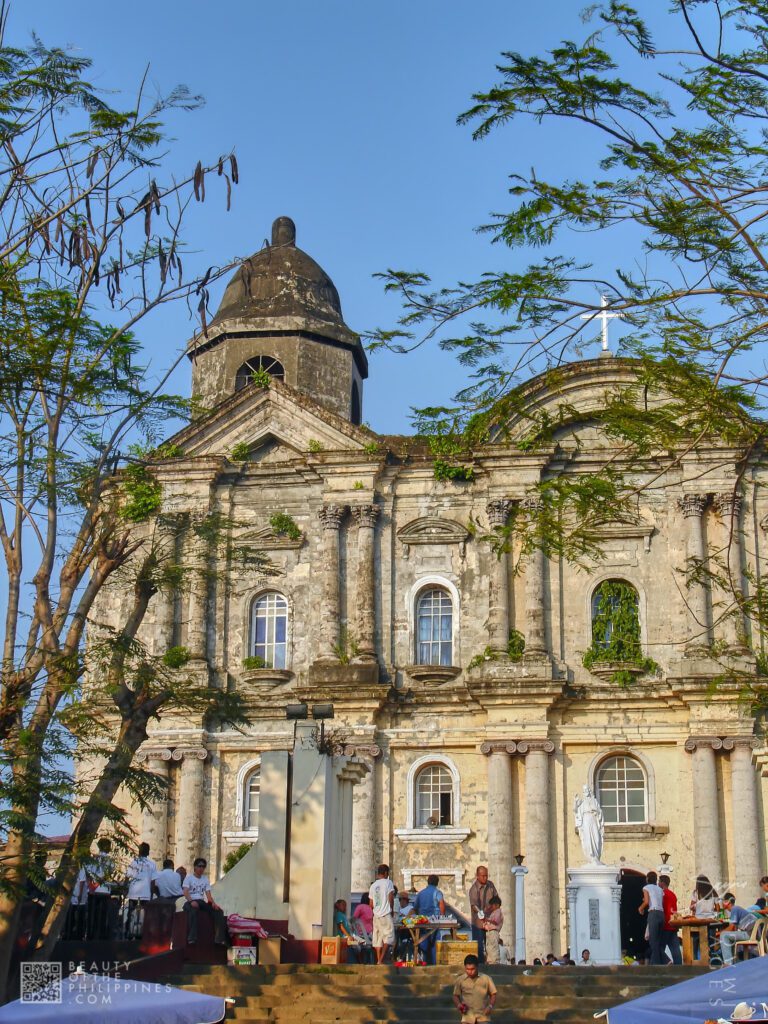
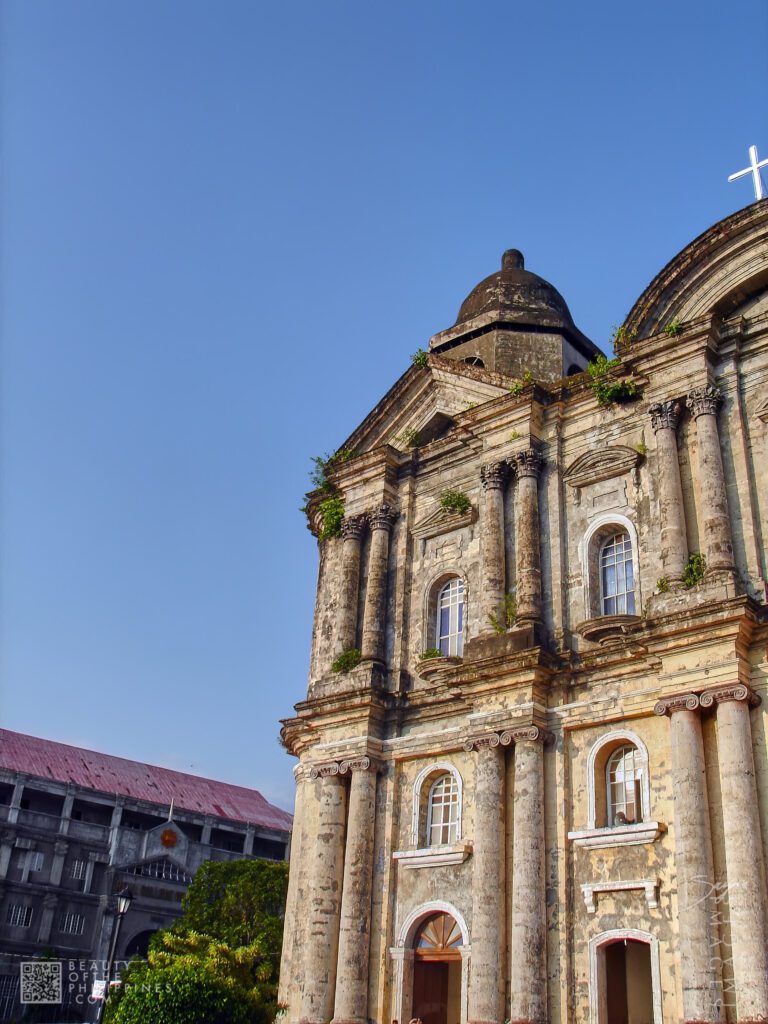
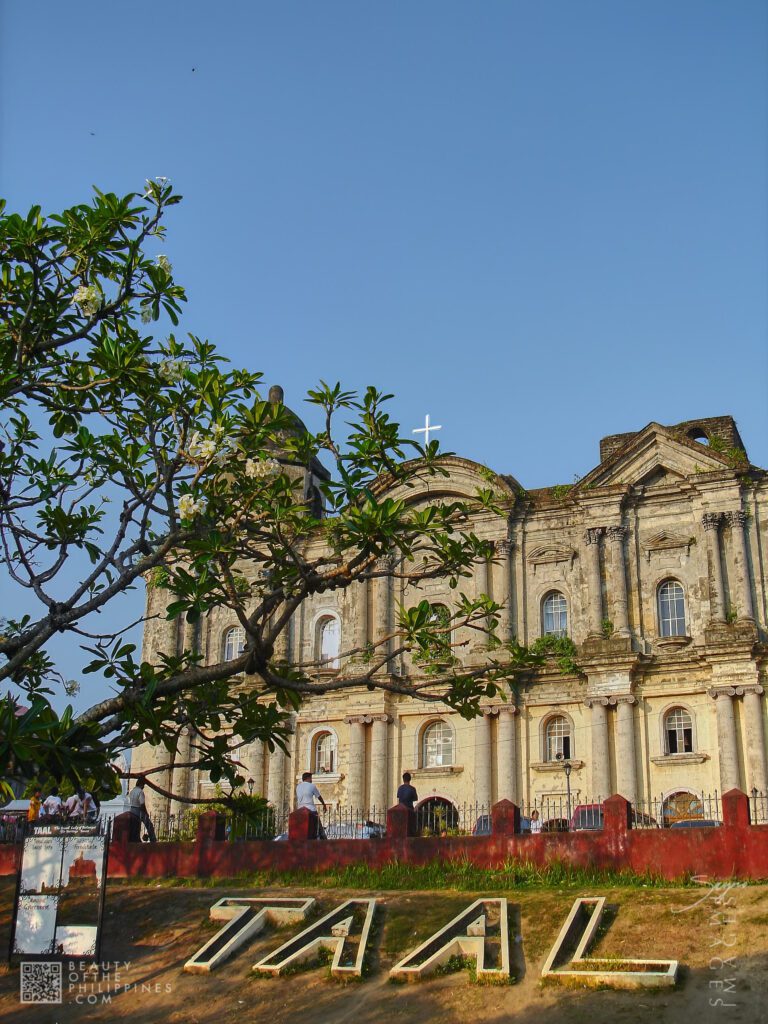
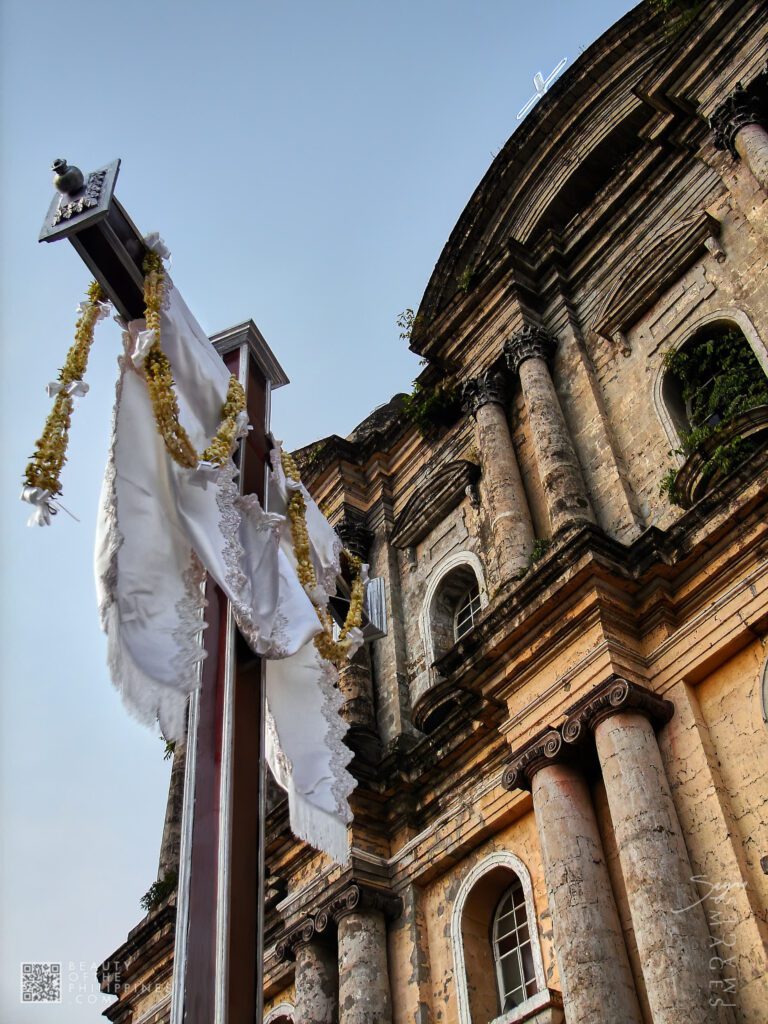
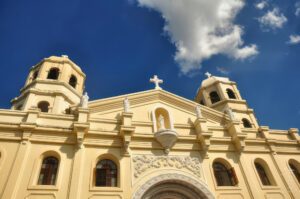
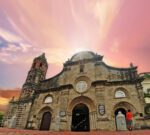
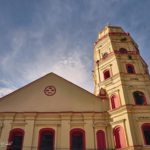
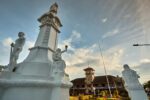
Taal Basilica rises elegantly atop a gentle hill in Taal, Batangas, immediately commanding attention with its sheer scale and presence. Known formally as the Basilica of Saint Martin of Tours, it is widely recognized as the largest Catholic church in the Philippines and Asia, drawing photographers, history lovers, and pilgrims alike. From the first glance, the combination of Italian Baroque and Neoclassical architecture sets a tone of grandeur balanced by solemnity.
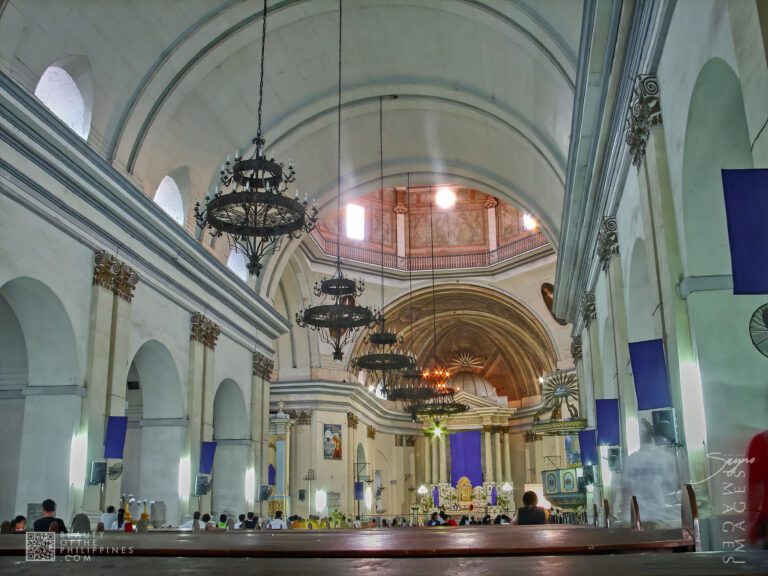
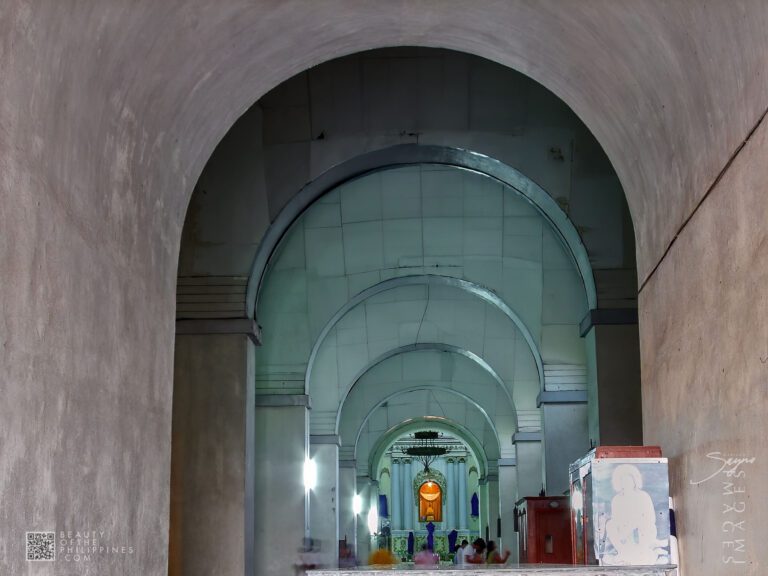
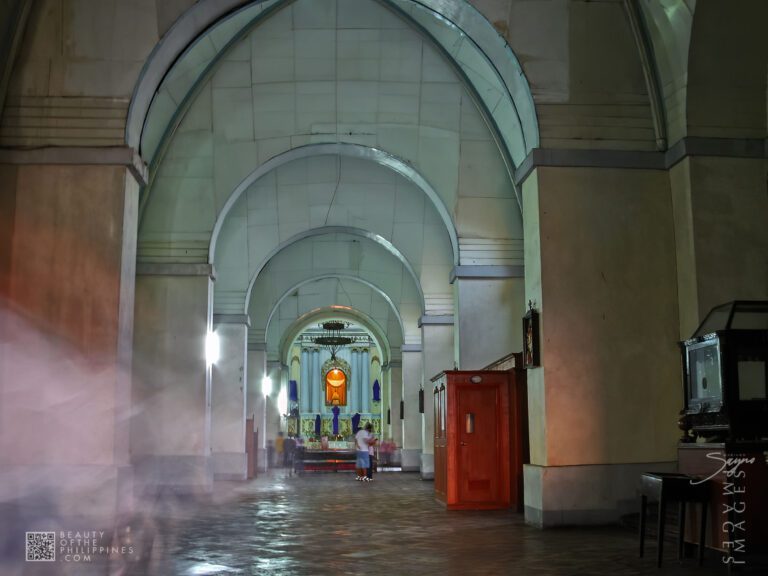
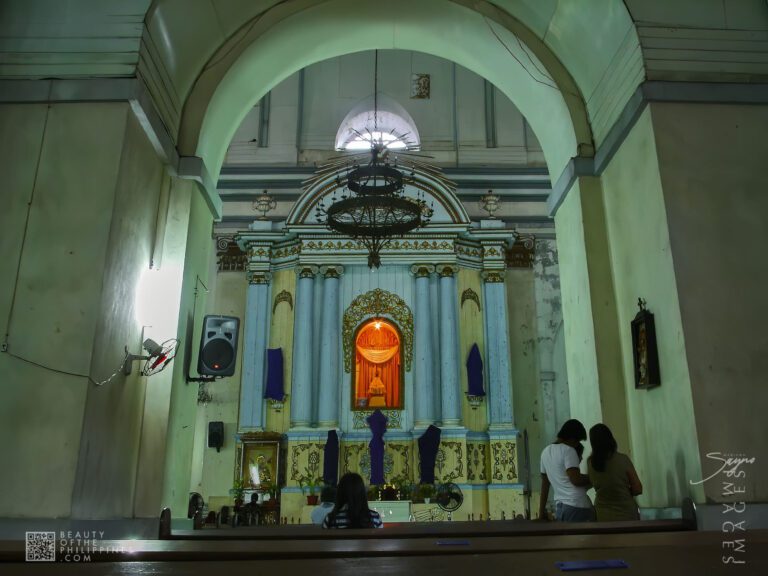
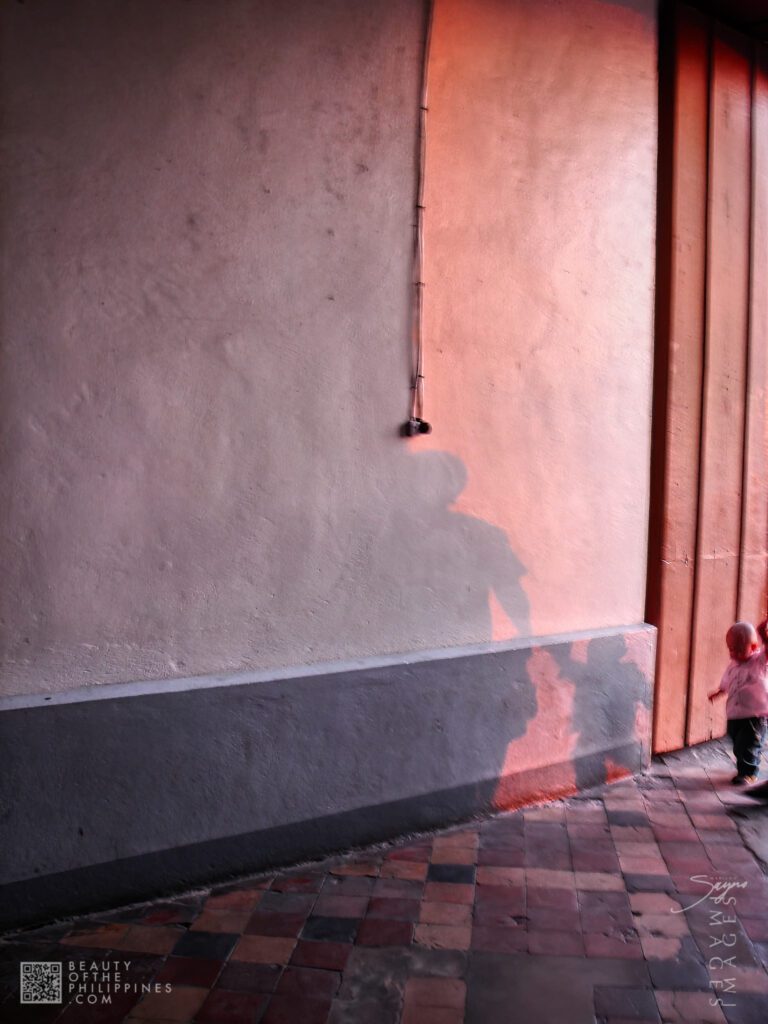
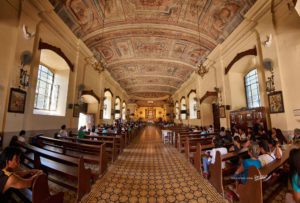
ABOVE: In Taal Basilica, the soft glow of candlelight illuminates silhouettes of people walking down the grand hallway, enhancing the church’s serene and timeless atmosphere.
The history of Taal Basilica stretches back to the 16th century, shortly after Augustinian missionaries founded Taal in 1572. The first church dedicated to Saint Martin of Tours was built in 1575 in what is now San Nicolas, near Lake Taal. The devastating Taal Volcano eruption of 1754 destroyed the old town and church, prompting the relocation of the community to higher ground. By 1755, land was donated for a new parish in the present-day town center. The current basilica began construction in 1856 under Fr. Marcos Antón and Luciano Oliver, a Spanish architect, and though inaugurated in 1865, it reached completion in 1878 after decades of careful building and reinforcement.
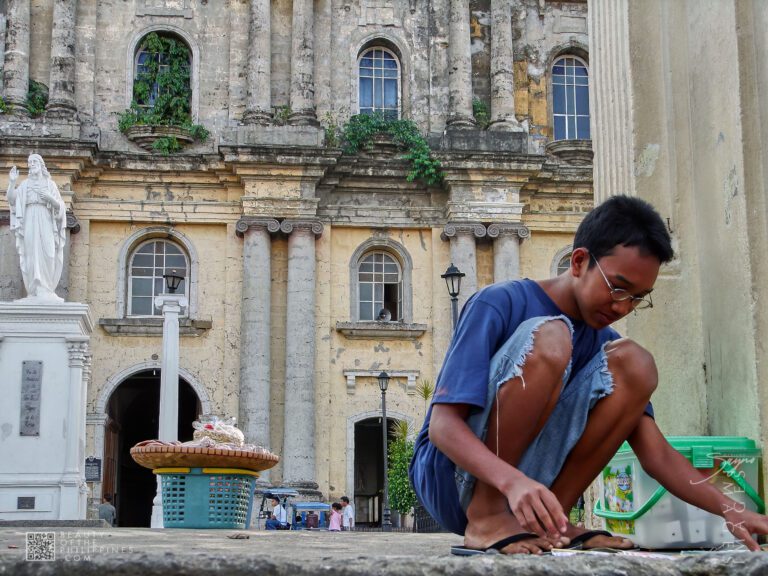
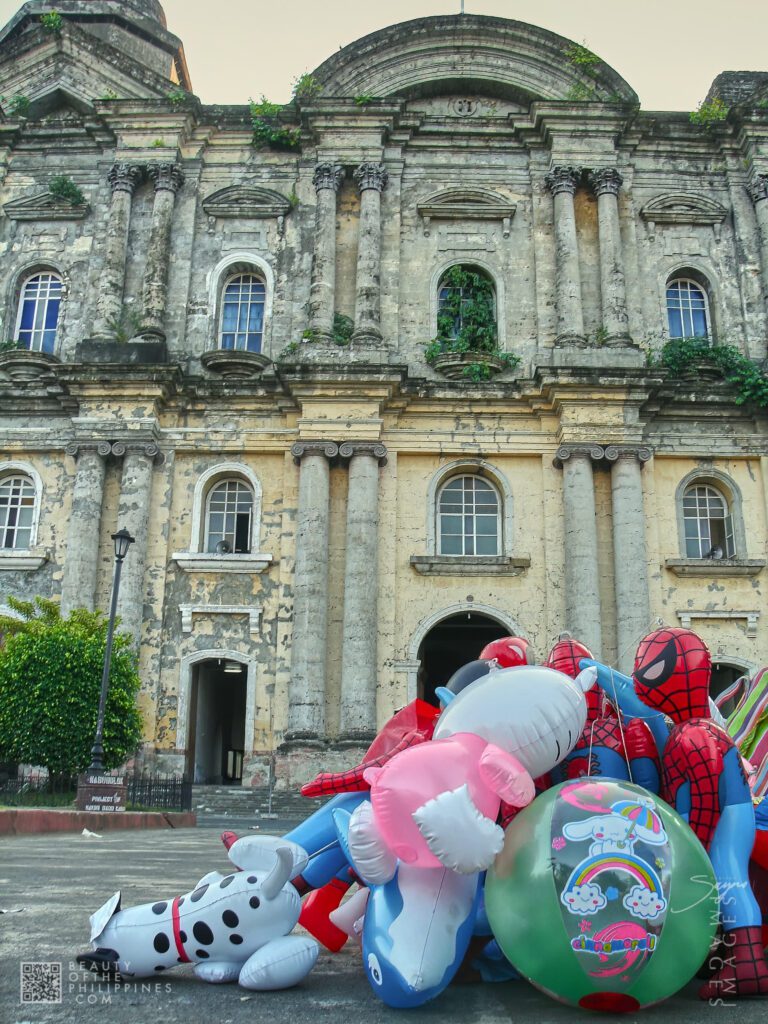
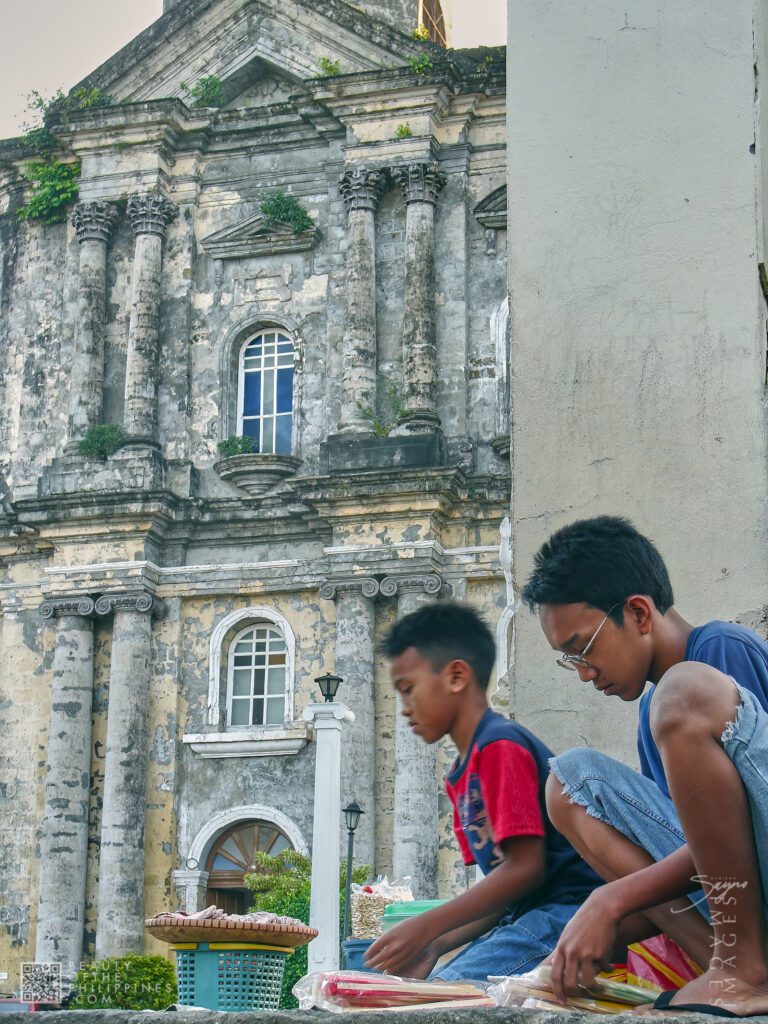
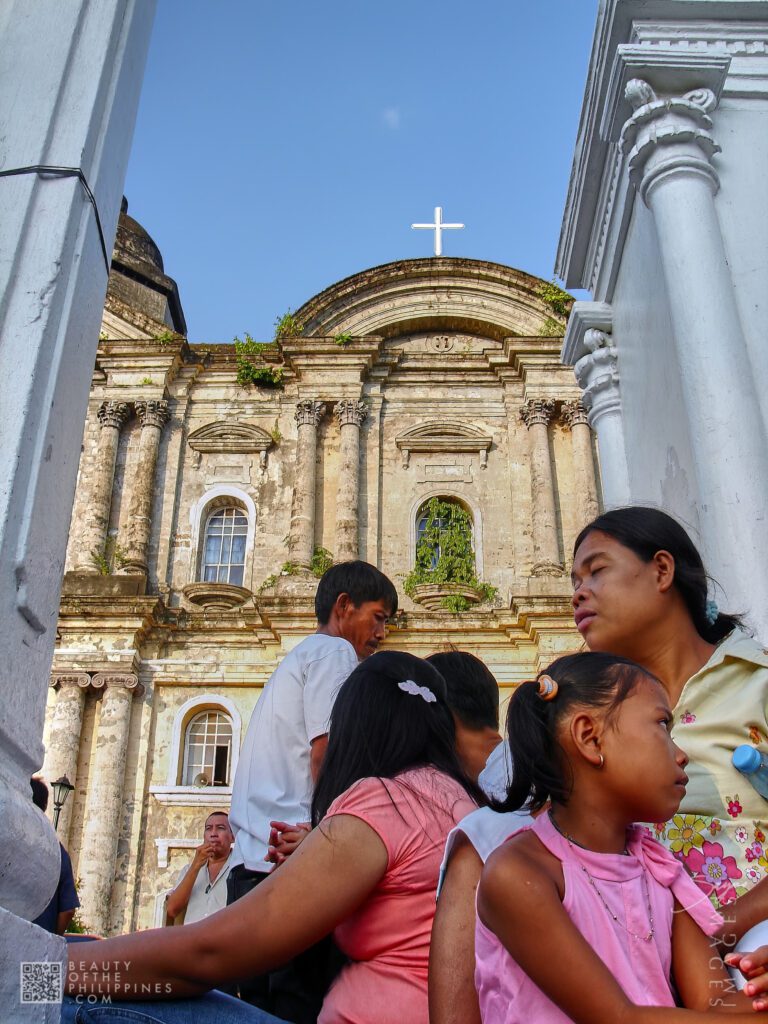
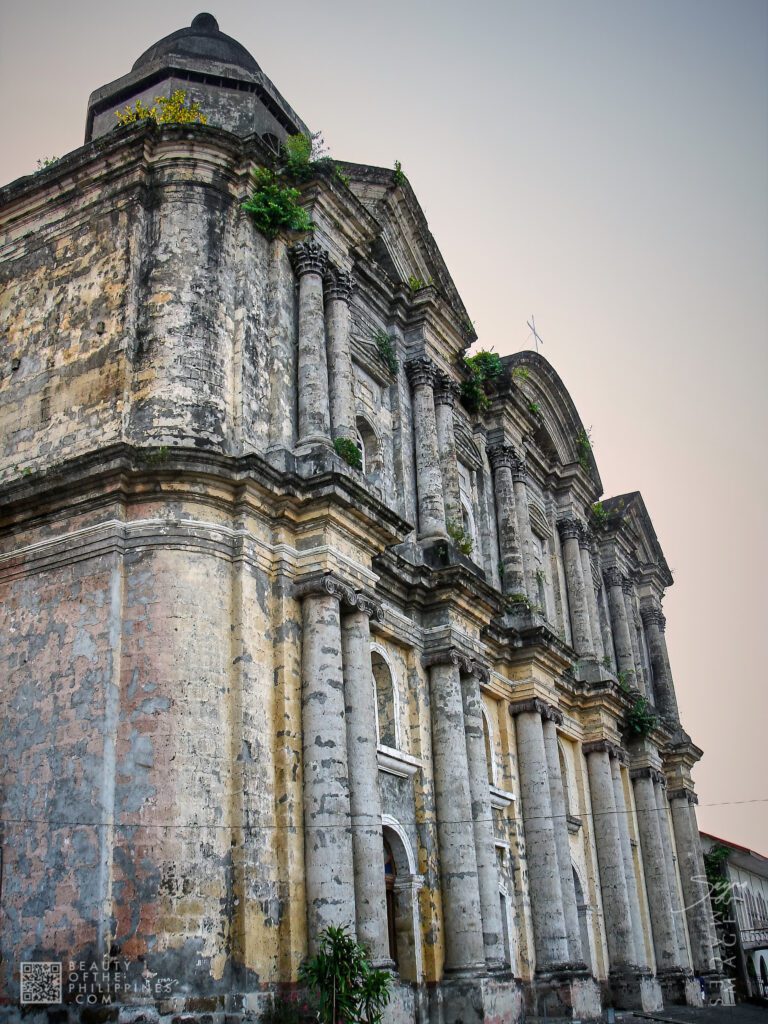
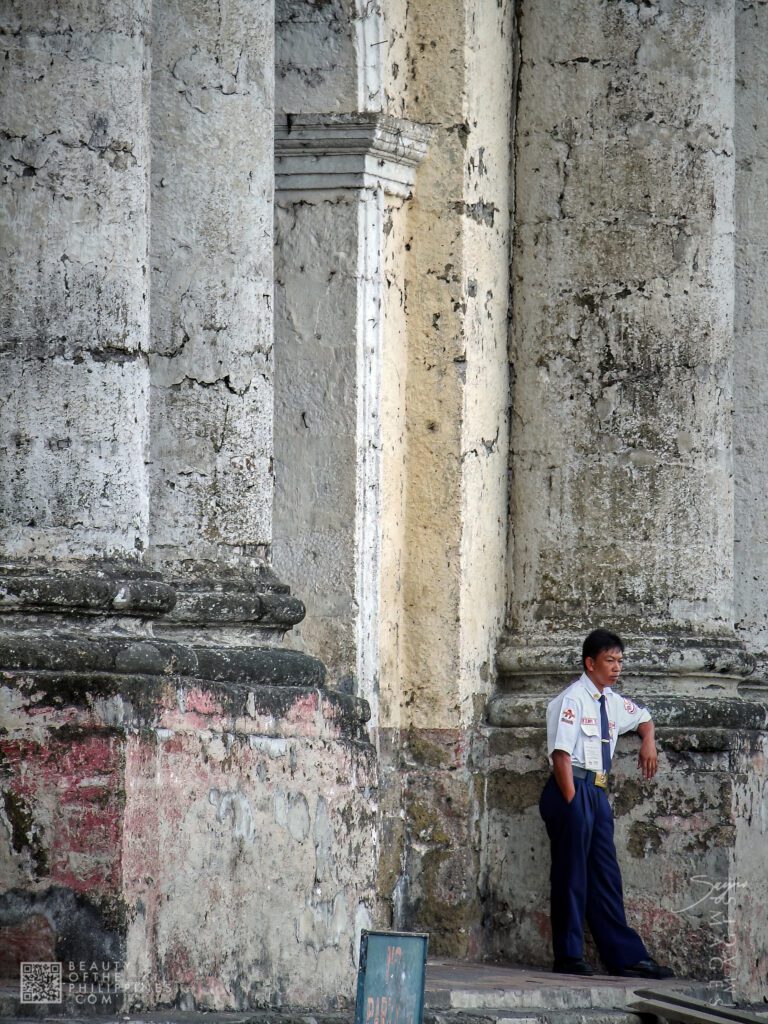
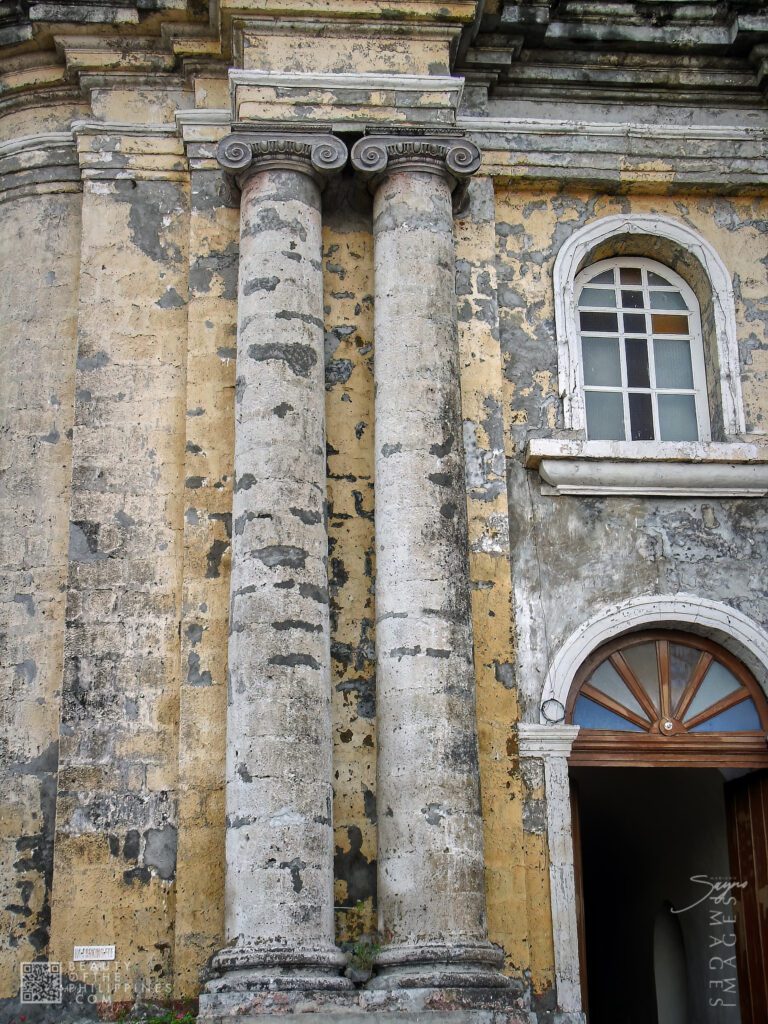
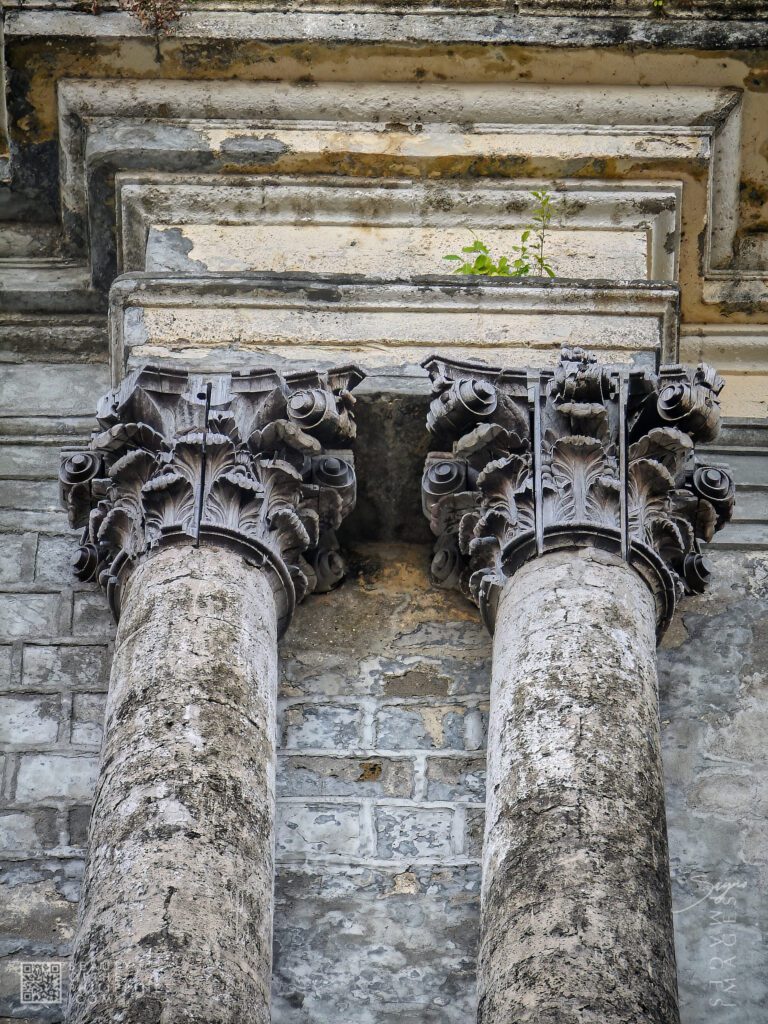
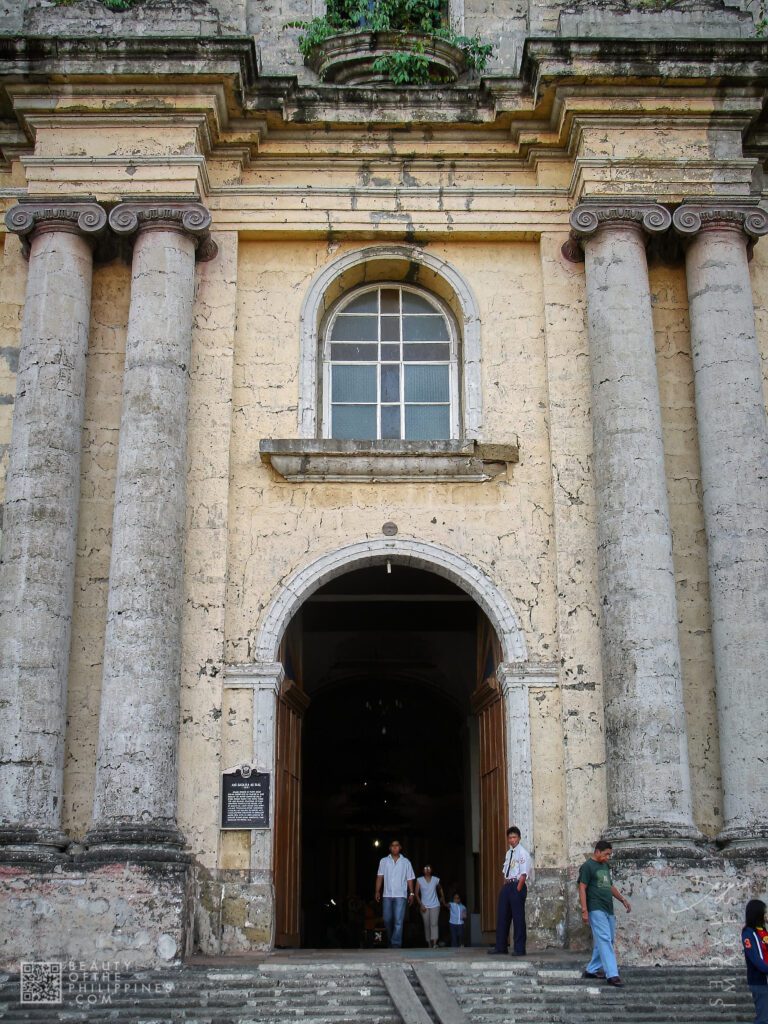
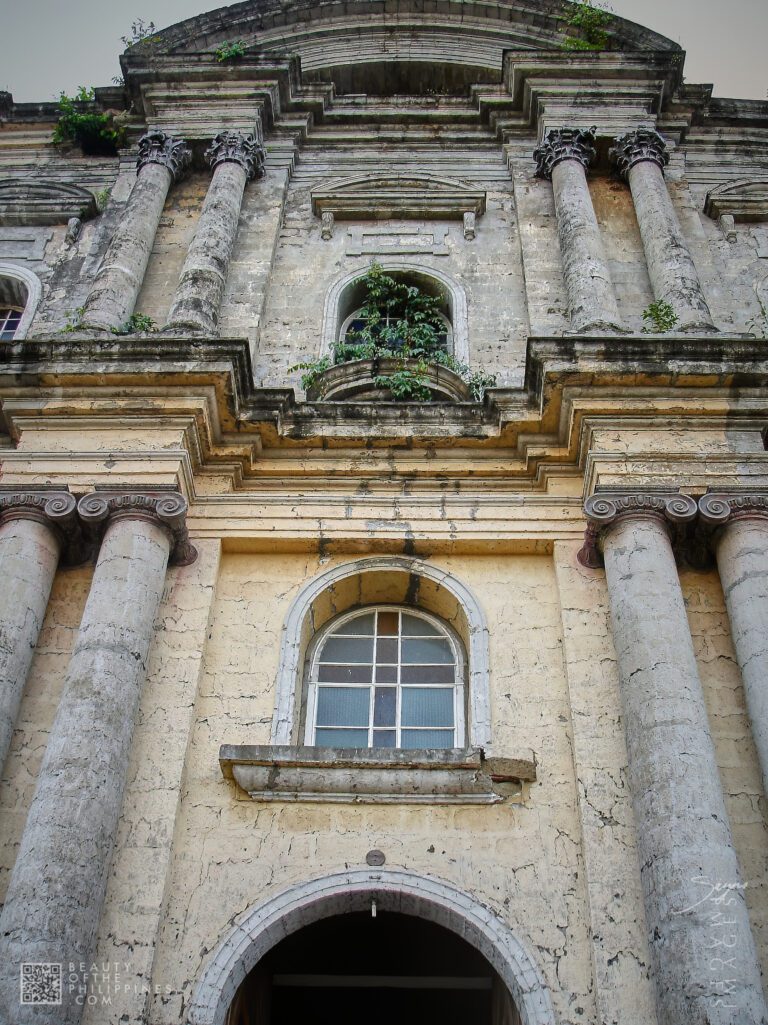
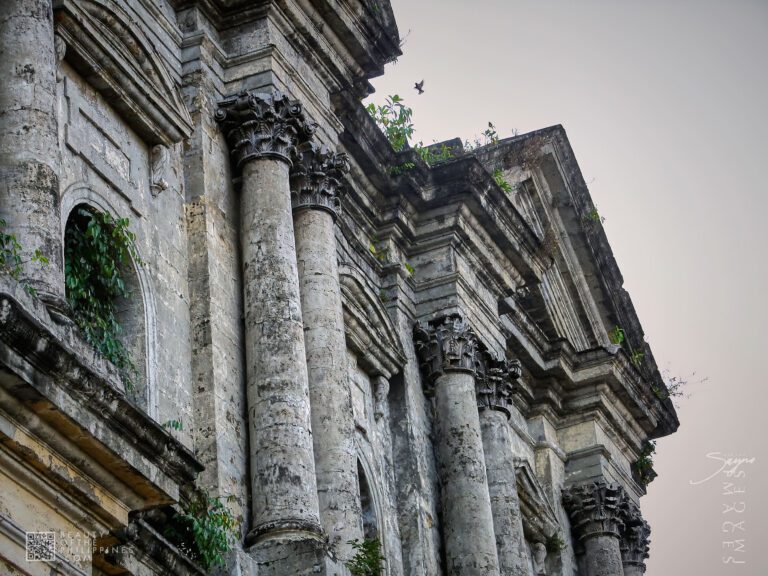
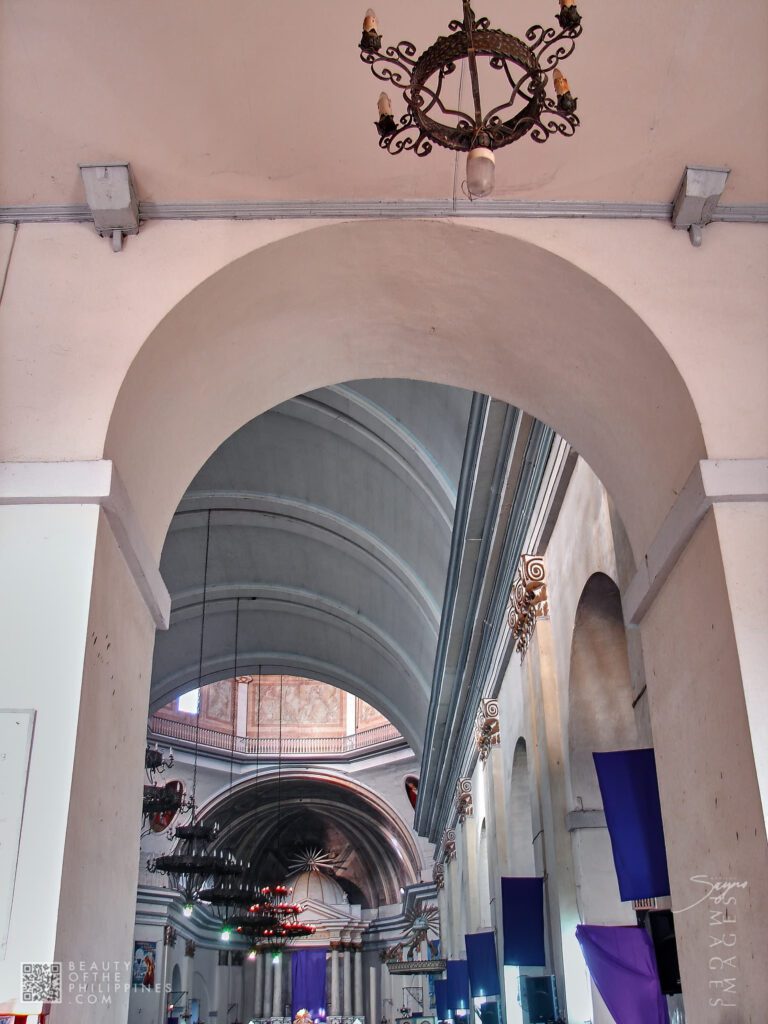
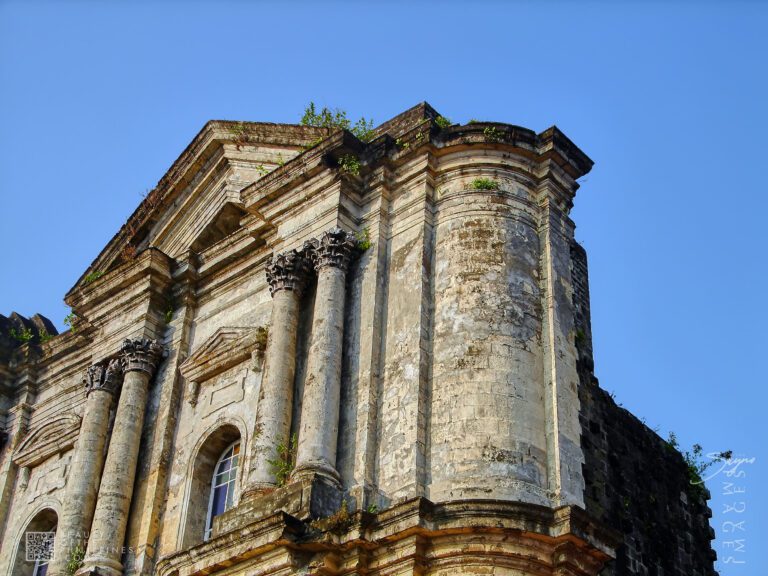
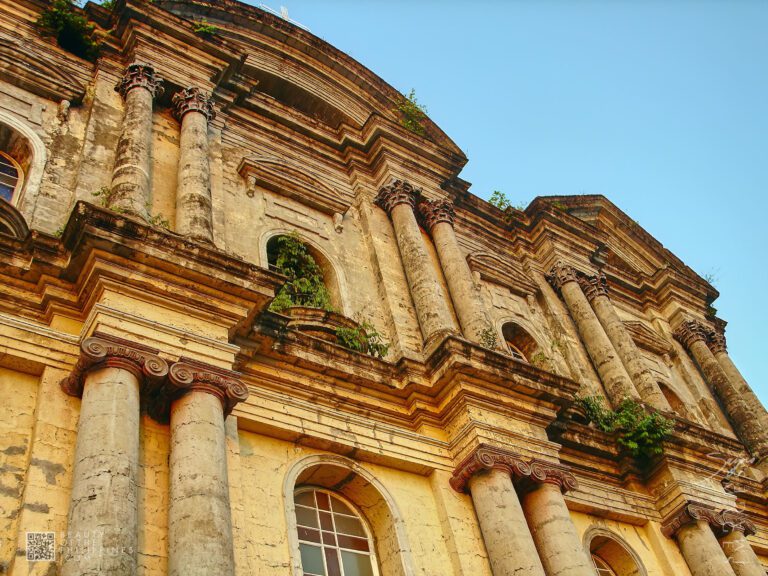
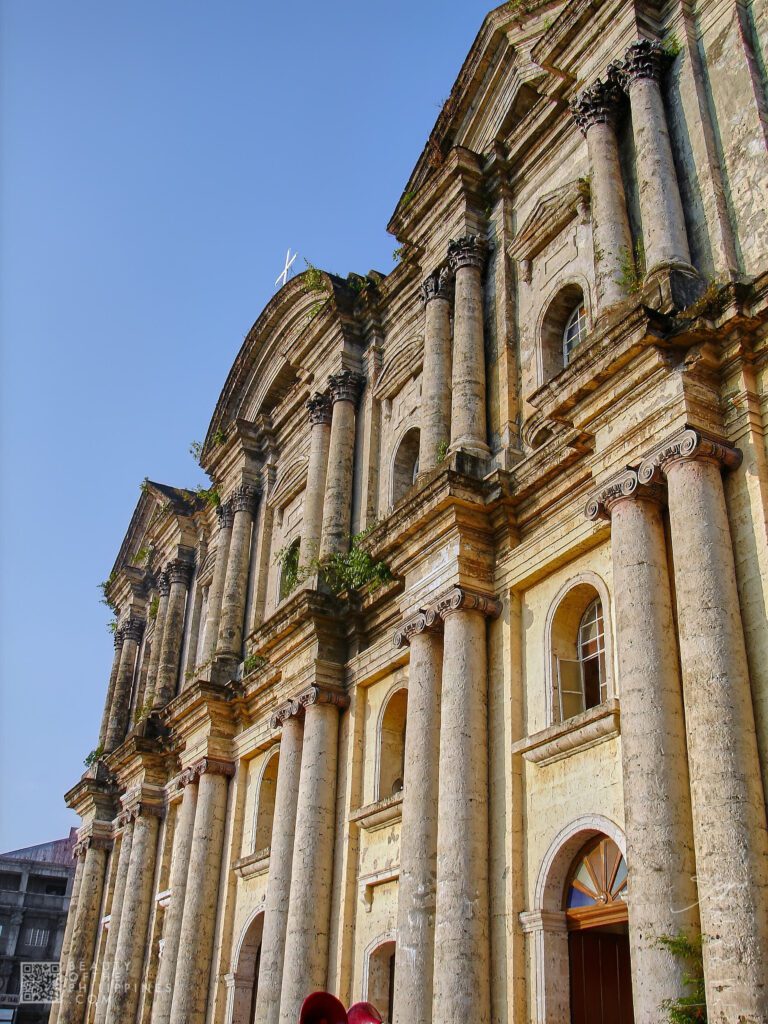
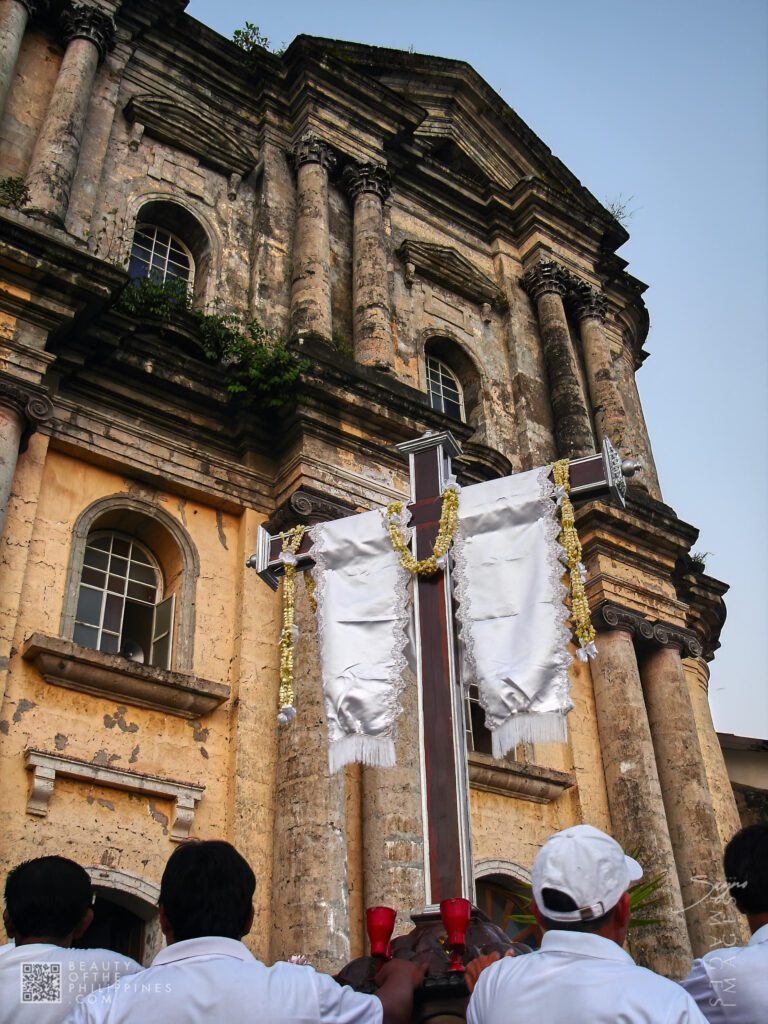
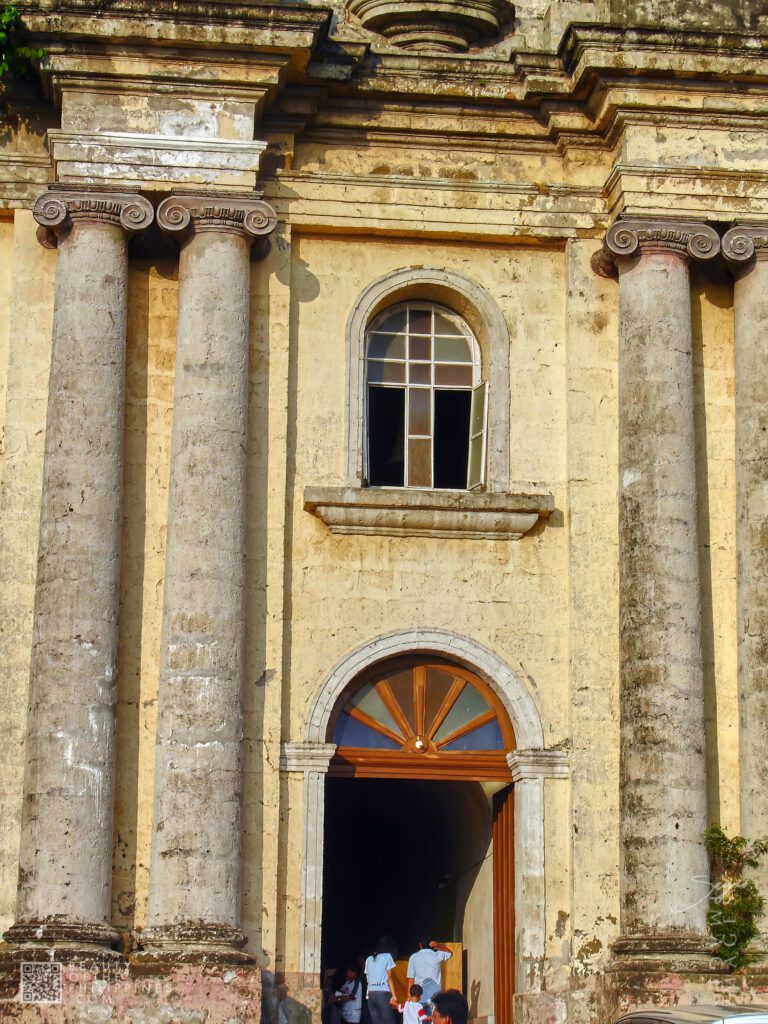
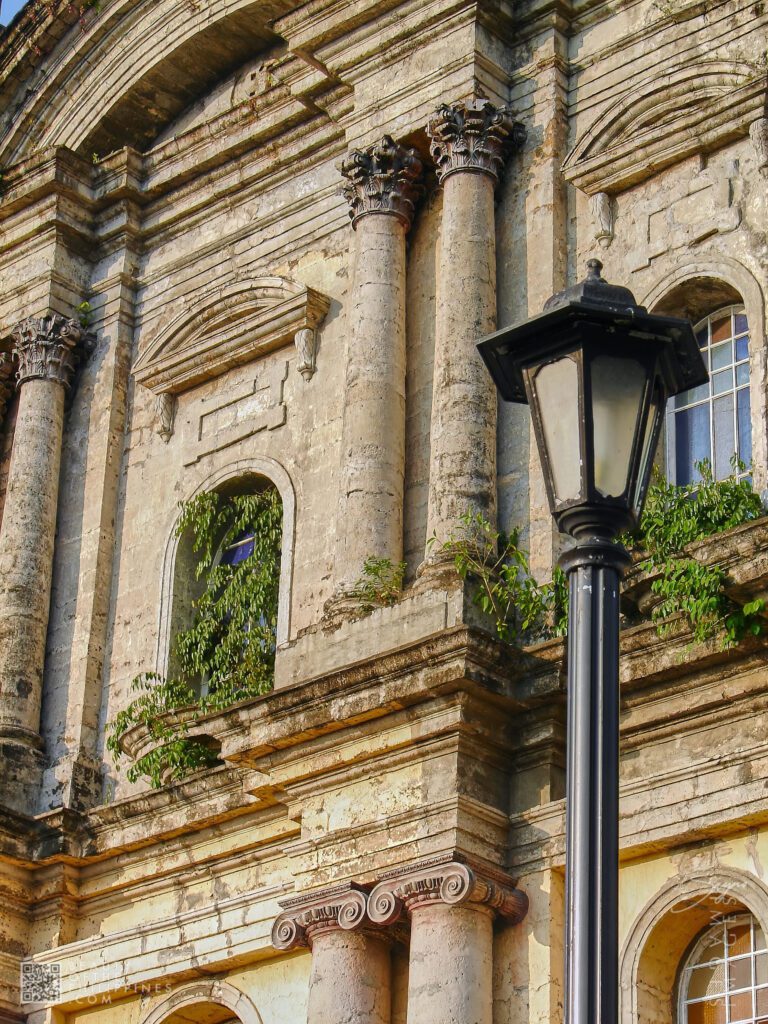
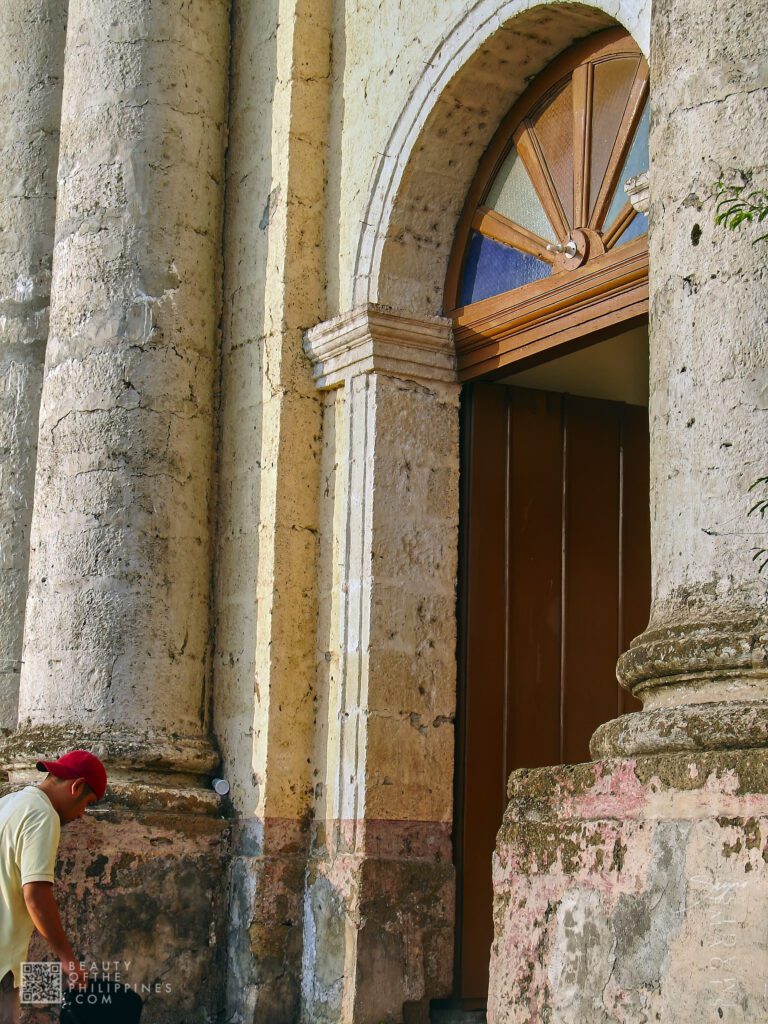
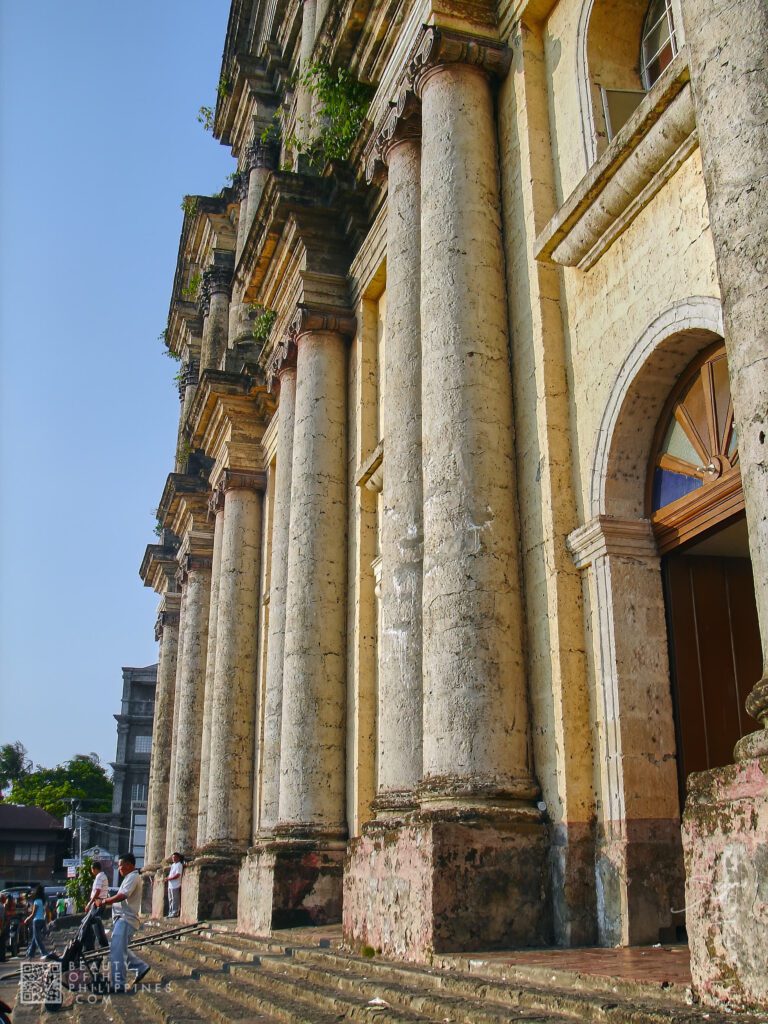
ABOVE: Taal Basilica, the grand Basilica of St. Martin de Tours in Batangas, is renowned for its impressive Baroque architecture, featuring uniquely huge pillars that support its magnificent structure, making it the largest church in the Philippines
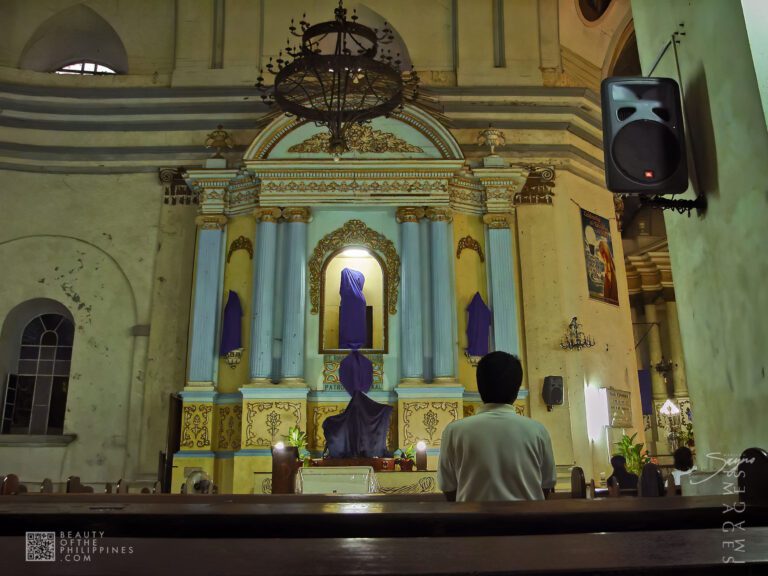
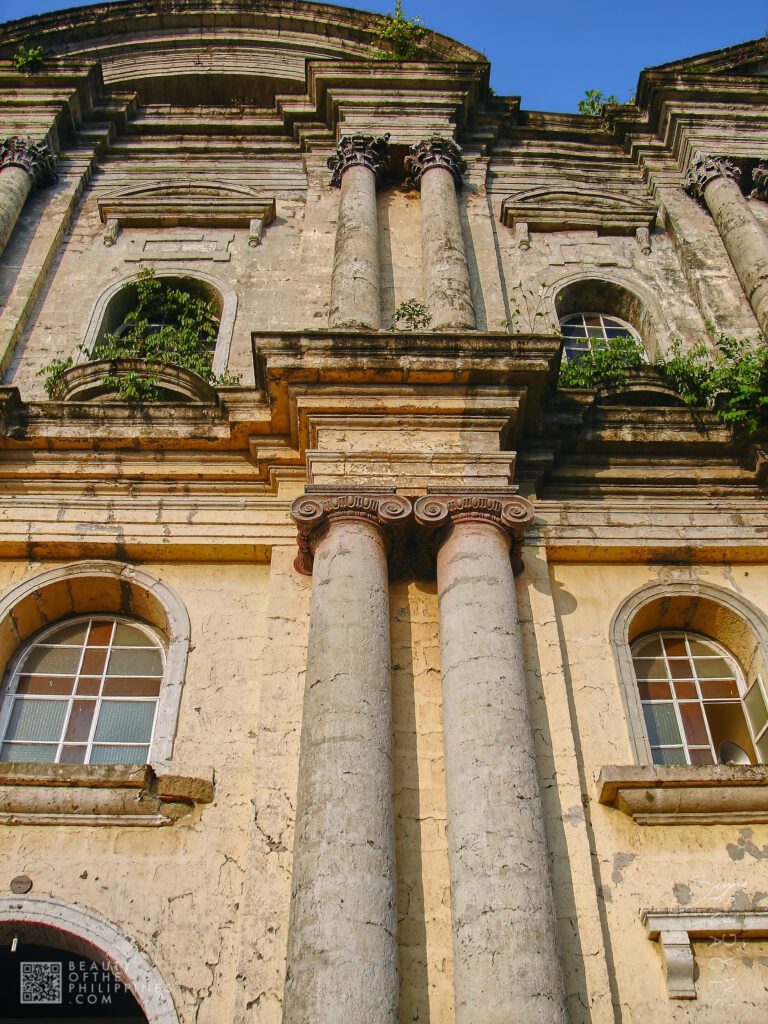
Walking through the basilica, one is immediately struck by its massive dimensions: 88.6 meters long, 48 meters wide, with a façade rising 28 meters high. Paired columns, broad pilasters, and a cruciform layout define its interior, while the Doric-style altar, soaring 24 meters tall and 10 meters wide, dominates the sanctuary. Sunlight filtering through the dome and transept creates a serene atmosphere, highlighting painted ceilings and coral stone walls that have been carefully restored over time. Every corner feels intentional, blending artistry with devotion, a true testament to 19th-century Spanish ecclesiastical design.
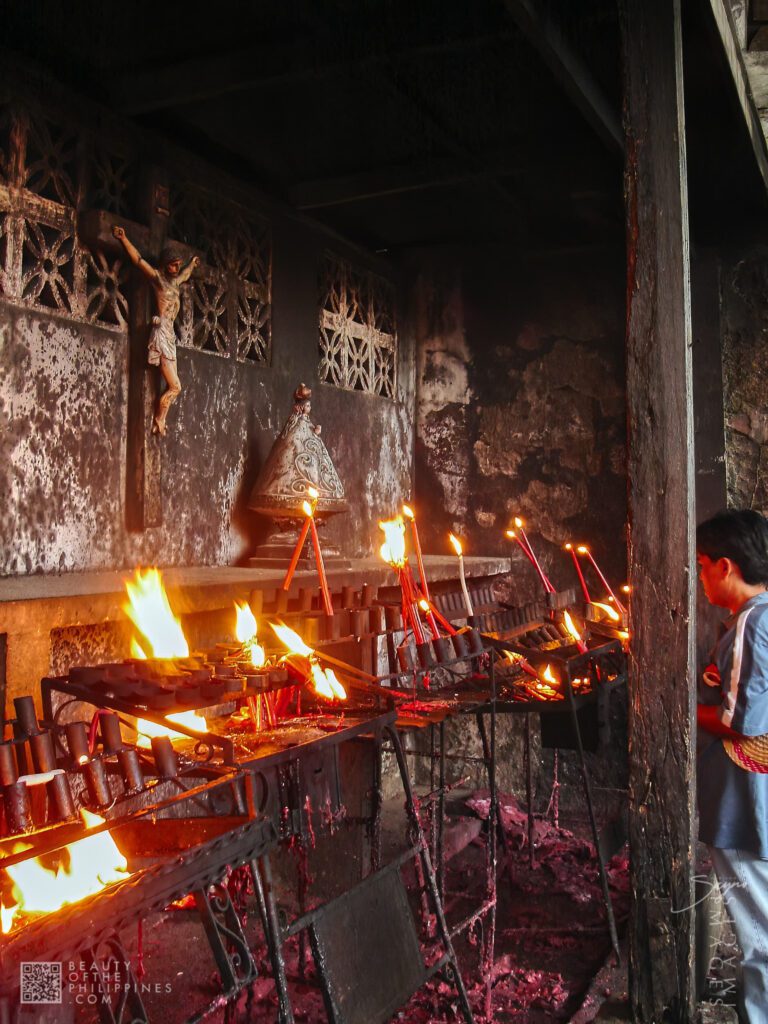
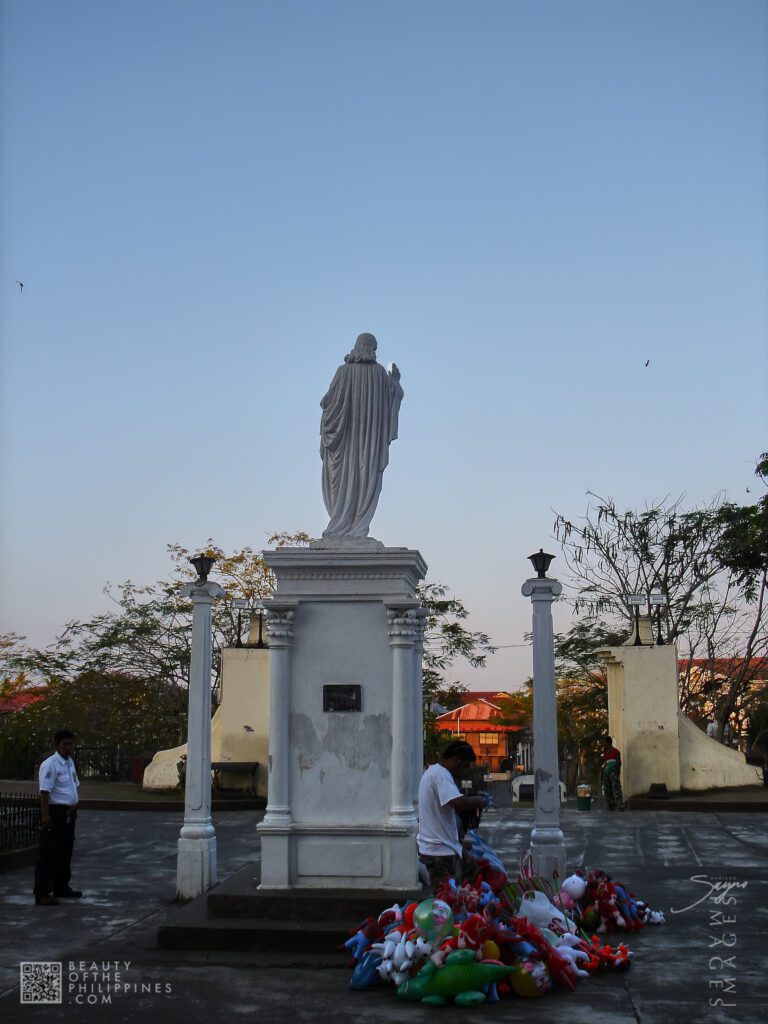
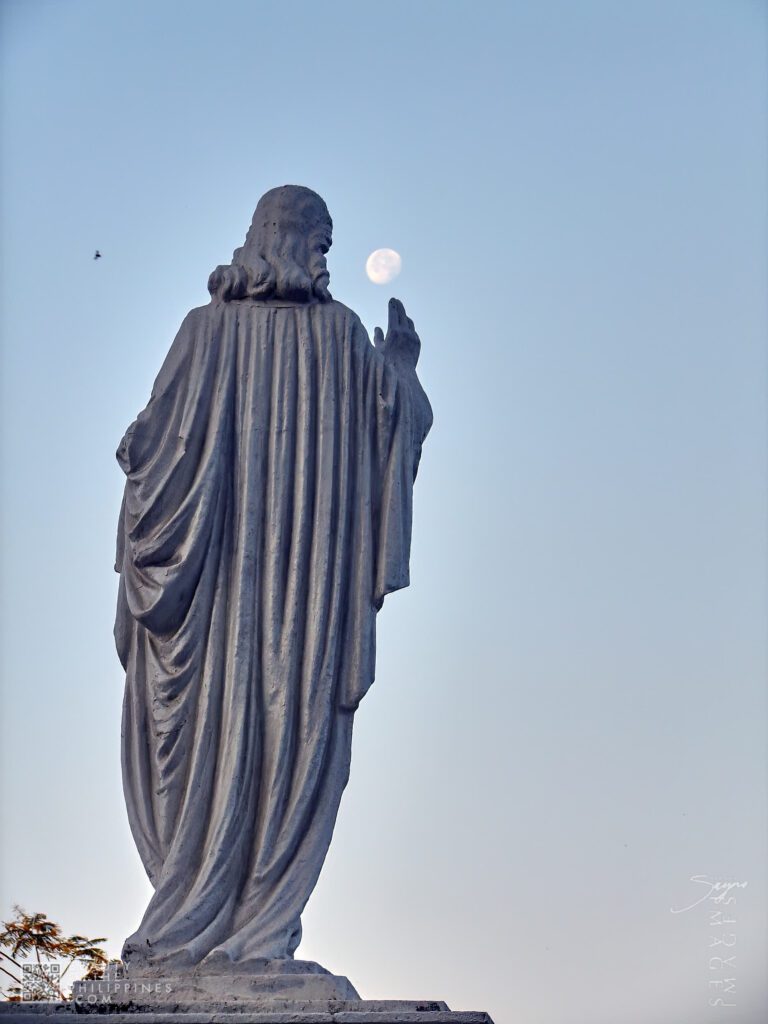
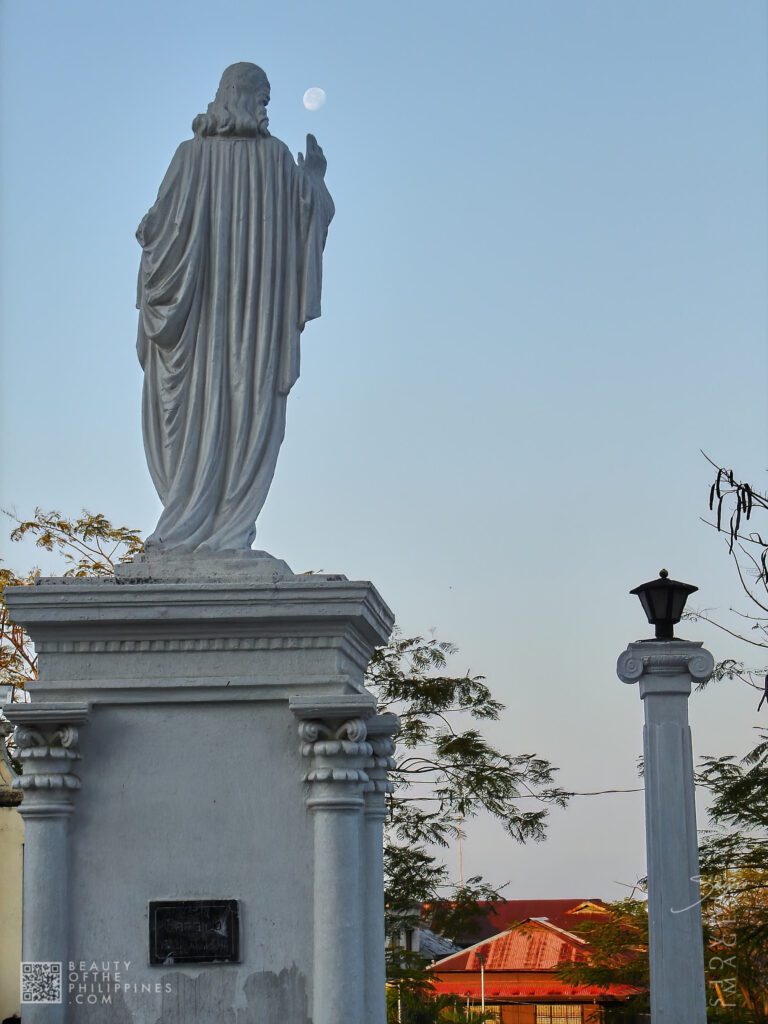
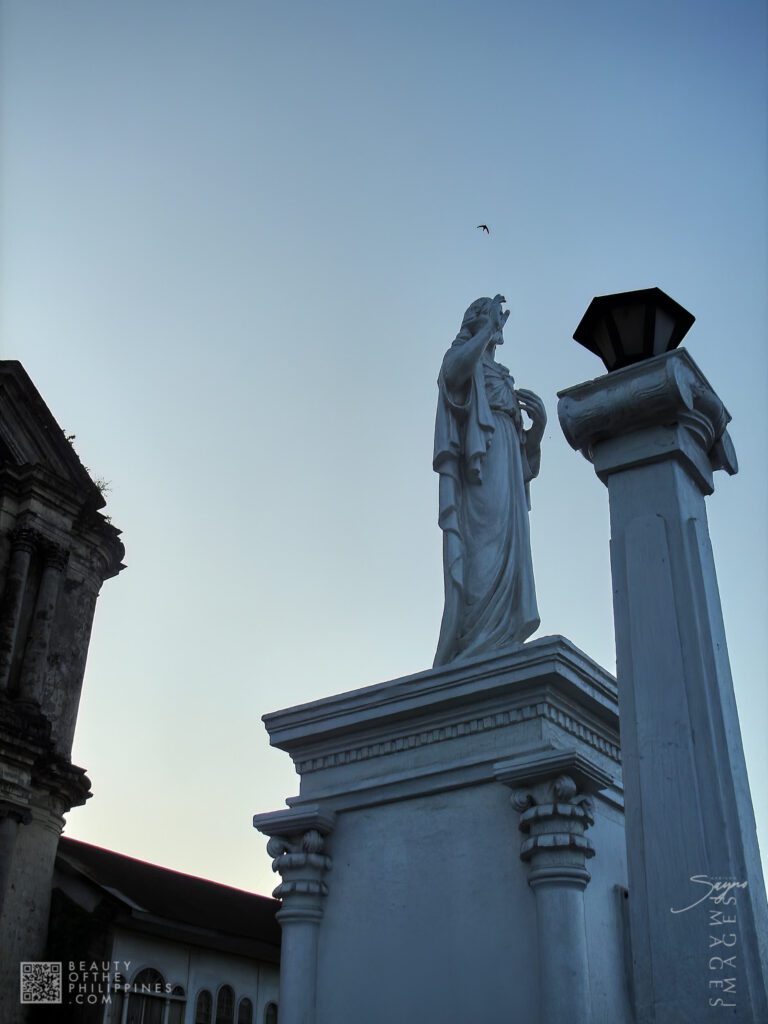
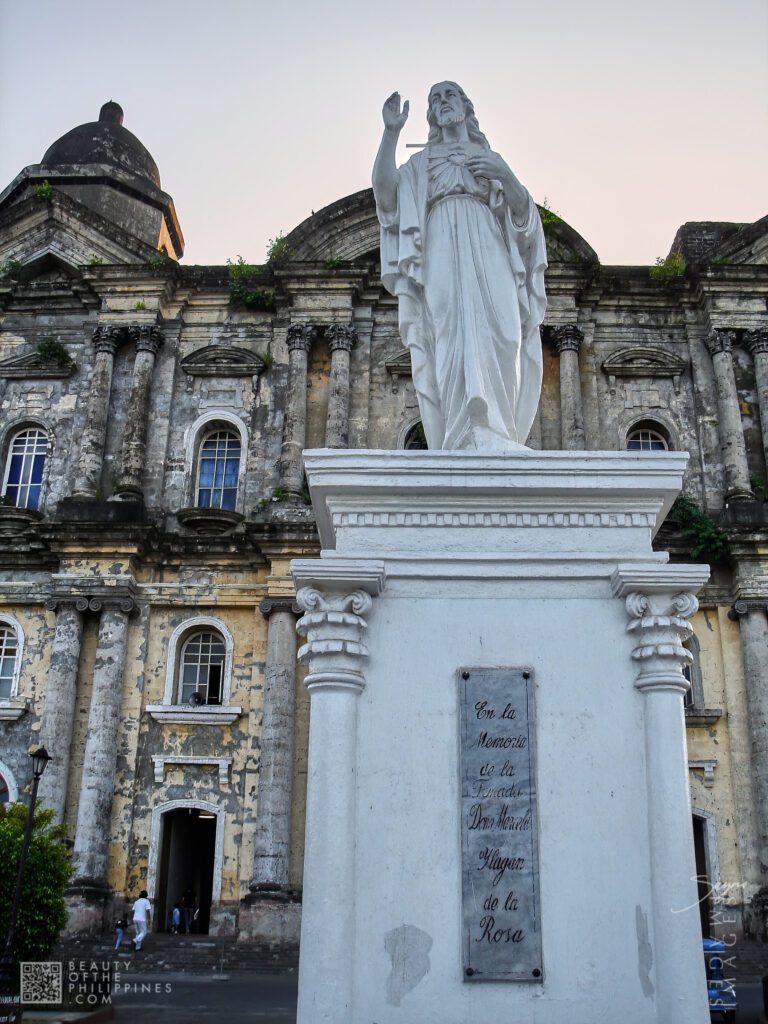
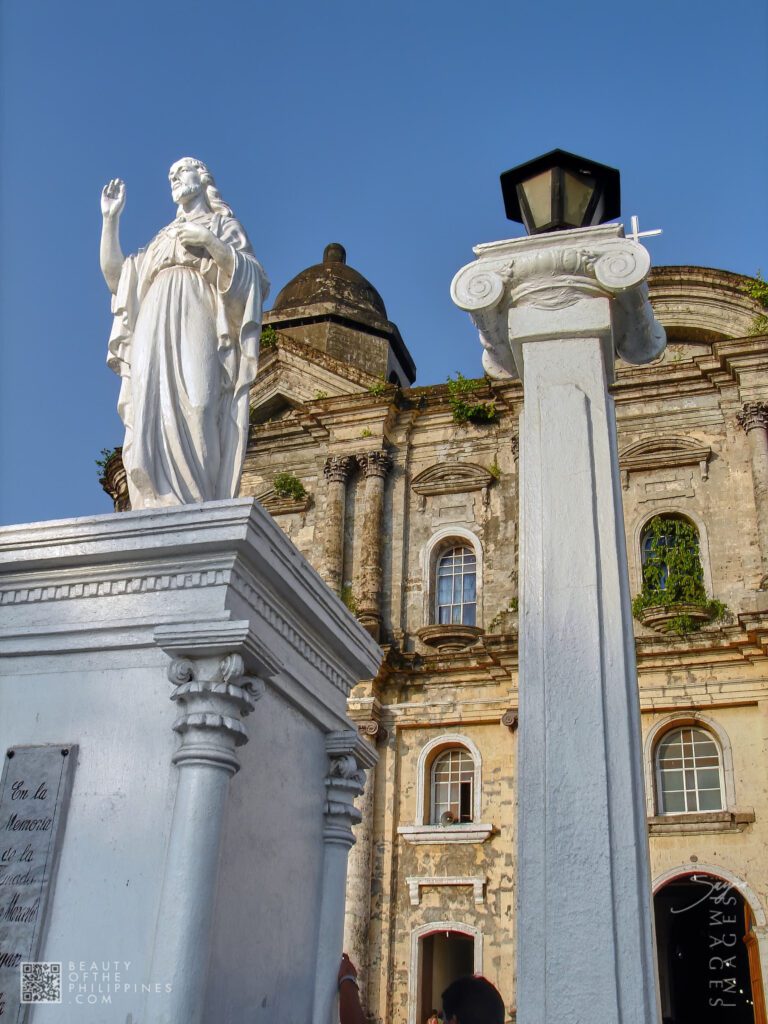
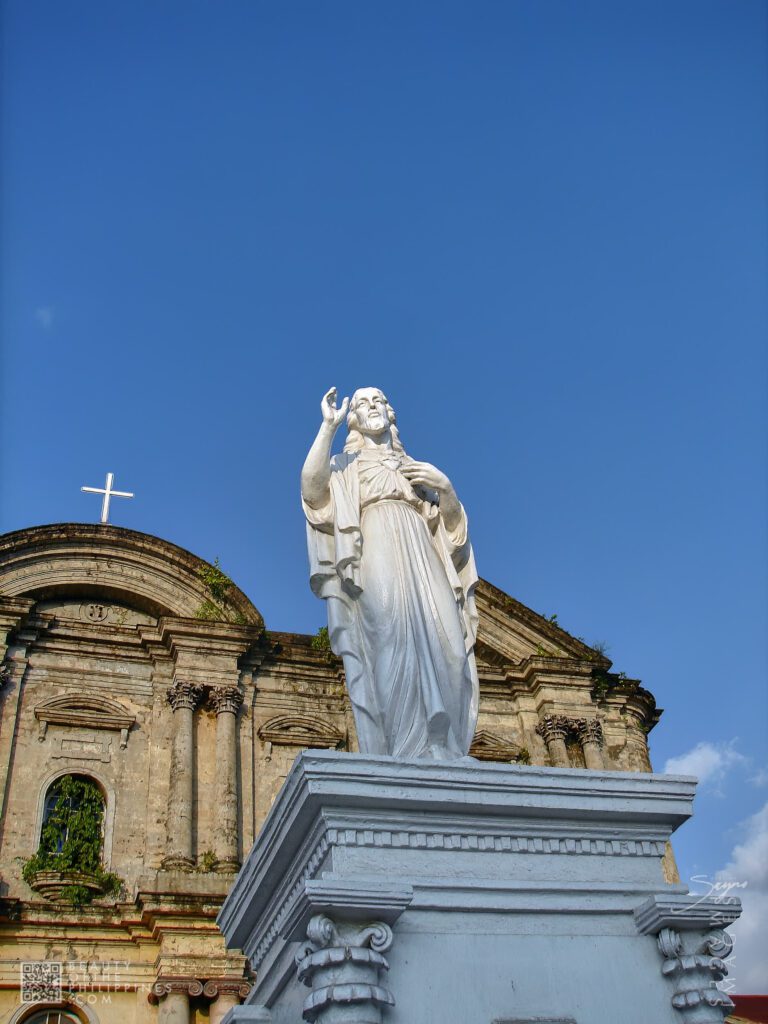
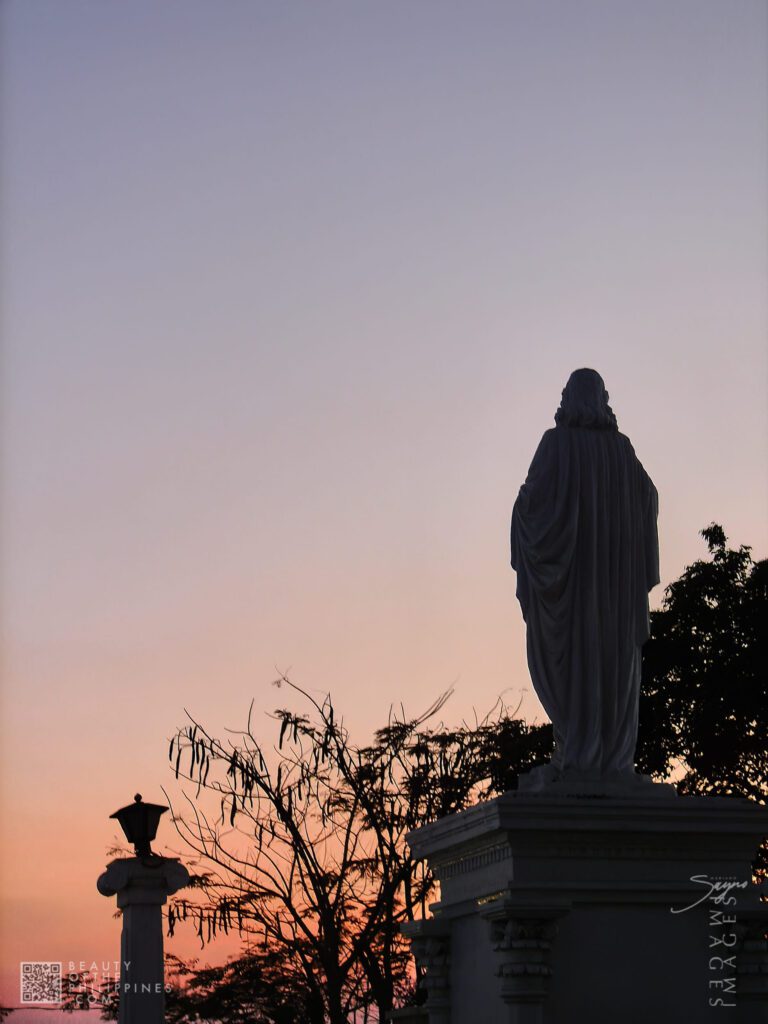
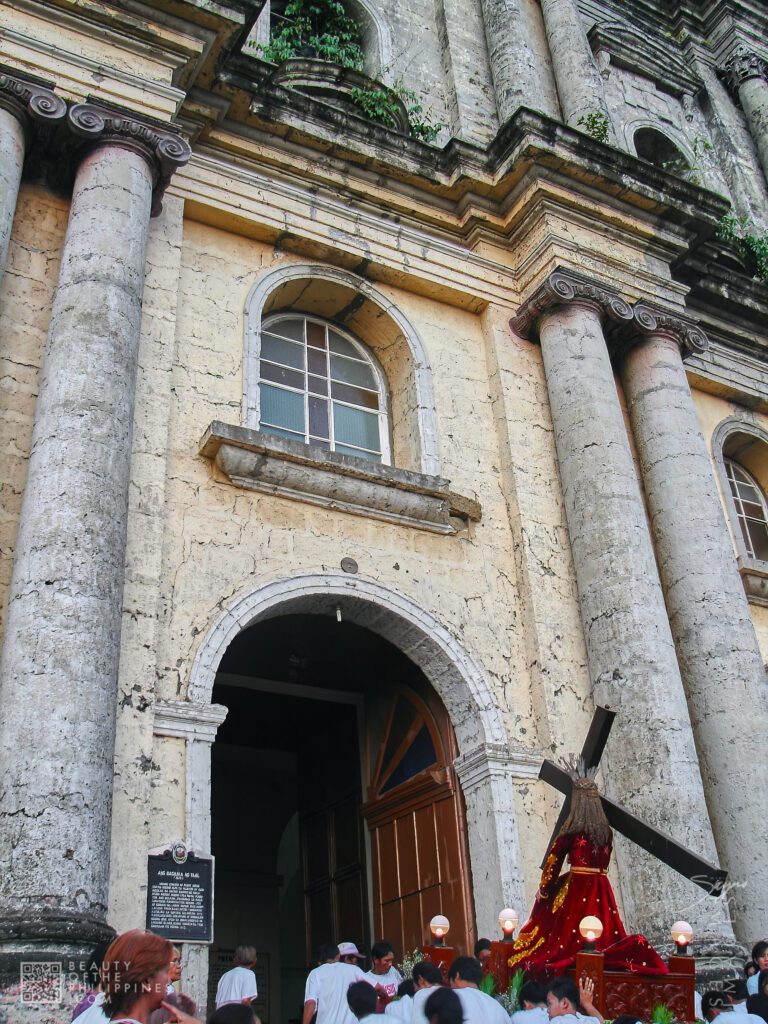
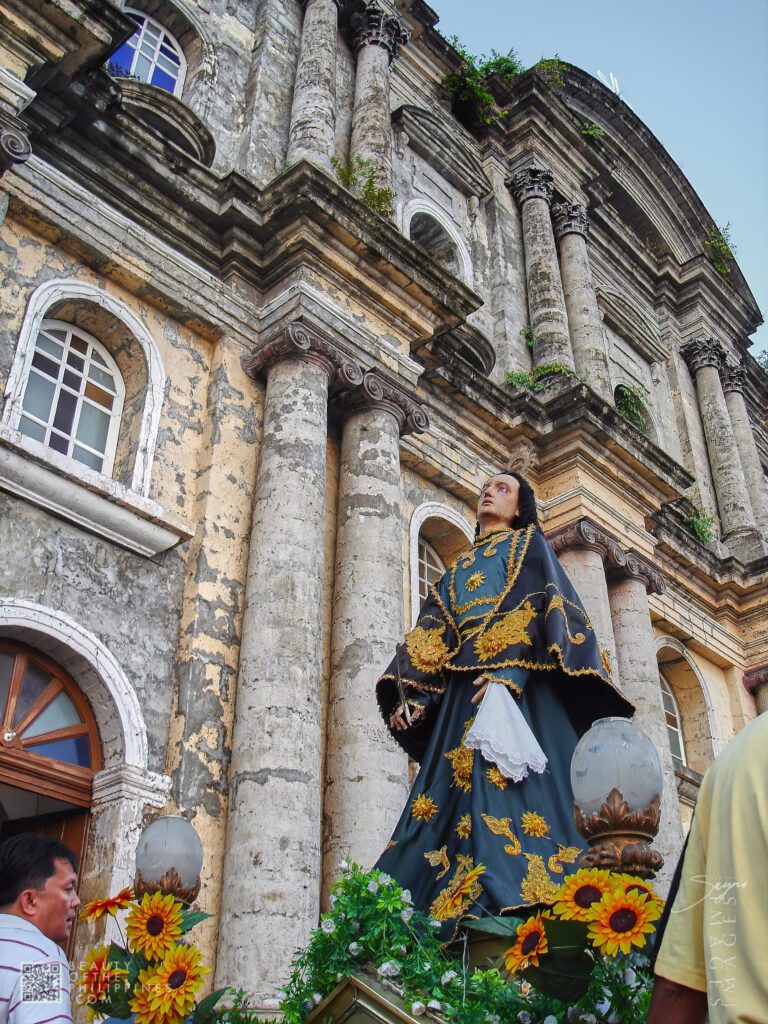
ABOVE: As the patron saint of the basilica, St. Martin is depicted wearing a traditional bishop’s attire, complete with a mitre and staff, symbolizing his role as a leader in the Christian faith. The statue not only enhances the beauty of the basilica’s exterior but also invites visitors to reflect on the rich religious heritage and devotion
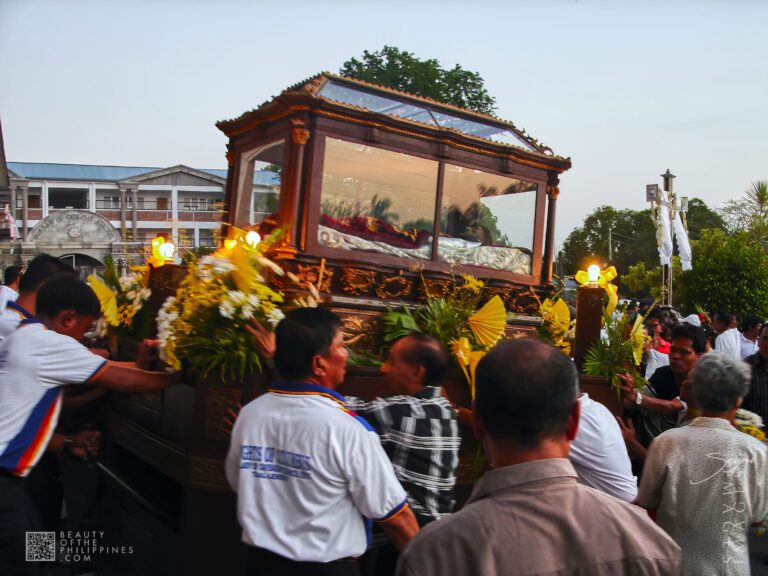
Taal Basilica is more than architecture; it is a cultural treasure. In 1953, preparations were made for the canonical coronation of the image of Our Lady of Caysasay, and by 1954, the church was elevated to Minor Basilica status. Later, Presidential Decree No. 375 in 1974 declared it a National Historical Landmark, ensuring its protection and highlighting its role in Philippine history. Pilgrims flock here annually, particularly during Holy Week and the feast of Saint Martin of Tours on November 11, to participate in Masses, processions, and community traditions that fuse faith with cultural identity.
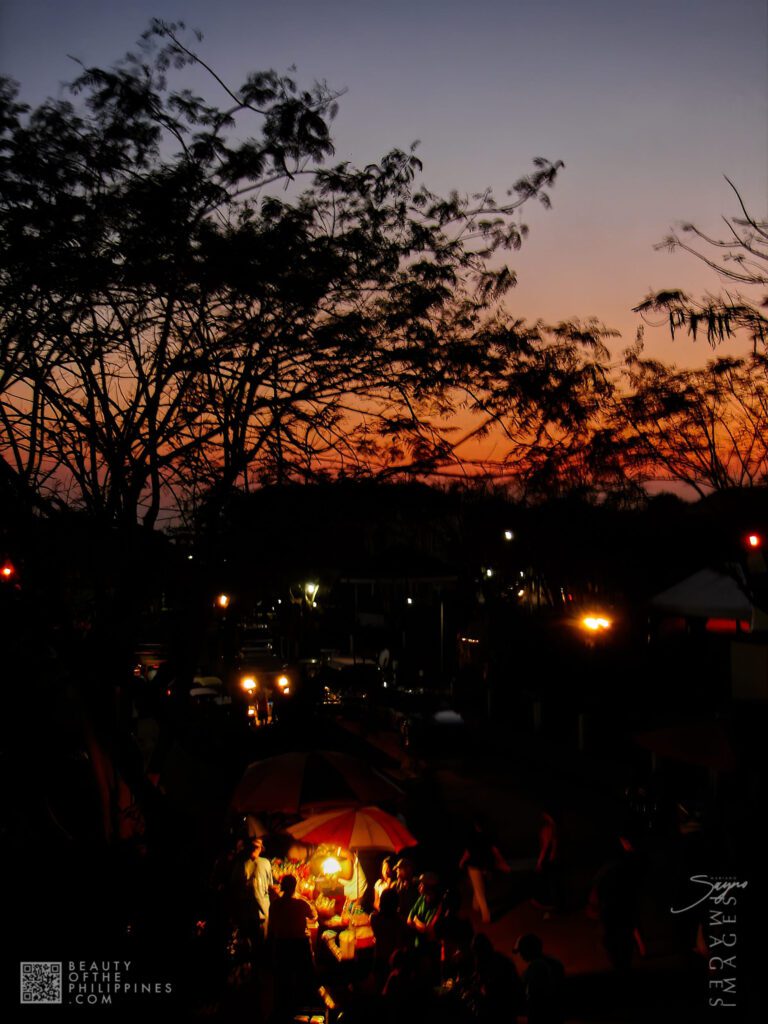
Beyond its walls, the town of Taal enhances the experience. Heritage houses, antique shops, and local crafts give the surrounding streets a lived-in charm, providing moments for casual photography and immersion into Batangas’ cultural heritage. Every visit feels like a dialogue between past and present — the basilica standing proudly while the town hums gently with daily life.
RELATED STORIES

Located in Barangay Caloocan, Talisay, Batangas—just a couple of hours’ drive from Metro Manila—is a quiet little spot that’s as unbothered as it is underrated:



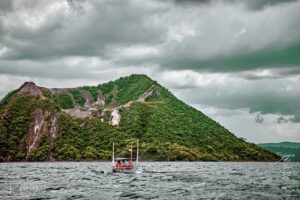
Standing before Taal Volcano, you quickly realize why it’s one of the Philippines’ most iconic natural landmarks. The sight of Volcano Island rising from the


Let’s be real—when you think of volcanoes, you probably imagine something massive and far-flung, right? But here in the Philippines, just 50-ish kilometers from Metro


Taal Lake, located in Batangas on Luzon, is one of the Philippines’ most remarkable natural landscapes. This freshwater lake occupies a vast volcanic caldera, shaped


Taal Basilica embodies resilience, artistry, and devotion. It witnesses centuries of Philippine history, from Spanish colonization and natural disasters to modern conservation. Its Baroque and Neoclassical design remains unmatched in scale, while its role as a living cultural hub ensures that faith, art, and community continue to thrive. For any traveler, stepping inside or wandering around it is both a pilgrimage and a journey through time, offering endless opportunities to capture light, architecture, and the spirit of Batangas.


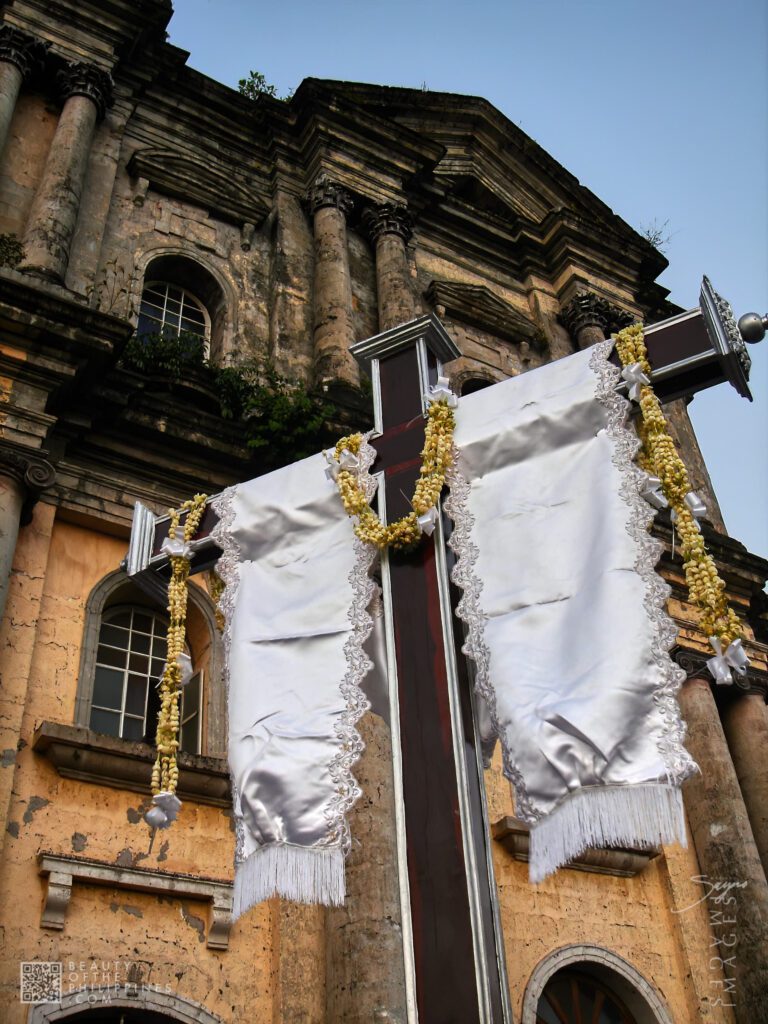
ABOVE: Taal Basilica, officially known as the Basilica of St. Martin de Tours, has a rich history marked by its construction in the late 19th century, subsequent renovations following natural disasters, and its ongoing role as a significant cultural and religious site in Batanga


I’m looking forward to the stories and images leaving a lasting positive impression on you, just as they have on me. Stay connected with us on social media for a weekly exploration of travel assignments and breathtaking visuals. Our focus is on championing local tourism, showcasing small businesses, and honoring the magnificence of the Philippines through the content we curate. Join us in spreading the word by clicking the ‘share’ buttons below. Your support means the world to us.
EXPLORE MORE about


Tingloy is a unique municipality in Batangas Province, occupying Maricaban Island along with Caban Island and several smaller islets just south of the Calumpang Peninsula.


You know that feeling when you just want to escape the city buzz and dive straight into a chill beach vibe? Well, Calatagan South Beach,


When exploring heritage towns in the Philippines, Taal in Batangas always stands out. Often overshadowed by Taal Lake and Taal Volcano, the town itself is


It was once a stone church, that was built during the Spanish colonial era in Tanauan, Batangas, and was known as Tanauan Church or St


Each year, the Sigpawan Festival, which is held in Lemery, Batangas, takes place on Easter Sunday. The highlight of the festival is the Fluvial procession


Let’s be real—when you think of volcanoes, you probably imagine something massive and far-flung, right? But here in the Philippines, just 50-ish kilometers from Metro


Rising dramatically from the serene waters of Taal Lake in Batangas Province, Taal Volcano immediately captures attention with its extraordinary configuration — a volcano on


Tucked away in the historic town of Taal, Batangas, the Sta. Lucia Miracle Well—locally known as Balon ng Sta. Lucia—is more than just a quiet,


Known as the Caysasay Church, the Shrine of Our Lady of Caysasay is located in Barrio Caysasay, Taal, Batangas. This is a coral-hewn chapel that


The Fantasy World theme park sits alone and quietly in Lemery, Batangas Province, and is known as the supposed Disney World as well as one


The Nasugbu area has an extensive collection of beaches and snorkeling spots which make it a popular summer destination. There are numerous swimming-related activities and


If you’ve ever found yourself stuck in Metro traffic, daydreaming about the beach while scrolling through Instagram—Laiya Beach might just be the answer your soul’s


Located in Barangay Caloocan, Talisay, Batangas—just a couple of hours’ drive from Metro Manila—is a quiet little spot that’s as unbothered as it is underrated:

Among the many contributions of Balayan Bay that Batanguenos are proud of, the bay served as a fishing village and a summer retreat for locals


Taal Lake, also simply known as Lake Taal, is one of the Philippines’ most unique natural features — a volcanic lake occupying the caldera of


If you’re craving that sweet spot where calm meets adventure—where you can sip coffee while staring at a volcano, then hop on a kayak right


Taal Lake, located in Batangas on Luzon, is one of the Philippines’ most remarkable natural landscapes. This freshwater lake occupies a vast volcanic caldera, shaped


Standing before Taal Volcano, you quickly realize why it’s one of the Philippines’ most iconic natural landmarks. The sight of Volcano Island rising from the


Calaca Church, formally the Saint Raphael the Archangel Parish Church, was established shortly after the founding of Calaca on May 10, 1835. By 1836, local

BROWSE BY CATEGORIES
BROWSE BY PROVINCE