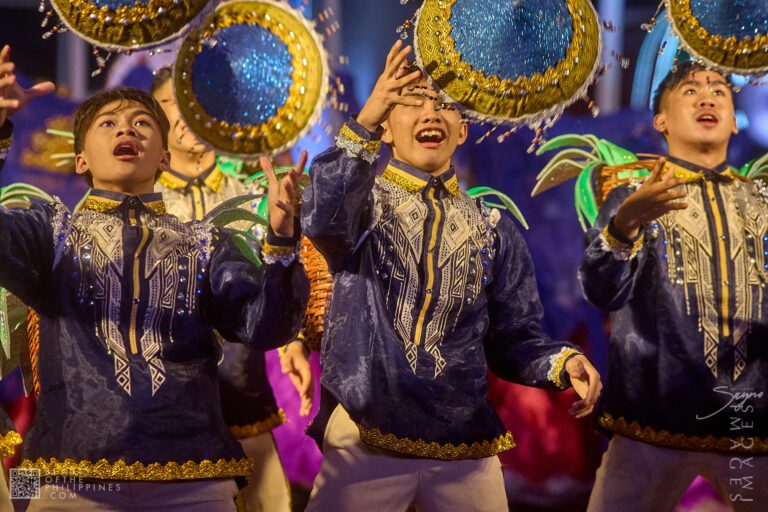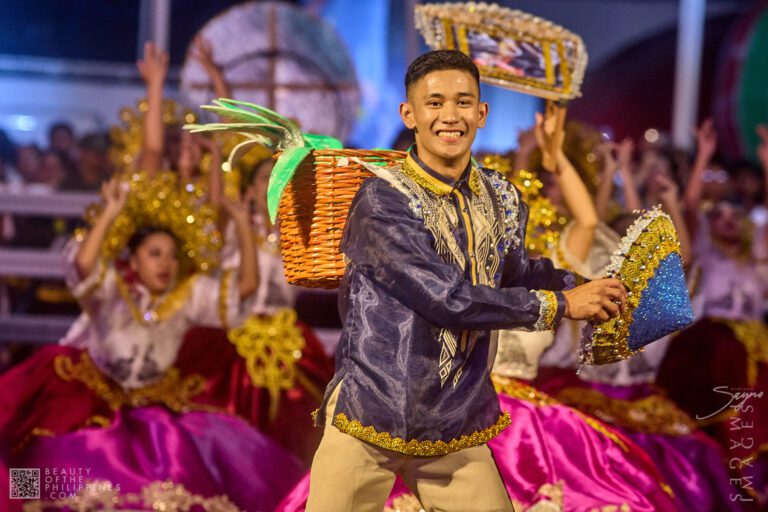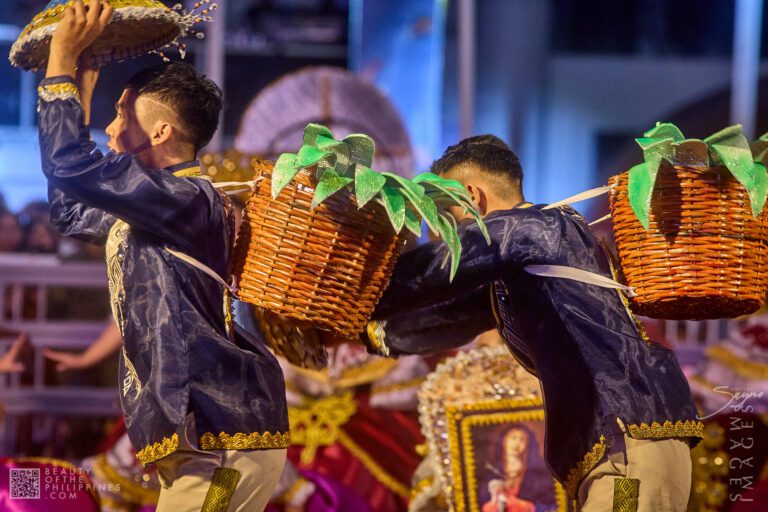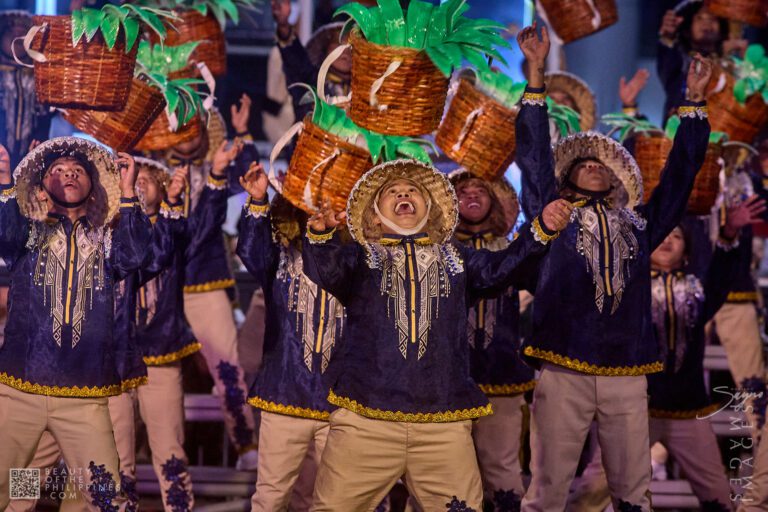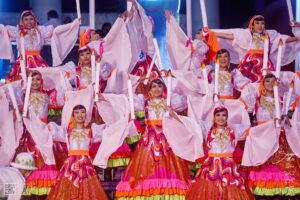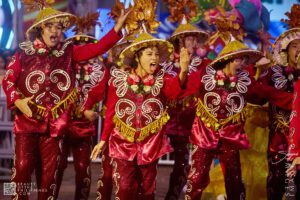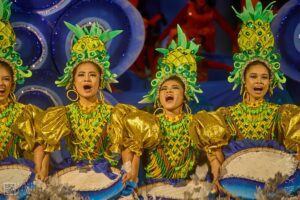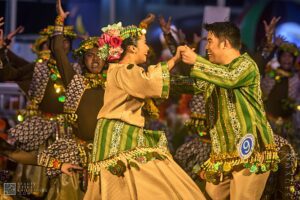


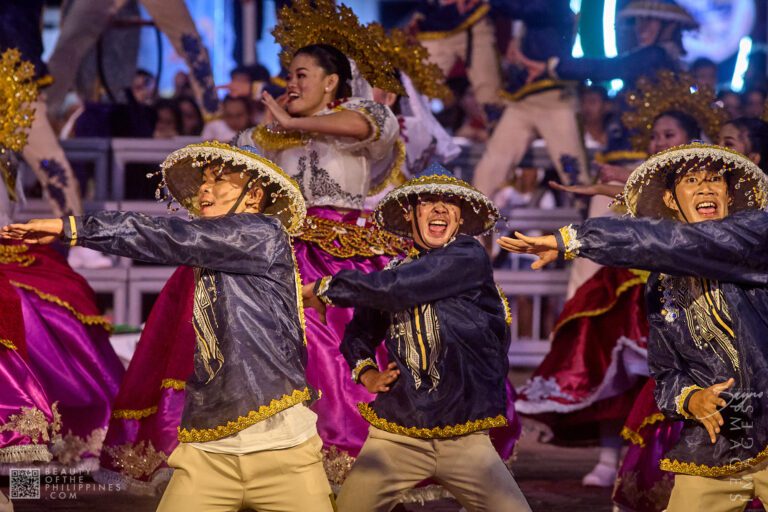
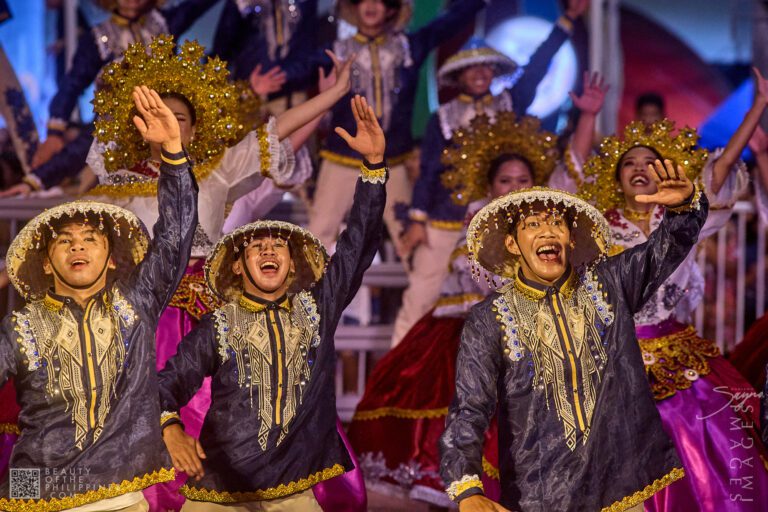
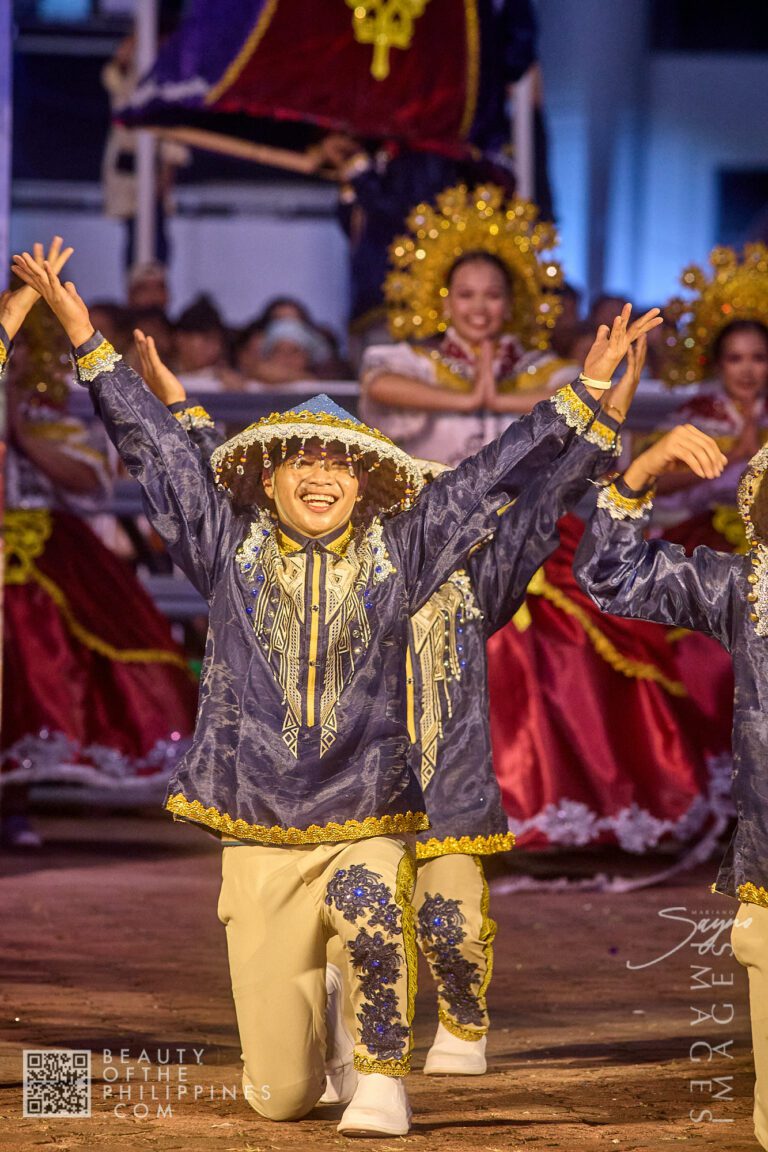
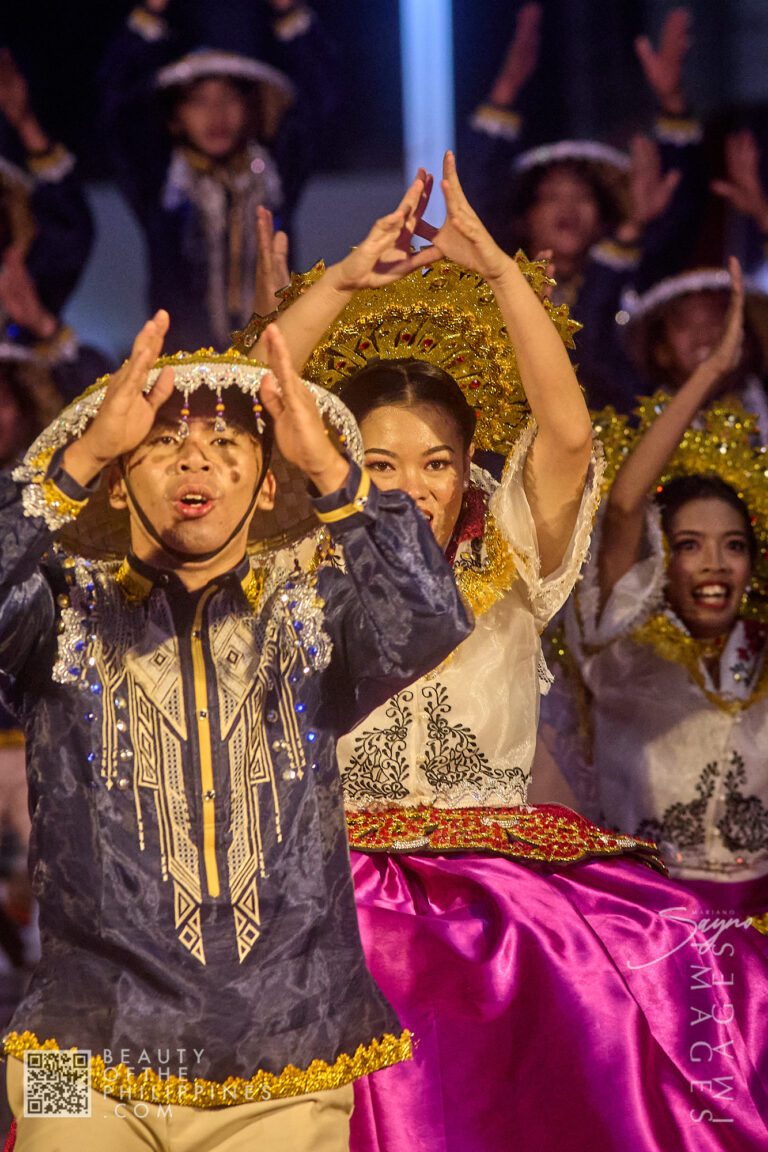

Itik Festival: A Colorful Tribute to Victoria’s Duck-Raising Heritage
Origins and Cultural Significance If you wander Victoria during the festival, it’s immediately clear that the Itik Festival is more than a celebration—it’s a living
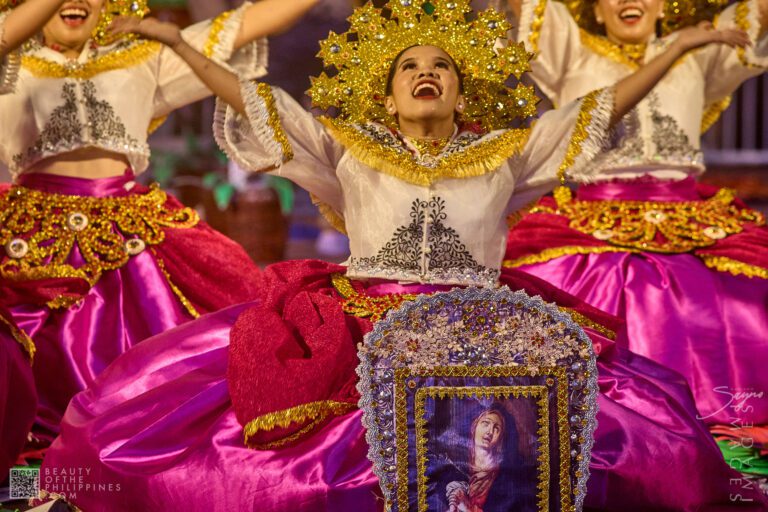
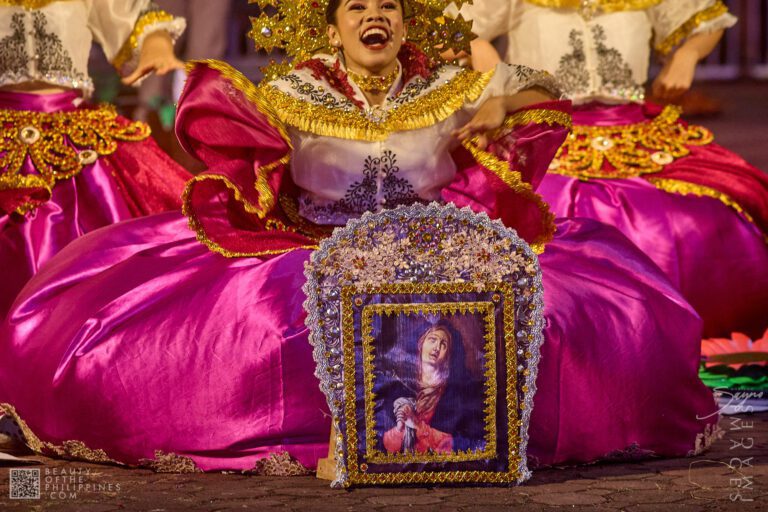
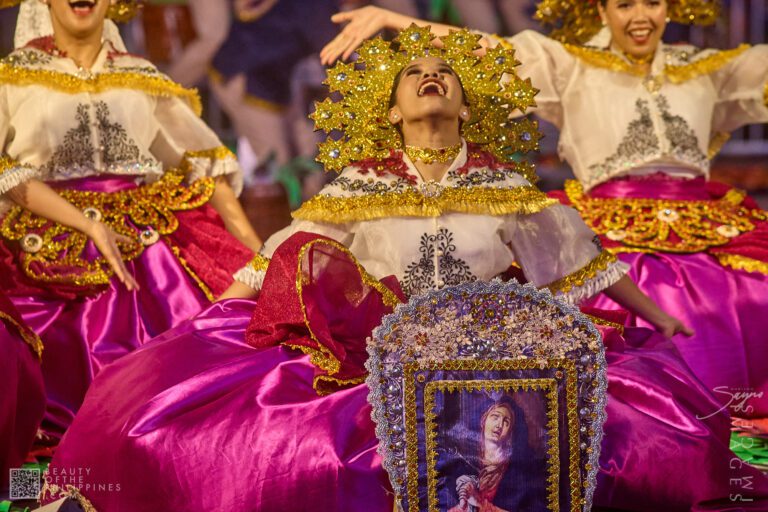
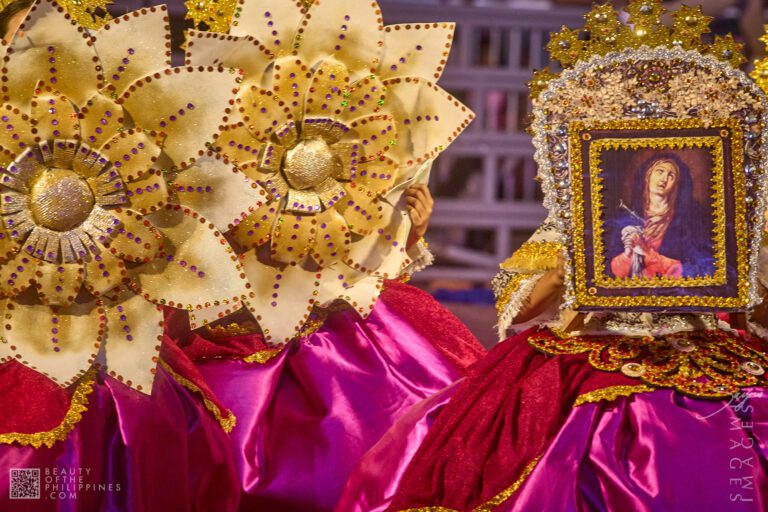
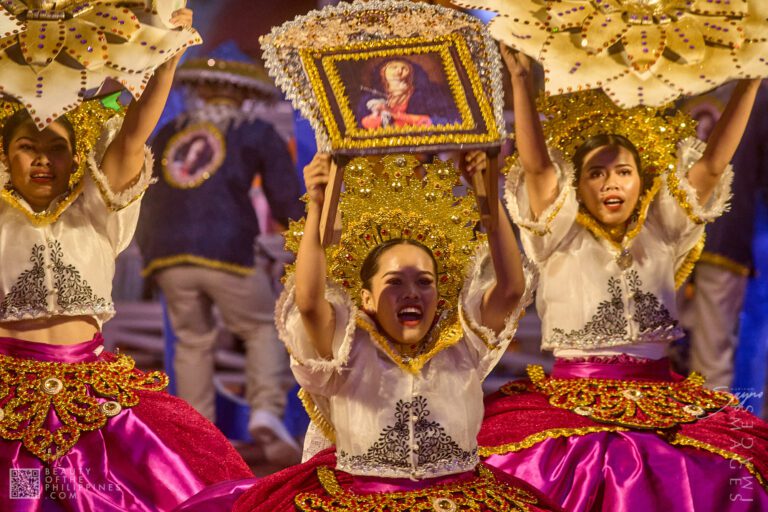
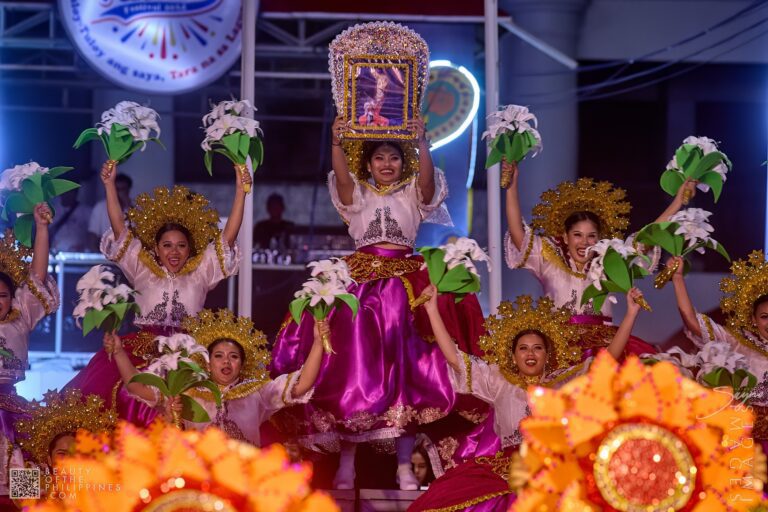
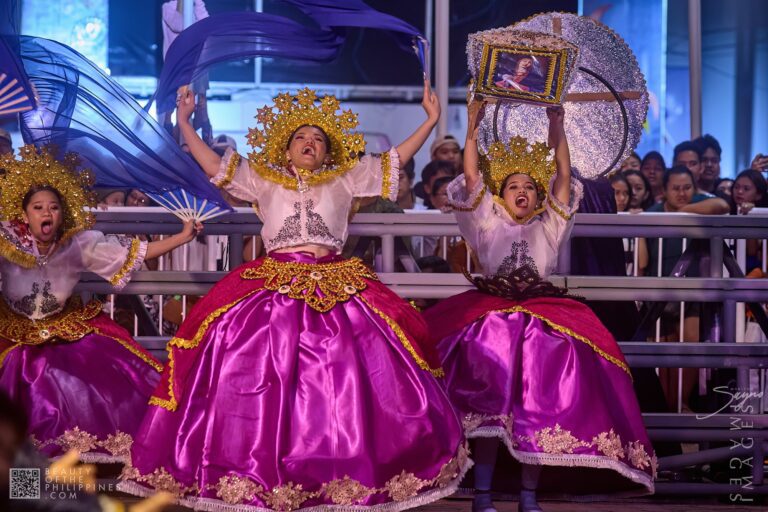
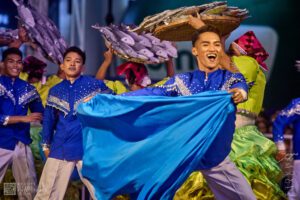
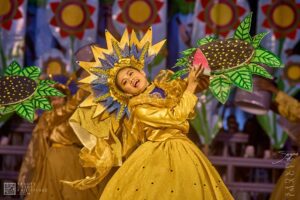
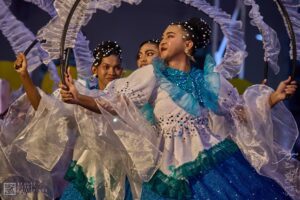
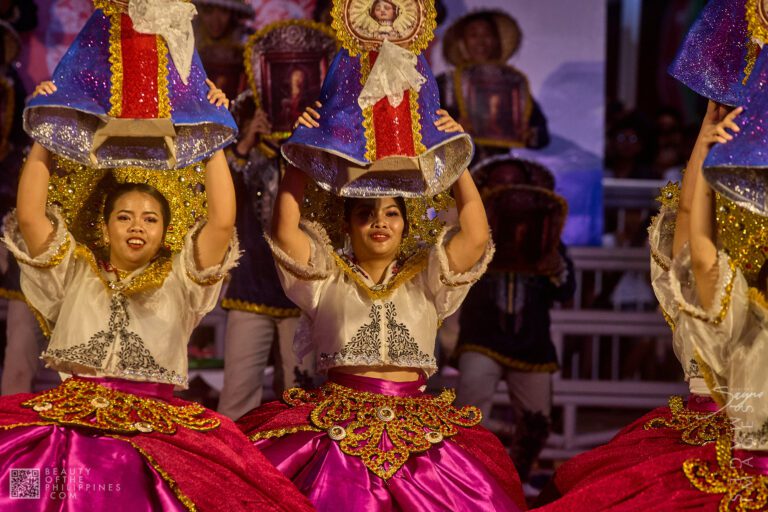
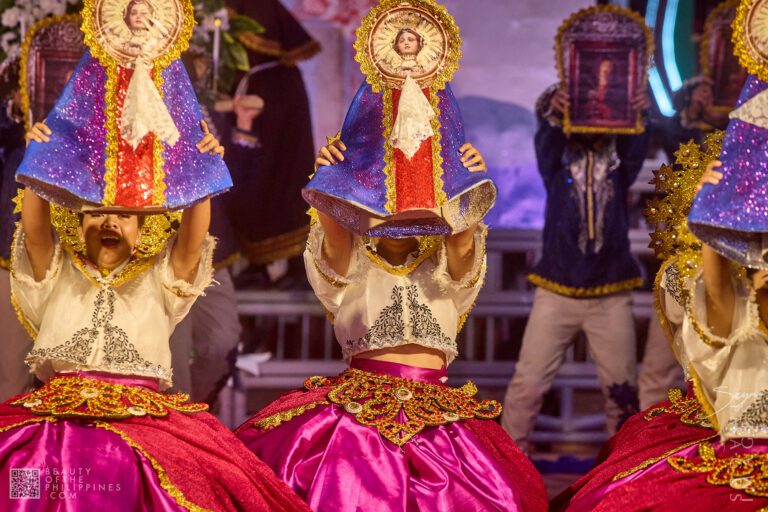
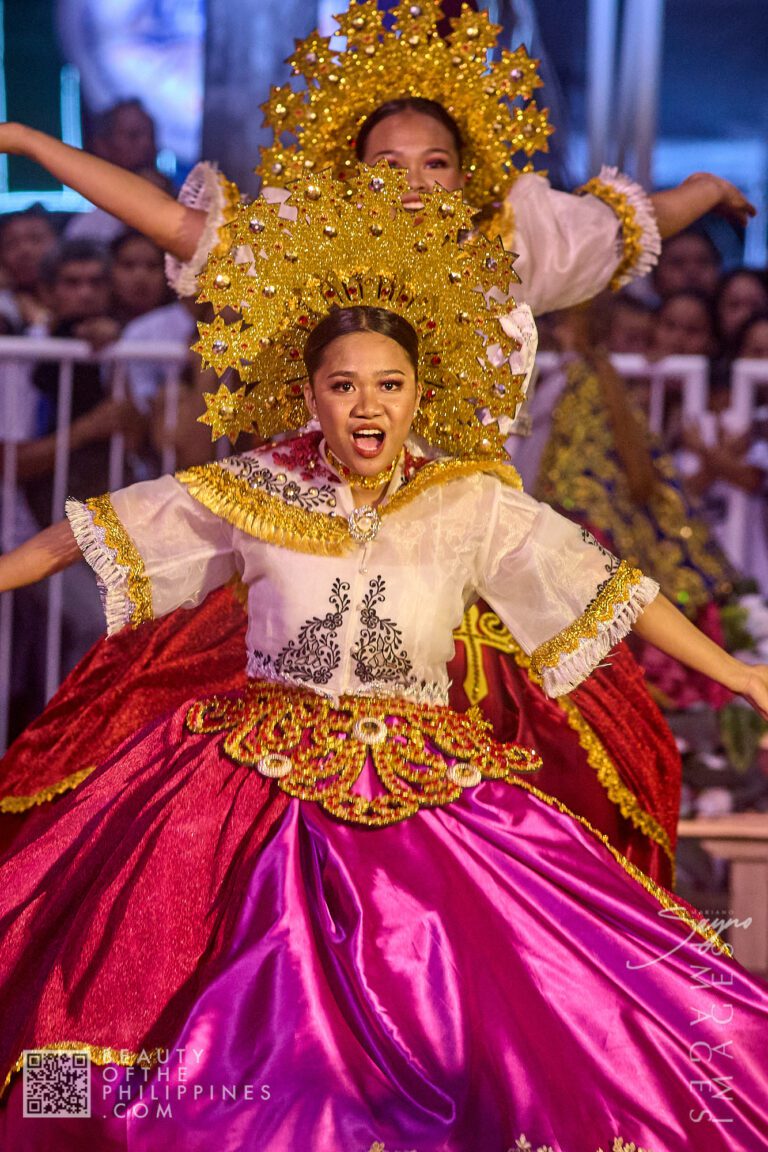
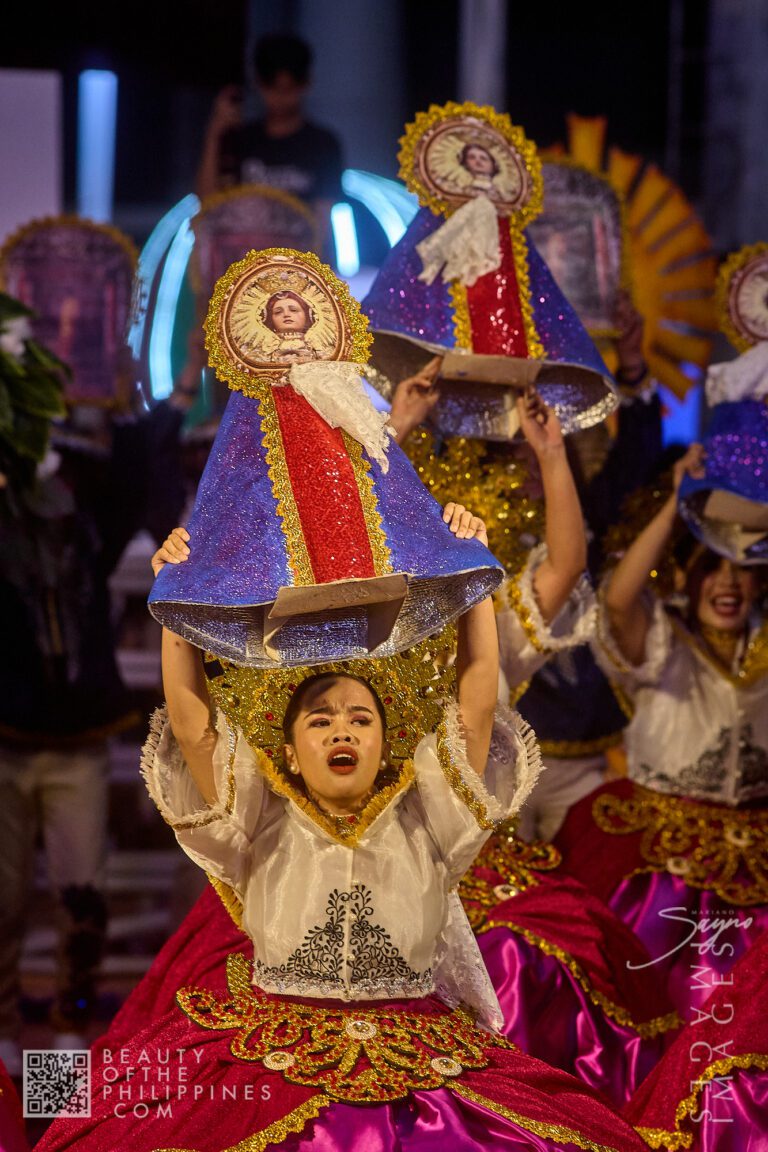
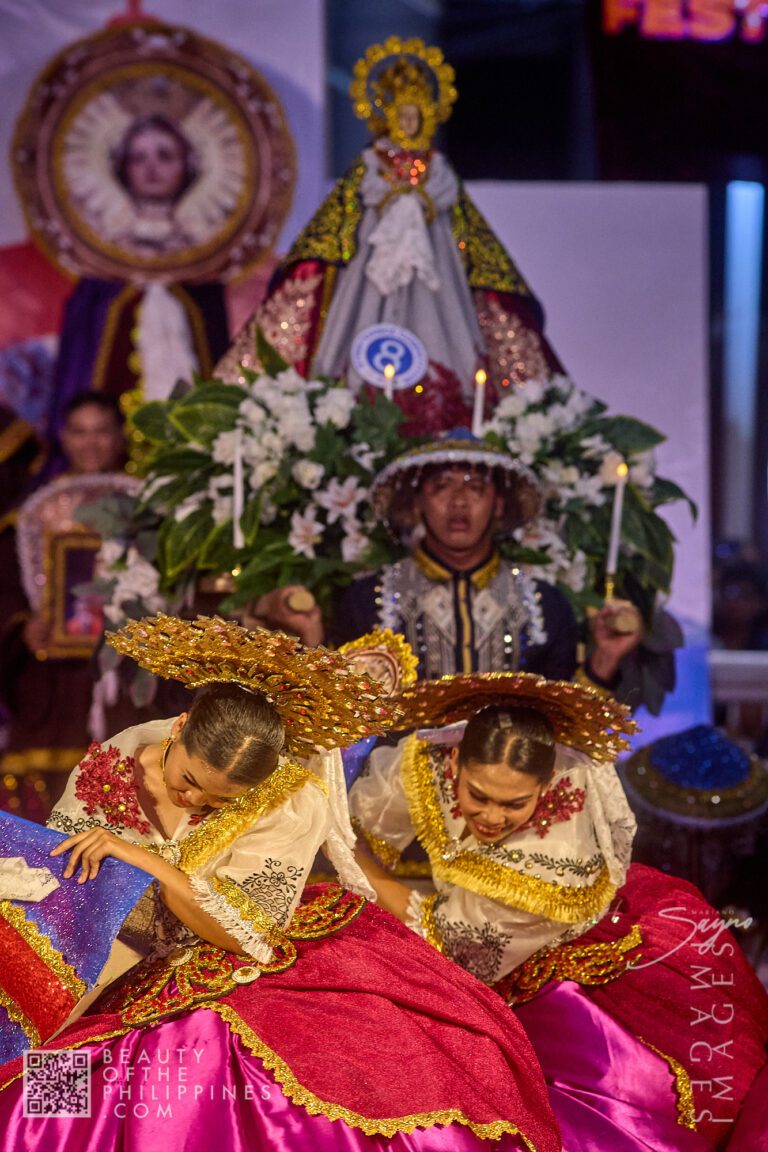
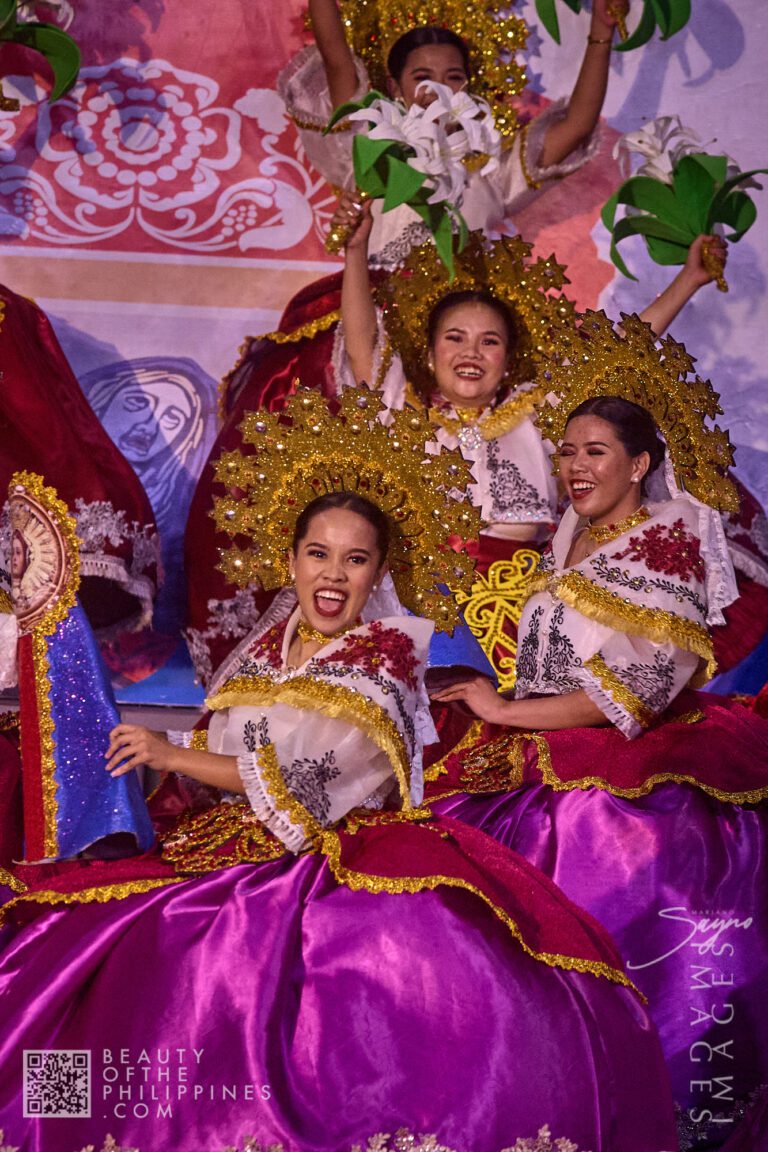
Walking through Pakil during the time of the Turumba Festival feels like entering a living narrative of faith. This isn’t just another provincial festival — it’s a vibrant, emotional journey dedicated to Our Lady of Sorrows, locally known as Nuestra Señora de los Dolores de Turumba or Mahal na Ina ng Hapis ng Turumba. Each moment of the celebration captures the balance of sorrow and joy that defines the Virgin’s story, with devotees expressing their reverence through song, dance, and procession. For a traveler, witnessing this spectacle is both humbling and mesmerizing, a perfect fusion of spirituality and cultural immersion.
The roots of the Turumba Festival reach back to 1788, when fishermen in Laguna de Bay discovered an image of the Virgin Mary floating in the waters. As they carried it to the shore, the image became inexplicably heavy, signaling that it was destined for enshrinement in Pakil’s parish church. The townspeople’s response was spontaneous — singing, dancing, and emotional exclamations of joy as the image was transported. This “fallen joy,” captured in the local term Turumba (natumba sa laki ng tuwa), became the foundation of the centuries-old festival that endures to this day. The image itself, depicting Mary with a pierced heart, serves as a constant reminder of compassion, suffering, and devotion, inspiring each year’s observances.
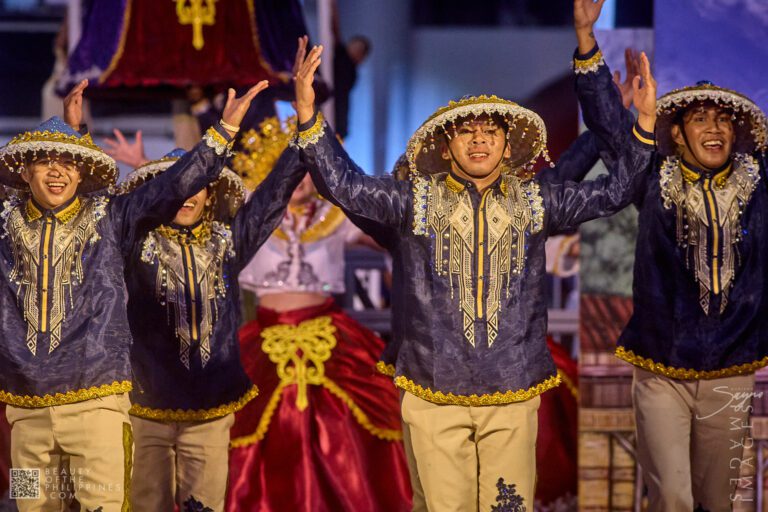
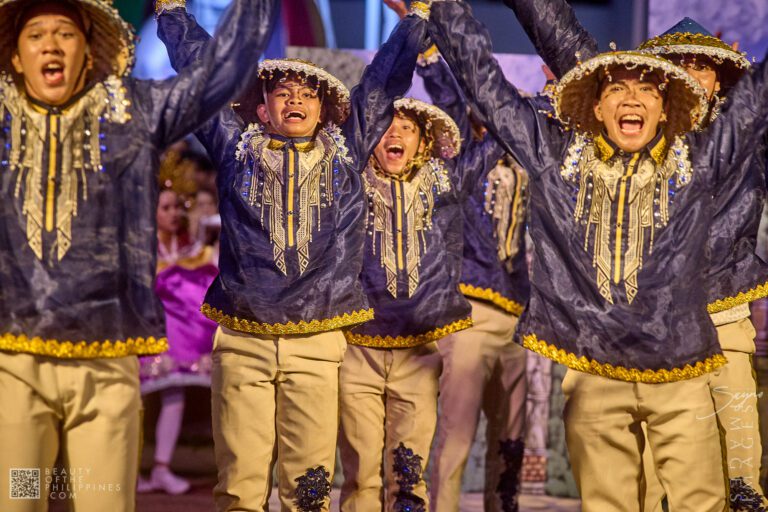
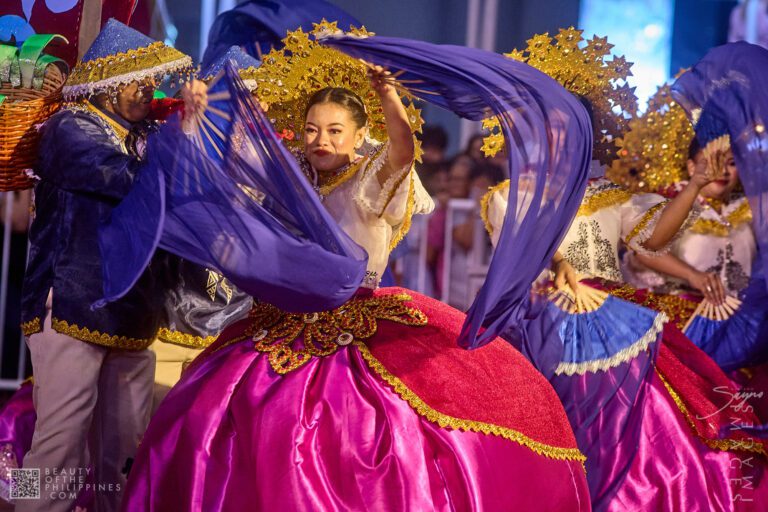
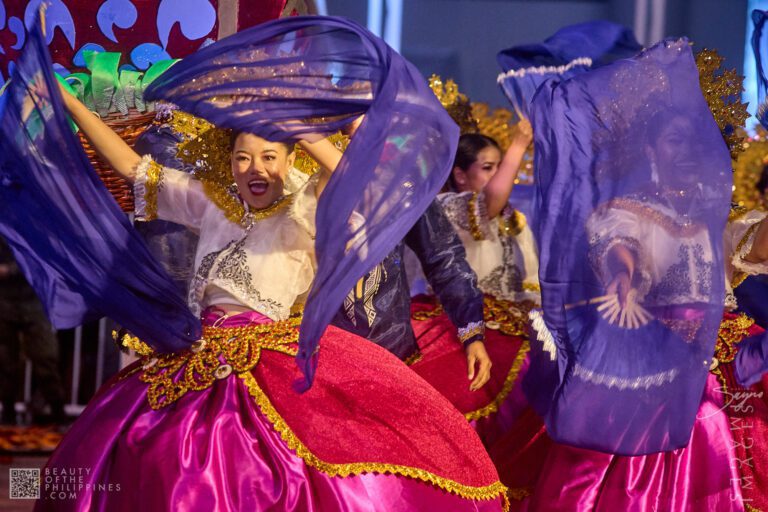
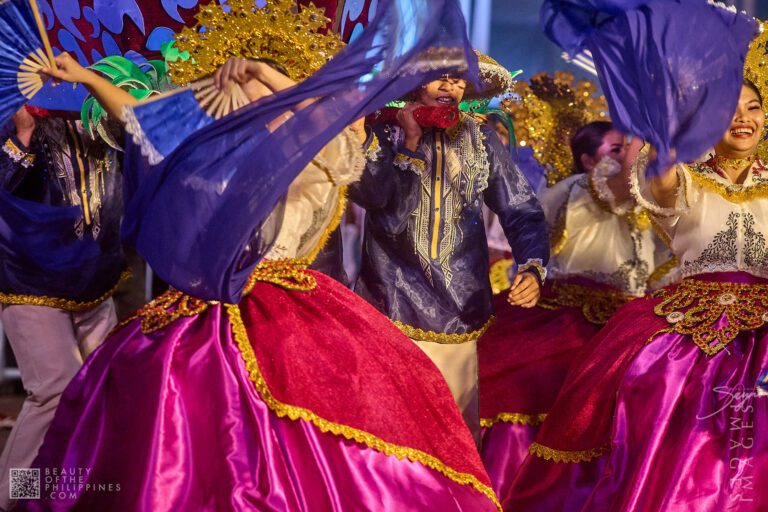
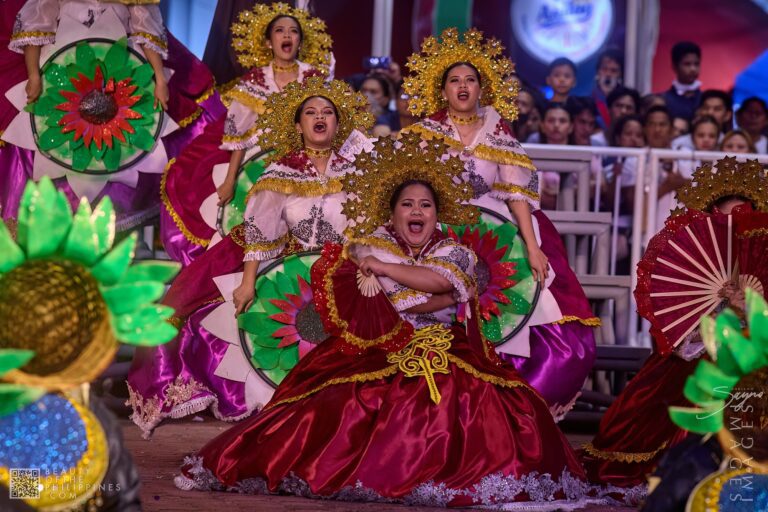
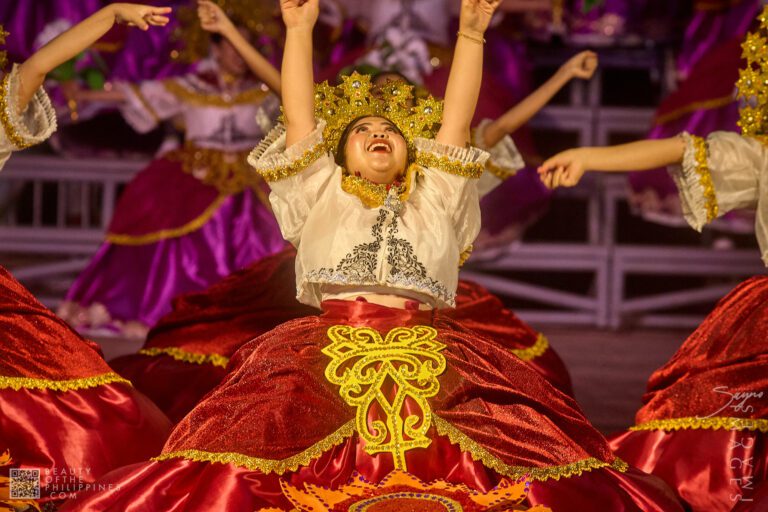
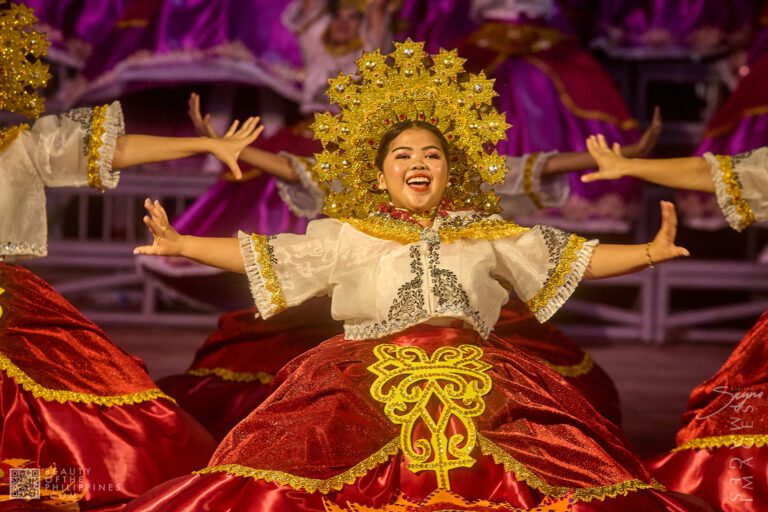
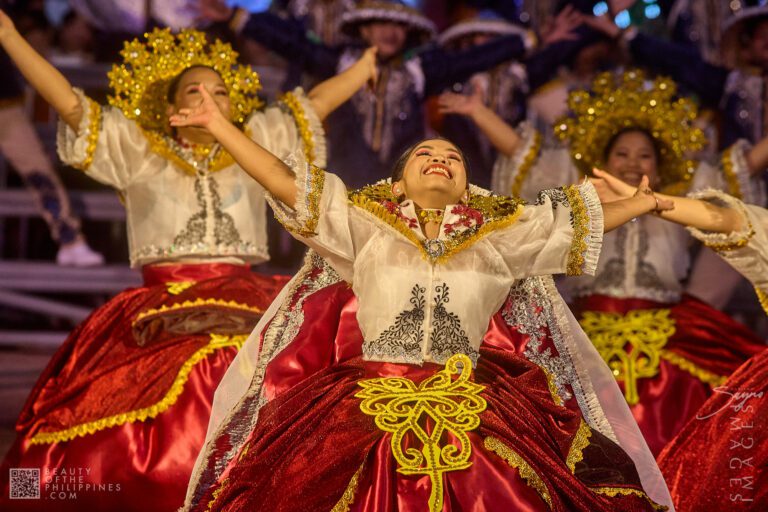
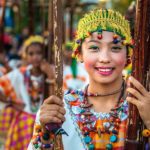
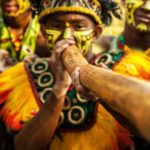
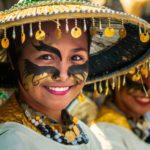
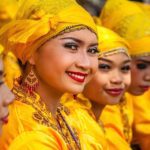
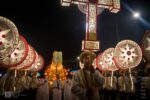
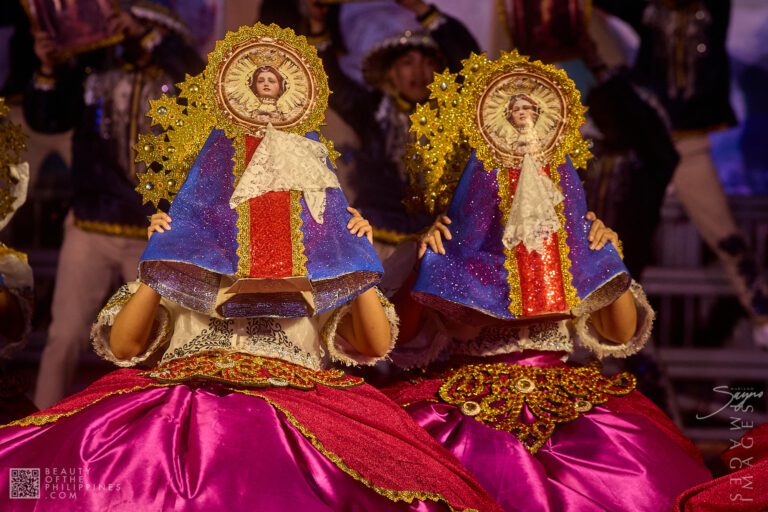
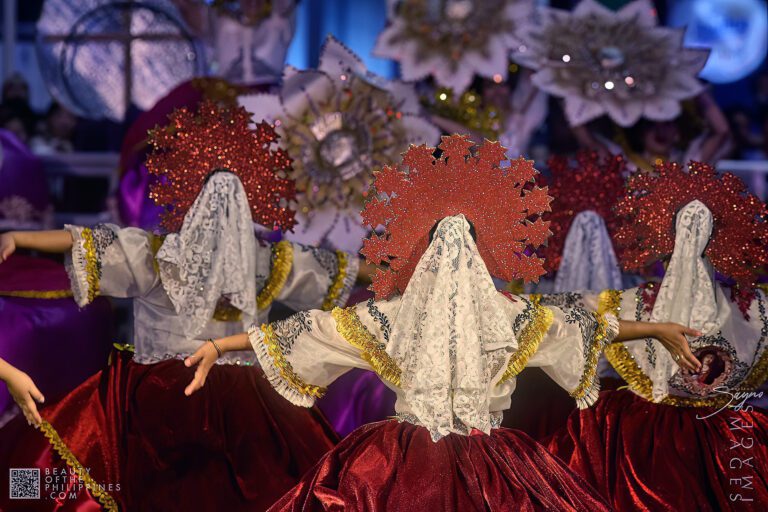
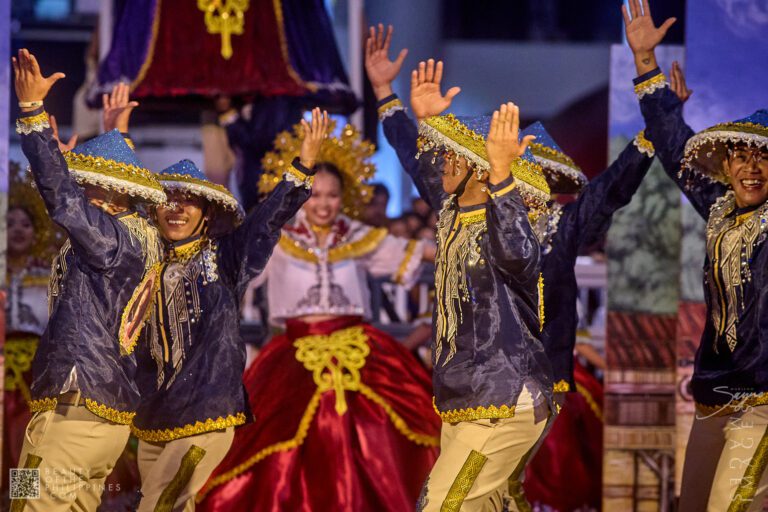
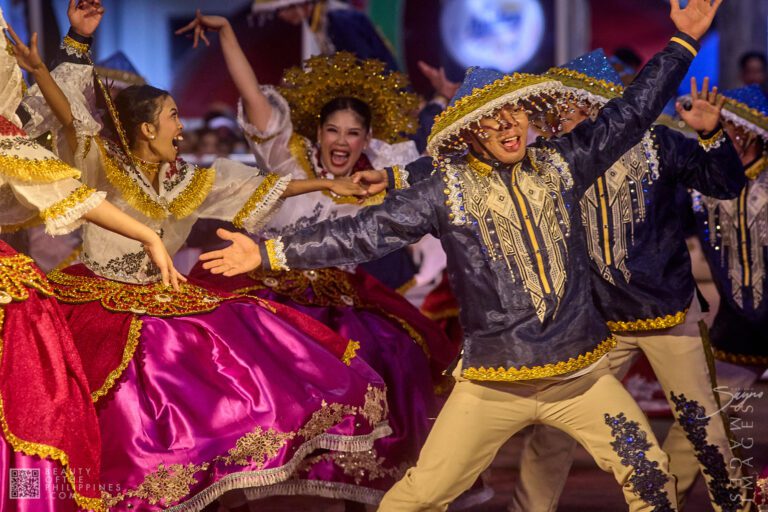
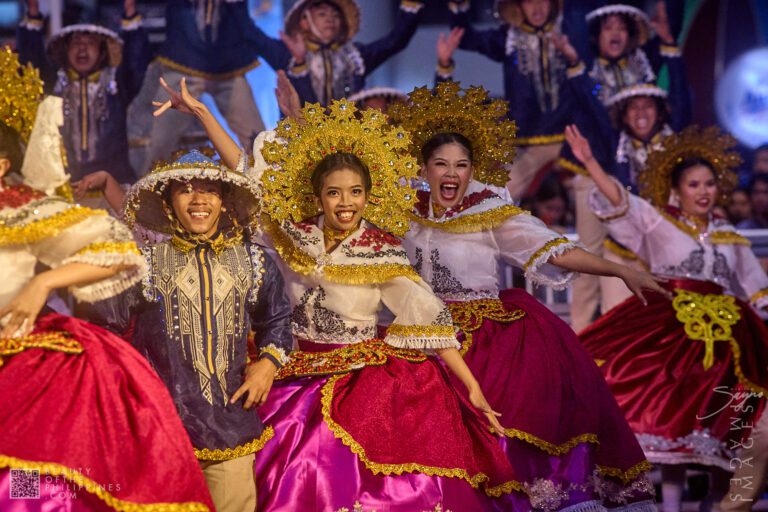
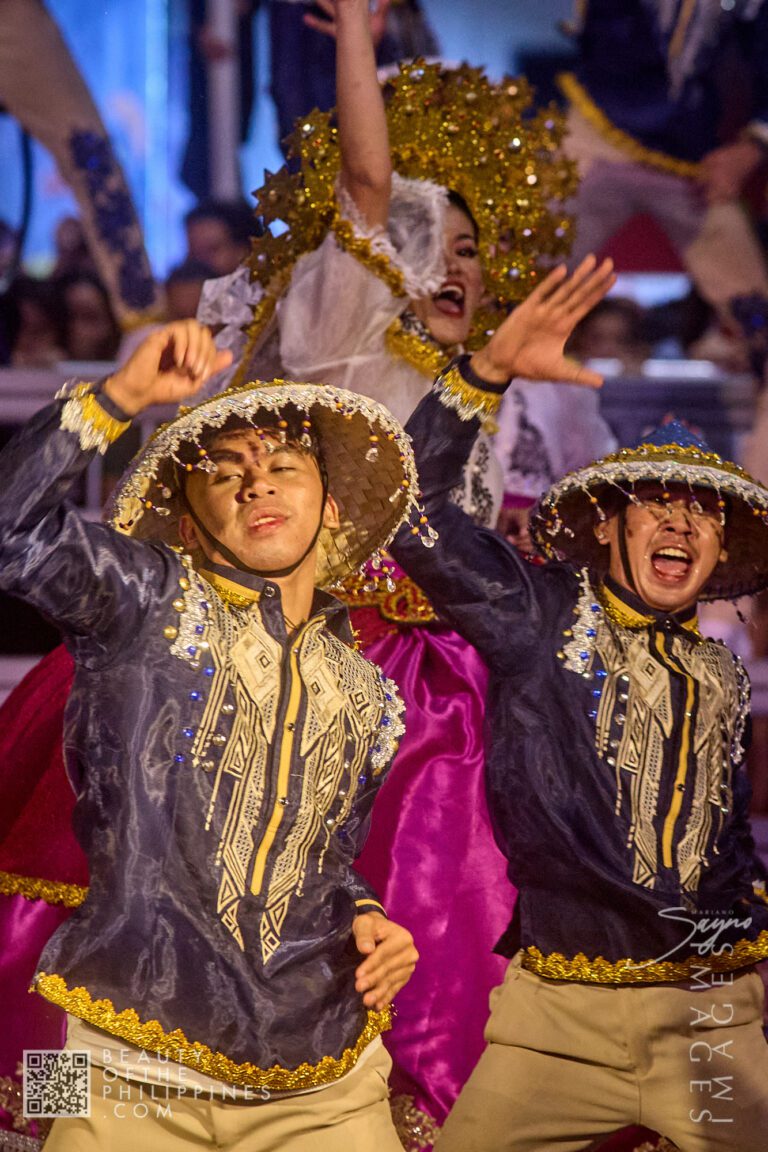
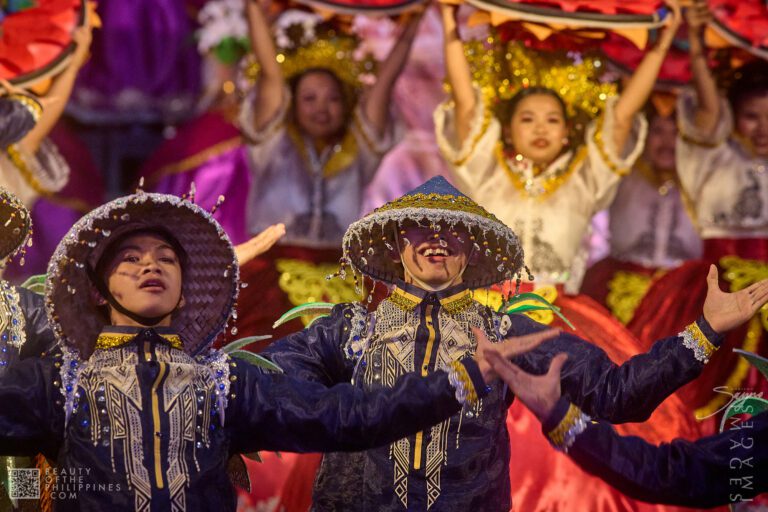
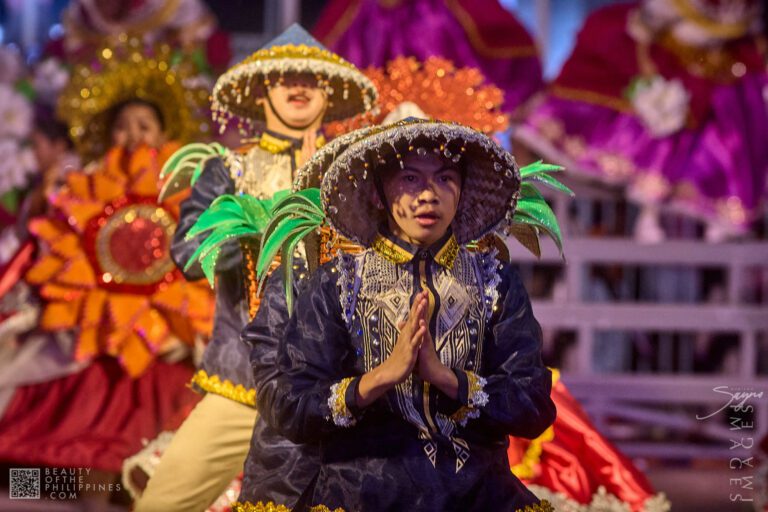
ABOVE: The Turumba Festival in Pakil, Laguna, is a vibrant, highly anticipated event dedicated to honoring the Blessed Virgin of Turumba, and is one of the region’s most significant religious gatherings.
Unlike one-day fiestas, the Turumba Festival is celebrated over multiple periods, each tied to the Seven Sorrows of the Blessed Virgin Mary. These are commemorated through novenas followed by processions featuring devotional song and dance. The schedule of Lupi typically includes: the Friday before Palm Sunday, Easter Tuesday, the 2nd Wednesday after Easter, the 3rd Friday after Easter, the 4th Sunday after Easter, the 5th Sunday after Easter/Ascension, and Pentecost Sunday. Additional events, like the Pakil town fiesta on May 12, sometimes coincide with these novenas. At the conclusion of each Lupi, devotees carry the image of Our Lady of Sorrows of Turumba through the streets, dancing in rhythm with drums, singing hymns, and sharing in communal spiritual expression. It’s a rare festival that embodies both reverence and exuberant celebration, creating a deeply moving atmosphere for both locals and visitors.
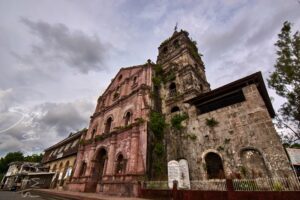
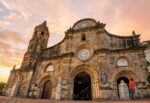
The Saint Peter of Alcántara Parish Church in Pakil serves as the spiritual anchor of Turumba. Dating back to the 17th century, this historic structure houses the revered image, drawing pilgrims from across Laguna, Quezon, and neighboring provinces. The church is more than a building; it’s the heartbeat of devotion and the center from which processions and community gatherings emanate. Travelers walking its aisles during Turumba can feel centuries of faith, artistry, and local identity woven into the very walls.
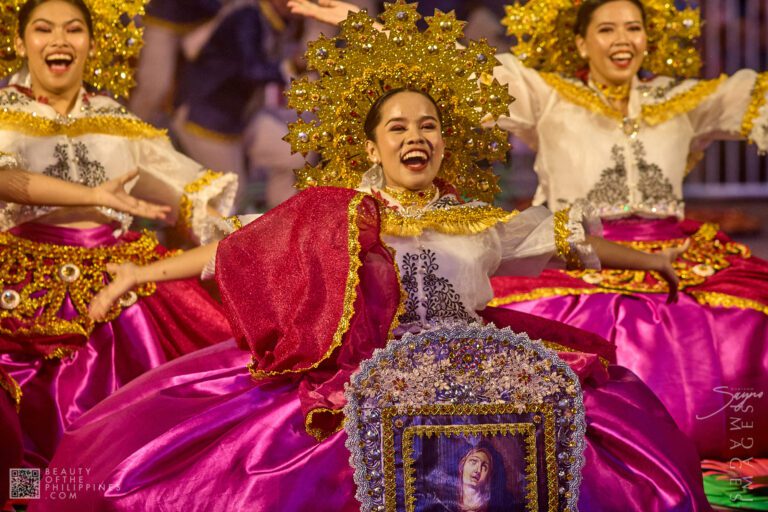
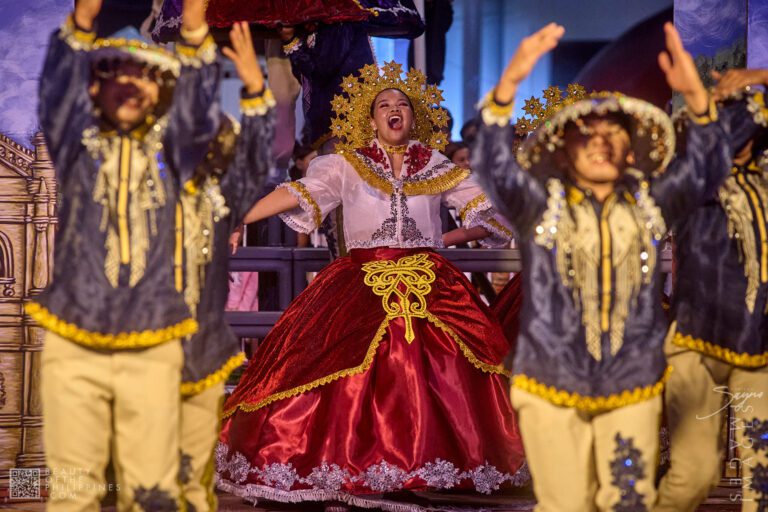
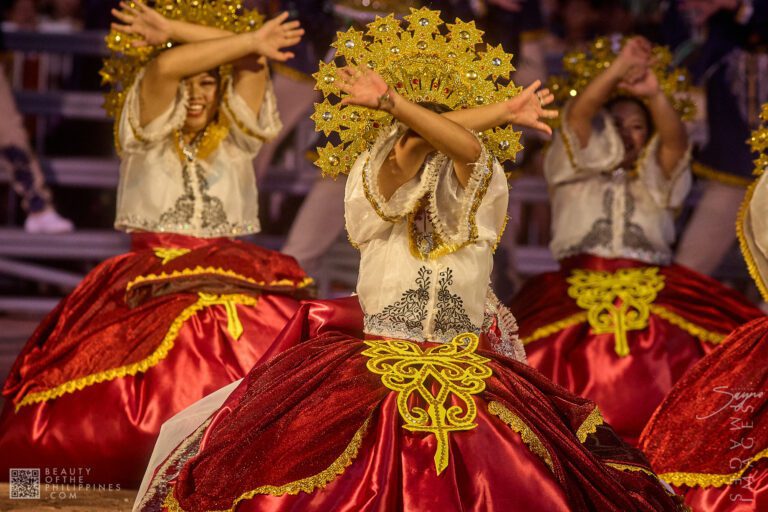
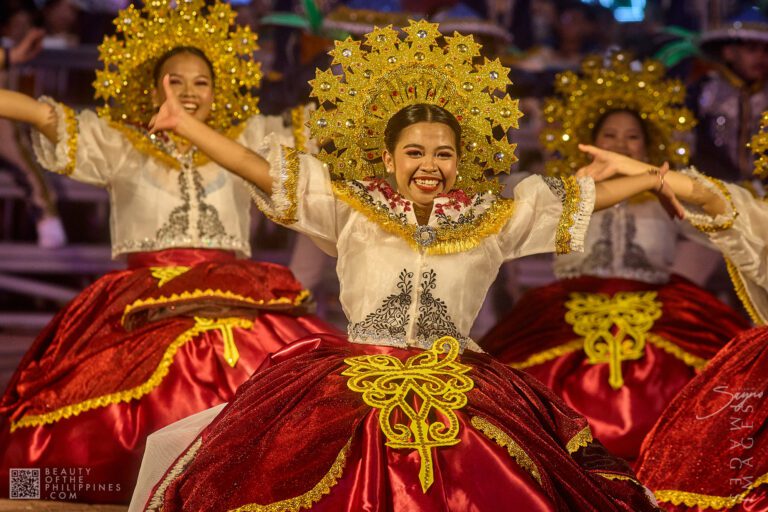
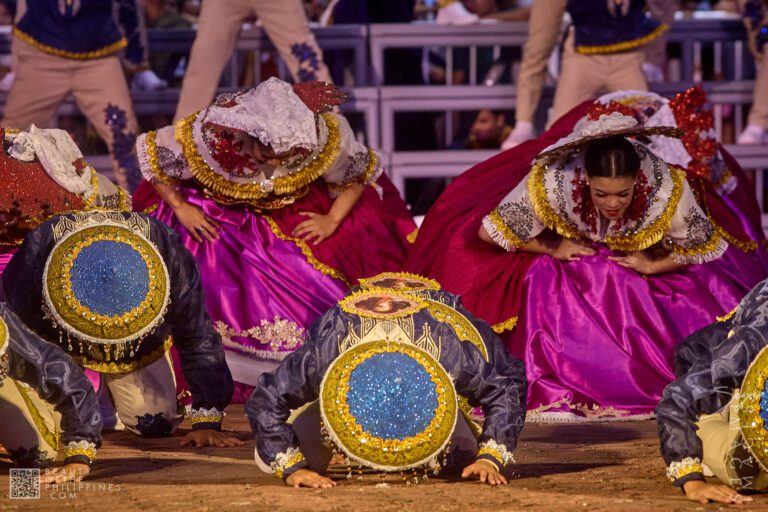
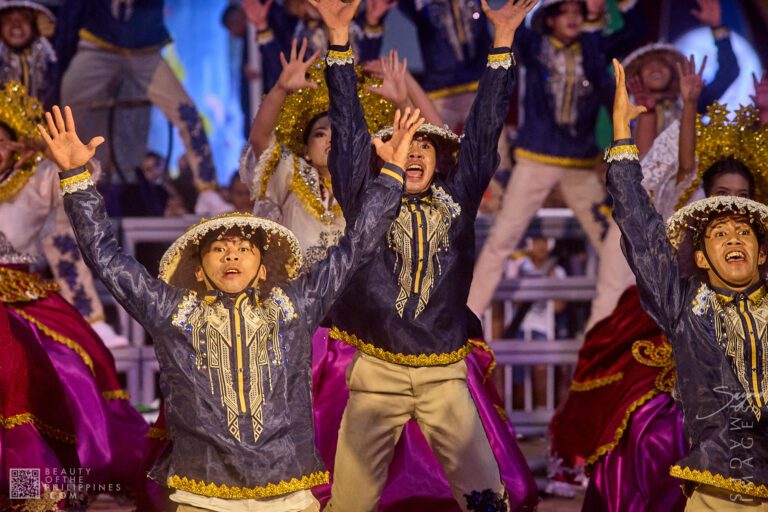
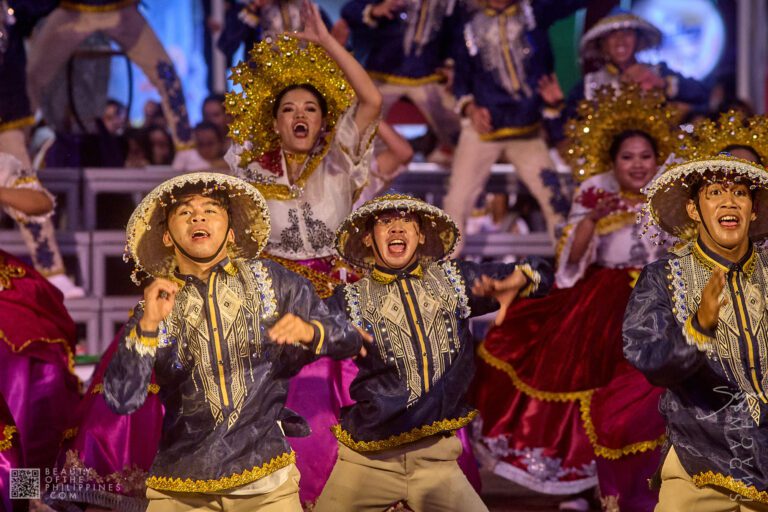
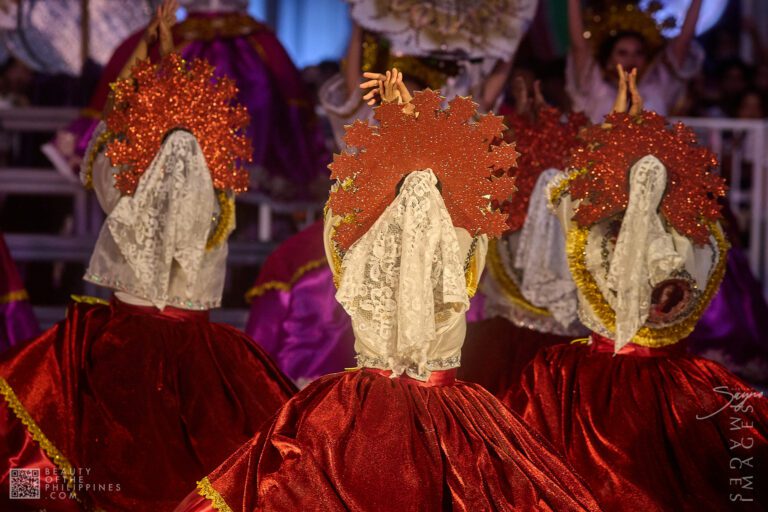
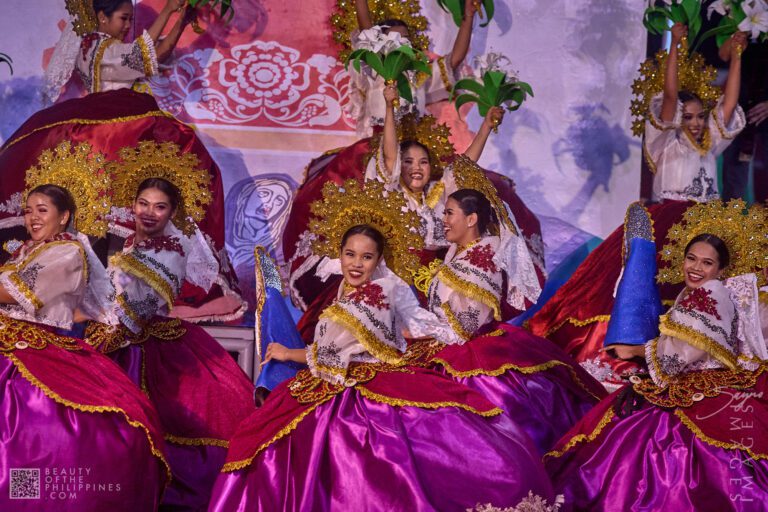
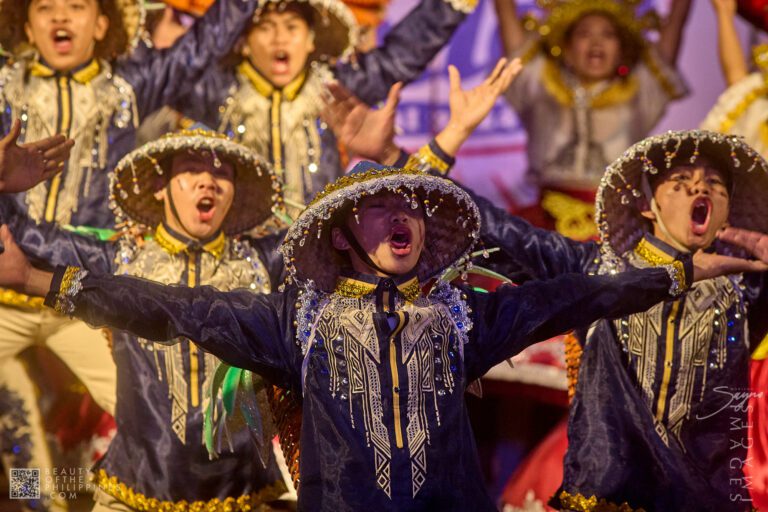
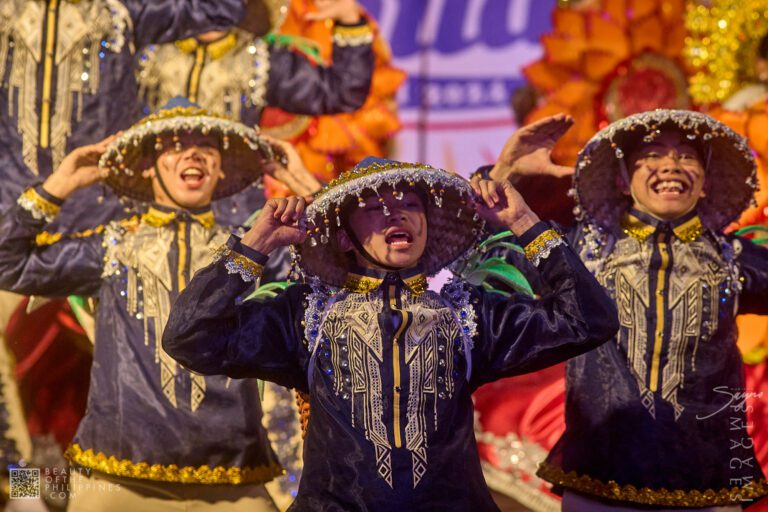
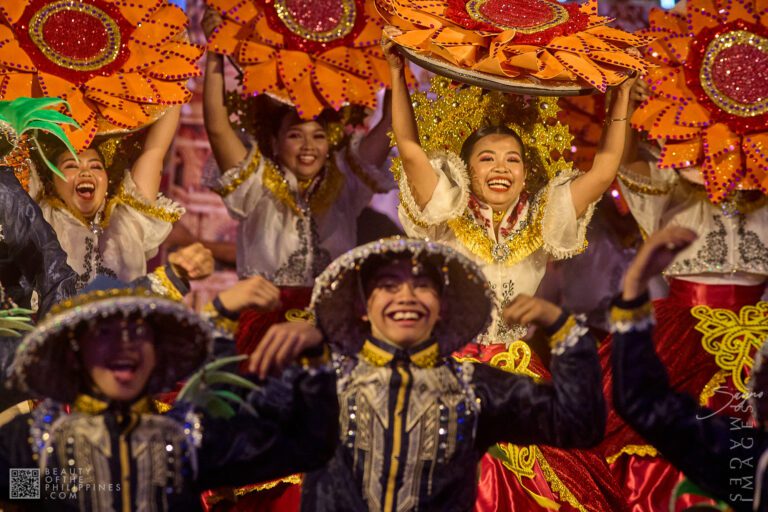
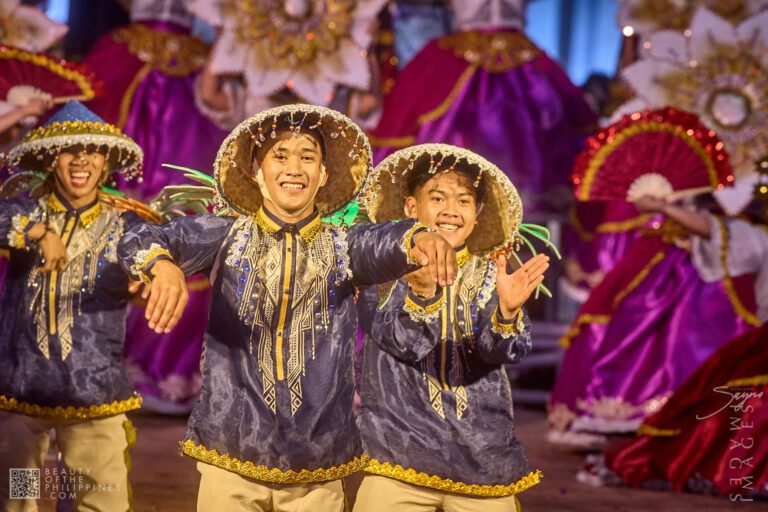
During Anilag Festival 2024, the Turumba Festival was spotlighted as one of Laguna’s premier cultural presentations. As part of the province-wide celebration — which unites all municipalities and cities under the banner of heritage, arts, and agriculture — Pakil showcased its devotion through dance, music, and processional reenactments. The town’s participation highlighted its identity as the home of Turumba, connecting deeply religious practice with broader cultural tourism initiatives. Travelers and festivalgoers alike could experience firsthand how a centuries-old devotion becomes a living, communal celebration that strengthens both spiritual and cultural bonds.
In today’s context, the Turumba Festival is not merely a ritual but a dynamic embodiment of faith, culture, and communal identity. It preserves generational knowledge, nourishes devotion, and sustains local tourism, drawing visitors to witness the emotional cadence of processions, the artistry of ceremonial dances, and the devotion of a community deeply rooted in tradition. For a traveler, the festival offers a layered experience — where spiritual reflection, cultural observation, and photographic opportunity coexist seamlessly. It is a festival where every step, every chant, and every movement carries meaning, revealing the enduring relevance of Turumba in Laguna’s cultural landscape.
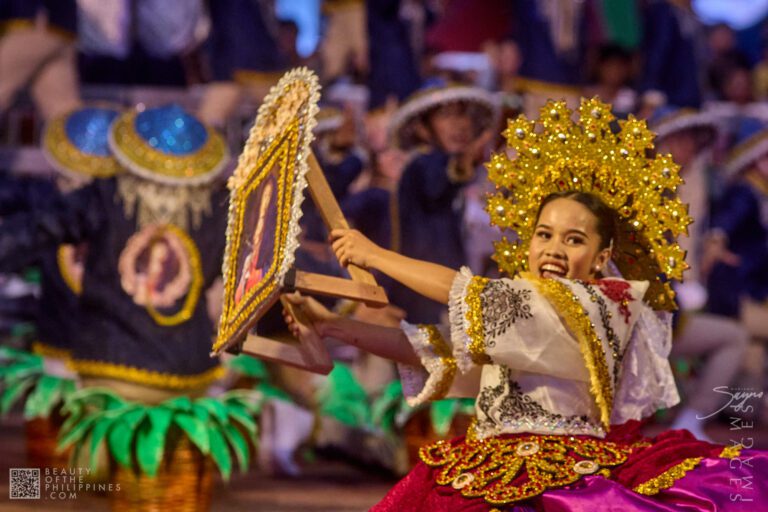
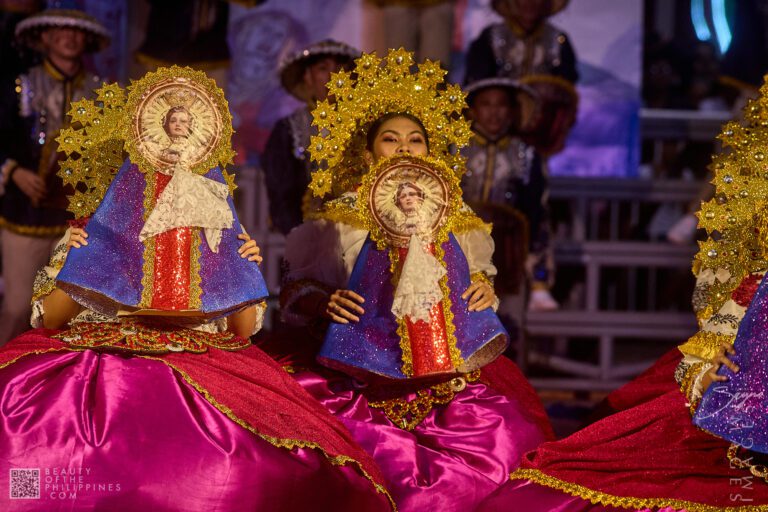
ABOVE: The term “turumba” comes from the Tagalog phrase “natumba sa lakí ng tuwa,” meaning “fell down in great joy,” highlighting the festival’s deep joy and spiritual fulfillment.
RELATED STORIES

Origins and Cultural Significance If you wander Victoria during the festival, it’s immediately clear that the Itik Festival is more than a celebration—it’s a living


Tucked into Barangay Tadlac in Los Baños, Alligator Lake stands apart from Laguna’s more bustling attractions. While many flock to the town’s famed hot springs,


In Mabitac, Laguna, the celebration has been embraced wholeheartedly, particularly intertwining it with the town’s founding anniversary to create a grand town festival. It has


A Festival Rooted in a Name Standing in Siniloan during festival season, you begin to notice how one object keeps appearing—in costumes, in floats, in


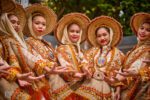
ABOVE: This festival is unique for its seven fiestas, each honoring one of the seven sorrows of Our Lady of Turumba, captivating both locals and visitors.


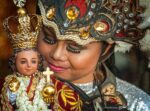
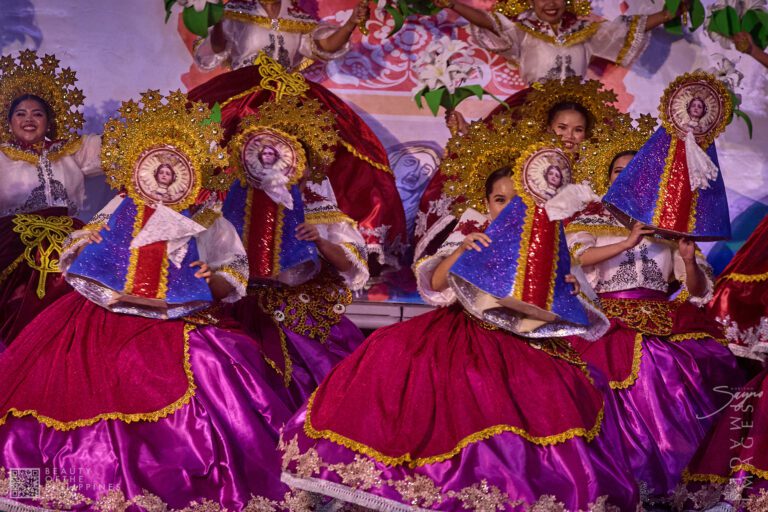
ABOVE: The Our Lady of Sorrows of Turumba, a cherished symbol of faith and devotion in Pakil, Laguna, is honored at the heart of this festival.


ABOVE: Since September 14, 1788, the annual celebration of Our Lady of Turumba has become a cherished tradition, passed down through generations.


I’m looking forward to the stories and images leaving a lasting positive impression on you, just as they have on me. Stay connected with us on social media for a weekly exploration of travel assignments and breathtaking visuals. Our focus is on championing local tourism, showcasing small businesses, and honoring the magnificence of the Philippines through the content we curate. Join us in spreading the word by clicking the ‘share’ buttons below. Your support means the world to us.
EXPLORE MORE about


Santa Cruz, a first-class urban municipality and the capital of Laguna province in the Philippines, is a place where tradition, culture, and culinary delights converge.


Tucked high on Mt. Banahaw and overlooking verdant valleys, Majayjay Church, formally known as the Saint Gregory the Great Parish Church, stands as one of


Nagcarlan Awakens: The Spirit of Ana Kalang Visiting Nagcarlan, Laguna in the third week of April, you immediately sense the town has transformed. The Ana


Tucked into Barangay Tadlac in Los Baños, Alligator Lake stands apart from Laguna’s more bustling attractions. While many flock to the town’s famed hot springs,


The Buhayani Festival, held every June 19 in Calamba, Laguna, honors the life and heroism of Dr. José Rizal, the city’s most celebrated son. First


Laguna de Bay, or Laguna Lake, is much more than the Philippines’ largest freshwater lake. Covering approximately 900 km² with a 220 km shoreline, it stretches across


The Nagcarlan Underground Cemetery in Barangay Bambang, Nagcarlan, Laguna stands as one of the most unique historical sites in the Philippines. Unlike typical cemeteries, this
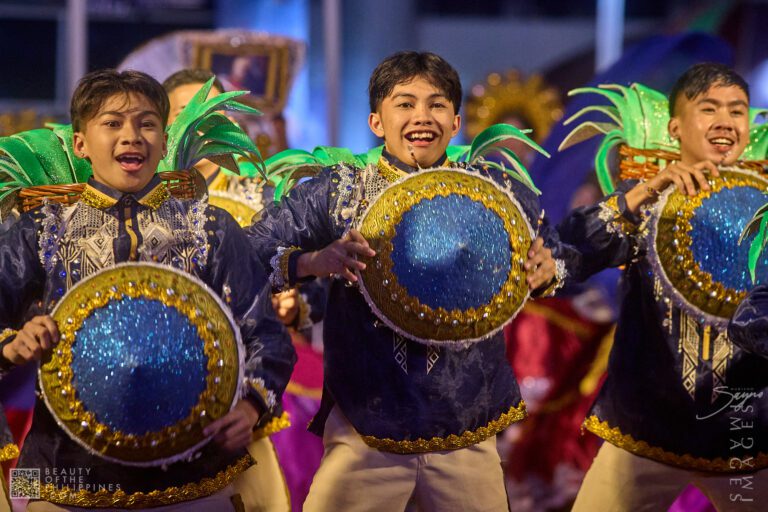
A Festival Rooted in a Name Standing in Siniloan during festival season, you begin to notice how one object keeps appearing—in costumes, in floats, in


Patis Tito Garden Café is more than a restaurant; it is a place where the presentation of Filipino and Asian dishes is inseparable from the
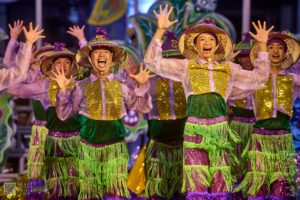
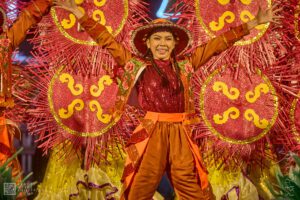


In Mabitac, Laguna, the celebration has been embraced wholeheartedly, particularly intertwining it with the town’s founding anniversary to create a grand town festival. It has


Understanding the Sambalilo Festival The Sambalilo Festival is the signature cultural celebration of Cavinti, a municipality in Laguna. Traditionally held during the first week of


A Sweet Harvest in Motion: Calauan’s Pinya Festival Walking through Calauan in early May, you immediately feel the energy of a community united in celebration.


Origins and Cultural Significance If you wander Victoria during the festival, it’s immediately clear that the Itik Festival is more than a celebration—it’s a living


Verbena Gallery is located within Patis Tito Garden in Barangay San Antonio, San Pablo City, Laguna, roughly a two to three hour drive from Metro


Lumban, recognized as the “Embroidery Capital of the Philippines,” comes alive every third week of September with its vibrant Burdang Lumban Festival, a celebration of


What the Bañamos Festival Is About The Bañamos Festival is the signature cultural and tourism celebration of the Municipality of Los Baños, Laguna, commemorating the


Enchanted Kingdom, often simply called EK, stands as the Philippines’ first and only world-class theme park in 2012. Located in San Lorenzo South, Santa Rosa
BROWSE BY CATEGORIES
BROWSE BY PROVINCE