Island Dreamer Resort: A Quiet Escape in Talisay, Batangas That Feels Like Home
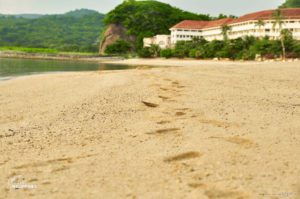
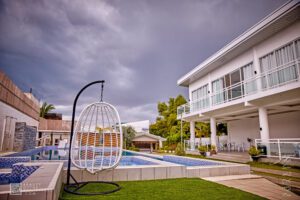
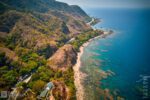
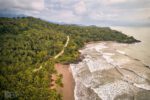
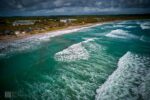
Located in Barangay Caloocan, Talisay, Batangas—just a couple of hours’ drive from Metro Manila—is a quiet little spot that’s as unbothered as it is underrated:
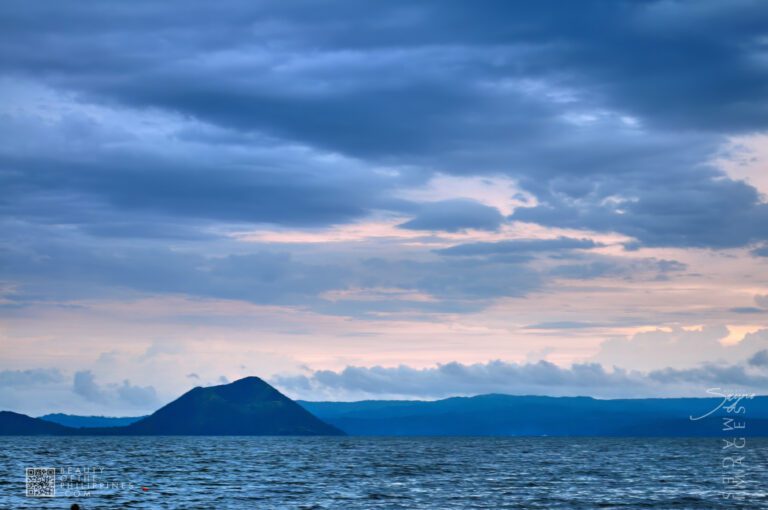
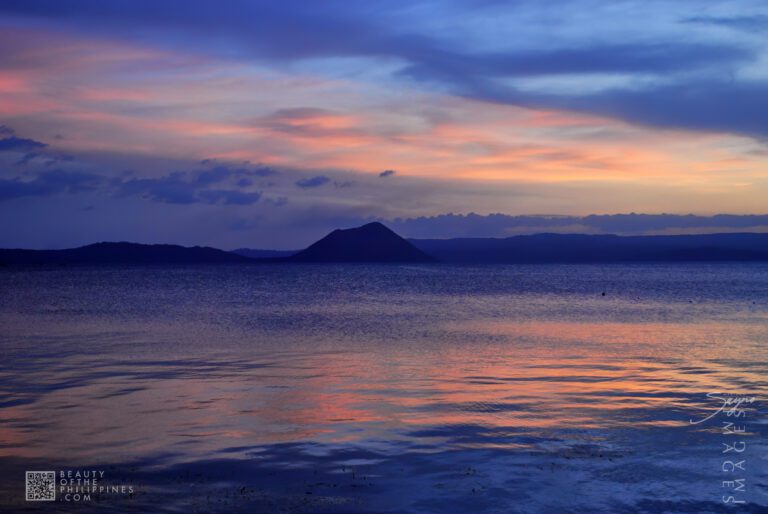
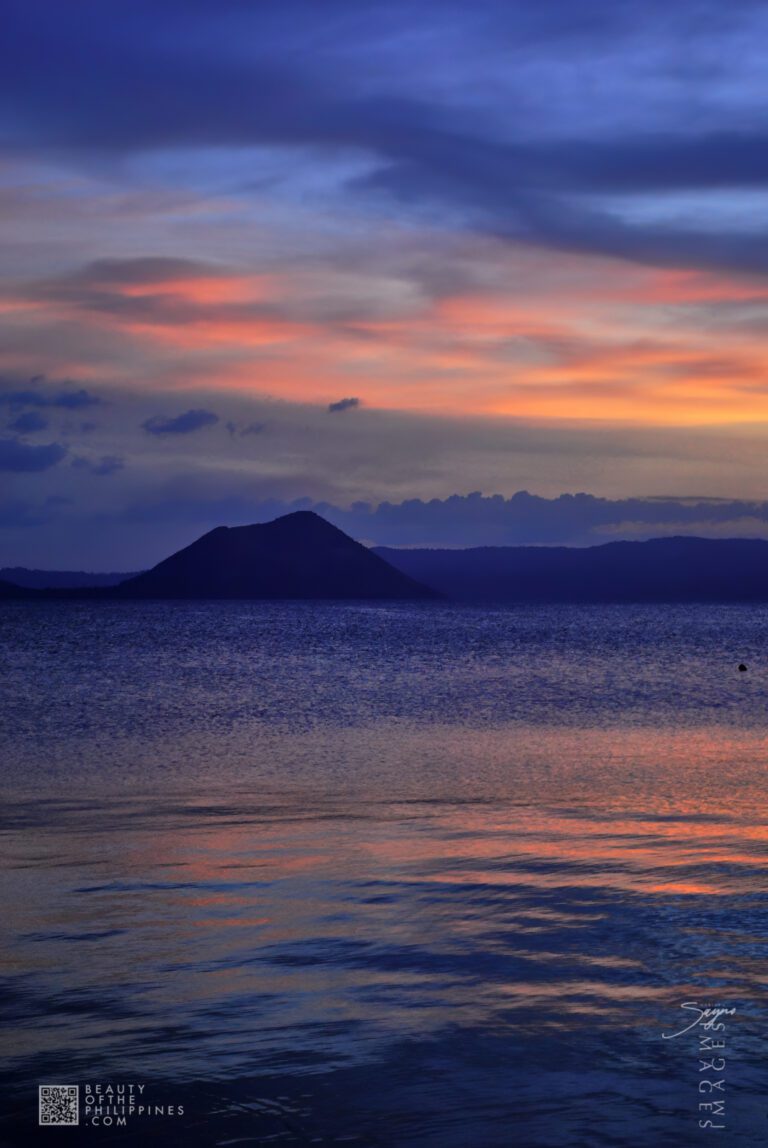
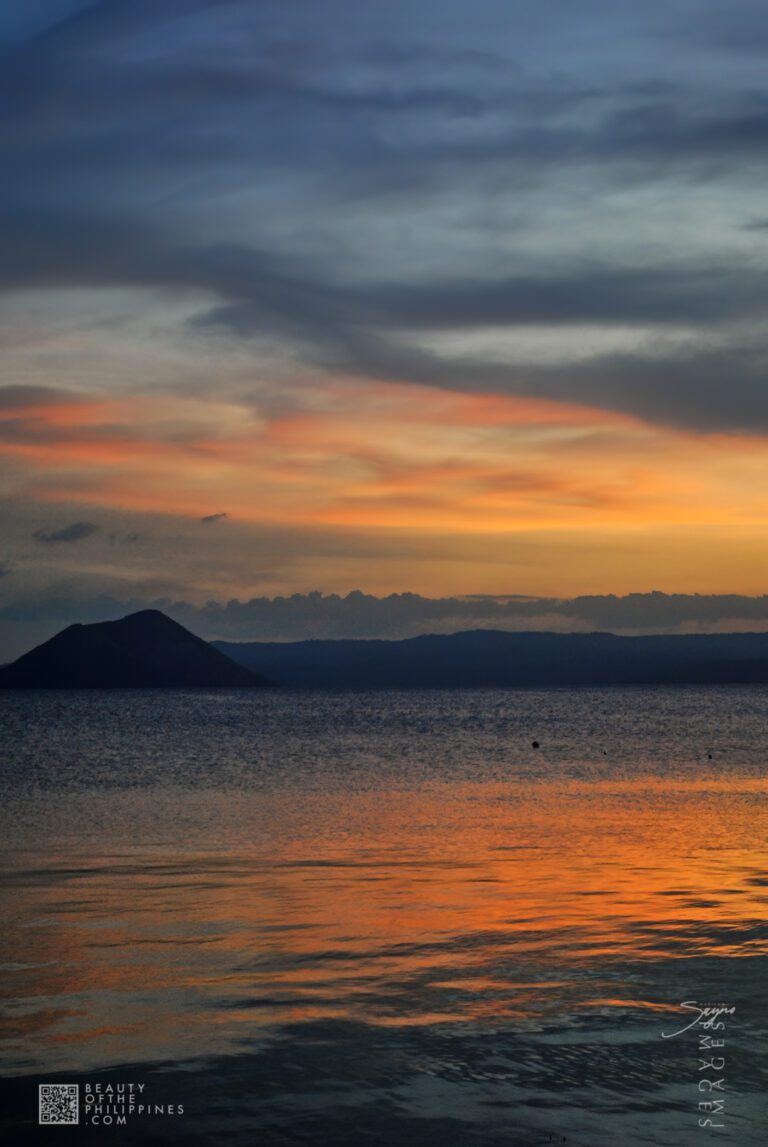
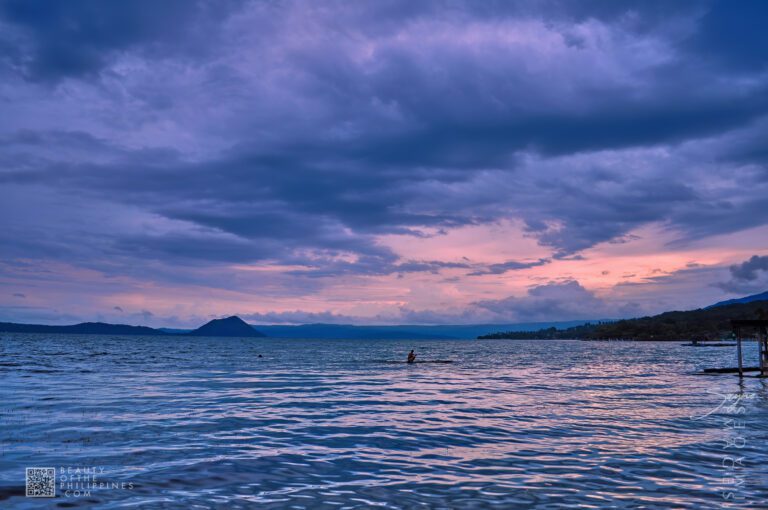
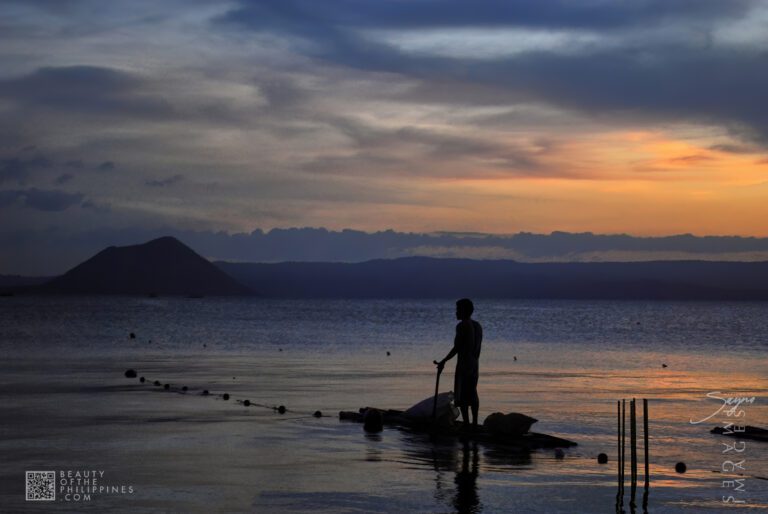
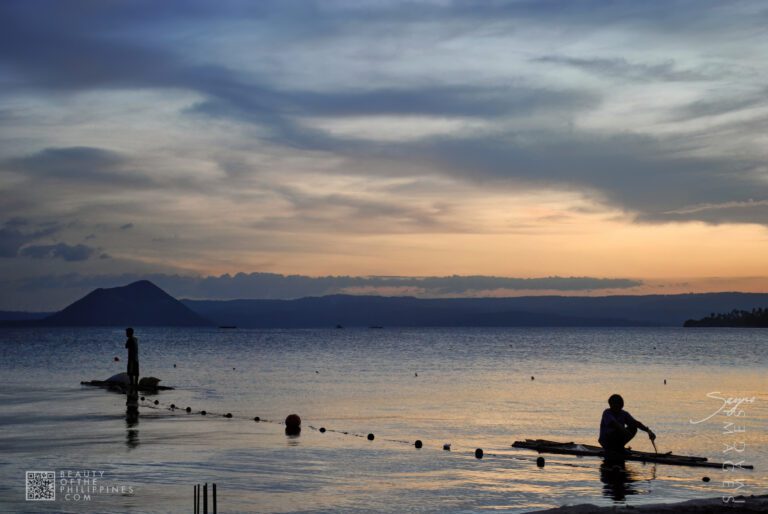
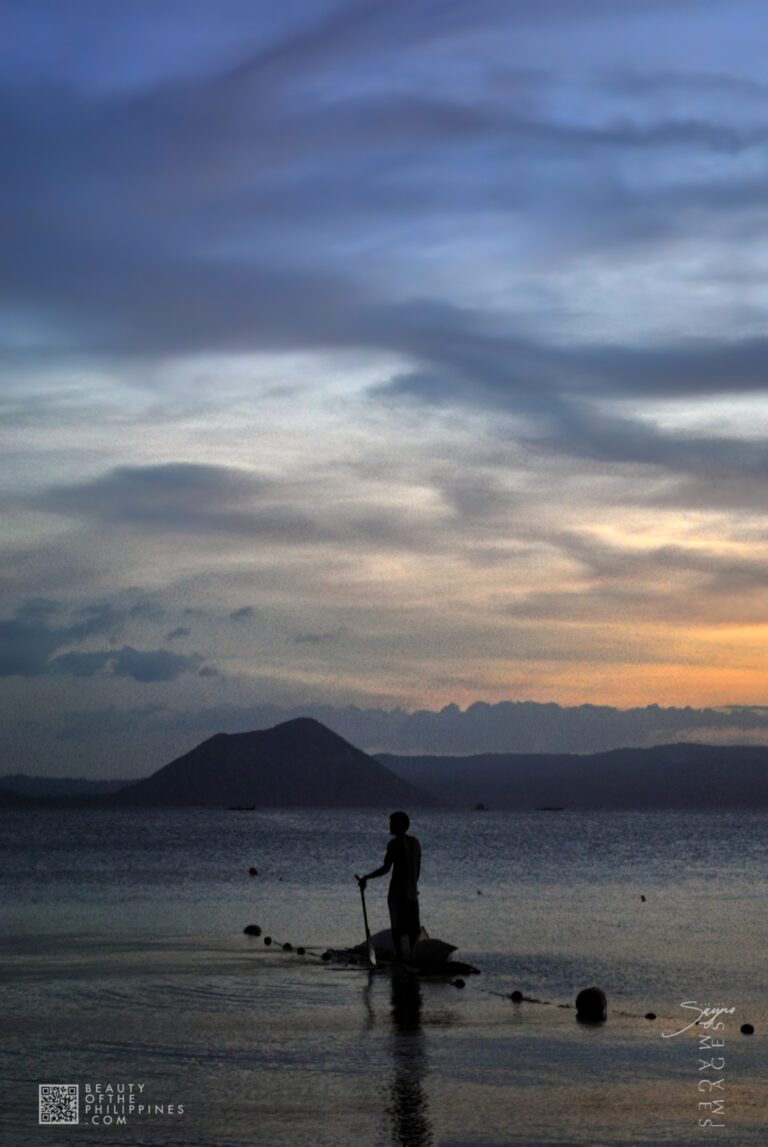
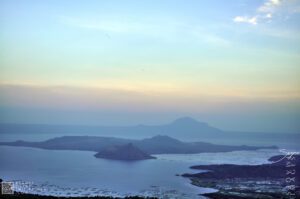
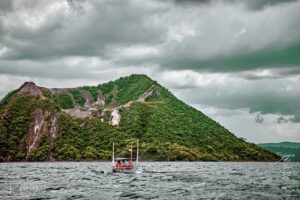
Rising from the shimmering waters of Taal Lake, Taal Volcano is more than a simple mountain — it is a nested marvel: a volcano on an island (Volcano Island) within a lake, itself on Luzon. With an elevation of about 311 meters above sea level, it’s often cited as one of the smallest active volcanoes on Earth, yet its dramatic caldera and eruptive history give it a scale far beyond what meets the eye. Historical eruptions over thousands of years have formed the flooded caldera we see today, with Volcano Island in the middle, containing the Main Crater Lake (historically called Yellow Lake), and at one point even Vulcan Point, an island in a lake on an island in a lake — one of the rarest geological features globally.
The Taal caldera and surrounding lake system were shaped over tens of thousands of years through repeated eruptions, lava flows, base surges, and ash deposits. Within recorded history from 1572 onward, Taal Volcano has erupted over 30 times, with notable events such as the devastating 1754 eruption and the catastrophic 1911 eruption affecting the lives of those living around the lake. Recognized as a Decade Volcano, Taal remains a closely monitored geological site due to its proximity to populated areas and its capacity for explosive activity.
One of the most striking ways to experience Taal Volcano is from the high ridge of Tagaytay City, perched above the northern caldera rim. From here, visitors can capture sweeping views of the lake, the island, and the surrounding highlands, all framed by Tagaytay’s cooler climate and resort-like ambiance. Access from Manila is straightforward via South Luzon Expressway (SLEX) and secondary roads through Tagaytay and Talisay, Batangas, making it an ideal day-trip destination.
Boat tours across Taal Lake provide a closer look at Volcano Island, allowing travelers to explore lakefront scenery, interact with local guides and boatmen, and witness the scale of the crater and its surrounding ecosystems. Towns such as Talisay and San Nicolas offer lakeshore excursions, shoreline picnics, and gentle hikes along the caldera edge.
The transformation of Taal Lake from saltwater to freshwater after prehistoric eruptions has fostered a unique ecosystem. Endemic species, including the freshwater sardine tawilis and freshwater-adapted sea snakes, thrive in these waters. This biodiversity enhances the ecological appeal of Taal Volcano for travelers interested in nature photography and wildlife observation.
The Taal Volcano region is central to the local economy. Tourism generates income for restaurants, accommodations, and tour services while fostering appreciation for Batangas heritage towns and local crafts. The volcano’s cultural significance extends to how communities identify with the lake and island — both in daily life and in the stories of historical eruptions.
Despite its scenic allure, Taal Volcano remains an active and potentially dangerous site. PHIVOLCS continues to monitor seismic activity, volcanic steam, and lake chemistry. Access to certain crater areas is regulated, and advisories ensure that tourists can enjoy the vistas safely, staying clear of hazardous zones. Even in quiet periods, awareness and precaution are part of visiting Taal responsibly.
RELATED STORIES

Located in Barangay Caloocan, Talisay, Batangas—just a couple of hours’ drive from Metro Manila—is a quiet little spot that’s as unbothered as it is underrated:


The Fantasy World theme park sits alone and quietly in Lemery, Batangas Province, and is known as the supposed Disney World as well as one


You know that feeling when you just want to escape the city buzz and dive straight into a chill beach vibe? Well, Calatagan South Beach,


Tingloy is a unique municipality in Batangas Province, occupying Maricaban Island along with Caban Island and several smaller islets just south of the Calumpang Peninsula.


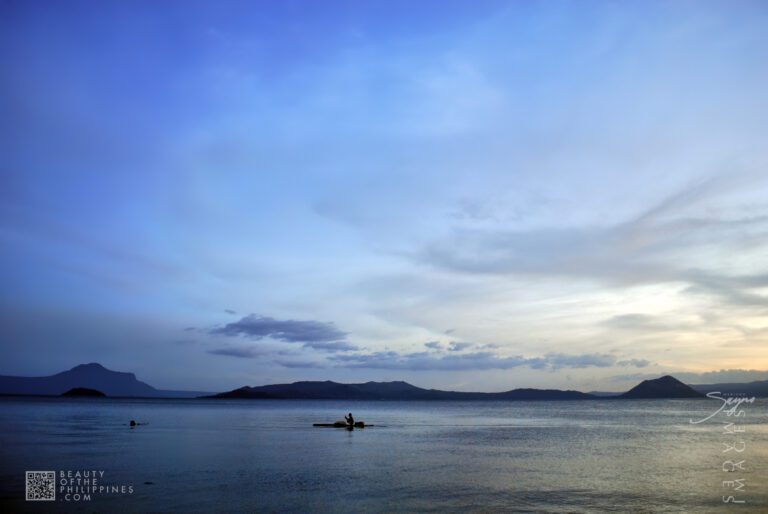
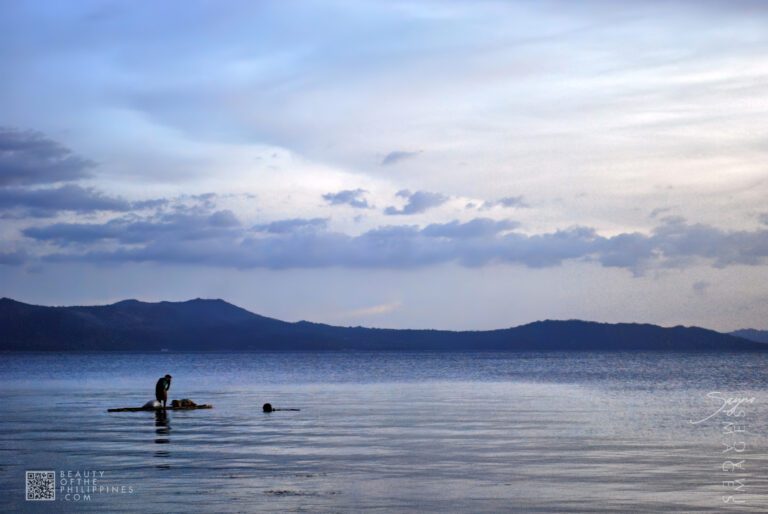
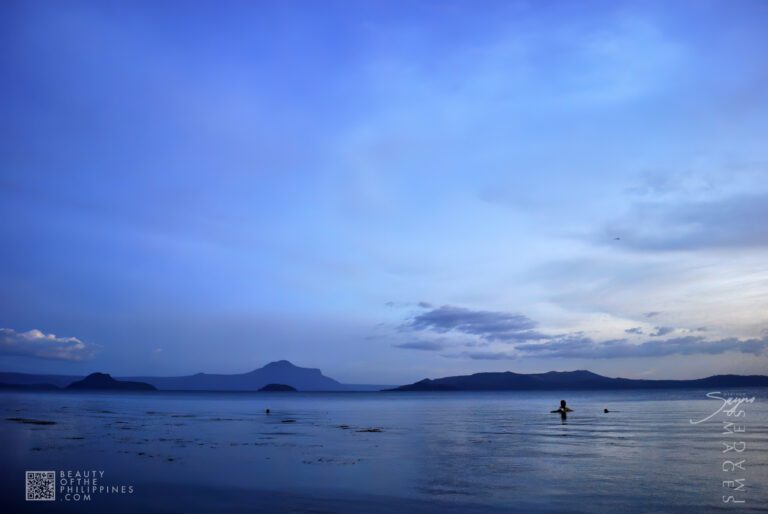
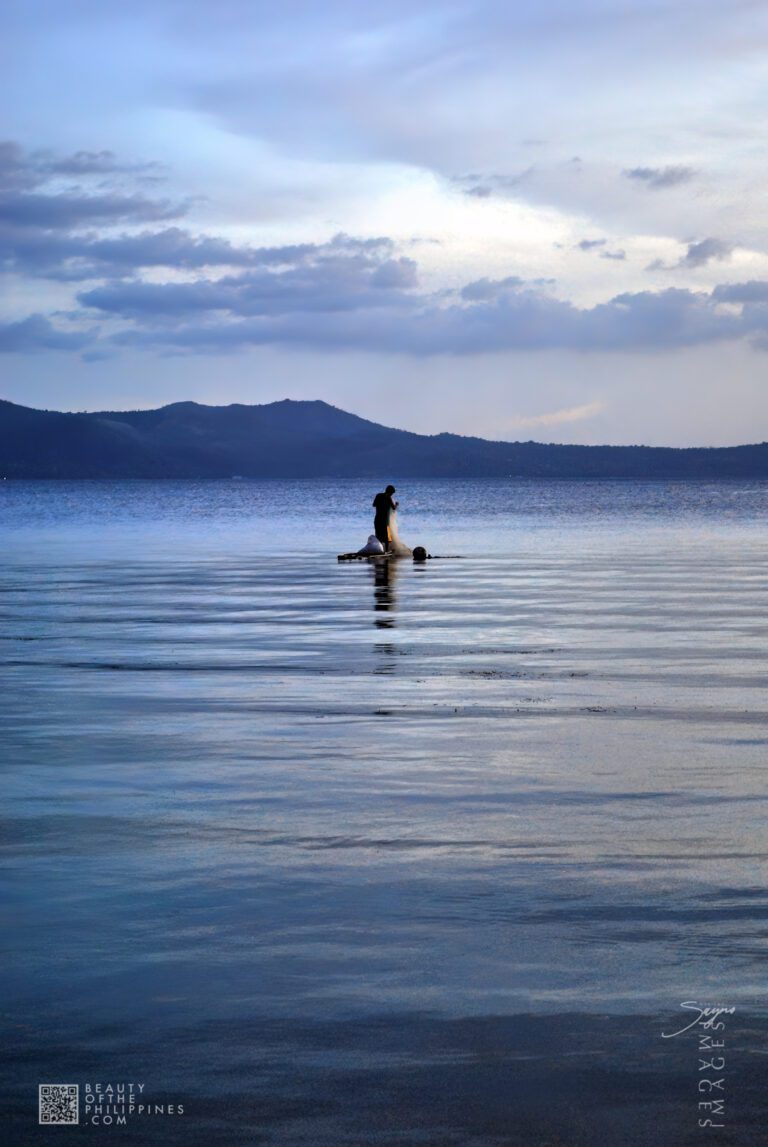
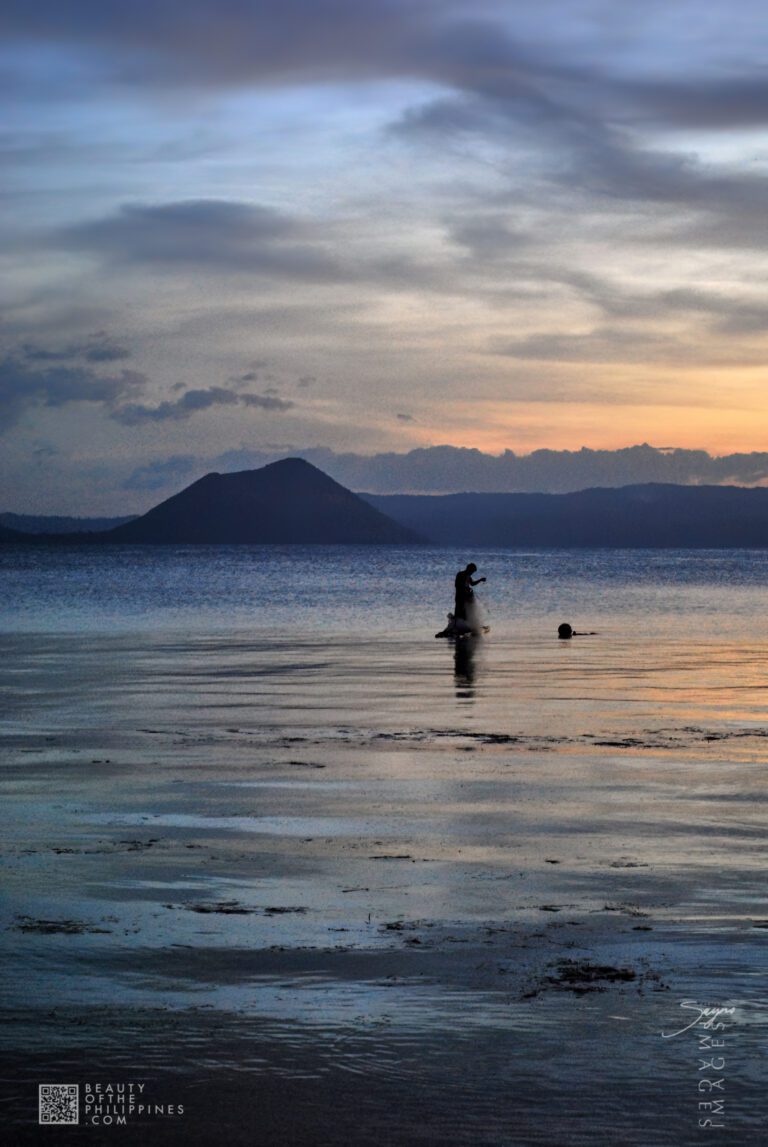
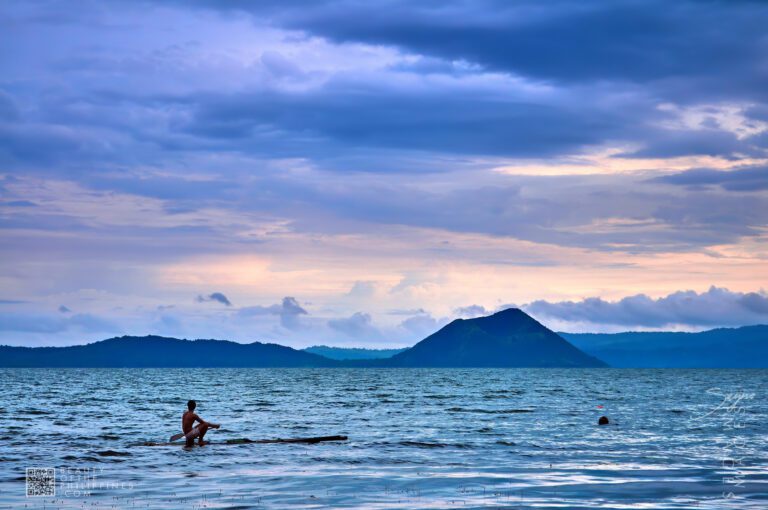
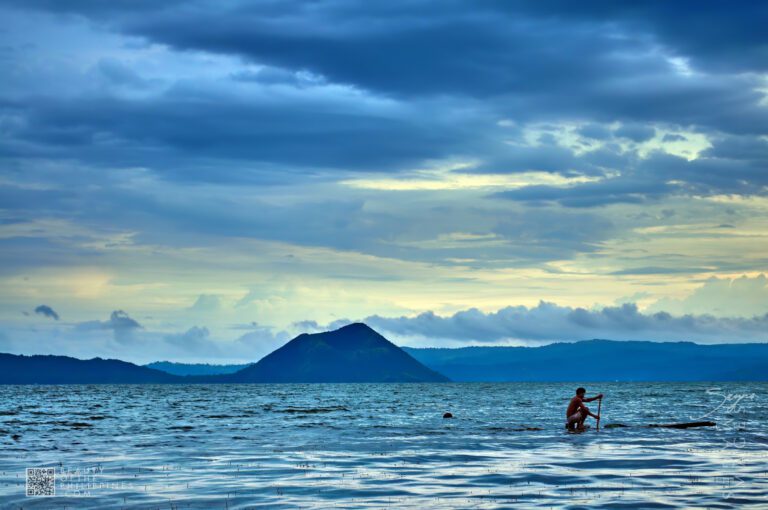
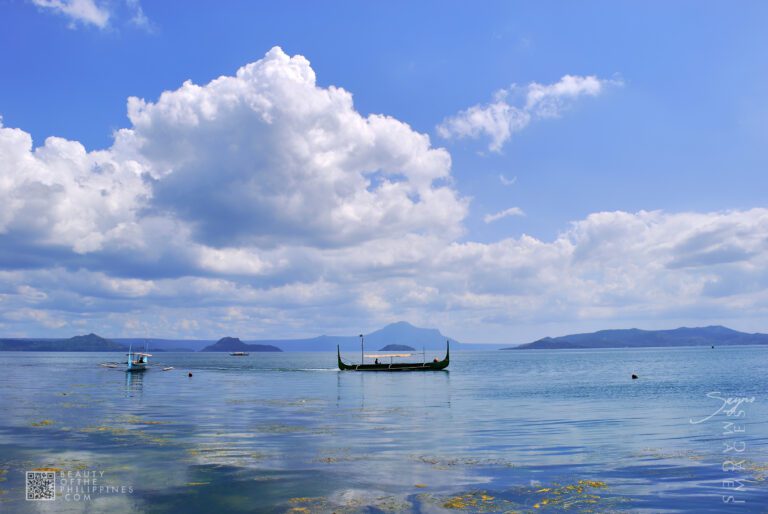
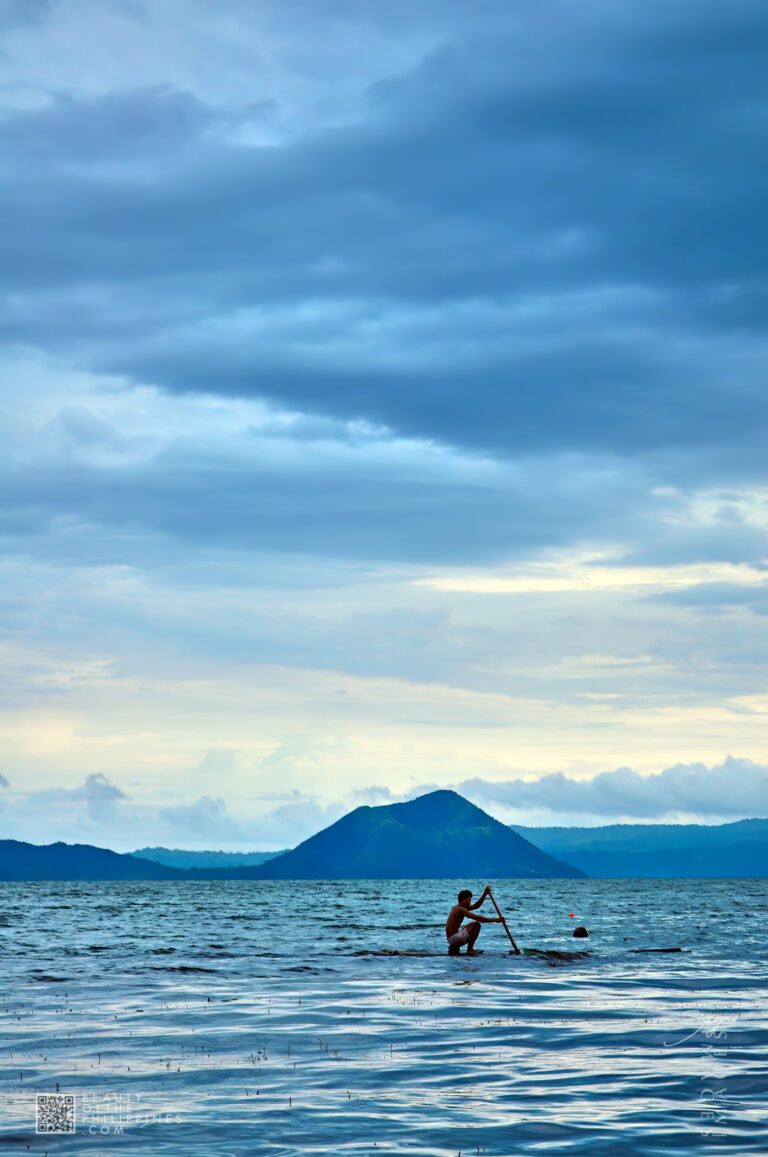
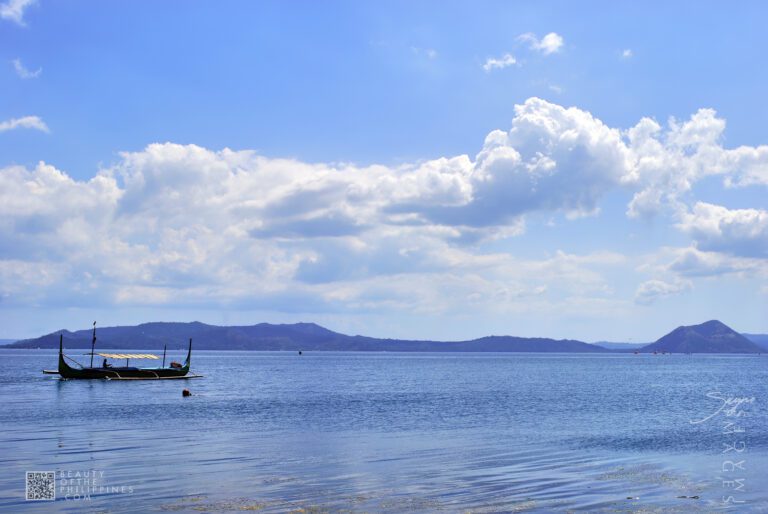
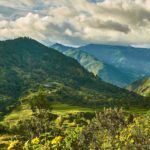
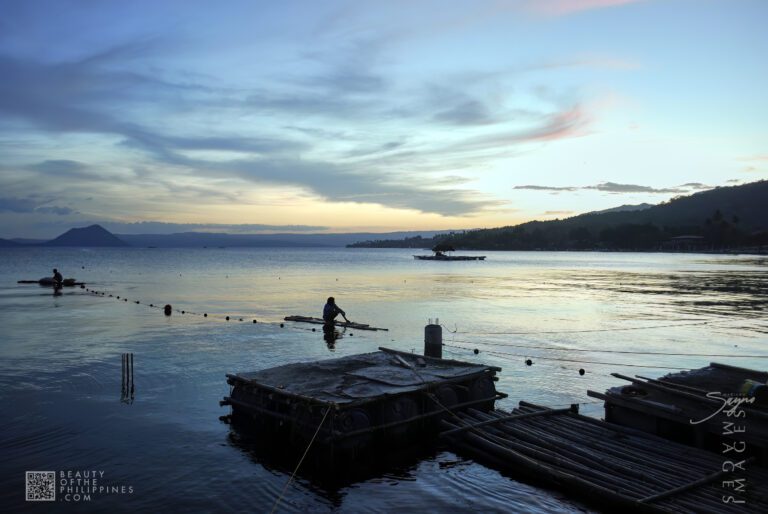
During early morning shoots, the sun casts a soft light across Taal Lake, highlighting the calm blue waters against the rugged volcanic slopes. Fishermen on small boats create patterns on the water’s surface, while distant towns peek through the morning mist. It’s a quiet moment that contrasts with the volcano’s history of dramatic eruptions — a perfect reminder of nature’s duality: serene yet powerful.


I’m looking forward to the stories and images leaving a lasting positive impression on you, just as they have on me. Stay connected with us on social media for a weekly exploration of travel assignments and breathtaking visuals. Our focus is on championing local tourism, showcasing small businesses, and honoring the magnificence of the Philippines through the content we curate. Join us in spreading the word by clicking the ‘share’ buttons below. Your support means the world to us.
EXPLORE MORE about


The Fantasy World theme park sits alone and quietly in Lemery, Batangas Province, and is known as the supposed Disney World as well as one


Tingloy is a unique municipality in Batangas Province, occupying Maricaban Island along with Caban Island and several smaller islets just south of the Calumpang Peninsula.


Taal Lake, also simply known as Lake Taal, is one of the Philippines’ most unique natural features — a volcanic lake occupying the caldera of


It was once a stone church, that was built during the Spanish colonial era in Tanauan, Batangas, and was known as Tanauan Church or St


Among the many contributions of Balayan Bay that Batanguenos are proud of, the bay served as a fishing village and a summer retreat for locals

Calaca Church, formally the Saint Raphael the Archangel Parish Church, was established shortly after the founding of Calaca on May 10, 1835. By 1836, local


Located in Barangay Caloocan, Talisay, Batangas—just a couple of hours’ drive from Metro Manila—is a quiet little spot that’s as unbothered as it is underrated:


Rising dramatically from the serene waters of Taal Lake in Batangas Province, Taal Volcano immediately captures attention with its extraordinary configuration — a volcano on


This Minor Basilica is canonically known as the Minor Basilica of Saint Martin of Tours and is located in the town of Taal, Batangas, within


Tucked away in the historic town of Taal, Batangas, the Sta. Lucia Miracle Well—locally known as Balon ng Sta. Lucia—is more than just a quiet,


If you’re craving that sweet spot where calm meets adventure—where you can sip coffee while staring at a volcano, then hop on a kayak right


When exploring heritage towns in the Philippines, Taal in Batangas always stands out. Often overshadowed by Taal Lake and Taal Volcano, the town itself is


Taal Lake, located in Batangas on Luzon, is one of the Philippines’ most remarkable natural landscapes. This freshwater lake occupies a vast volcanic caldera, shaped


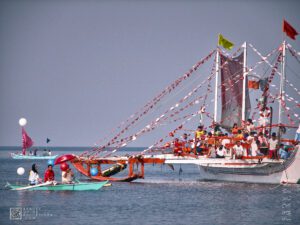
Each year, the Sigpawan Festival, which is held in Lemery, Batangas, takes place on Easter Sunday. The highlight of the festival is the Fluvial procession


Known as the Caysasay Church, the Shrine of Our Lady of Caysasay is located in Barrio Caysasay, Taal, Batangas. This is a coral-hewn chapel that


If you’ve ever found yourself stuck in Metro traffic, daydreaming about the beach while scrolling through Instagram—Laiya Beach might just be the answer your soul’s


You know that feeling when you just want to escape the city buzz and dive straight into a chill beach vibe? Well, Calatagan South Beach,


Standing before Taal Volcano, you quickly realize why it’s one of the Philippines’ most iconic natural landmarks. The sight of Volcano Island rising from the


The Nasugbu area has an extensive collection of beaches and snorkeling spots which make it a popular summer destination. There are numerous swimming-related activities and
BROWSE BY CATEGORIES
BROWSE BY PROVINCE