
Taal Volcano: The Philippines’ Iconic Active Volcano
Let’s be real—when you think of volcanoes, you probably imagine something massive and far-flung, right? But here in the Philippines, just 50-ish kilometers from Metro
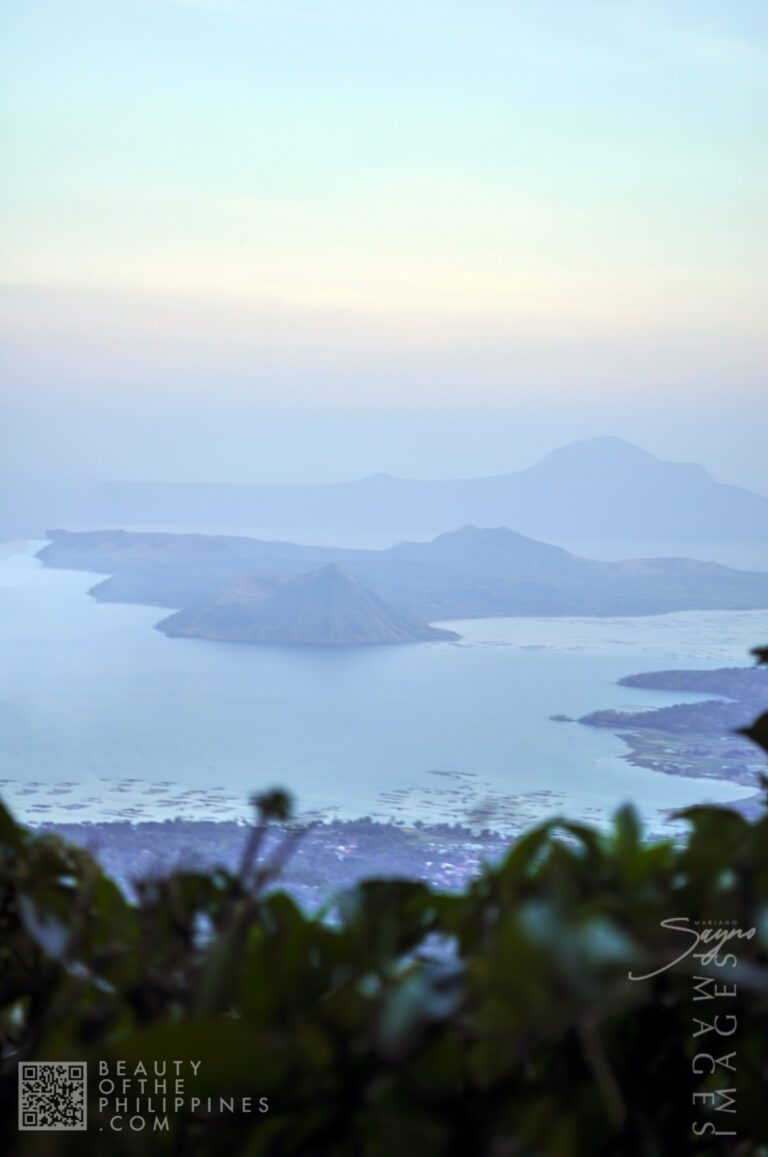
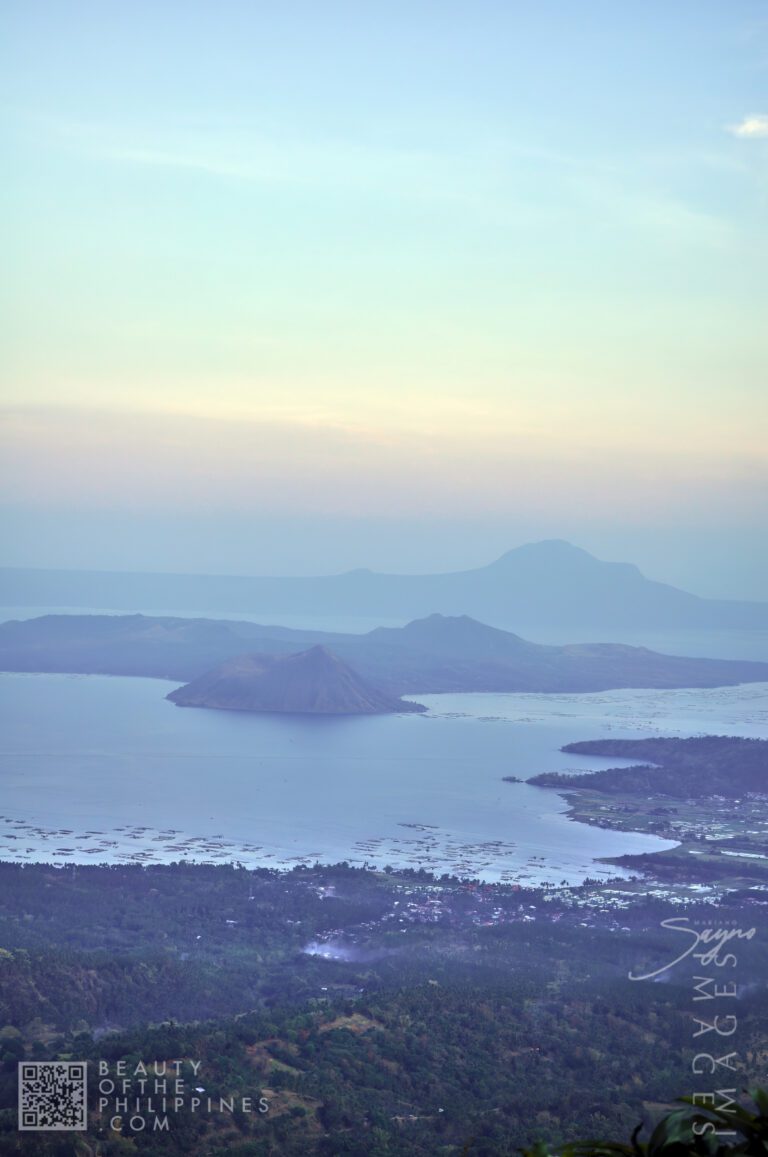
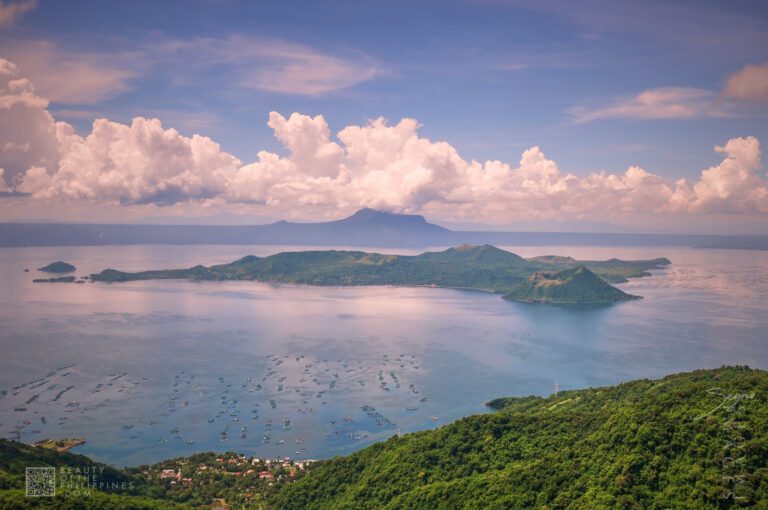
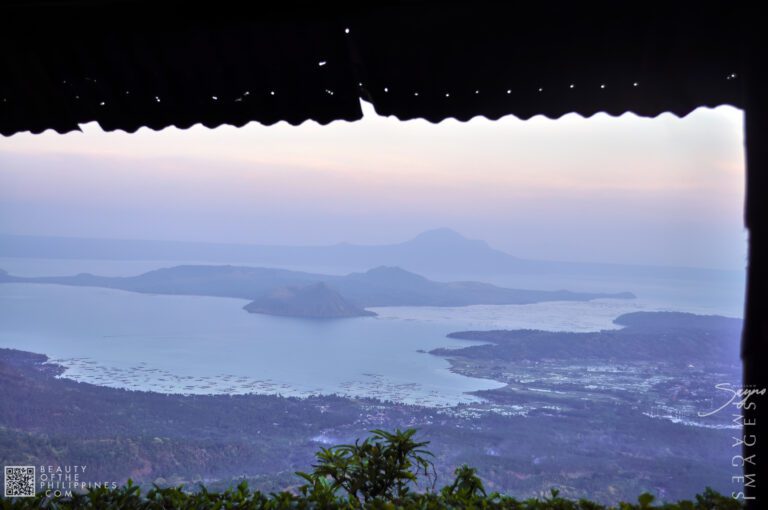
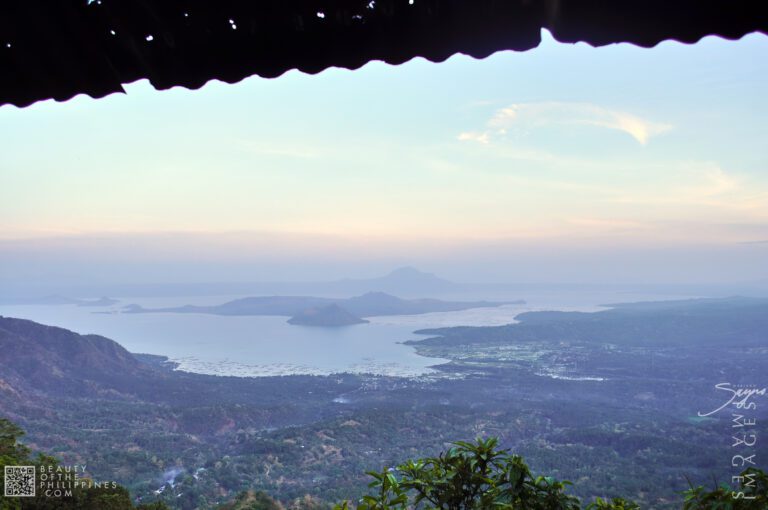
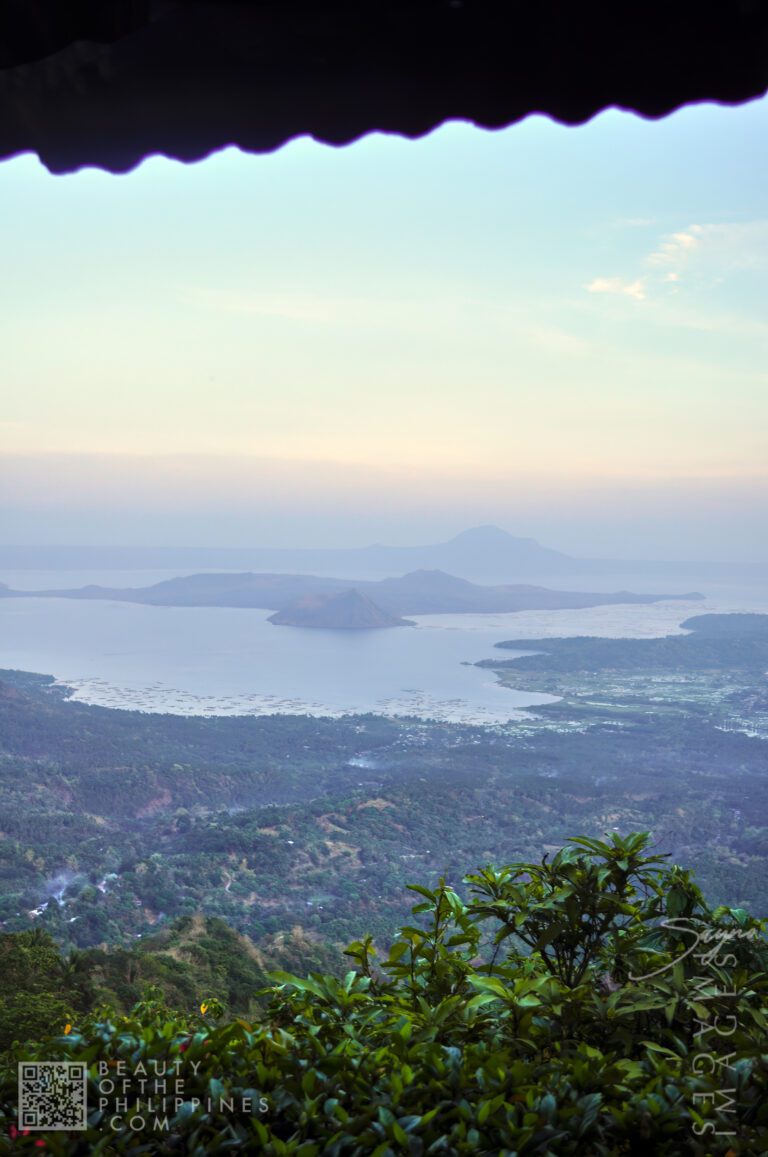
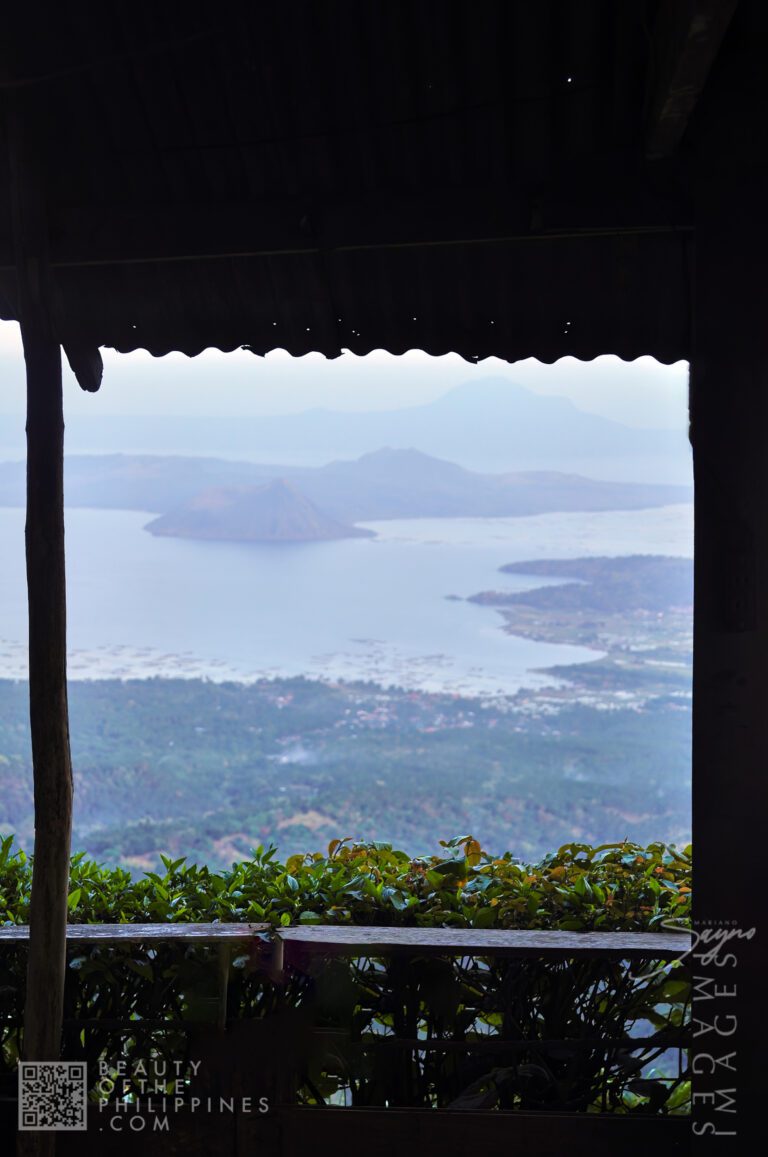
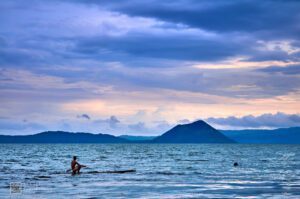
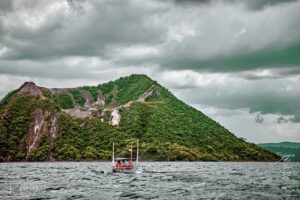
Rising dramatically from the serene waters of Taal Lake in Batangas Province, Taal Volcano immediately captures attention with its extraordinary configuration — a volcano on an island in a lake on an island. Though it reaches just 311 meters above sea level, its presence is far from modest. It occupies Volcano Island, the active cone at the heart of the flooded Taal Lake, itself resting within a massive caldera shaped by prehistoric eruptions. This layered landscape creates a visual and geological story that fascinates both travelers and scientists. The lake, one of the largest freshwater bodies in the country, is fed by over 30 rivers and drains through the Pansipit River, forming a delicate balance between volcanic forces and natural water systems.
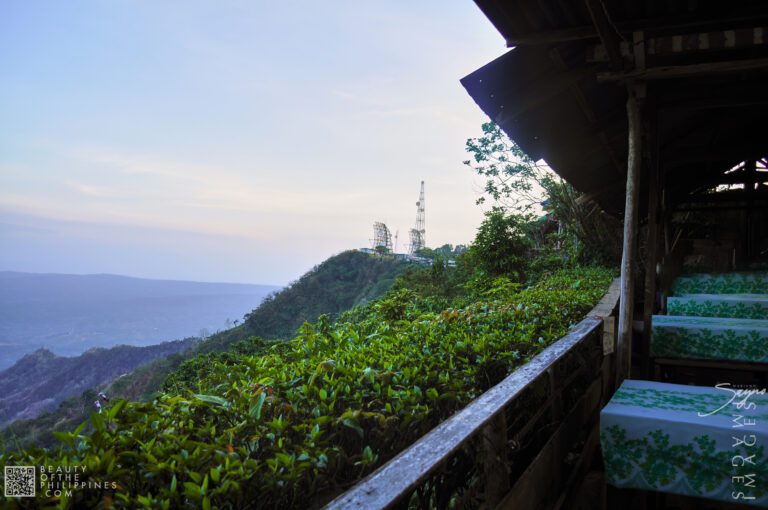
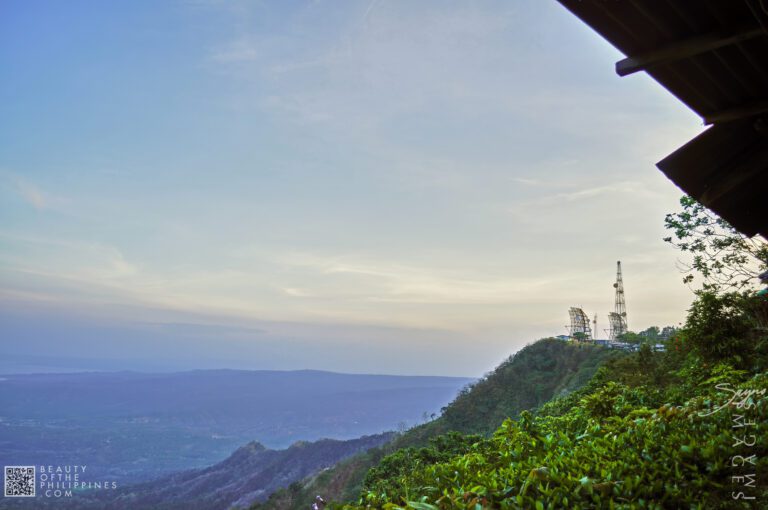
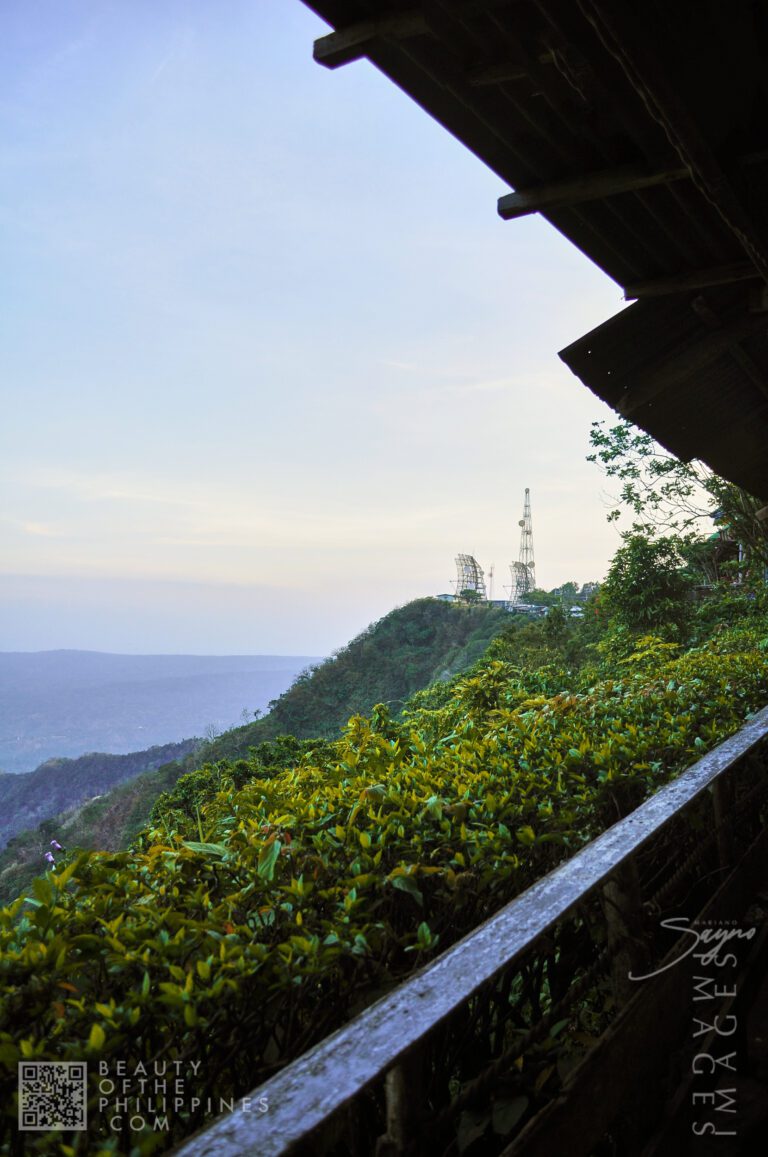
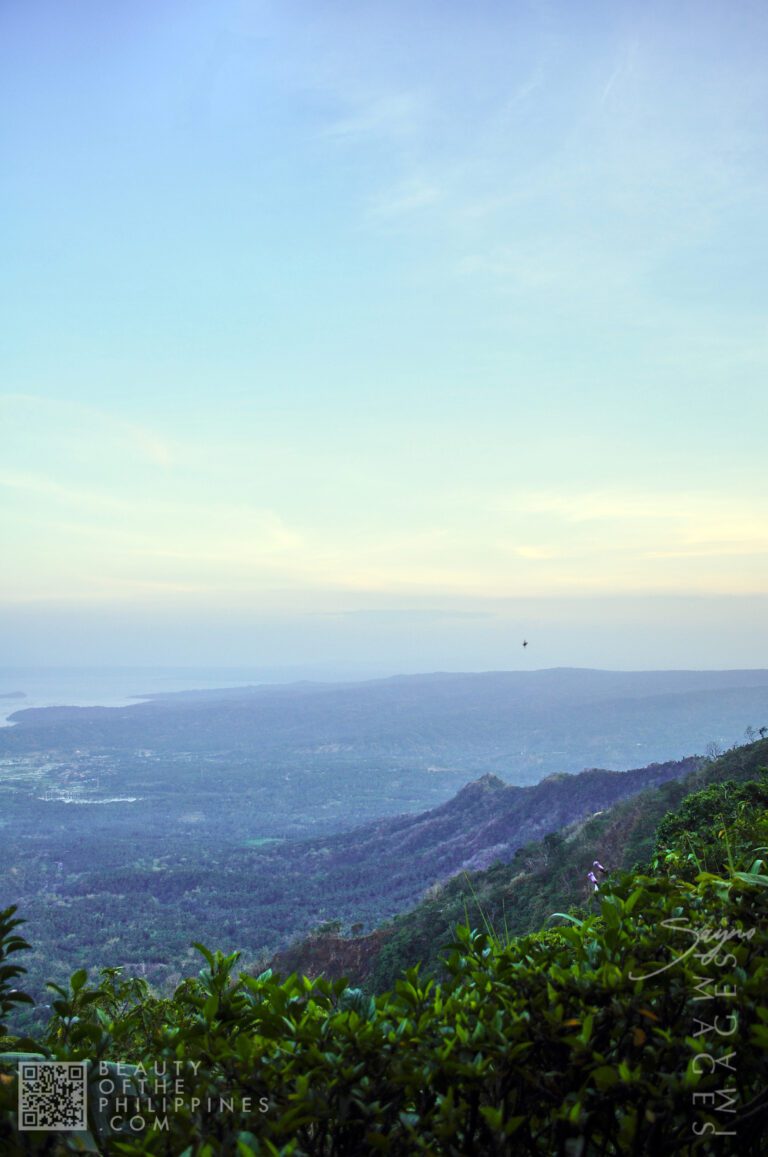
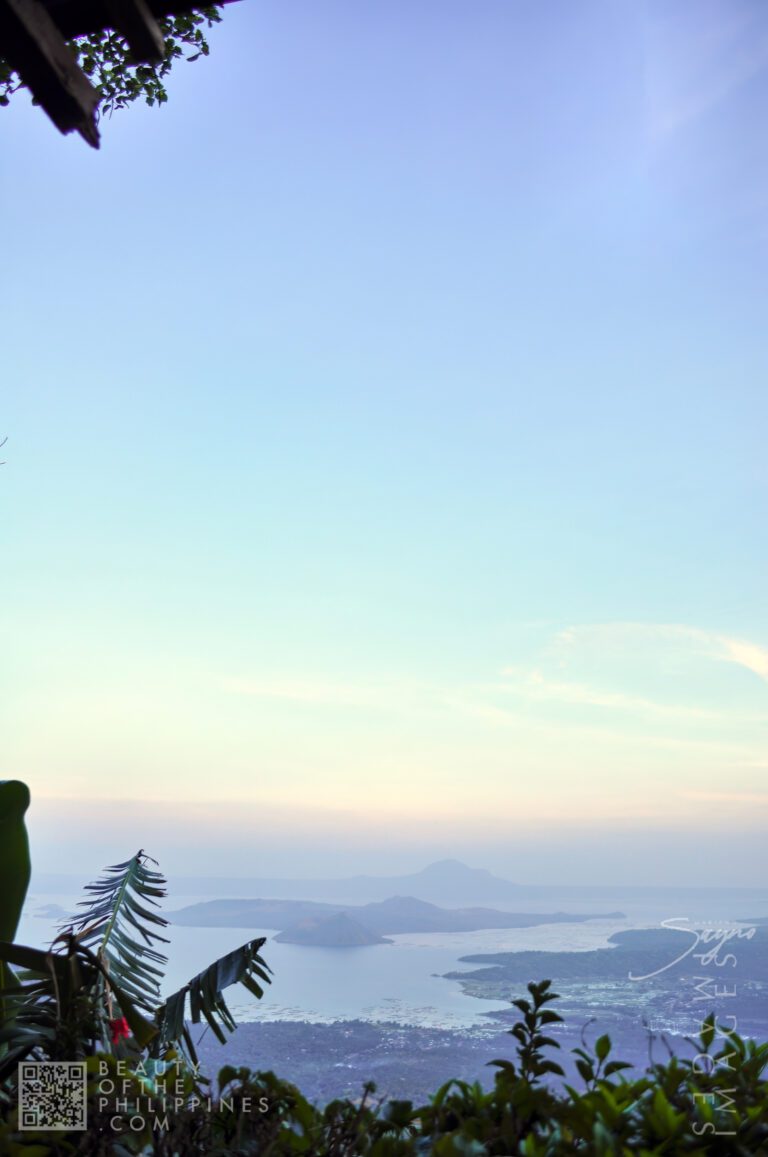
The allure of Taal Volcano lies not only in its unusual geography but also in the vibrant life surrounding it. Views of Volcano Island from lakeshore towns like Talisay, San Nicolas, and Agoncillo, or from the elevated Tagaytay Ridge, reveal sparkling waters, coconut-fringed shores, and distant mountain silhouettes. The ridge has become a favored vantage point for travelers seeking to capture the perfect photograph, while enjoying cool breezes and a casual café stop. From this height, the volcano appears calm yet commanding, a constant reminder of the raw geological power lying beneath.
Most journeys to the volcano start with a boat ride across Taal Lake, often on traditional outrigger boats or “bangkas”, gliding over the placid waters toward the island. The ride provides a dynamic perspective — shimmering lake reflections, flocks of birds, and glimpses of fishermen at work along the shoreline. The gentle rocking of the boat, the occasional splash against the hull, and the distant hum of motorboats all make this approach both scenic and meditative, giving travelers a deep sense of place as they draw near Volcano Island.
For those seeking more active exploration, Volcano Island offers trails leading toward the crater. Local guides lead visitors across volcanic terrain, ash-laid paths, and rocky slopes, explaining how centuries of eruptions shaped the island’s unique topography. Horseback rides provide a gentler ascent, while kayaking along the shorelines of Taal Lake allows a different vantage of the surrounding caldera. The island and lake are alive with wildlife — endemic fish, bird species, and the occasional monitor lizard — making every step and paddle stroke an intimate encounter with nature.
The communities along the lake’s edge are integral to the Taal Volcano experience. Taal Town offers heritage architecture, including well-preserved Spanish-era houses, artisan workshops, and local markets, all telling stories of a rich cultural history shaped by volcanic soil and lakeside life. Sampling regional dishes, observing traditional fishing methods, or browsing hand-crafted souvenirs enriches the visit, grounding the dramatic scenery in the lived experiences of those who call the area home.
The best vistas often come from Tagaytay Ridge, where elevated spots offer panoramic views over the lake and Volcano Island. Travelers can reach the area easily via South Luzon Expressway (SLEX) and Batangas routes. While the volcano is visually accessible year-round, checking with local authorities for trail guidance and safety updates ensures a worry-free experience. The dry season from November to May is ideal for clear skies, smoother lake crossings, and optimal photography conditions.
Taal Volcano is a destination that blends spectacle with story. Its compact but complex landscape, the shimmering waters of Taal Lake, and the resilient communities around it create a layered experience — part adventure, part reflection, and all unforgettable. Whether capturing the perfect photograph, tracing the volcanic trails, or savoring lakeside life, visiting Taal Volcano is a reminder of nature’s beauty and the enduring presence of history in the Philippines.
RELATED STORIES

Let’s be real—when you think of volcanoes, you probably imagine something massive and far-flung, right? But here in the Philippines, just 50-ish kilometers from Metro


Known as the Caysasay Church, the Shrine of Our Lady of Caysasay is located in Barrio Caysasay, Taal, Batangas. This is a coral-hewn chapel that


The Nasugbu area has an extensive collection of beaches and snorkeling spots which make it a popular summer destination. There are numerous swimming-related activities and


Among the many contributions of Balayan Bay that Batanguenos are proud of, the bay served as a fishing village and a summer retreat for locals
I’m looking forward to the stories and images leaving a lasting positive impression on you, just as they have on me. Stay connected with us on social media for a weekly exploration of travel assignments and breathtaking visuals. Our focus is on championing local tourism, showcasing small businesses, and honoring the magnificence of the Philippines through the content we curate. Join us in spreading the word by clicking the ‘share’ buttons below. Your support means the world to us.
EXPLORE MORE about


It was once a stone church, that was built during the Spanish colonial era in Tanauan, Batangas, and was known as Tanauan Church or St


Calaca Church, formally the Saint Raphael the Archangel Parish Church, was established shortly after the founding of Calaca on May 10, 1835. By 1836, local


Known as the Caysasay Church, the Shrine of Our Lady of Caysasay is located in Barrio Caysasay, Taal, Batangas. This is a coral-hewn chapel that


You know that feeling when you just want to escape the city buzz and dive straight into a chill beach vibe? Well, Calatagan South Beach,


If you’re craving that sweet spot where calm meets adventure—where you can sip coffee while staring at a volcano, then hop on a kayak right


The Nasugbu area has an extensive collection of beaches and snorkeling spots which make it a popular summer destination. There are numerous swimming-related activities and


The Fantasy World theme park sits alone and quietly in Lemery, Batangas Province, and is known as the supposed Disney World as well as one


Taal Lake, located in Batangas on Luzon, is one of the Philippines’ most remarkable natural landscapes. This freshwater lake occupies a vast volcanic caldera, shaped


When exploring heritage towns in the Philippines, Taal in Batangas always stands out. Often overshadowed by Taal Lake and Taal Volcano, the town itself is


If you’ve ever found yourself stuck in Metro traffic, daydreaming about the beach while scrolling through Instagram—Laiya Beach might just be the answer your soul’s


Each year, the Sigpawan Festival, which is held in Lemery, Batangas, takes place on Easter Sunday. The highlight of the festival is the Fluvial procession


Among the many contributions of Balayan Bay that Batanguenos are proud of, the bay served as a fishing village and a summer retreat for locals


Located in Barangay Caloocan, Talisay, Batangas—just a couple of hours’ drive from Metro Manila—is a quiet little spot that’s as unbothered as it is underrated:


Let’s be real—when you think of volcanoes, you probably imagine something massive and far-flung, right? But here in the Philippines, just 50-ish kilometers from Metro


Tucked away in the historic town of Taal, Batangas, the Sta. Lucia Miracle Well—locally known as Balon ng Sta. Lucia—is more than just a quiet,


Standing before Taal Volcano, you quickly realize why it’s one of the Philippines’ most iconic natural landmarks. The sight of Volcano Island rising from the


This Minor Basilica is canonically known as the Minor Basilica of Saint Martin of Tours and is located in the town of Taal, Batangas, within


Tingloy is a unique municipality in Batangas Province, occupying Maricaban Island along with Caban Island and several smaller islets just south of the Calumpang Peninsula.


Taal Lake, also simply known as Lake Taal, is one of the Philippines’ most unique natural features — a volcanic lake occupying the caldera of
BROWSE BY CATEGORIES
BROWSE BY PROVINCE