Capones Lighthouse: A Century-Old Sentinel Above the West Philippine Sea
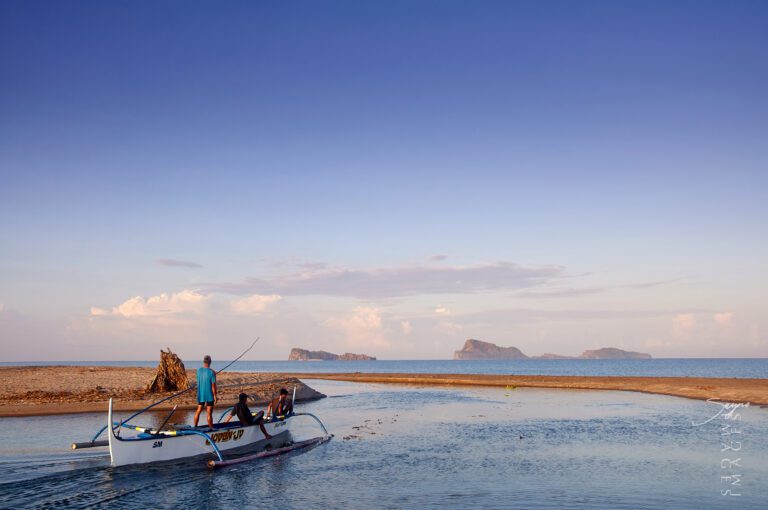
The approach always begins at Pundaquit Beach in San Antonio, Zambales. A small boat cuts across the waters of the West Philippine Sea, and slowly

The first thing that strikes you about Capones Island rising off the west coast of Luzon is its silhouette — a bone‑shaped landmass of rock and sand framed by the cerulean waters of the West Philippine Sea. A short boat ride from Pundaquit Beach brings you close enough to see the dramatic interplay of rugged stone and soft beaches, a visual cue that this island is far from a typical resort escape. Unlike the more frequented coves nearby, here nature feels raw and historically rooted, as if every grain of sand has a story.
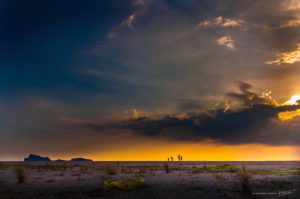
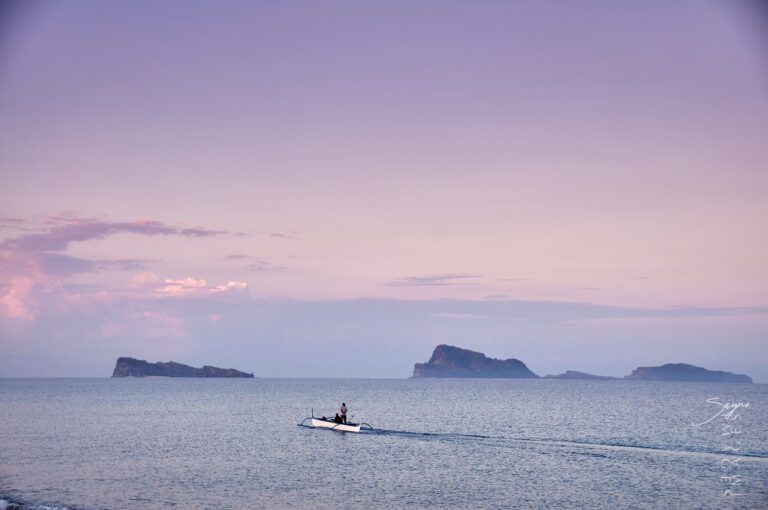
ABOVE: Captured from the shores of Pundaquit Beach, this photo frames the majestic Capones Island in all its glory. Many travelers kick off their adventure from the nearby fishing village of Pundaquit, setting out to explore this stunning island.
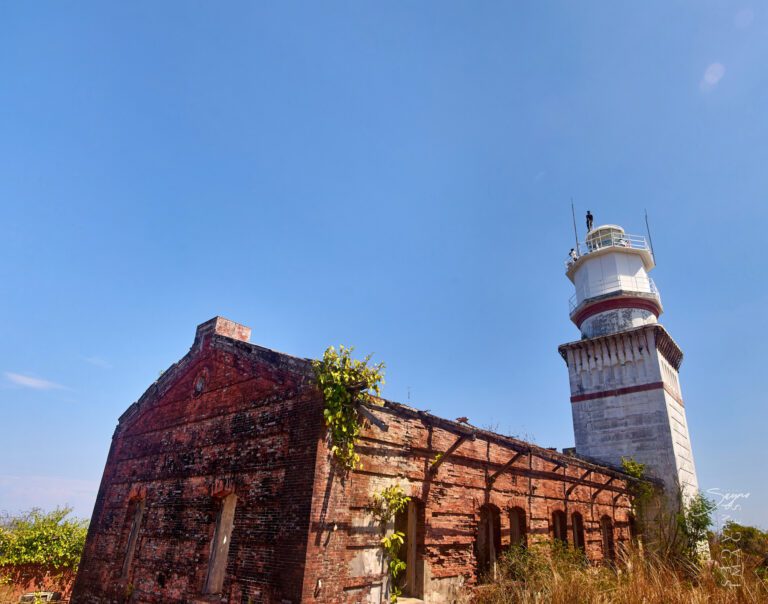
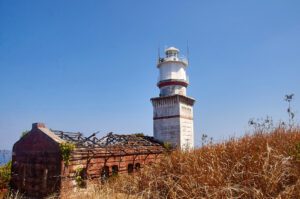
Perched high on the island’s western ridge is the Capones Island Lighthouse, locally known as Faro de Punta Capones, a towering piece of maritime history that has stood since the late Spanish colonial period. Built over a span of roughly seven years and first lit in 1890, this brick masonry lighthouse was part of an extensive colonial program to build navigational aids throughout the archipelago. Its first‑order Fresnel lens once projected light as far as 25 nautical miles, guiding vessels entering and leaving Subic Bay and Manila Bay, while warning of treacherous rocky shores nearby.
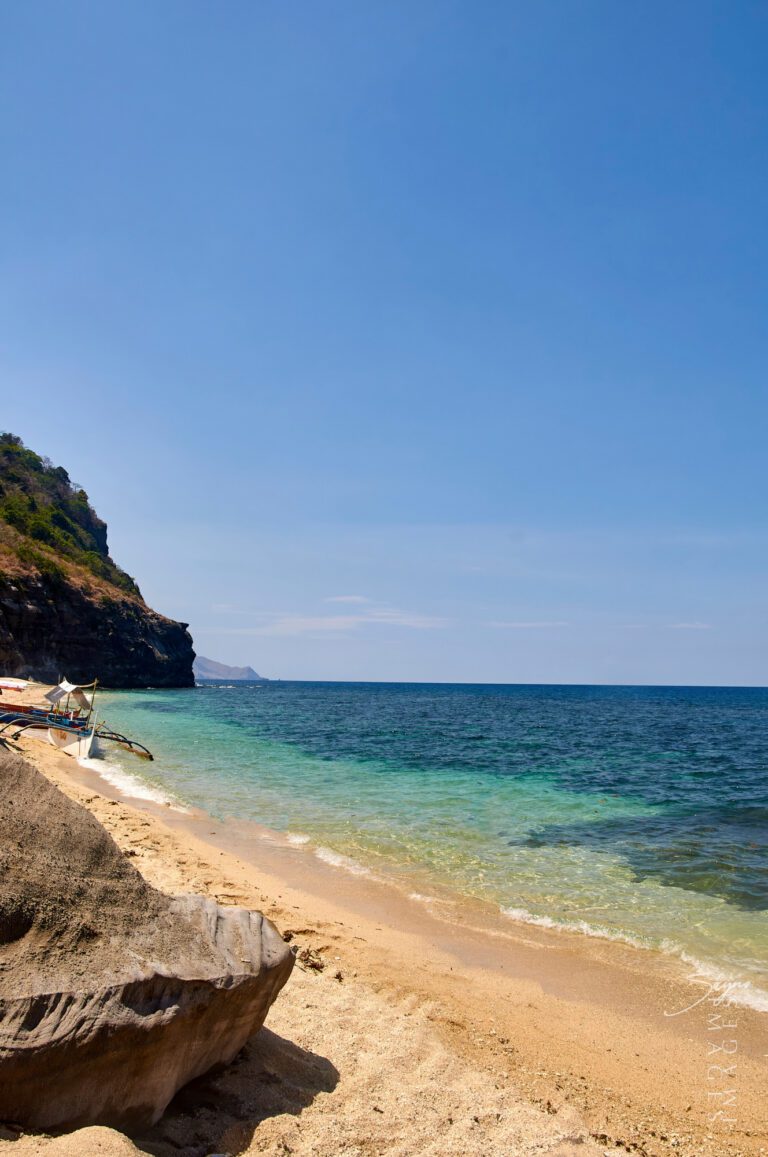
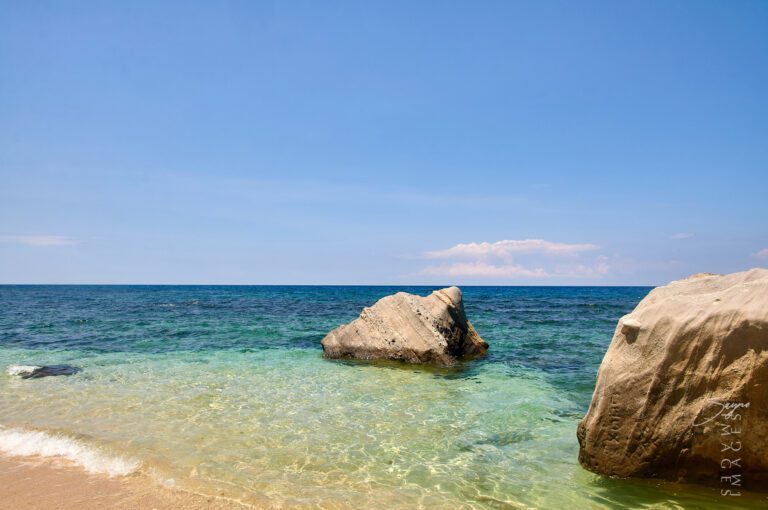
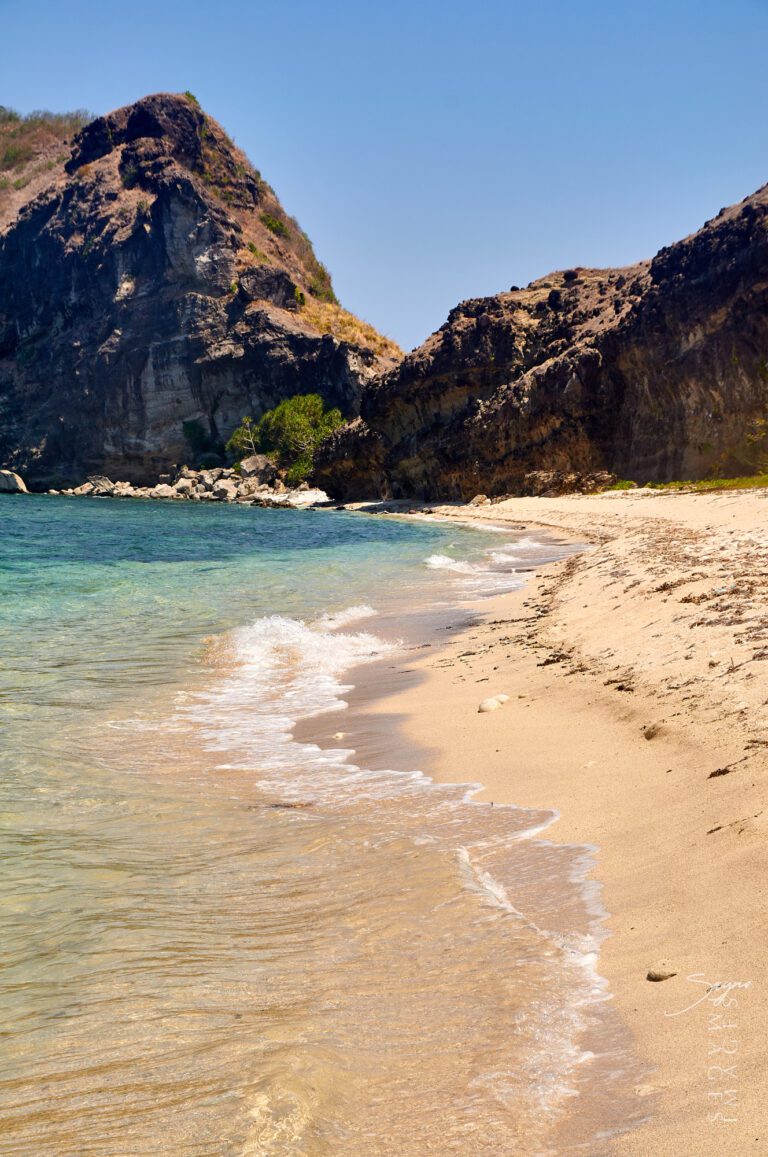
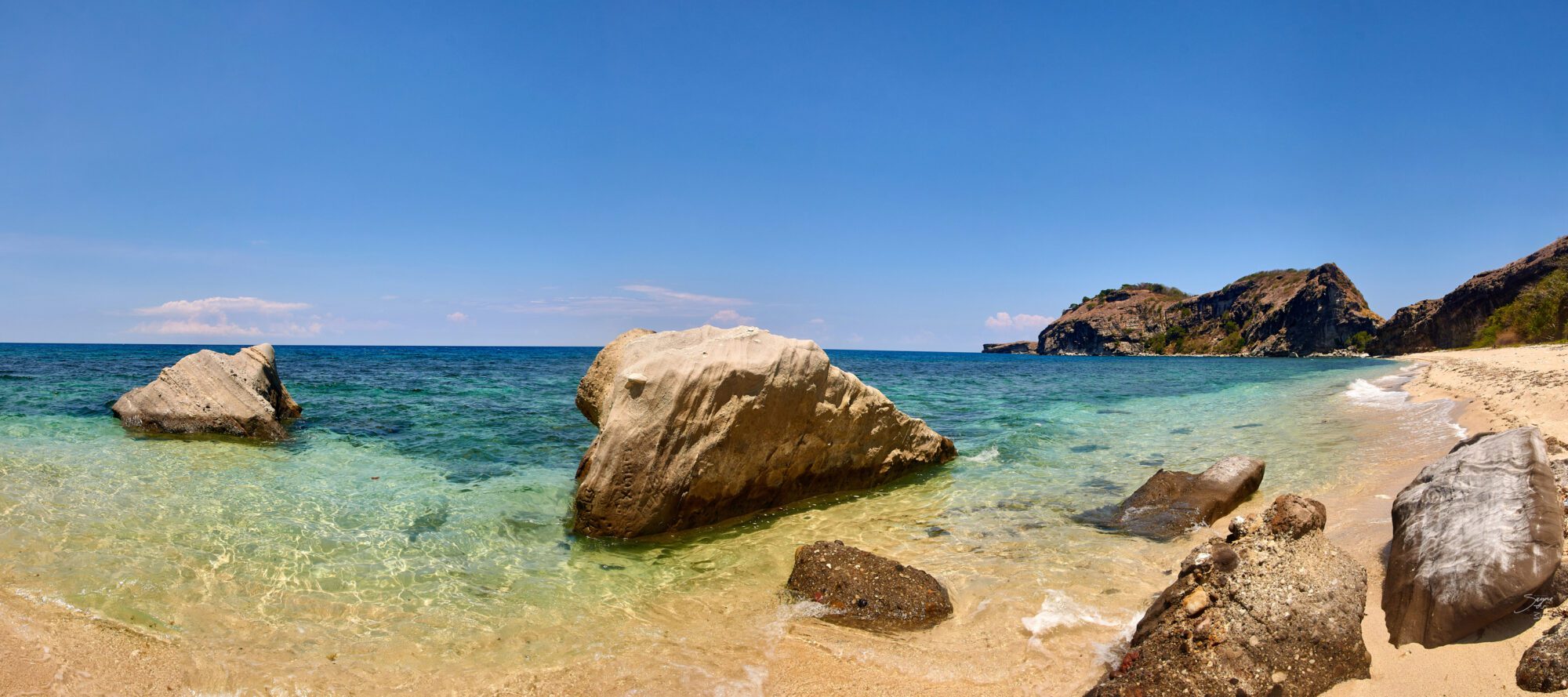
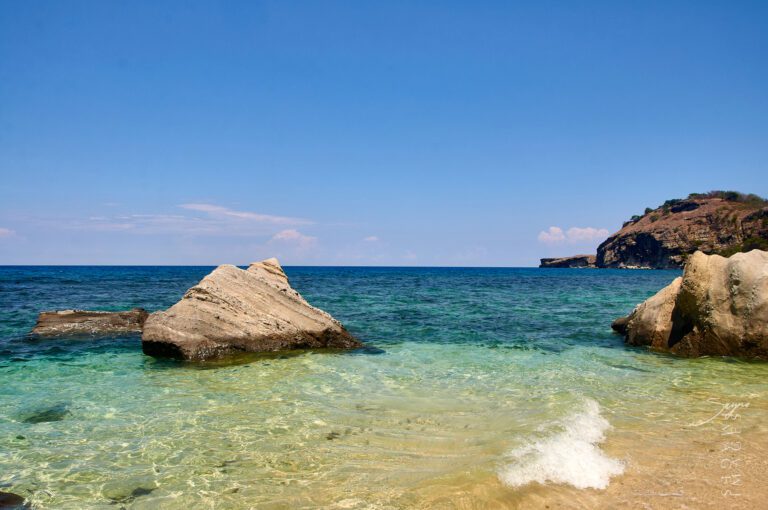
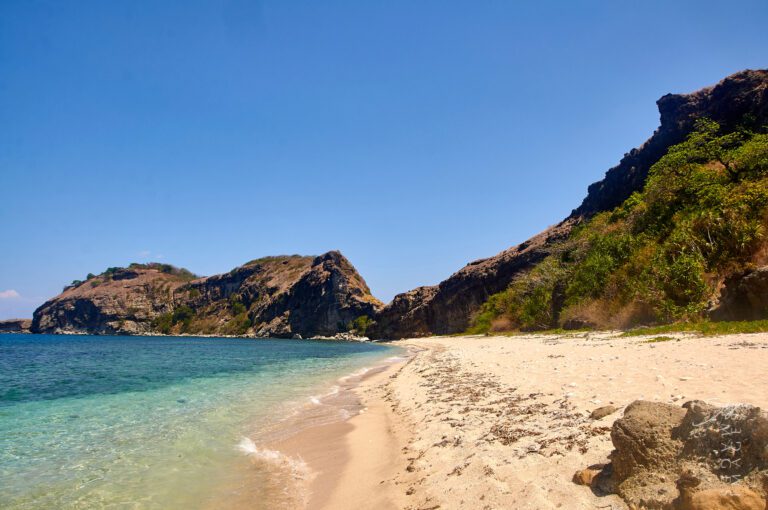
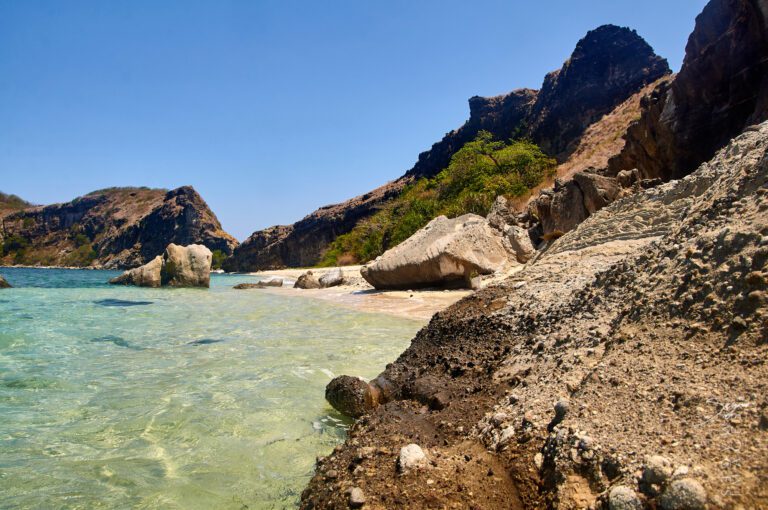
ABOVE: The eastern side of Capones Island hosts a stunning white sand beach that’s dotted with striking rocks and large boulders. It’s a perfect spot for swimming and snorkeling, offering an impressive view.
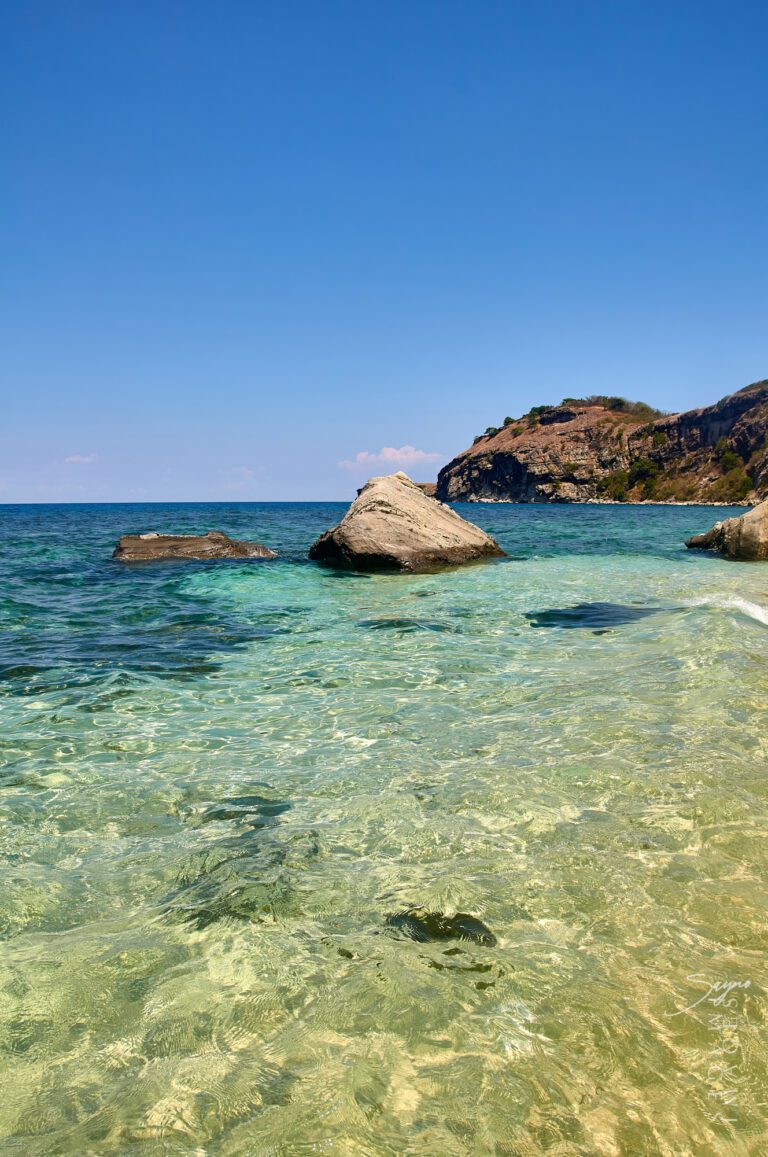
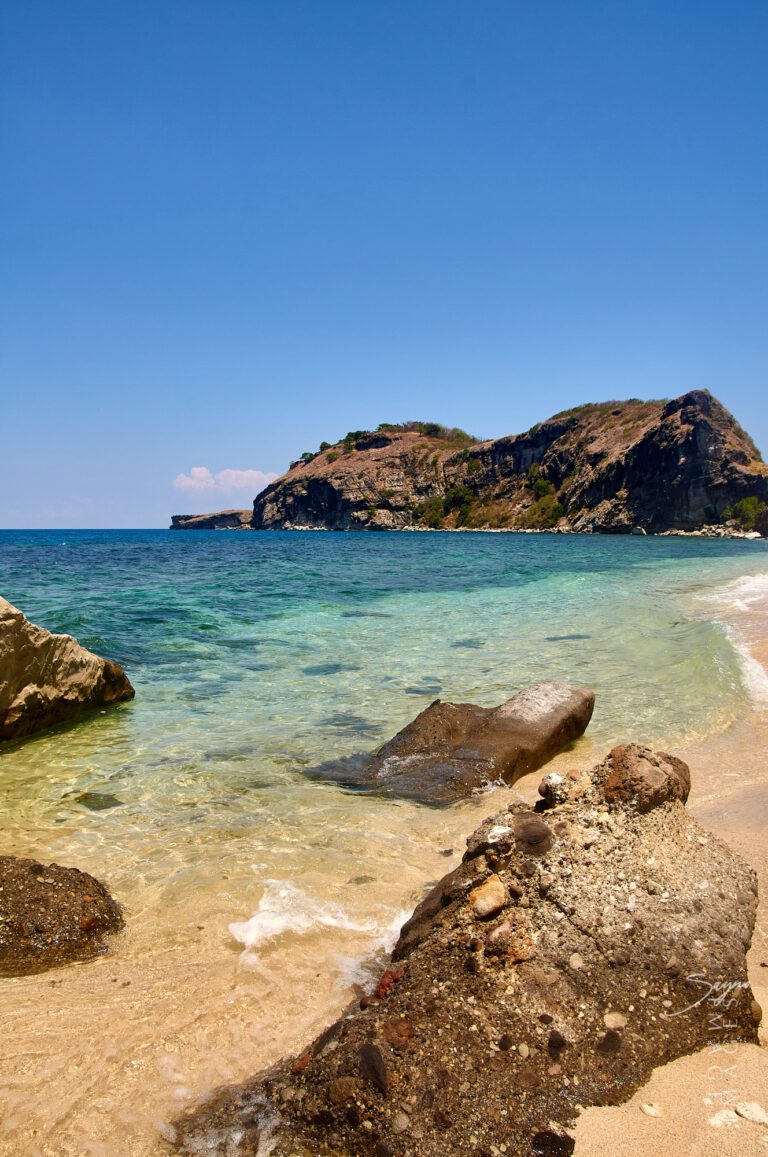
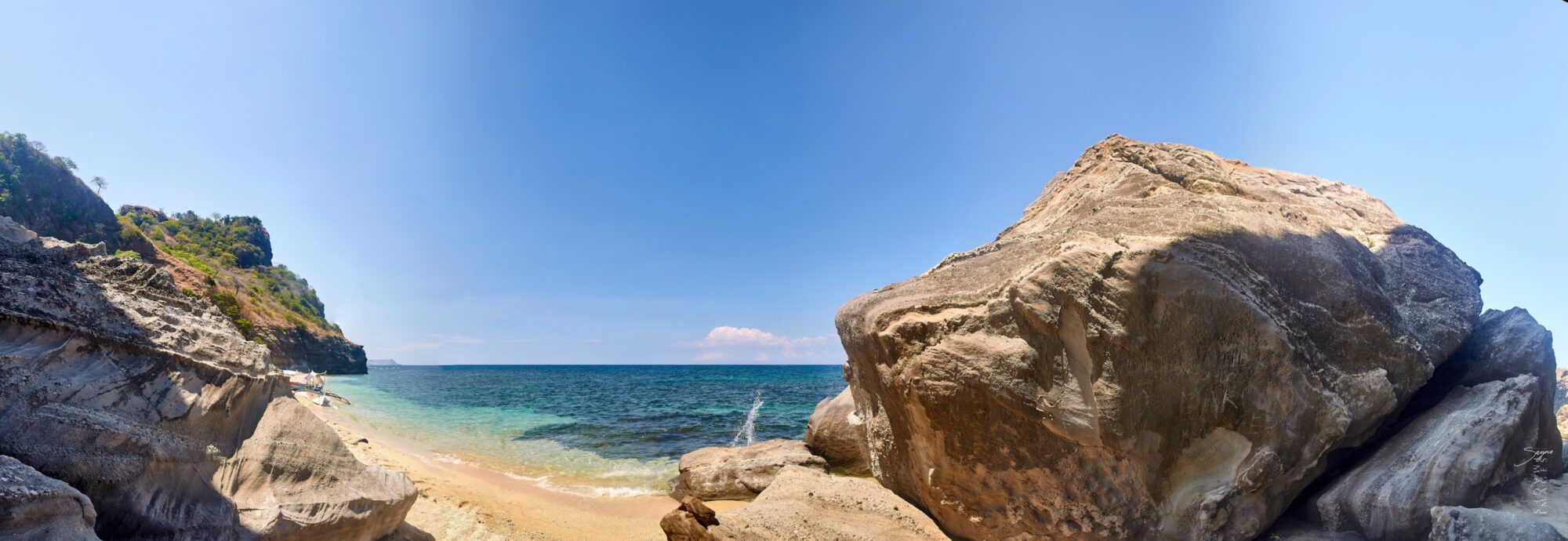
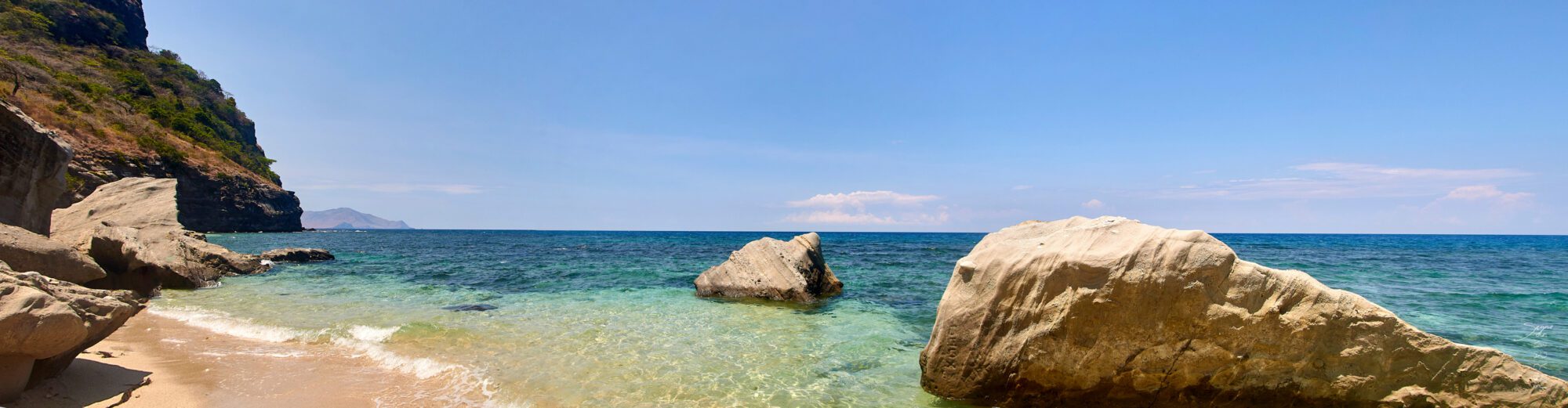
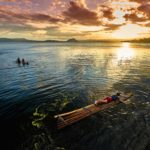
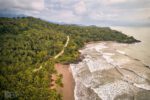
ABOVE: On the Island, you’ll find beautiful creamy sands gently meeting the clear turquoise waters, creating a stunning sight perfect for beach lovers and nature enthusiasts alike.
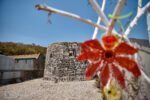
Walking toward the lighthouse, you notice the careful stonework and weathered masonry that speak to both human craftsmanship and the relentless coastal elements. The pathway leading up is a hike over uneven terrain, but one that rewards you with panoramic views across the water, nearby islets, and the broader seascape — a visual story of geography and history that camera lenses can barely contain.
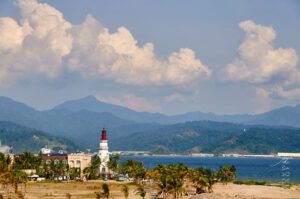
ABOVE: At Capones Island stands a historic lighthouse, standing tall for a hundred years, sitting atop the island called “Isla de Gran Capon” in Spanish. From there, you can soak in a breathtaking 360-degree view, embracing the scenic charm of Capones, Camara, and Pundaquit islands.
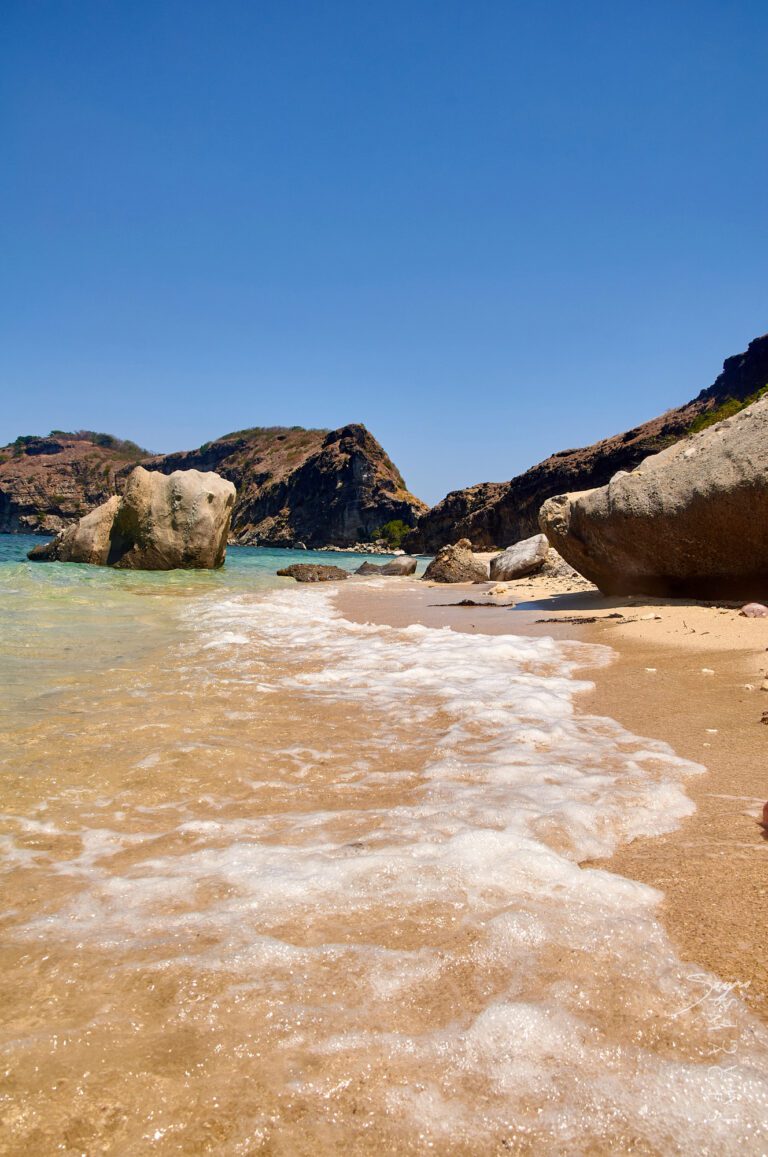
Despite its rugged frame, Capones Island has stretches of white coral sand — most vivid on the eastern side — that contrast against the darker rocky outcrops. Here, the water is invitingly clear, revealing coral formations and marine life beneath the surface, perfect for swimmers and snorkelers who pack gear for a day’s adventure. These sandy coves, framed by rugged cliffs and framed vistas, offer a compelling subject for photography that balances both natural serenity and raw geological beauty.
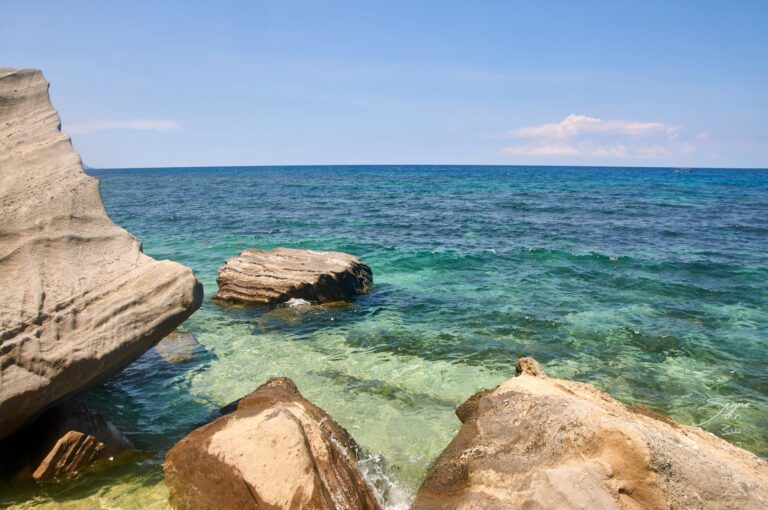
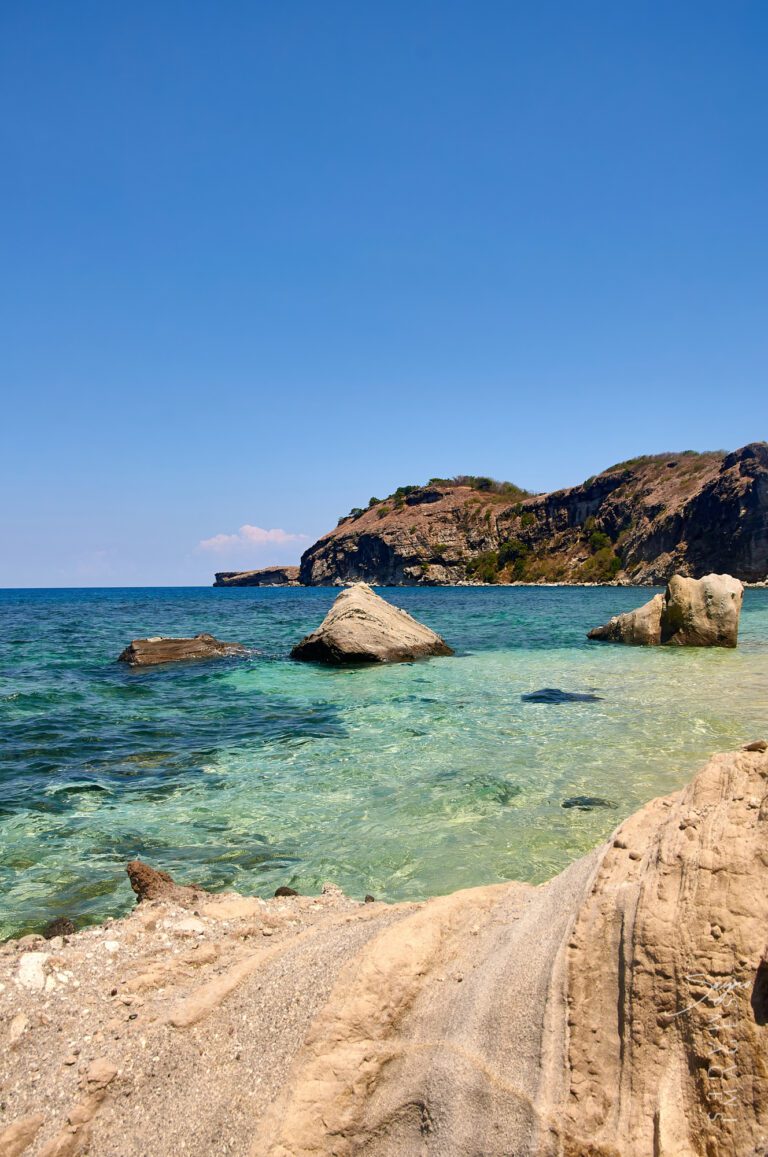
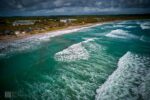
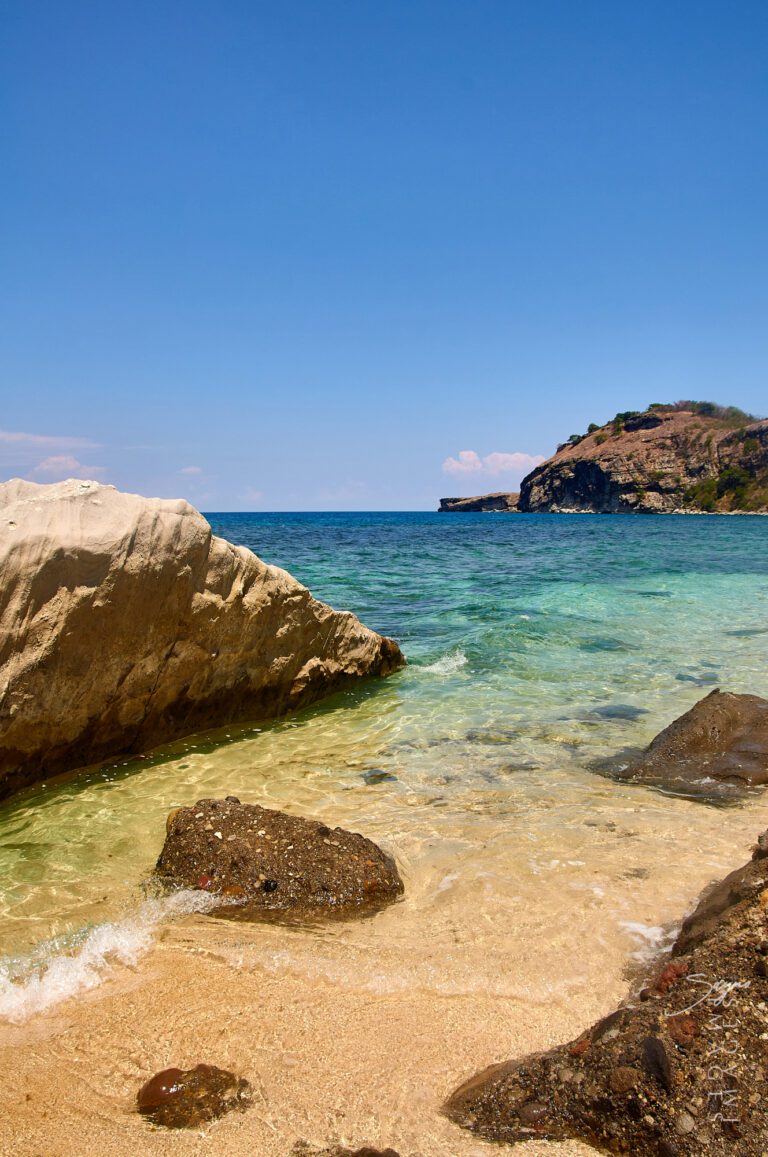
ABOVE: A sun-kissed beach adorned with stunning turquoise waters and scattered with smooth beach boulders. It’s the kind of spot that’ll have photographers itching to capture its beauty.
Beachside exploration reveals a landscape both barren and breathtaking; plant life is sparse, but bird life and sea breezes fill the spaces with motion and life. From gentle tidal pools to deeper reaches ideal for snorkeling, each corner seems designed for discovery, whether you’re capturing the interplay of light on water or the patterns in weathered stone.
ABOVE: Along the eastern coast lies a gorgeous white sand beach with striking rocks and boulders, perfect for swimming and snorkeling. This spot is a top choice among travelers for snorkeling adventures. If you climb the hill nearby, you’ll catch an incredible panoramic view of the crescent-shaped beach, offering fantastic photo moments.
RELATED STORIES

The approach always begins at Pundaquit Beach in San Antonio, Zambales. A small boat cuts across the waters of the West Philippine Sea, and slowly


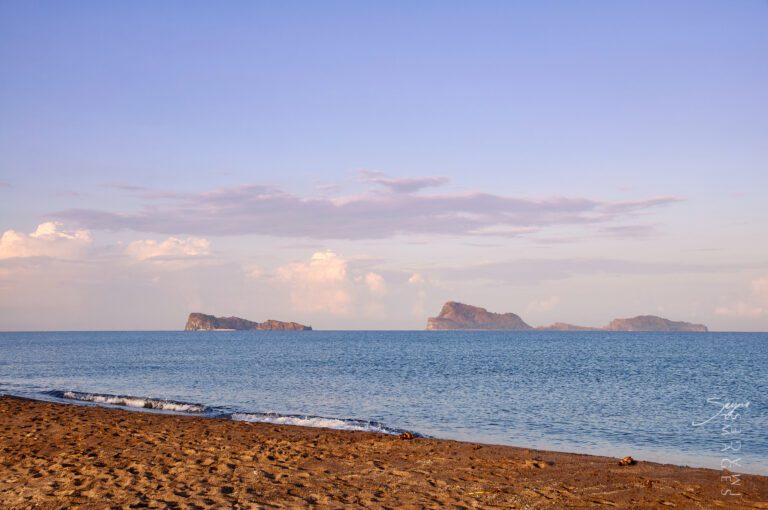
Pundakit, or the Municipality of Pundaquit of San Antonio, in Zambales Province, is a fishing village that boasts a multilingual local population (Ilocano, Zambal, Tagalog)


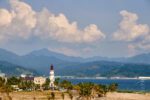
Travelers cruising along the national highway near Kalaklan Point in Olongapo City may suddenly notice a simple, all-white tower rising against the deep blue waters


Located in the heart of Subic Bay Freeport Zone, Zoobic Safari is a premier destination for nature lovers and thrill-seekers. Spanning 25 hectares, this one-of-a-kind


Capones Island isn’t just about scenery; it’s a cultural waypoint. As one of the few surviving Spanish‑era lighthouses in the Philippines, the site anchors itself in history, reminding visitors that maritime navigation was once the lifeline of Southeast Asian trade and travel. While the lighthouse retains functionality — now typically powered by solar energy — the keepers’ quarters and ancillary structures stand in states of partial decay, whispering of times when lighthouse families lived and worked here, tending the flame for passing ships.


Travelers visiting Capones often combine it with island hopping itineraries that include Anawangin Cove, Nagsasa Cove, and Camara Island, each offering distinct landscapes and activities but all unified by a shared rugged charm. Boat trips typically leave early in the morning from Pundaquit to beat the heat and secure calm waters for swimming and exploration.


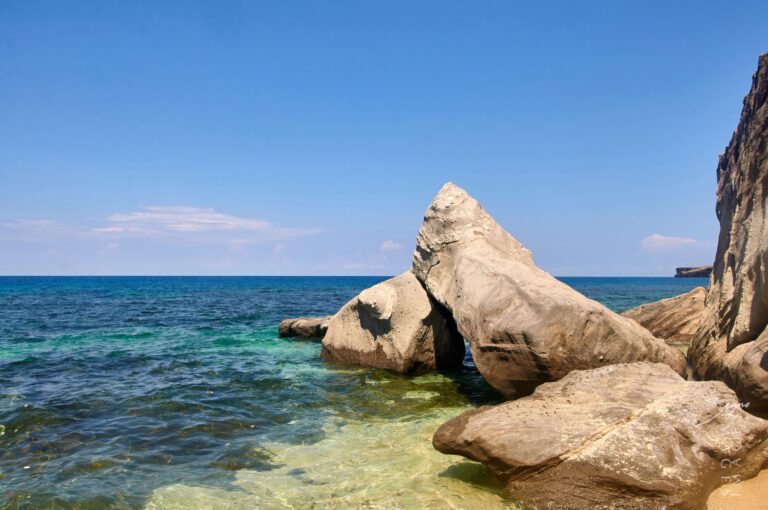
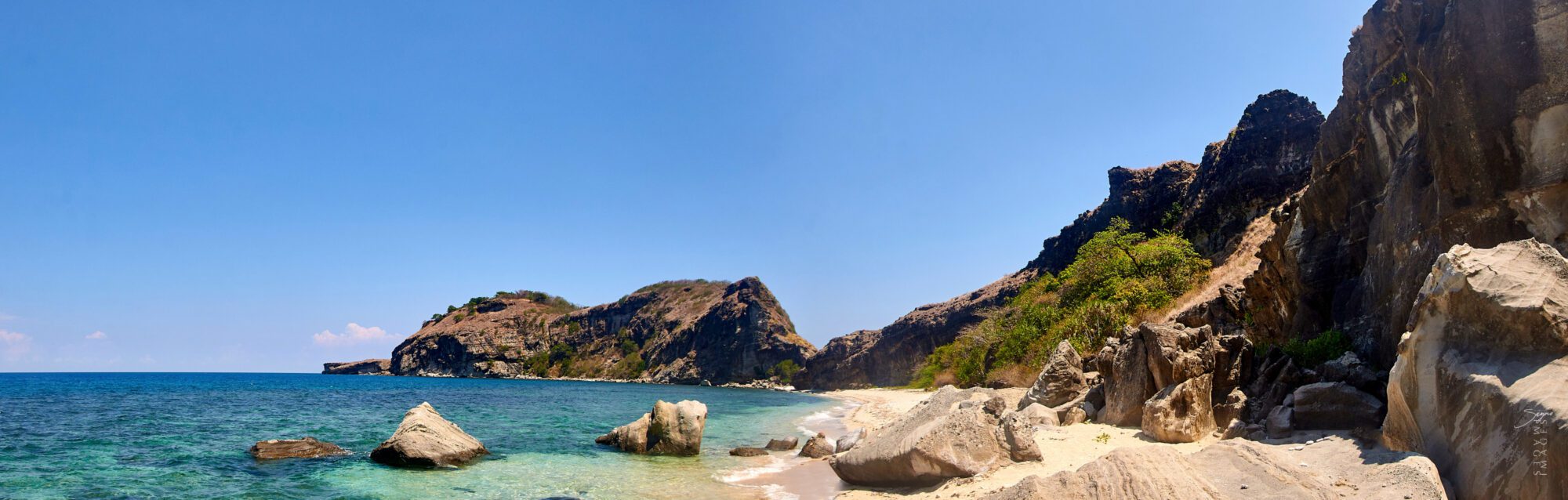
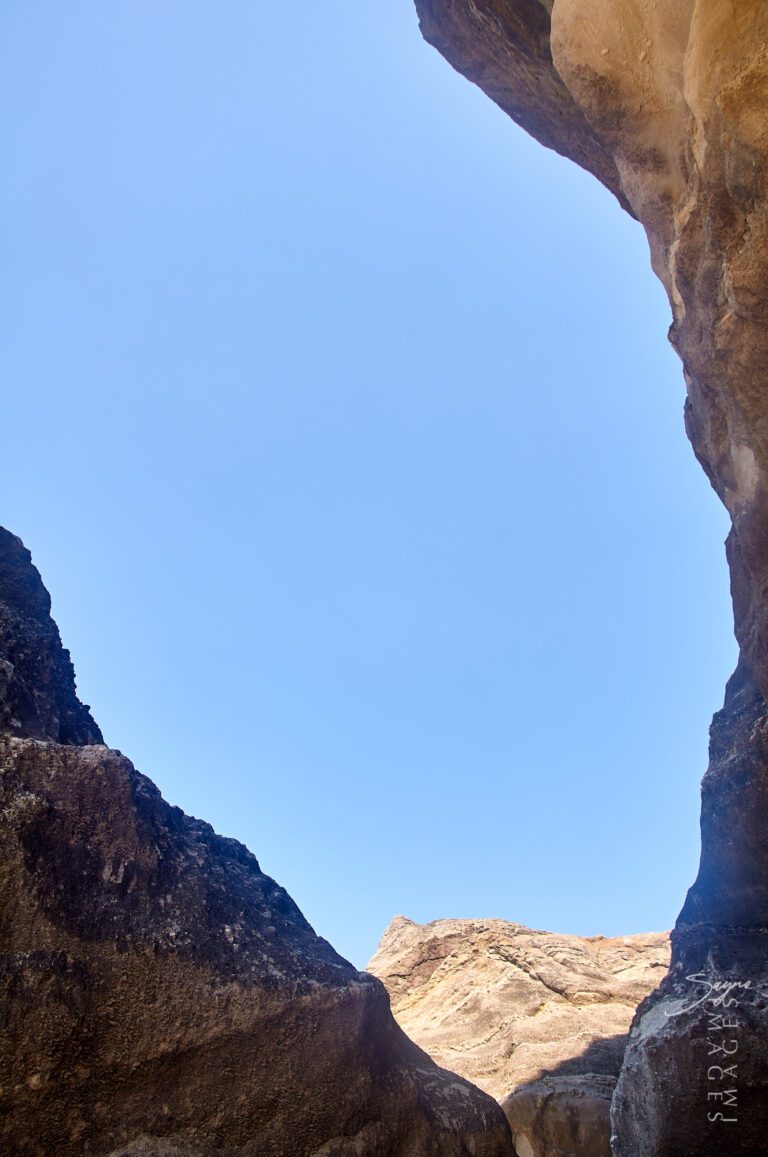
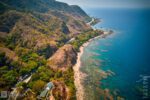
ABOVE: Capones Island boasts rugged cliffs blending seamlessly with patches of soft sandy shores and rocky outcrops, creating a striking contrast that defines its scenic charm.
Getting here is part of the adventure. From Manila, travelers take a bus to San Antonio, followed by a short tricycle ride to Pundaquit where boatmen wait to ferry visitors to Capones and surrounding islands. The best months for travel are during the dry season (November to May) when the sea is calm, skies are clear, and every frame becomes a postcard moment. With no commercial establishments on the island itself, visitors bring their own food and water, making preparation part of the experience.
I’m looking forward to the stories and images leaving a lasting positive impression on you, just as they have on me. Stay connected with us on social media for a weekly exploration of travel assignments and breathtaking visuals. Our focus is on championing local tourism, showcasing small businesses, and honoring the magnificence of the Philippines through the content we curate. Join us in spreading the word by clicking the ‘share’ buttons below. Your support means the world to us.
EXPLORE MORE about


The journey to Camara Island begins at Pundaquit, a coastal barangay in San Antonio, Zambales, where small bancas line the shore ready to ferry island-hoppers


Pundakit, or the Municipality of Pundaquit of San Antonio, in Zambales Province, is a fishing village that boasts a multilingual local population (Ilocano, Zambal, Tagalog)


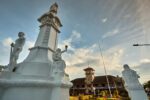
Subic Spanish Gate, located along Sampson Road near Dewey Avenue in Olongapo City, was built in 1885 as the western entrance to the Spanish naval


Along the Waterfront Road of Subic Bay Freeport Zone in Zambales, The Lighthouse Marina Resort rises as both a hotel and a visual landmark that


Travelers cruising along the national highway near Kalaklan Point in Olongapo City may suddenly notice a simple, all-white tower rising against the deep blue waters


Located in the heart of Subic Bay Freeport Zone, Zoobic Safari is a premier destination for nature lovers and thrill-seekers. Spanning 25 hectares, this one-of-a-kind


Located within the pristine Subic Bay Freeport Zone in Zambales, Ocean Adventure stands as the Philippines’ first open-water marine theme park. Surrounded by lush rainforest


Located within the pristine Subic Bay Freeport Zone in Zambales, Ocean Adventure stands as the Philippines’ first open-water marine theme park. Surrounded by lush rainforest


There is no way anyone can ignore the beauty of Pamatawan River if they are traveling in the area of the coast of Pundaquit in


The approach always begins at Pundaquit Beach in San Antonio, Zambales. A small boat cuts across the waters of the West Philippine Sea, and slowly

Located within the pristine Subic Bay Freeport Zone in Zambales, Ocean Adventure stands as the Philippines’ first open-water marine theme park. Surrounded by lush rainforest
Subic bay is well known for its collection of shipwrecks from the past, as well as being visited frequently by the American Navy for military
BROWSE BY CATEGORIES
BROWSE BY PROVINCE