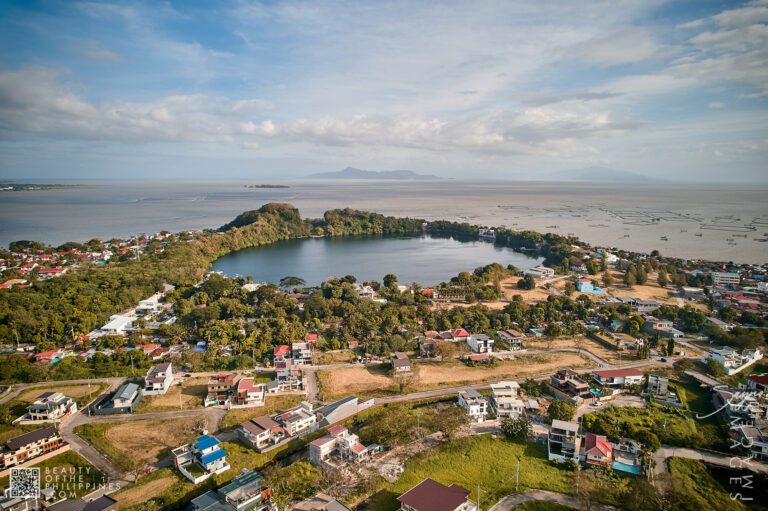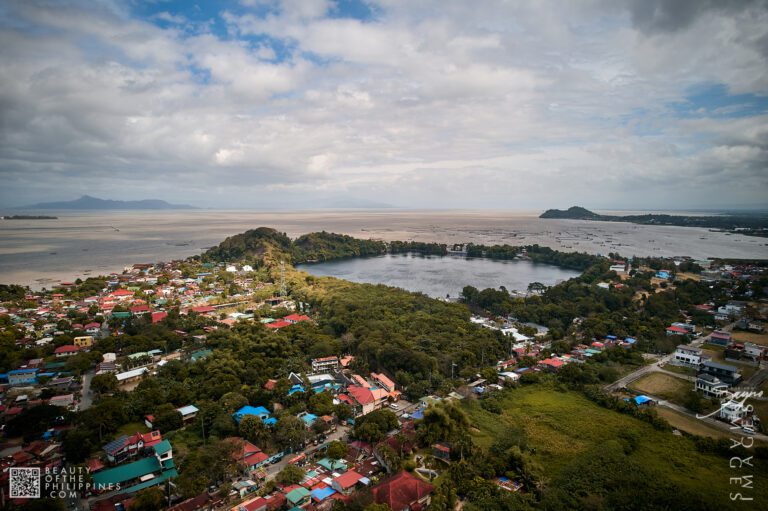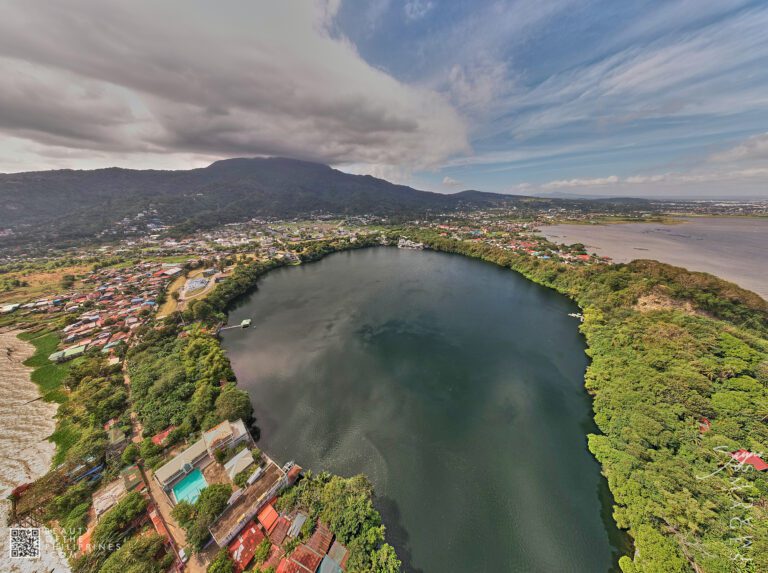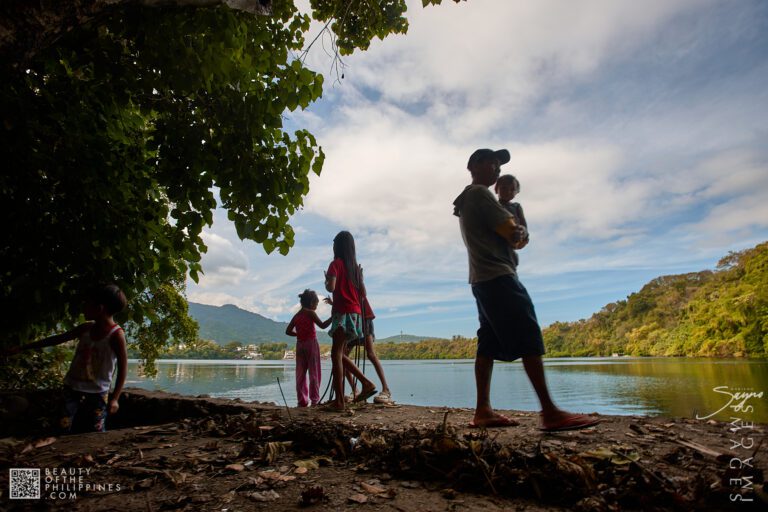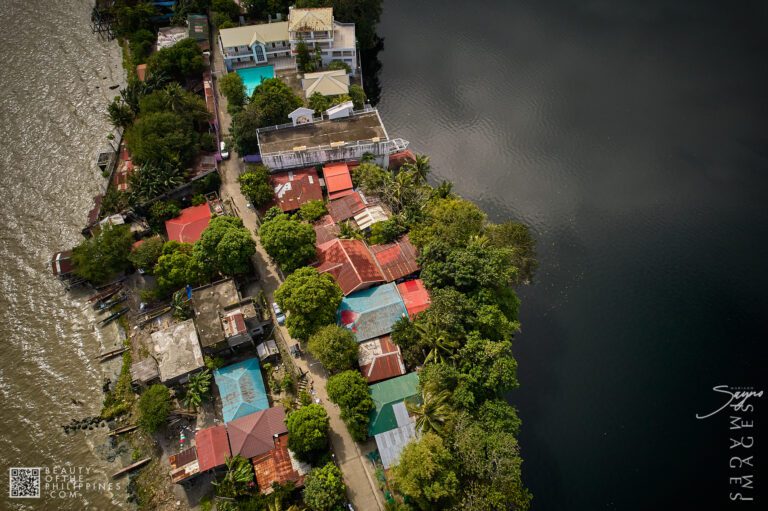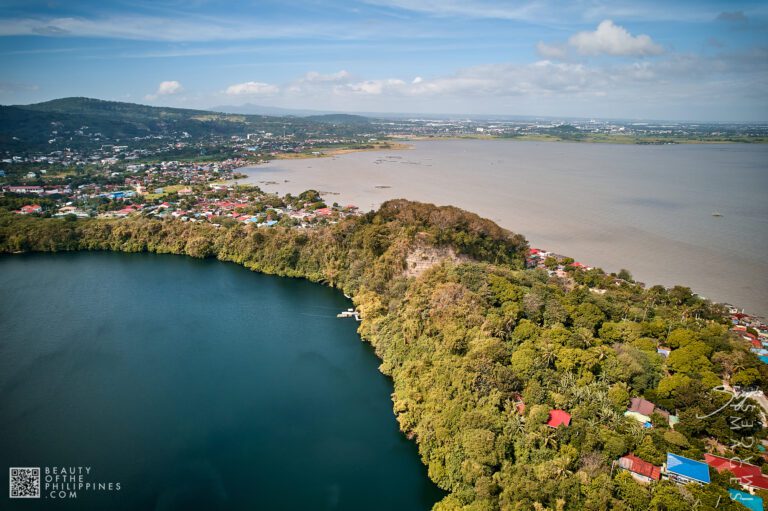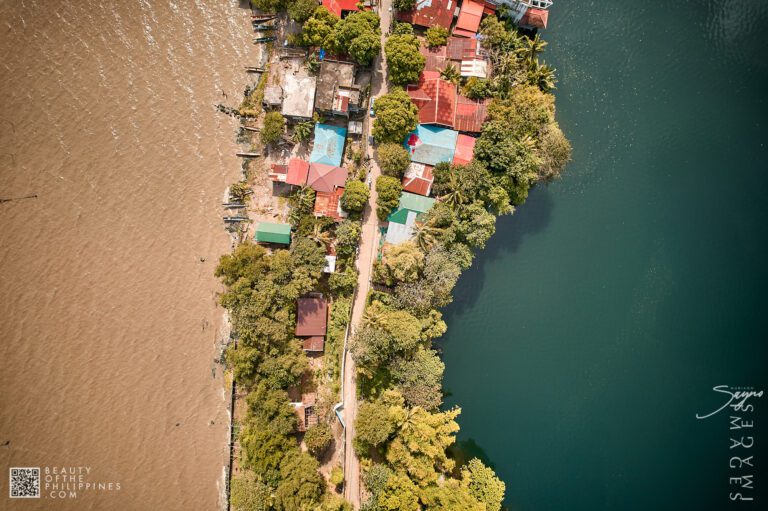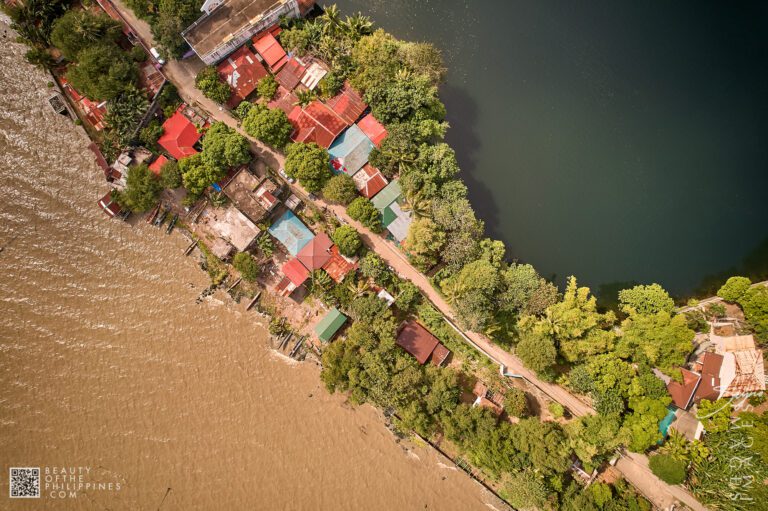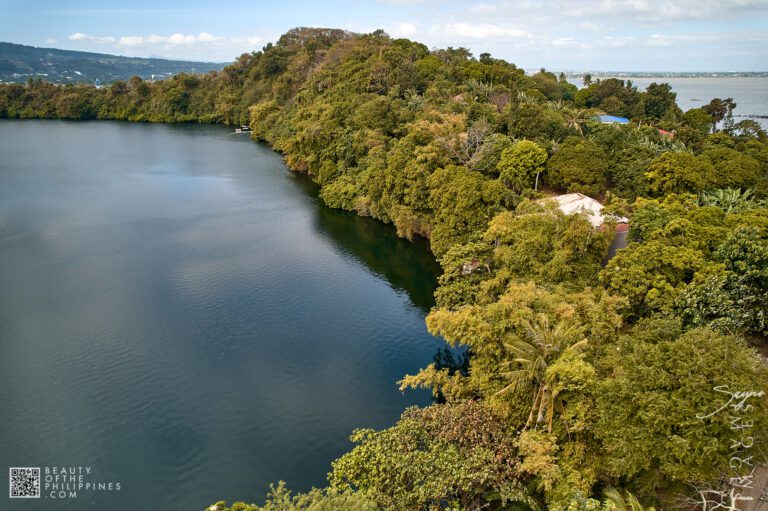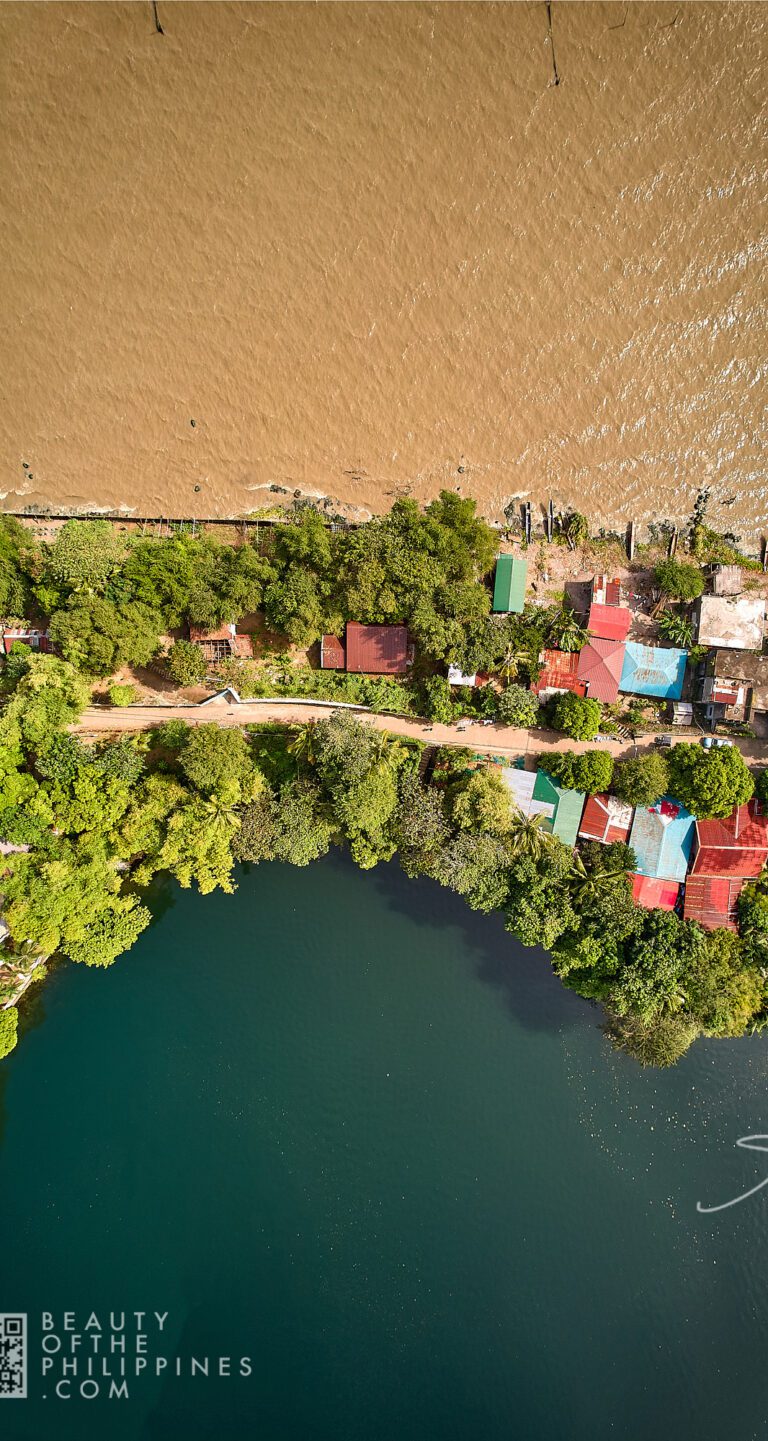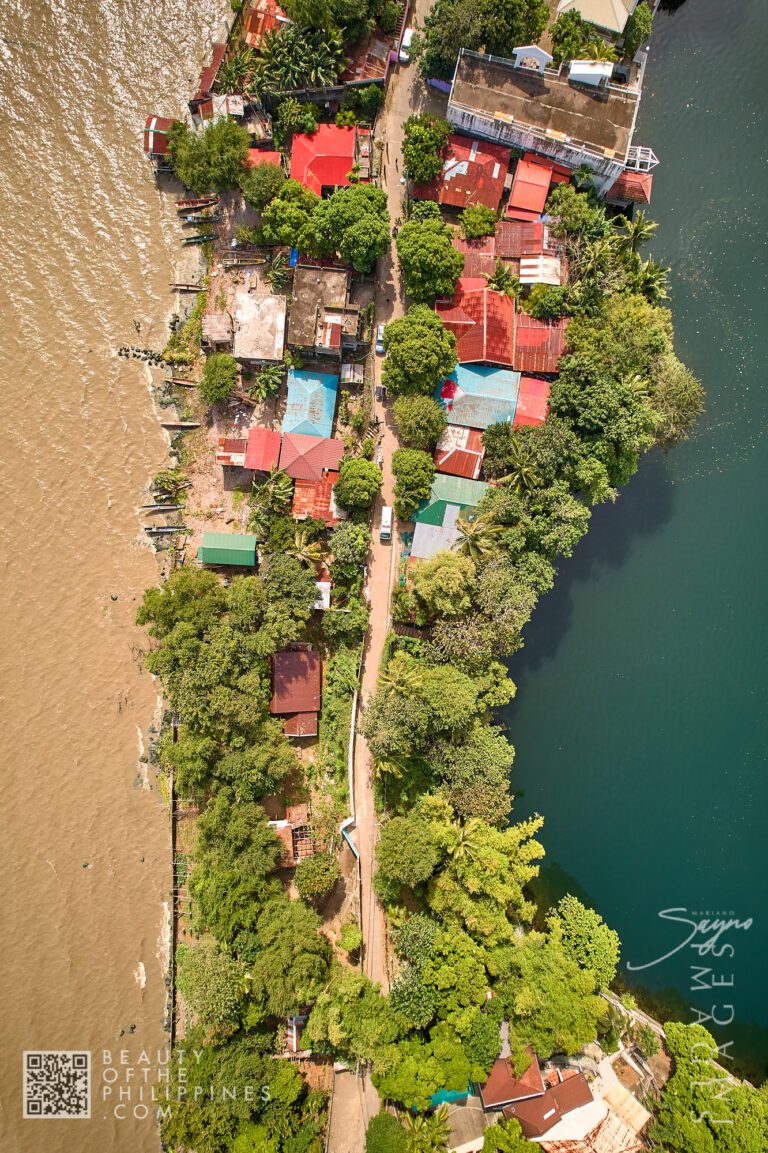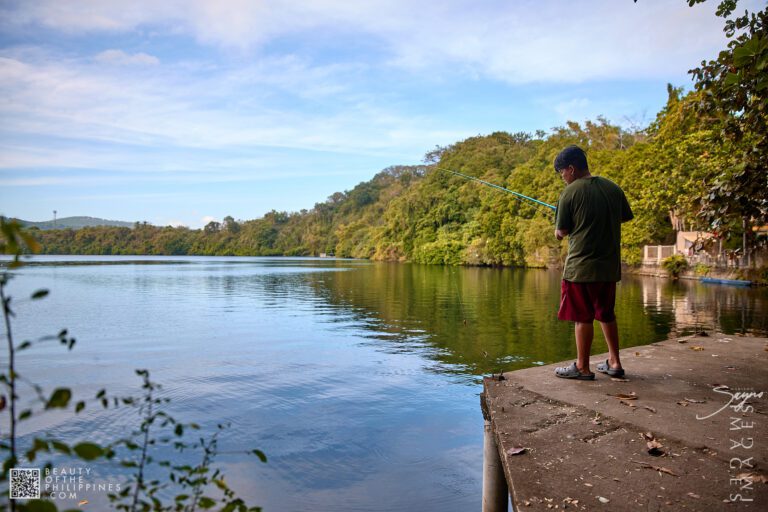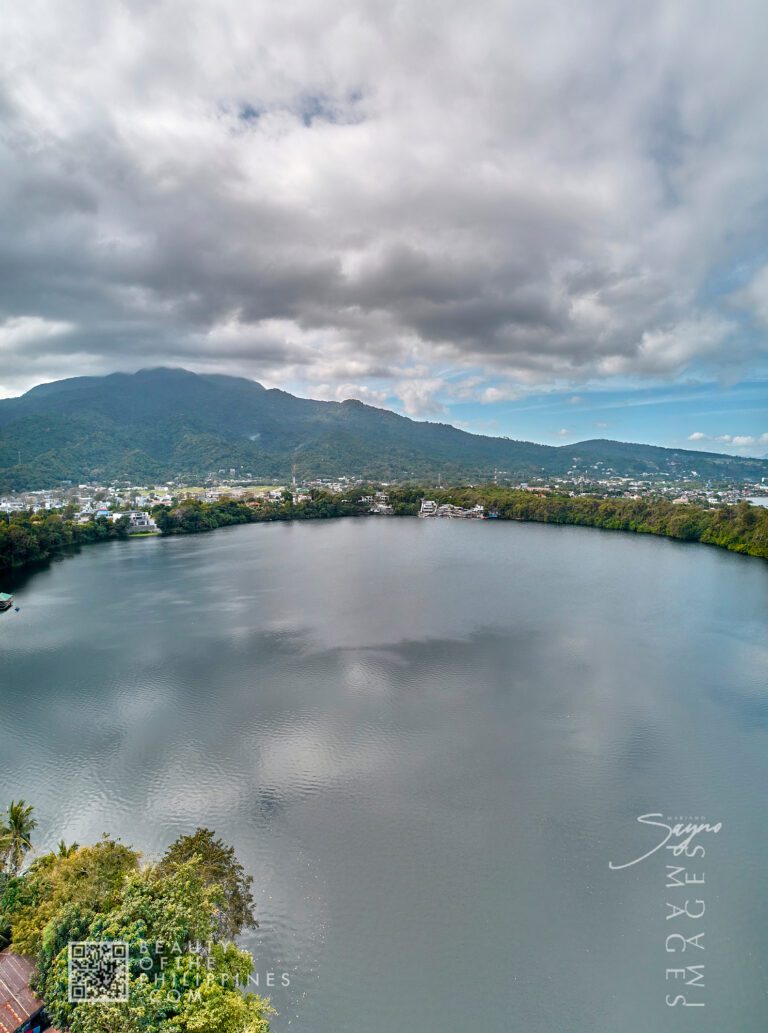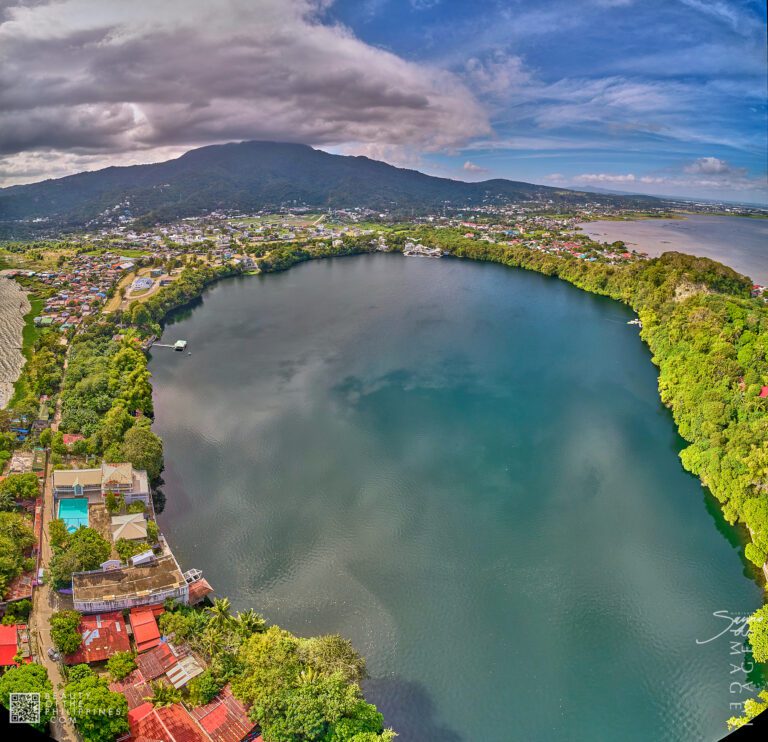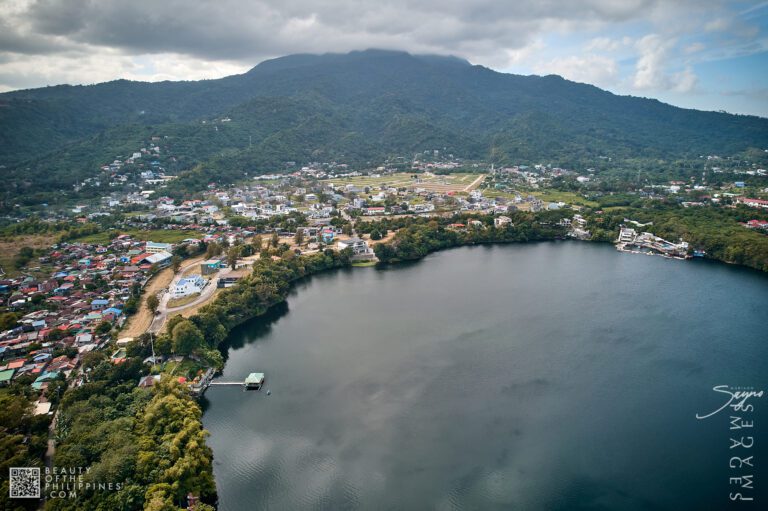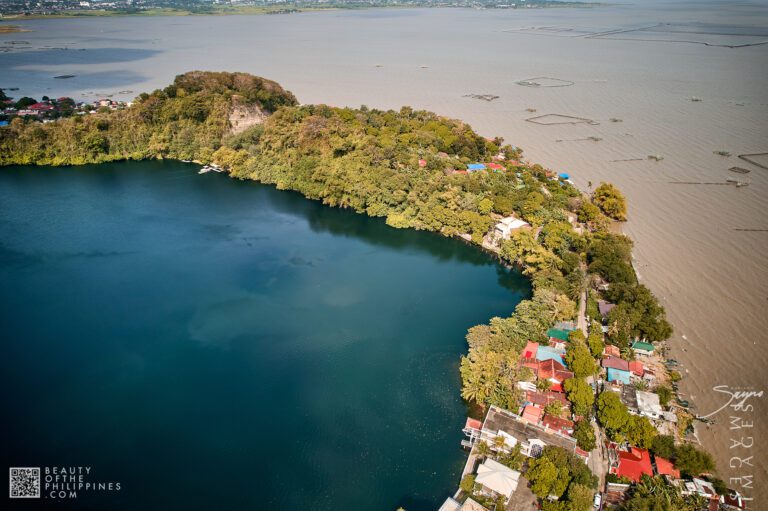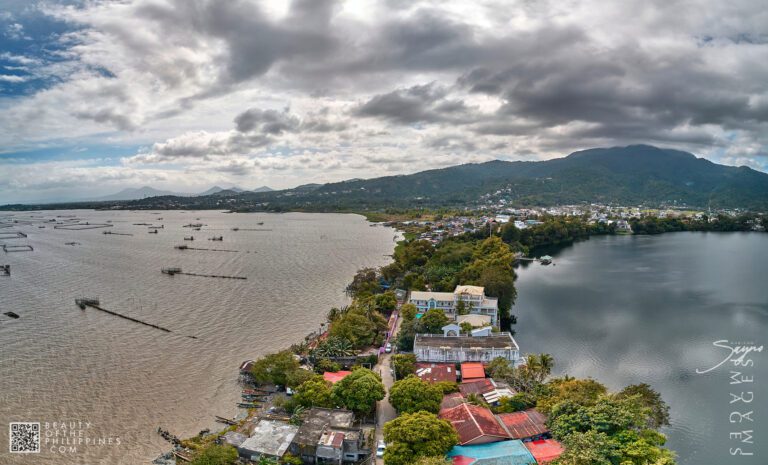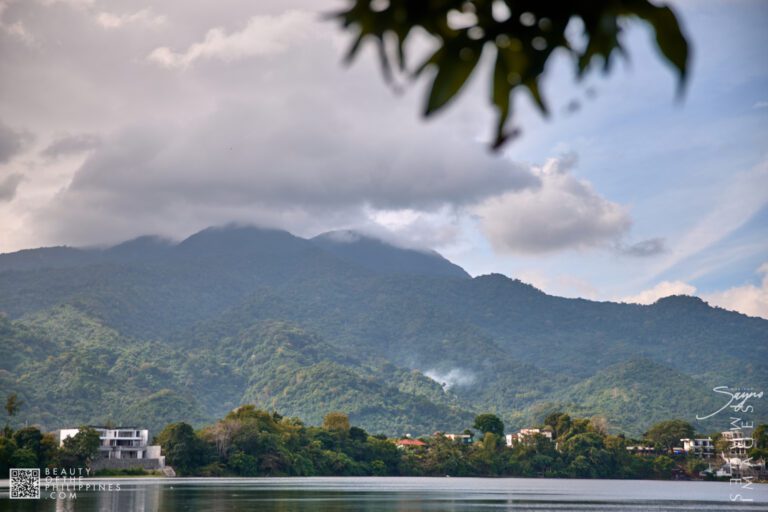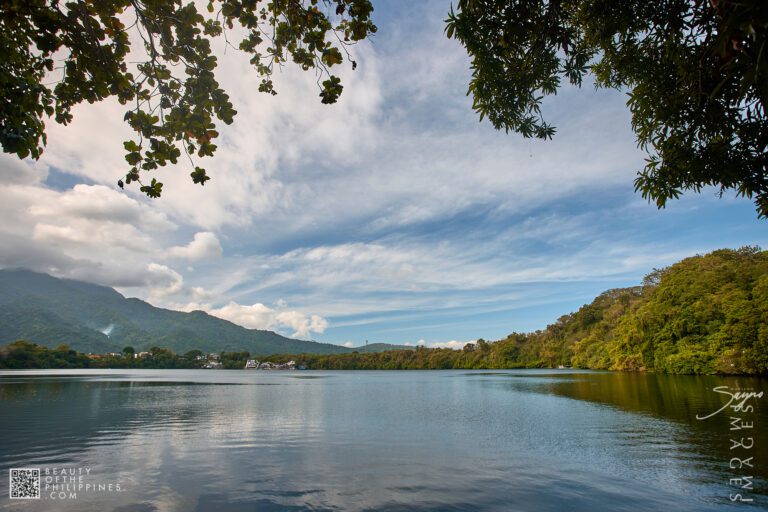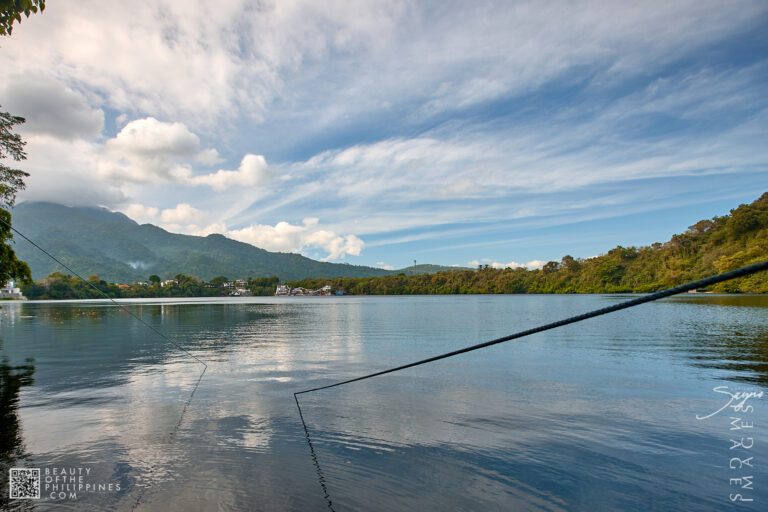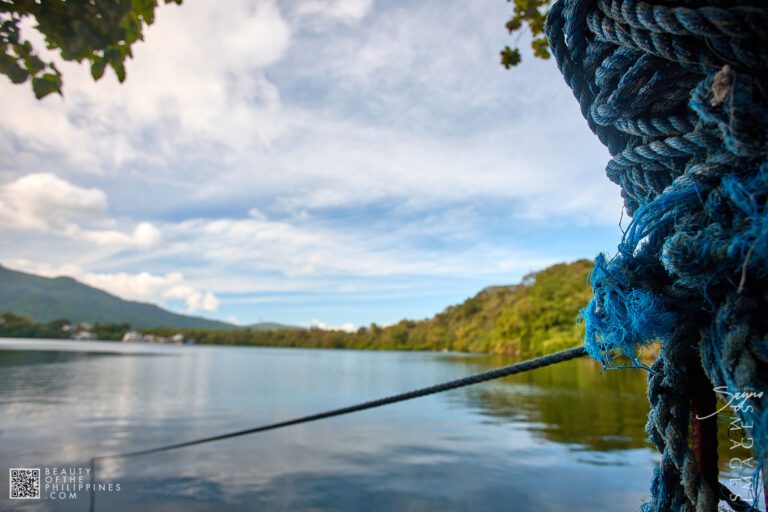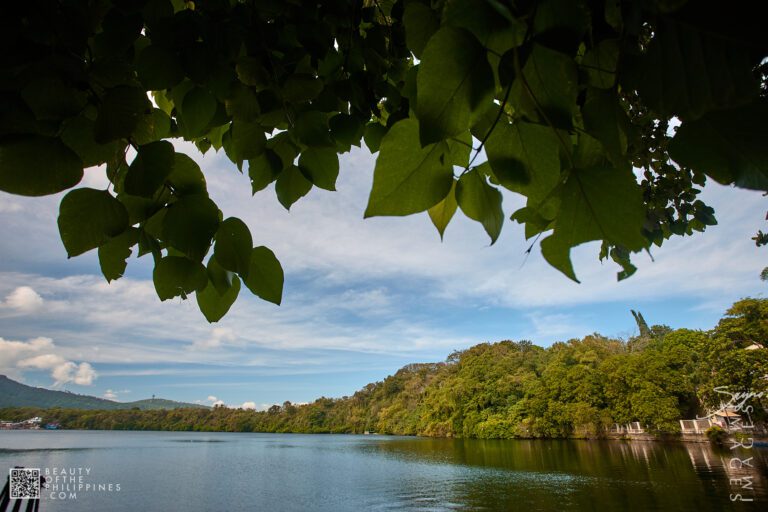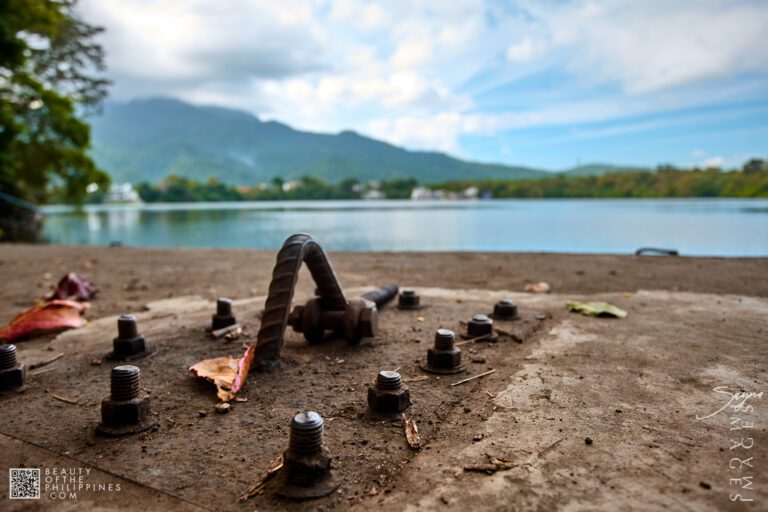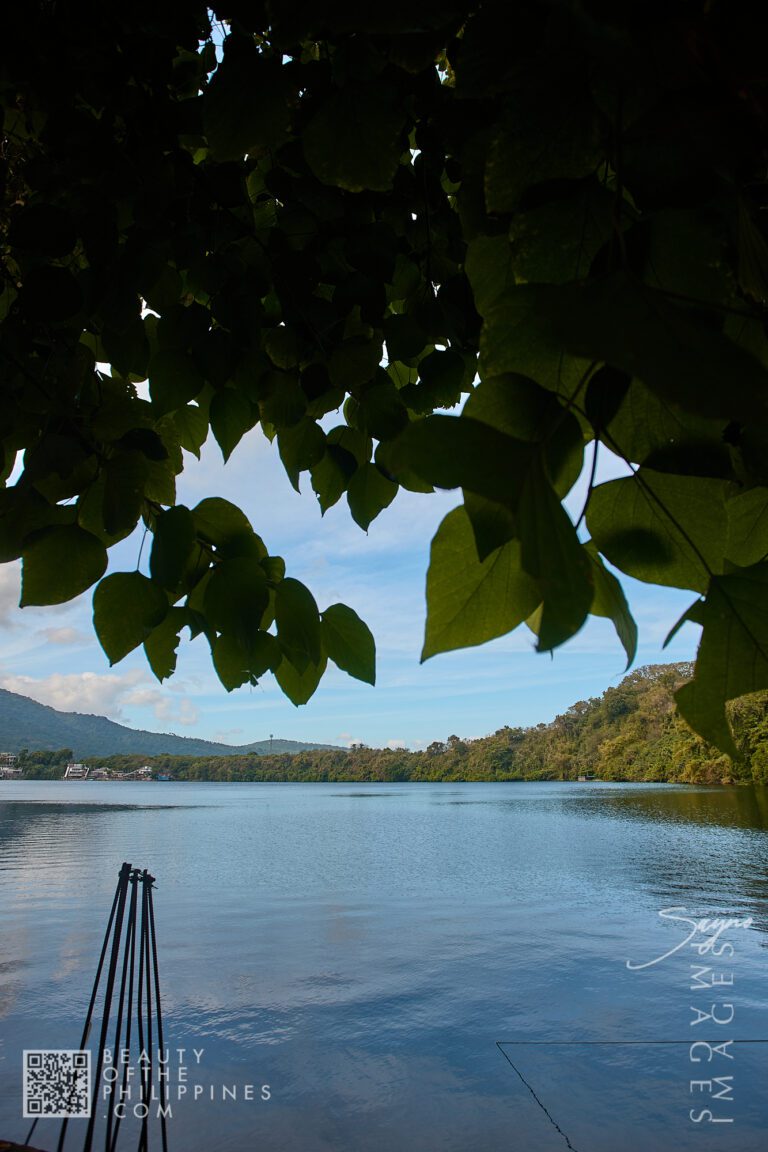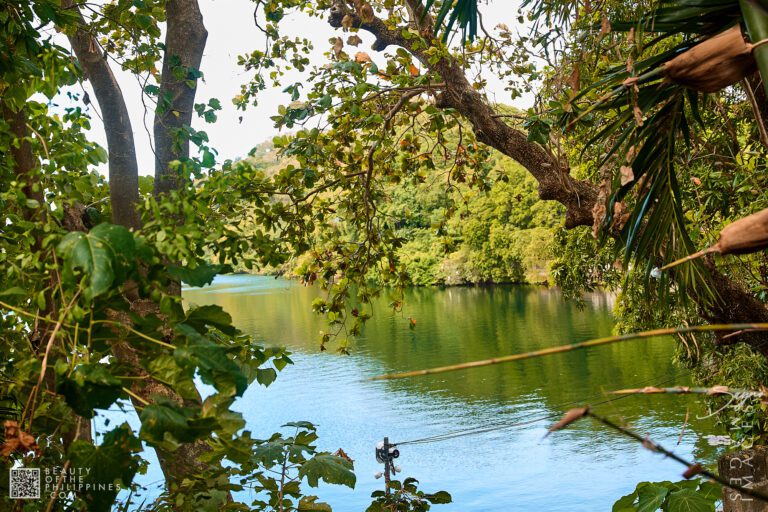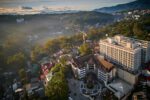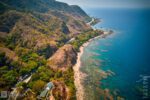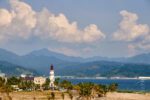
ABOVE: Tadlac Lake in Los Baños, Laguna, is surrounded by greenery and nearby homes, with a lakeside resort along its shore and Mount Makiling in the background.

Tucked into Barangay Tadlac in Los Baños, Alligator Lake stands apart from Laguna’s more bustling attractions. While many flock to the town’s famed hot springs, this volcanic crater lake offers a quiet retreat where travelers can pause, listen, and photograph the calm waters stretching beneath the slopes of Mount Makiling. Its modest size — approximately 22.7 hectares, 650 meters long and 503 meters wide — belies the depth of its story, both geologically and culturally.
ABOVE: Tadlac Lake in Los Baños, Laguna, is surrounded by greenery and nearby homes, with a lakeside resort along its shore and Mount Makiling in the background.

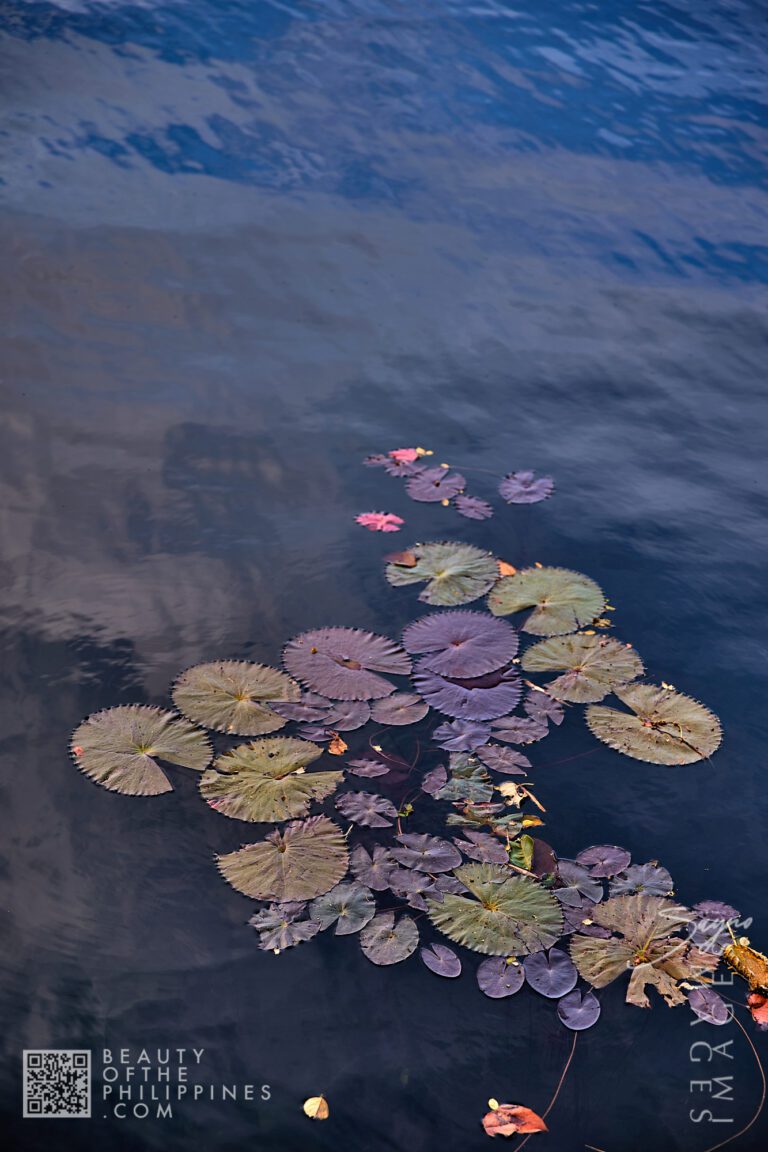
Despite its imposing name, there have never been alligators in the area. Historical tales speak of crocodiles that once roamed these waters, inspiring the lake’s moniker. Locals also refer to it as Crocodile Lake or even Enchanted Lake, names that hint at folklore and mystery woven into the town’s identity. Photographers find the lake especially compelling for capturing reflections, subtle ripples, and the light of early mornings or late afternoons.
One of Alligator Lake’s most fascinating features is hidden below the surface. During the cooler months — usually December through February — the lake experiences langal, a natural overturn where trapped carbon dioxide rises and oxygen levels shift. Historically, this has led to periodic fish kills, a reminder of the delicate balance of crater ecosystems. The lake was once oligotrophic, with remarkably clear waters that could almost be consumed directly. After aquaculture booms in the late 20th century disrupted this balance, the lake slowly recovered following a major fish kill in 1999.
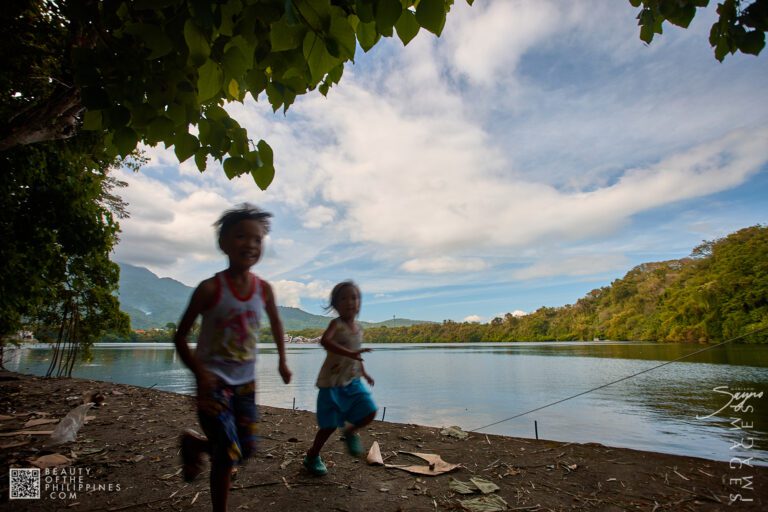
Visitors to Alligator Lake are treated to more than a geological curiosity. The eastern shore hosts a small park where one can picnic, photograph, or simply absorb the gentle sounds of birds and wind across the water. Hikers, environmental students, and artists often gather here to sketch or study the lake’s ecology. For those coming from Metro Manila, it’s a 1.5- to 2-hour drive, with a modest environmental fee supporting local upkeep. While swimming is discouraged due to depth and safety, the lake’s natural ambiance remains its main attraction.
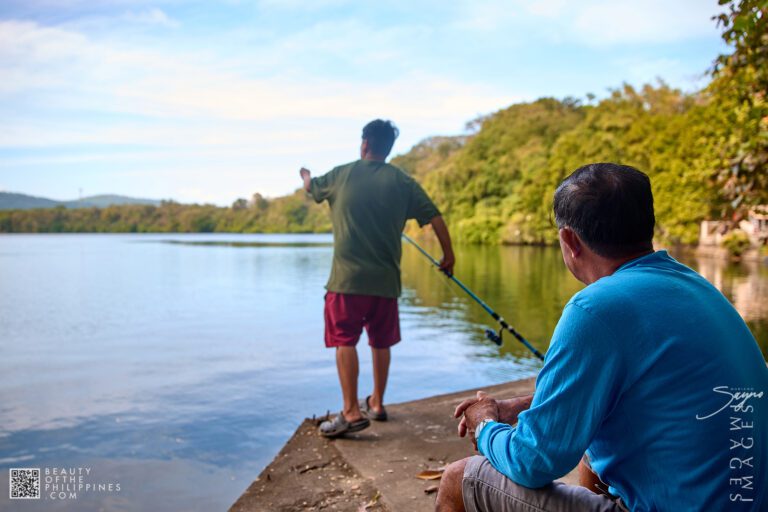
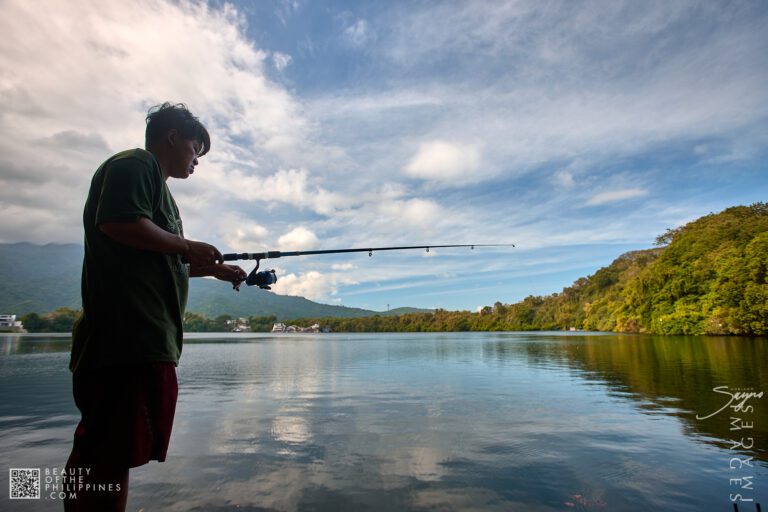
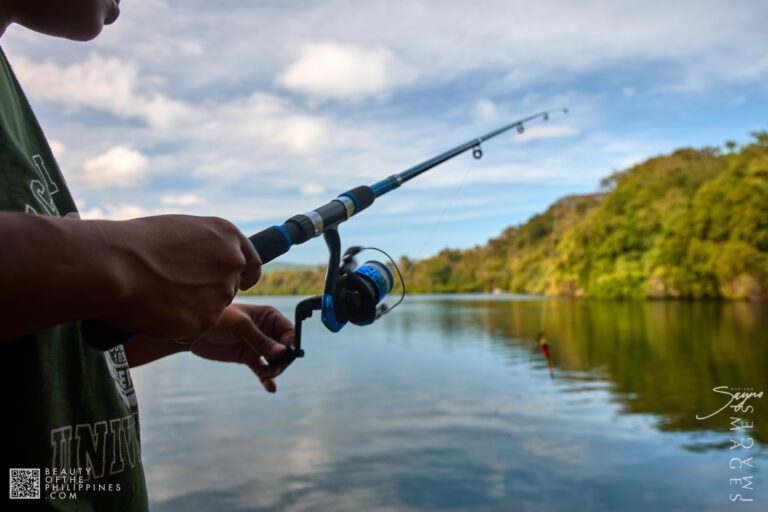
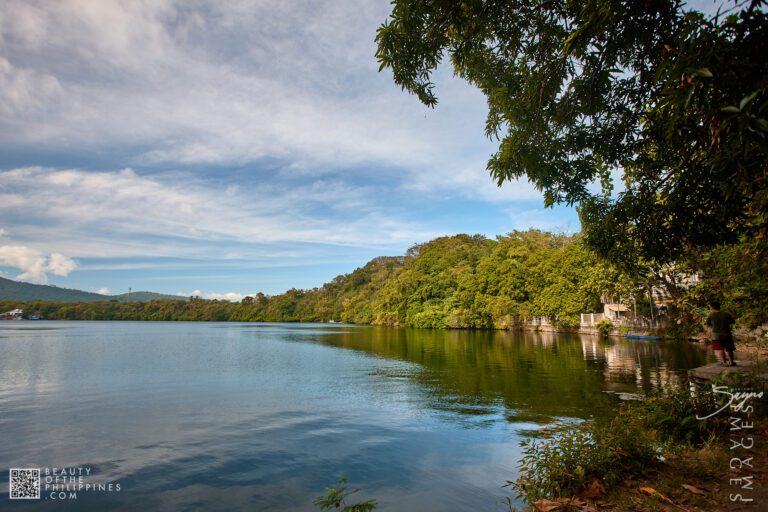
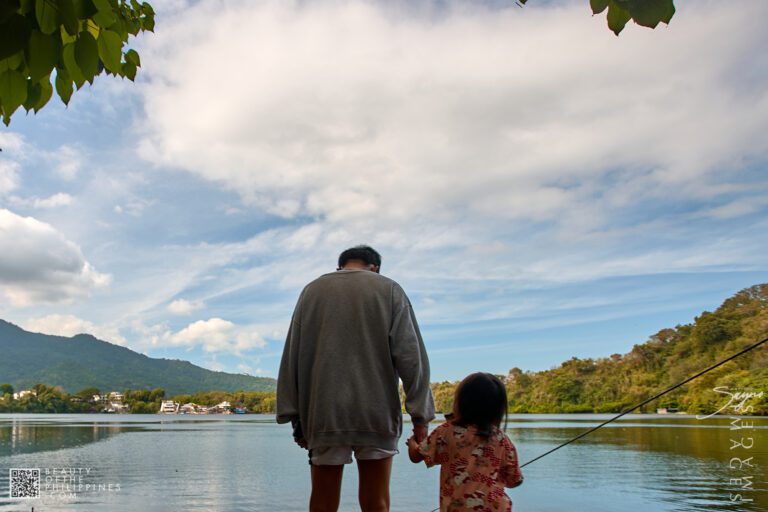
ABOVE: A person is fishing at Tadlac Lake (also known as Alligator Lake) in Laguna, holding a rod and reel, with a hillside behind them and buildings along the shore.
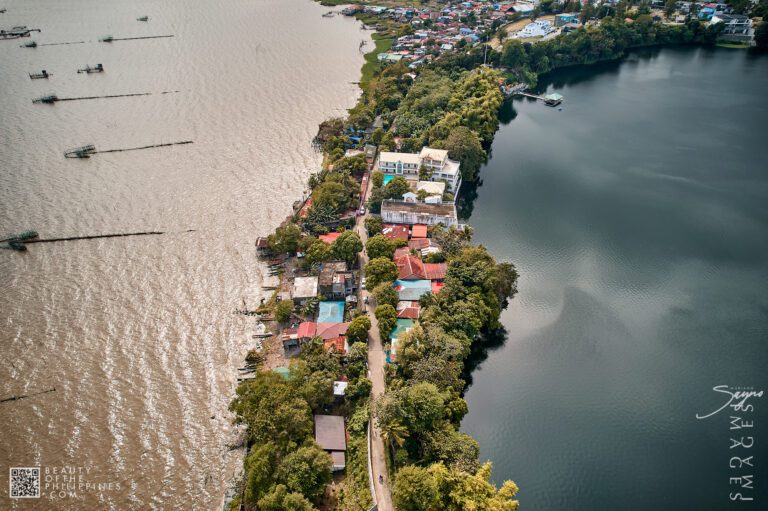
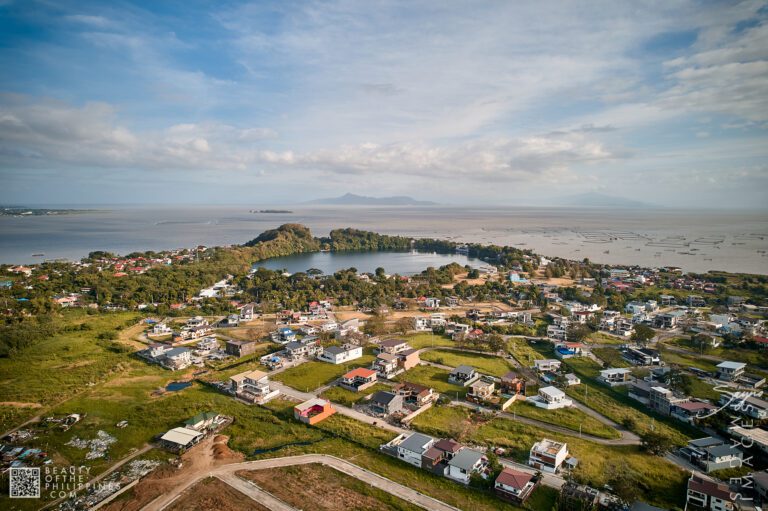
ABOVE: Tadlac Lake (Alligator Lake) in Los Baños, Laguna, Philippines, is a deep blue lake bordered by green hills, residential areas, and aquaculture facilities.
Although Alligator Lake itself is low-key, nearby resorts such as Laresio Lakeside Resort & Spa provide water-based activities, including kayaking, paddleboarding, cliff jumping, and ziplines. These offerings create a balance of adventure and reflection, allowing visitors to enjoy Laguna’s nature without compromising the lake’s tranquil character.
RELATED STORIES

Santa Cruz, a first-class urban municipality and the capital of Laguna province in the Philippines, is a place where tradition, culture, and culinary delights converge.


In Mabitac, Laguna, the celebration has been embraced wholeheartedly, particularly intertwining it with the town’s founding anniversary to create a grand town festival. It has


Nagcarlan Awakens: The Spirit of Ana Kalang Visiting Nagcarlan, Laguna in the third week of April, you immediately sense the town has transformed. The Ana


Laguna de Bay, or Laguna Lake, is much more than the Philippines’ largest freshwater lake. Covering approximately 900 km² with a 220 km shoreline, it stretches across


Alligator Lake captivates because it is authentically itself — a place where geology, folklore, and quiet human activity intersect. For travelers and photographers, it offers a different lens on Laguna: one less crowded, yet rich with story, reflection, and environmental intrigue. By highlighting understated beauty and ecological rhythms, the lake reminds visitors that some of the province’s most compelling experiences are those found off the beaten path.


I’m looking forward to the stories and images leaving a lasting positive impression on you, just as they have on me. Stay connected with us on social media for a weekly exploration of travel assignments and breathtaking visuals. Our focus is on championing local tourism, showcasing small businesses, and honoring the magnificence of the Philippines through the content we curate. Join us in spreading the word by clicking the ‘share’ buttons below. Your support means the world to us.
EXPLORE MORE about


Nagcarlan Awakens: The Spirit of Ana Kalang Visiting Nagcarlan, Laguna in the third week of April, you immediately sense the town has transformed. The Ana


In Mabitac, Laguna, the celebration has been embraced wholeheartedly, particularly intertwining it with the town’s founding anniversary to create a grand town festival. It has


Origins and Cultural Significance If you wander Victoria during the festival, it’s immediately clear that the Itik Festival is more than a celebration—it’s a living


Enchanted Kingdom, often simply called EK, stands as the Philippines’ first and only world-class theme park in 2012. Located in San Lorenzo South, Santa Rosa

The Buhayani Festival, held every June 19 in Calamba, Laguna, honors the life and heroism of Dr. José Rizal, the city’s most celebrated son. First


Understanding the Sambalilo Festival The Sambalilo Festival is the signature cultural celebration of Cavinti, a municipality in Laguna. Traditionally held during the first week of


What the Bañamos Festival Is About The Bañamos Festival is the signature cultural and tourism celebration of the Municipality of Los Baños, Laguna, commemorating the


A Sweet Harvest in Motion: Calauan’s Pinya Festival Walking through Calauan in early May, you immediately feel the energy of a community united in celebration.


Laguna de Bay, or Laguna Lake, is much more than the Philippines’ largest freshwater lake. Covering approximately 900 km² with a 220 km shoreline, it stretches across


Lumban, recognized as the “Embroidery Capital of the Philippines,” comes alive every third week of September with its vibrant Burdang Lumban Festival, a celebration of


The Turumba Festival in Pakil, Laguna, centered around the veneration of Our Lady of Sorrows of Turumba, continues to unite locals and attract visitors, showcasing


A Festival Rooted in a Name Standing in Siniloan during festival season, you begin to notice how one object keeps appearing—in costumes, in floats, in


Santa Cruz, a first-class urban municipality and the capital of Laguna province in the Philippines, is a place where tradition, culture, and culinary delights converge.
The Nagcarlan Underground Cemetery in Barangay Bambang, Nagcarlan, Laguna stands as one of the most unique historical sites in the Philippines. Unlike typical cemeteries, this


Tucked high on Mt. Banahaw and overlooking verdant valleys, Majayjay Church, formally known as the Saint Gregory the Great Parish Church, stands as one of
BROWSE BY CATEGORIES
BROWSE BY PROVINCE