
Lingayen Beach: Pangasinan’s Coastal Escape and Local Charm
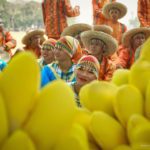
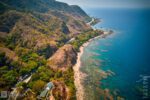
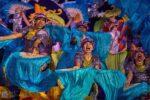
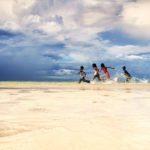
The Lingayen Beach is a public beach in Pangasinan Province, and is famous for hosting a Pista’y Dayat festival once every Labor Day. It has

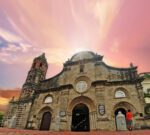
I first approached Lingayen Cathedral, formally known as the Epiphany of Our Lord Co-Cathedral Parish, from the busy streets of Poblacion, Lingayen. Government buildings, everyday commerce, and passing tricycles framed the scene, but once you step onto the cathedral grounds, the atmosphere shifts. The structure stands as both a spiritual anchor and a historical marker in the capital town of Pangasinan.
There’s something about provincial cathedrals that feels grounded—less ornamental than some grand city churches, yet deeply rooted in community life. This one, in particular, carries centuries in its walls.
The story traces back to 1587, when Spanish Augustinian missionaries established the early church presence in Lingayen. It was initially called Los Tres Reyes or Three Kings Parish, a reference that connects directly to its patronal devotion to the Epiphany of the Lord. By 1616, it was formally organized as a parish, marking the structured spread of Catholicism across Pangasinan.
Administration shifted over time. The Dominican Order took stewardship in 1740, guiding the parish through much of the Spanish period. After 1898 and the end of Spanish rule, Filipino clergy and later Columban missionaries continued pastoral leadership. Standing inside today, it’s humbling to think how many eras of church authority have passed through these doors.
A defining milestone came in 1928. By decree of Pope Pius XI, the parish was elevated as the cathedral of the newly created Diocese of Lingayen. That moment reshaped its role—from a provincial parish to an ecclesiastical seat for northern Luzon.
The cathedral status wasn’t just ceremonial. It positioned Lingayen as a regional center of faith, linking surrounding towns and communities under its spiritual jurisdiction. You can feel that scale when attending Mass; pilgrims and parishioners arrive not only from Lingayen but from neighboring municipalities as well.
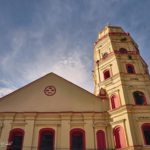
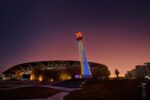
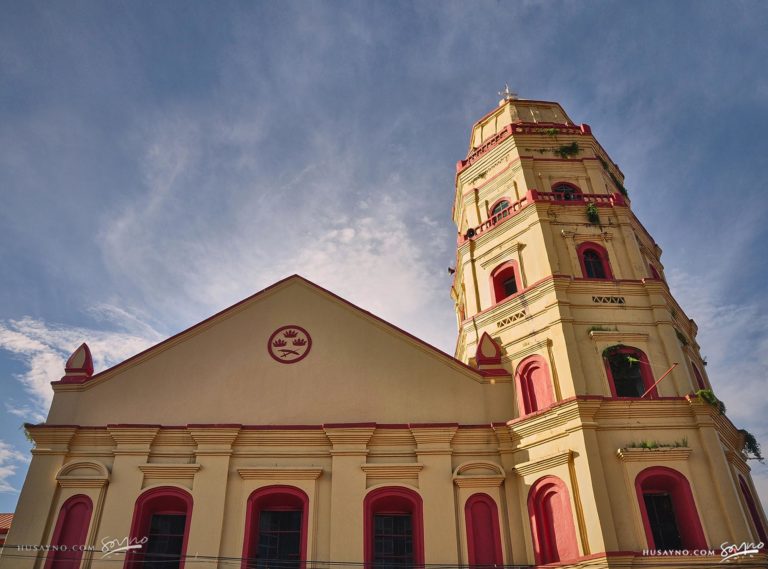
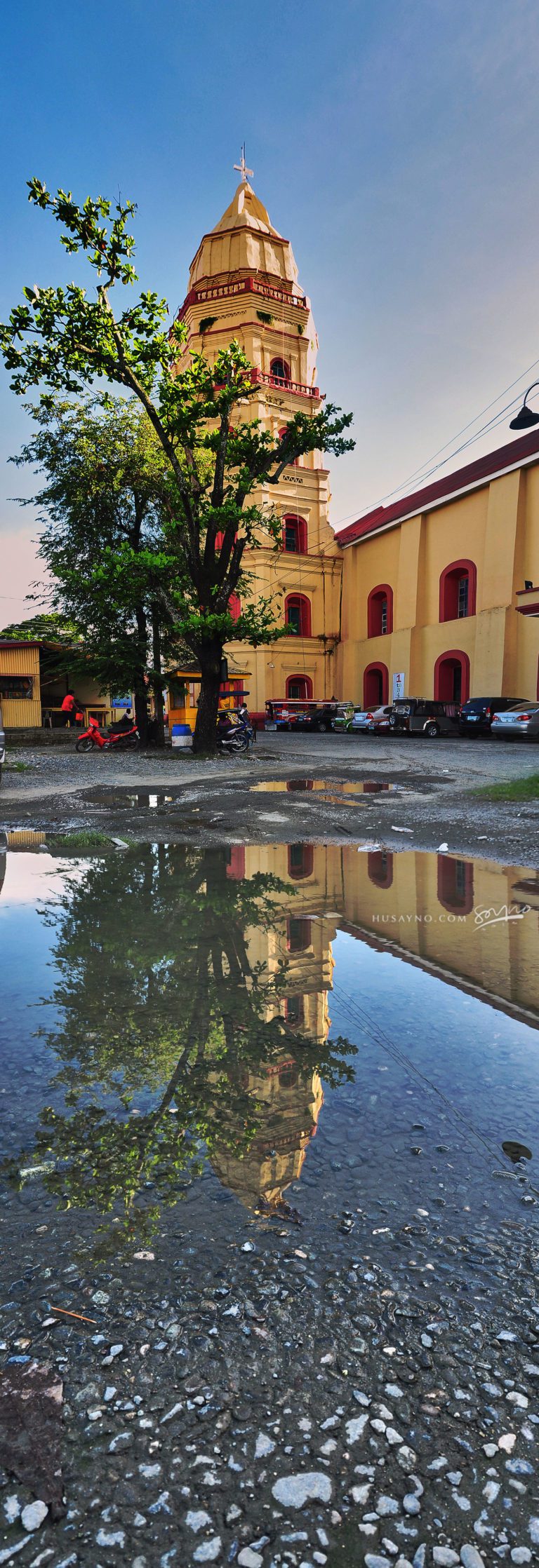
From a photographer’s perspective, the most striking feature is the bell tower. Rising approximately 45 yards high, the multi-storey octagonal structure carries a silhouette that hints at Oriental or pagoda-inspired influence. Some accounts attribute this to the impact of Lingayen’s Christianized Chinese community during the colonial era. Against a bright Pangasinan sky, the tower becomes the defining outline of the town.
Inside, the cathedral reveals quieter artistry. The dome designed by Father Miguel Aparicio crowns the nave with proportion and light. Religious artworks in wood and metal decorate the interior—details that reward slow observation rather than quick glances.
The cathedral endured one of its most dramatic chapters on January 9, 1945. During the Allied landing in Lingayen Gulf aimed at liberating Luzon in World War II, bombardment heavily damaged both the church and the adjacent bishop’s residence. Centuries-old bells fell and shattered.
Today, some of those great bells from the 1800s are preserved and displayed outside the church grounds. I paused there longer than expected. They’re not just relics; they are physical reminders of conflict and continuity—metal that once rang in celebration, silenced by war, now standing as testimony.
RELATED STORIES

The Lingayen Beach is a public beach in Pangasinan Province, and is famous for hosting a Pista’y Dayat festival once every Labor Day. It has


Anda Island, also known as Cabarruyan, stands gracefully within the Pangasinan Province, adjacent to the renowned Hundred Islands. As one of the largest islands in
Nature tested the structure again in 1990 when a powerful earthquake struck Luzon. Renovations followed, reinforcing the cathedral while preserving its historic character. Its survival through both war and seismic disaster adds another layer to its identity.
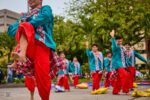
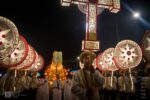
Despite its historical weight, Lingayen Cathedral is not frozen in time. Daily Masses, monthly devotions, and the Feast of the Epiphany of the Lord in early January keep the Three Kings tradition alive. During feast celebrations, the plaza fills with movement, color, and shared devotion.
As a visitor, you’re not just observing architecture—you’re stepping into an active religious community. The building breathes through its parishioners.
The cathedral sits centrally in Poblacion, making it easy to include in a heritage walk. It’s open daily and accessible year-round. Early mornings offer quiet interiors ideal for reflection or photography. Weekends bring livelier parish scenes.
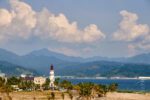
Nearby, Lingayen Bay and Lingayen Beach provide coastal views just minutes away. The Pangasinan Provincial Capitol and Casa Real National Historical Landmark complete a well-rounded heritage itinerary within the provincial capital. You can realistically explore all of these in one day without rushing.
I’m looking forward to the stories and images leaving a lasting positive impression on you, just as they have on me. Stay connected with us on social media for a weekly exploration of travel assignments and breathtaking visuals. Our focus is on championing local tourism, showcasing small businesses, and honoring the magnificence of the Philippines through the content we curate. Join us in spreading the word by clicking the ‘share’ buttons below. Your support means the world to us.
EXPLORE MORE about


Anda Island, also known as Cabarruyan, stands gracefully within the Pangasinan Province, adjacent to the renowned Hundred Islands. As one of the largest islands in


The Lingayen Beach is a public beach in Pangasinan Province, and is famous for hosting a Pista’y Dayat festival once every Labor Day. It has
BROWSE BY CATEGORIES
BROWSE BY PROVINCE