BROWSE BY PROVINCE

Taal, Batangas
Santa Lucia Well
A Sacred Spring in Taal, Batangas
Share
Tweet
Email
EXPLORE Santa Lucia Well

PUBLISHED April 6, 2007

PHOTOS | WORDS BY MARIANO SAYNO

  • Taal, Batangas
The Sta. Lucia Miracle Well in Taal, Batangas, is a sacred site with deep historical and spiritual significance. Discovered in 1611 after the appearance of a statue of the Virgin Mary in the Pansipit River, it has become a place of pilgrimage and devotion. Locals and visitors believe the well’s water holds healing powers, and many come to collect it for blessings. The well is part of a larger spiritual route that includes the Caysasay Shrine and San Lorenzo Ruiz Steps, and remains a symbol of faith, endurance, and community. Despite its humble appearance, the Santa Lucia Well continues to inspire both locals and travelers alike, offering peace and solace to all who visit.
Explore the Philippines through my lens as we venture into Santa Lucia Well with Point of View (POV) photography. Using a body cam, I’ll guide you on an interactive tour, revealing the behind-the-scenes of capturing the shots shared here. Let’s dive into this visual journey together and uncover the wonders through my lens!
Let’s explore the PHILIPPINES through my lens as we journey on a photo slideshow to Santa Lucia Well. Join me in this visual adventure and discover the wonders captured through my lens! Check out the shared slideshow here.

Tucked away in the historic town of Taal, Batangas, the Sta. Lucia Miracle Well—locally known as Balon ng Sta. Lucia—is more than just a quiet, unassuming site. For centuries, this place has been revered as a source of healing, mystery, and deep spiritual devotion. Whether you’re a pilgrim following tradition or a traveler chasing stories, this well invites reflection.

Check out the video for more highlights. See what I’ve captured through my lens with Point of View (POV) photography. Using a body cam, I’ll take you on an interactive tour, showing you behind-the-scenes moments of capturing the shots shared here.
Check out the video below for additional features. Explore what I’ve captured through my lens in this cinematic slideshow.
A Glimpse into History

The story behind the Sta. Lucia Miracle Well dates back to 1611, when a fisherman named Juan Maningcad reportedly found a small statue of the Virgin Mary in the Pansipit River. The image, later recognized as Our Lady of Caysasay, was initially kept in the local church. But in a strange twist, the statue vanished and was later rediscovered near the well’s location.


What followed deepened the spiritual aura around this spot. Two women, according to accounts, saw the Virgin’s reflection shimmering in the water of the well. Ever since, it’s been believed that the well was chosen by the Virgin herself—a place of quiet miracles.

Architectural Features

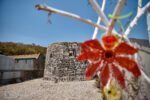
Unlike typical wells, Sta. Lucia Miracle Well is made up of twin stone-lined basins, quietly resting beneath the shade of mature trees. The surrounding area still retains an old-world charm—worn stones, moss-covered walls, and the gentle sound of water. It’s one of those places where time seems to stand still. Locals often mention how the water level doesn’t seem to fluctuate, no matter the season, which only adds to the air of mystery.


The architecture of the well is simple yet enduring. The stone structures that surround it are a testament to the craftsmanship of early Filipino builders, who used local materials to create something both functional and beautiful. These stones, though worn by time, still exude a sense of reverence, adding to the sacred nature of the site.

Pilgrimage and Traditions

Over the years, the well has become a popular stop for pilgrims who believe the water holds healing properties. It’s common to see visitors scooping water into bottles to take home, especially for those who are ill or caring for loved ones. Some say the water is cool and sweet—others just feel comforted knowing it’s been touched by centuries of faith.


The well is also part of a larger pilgrimage route that includes the Archdiocesan Shrine of Our Lady of Caysasay and the San Lorenzo Ruiz Steps. If you follow the path from the shrine and make your way down the 125 stone steps, you’ll find yourself at the foot of this sacred spring. The journey is not just physical—it is said to be a spiritual experience as well, a chance to reflect on the miracles and devotion that have defined the well’s history.

Cultural Impact

The well isn’t just a religious icon—it’s part of Taal’s soul. This town is known for preserving Spanish colonial architecture, and the well sits right in the middle of that legacy. Stories passed from one generation to the next often circle back to the well—testimonies of healing, devotion, and even sightings. It’s one of those places that locals grow up hearing about, and eventually, visiting when the time feels right.


Locals also attribute a sense of community to the well. It serves as a place where people gather to pray, reflect, and share their stories. There’s an undeniable sense of connection between the people of Taal and the well—a connection that has been fostered over generations. Even in modern times, the well remains a symbol of hope and faith, tying the present to the rich history of the past.

Water as a Symbol of Life and Healing

The water from the Sta. Lucia Miracle Well is often seen as more than just a natural resource—it is a symbol of life, purity, and healing. Many believe that the water has the power to cleanse not only the body but also the soul. As a result, people from all walks of life, whether locals or visitors, come to take a sip or carry some of the water back with them, hoping for blessings, health, or guidance. The well has thus become a source of comfort for the faithful, as it offers both physical sustenance and spiritual solace.

The Well’s Role in Taal’s Spiritual Landscape

In addition to its connection with the Virgin Mary, the Sta. Lucia Miracle Well plays an integral role in Taal’s broader spiritual landscape. The town, known for its deeply rooted Catholic traditions, houses several religious landmarks, but the well holds a unique place of reverence. It stands as a testament to the enduring faith of the people of Taal, who continue to cherish it as a site of devotion and community.


Moreover, the well serves as a reminder of Taal’s tumultuous past, including the volcanic eruptions that have affected the town over the centuries. Despite the challenges, the well has remained resilient, just as the people of Taal have, making it a symbol of endurance and hope.

RELATED STORIES

Tanauan Church: Triumph of Faith in the Midst of Challenges

It was once a stone church, that was built during the Spanish colonial era in Tanauan, Batangas, and was known as Tanauan Church or St

Read More »

Island Dreamer Resort: A Quiet Escape in Talisay, Batangas That Feels Like Home

Located in Barangay Caloocan, Talisay, Batangas—just a couple of hours’ drive from Metro Manila—is a quiet little spot that’s as unbothered as it is underrated:


Read More »

Balai Isabel: Where Lakeside Calm Meets Adventure

If you’re craving that sweet spot where calm meets adventure—where you can sip coffee while staring at a volcano, then hop on a kayak right

Read More »

Calaca Church: Nurturing Faith and Legacy of St. Raphael the Archangel in Batangas

It is with Raphael the Archangel that the 184-year-old Spanish Colonial era church in Batangas gets its name. The Calaca Church is more commonly known

Read More »
Visiting the Site

To get there, start from the Taal Basilica or the Caysasay Shrine. A short walk or tricycle ride will take you close, and from there, it’s all about following the narrow paths or taking the stone steps down to the well. The site is modest—no ticket counters or commercial stalls, just a humble spring and the quiet hum of prayer.

I’m looking forward to the stories and images leaving a lasting positive impression on you, just as they have on me. Stay connected with us on social media for a weekly exploration of travel assignments and breathtaking visuals. Our focus is on championing local tourism, showcasing small businesses, and honoring the magnificence of the Philippines through the content we curate. Join us in spreading the word by clicking the ‘share’ buttons below. Your support means the world to us.

BROWSE BY REGION
  • metro MANILA
  • abra
  • albay
  • baguio city
  • BATAAN
  • batangas
  • Benguet
  • bulacan
  • cagayan
  • cavite
  • cebu
  • cotabato
  • davao oriental
  • Guimaras
  • ilocos norte
  • ilocos sur
  • Iloilo
  • Isabela
  • laguna
  • lanao del norte
  • maguindanao
  • negros occidental
  • nueva vizcaya
  • Pampanga
  • pangasinan
  • QUEZON
  • rizal
  • Samar
  • sarangani
  • Tarlac
  • zambales
  • zamboanga city

EXPLORE MORE about

  • batangas

Taal Lake: Unraveling the Mysterious Charm and Enduring Beauty

It is known as Taal Lake, formerly Bombón Lake, and is a freshwater lake in the province of Batangas. It fills the Taal Caldera, a

Read More »

Taal Basilica: Asia’s Largest Catholic Church and Historical Marvel in Batangas

This Minor Basilica is canonically known as the Minor Basilica of Saint Martin of Tours and is located in the town of Taal, Batangas, within

Read More »

Balayan Bay: A Coastal Gem in Batangas Province

Among the many contributions of Balayan Bay that Batanguenos are proud of, the bay served as a fishing village and a summer retreat for locals

Read More »

Tanauan Church: Triumph of Faith in the Midst of Challenges

It was once a stone church, that was built during the Spanish colonial era in Tanauan, Batangas, and was known as Tanauan Church or St

Read More »

Fantasy World: From Decay to Regal Beauty

The Fantasy World theme park sits alone and quietly in Lemery, Batangas Province, and is known as the supposed Disney World as well as one

Read More »

CaSoBe: Discover Calatagan’s Best-Kept Coastal Gem

You know that feeling when you just want to escape the city buzz and dive straight into a chill beach vibe? Well, Calatagan South Beach,

Read More »

Balai Isabel: Where Lakeside Calm Meets Adventure

If you’re craving that sweet spot where calm meets adventure—where you can sip coffee while staring at a volcano, then hop on a kayak right

Read More »

Calaca Church: Nurturing Faith and Legacy of St. Raphael the Archangel in Batangas

It is with Raphael the Archangel that the 184-year-old Spanish Colonial era church in Batangas gets its name. The Calaca Church is more commonly known

Read More »

Tingloy Island: Beaches, Peaks, and Underwater Wonders

The Municipality of Tingloy Island got its name a little bit from a legend. Due to its location in Batangas, Philippines, it is almost named

Read More »

Our Lady of Caysasay Shrine: A Sacred Treasure of Taal

Known as the Caysasay Church, the Shrine of Our Lady of Caysasay is located in Barrio Caysasay, Taal, Batangas. This is a coral-hewn chapel that

Read More »

Taal Heritage Town: Exploring Batangas’ Colonial Gem

Every frame here feels like it’s whispering centuries-old stories. Walking along Calle Marcela Mariño Agoncillo and Calle Gliceria Marella, I could almost see the Taaleños

Read More »

Sigpawan Festival: Lemery’s Vibrant Easter Celebration of Bounty and Culture

Each year, the Sigpawan Festival, which is held in Lemery, Batangas, takes place on Easter Sunday. The highlight of the festival is the Fluvial procession

Read More »

Nasugbu, Batangas: A Coastal Haven of Serenity and Adventure

The Nasugbu area has an extensive collection of beaches and snorkeling spots which make it a popular summer destination. There are numerous swimming-related activities and

Read More »

Taal Volcano Protected Landscape: A Wild Beauty Just a Breath Away from Manila

Let’s be real—when you think of volcanoes, you probably imagine something massive and far-flung, right? But here in the Philippines, just 50-ish kilometers from Metro

Read More »

Island Dreamer Resort: A Quiet Escape in Talisay, Batangas That Feels Like Home

Located in Barangay Caloocan, Talisay, Batangas—just a couple of hours’ drive from Metro Manila—is a quiet little spot that’s as unbothered as it is underrated:

Read More »

Laiya Beach: Your Quick Escape to Sun, Sand, and Saltwater Joy

If you’ve ever found yourself stuck in Metro traffic, daydreaming about the beach while scrolling through Instagram—Laiya Beach might just be the answer your soul’s
Read More »

BROWSE BY CATEGORIES

LOCATIONS
PROVINCES

Abra

Albay

Baguio City

Bataan

Batangas

Benguet

Bulacan

Cagayan

Cavite

Cebu

Cotabato

Davao Oriental

Guimaras

Ilocos Norte

Ilocos Sur

Iloilo

Isabela

Laguna

Lanao del Norte

Maguindanao

Manila

Negros Occidental

Nueva Vizcaya

Pampanga

Pangasinan

Quezon

Rizal

Samar

Sarangani

Tarlac

Zambales

Zamboanga City

ARCHITECTURE
HERITAGE

Andres Bonifacio Birthplace Monument

Bonifacio Monumento

Capones Lighthouse

Casa Manila

Christ the King Seminary

Corregidor Island Dark Tour Experience

Corregidor Island Reopens

Corregidor Island

Cultural Center of the Philippines

Fantasy World

Gabriela Silang Memorial Shrine

Gomburza National Monument

Hondagua

Iloilo Customs House

Intramuros

Jones Bridge

Kartilya ng Katipunan

La Loma Cemetery

Liwasang Bonifacio

Lubenas Ning Pasku

LOAD MORE

CHURCHES
FAITH

Bacolor Church

Baguio Cathedral

Barasoain Church

Binondo Church

Calaca Church

Calumpit Church

Chong Hock Tong Temple

Greenbelt Chapel

Guadalupe Church Ruins

La Naval de Manila

Lingayen Cathedral

Lubenas Ning Pasku

Lucban Church

Malate Church

Manila Abbey

Manila Cathedral

The Manila Golden Mosque

Meycauayan Church

Morong Church

Mount Carmel Shrine

LOAD MORE

NATURAL & MAN-MADE
ATTRACTIONS

A&J Cafe

Alligator Lake

Amare La Cucina Baguio

Ambuklao Dam

Antipolo Church

Atimonan Port

Avilon Zoo

Azalea Hotels & Residences Baguio

Bagac Beach

Baguio Media Newseum

Balai Isabel

Balayan Bay

Baluarte de San Diego

Betis Church

Binondo Chinatown

Buhay na Kubol’s Senturyons

Café Khawa

Cagsawa Festival

Callao Cave

Camara Island

LOAD MORE

FESTIVALS &
EVENTS

Al Cinco de Noviembre Festival

Ana Kalang Festival

Antipolo Maytime Festival

Balacat Festival

Balitok Ti Alicia Festival

Bañamos Festival

Bato Art Festival

Boling-Boling Festival

Buhayani Festival

Burdang Lumban Festival

Candle Festival

Dinagyang Festival

Feast of Santo Niño de Tondo

Guilingan Festival

Halamanan Festival

Hambujan Festival

Iloilo Dinagyang Festival

Inaul Festival

Itik Festival

Kalivungan Festival

LOAD MORE
Facebook Twitter Instagram Envelope

All photographs that appear on the site are copyright of Mariano Sayno ©2022 Beauty of the philippines

All photographs that appear on the site are copyright of Mariano Sayno ©2022 Beauty of the philippines.com

Beauty of the philipipnes LOGO WHITE

BROWSE BY PROVINCE

Abra

Albay

Baguio City

Bataan

Batangas

Benguet

Bulacan

Cagayan

corregidor-island

Cavite

Cebu

Cotabato

Davao Oriental

Manggahan aFestival of Guimaras

Guimaras

Ilocos Norte

Ilocos Sur

dinagyang aliwan friesta husayno mariano sayno

Iloilo

Isabela

Laguna

Lanao del Norte

Maguindanao

Manila Bay by Mariano Sayno

Manila

Negros Occidental

Magat River Dupax Del Norte

Nueva Vizcaya

Pampanga

Lingayen Cathedral

Pangasinan

Quezon

Rizal

Samar

Sarangani

Tarlac

Zambales

Zamboanga City

VWJC+GJ3, Taal, Batangas, Philippines