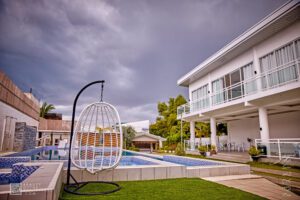
Island Dreamer Resort: A Quiet Escape in Talisay, Batangas That Feels Like Home
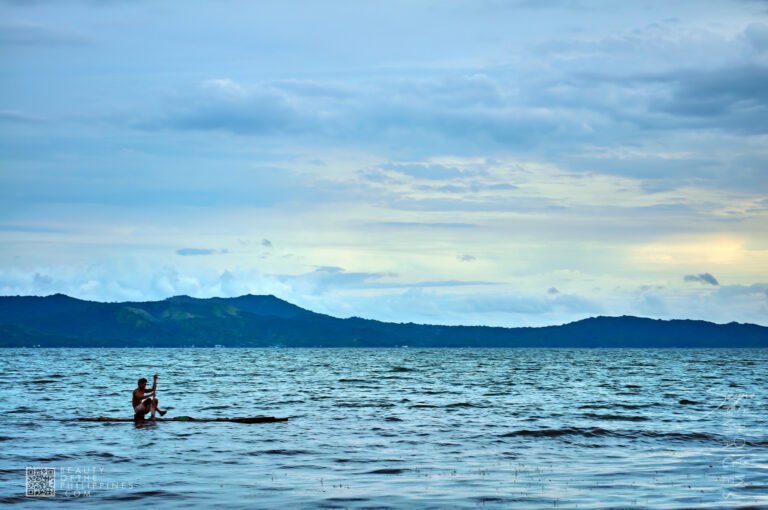
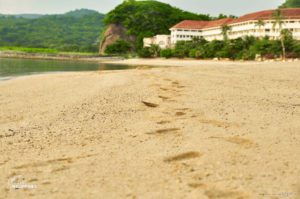
Located in Barangay Caloocan, Talisay, Batangas—just a couple of hours’ drive from Metro Manila—is a quiet little spot that’s as unbothered as it is underrated:

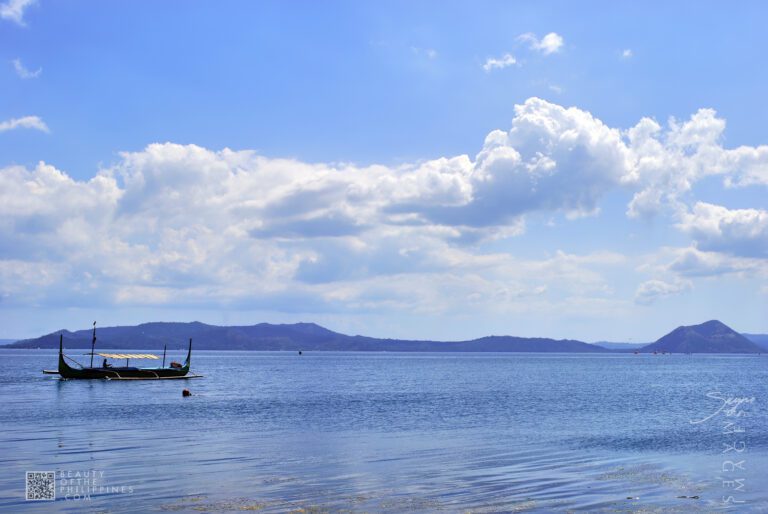
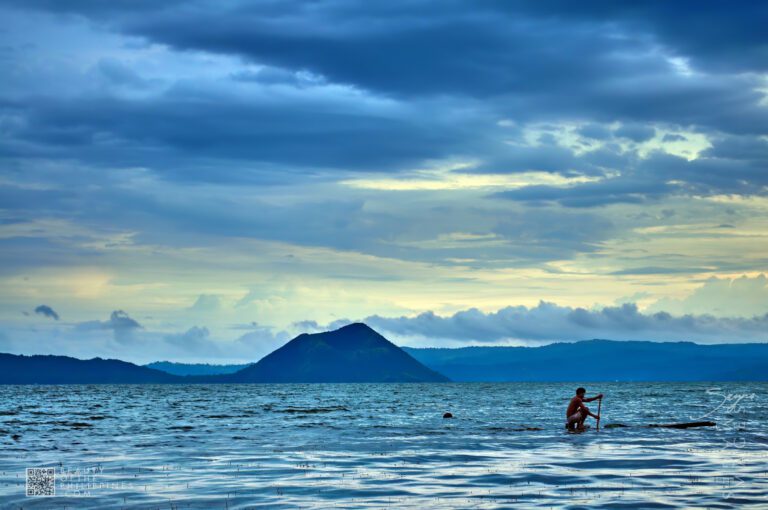
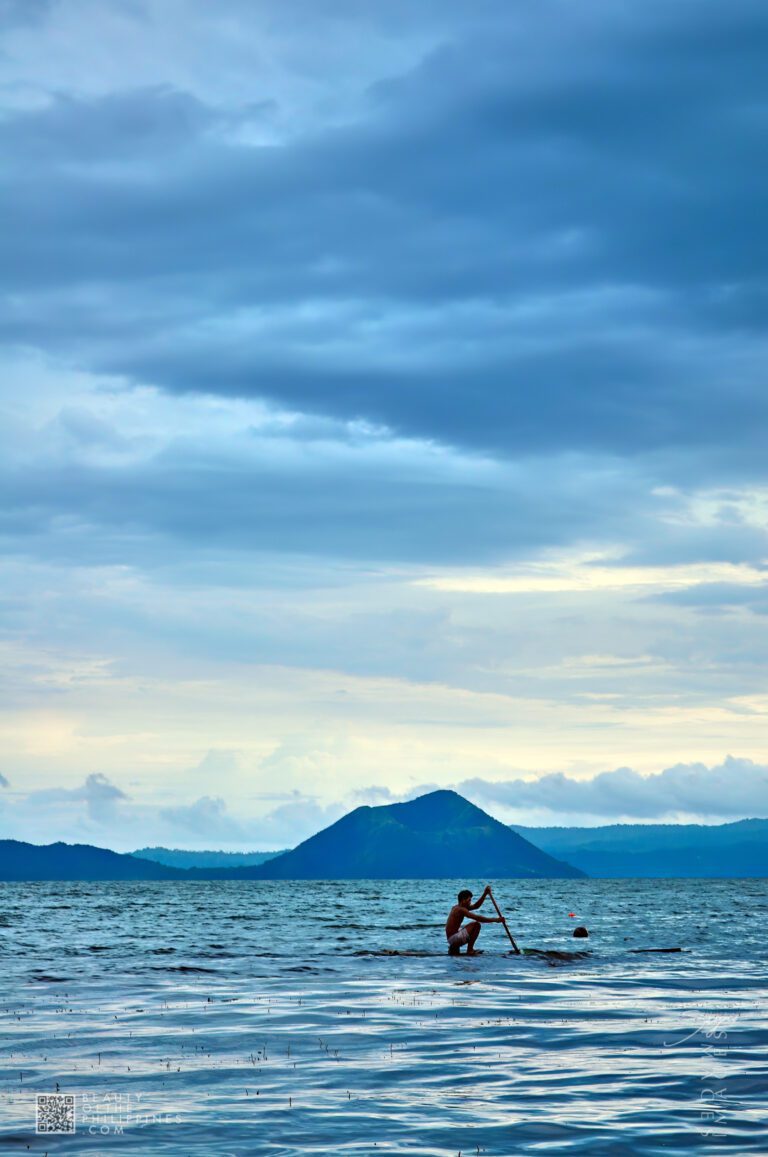
Taal Lake, located in Batangas on Luzon, is one of the Philippines’ most remarkable natural landscapes. This freshwater lake occupies a vast volcanic caldera, shaped by ancient eruptions, and covers roughly 234 square kilometers, making it the third-largest lake in the country. At its center rises Volcano Island, home to the active Taal Volcano, which seems to float on tranquil waters. From vantage points like Tagaytay Ridge, the lake offers sweeping panoramic views that are a photographer’s dream. The surreal combination of calm lake, volcanic island, and surrounding greenery sets the stage for both contemplation and adventure.
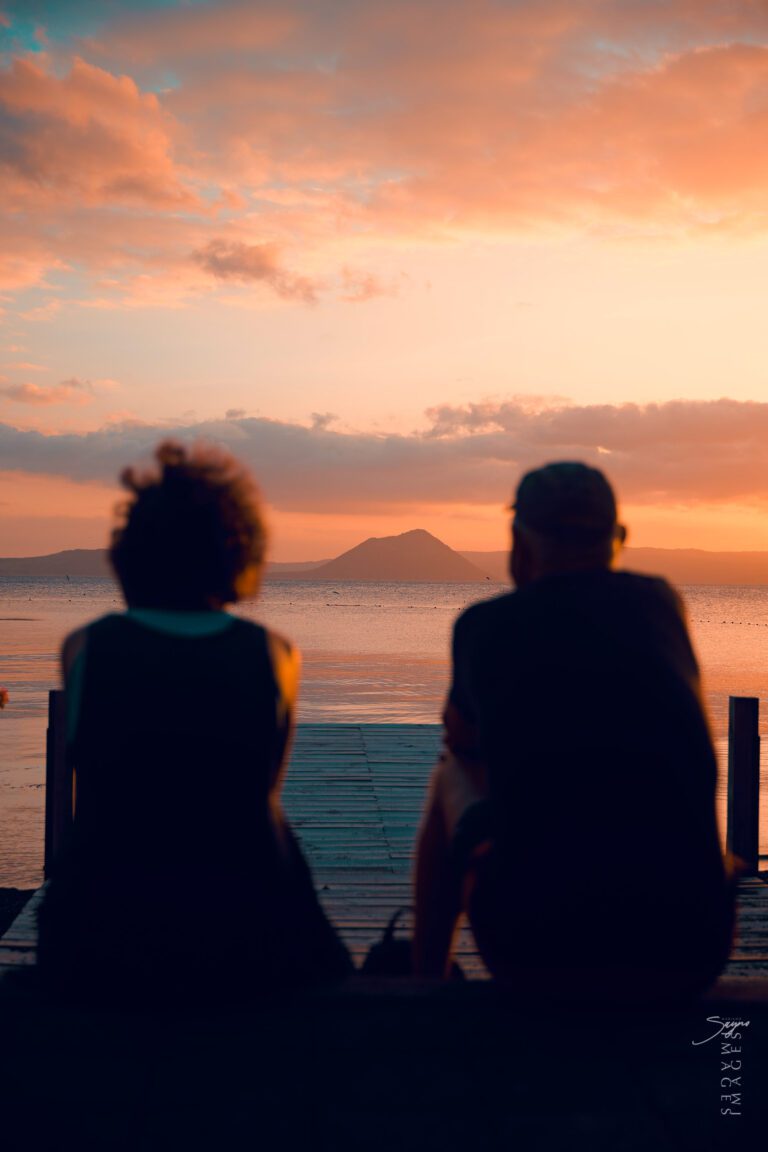
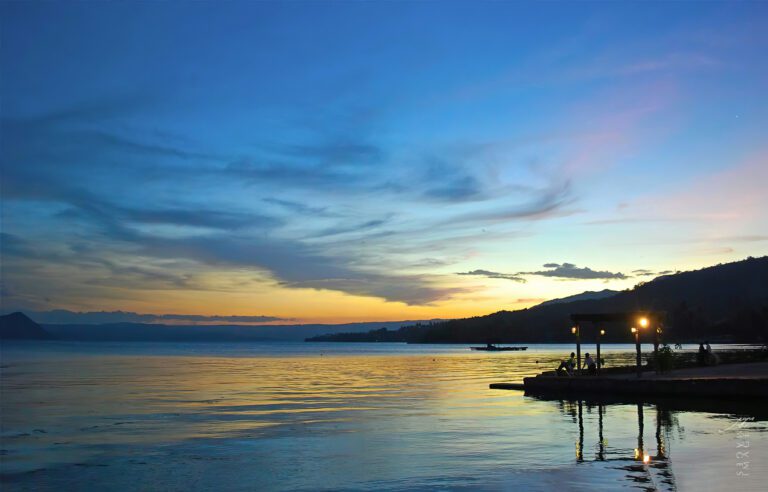
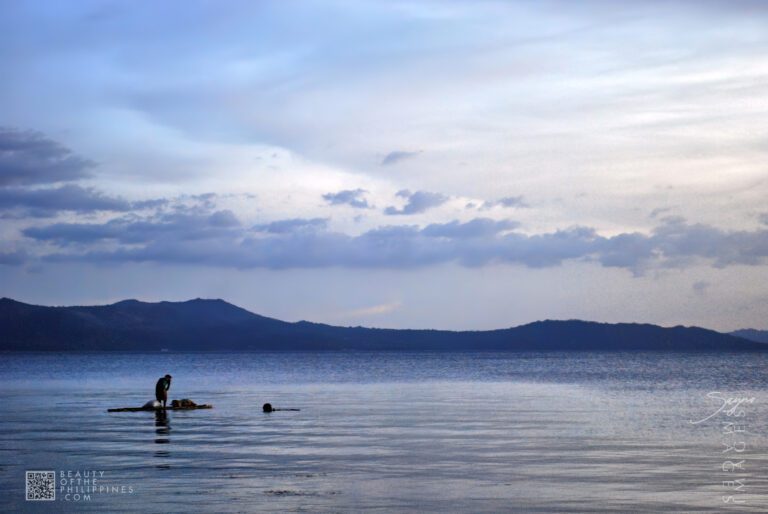
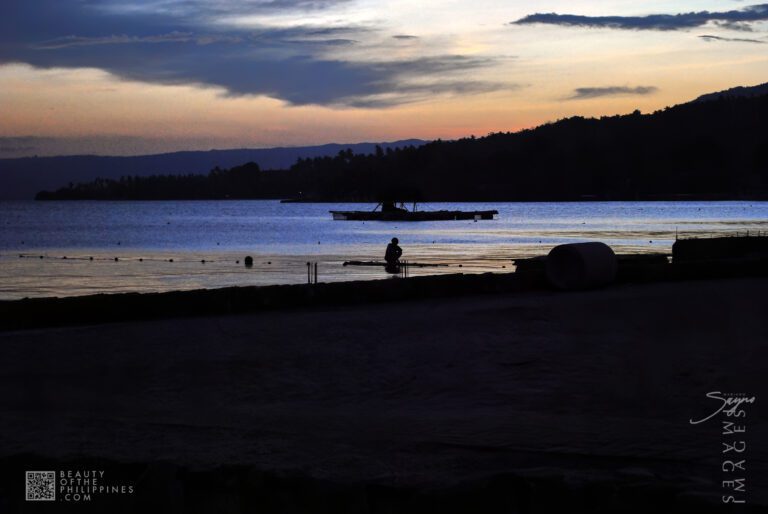
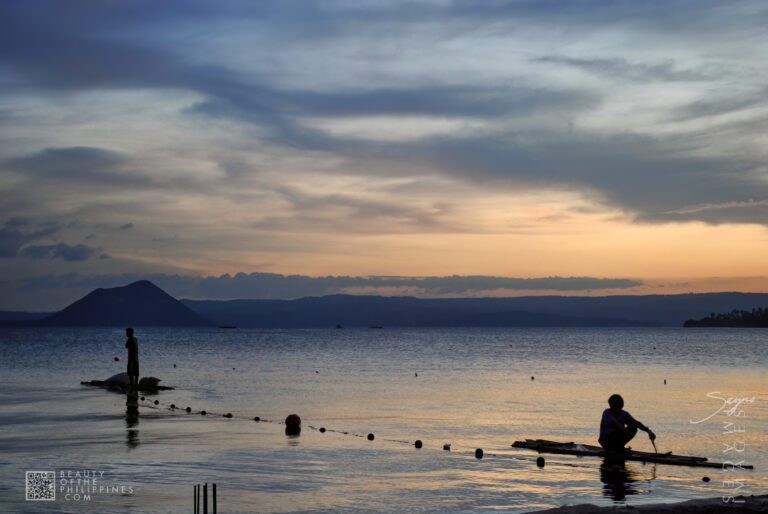
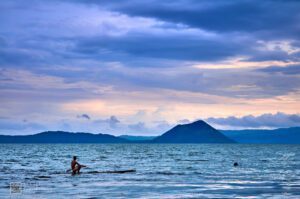
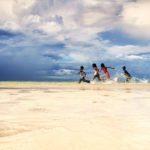
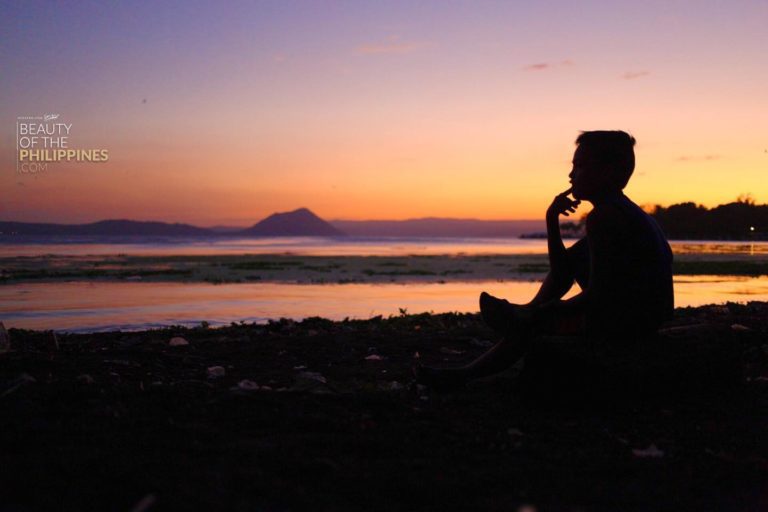
ABOVE: A silhouette of tourists by the shore of Taal Lake, gazing at Taal Volcano—this photo was taken in the year 2009.
The history of Taal Lake is etched in fire and water. Formed over thousands of years from collapsed volcanic land, it showcases a volcano-within-a-volcano formation: Taal Volcano sits on Volcano Island, which is itself in Taal Lake. The central crater hosts a smaller crater lake, known locally as Yellow Lake, visible during safe periods. Visitors can explore the lake by boat tours around Volcano Island or undertake guided treks to the crater, provided volcanic activity allows access. Each view and path reveals layers of geological history while providing memorable experiences for nature lovers and photographers.
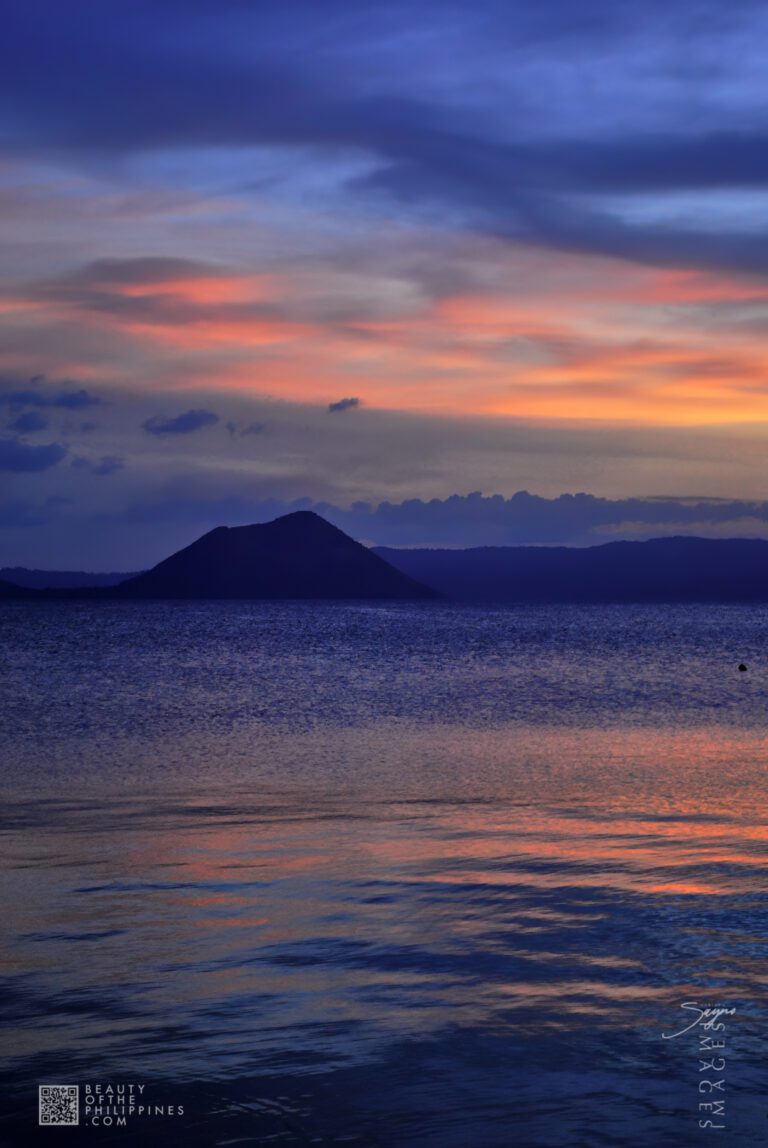
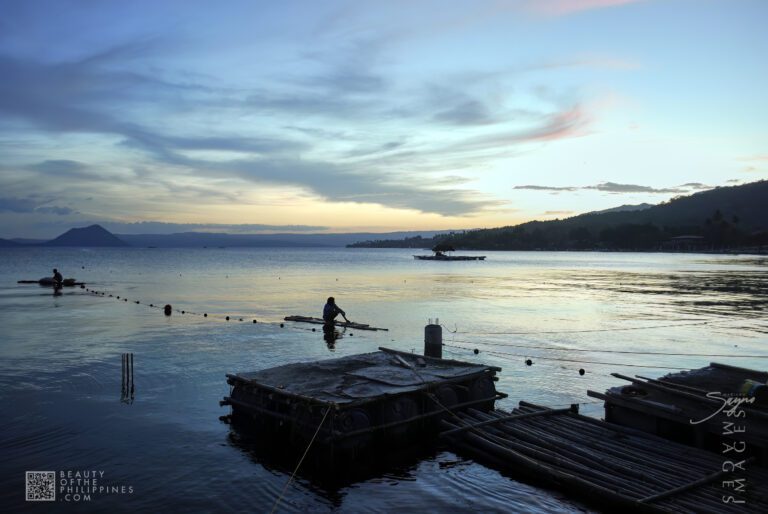
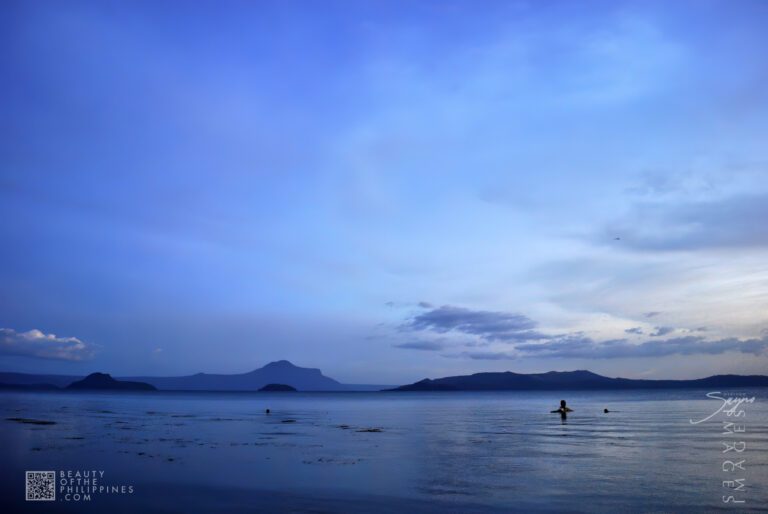
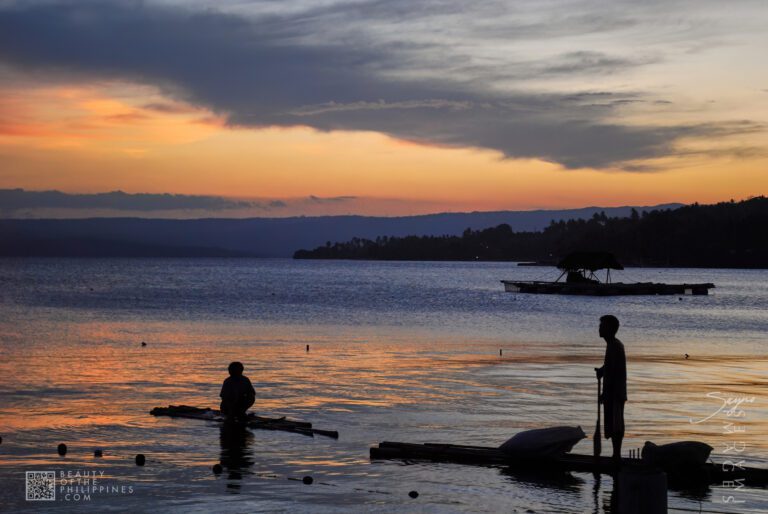
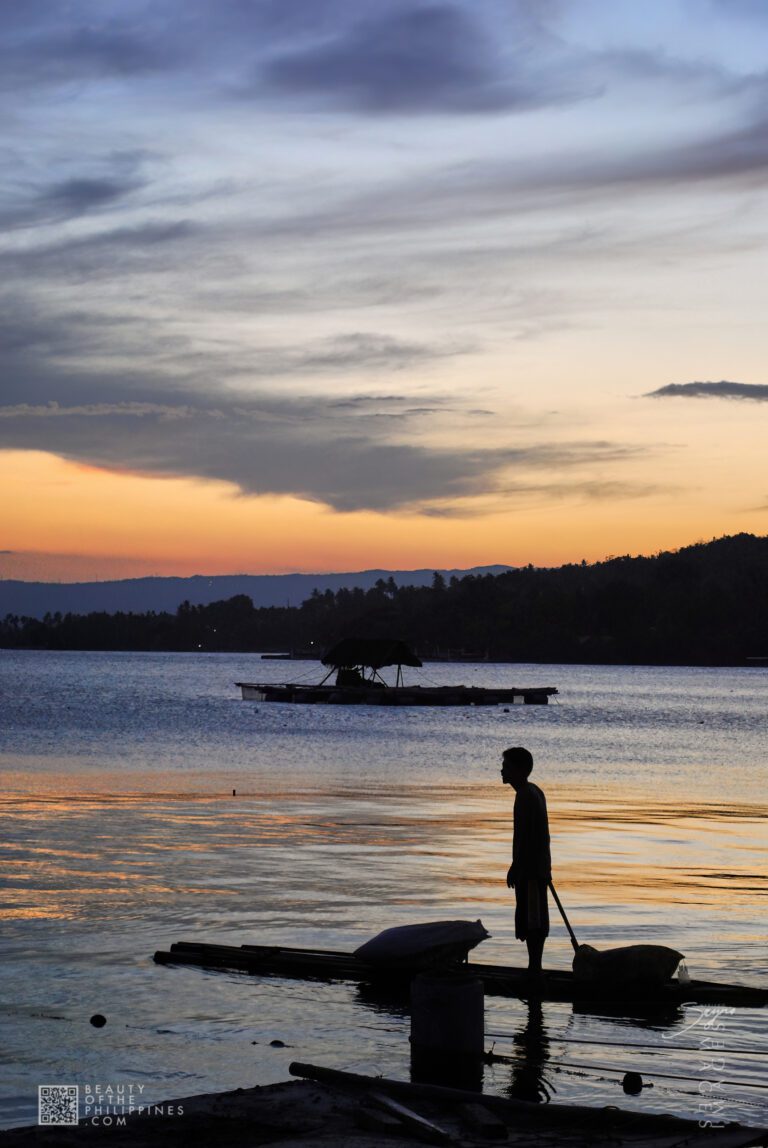
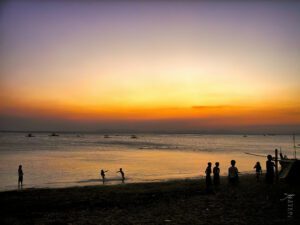
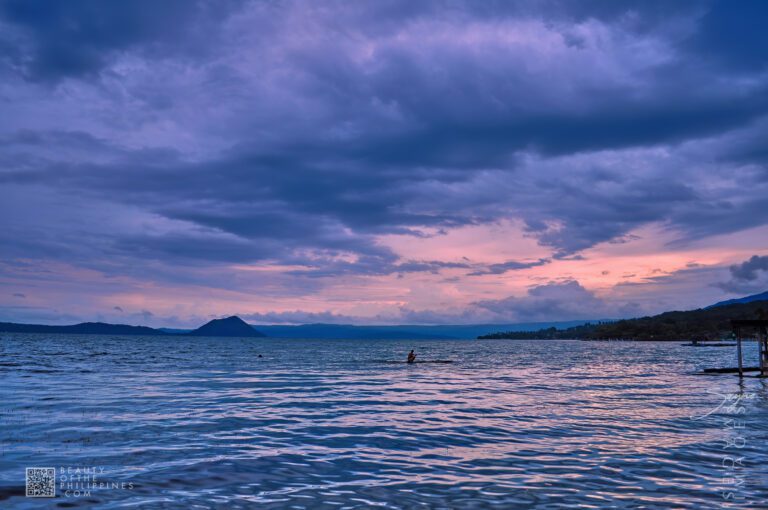
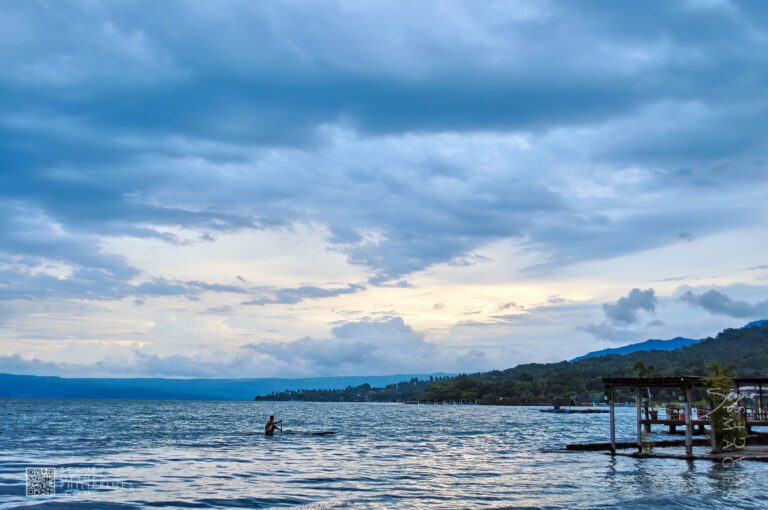
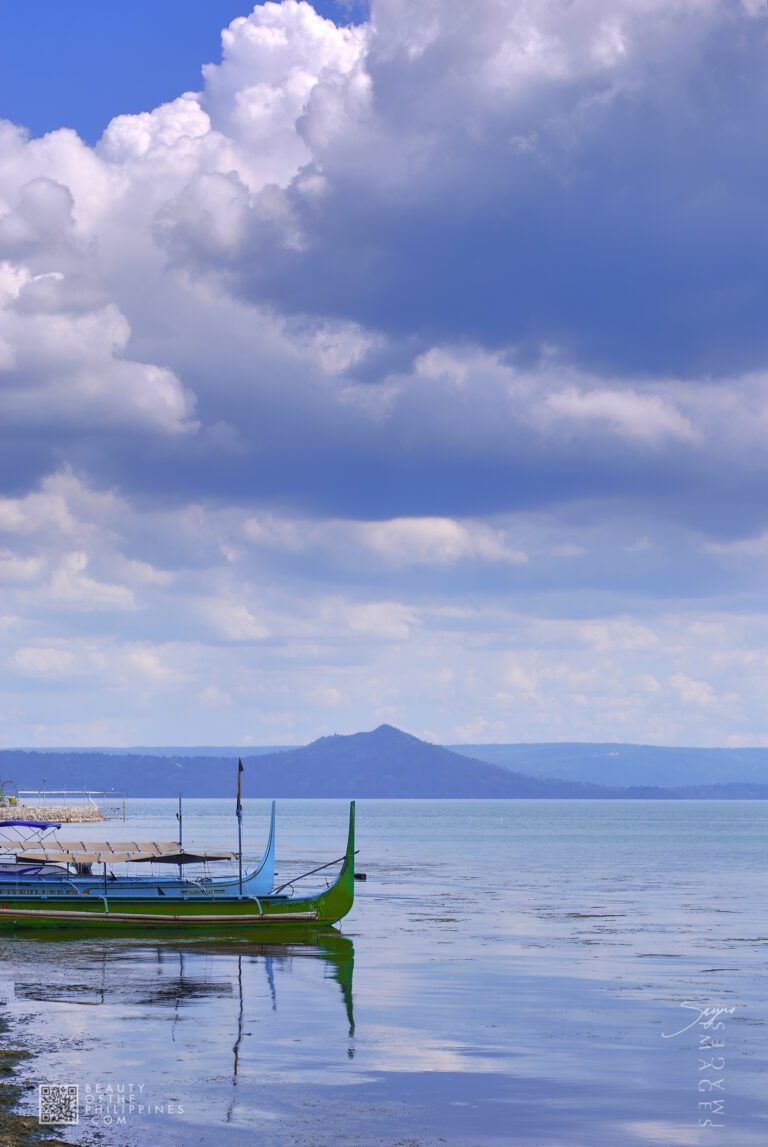
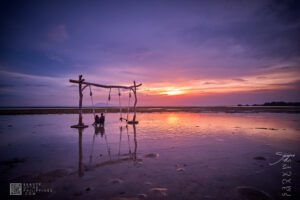
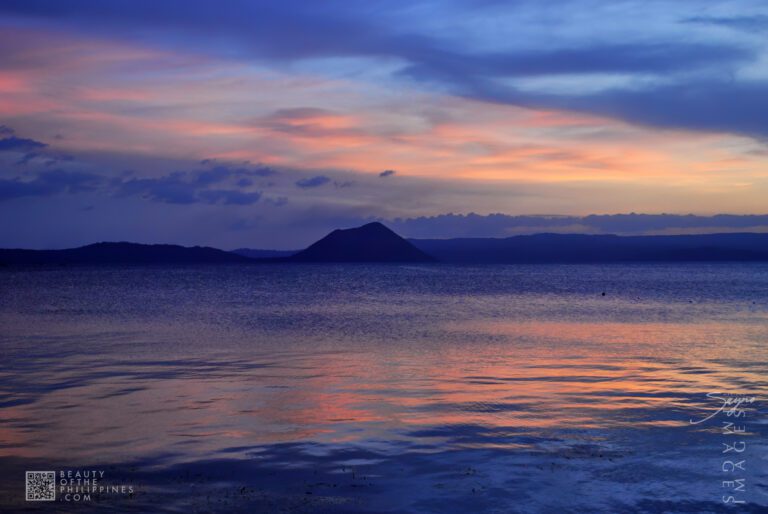
ABOVE: A small port on Taal Lake at sunset, captured in 2009, showcasing the silhouettes of individuals seated on benches, enjoying a moment of relaxation.
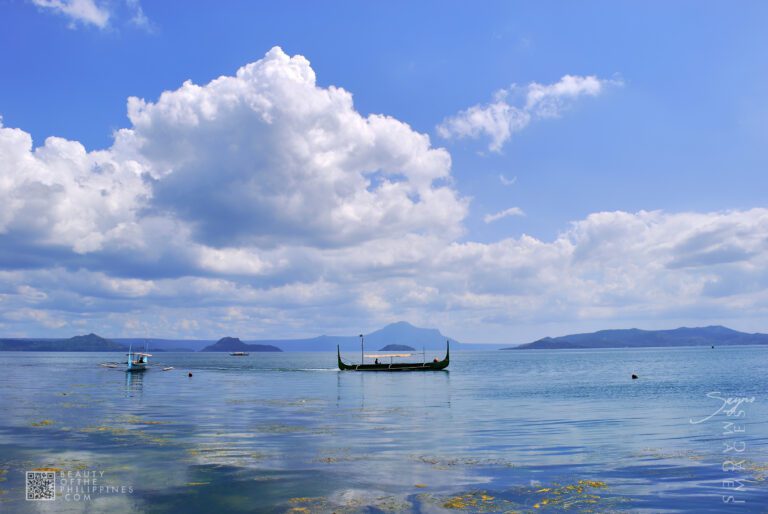
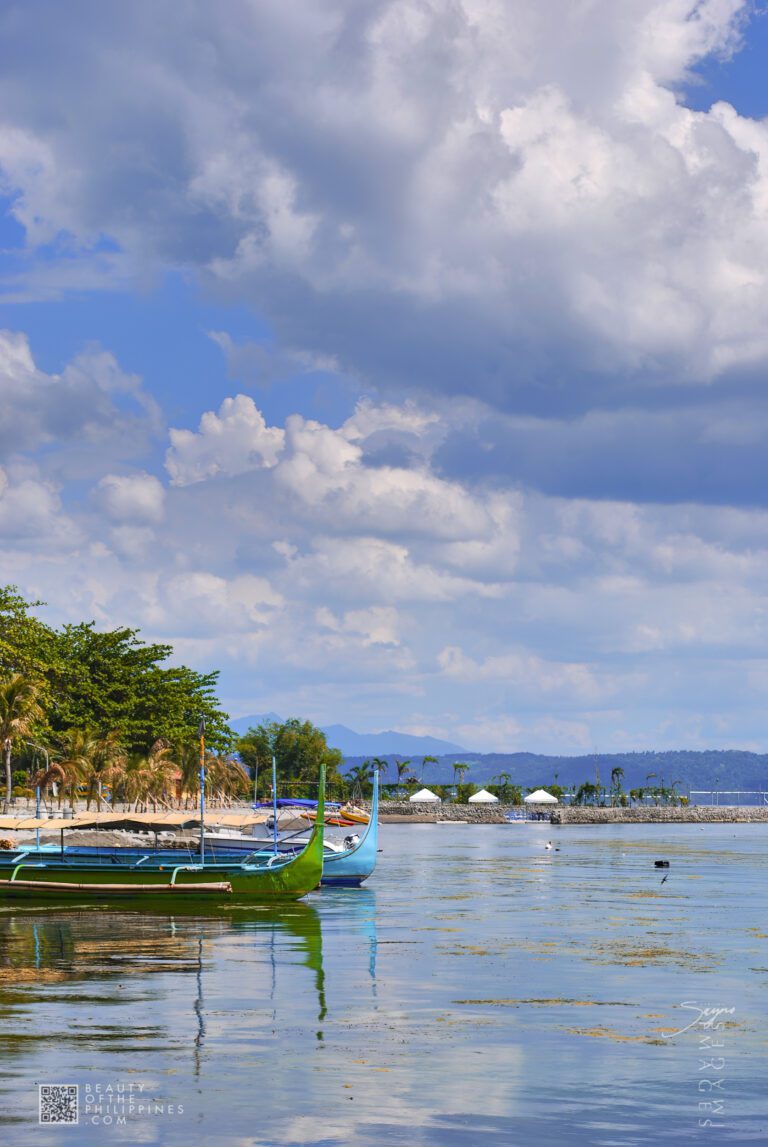
For those chasing adventure, Taal Lake is a hub of outdoor opportunities. Traditional bancas operate from lakeshore towns like Talisay and Agoncillo, offering immersive rides across serene waters with spectacular views of Volcano Island. Trekking part of the volcano is possible with local guides, perfect for catching the crater up close and capturing sunrise or sunset shots. Beyond adventure, the lake sustains vital fishing communities, supplying freshwater species such as tawilis (the only freshwater sardine in the Philippines) and the maliputo fish, both celebrated in local cuisine and traditions. These communities add cultural texture to the experience, showing the intimate link between nature and livelihoods.
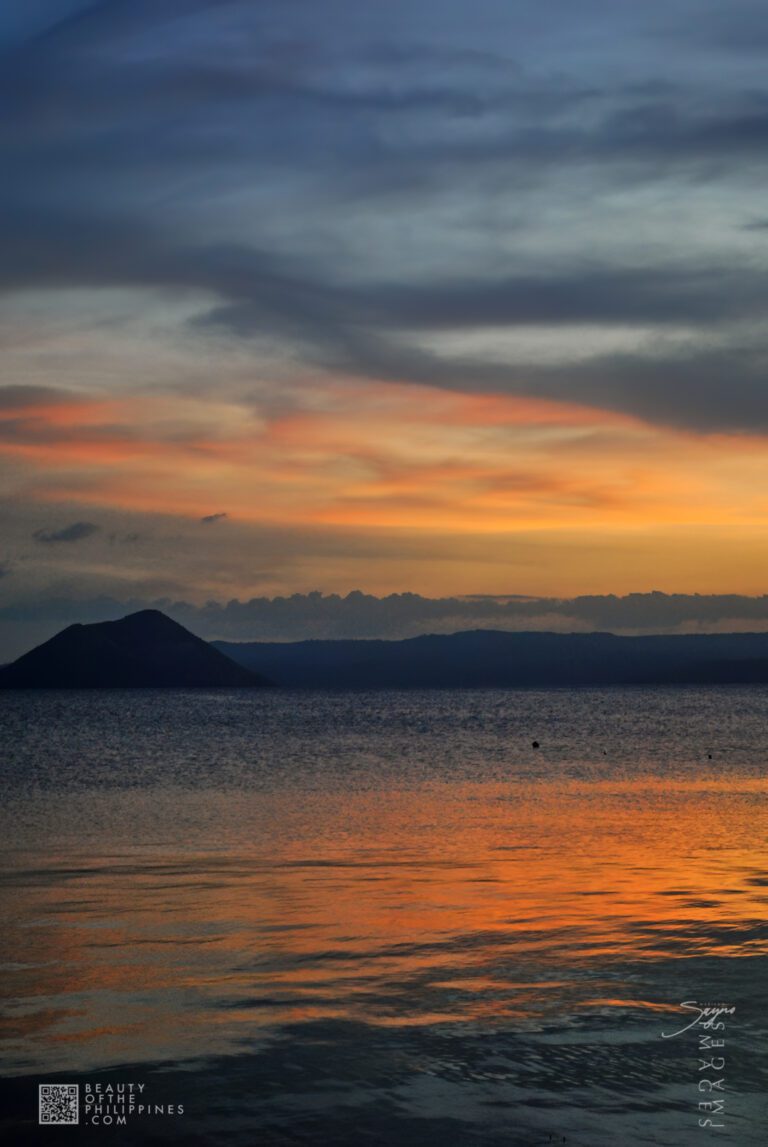
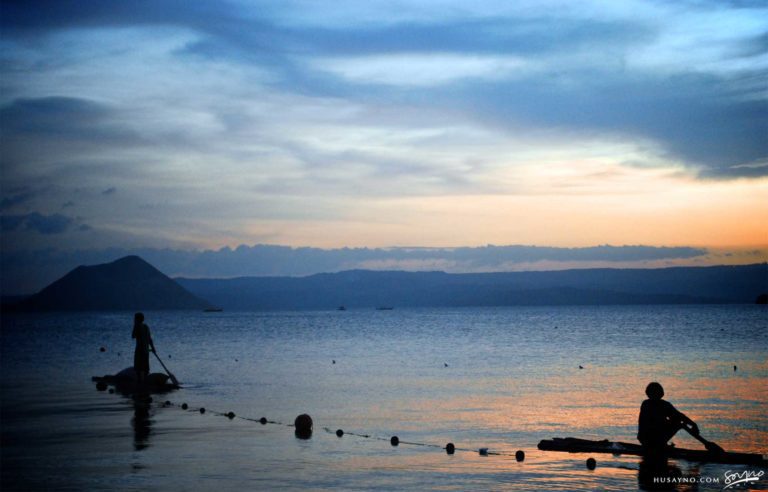
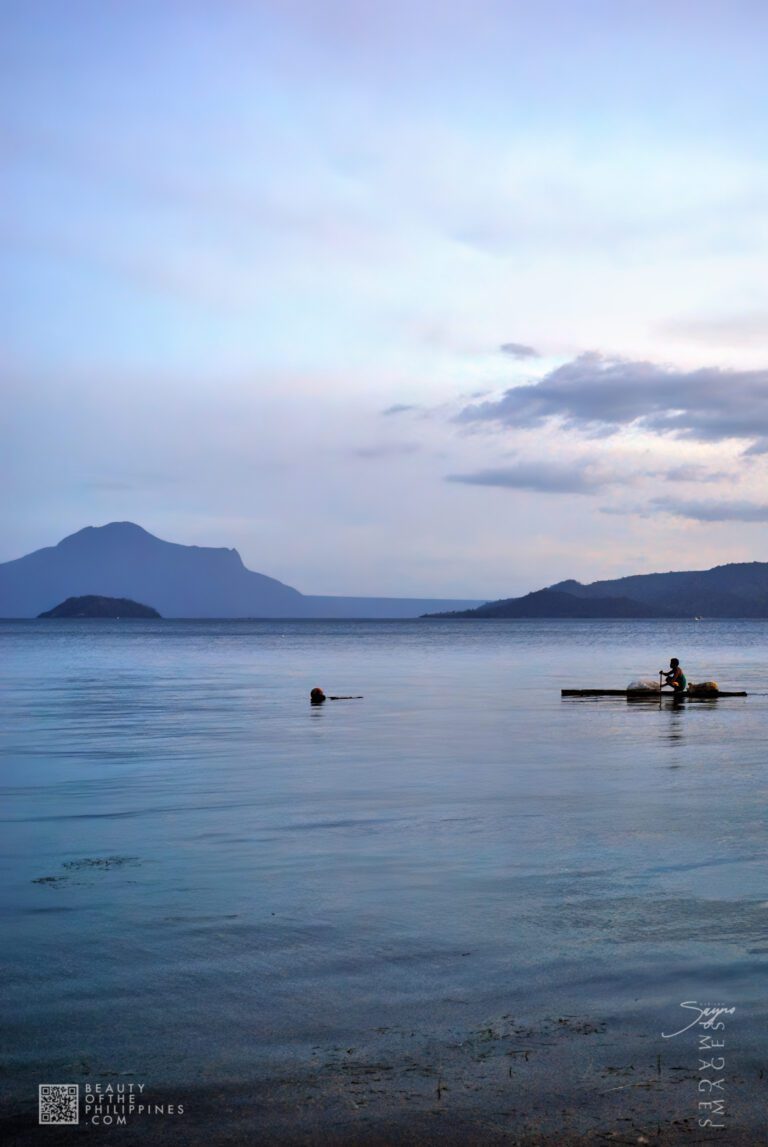
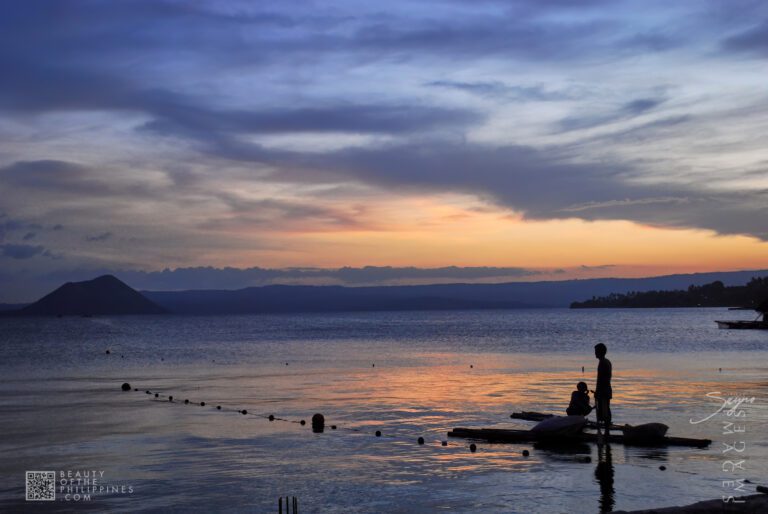
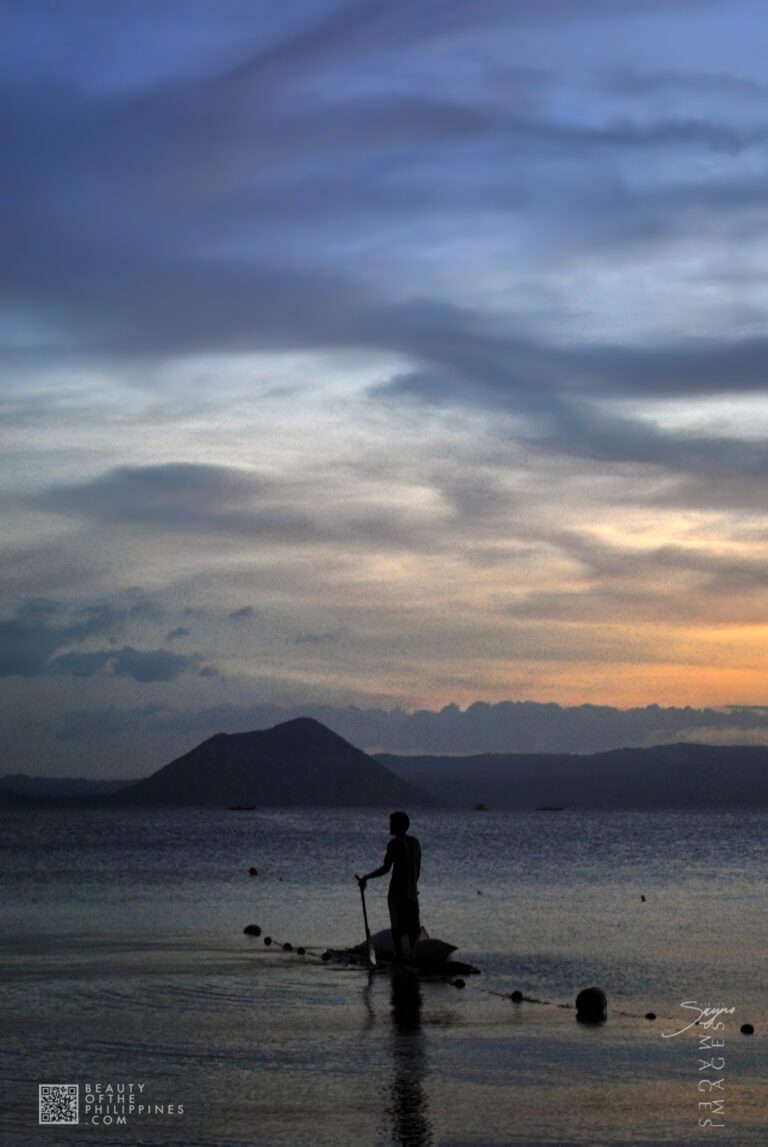
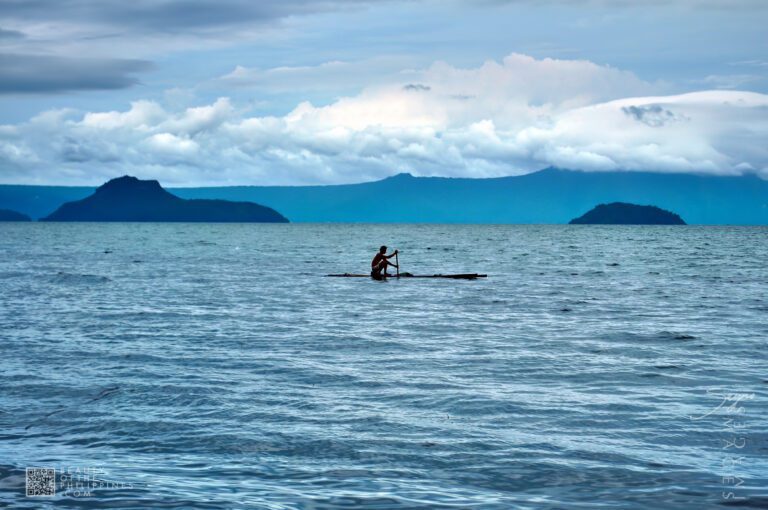
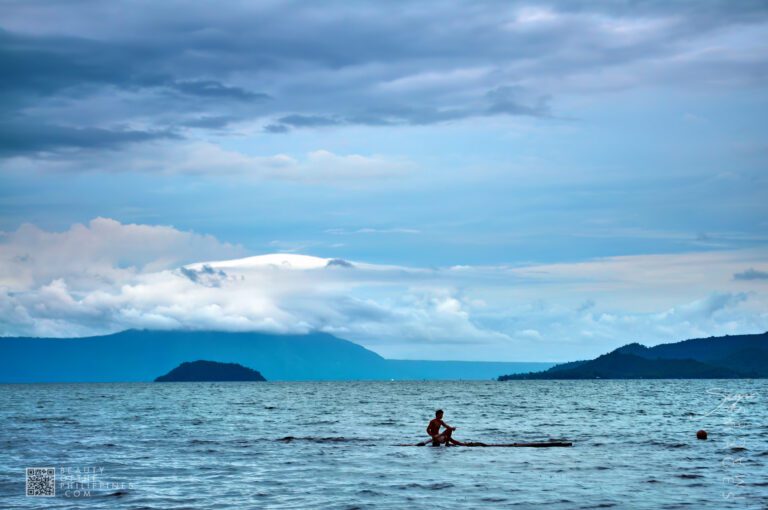
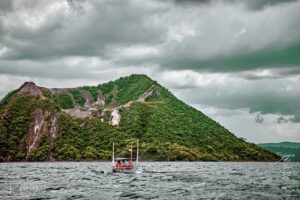
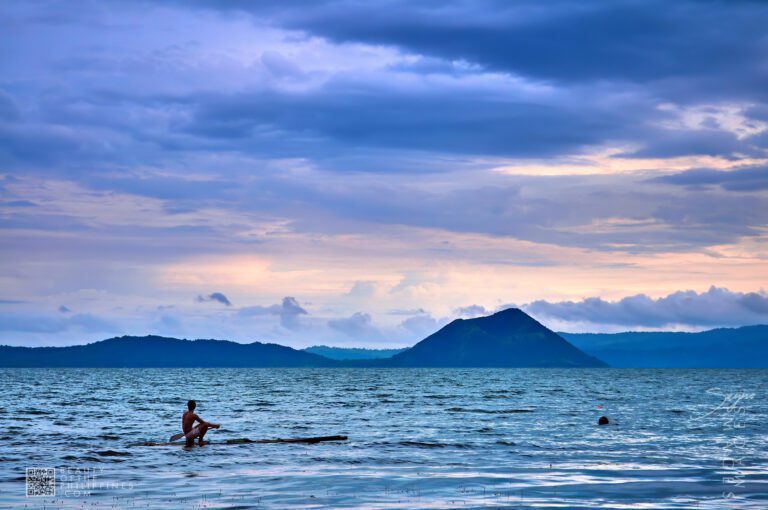
ABOVE: In the early morning light, two fishermen prepare their nets on Taal Lake, with the imposing Taal Volcano serving as a striking backdrop to their daily fishing routine. This photo was taken in the year 2009.
Taal Lake’s ecological narrative is equally fascinating. Once connected to the sea, the lake transformed into freshwater over centuries, creating a haven for unique aquatic life. Among these is Hydrophis semperi, the rare freshwater sea snake, alongside endemic species like tawilis, making the lake a hotspot of evolutionary adaptation. Conservation measures, including fish sanctuaries and eco-tourism initiatives, are in place to protect the delicate ecosystem while allowing locals to benefit from tourism and sustainable fishing.
Communities around Taal Lake—including Taal, San Nicolas, and Talisay—blend natural beauty with cultural heritage. Historic Taal Town draws visitors for its ancestral homes, Spanish-era architecture, and vibrant local crafts, weaving a tapestry of human history alongside geological wonder. The lake’s shores, dotted with traditional fishing spots and local eateries, create a vivid scene where nature and culture coexist. From observing fishermen at work to savoring local seafood delicacies, every moment connects travelers to the living rhythm of the lake.
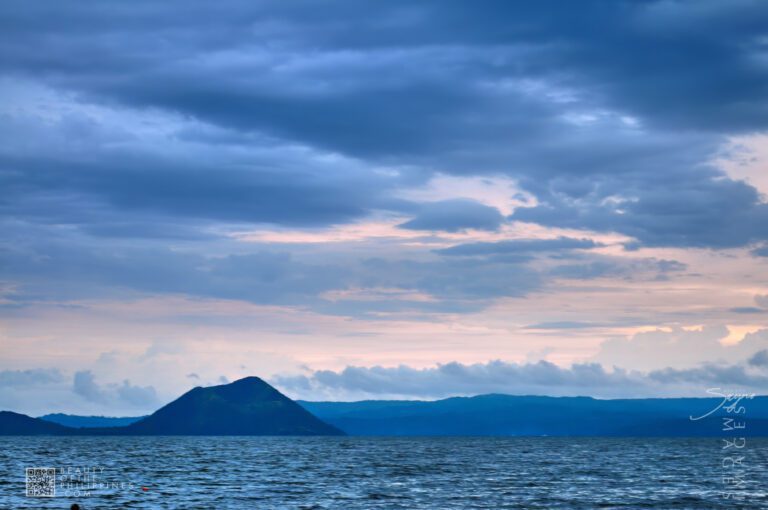
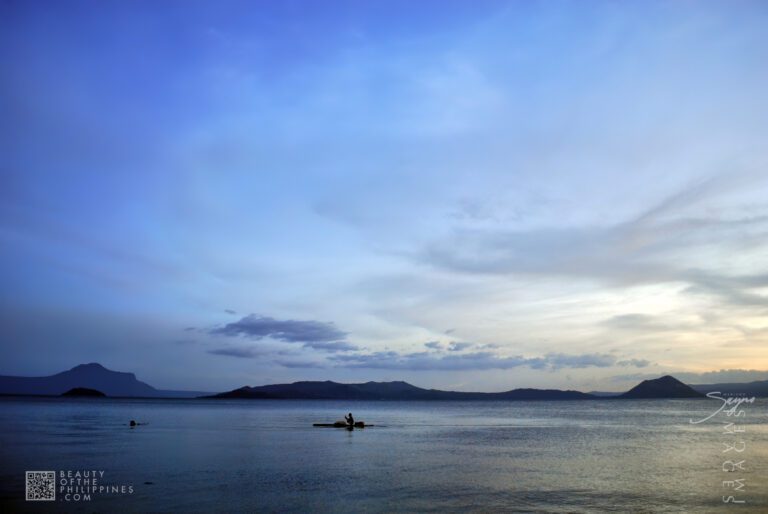
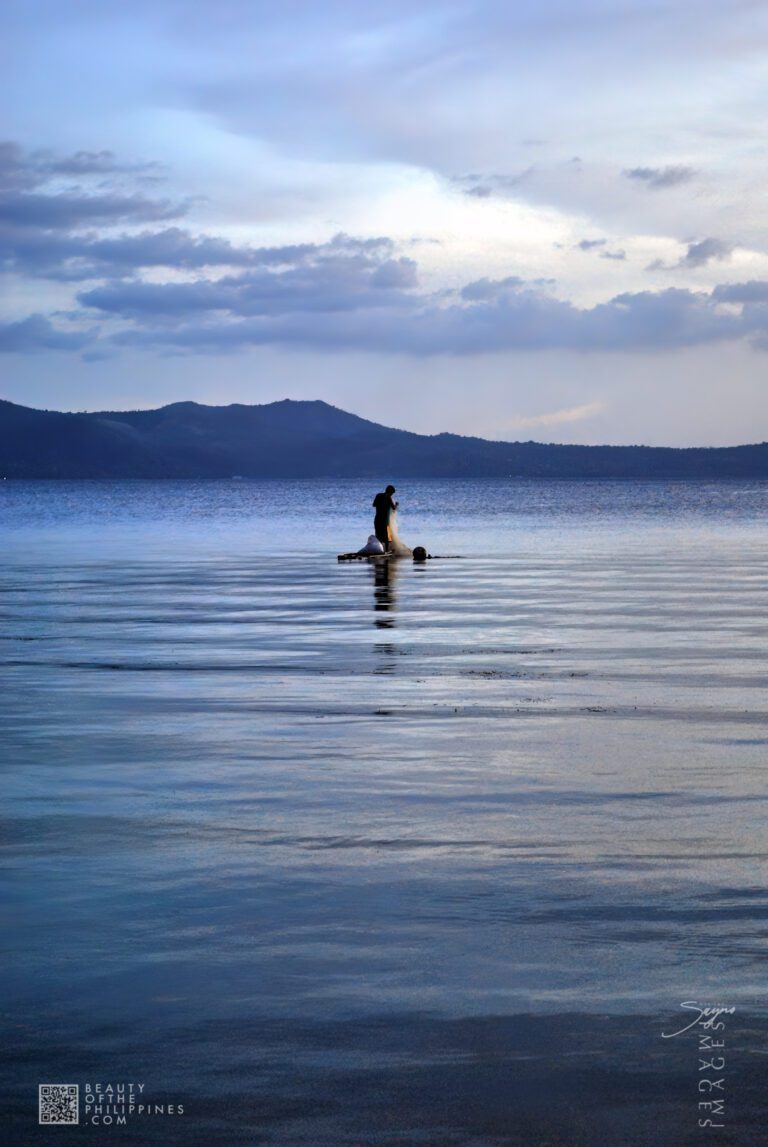
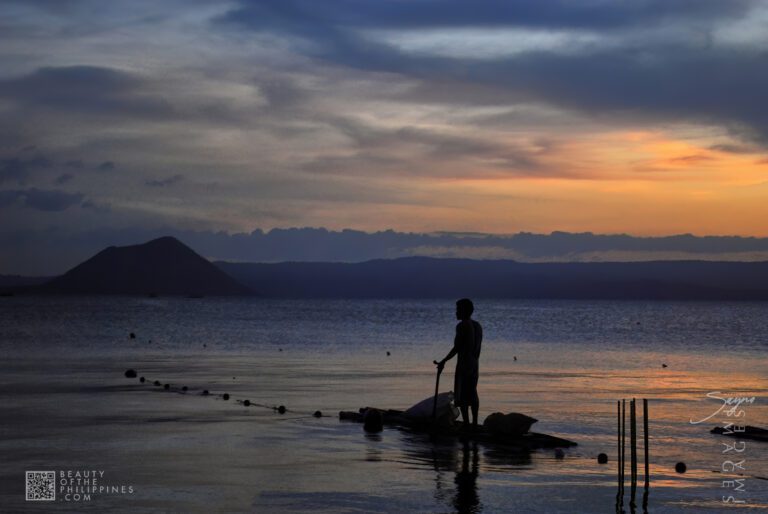
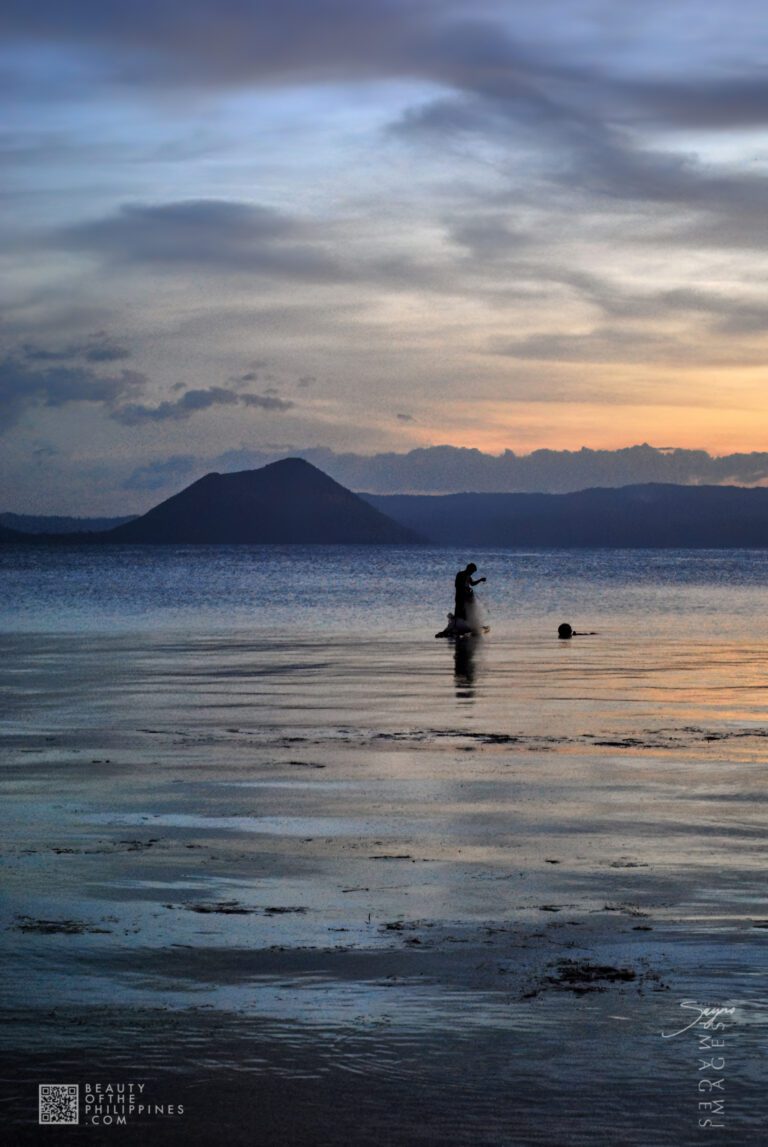
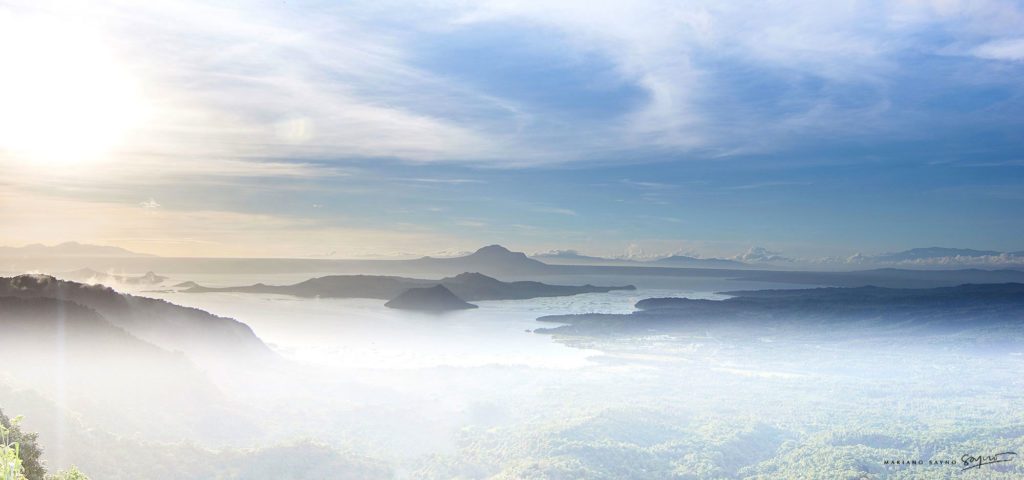
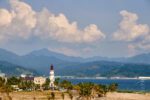
ABOVE: In the early morning, as the soft light begins to break, a breathtaking panoramic view of Taal Lake and its volcano unfolds from a vantage point in Tagaytay City. Wispy clouds drift lazily across the sky, adding a sense of serenity to this stunning landscape—this photo was taken in the year 2009.
RELATED STORIES

Located in Barangay Caloocan, Talisay, Batangas—just a couple of hours’ drive from Metro Manila—is a quiet little spot that’s as unbothered as it is underrated:



This Minor Basilica is canonically known as the Minor Basilica of Saint Martin of Tours and is located in the town of Taal, Batangas, within


Among the many contributions of Balayan Bay that Batanguenos are proud of, the bay served as a fishing village and a summer retreat for locals


If you’re craving that sweet spot where calm meets adventure—where you can sip coffee while staring at a volcano, then hop on a kayak right


Designated a national park in 1967, Taal Lake National Park preserves both biodiversity and scenic value. Efforts to maintain eco-tourism balance visitor engagement with environmental protection. Watching the sunrise over the lake, with Volcano Island rising in the middle, underscores why these protections matter—safeguarding the beauty and ecology that have drawn photographers, travelers, and researchers for decades.


From my vantage point on Tagaytay Ridge, the morning mist lifted from Taal Lake, unveiling shimmering waters and the silhouette of Volcano Island. Boats drifted lazily across the surface, their gentle wake rippling into soft patterns, while birds darted above. Every detail—the endemic fish, the freshwater snakes, the distant town rooftops—felt like a scene waiting to be captured in a frame, a quiet testimony to the lake’s natural allure and living culture.
I’m looking forward to the stories and images leaving a lasting positive impression on you, just as they have on me. Stay connected with us on social media for a weekly exploration of travel assignments and breathtaking visuals. Our focus is on championing local tourism, showcasing small businesses, and honoring the magnificence of the Philippines through the content we curate. Join us in spreading the word by clicking the ‘share’ buttons below. Your support means the world to us.
EXPLORE MORE about


Taal Lake, also simply known as Lake Taal, is one of the Philippines’ most unique natural features — a volcanic lake occupying the caldera of


This Minor Basilica is canonically known as the Minor Basilica of Saint Martin of Tours and is located in the town of Taal, Batangas, within


Known as the Caysasay Church, the Shrine of Our Lady of Caysasay is located in Barrio Caysasay, Taal, Batangas. This is a coral-hewn chapel that


Let’s be real—when you think of volcanoes, you probably imagine something massive and far-flung, right? But here in the Philippines, just 50-ish kilometers from Metro


The Nasugbu area has an extensive collection of beaches and snorkeling spots which make it a popular summer destination. There are numerous swimming-related activities and


Located in Barangay Caloocan, Talisay, Batangas—just a couple of hours’ drive from Metro Manila—is a quiet little spot that’s as unbothered as it is underrated:

Standing before Taal Volcano, you quickly realize why it’s one of the Philippines’ most iconic natural landmarks. The sight of Volcano Island rising from the


You know that feeling when you just want to escape the city buzz and dive straight into a chill beach vibe? Well, Calatagan South Beach,


If you’ve ever found yourself stuck in Metro traffic, daydreaming about the beach while scrolling through Instagram—Laiya Beach might just be the answer your soul’s


Among the many contributions of Balayan Bay that Batanguenos are proud of, the bay served as a fishing village and a summer retreat for locals


If you’re craving that sweet spot where calm meets adventure—where you can sip coffee while staring at a volcano, then hop on a kayak right
Tucked away in the historic town of Taal, Batangas, the Sta. Lucia Miracle Well—locally known as Balon ng Sta. Lucia—is more than just a quiet,

Calaca Church, formally the Saint Raphael the Archangel Parish Church, was established shortly after the founding of Calaca on May 10, 1835. By 1836, local

When exploring heritage towns in the Philippines, Taal in Batangas always stands out. Often overshadowed by Taal Lake and Taal Volcano, the town itself is


The Fantasy World theme park sits alone and quietly in Lemery, Batangas Province, and is known as the supposed Disney World as well as one
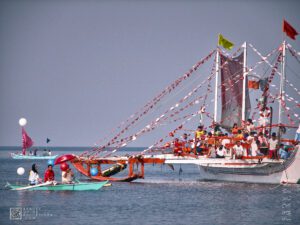

Each year, the Sigpawan Festival, which is held in Lemery, Batangas, takes place on Easter Sunday. The highlight of the festival is the Fluvial procession
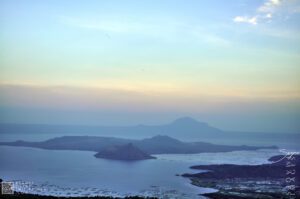

Rising dramatically from the serene waters of Taal Lake in Batangas Province, Taal Volcano immediately captures attention with its extraordinary configuration — a volcano on


Tingloy is a unique municipality in Batangas Province, occupying Maricaban Island along with Caban Island and several smaller islets just south of the Calumpang Peninsula.
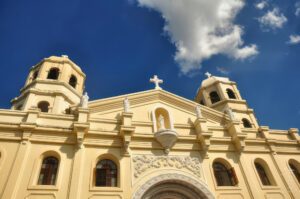

It was once a stone church, that was built during the Spanish colonial era in Tanauan, Batangas, and was known as Tanauan Church or St

BROWSE BY CATEGORIES
BROWSE BY PROVINCE