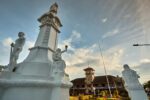
Zamboanga City Hall: A Heritage Anchor at the Heart of Plaza Rizal
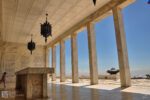
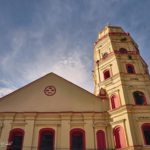
Built between 1905 and 1907, the Zamboanga City Hall, officially known as Bahay Pamahalaan ng Lungsod ng Zamboanga, is a striking landmark that stands as
Exploring Zamboanga City is like moving through a crossroads of culture, history, and coastal scenery. The city sits on a narrow peninsula, bordered by sea on multiple sides, giving it a unique rhythm where water, wind, and urban life converge naturally. Streets, plazas, and markets unfold at a pace that encourages careful observation, with color, sound, and texture present at every turn.
The city center showcases its layered heritage. Spanish-era architecture mixes with modern constructions, while landmarks like Fort Pilar stand as both historical reminders and community anchors. Walking along the streets near the plaza, you notice details that tell stories: intricate woodwork on doors, colorful signage, and local vendors selling foods and crafts, all forming the city’s everyday tapestry.
In neighborhoods like Tanque and Sta. Catalina, cultural influences are visible in both architecture and daily life. Mosques and churches exist within sight of each other, and the sounds of street life — children playing, vendors calling, boats docking — create a rhythm unique to Zamboanga. Photography opportunities appear naturally, capturing contrasts between historic structures and lively community interactions.

Built between 1905 and 1907, the Zamboanga City Hall, officially known as Bahay Pamahalaan ng Lungsod ng Zamboanga, is a striking landmark that stands as

Located in the heart of Zamboanga City, the Taluksangay Mosque stands as a beacon of Islamic heritage and cultural significance. As the oldest mosque in

Driving through Tumaga Road in Barangay Sta. Maria, I remember how the dome appeared before I even realized I was looking for it. The colors

Coastal life defines areas like Pasonanca and Recodo. Fishing communities set out early, and the rhythm of tides dictates work and leisure. Beaches here are less about tourism spectacle and more about daily life in balance with nature. The sunset reflects on calm waters, creating quiet compositions that reward patient observation.
Food in Zamboanga City reflects its multicultural identity. Dishes like curacha, satti, and local seafood specialties are prepared with flavors influenced by native, Malay, and Spanish traditions. Street stalls and local eateries offer authentic experiences, where meals are social, flavorful, and deeply tied to place.
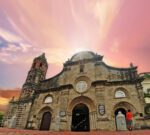
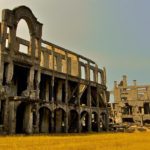
As a traveler and photographer, what stands out in Zamboanga City is the way history, community, and the sea coexist. Streets, coastlines, and plazas each have their own pace, allowing you to capture the city in moments that feel genuine rather than staged.
Leaving Zamboanga City, the images that linger are not just of fortresses or sunsets, but of daily life moving seamlessly alongside history and nature.
EXPLORE MORE ABOUT THE
Philippines
BROWSE BY CATEGORIES
BROWSE BY PROVINCE