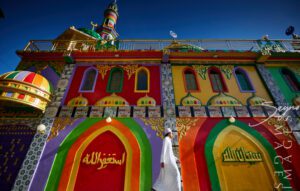
Rainbow Mosque: A Vibrant Beacon of Culture and Peace
Zamboanga City, known as “Asia’s Latin City,” has no shortage of fascinating sites—but tucked along Tumaga Road in Barangay Sta. Maria is a standout gem
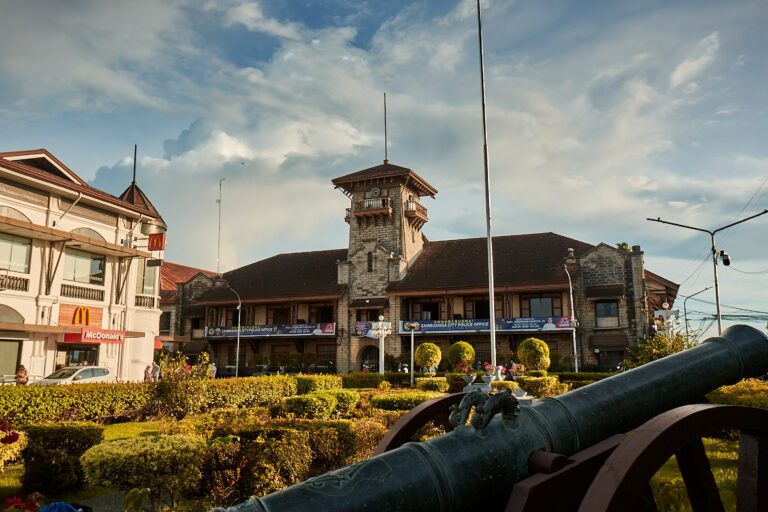
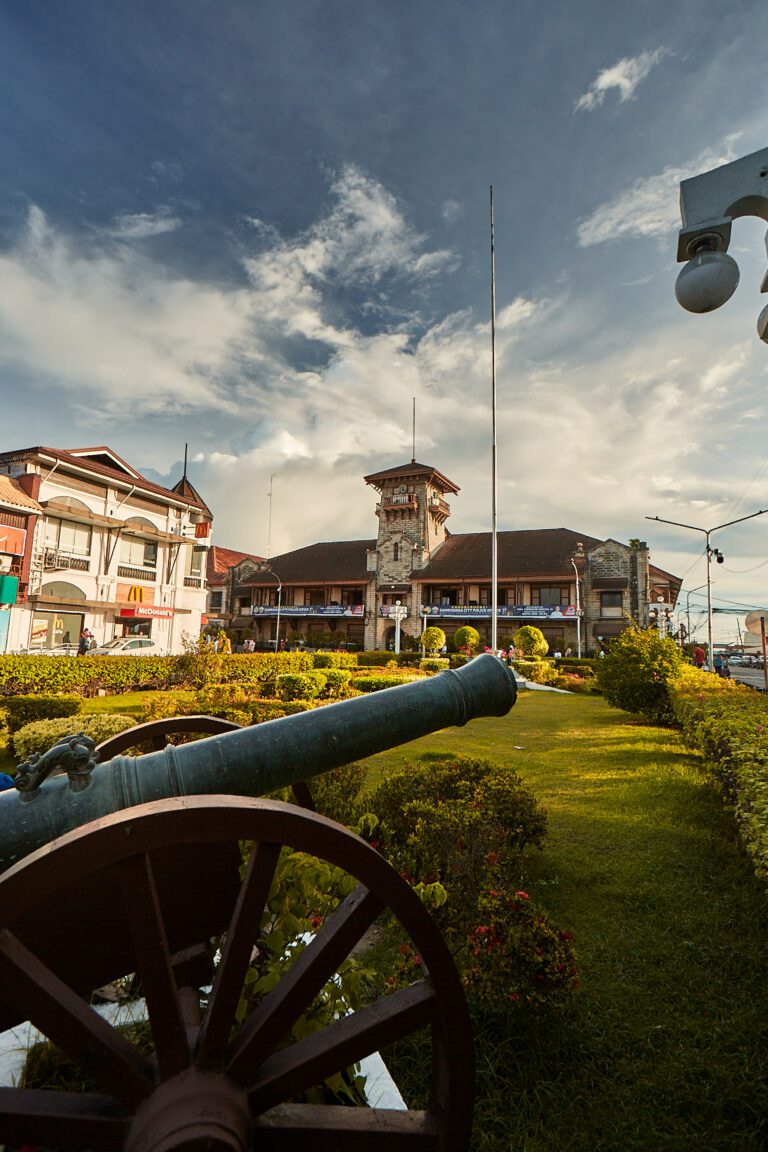
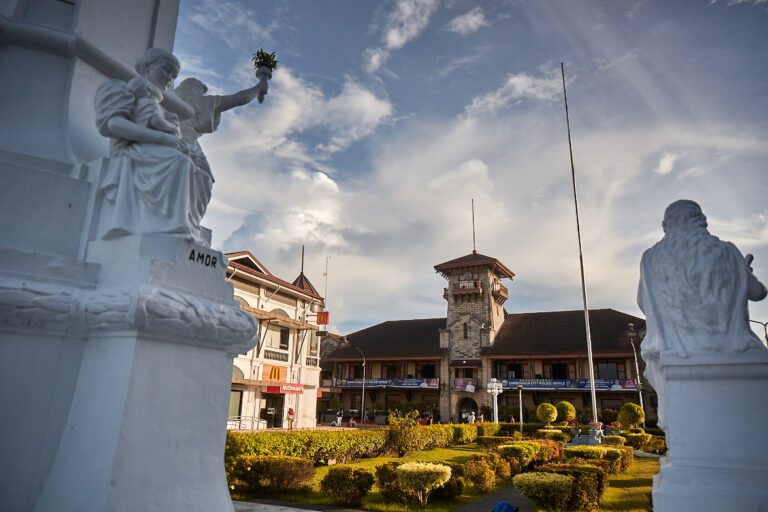
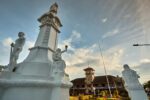
Built between 1905 and 1907, the Zamboanga City Hall, officially known as Bahay Pamahalaan ng Lungsod ng Zamboanga, is a striking landmark that stands as a testament to the city’s rich historical and architectural heritage. Serving as the seat of the local government of Zamboanga City in Mindanao, this iconic building is a cornerstone of civic life and a symbol of the region’s historical evolution.
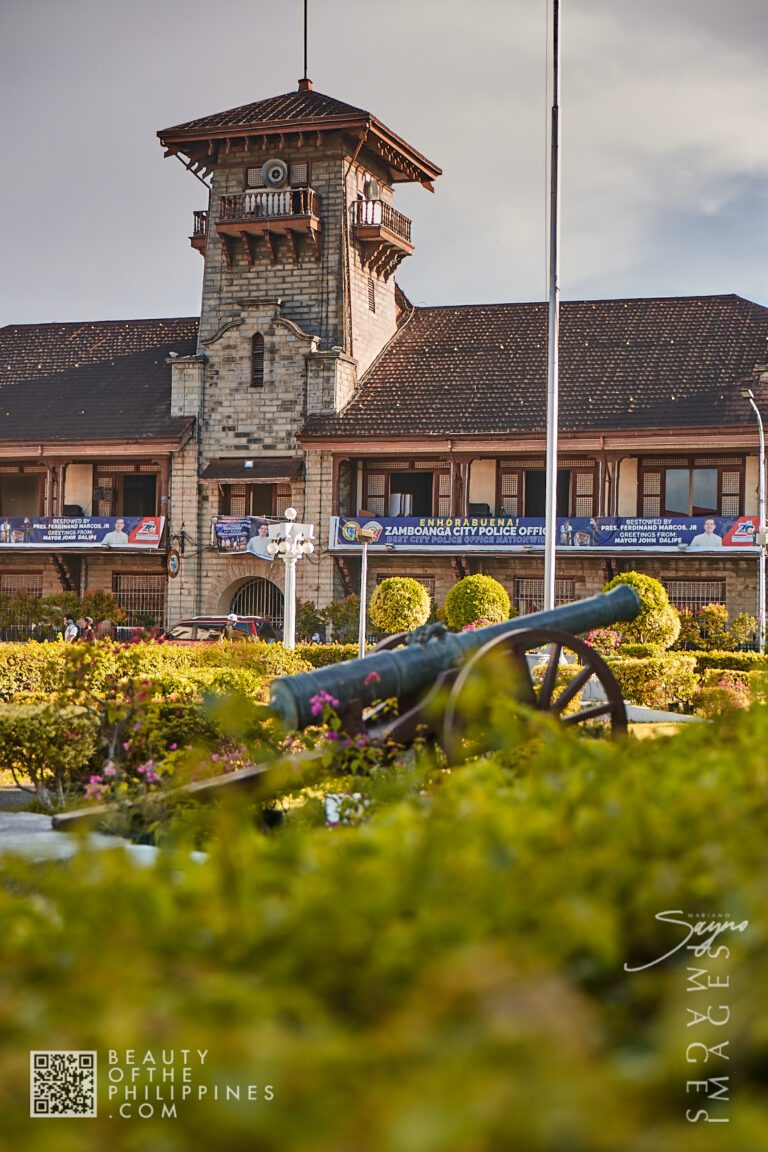
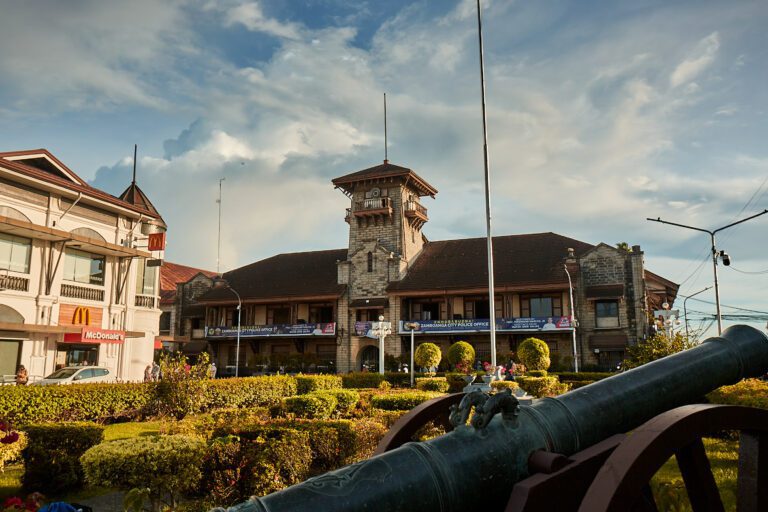
ABOVE: The Zamboanga City Hall, constructed between 1905 and 1907, is a striking symbol of Zamboanga City’s rich historical and architectural heritage.
Originally constructed to serve as the seat of the Moro Province, the Zamboanga City Hall played a central role in regional governance. In 1914, it became the headquarters of the Department of Mindanao and Sulu, reflecting the period’s American administrative influence. The building witnessed the leadership of notable American governors such as Leonard Wood, Tasker H. Bliss, Ralph W. Hoyt, and Major John Pershing. When Zamboanga was granted city status on February 26, 1937, the building was repurposed as the city hall, continuing its role as a central hub of governance.
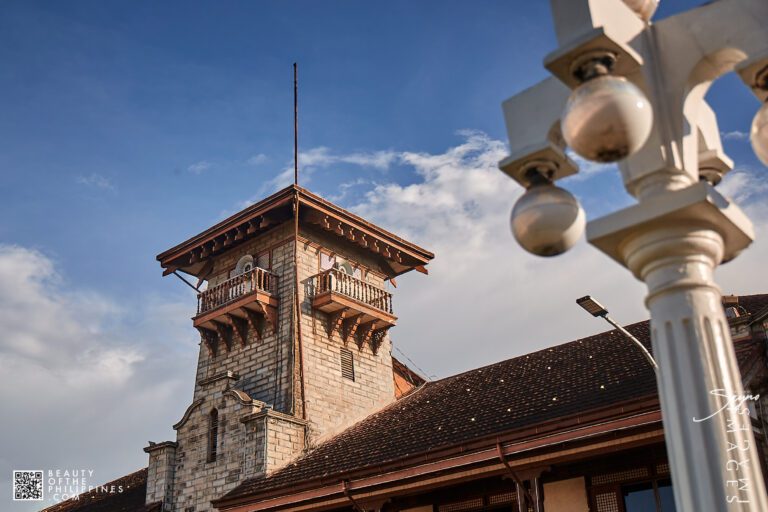
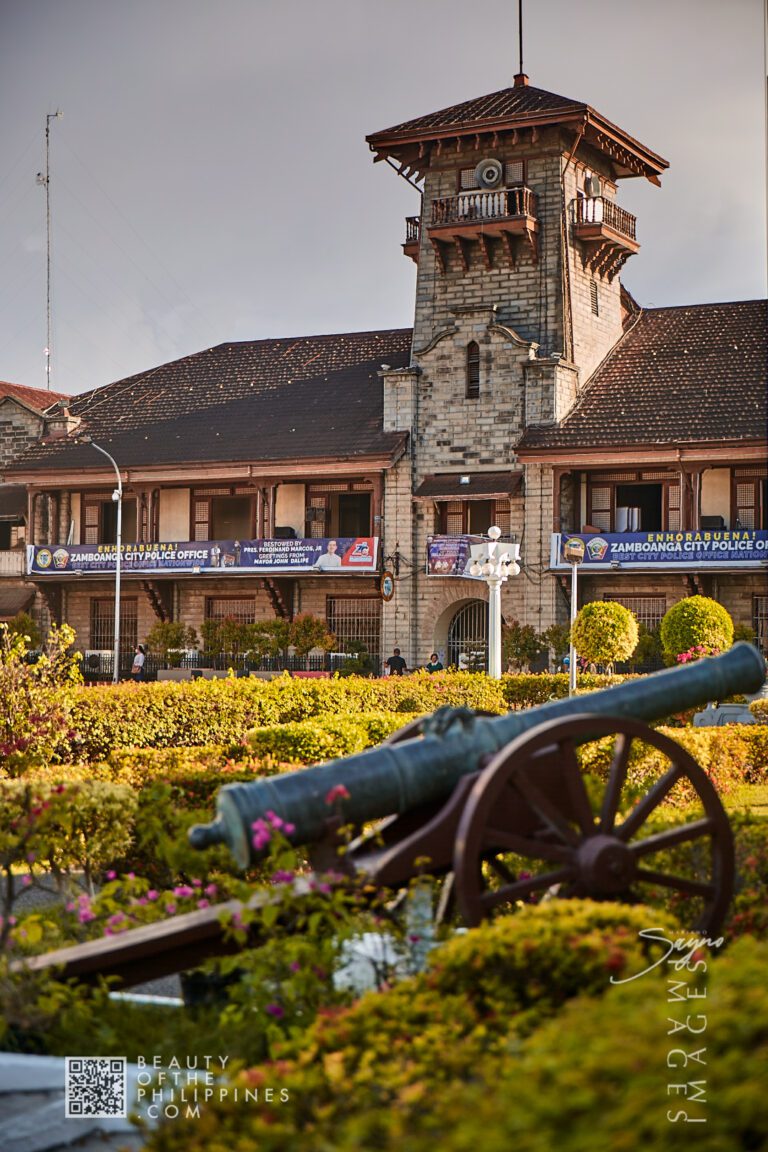
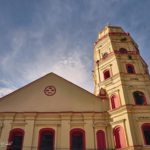
ABOVE: The City Hall’s central tower, designed by William Parsons, stands as a striking feature of Spanish-colonial architecture, adorned with decorative corbels, cantilevered balconies, and a functional clock.
Designed by the esteemed American architect William Parsons, the City Hall is a prime example of Spanish-colonial architecture, characterized by its elegant and stately design. The building features a prominent central tower, which is the focal point of its architecture. The tower is crowned with a hip roof adorned with decorative corbels and cantilevered wooden balconies, while a clock resides at its peak, adding both functionality and charm to the structure.
The ground floor of the City Hall is distinguished by a grand arched entrance, which leads visitors to an impressive stairwell that ascends to the upper stories. On either side of the central tower, the wings of the building are marked by rusticated stone blocks, intricate carved corbels, and additional cantilevered balconies. These wings end in faux facades, where media aguas (awnings) provide shelter to the windows. These faux facades are part of a thoughtfully designed U-shaped plan, with the wings extending perpendicularly from the main structure to create a cohesive and commanding presence.
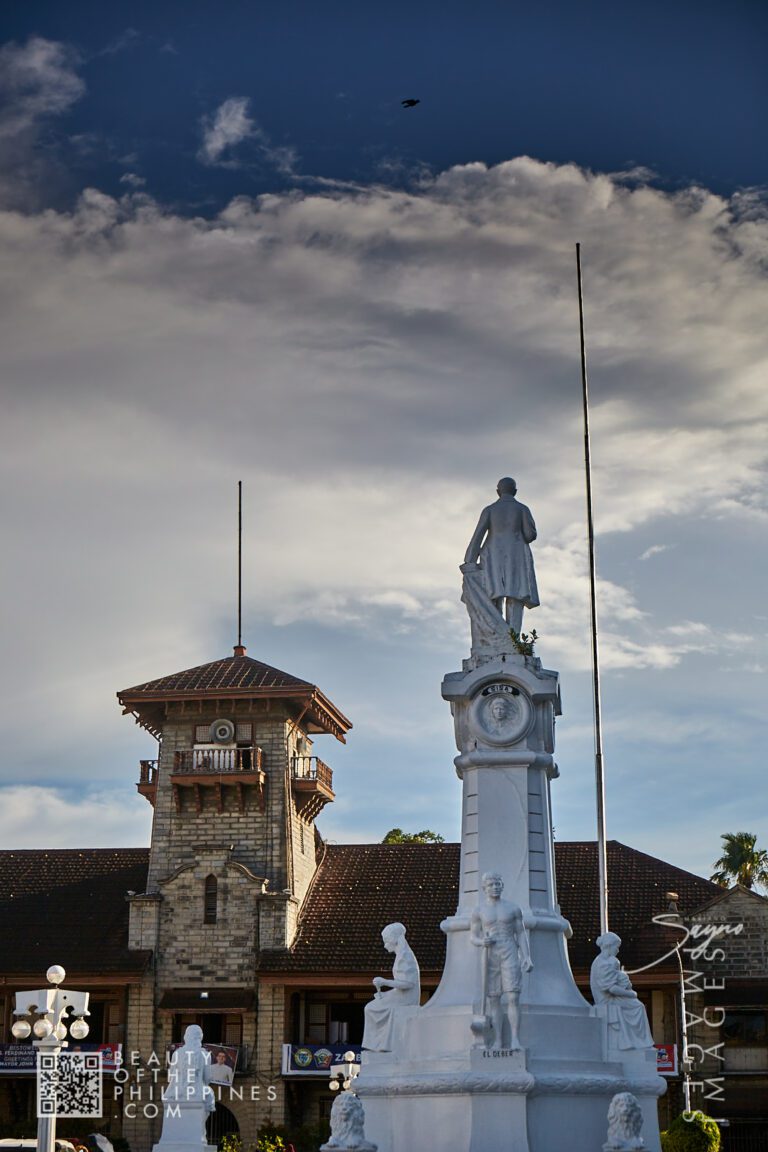
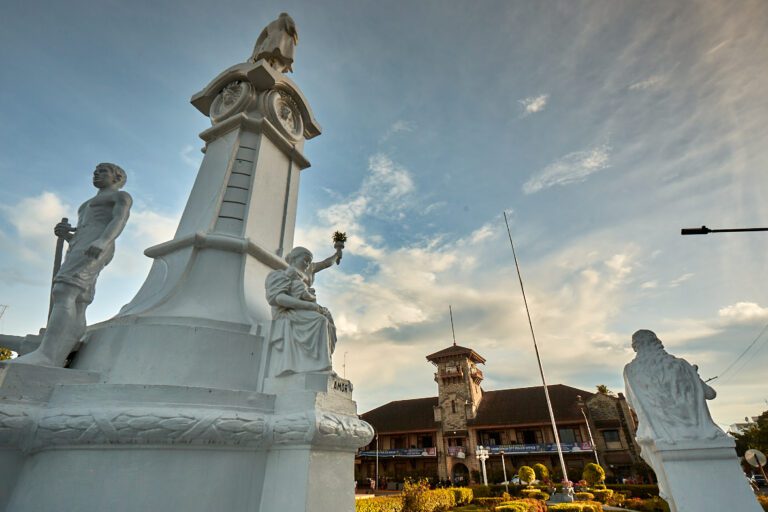
The Zamboanga City Hall’s architectural splendor is beautifully showcased from its location at one end of Plaza Rizal (Rizal Park). This picturesque setting enhances the building’s grandeur, offering a striking view of the City Hall against the backdrop of the park’s open spaces. As a National Historical Site recognized by the National Historical Commission of the Philippines, the City Hall holds significant cultural and historical value. Its enduring beauty and historical importance make it a cherished landmark, reflecting the rich heritage and evolving history of Zamboanga City.
ABOVE: Originally the Moro Province seat and later Zamboanga City Hall, the building has been a key administrative hub since the American governance era and the city’s establishment in 1937.
RELATED STORIES

Zamboanga City, known as “Asia’s Latin City,” has no shortage of fascinating sites—but tucked along Tumaga Road in Barangay Sta. Maria is a standout gem


Located in the heart of Zamboanga City, the Taluksangay Mosque stands as a beacon of Islamic heritage and cultural significance. As the oldest mosque in


I’m looking forward to the stories and images leaving a lasting positive impression on you, just as they have on me. Stay connected with us on social media for a weekly exploration of travel assignments and breathtaking visuals. Our focus is on championing local tourism, showcasing small businesses, and honoring the magnificence of the Philippines through the content we curate. Join us in spreading the word by clicking the ‘share’ buttons below. Your support means the world to us.
EXPLORE MORE about


Zamboanga City, known as “Asia’s Latin City,” has no shortage of fascinating sites—but tucked along Tumaga Road in Barangay Sta. Maria is a standout gem


Located in the heart of Zamboanga City, the Taluksangay Mosque stands as a beacon of Islamic heritage and cultural significance. As the oldest mosque in
BROWSE BY CATEGORIES
BROWSE BY PROVINCE