Sigpawan Festival: Lemery’s Vibrant Easter Celebration of Bounty and Culture
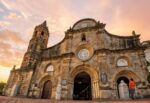
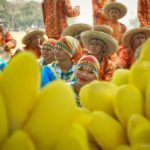
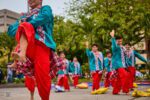
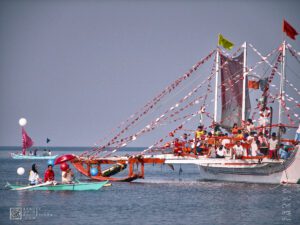
Each year, the Sigpawan Festival, which is held in Lemery, Batangas, takes place on Easter Sunday. The highlight of the festival is the Fluvial procession

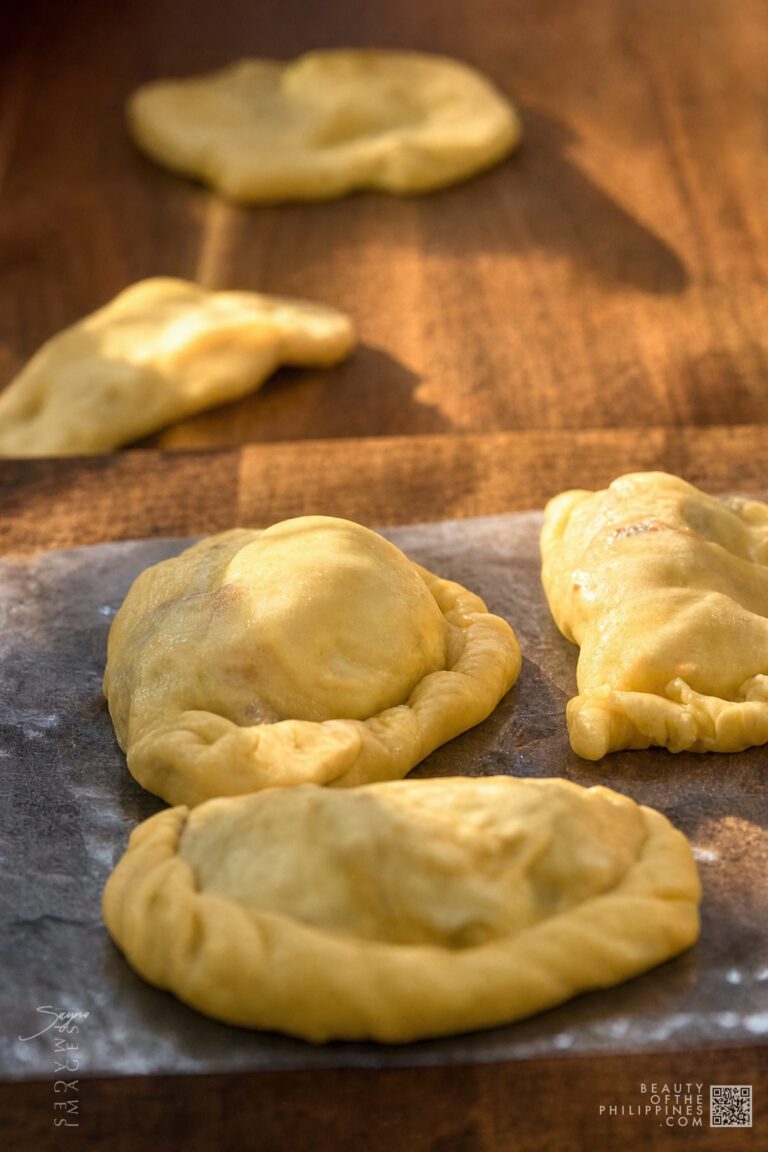
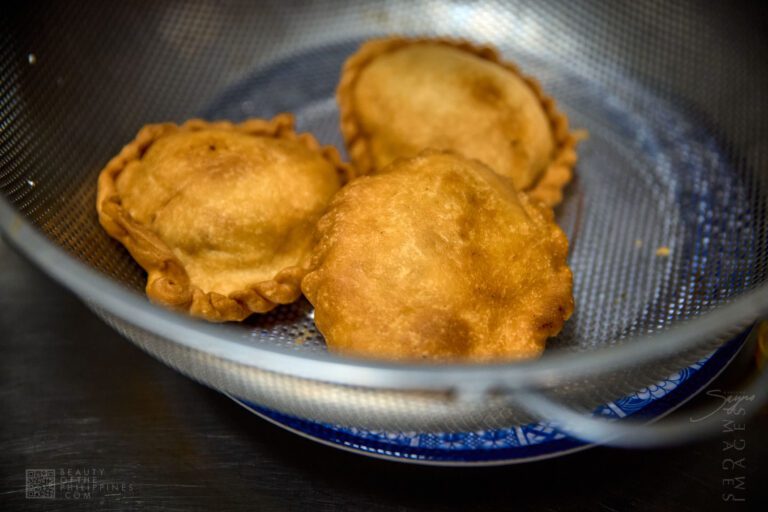
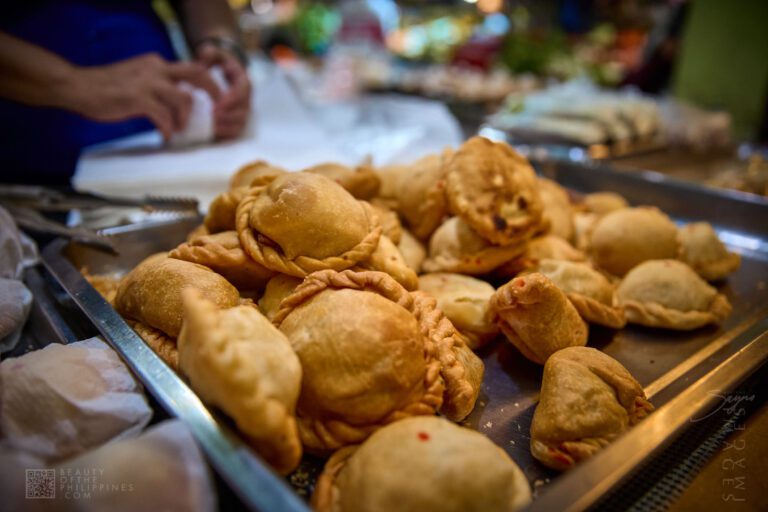
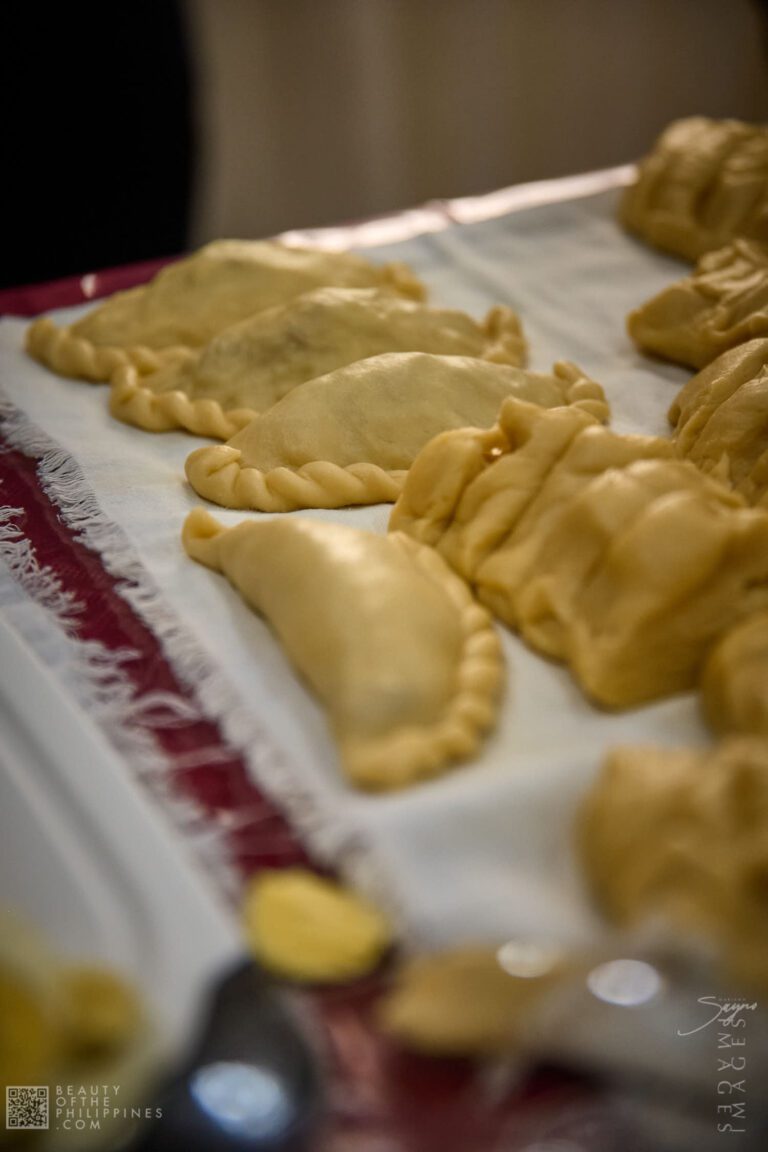
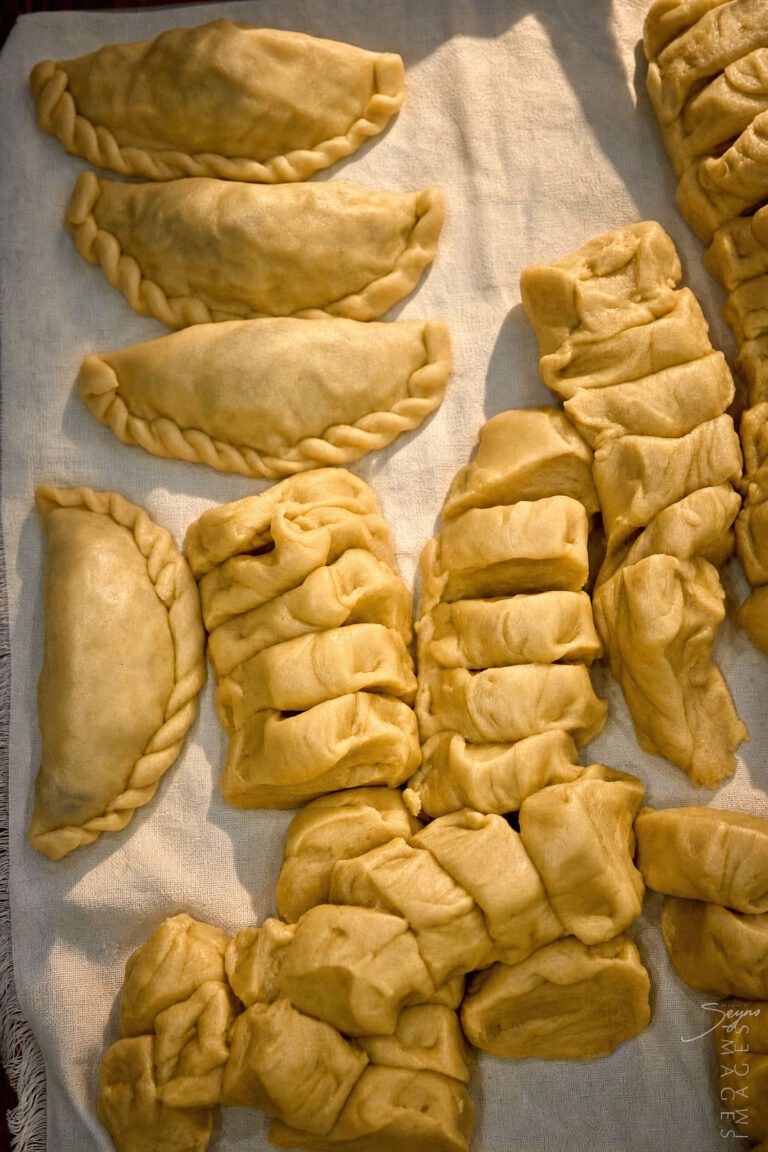
A visit to Taal Public Market offers more than a glimpse into the everyday rhythm of a Batangueño town. Among the local products found in the market, Taal Empanada, also known as Empanadang Taal, stands out as one of the delicacies closely associated with the municipality. The pastry brings together a crisp, fried exterior and a savory filling, making it a familiar merienda and a food worth seeking out while exploring Taal, Batangas.
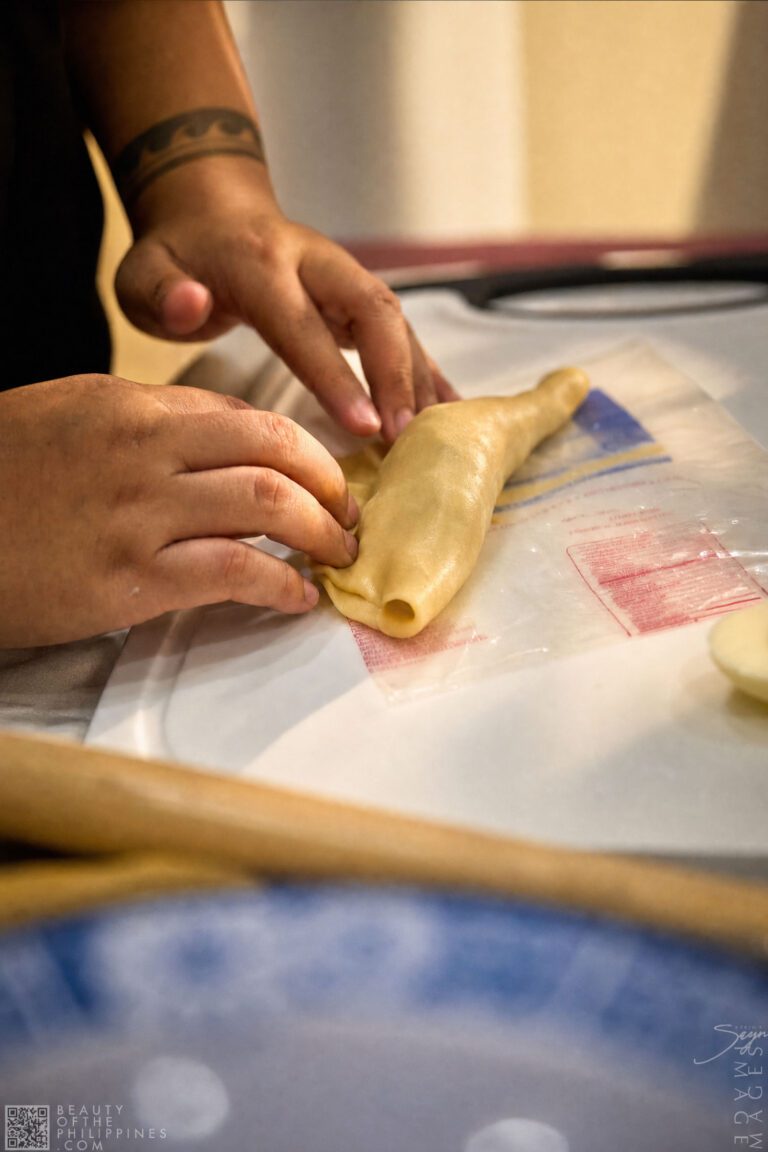
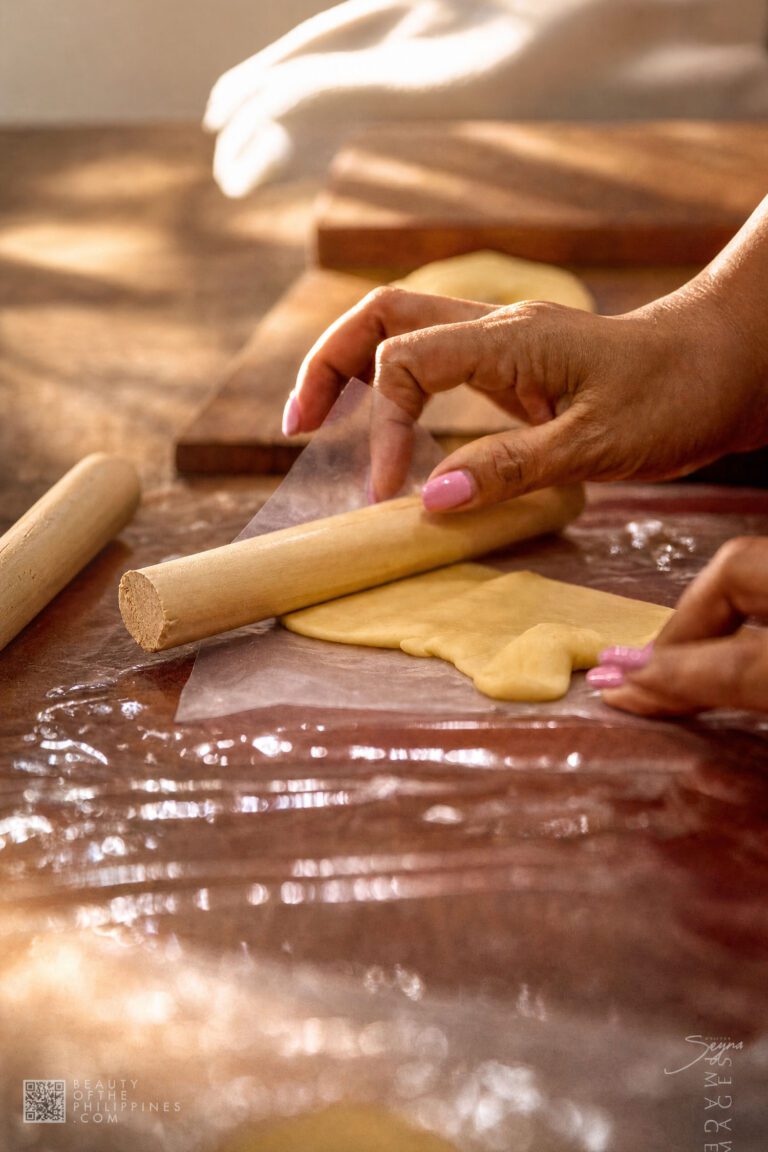
What gives Taal Empanada its local character is the filling. Unlike versions that rely mainly on meat and vegetables, the Taal style is known for incorporating sotanghon, or rice noodles, into the mixture. Depending on the vendor and recipe, the filling may also include meat, vegetables, egg, or other ingredients, so the exact combination can vary from one stall to another. The result is a distinctly local interpretation of the familiar Filipino empanada.
The experience of eating Taal Empanada is closely connected to the market itself. Rather than being presented only as a packaged souvenir, the empanada has traditionally been sold as freshly cooked food, with visitors able to enjoy it while it is still hot and crisp. Earlier accounts of the Taal Public Market specifically described empanada being cooked in the market and recommended eating it fresh, highlighting the simple appeal of having a warm piece straight from the cooking area.
For travelers exploring Taal, the importance of the empanada goes beyond its role as a quick snack. It belongs to a wider group of food and craft products that help define the town’s local identity. Empanada, longganisa, panutsa, suman, balisong, barong Tagalog, tapa, tamales, tawilis, and tulingan are all associated with Taal’s culinary and cultural traditions, a connection formally reflected in the name of the town’s El Pasubat Festival.
The Taal Public Market is particularly useful as a starting point for discovering these local flavors because it brings everyday commerce and food traditions into the same setting. The municipal tourism website itself lists the public market among Taal’s places to dine, while municipal records identify it as a public-market facility in the poblacion. For visitors, that makes the market a practical stop before or after exploring the town’s heritage streets and historic landmarks.
The setting matters because Taal is not simply a food destination. The municipality developed a strong heritage identity through its historic houses, churches, crafts, and long-established local products. Its present town center also reflects a major chapter in its history: after the devastating 18th-century eruption of Taal Volcano, the settlement was transferred to its present location in 1754. Over time, the town developed into the heritage-rich community visitors explore today.
That makes Taal Empanada particularly easy to incorporate into a day of sightseeing. A visitor can explore the town’s heritage attractions, stop at the public market for local food, and continue through the surrounding streets where old houses, religious landmarks, and traditional businesses remain part of the local landscape. The municipal tourism office lists destinations such as the Basilica of St. Martin de Tours, Our Lady of Caysasay Shrine, Escuela Pia, Well of Sta. Lucia, and Casa Real among the places to explore around town.
What to Expect When Trying Taal Empanada
Because recipes and fillings can differ among sellers, it is better to approach Taal Empanada as a local food tradition rather than assume that every piece will taste exactly the same. Some documented versions use pork, chicken, beef, or vegetables, while the inclusion of sotanghon gives the Taal style an especially recognizable texture. For a first tasting, trying more than one filling when available can be a worthwhile way to notice the differences between individual recipes and vendors.
RELATED STORIES

Each year, the Sigpawan Festival, which is held in Lemery, Batangas, takes place on Easter Sunday. The highlight of the festival is the Fluvial procession


Tucked away in the historic town of Taal, Batangas, the Sta. Lucia Miracle Well—locally known as Balon ng Sta. Lucia—is more than just a quiet,


It was once a stone church, that was built during the Spanish colonial era in Tanauan, Batangas, and was known as Tanauan Church or St


This Minor Basilica is canonically known as the Minor Basilica of Saint Martin of Tours and is located in the town of Taal, Batangas, within
A food stop at Taal Public Market also provides a more grounded way to experience the municipality. Instead of encountering Taal only through its famous ancestral houses and religious landmarks, visitors can see how local food continues to function as part of everyday community life. The empanada sits naturally alongside other market specialties and becomes one small but flavorful entry point into the culinary character of the town.
For anyone making a culinary stop in Taal, Batangas, the search for Taal Empanada is part of discovering what makes the town different from a typical food destination. Its combination of a fried pastry shell, savory filling, and the distinctive presence of sotanghon reflects a food tradition that has become closely associated with Taal. At the public market, that tradition can be experienced in its most straightforward setting: as a local food made for the people of the town and shared with visitors passing through.


I’m looking forward to the stories and images leaving a lasting positive impression on you, just as they have on me. Stay connected with us on social media for a weekly exploration of travel assignments and breathtaking visuals. Our focus is on championing local tourism, showcasing small businesses, and honoring the magnificence of the Philippines through the content we curate. Join us in spreading the word by clicking the ‘share’ buttons below. Your support means the world to us.
EXPLORE MORE about


When exploring heritage towns in the Philippines, Taal in Batangas always stands out. Often overshadowed by Taal Lake and Taal Volcano, the town itself is


Tucked away in the historic town of Taal, Batangas, the Sta. Lucia Miracle Well—locally known as Balon ng Sta. Lucia—is more than just a quiet,


You know that feeling when you just want to escape the city buzz and dive straight into a chill beach vibe? Well, Calatagan South Beach,


Tingloy is a unique municipality in Batangas Province, occupying Maricaban Island along with Caban Island and several smaller islets just south of the Calumpang Peninsula.


Each year, the Sigpawan Festival, which is held in Lemery, Batangas, takes place on Easter Sunday. The highlight of the festival is the Fluvial procession

The Nasugbu area has an extensive collection of beaches and snorkeling spots which make it a popular summer destination. There are numerous swimming-related activities and


If you’ve ever found yourself stuck in Metro traffic, daydreaming about the beach while scrolling through Instagram—Laiya Beach might just be the answer your soul’s


It was once a stone church, that was built during the Spanish colonial era in Tanauan, Batangas, and was known as Tanauan Church or St

Rising dramatically from the serene waters of Taal Lake in Batangas Province, Taal Volcano immediately captures attention with its extraordinary configuration — a volcano on


Taal Lake, located in Batangas on Luzon, is one of the Philippines’ most remarkable natural landscapes. This freshwater lake occupies a vast volcanic caldera, shaped


This Minor Basilica is canonically known as the Minor Basilica of Saint Martin of Tours and is located in the town of Taal, Batangas, within
Let’s be real—when you think of volcanoes, you probably imagine something massive and far-flung, right? But here in the Philippines, just 50-ish kilometers from Metro

Known as the Caysasay Church, the Shrine of Our Lady of Caysasay is located in Barrio Caysasay, Taal, Batangas. This is a coral-hewn chapel that

Taal Basilica stands at the heart of Taal Heritage Village in Batangas as both a monumental historic church and a living center of Catholic worship.
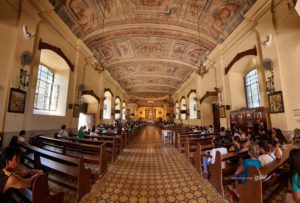

Calaca Church, formally the Saint Raphael the Archangel Parish Church, was established shortly after the founding of Calaca on May 10, 1835. By 1836, local
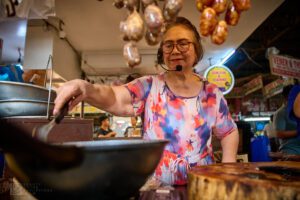

Tapang Taal is one of the culinary specialties that gives Taal, Batangas, a distinct food identity. Unlike the beef tapa commonly associated with Filipino breakfasts,


Taal Lake, also simply known as Lake Taal, is one of the Philippines’ most unique natural features — a volcanic lake occupying the caldera of


The Fantasy World theme park sits alone and quietly in Lemery, Batangas Province, and is known as the supposed Disney World as well as one


Among the many contributions of Balayan Bay that Batanguenos are proud of, the bay served as a fishing village and a summer retreat for locals


If you’re craving that sweet spot where calm meets adventure—where you can sip coffee while staring at a volcano, then hop on a kayak right


Located in Barangay Caloocan, Talisay, Batangas—just a couple of hours’ drive from Metro Manila—is a quiet little spot that’s as unbothered as it is underrated:


Standing before Taal Volcano, you quickly realize why it’s one of the Philippines’ most iconic natural landmarks. The sight of Volcano Island rising from the

BROWSE BY CATEGORIES
BROWSE BY PROVINCE