A&J Cafe: Exploring Gumaca One Sip at a Time
Finding A&J Cafe at J.P. Rizal Street corner E. Caparros Street in Barangay Pipisik, the space immediately communicates calm. Minimalist design, warm lighting, and an
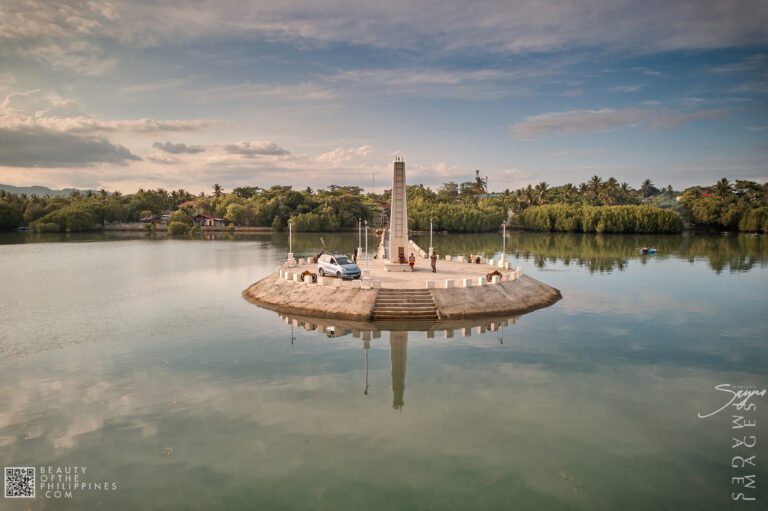
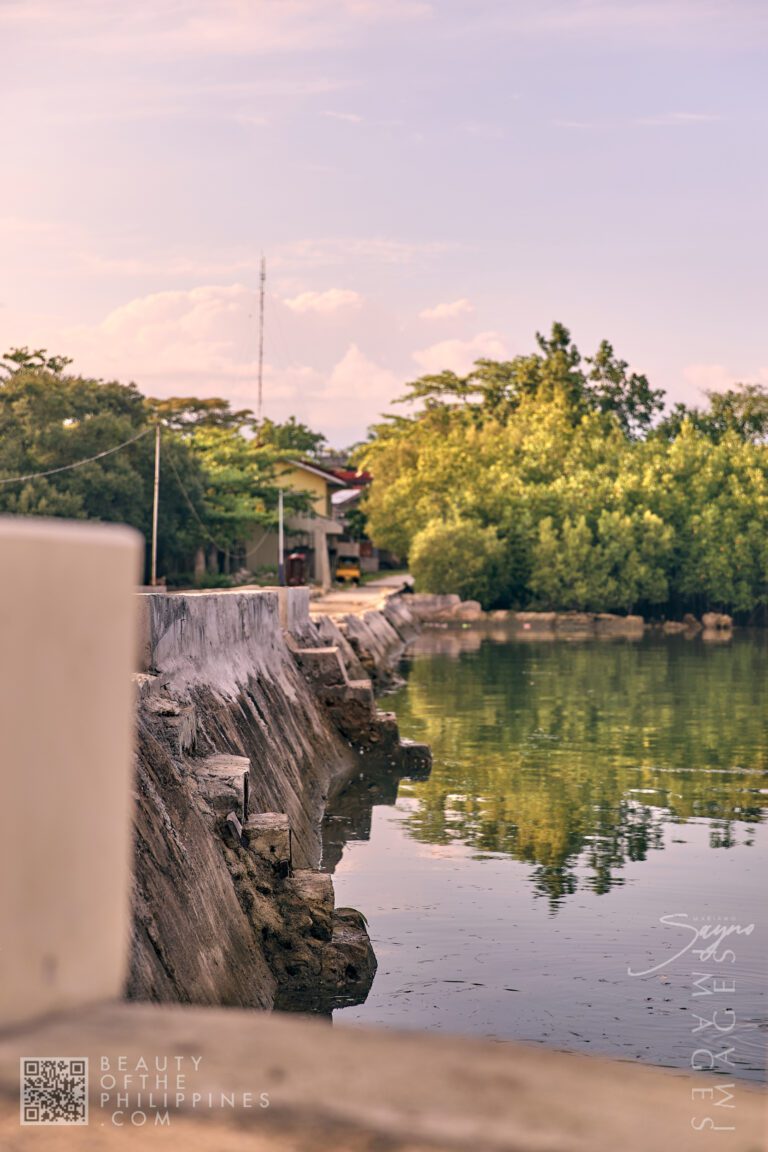
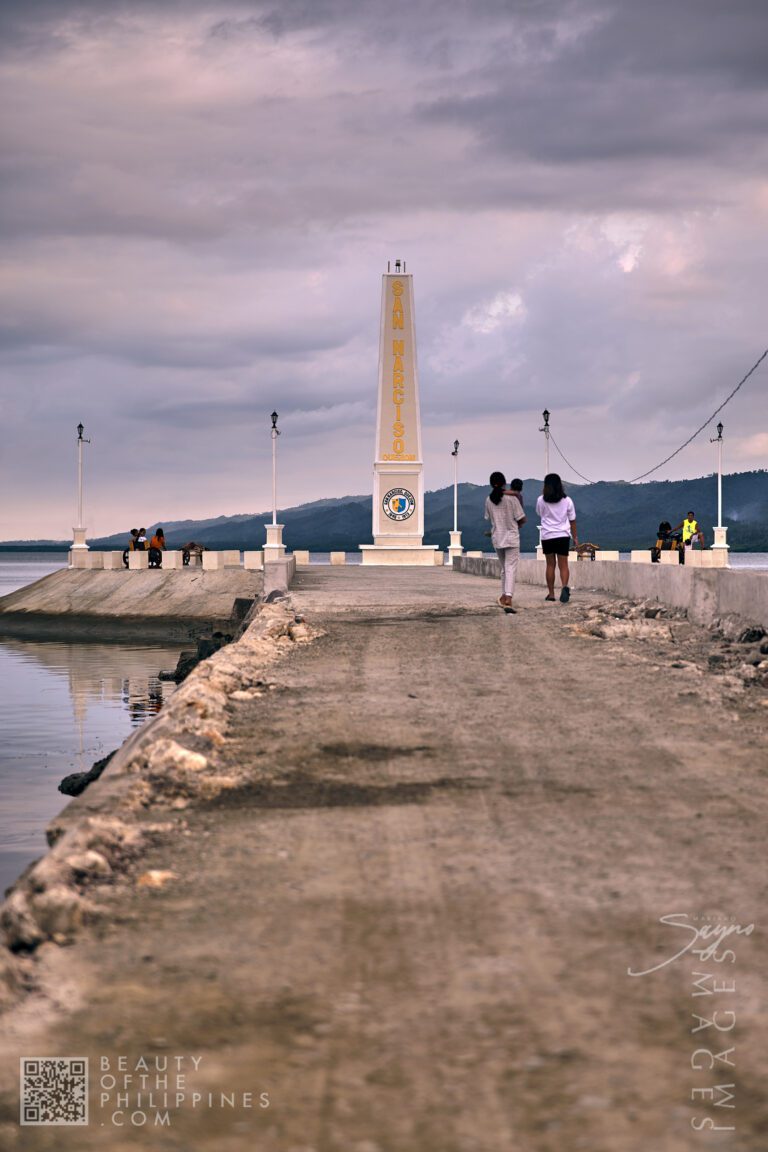
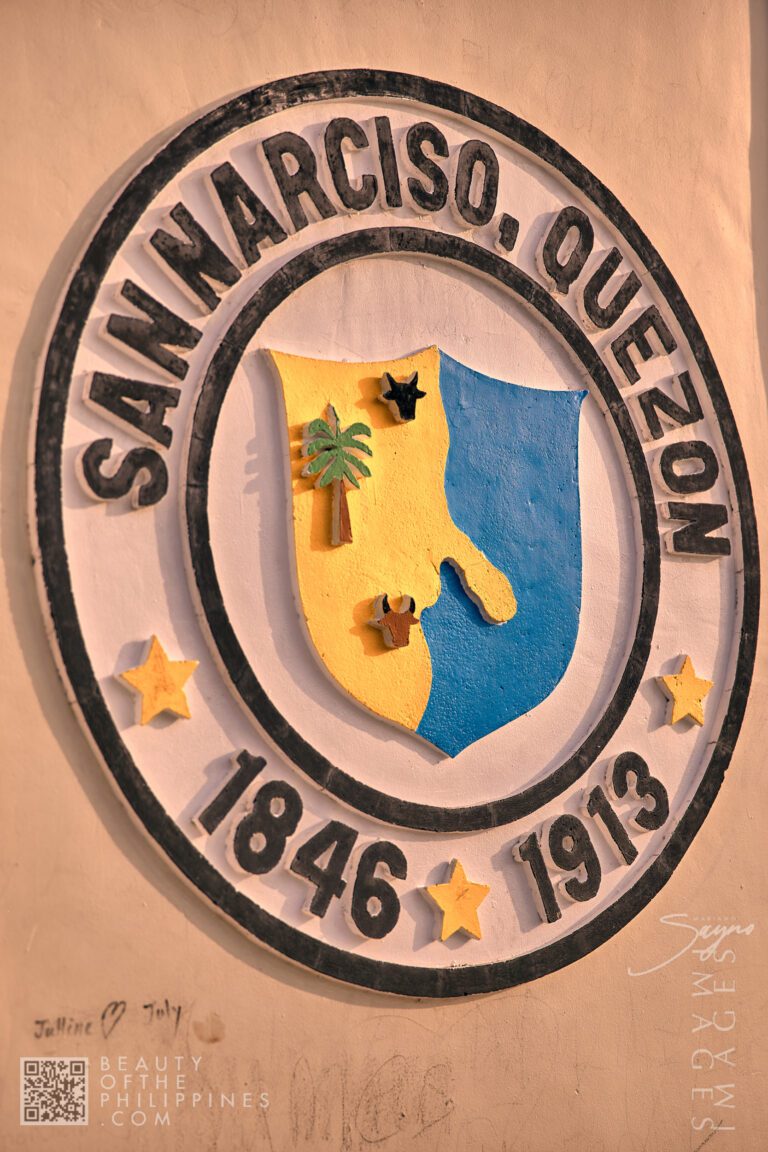
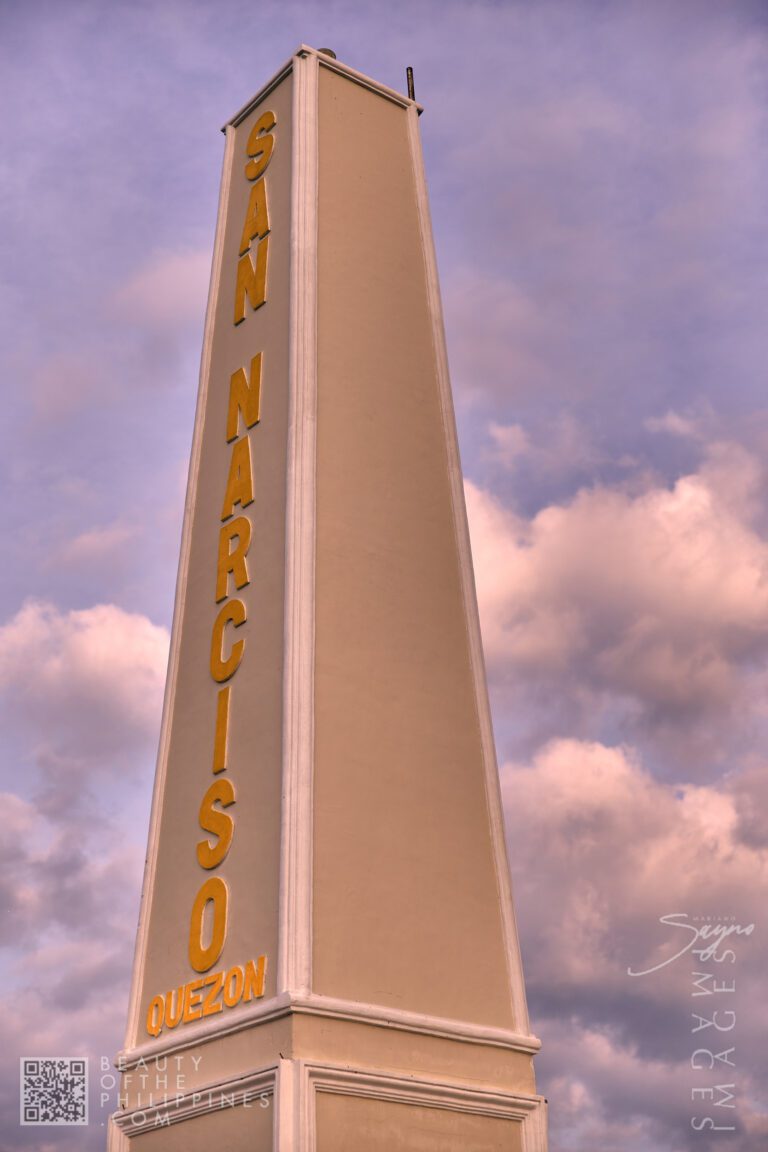
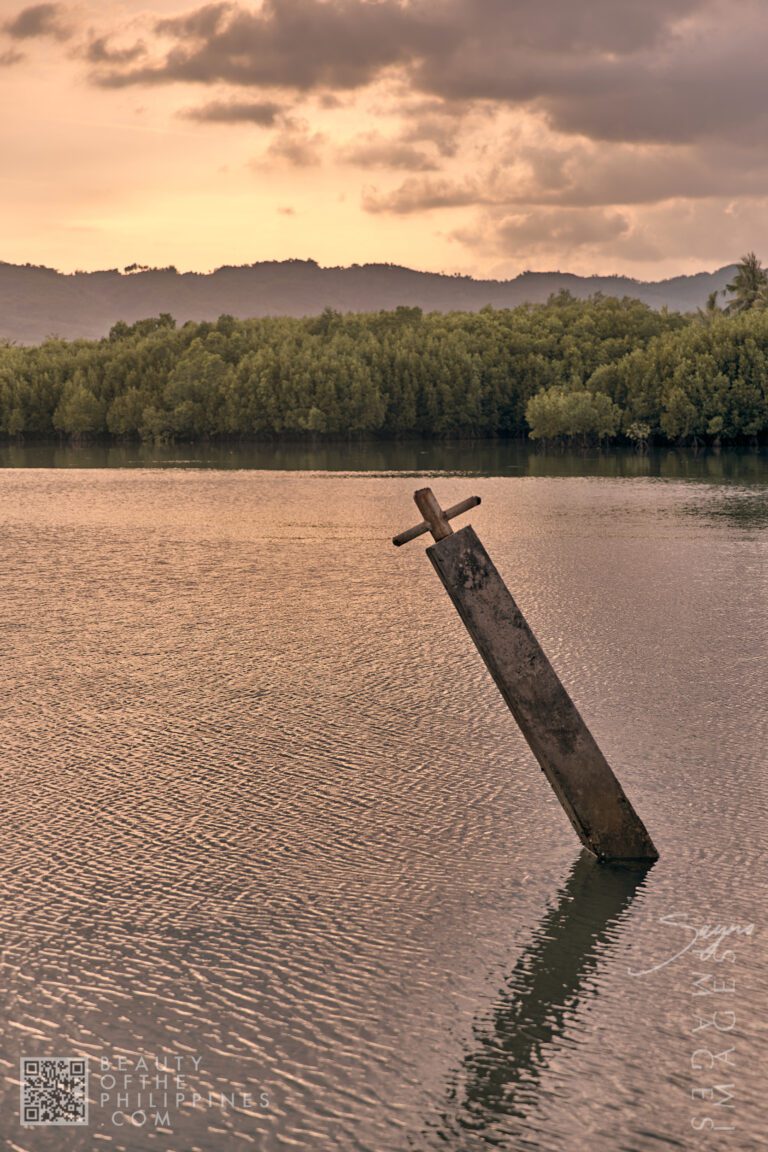
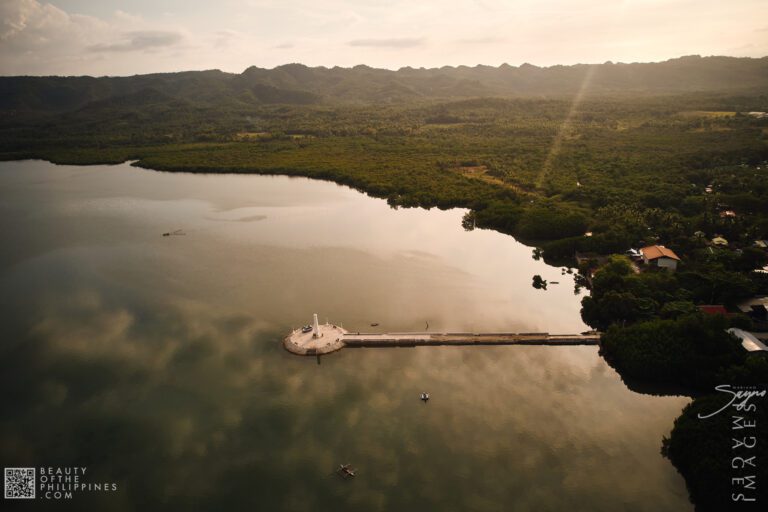
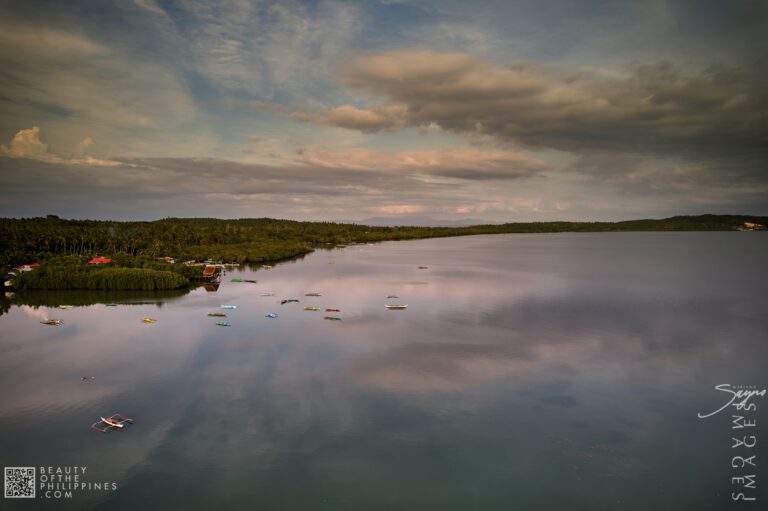
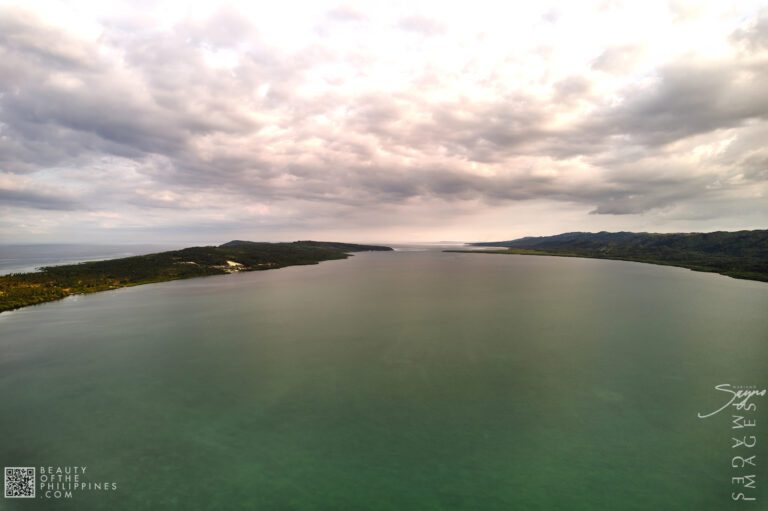
When people talk about ports in Quezon Province, the bigger and busier ones usually come to mind first. But further south, along the Bondoc Peninsula, San Narciso Port quietly does its work. Located in the municipality of San Narciso, within Region IV-A (CALABARZON) on southern Luzon Island, the port faces the Sibuyan Sea, not as a gateway for massive trade, but as a daily point of return for those who live by the water. Business listings place it along San Jose Street, close enough that homes, markets, and the shoreline feel like one continuous space.
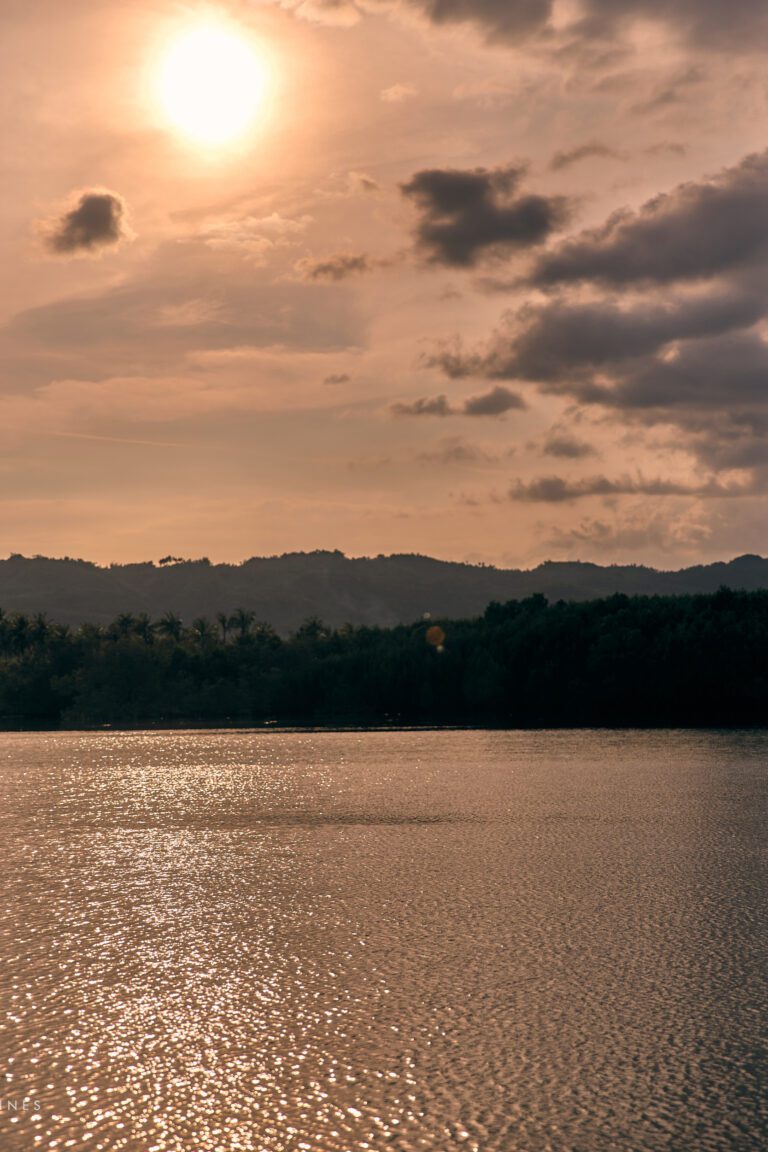
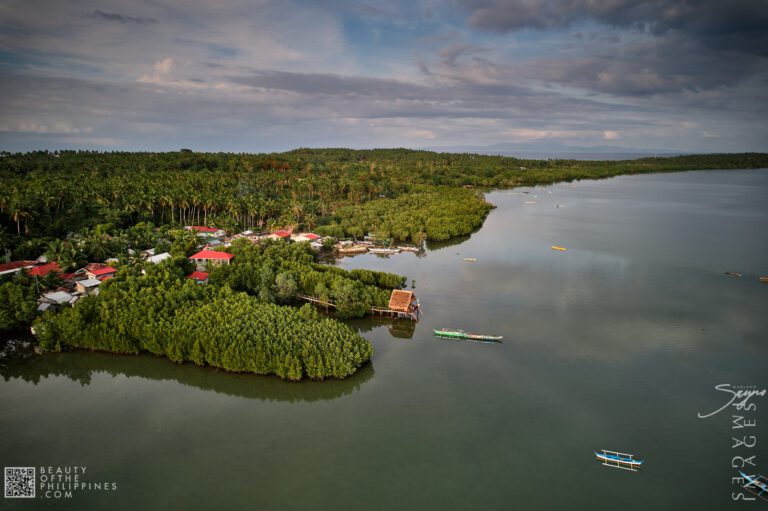
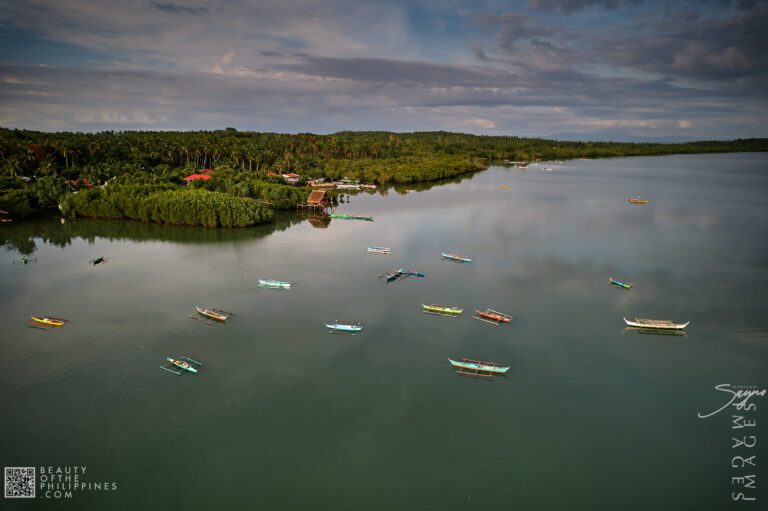
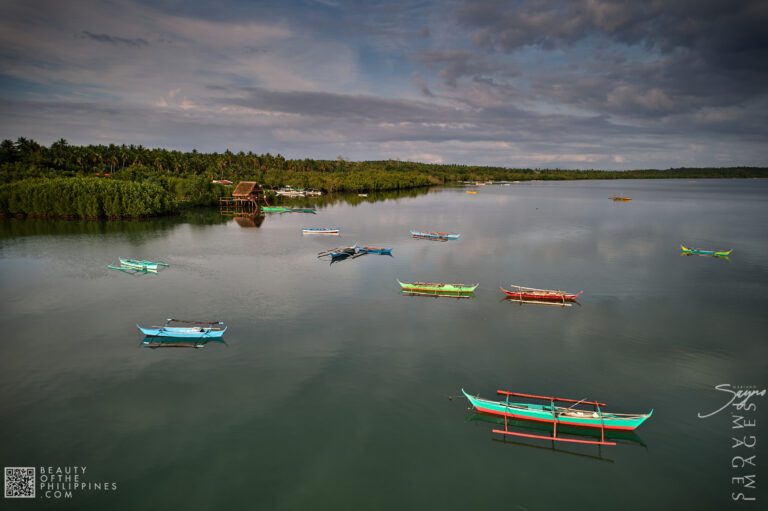
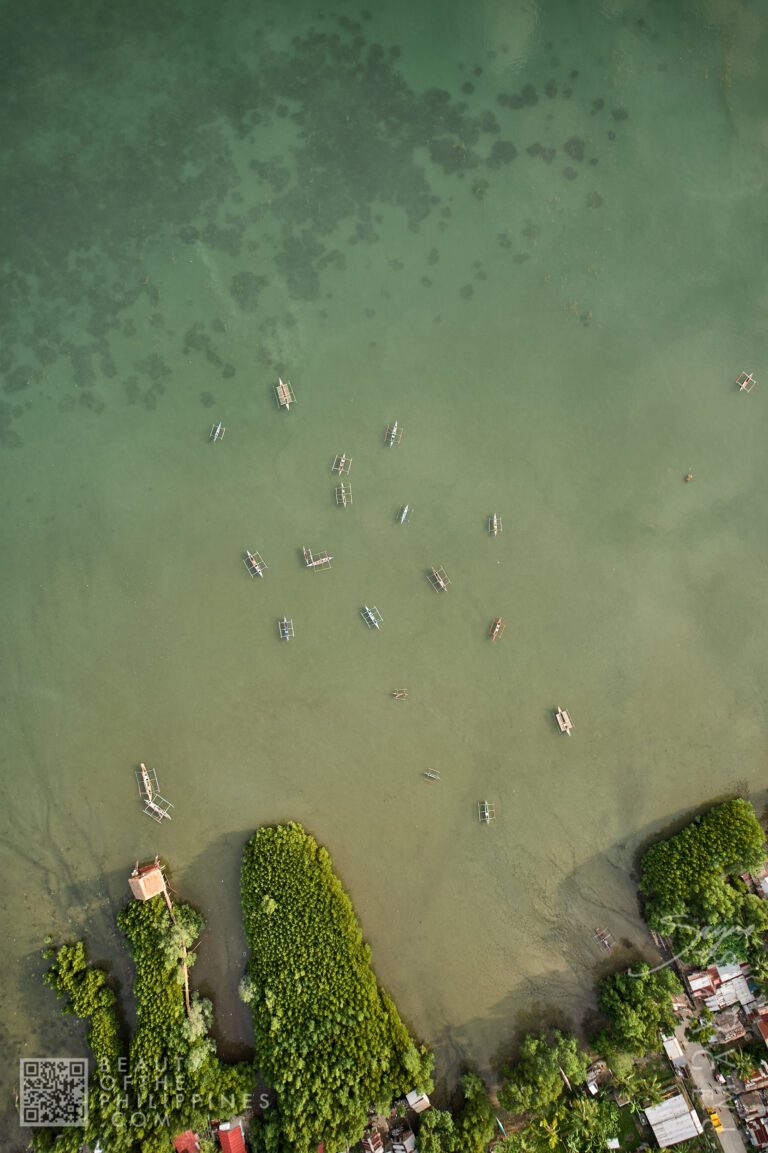
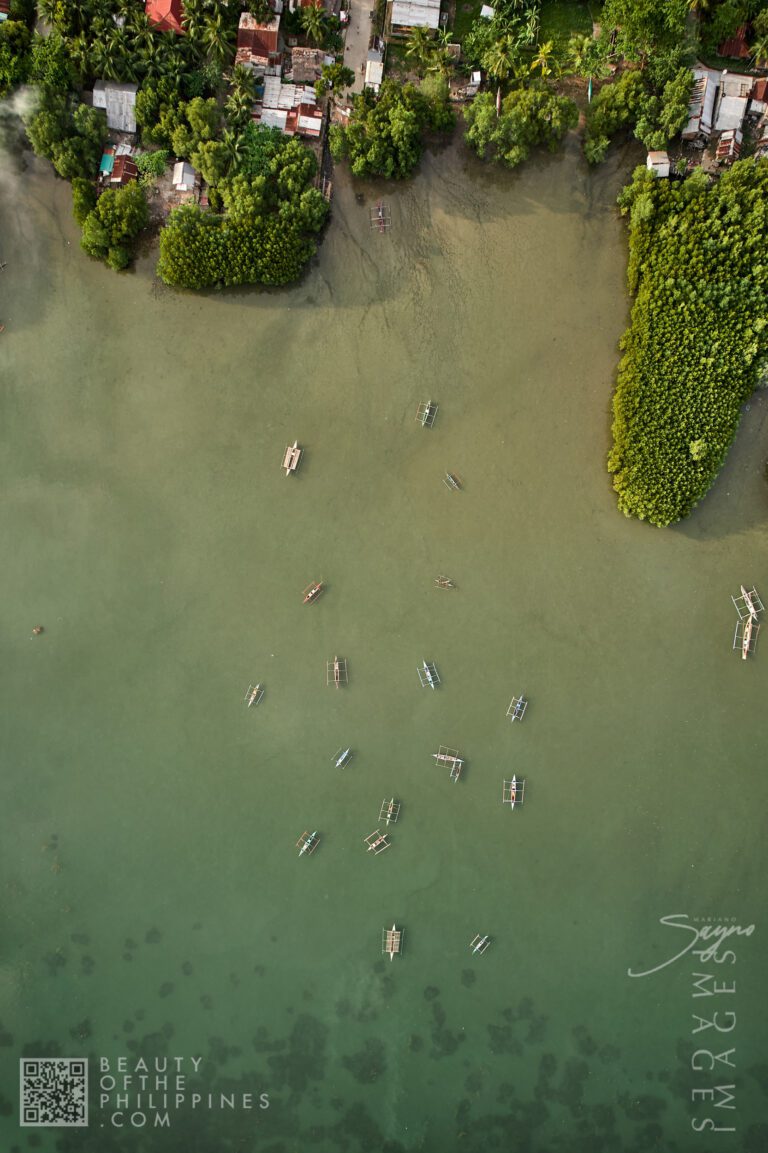
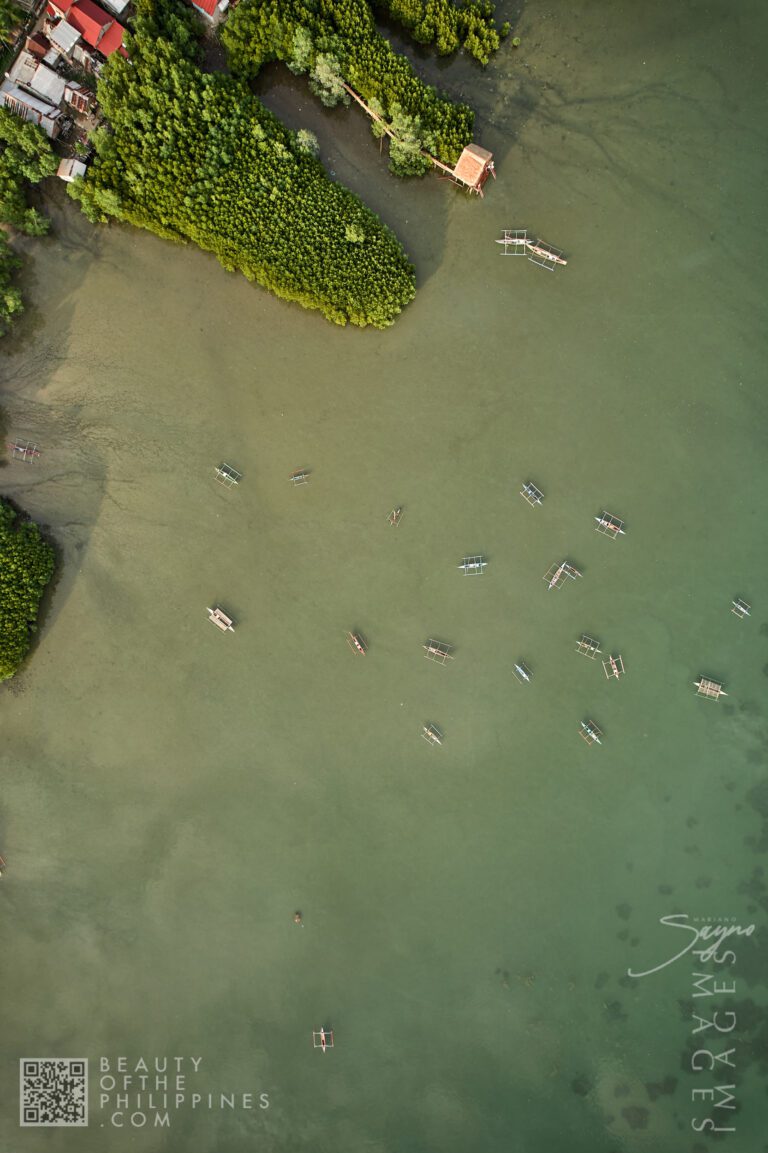
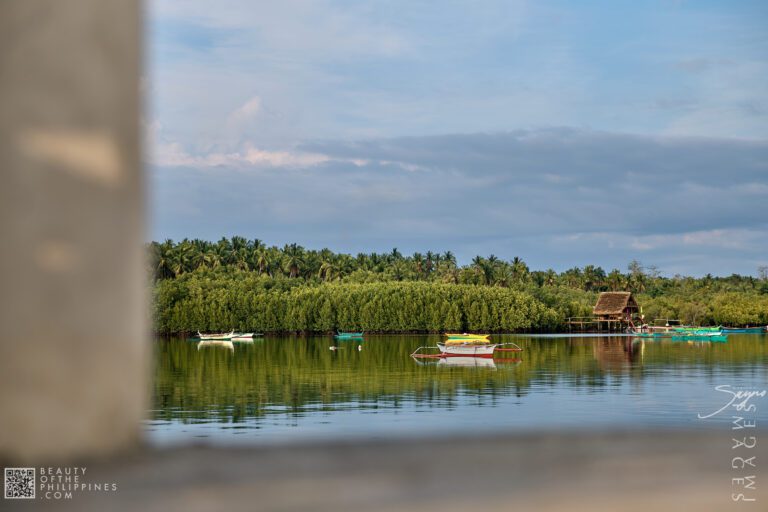
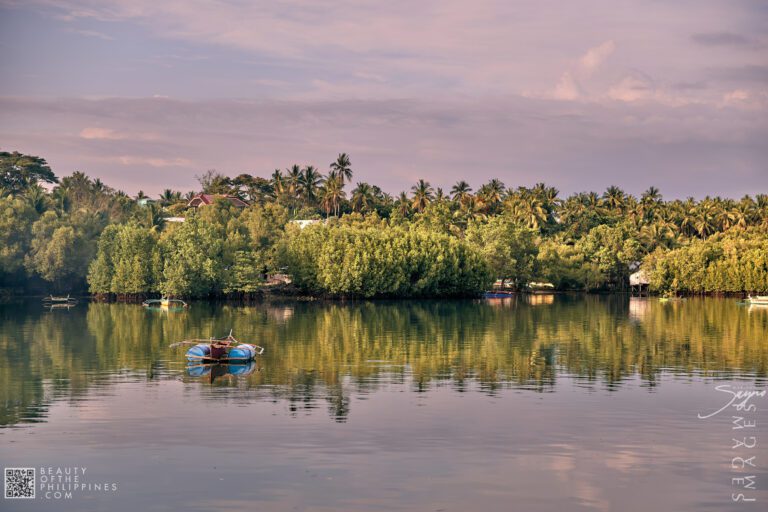
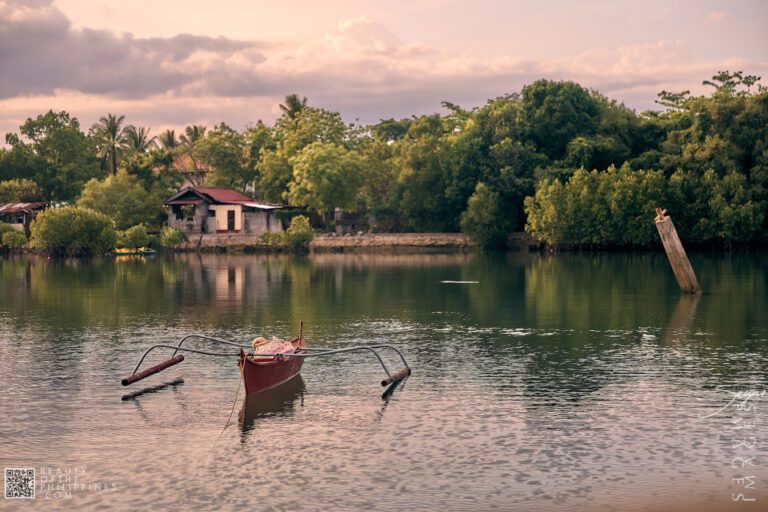
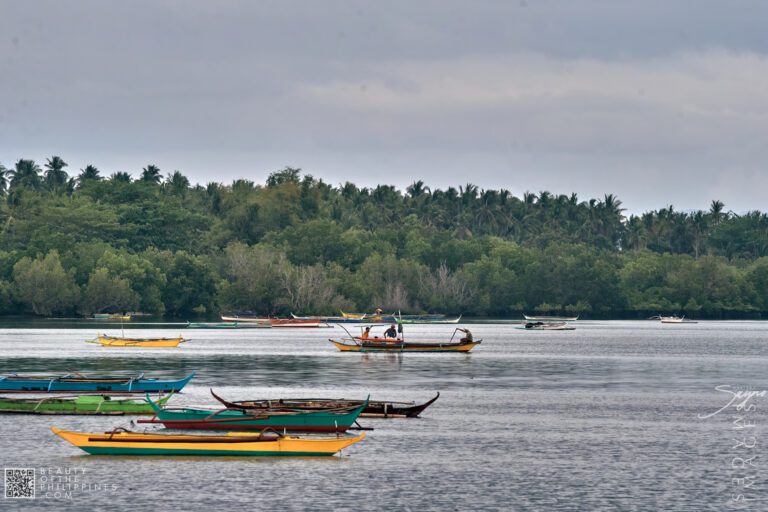
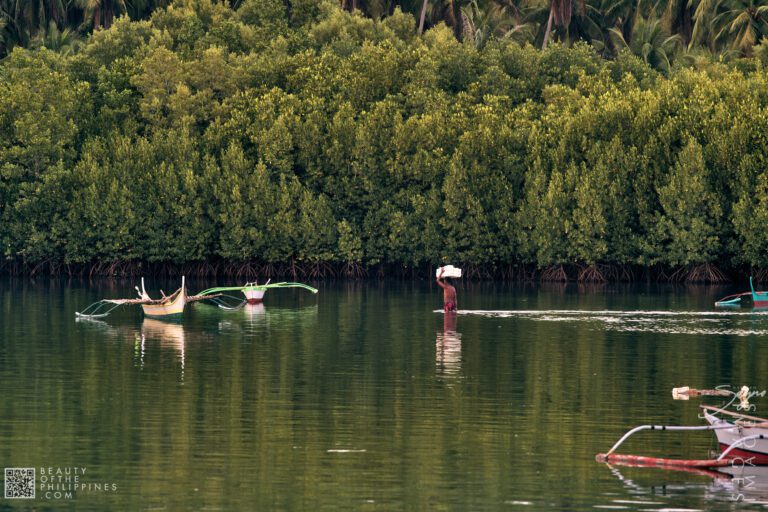
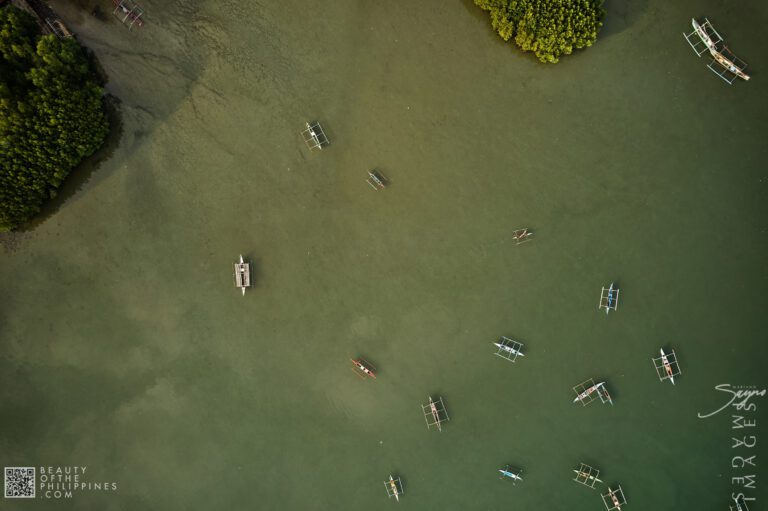
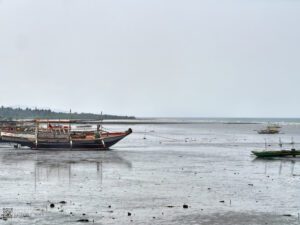
San Narciso Port is not a commercial harbor in the conventional sense. There are no towering cranes, no container stacks, and no sense of urgency in the air. What you’ll find instead is a small-scale fish landing area that serves as a steady anchor for the town’s coastal routine. Banca boats and small fishing vessels come in daily, carrying fish, squid, and other seafood that immediately move into local circulation.
Spend even a single morning here and the pattern becomes clear. Fishermen haul in their catch, boats rock gently along the shore, and the pace stays unhurried. Alongside seafood, the port supports the movement of basic goods like rice, vegetables, and essential supplies. In practical terms, it functions as one of San Narciso’s quiet lifelines—simple, reliable, and deeply necessary.
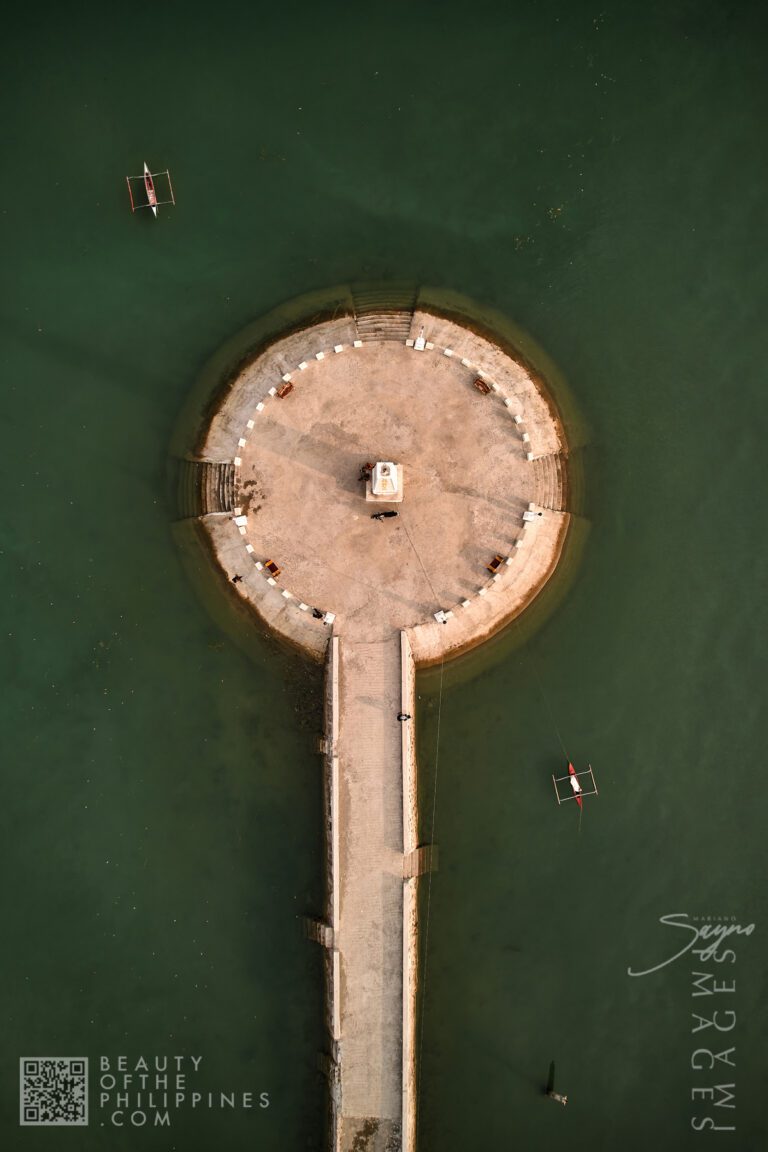
The facilities at San Narciso Port reflect its purpose. There is a fish landing area used by municipal fishing vessels, paired with natural shoreline docking rather than large concrete piers. Cargo handling remains limited to light goods and produce, moved by hand and familiarity rather than machines. There is no dedicated passenger terminal, no freight yard, and no elaborate port infrastructure. What exists is exactly what the community needs, and nothing more.
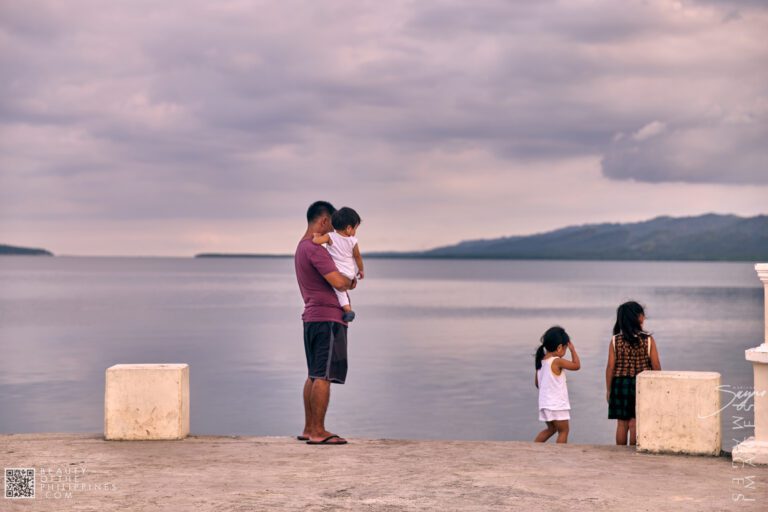
While fishing defines much of the activity, the port also serves as an informal community gathering space. Early mornings and late afternoons draw people in—not just to trade or sell, but to talk, observe, and wait for the next boat to arrive. On some days, especially before town fiestas or during Holy Week, the atmosphere shifts slightly. Boats from nearby barangays and neighboring towns appear, ferrying relatives home or bringing in additional goods. The energy never becomes loud, but it becomes noticeable—a subtle reminder that this small port connects more than just boats to shore.
Beyond its daily role, San Narciso Port has also appeared in national maritime planning discussions. The Maritime Industry Authority (MARINA), under the Department of Transportation, once identified the port as part of a proposed Roll-on/Roll-off (RoRo) missionary route linking San Narciso, Quezon to San Pascual, Masbate. This proposal formed part of the Road Roll-on/Roll-off Terminal System (RRTS), also known as the Philippine Nautical Highway System.
The “missionary route” classification reflects areas where transport services are seen as necessary but not yet commercially viable. While the designation highlighted San Narciso’s strategic position, regular RoRo or inter-island passenger services have not become operational. The port continues to function primarily at the local level, with any future expansion dependent on formal applications and shipping operators stepping in.
RELATED STORIES

Finding A&J Cafe at J.P. Rizal Street corner E. Caparros Street in Barangay Pipisik, the space immediately communicates calm. Minimalist design, warm lighting, and an


In General Luna, Quezon, Holy Week is far from ordinary. The town’s quiet streets transform into a tapestry of devotion and local artistry through the


Quezon Zigzag Road, or Bitukang Manok, was constructed in 1969 during President Ferdinand Marcos’ administration. Engineers faced the challenge of traversing the rugged slopes of


The Candle Festival in Candelaria, Quezon, held from January 31 to February 5, 2026, celebrates devotion to Nuestra Señora de la Candelaria while highlighting community


San Narciso is accessed by land through provincial roads connected to the Pan-Philippine Highway (N1), making travel possible via buses and private vehicles from Lucena City and Manila. By sea, connectivity remains informal, dominated by local fishing boats rather than scheduled ferry routes. This balance reinforces the port’s identity—not as a transit hub, but as a working extension of the town itself.


San Narciso Port matters because it doesn’t try to be more than it is. It sustains livelihoods, supports daily trade, and holds space for routine human interaction. Every ripple along the shoreline tells a quiet story—of families fed, work completed, and days measured by tides rather than timetables. Though modest in scale, its inclusion in RoRo planning frameworks suggests a future potential tied to broader discussions on regional connectivity and sustainable coastal development.


From a travel-photography perspective, this is a place that rewards stillness. Stand by the water, watch the boats return, let the light change. San Narciso Port doesn’t announce itself, but it stays with you—proof that sometimes the most ordinary places leave the deepest imprint.
I’m looking forward to the stories and images leaving a lasting positive impression on you, just as they have on me. Stay connected with us on social media for a weekly exploration of travel assignments and breathtaking visuals. Our focus is on championing local tourism, showcasing small businesses, and honoring the magnificence of the Philippines through the content we curate. Join us in spreading the word by clicking the ‘share’ buttons below. Your support means the world to us.
EXPLORE MORE about


Hondagua is a barangay in the Municipality of Lopez, within Quezon Province, part of Region IV-A (CALABARZON) on Luzon island, Philippines. It lies directly along


Located in the heart of Dolores, Quezon, the Hambujan Festival is a vibrant celebration that embodies the town’s rich heritage and deep connection with nature.


Along Quezon Province’s eastern seaboard, Lamon Bay unfolds as a living tapestry of sea, sand, and human stories. Unlike the more visited Pacific-facing beaches of


When you wander into the vibrant town of Lucban, Quezon, you can’t miss the aroma that defines its identity — the unmistakable, bold scent of


Every May 15, the charming town of Lucban, Quezon bursts into a dazzling display of colors, artistry, and cultural pride as it celebrates the Pahiyas


Along the Edge of Lamon Bay I first approached Atimonan Port with the sea on one side and the steady traffic of the Maharlika Highway


Quezon Zigzag Road, or Bitukang Manok, was constructed in 1969 during President Ferdinand Marcos’ administration. Engineers faced the challenge of traversing the rugged slopes of


Traveling along the Maharlika Highway in the heart of Sariaya, Quezon Province, you can’t help but notice the quiet elegance of Sariaya Church. Known formally


Located in the town of San Narciso, Quezon Province, San Narciso Beach — or Talisay Beach as locals call it — stretches along the Philippine


Tucked along the Dumacaa River in Tayabas City, Malagonlong Bridge — or Puente de Malagonlong — is one of the Philippines’ oldest and longest stone


A Familiar Figure Along the Road The Sirena ng Atimonan stands along the Pan-Philippine Highway, right by the shores of Lamon Bay in Barangay Angeles,


For travelers exploring Quezon Province, few festivals rival the energy and creativity of the Boling-Boling Festival in Catanauan. Celebrated in the days leading up to


Finding A&J Cafe at J.P. Rizal Street corner E. Caparros Street in Barangay Pipisik, the space immediately communicates calm. Minimalist design, warm lighting, and an


This Christmas, Dolores shone as the creative heart of Quezon province. Paskotitap 2025 transformed the town into a radiant celebration of lights, movement, and storytelling—where


Right in the heart of Lucban, Quezon, you’ll find the San Luis Obispo de Tolosa Parish Church, more commonly known as Lucban Church. This centuries-old


Every time I walk toward Siain Port, the first thing that hits me is the line of the pier itself—long, straight, and stretching into Lamon


This celebration of the “Candle Festival” takes place from the 31st of January to the 2nd of February each year and is held in order


Every May 15, the charming town of Lucban, Quezon, bursts into a kaleidoscope of colors, music, and movement for the Pahiyas Festival, a grand celebration


Pulong Pasig Sandbar, situated in the pristine coastal waters of Calauag, Quezon, is a breathtaking sandbar that emerges and disappears with the tides, offering an


Gunao Lake, located in the charming town of Dolores in Quezon Province, remains a hidden treasure waiting to be discovered by adventurers seeking natural wonders.


When most travelers picture the Moriones Festival, it’s the streets of Marinduque that come to mind. Yet the Bondoc Peninsula in Quezon Province has its


The Candle Festival in Candelaria, Quezon, held from January 31 to February 5, 2026, celebrates devotion to Nuestra Señora de la Candelaria while highlighting community


Standing quietly at the center of town, Mulanay Church feels less like a monument and more like a steady presence. I noticed how time moves


Every Holy Week, from Palm Sunday to Good Friday, the town of General Luna in Quezon transforms into a living stage of devotion and culture.


At the heart of San Narciso town in Quezon, a modest but profoundly significant landmark rises — the San Narciso Church, officially named St. Joseph



In General Luna, Quezon, Holy Week is far from ordinary. The town’s quiet streets transform into a tapestry of devotion and local artistry through the
BROWSE BY CATEGORIES
BROWSE BY PROVINCE