BROWSE BY PROVINCE

Sampaloc, Quezon
Sine Sampaloc Film Festival
When a Small-Town Parade Becomes Part of the Film Story
Share
Tweet
Email
EXPLORE Sine Sampaloc Film Festival

PUBLISHED September 25, 2026

PHOTOS | WORDS BY MARIANO SAYNO

  • Sampaloc, Quezon
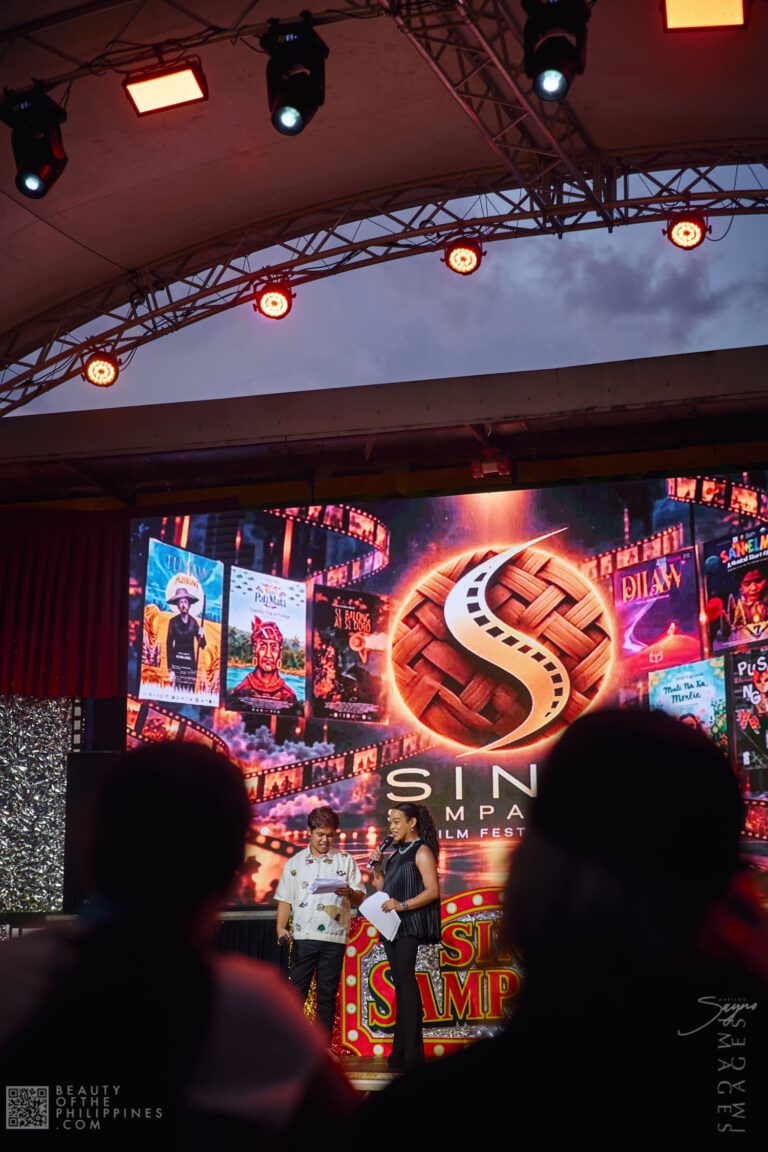
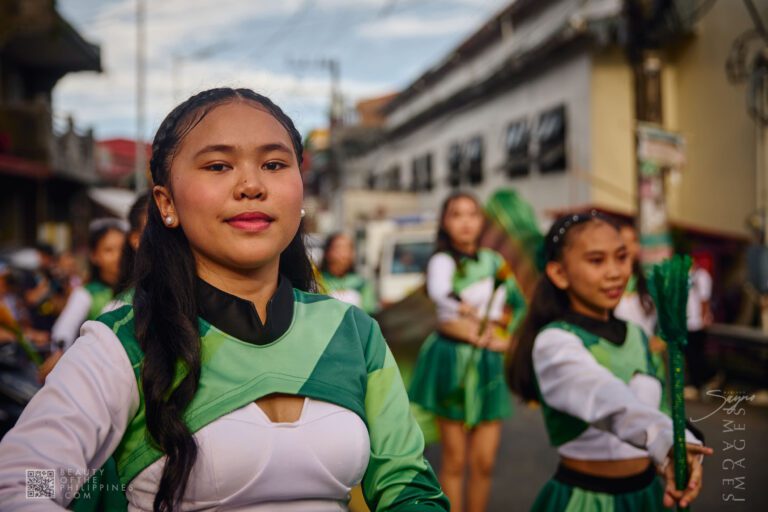
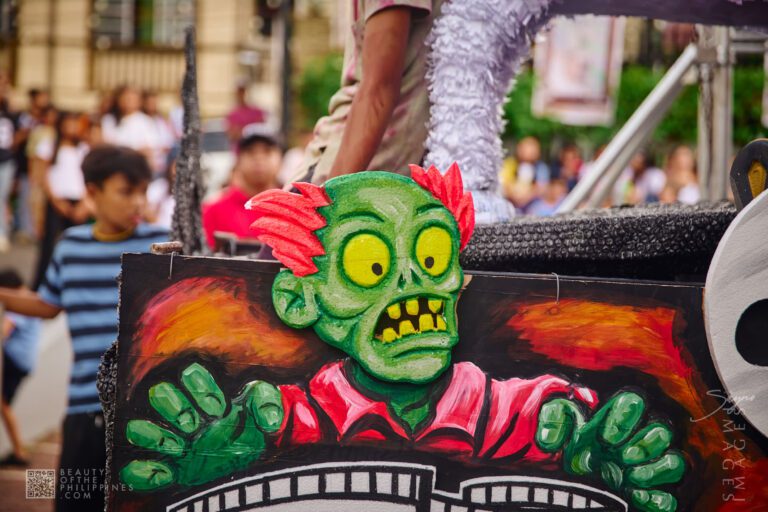
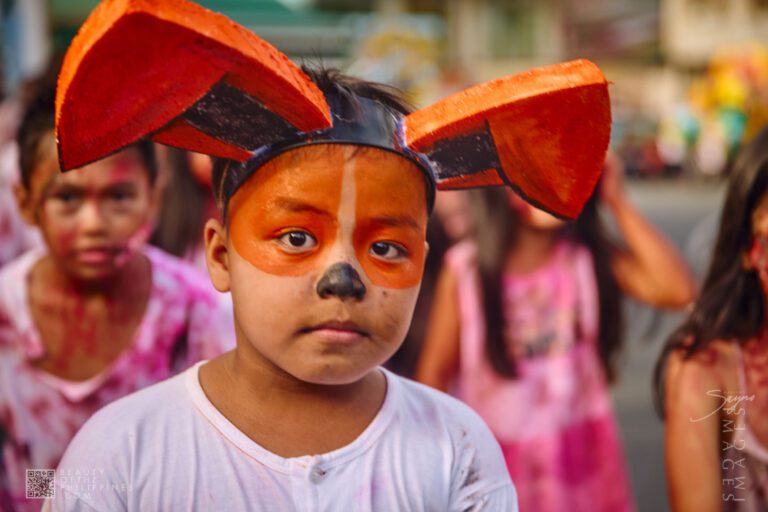
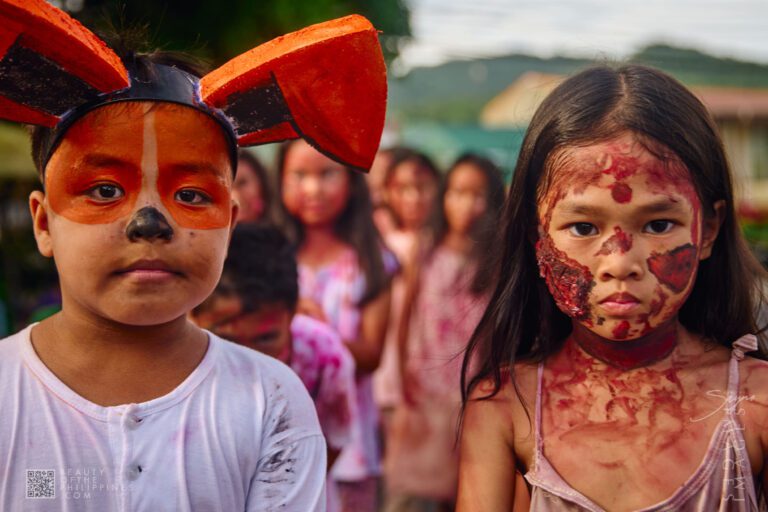
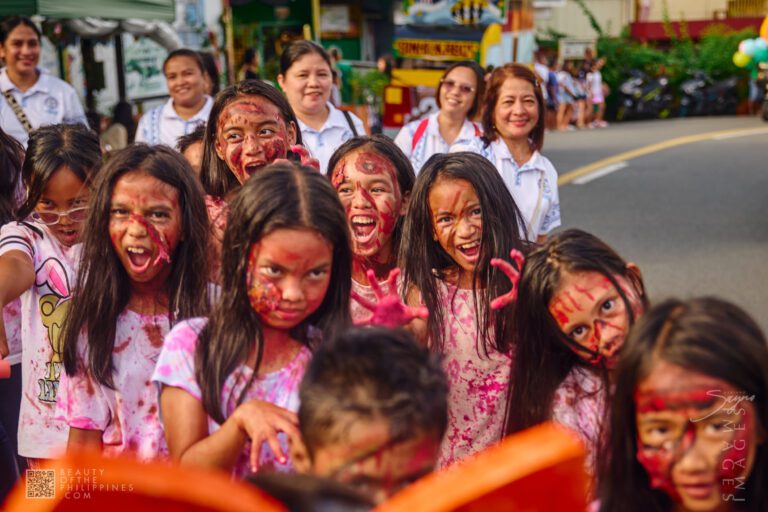
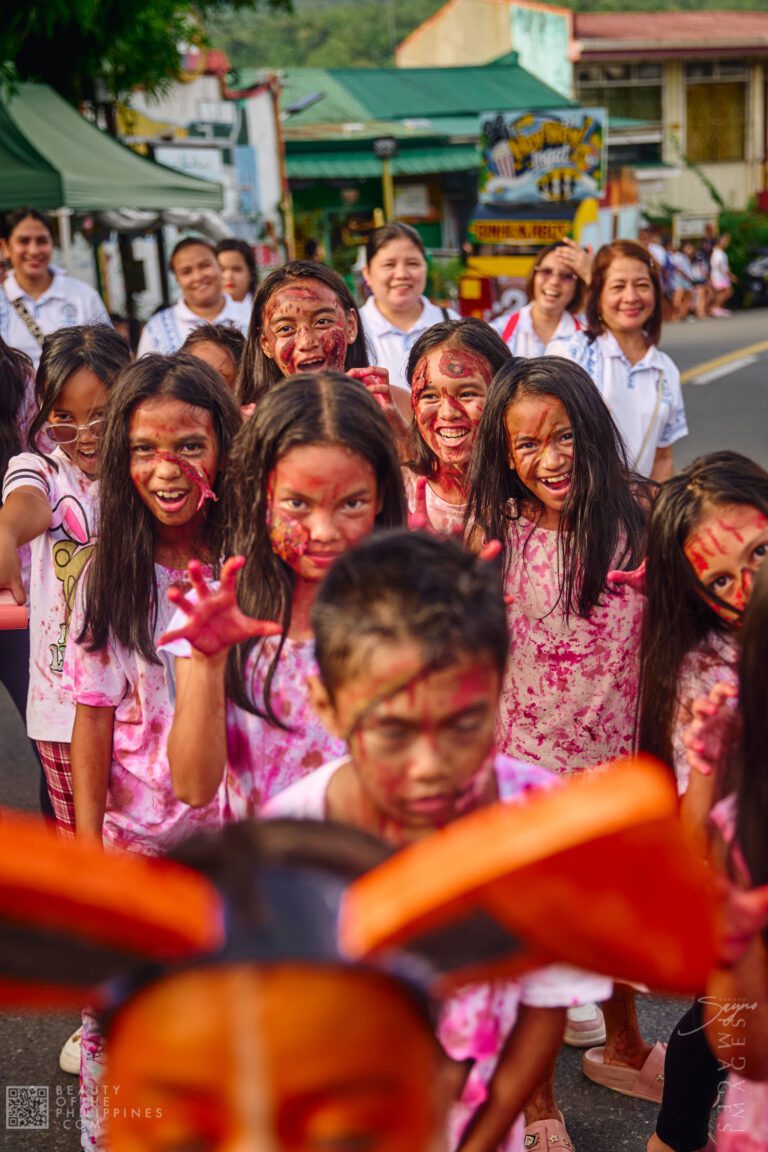
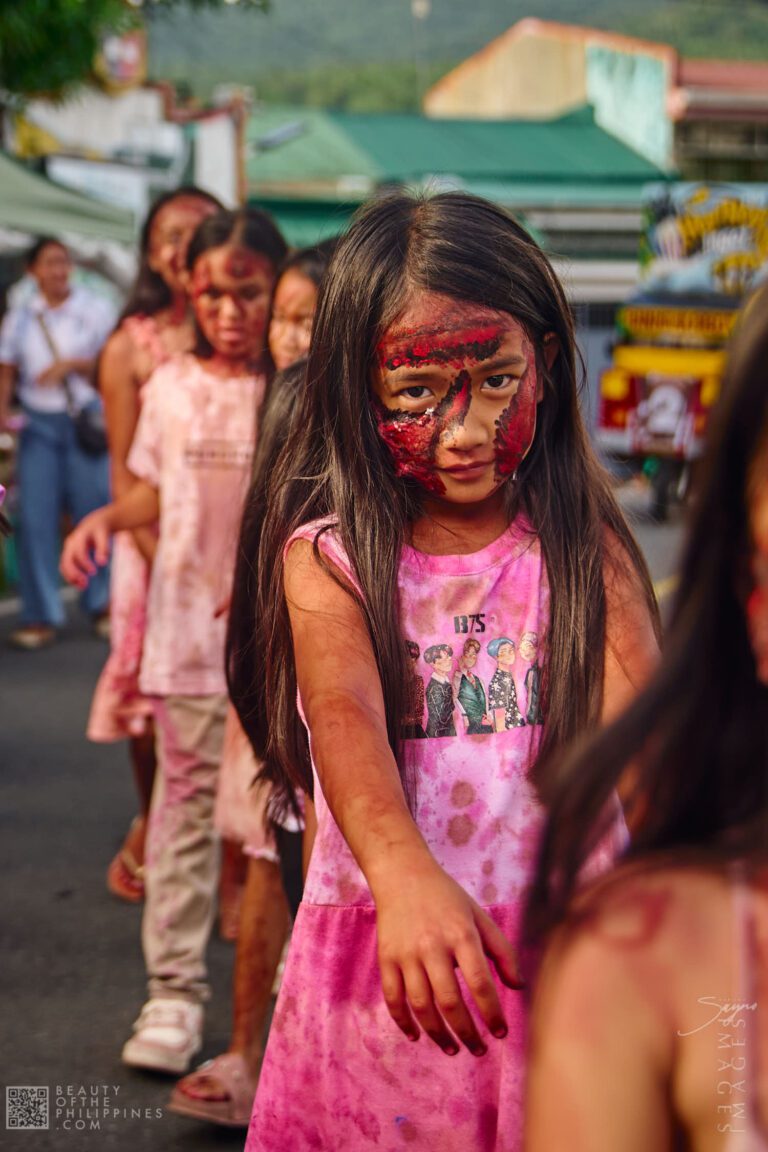
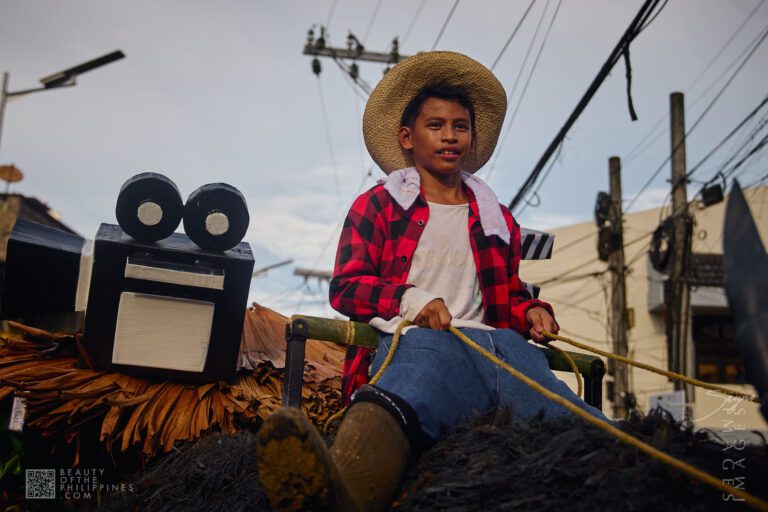
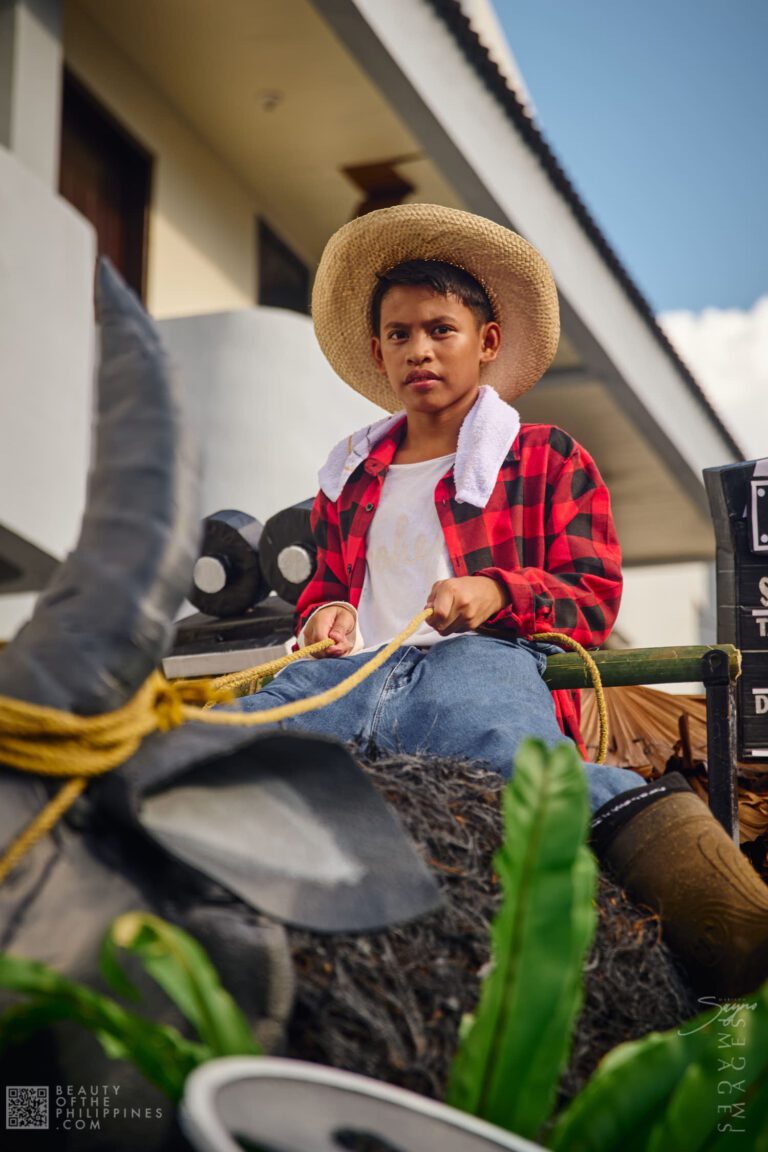
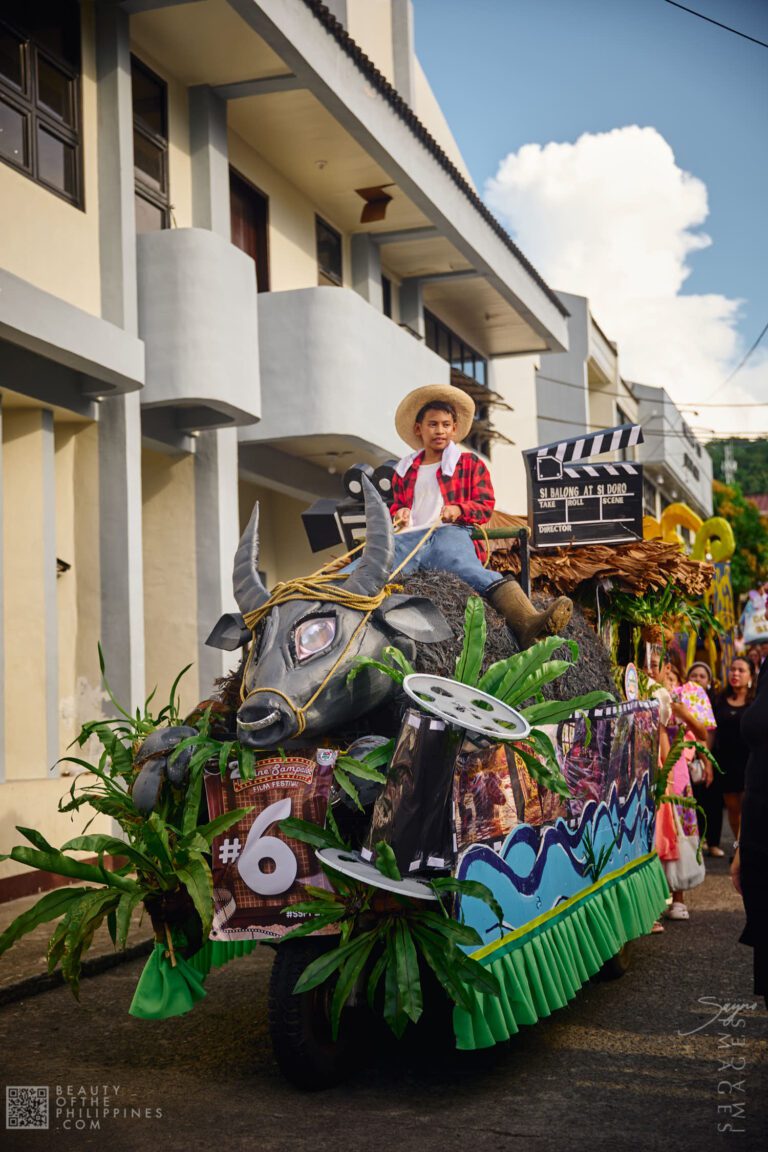
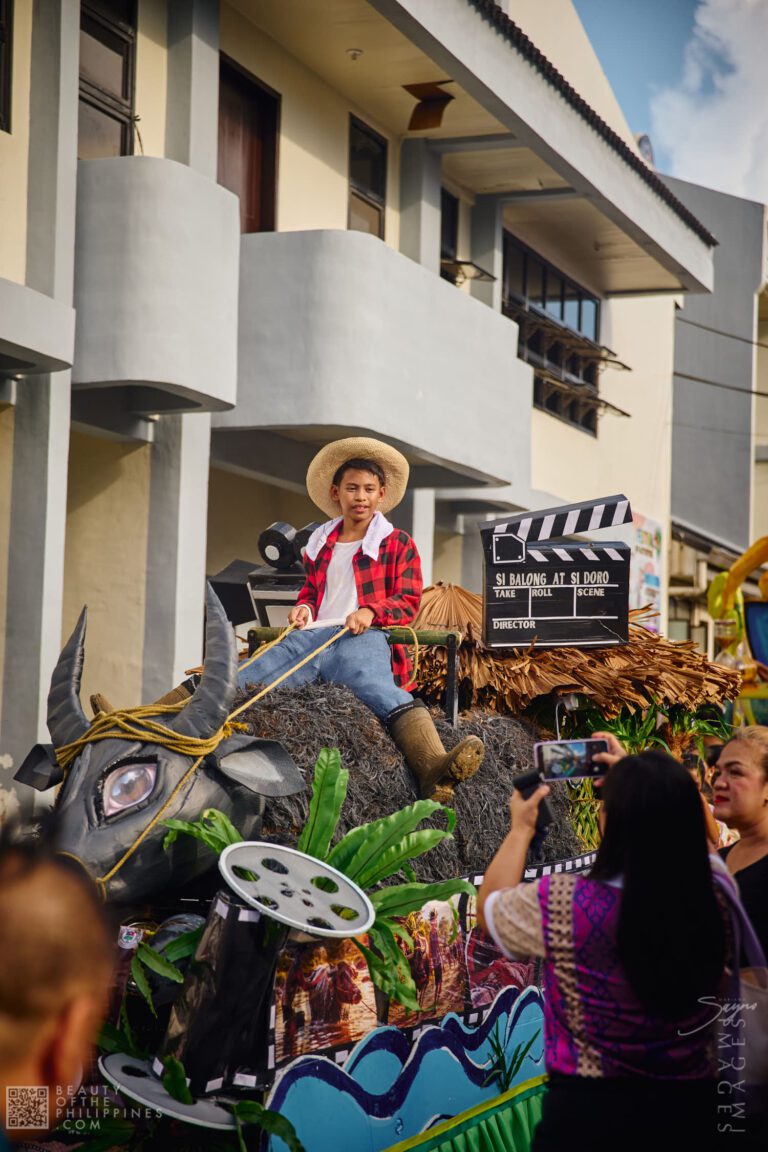
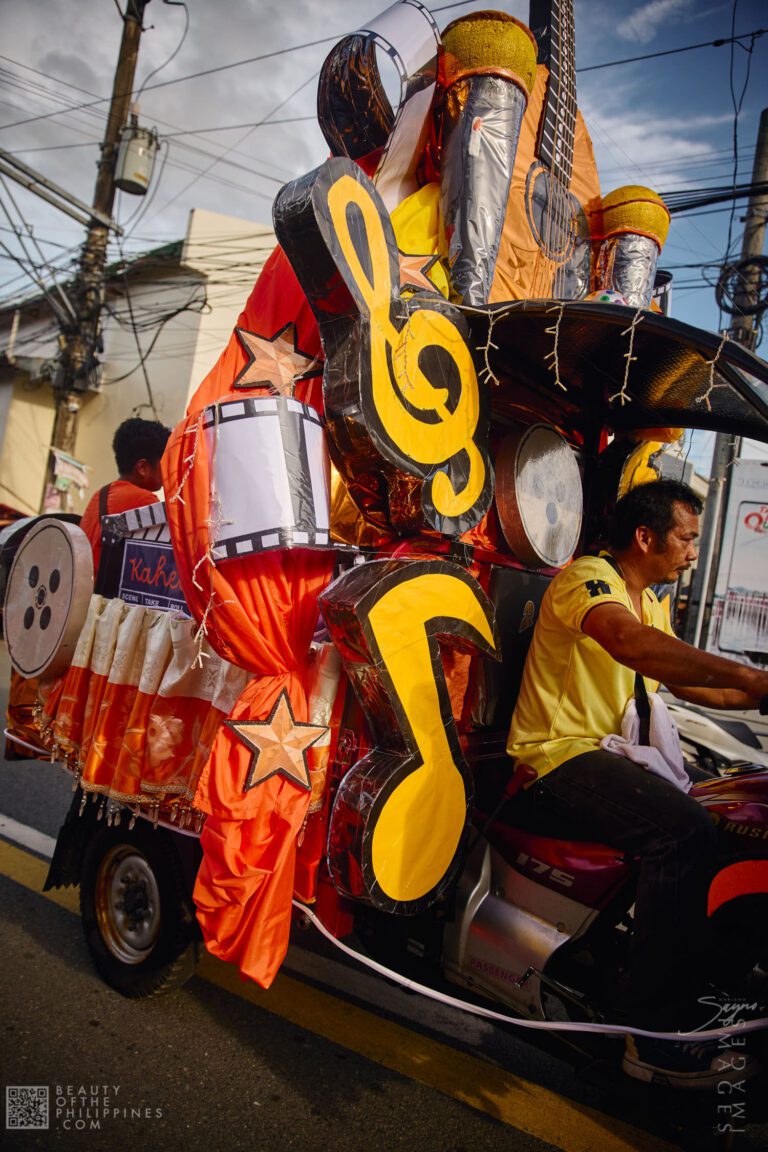
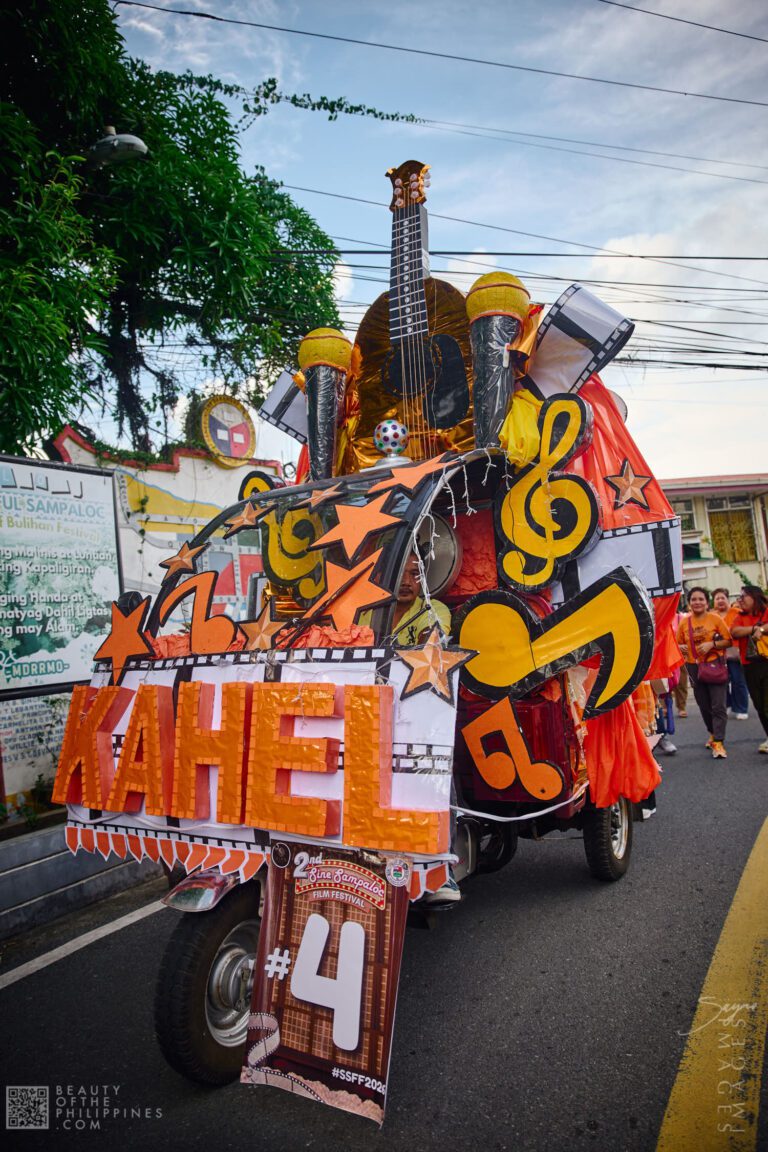
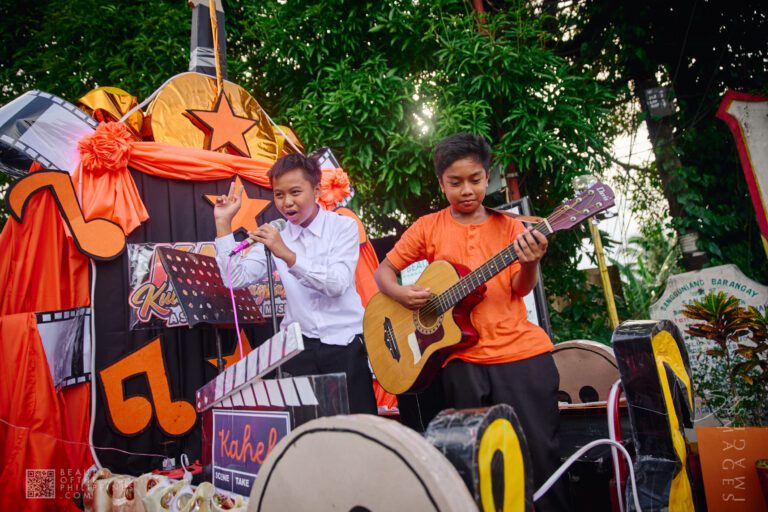
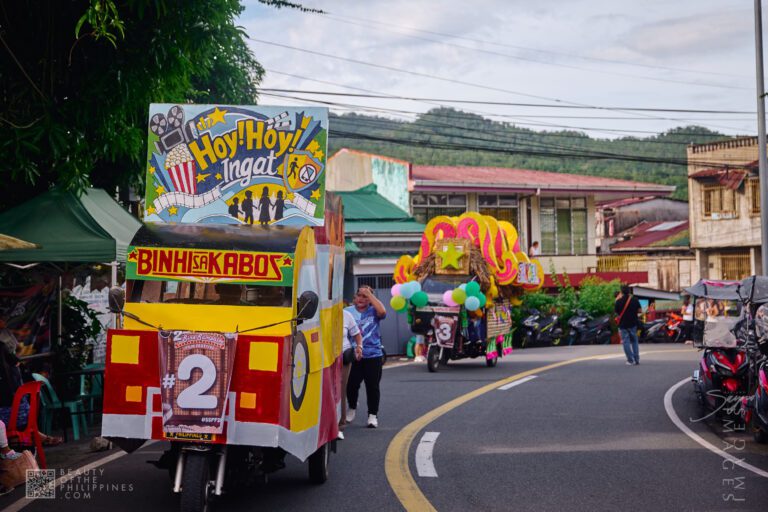
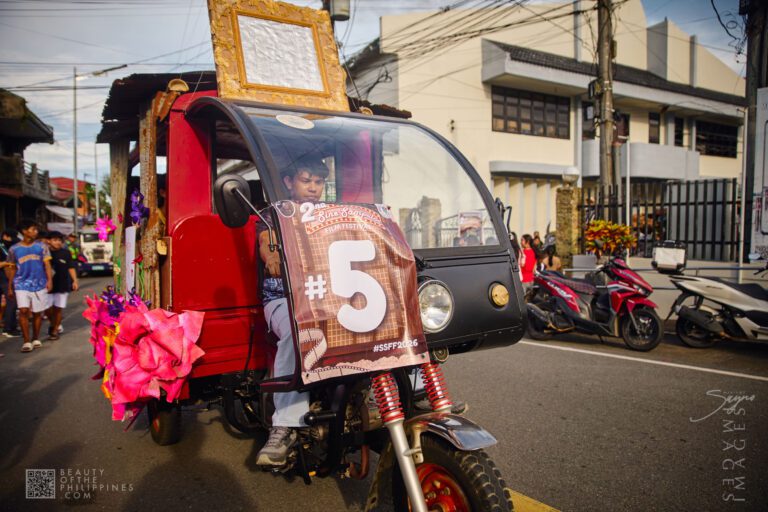
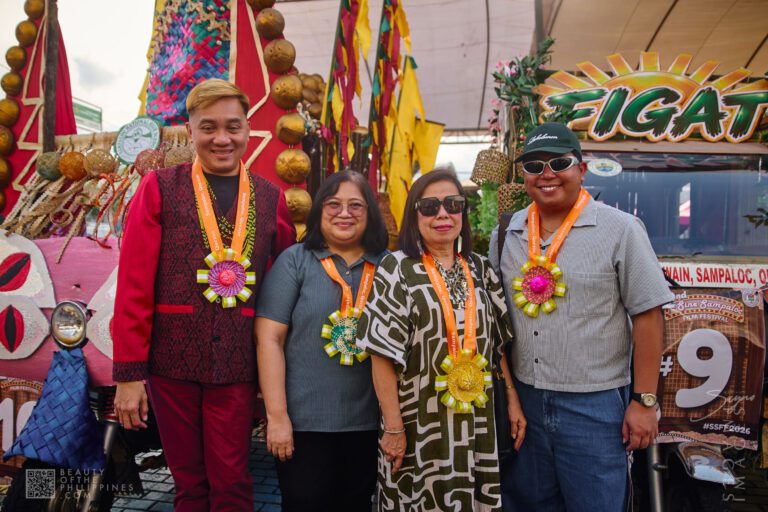
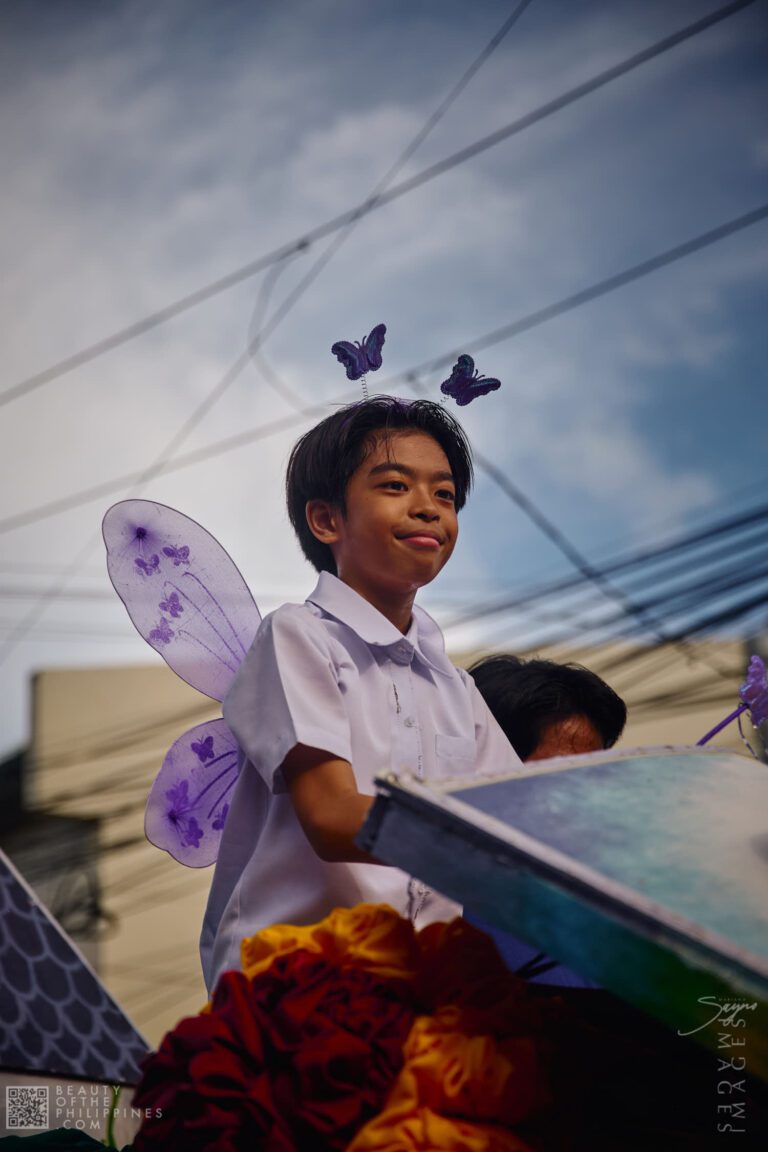
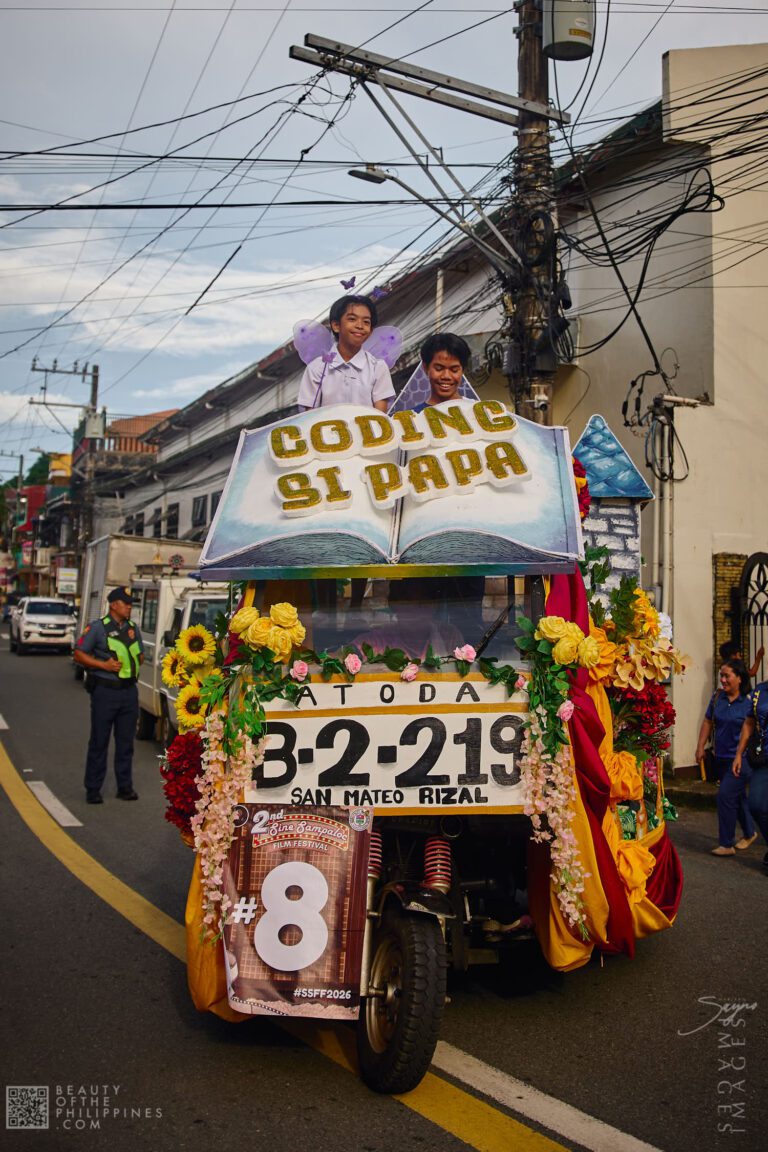
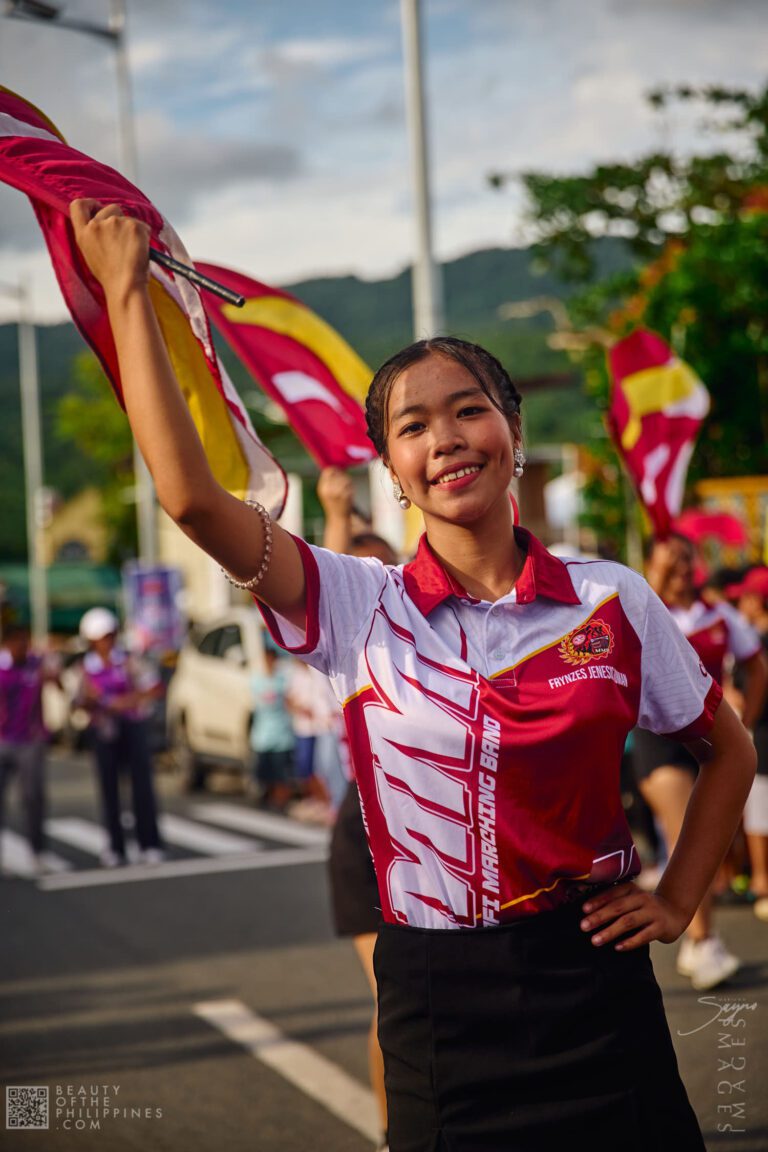
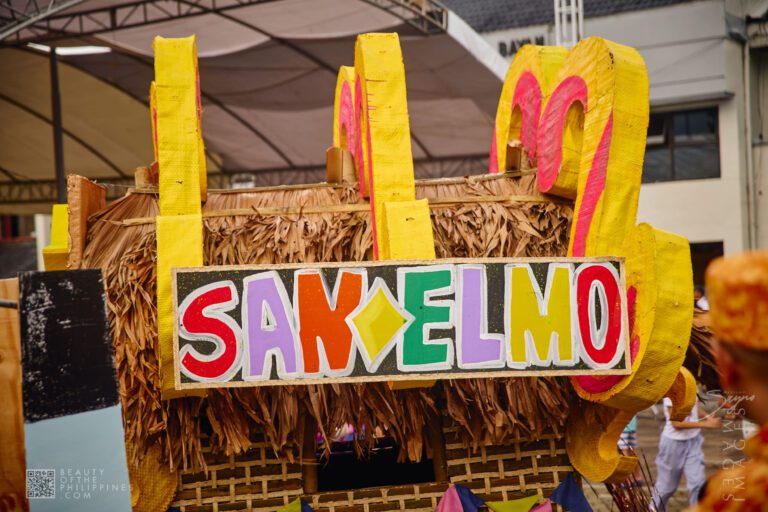
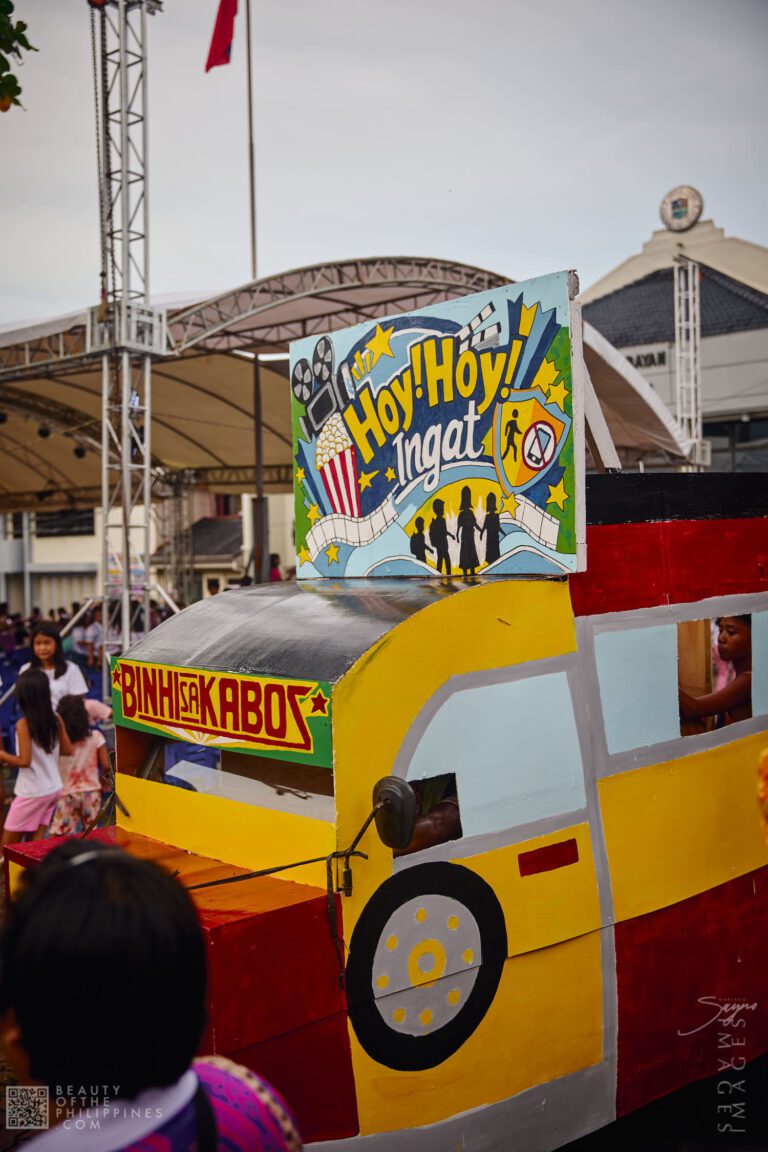
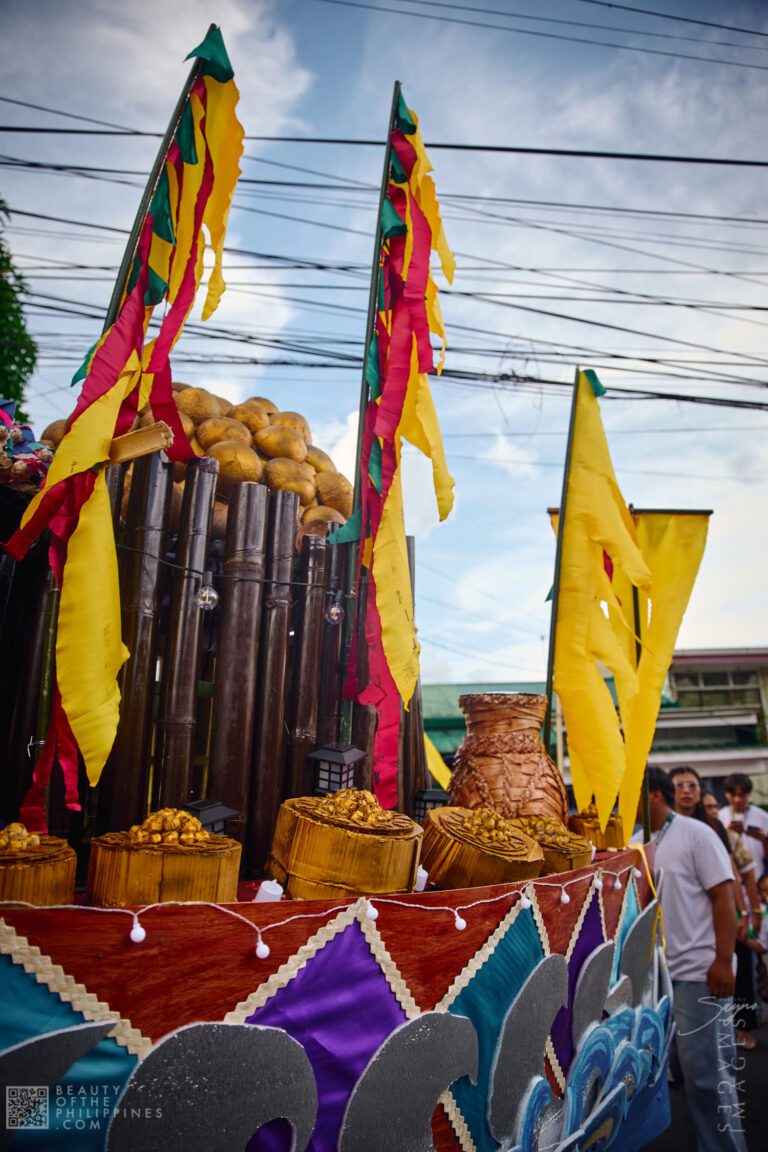
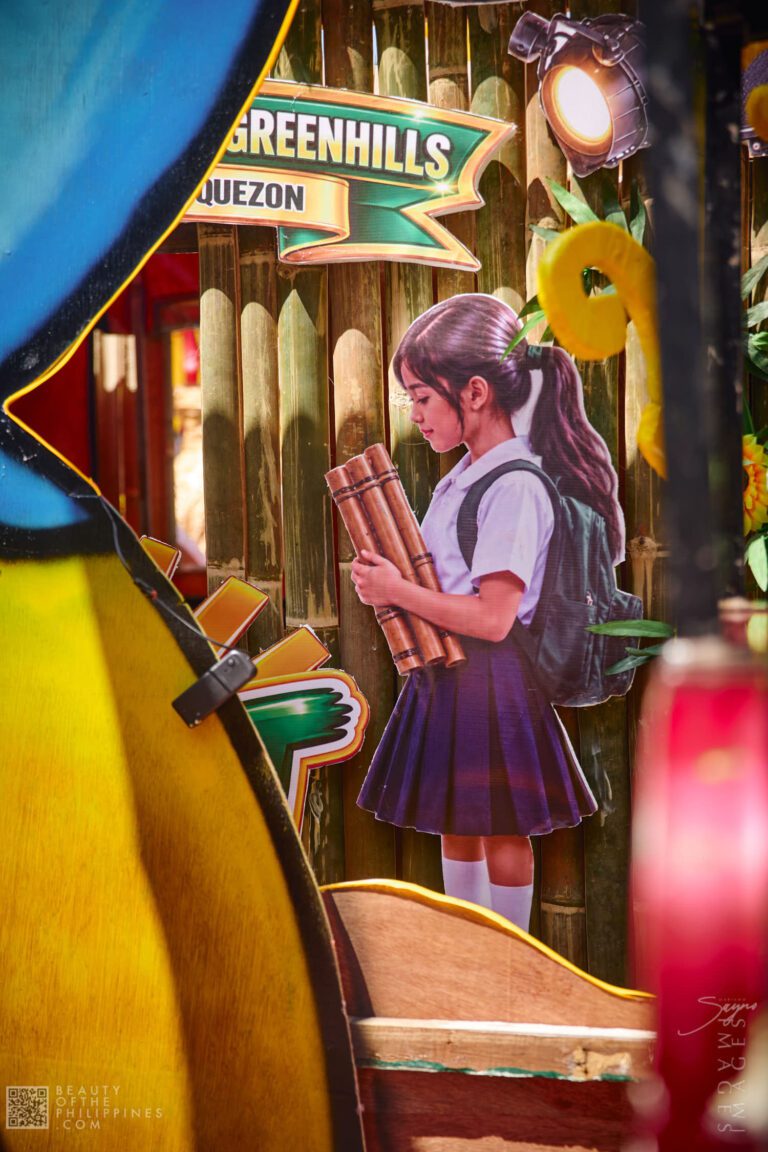
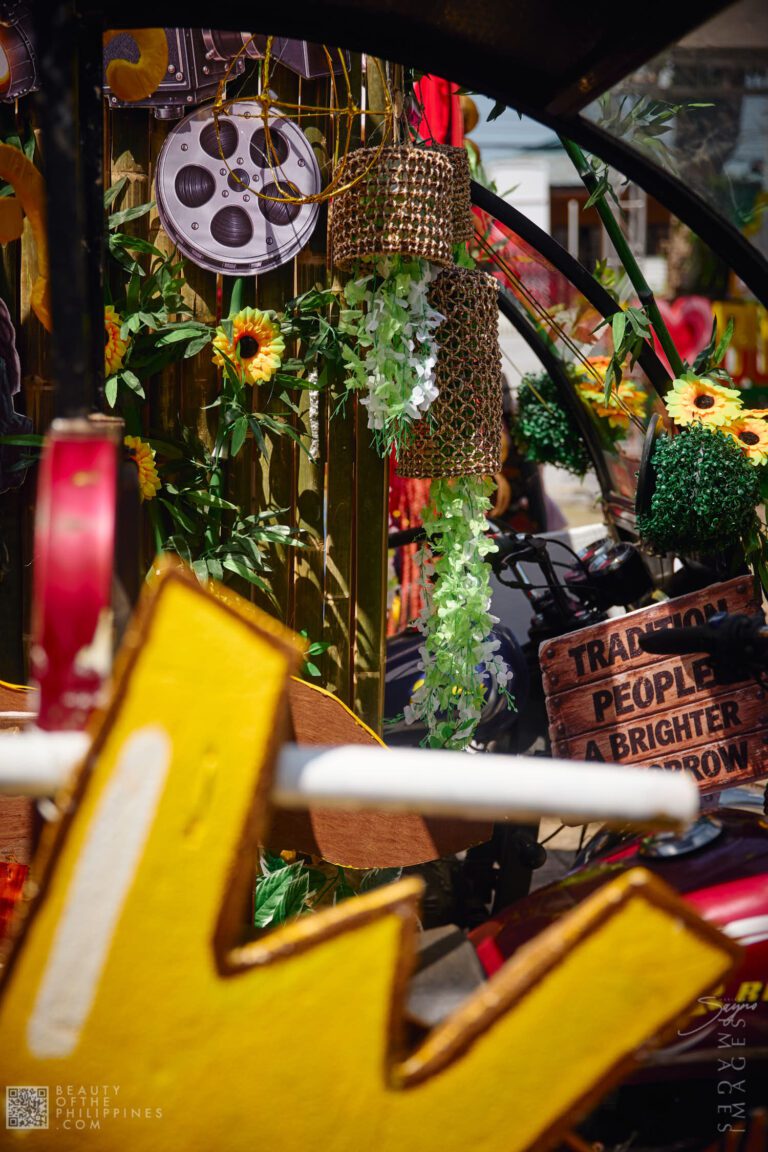
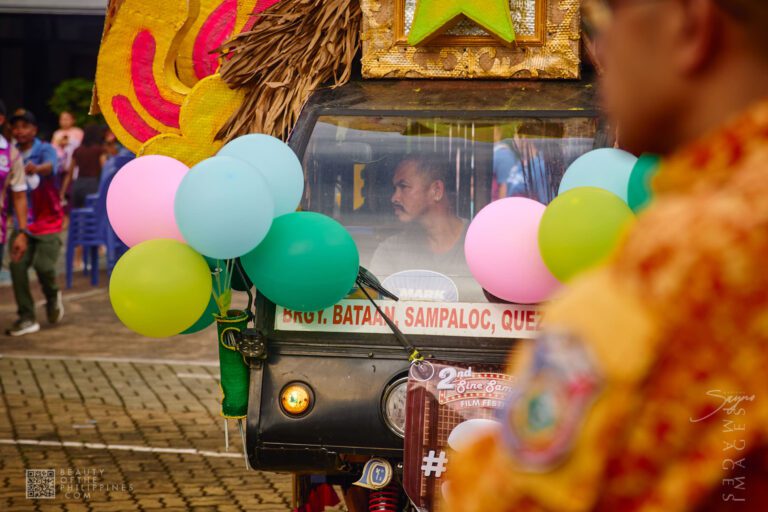
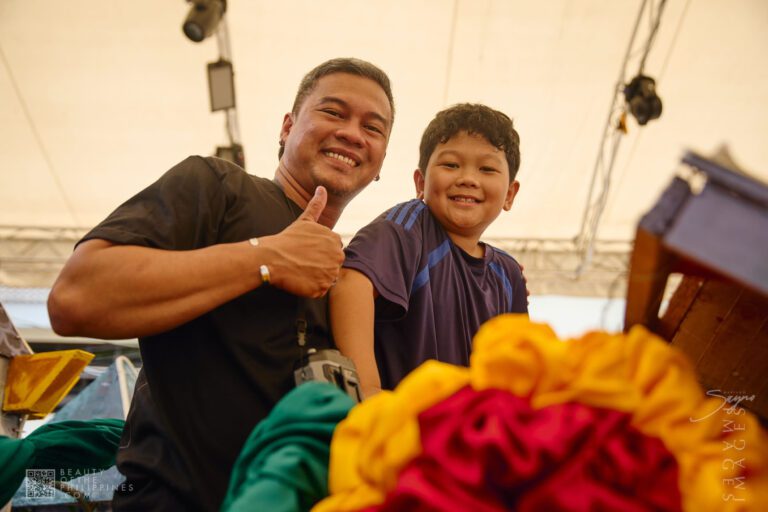
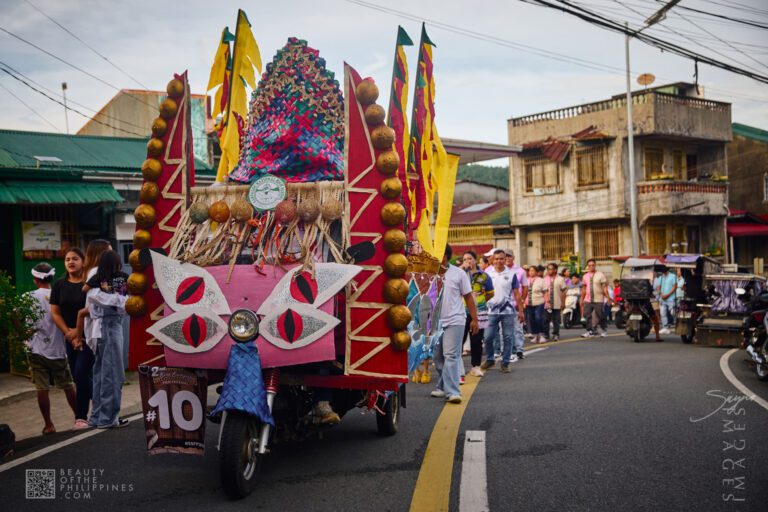
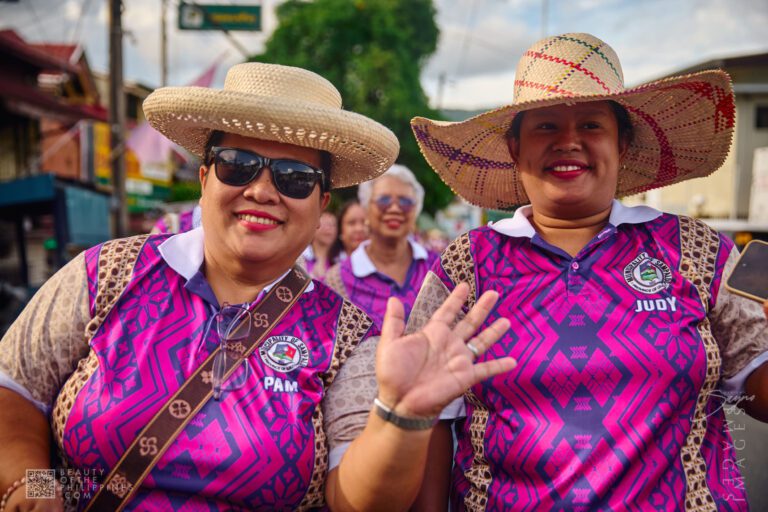
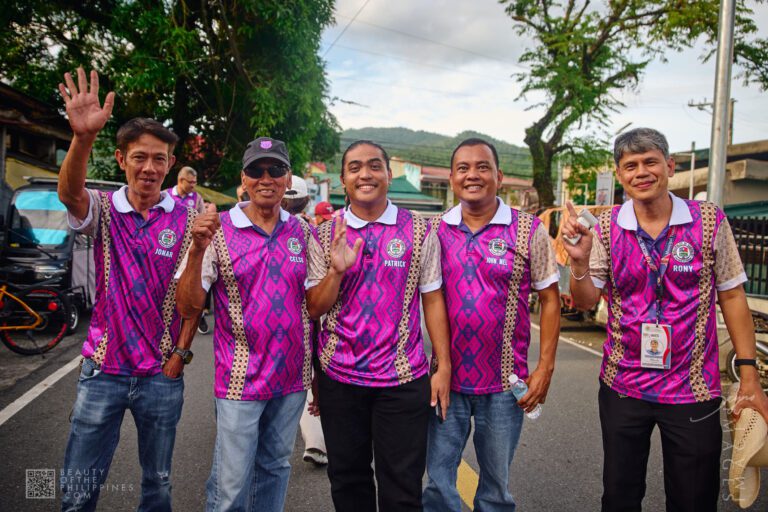
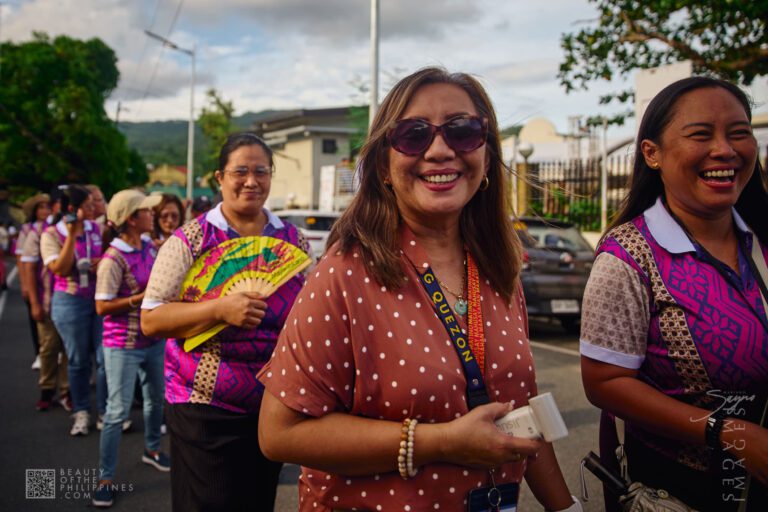
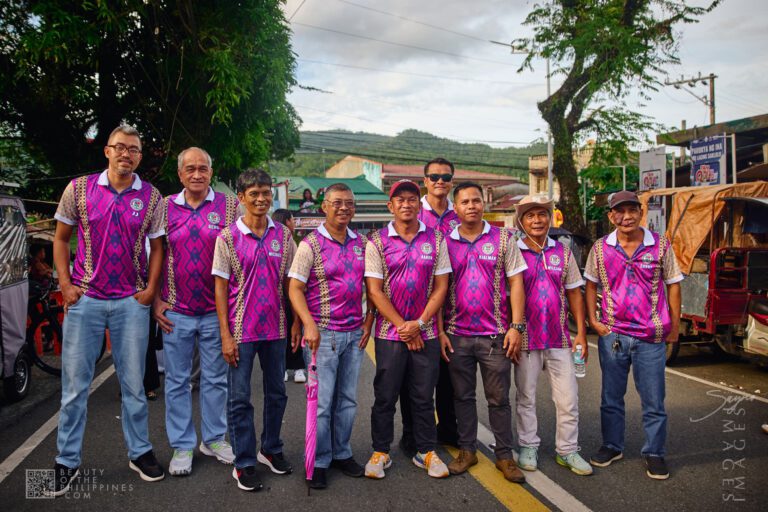
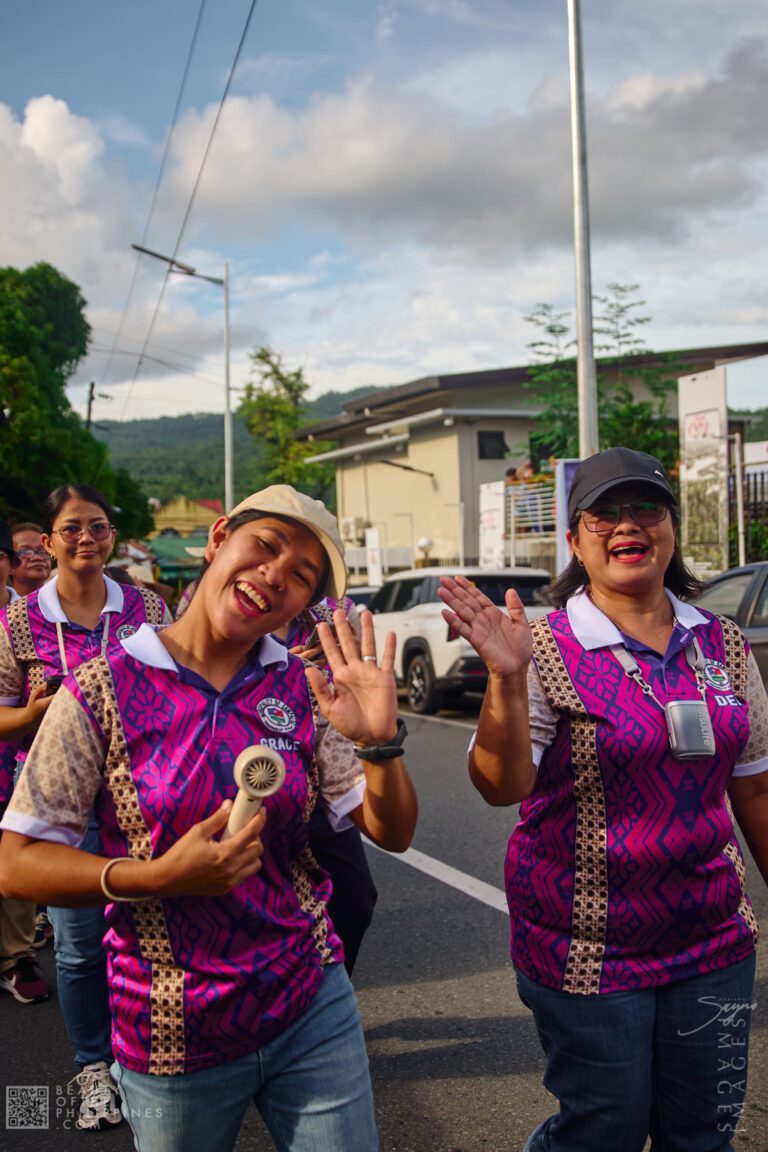
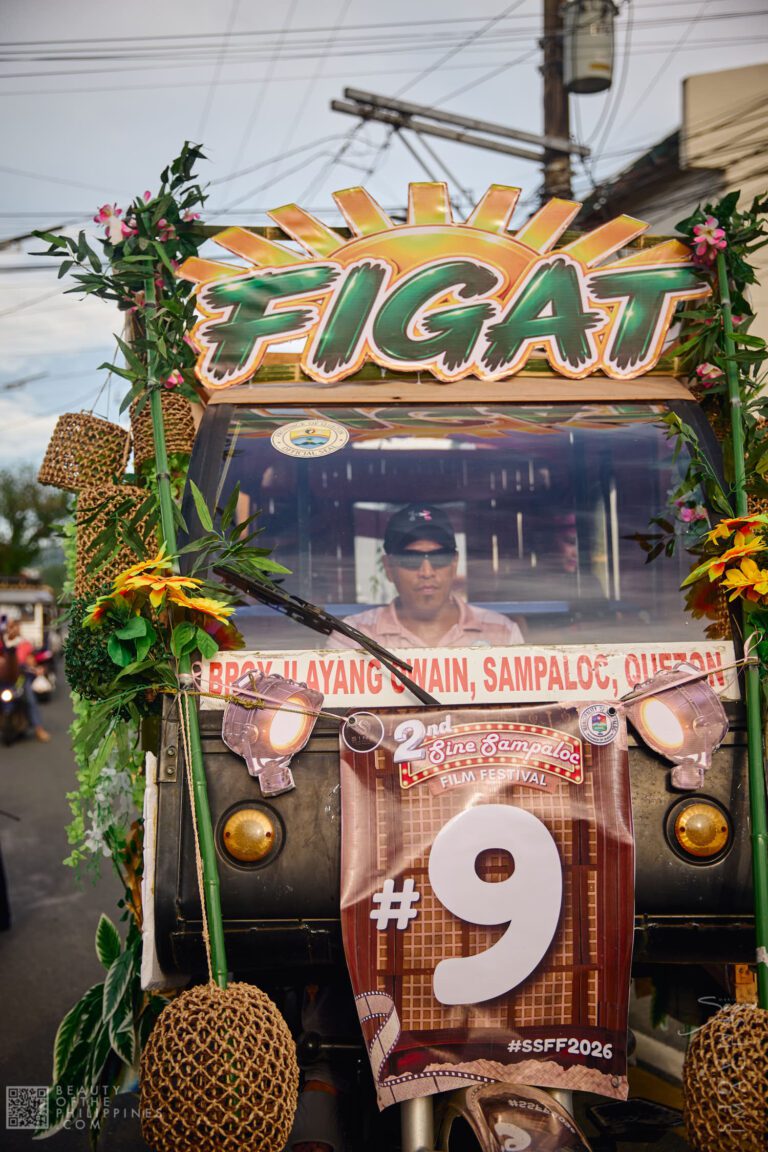
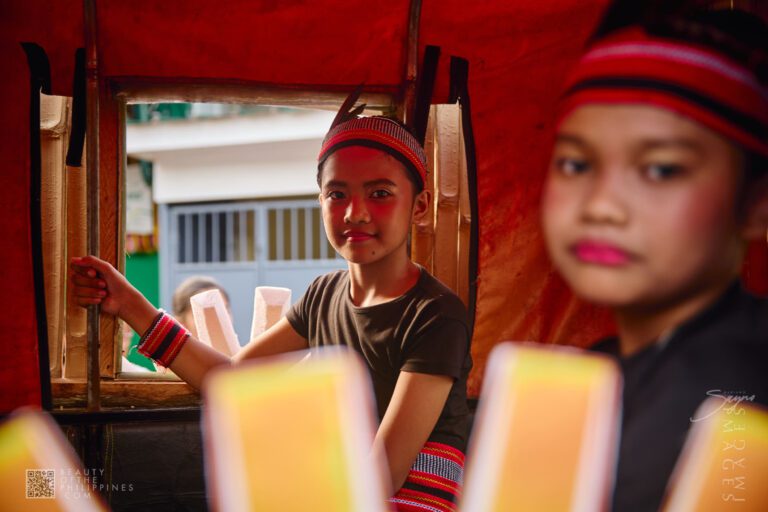
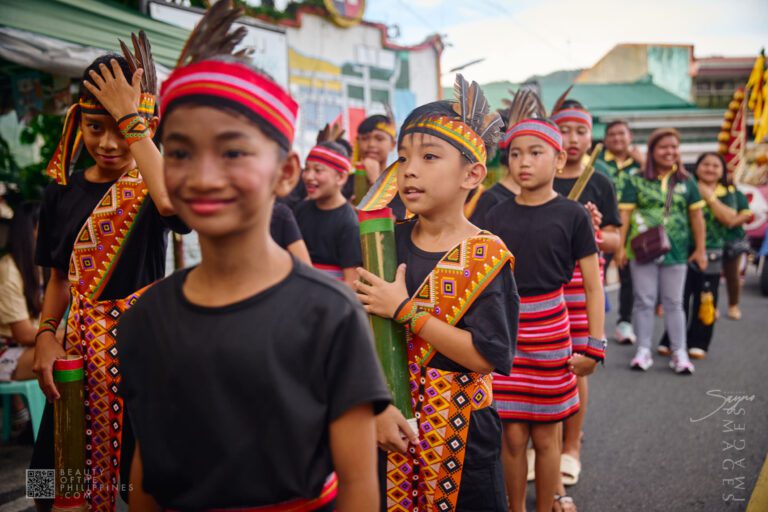
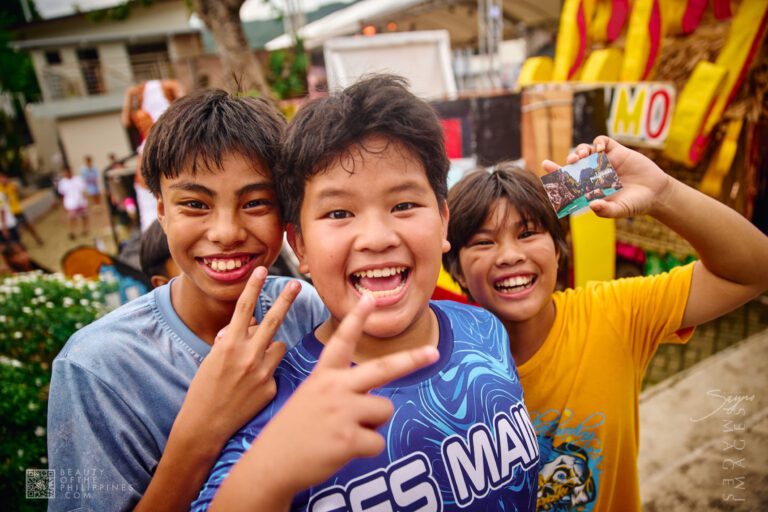
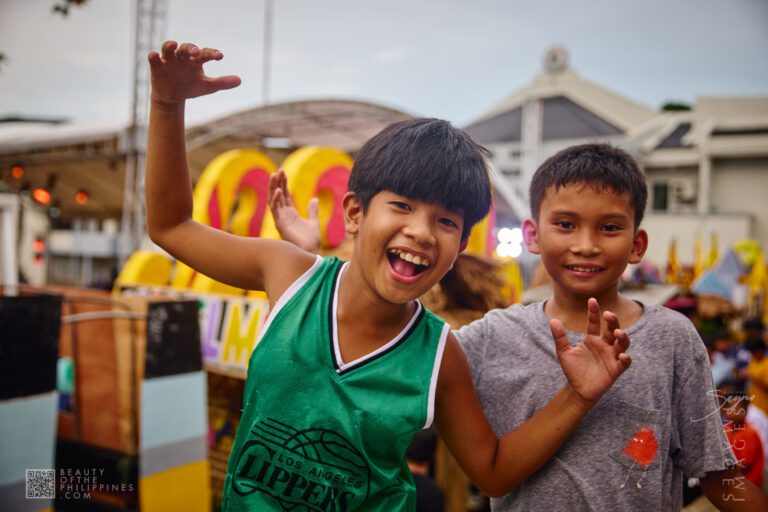
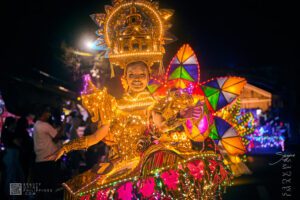
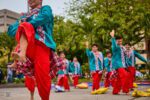
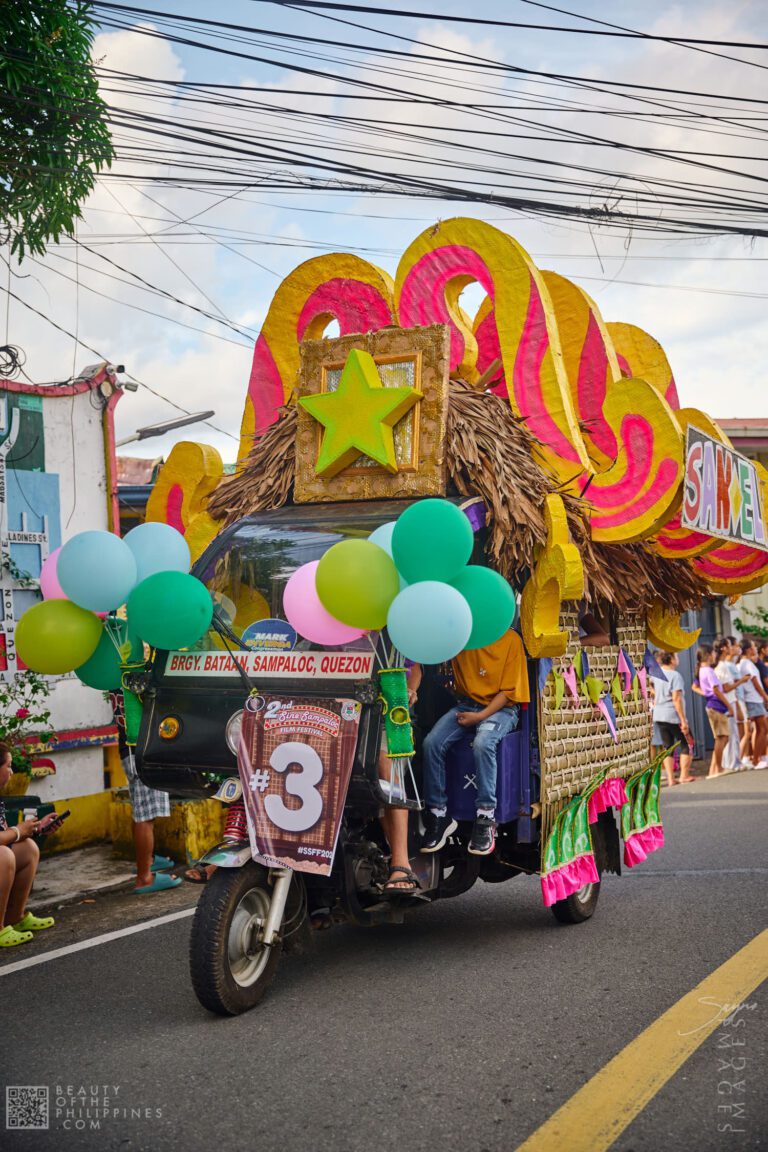
Along the roads of Sampaloc, Quezon, the Sine Sampaloc Film Festival takes on a different character when its creative floats begin moving through the community. Tricycles, normally part of everyday transportation, are transformed into mobile artworks while students bring film-inspired ideas into streets shared with residents and local businesses. The parade becomes especially meaningful in a municipality already developing a connection with Philippine cinema.
Explore the Philippines through my lens as we venture into Sine Sampaloc Film Festival with Point of View (POV) photography. Using a body cam, I’ll guide you on an interactive tour, revealing the behind-the-scenes of capturing the shots shared here. Let’s dive into this visual journey together and uncover the wonders through my lens!
Let’s explore the PHILIPPINES through my lens as we journey on a photo slideshow to Sine Sampaloc Film Festival. Join me in this visual adventure and discover the wonders captured through my lens! Check out the shared slideshow here.
When Cinema Moves Beyond the Screen

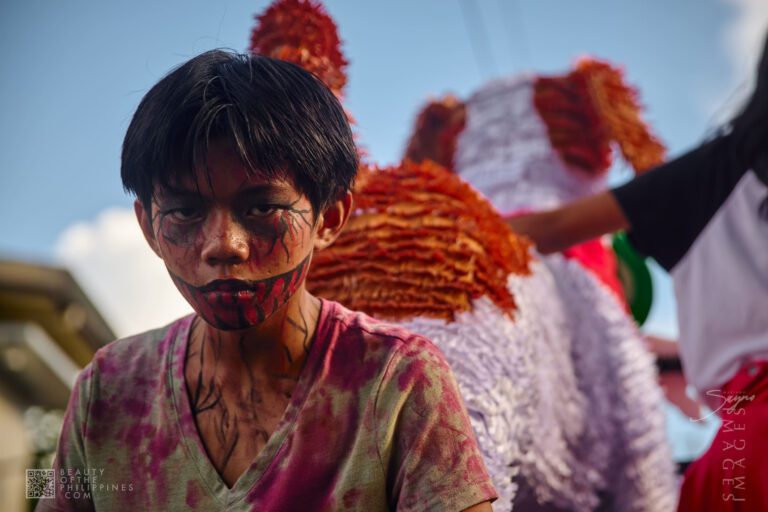
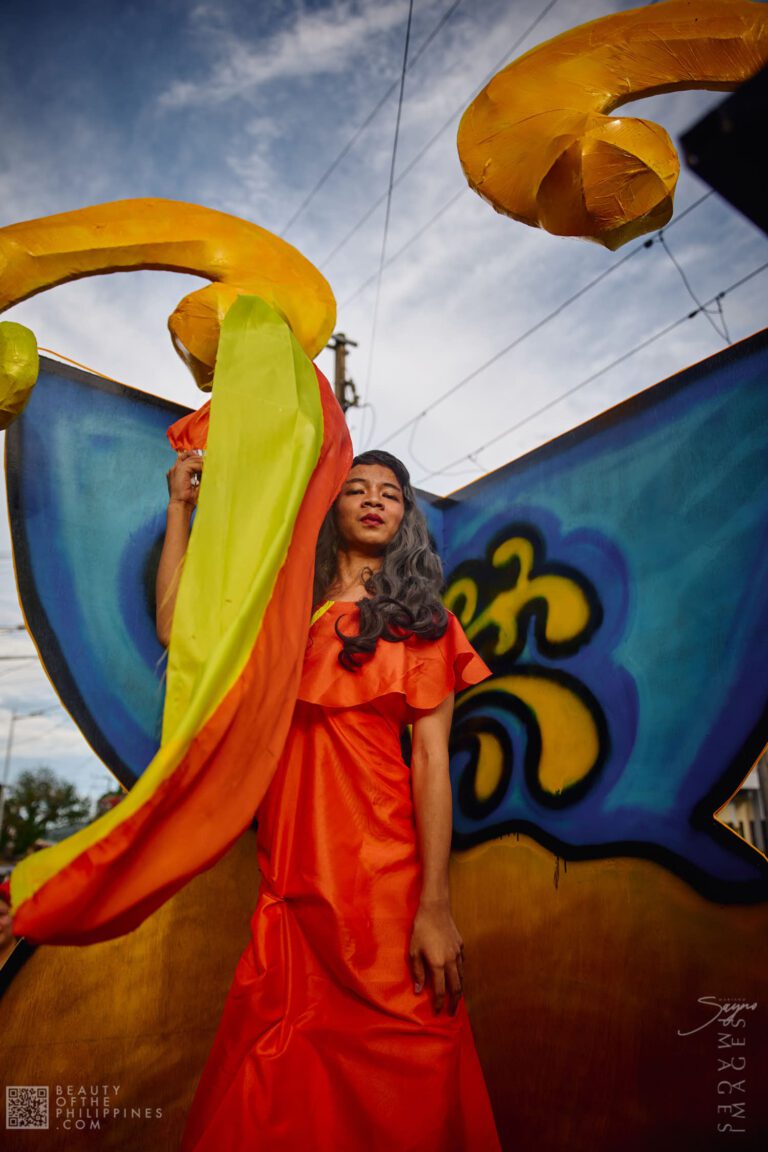
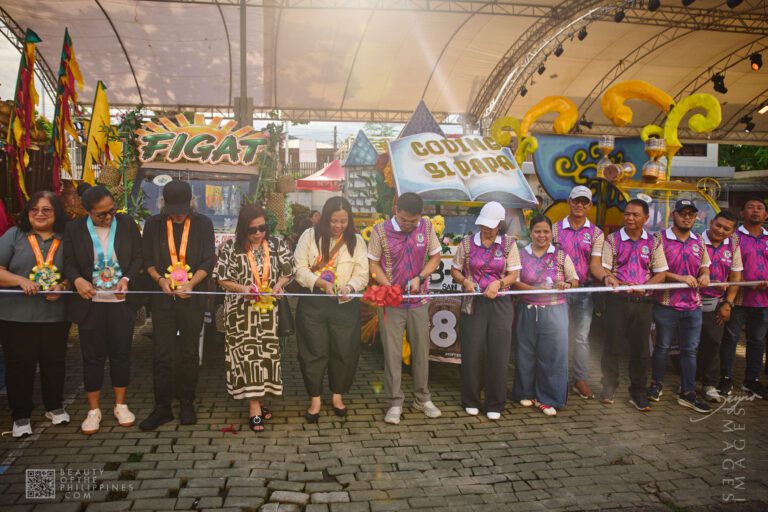
The Sine Sampaloc Film Festival becomes particularly vivid when the program leaves the formal screening space and reaches the roads of Sampaloc, Quezon. Among the festival’s activities, the creative-float segment provides one of the clearest ways to see cinema translated into something physical and moving. Tricycles are transformed into creative floats, carrying film-related ideas through the community while students and other participants become part of the visual scene.


The documented float activity also has a precedent from the first edition of the festival, when a tricycle float parade and competition involved students interpreting selected short films from Cinemalaya and Gawad CCP through mobile artworks. The floats passed through different puroks, extending the activity into neighborhood spaces. That earlier documentation provides a useful basis for understanding the parade as a community activity rather than describing it as an unsupported ceremonial procession.

Check out the video for more highlights. See what I’ve captured through my lens with Point of View (POV) photography. Using a body cam, I’ll take you on an interactive tour, showing you behind-the-scenes moments of capturing the shots shared here.
Check out the video below for additional features. Explore what I’ve captured through my lens in this cinematic slideshow.
The Tricycle Finds a New Role

The use of the tricycle gives the creative-float activity its distinctly local character. It begins with something familiar: a form of transportation encountered in ordinary provincial life. During the festival, that same vehicle becomes an artistic surface and a moving display connected to cinema.


There is something visually interesting about that transformation. The tricycle remains recognizable, but its purpose changes temporarily. Instead of carrying passengers through an ordinary trip, it becomes part of a public creative activity. As it moves through Sampaloc, the decorated vehicle brings together film, design, transportation, students, and community space.


This combination is what makes the activity different from a generic film festival parade. Its strongest documented identity comes from the meeting of cinema, student creativity, local transportation, and the streets of Sampaloc. The creative float is not separated from the town; it travels through it.

Students Put Their Ideas on the Road

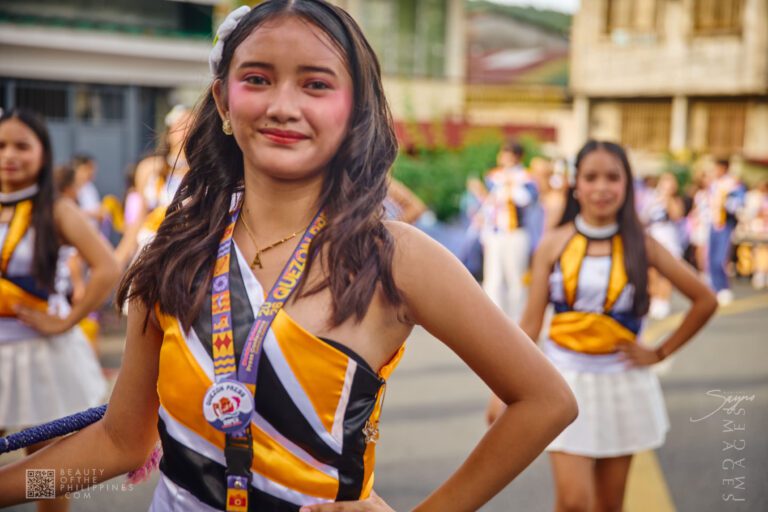
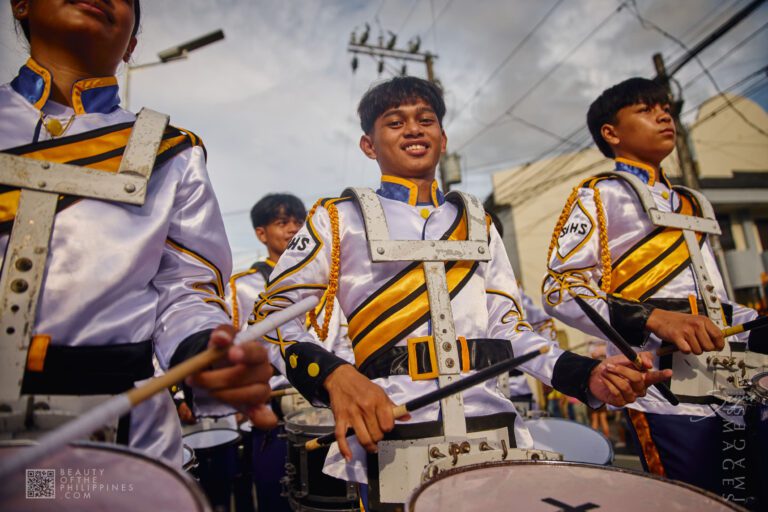
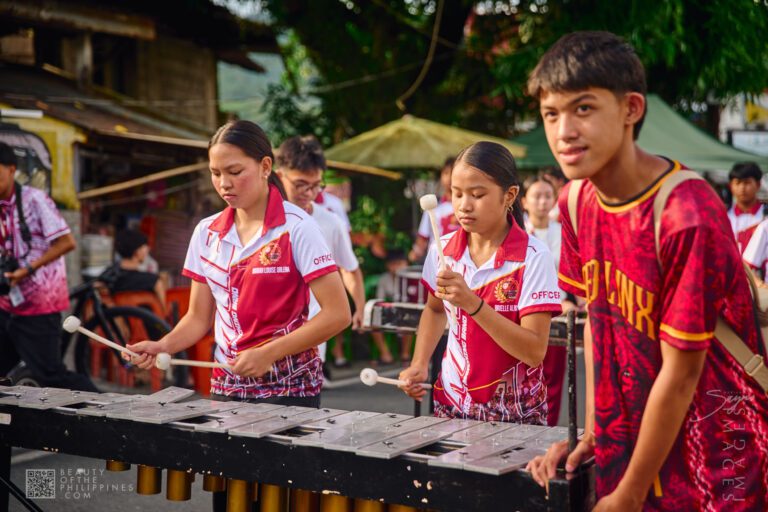
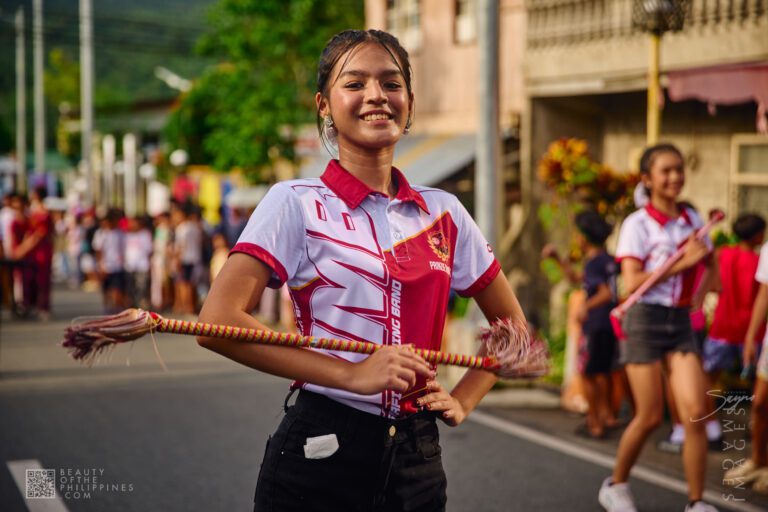
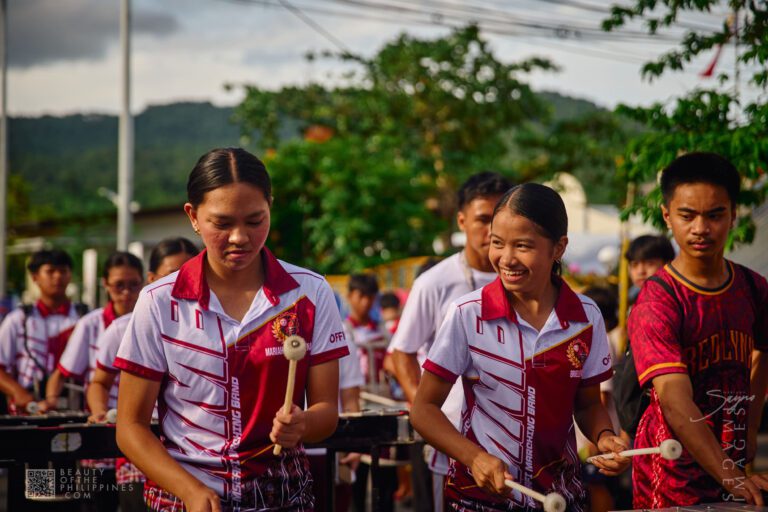
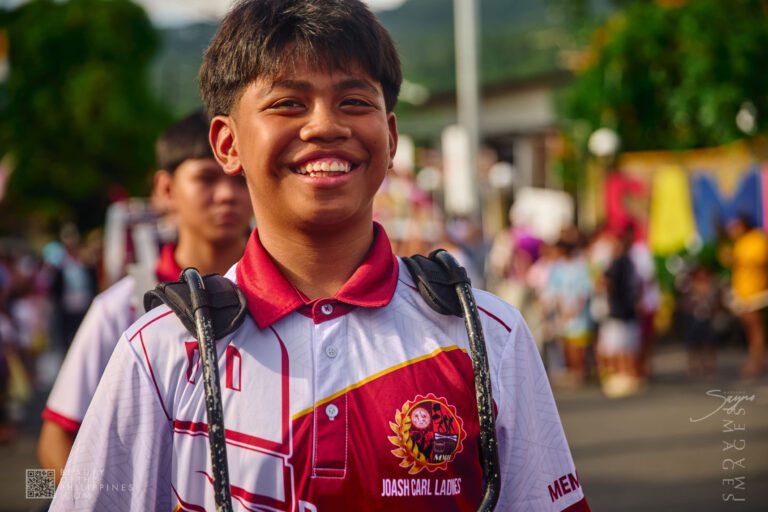
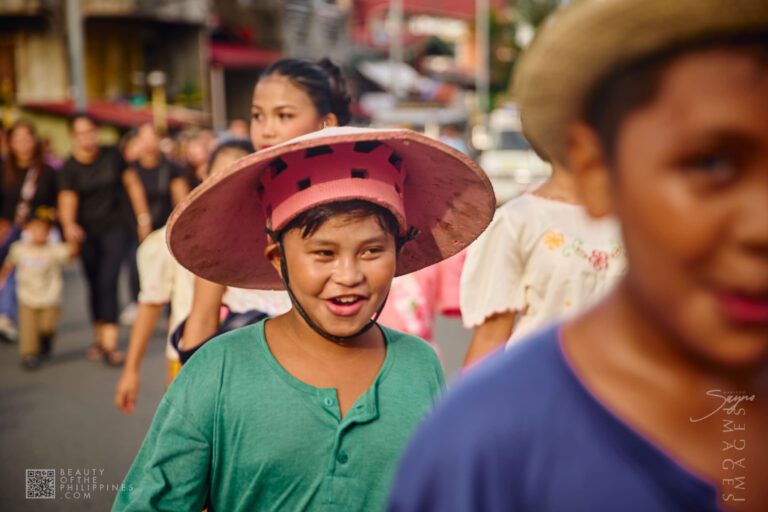
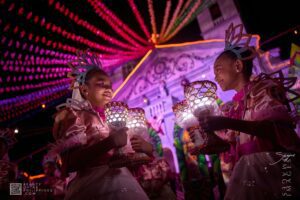
Young participants form an important part of the second edition of the festival. The program includes short or reel films, interpretative dance, storytelling, animation-related activities, and creative floats. The interpretative-dance competition is divided into a primary-school category and a high-school category, while the short-film or reel component also involves students from Sampaloc.


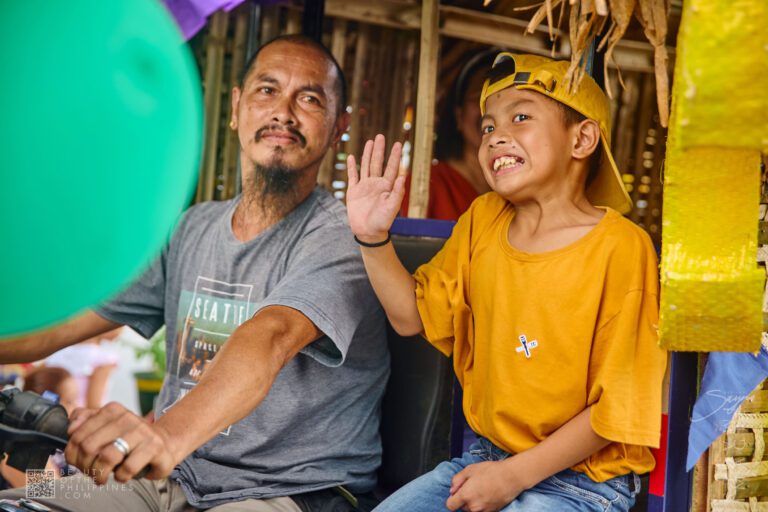
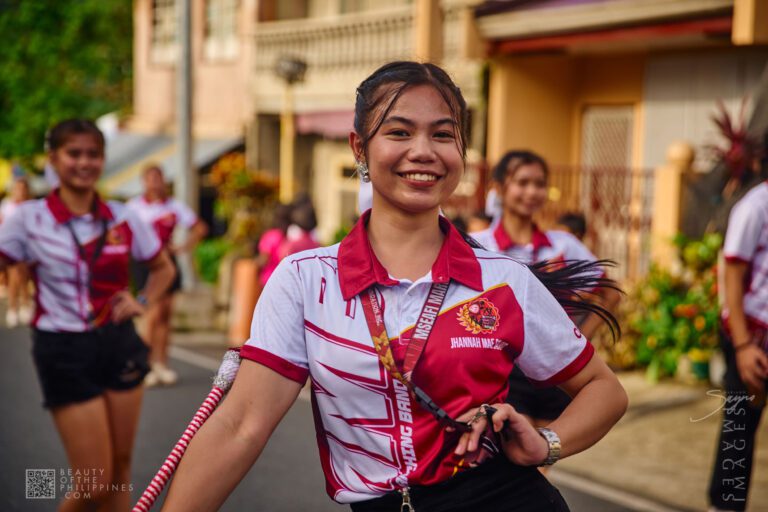
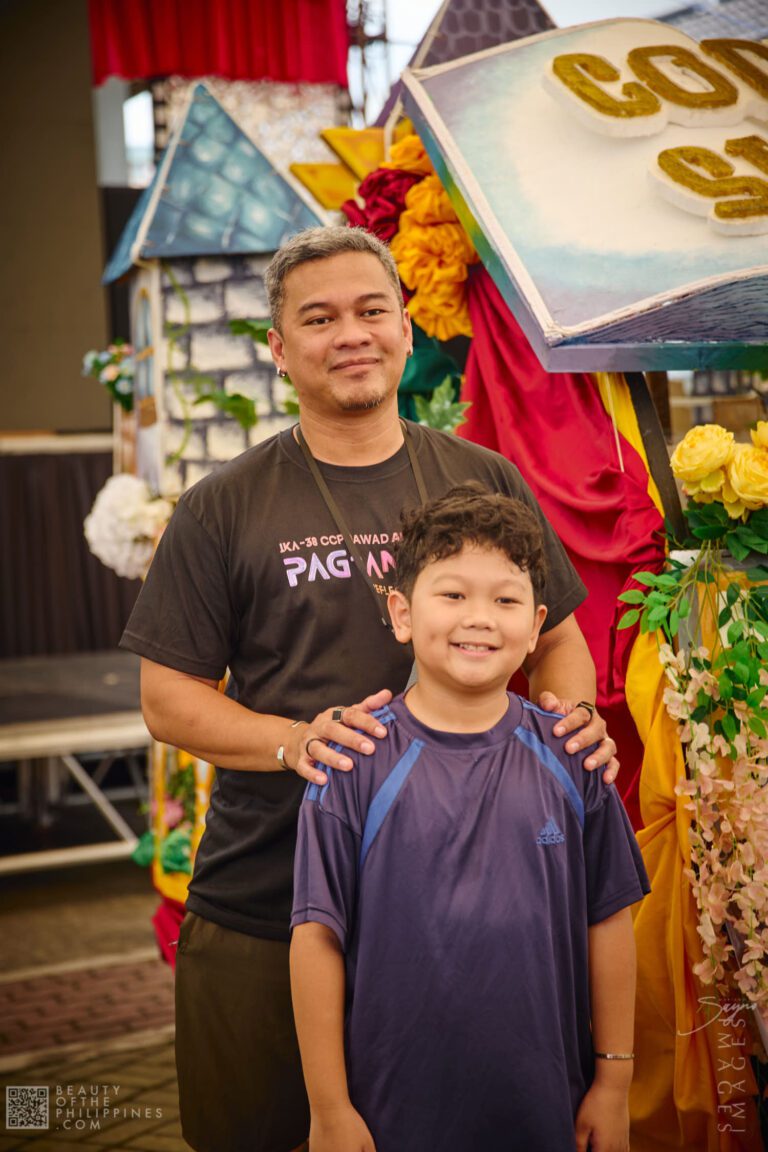
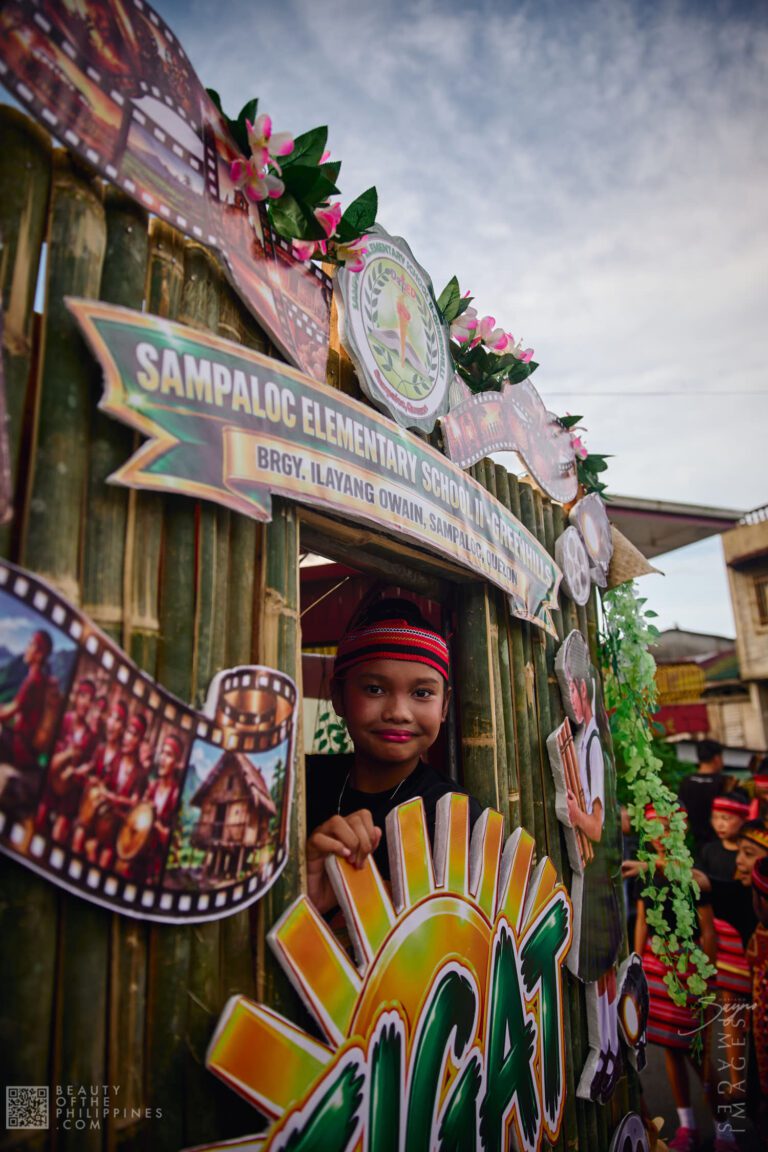
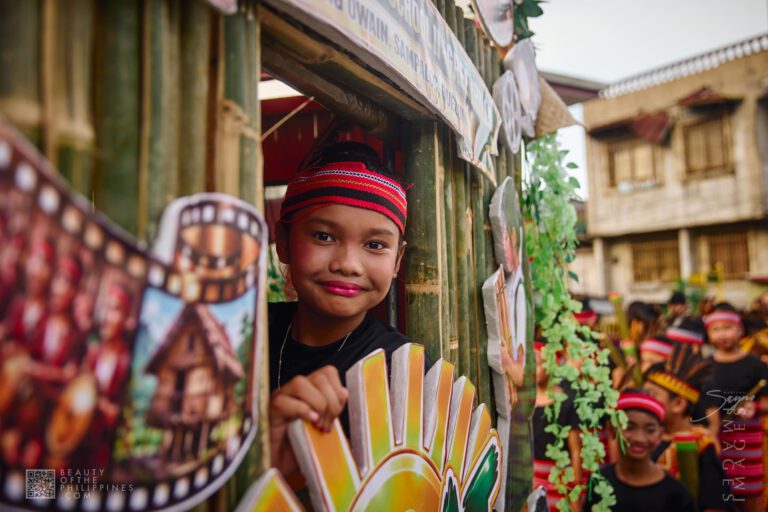
The creative-float activity gives that participation a particularly visible form. Instead of seeing young residents only as students attending a program, visitors can encounter them as participants helping create and present the festival itself. Their ideas become part of something that moves through the municipality.


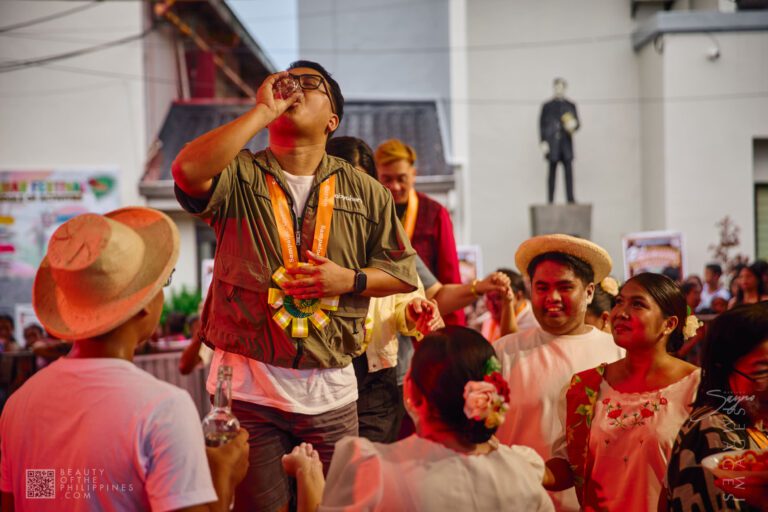
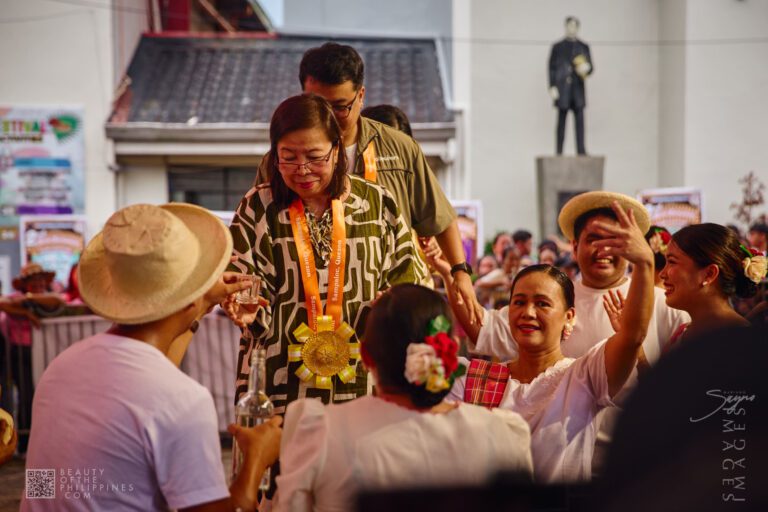
This community participation gives the festival a cultural-tourism character that is different from simply bringing an outside attraction into town. The people of Sampaloc are part of what visitors experience. The festival becomes something to watch, photograph, and encounter in public space.

A Creative Program That Started Earlier

The second edition did not appear without preparation. The first Sine Sampaloc Film Festival, held in December 2025 at Sampaloc Municipal Park, was developed by the Municipal Government of Sampaloc in cooperation with the Cinemalaya Foundation and the Cultural Center of the Philippines through its Lakbay Sine program.


That first edition combined public film screenings with film-appreciation and video-animation workshops for elementary and high-school students. Films from the CCP Gawad Alternatibo collection were included in the program, giving young residents an opportunity to encounter Philippine independent and alternative cinema within their own municipality.


By the following edition, the creative program had expanded into several forms. Some students who had participated in the earlier animation workshop continued into another year of activities, suggesting a continuing effort to develop local creative skills. The municipality has also been working with the Department of Trade and Industry regarding production equipment for its creative community.


The educational background gives the parade more context. The floats are not simply colorful additions to a festival schedule; they form part of a broader program introducing young residents to film and related creative practices.

Sampaloc Was Already on the Film Map

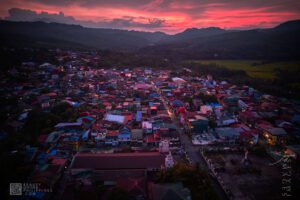
The connection between Sampaloc and cinema began before the festival. The municipality’s rural environment has attracted filmmakers because of its rivers, agricultural landscapes, forests, hills, bridges, and historic structures.


Filmmaker Lav Diaz has been based in Sampaloc since 2022 and has used the municipality for productions including Ang Kawalan ng Kawalan, Phantosmia, and Magellan. Phantosmia was reported to have been filmed approximately 99 percent in Sampaloc, apart from a small number of scenes elsewhere in Quezon.


The connection became particularly personal for residents who participated as extras. During the first Sine Sampaloc Film Festival, they were able to watch themselves and recognize familiar places from their municipality on screen. Cinema therefore became more than something produced somewhere else and brought into town for viewing. It had already become connected to local people and places.


That background gives the festival a stronger tourism meaning. Sampaloc is developing as both a place represented through cinema and a community that participates in the production and presentation of cinema.

Rural Landscapes That Became Film Locations

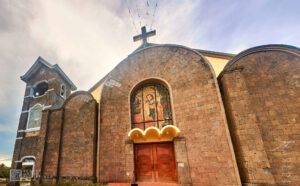
The landscapes surrounding the festival are part of what makes the municipality distinctive. Sampaloc has been described through its freshwater rivers, waterfalls, hanging wooden bridges, rice fields, forested rolling hills, and historic structures, including San Vicente Ferrer Parish Church and a historic bridge in Barangay Apasan.


For a traveler-photographer, these features also provide context for understanding why filmmakers have been drawn to the municipality. The scenery is not an artificial festival backdrop. The rice fields, waterways, roads, bridges, houses, and forested areas are part of the community’s actual environment.


That distinction matters when photographing the creative-float parade. A decorated tricycle against a recognizable rural setting tells a wider story than the float by itself. The photograph can show not only what the festival looks like, but where it is happening.

Film Production Reaches Local Homes and Services

The growth of film activity has also created practical connections with local services. During the production of Magellan, houses that were normally unoccupied were used as transient accommodations for production crews. Residents worked as extras, while local visual artists contributed to production design and set work.


The municipality has also developed film-location support involving location inquiries, barangay coordination, location scouting, supplier identification, and transient accommodation arrangements. Resorts and other local accommodations provide additional options for visitors and production teams.


These developments show how filmmaking can create activity beyond the camera itself. Accommodation, food, transportation, coordination, artistic work, and other community services can become connected to production.

A Rural Economy Still Shapes the Destination

Film tourism does not replace the agricultural character of Sampaloc. Rice and coconut-related activities remain part of the municipality’s rural identity, while buri or buli production and handicrafts contribute to local livelihoods.


The annual Bulihan Festival celebrates the cultural and economic importance of buli. In April 2026, the 15th Bulihan Festival, Fiesta sa Ilog highlighted the continuing role of buli in the community.


This is important to the film-tourism story because the landscapes used by filmmakers are also working landscapes. Rice fields, coconut areas, roads, waterways, and rural communities are not simply scenic backgrounds. They are part of how people live and work in Sampaloc.


That makes the municipality’s cinematic identity closely connected to its existing cultural and agricultural identity.

RELATED STORIES

Niyogyugan Festival

Hambujan Festival: A Celebration of Agricultural Bounty and Spiritual Devotion

Located in the heart of Dolores, Quezon, the Hambujan Festival is a vibrant celebration that embodies the town’s rich heritage and deep connection with nature.


Read More »

Gunao Lake: A Hidden Gem in Dolores, Quezon

Gunao Lake, located in the charming town of Dolores in Quezon Province, remains a hidden treasure waiting to be discovered by adventurers seeking natural wonders.

Read More »

San Narciso Port: A Small Harbor at the Center of Coastal Life

When people talk about ports in Quezon Province, the bigger and busier ones usually come to mind first. But further south, along the Bondoc Peninsula,

Read More »

Lamon Bay: The Pacific Coast Jewel of Quezon

Along Quezon Province’s eastern seaboard, Lamon Bay unfolds as a living tapestry of sea, sand, and human stories. Unlike the more visited Pacific-facing beaches of

Read More »
Where Cinema Meets Community Tourism

The festival also fits into a larger tourism direction for the municipality. The municipality’s stated vision identifies Sampaloc as an Agri-Ecotourism Hub, emphasizing ecological balance, community participation, and sustainable development.


Within that framework, the film festival adds another layer. Agriculture, nature, culture, community activities, local livelihoods, and filmmaking can exist within the same destination story. The festival does not need to replace the municipality’s established attractions to become relevant to tourism. Instead, it gives visitors another way to encounter them.


The creative-float parade is especially useful in this respect because it physically connects the festival with public spaces. The town becomes part of the experience.

A Festival Connected to a Growing Film Ecosystem

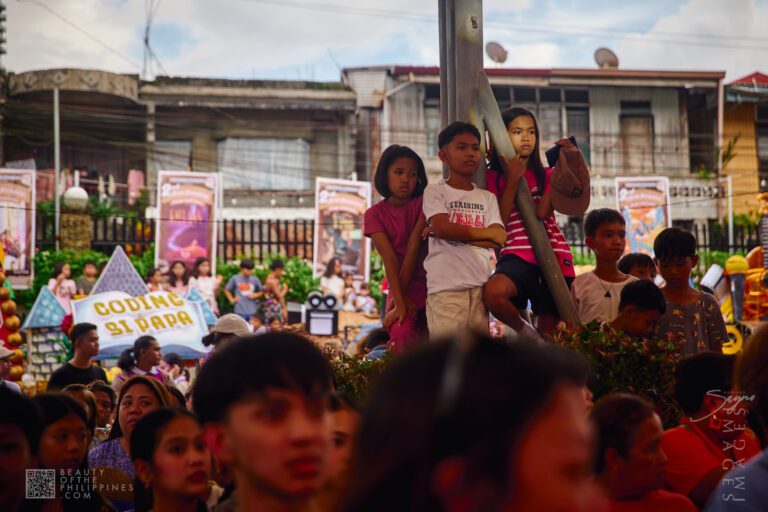
The relationship with the Cultural Center of the Philippines also places Sine Sampaloc within a wider Philippine film network. Through Lakbay Sine, the first edition brought films and film-related activities into a provincial community. The second edition continued that relationship with films including Coding Si Papa, whose actors also visited Sampaloc.


At the same time, the municipality’s developing film-location services create another layer to the story. A location can be identified, a production can coordinate with barangays, local suppliers can become involved, residents can work as extras, and houses or other spaces can accommodate production crews.


The result is gradually becoming more than a town where filmmakers find scenery. It is a community developing the capacity to participate in different parts of a film ecosystem.

A Parade That Changes Familiar Streets

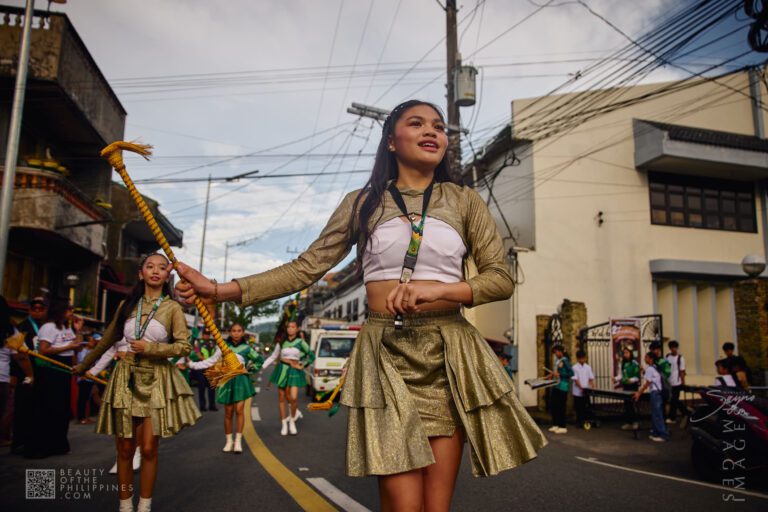
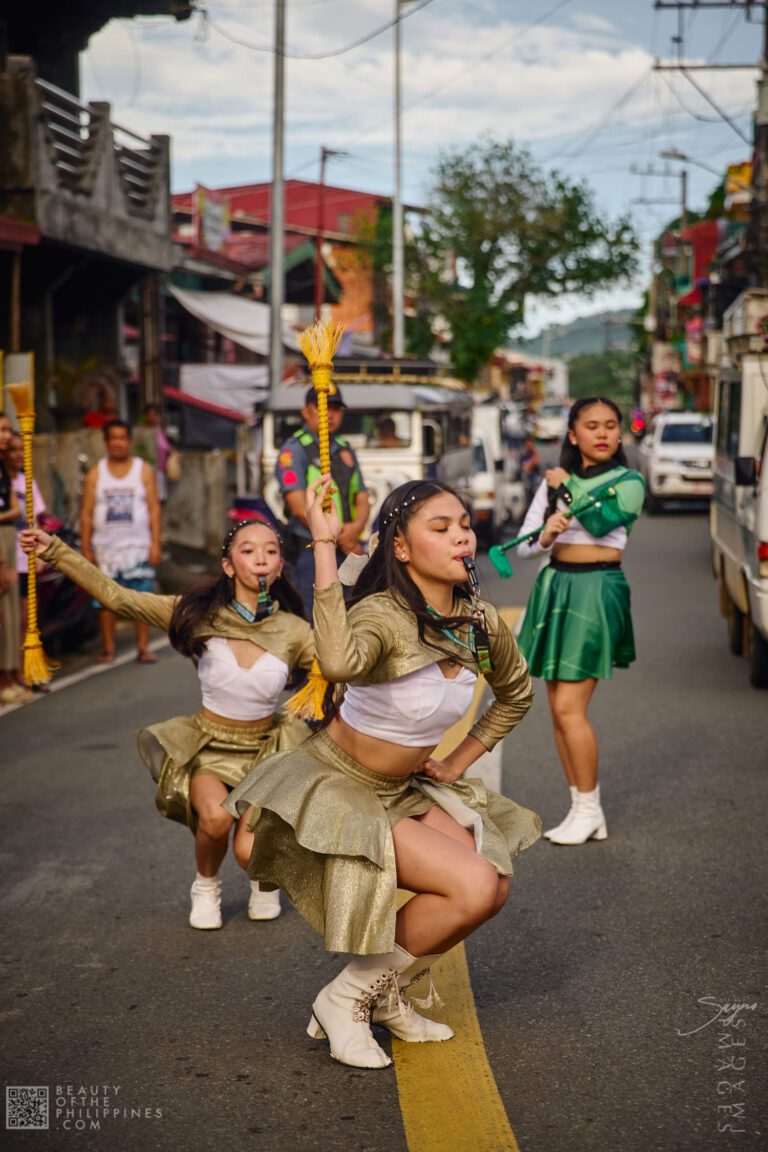
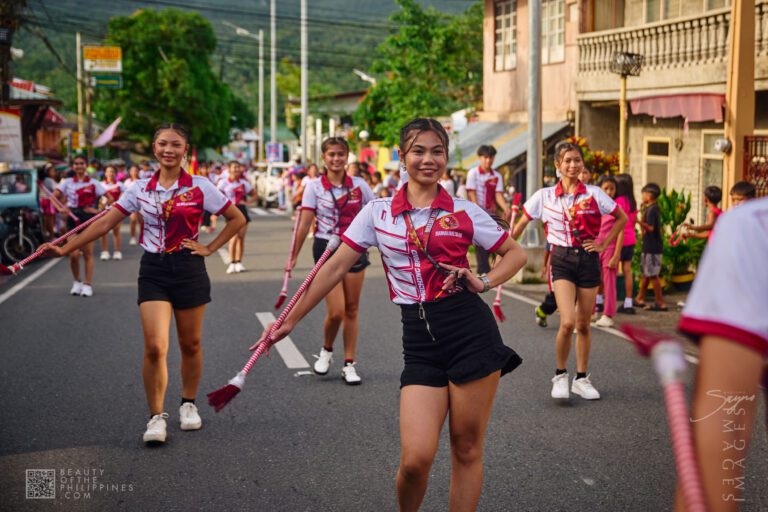
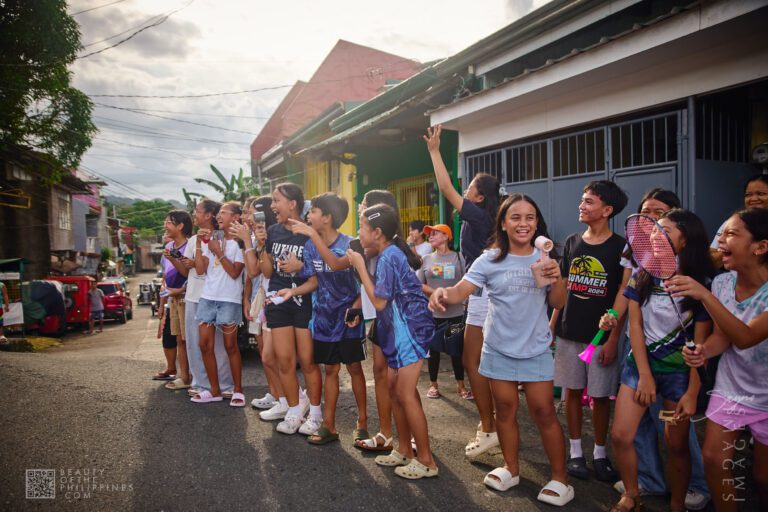
The creative-float parade is perhaps the clearest visual expression of that transition. A road normally used for transportation temporarily becomes part of a cultural event. A tricycle becomes an artwork. Students become festival participants. Residents become spectators. Familiar neighborhood spaces take on another function for the duration of the activity.


The parade therefore works as a bridge between event documentation and tourism documentation. It shows what is happening while also showing where it is happening.

Sampaloc Beyond the Parade

The larger destination story extends beyond the festival. Sampaloc brings together film locations, agricultural landscapes, natural resources, local craftsmanship, community festivals, and emerging tourism services.


Its freshwater rivers, waterfalls, caves, hanging bridges, forested hills, rice fields, coconut areas, and historic structures contribute to its nature, agricultural, and cultural tourism potential. Its buli craftsmanship provides another connection to local livelihood and identity. Its film-location development introduces a newer creative dimension.


These developments place the film festival within a broader destination-building effort rather than treating it as an isolated entertainment program.

When the Town Becomes Part of the Film

The strongest tourism interpretation of the Sine Sampaloc Film Festival is not simply that Sampaloc holds a film festival. The more interesting story is how cinema is becoming another way for people to encounter the municipality.


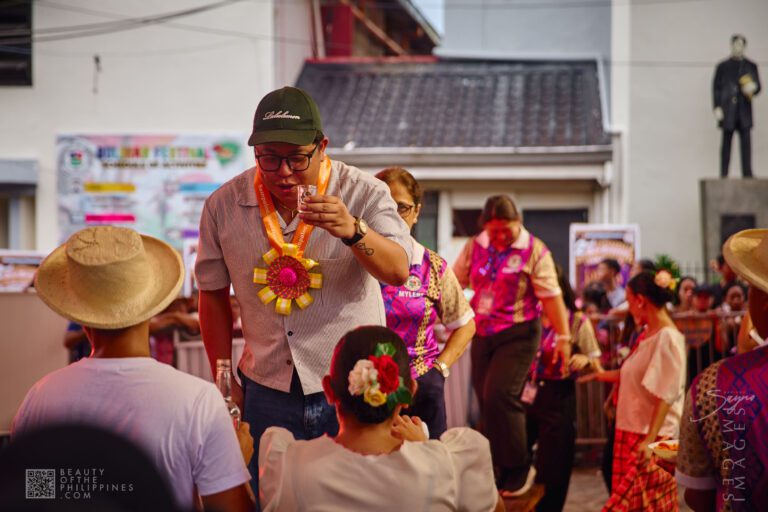
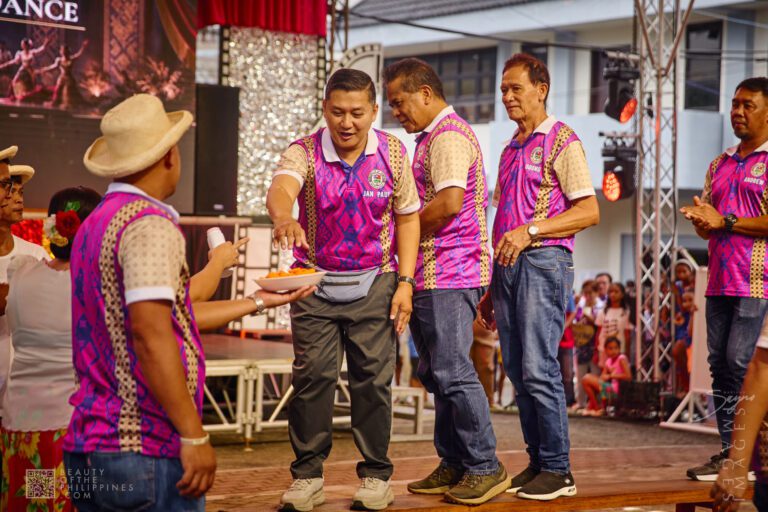
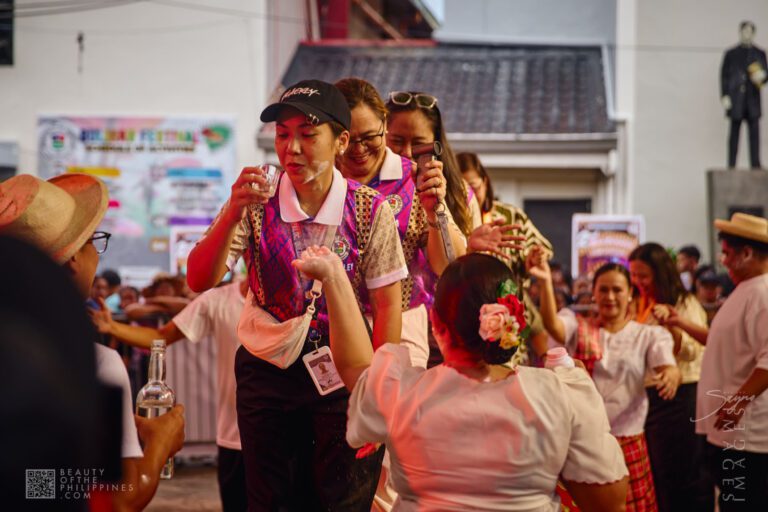
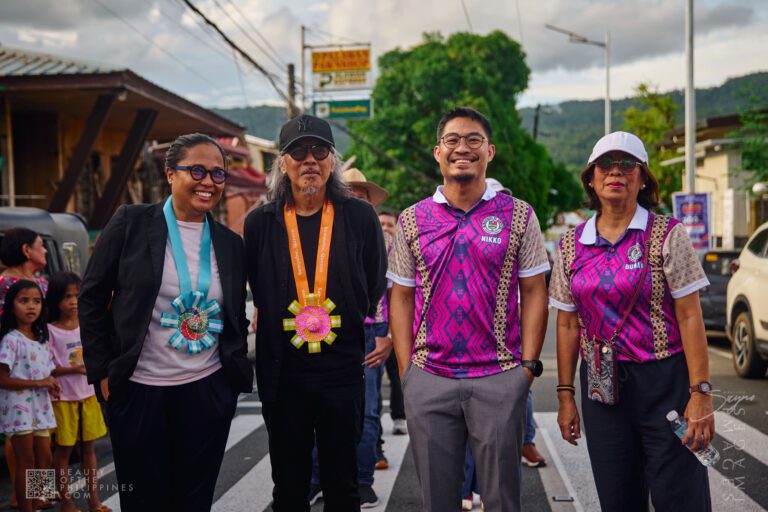
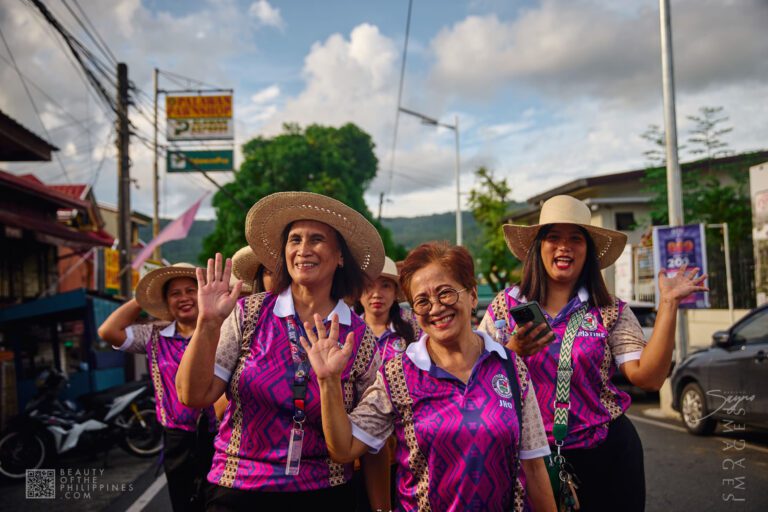
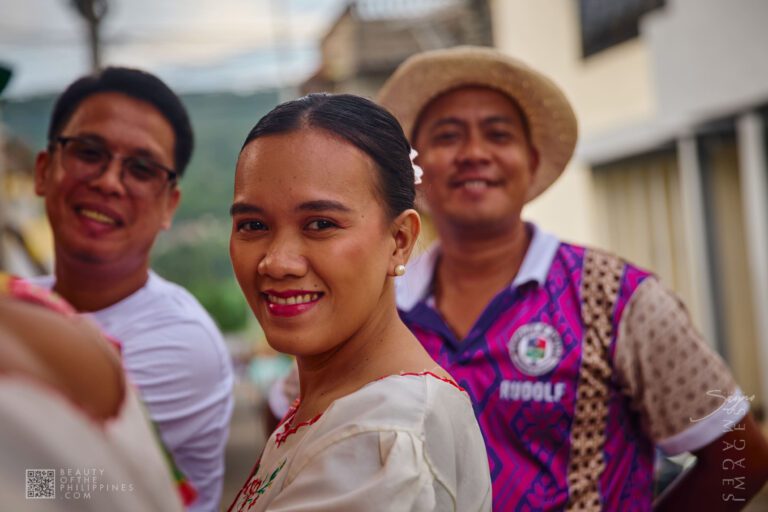
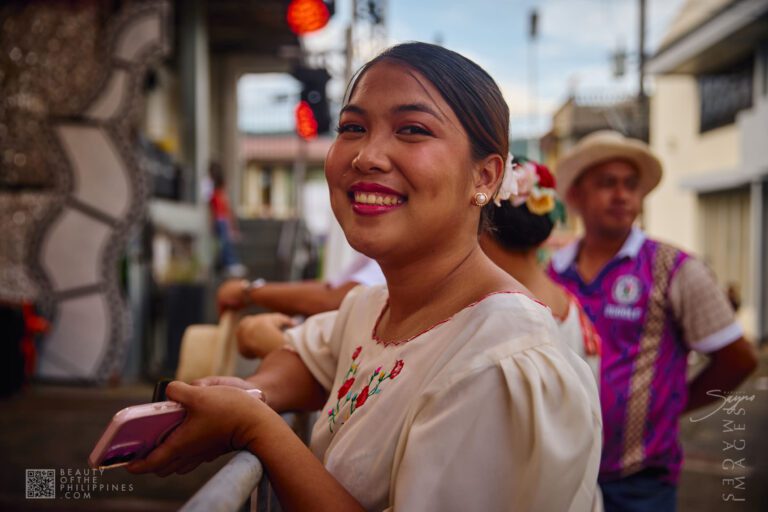
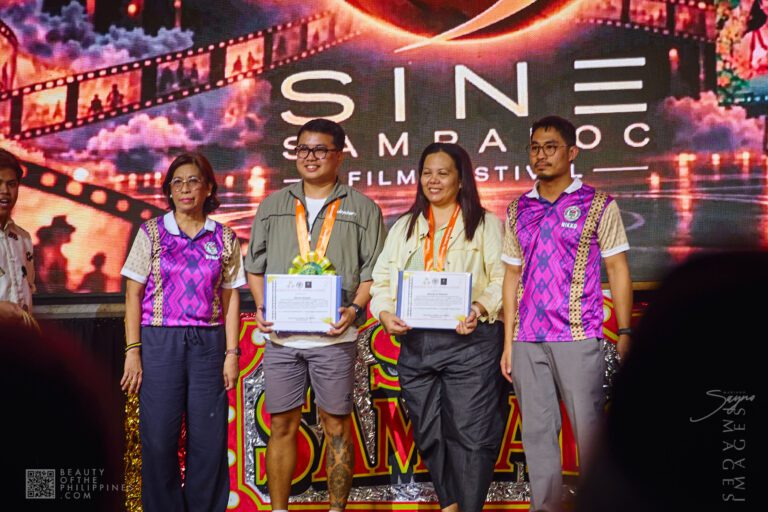
The creative-float parade makes that relationship visible. A tricycle becomes a moving artwork. Students bring creative ideas into public space. Residents watch from their neighborhoods. The streets become temporary festival grounds. The same community that has appeared in films now becomes an active participant in a celebration of cinema.


For a traveler-photographer, those moments connect the event to the place itself. The floats provide color and movement, but the surrounding environment provides meaning. The road, the people, the rural landscape, and the everyday life of Sampaloc remain part of the frame.


That is what gives the parade its strongest tourism value. It does not simply bring a festival to Sampaloc. It allows the character of Sampaloc to become part of the festival.

I’m looking forward to the stories and images leaving a lasting positive impression on you, just as they have on me. Stay connected with us on social media for a weekly exploration of travel assignments and breathtaking visuals. Our focus is on championing local tourism, showcasing small businesses, and honoring the magnificence of the Philippines through the content we curate. Join us in spreading the word by clicking the ‘share’ buttons below. Your support means the world to us.

BROWSE BY REGION
  • metro MANILA
  • abra
  • albay
  • baguio city
  • BATAAN
  • batangas
  • Benguet
  • bulacan
  • cagayan
  • cavite
  • cebu
  • cotabato
  • davao oriental
  • Guimaras
  • ilocos norte
  • ilocos sur
  • Iloilo
  • Isabela
  • laguna
  • lanao del norte
  • maguindanao
  • negros occidental
  • nueva vizcaya
  • palawan
  • Pampanga
  • pangasinan
  • QUEZON
  • rizal
  • Samar
  • sarangani
  • sorsogon
  • Tarlac
  • zambales
  • zamboanga city

EXPLORE MORE about

  • Quezon

Pulong Pasig Sandbar: Walking the Endless White Sands of Calauag

Pulong Pasig Sandbar, situated in the pristine coastal waters of Calauag, Quezon, is a breathtaking sandbar that emerges and disappears with the tides, offering an

Read More »

Senturyons of General Luna: Witnessing Quezon’s Sacred Rituals

In General Luna, Quezon, Holy Week is far from ordinary. The town’s quiet streets transform into a tapestry of devotion and local artistry through the

Read More »

Agos River: A Working Landscape of Water, Food and Community in Infanta

Beneath the Agos River Bridge in Barangay Banugao, the river takes on a different character in the early morning. The first light reaches the water,

Read More »
Niyogyugan Festival

Niyogyugan Festival: Celebrating Quezon’s Coconut Heritage and Vibrant Culture

Every August, Quezon Province bursts with color, rhythm, and tradition as the Niyogyugan Festival takes over Lucena City. More than just a tribute to coconuts,

Read More »

Quezon Zigzag Road: Adventure Through Bitukang Manok’s Winding Paths

Quezon Zigzag Road, or Bitukang Manok, was constructed in 1969 during President Ferdinand Marcos’ administration. Engineers faced the challenge of traversing the rugged slopes of

Read More »

Candle Festival: From Local Tradition to National Spotlight

This celebration of the “Candle Festival” takes place from the 31st of January to the 2nd of February each year and is held in order

Read More »

San Narciso Church: The Spiritual Heart of Quezon Town

At the heart of San Narciso town in Quezon, a modest but profoundly significant landmark rises — the San Narciso Church, officially named St. Joseph

Read More »
Malagonlong Bridge Tayabas Quezon

Malagonlong Bridge: A Timeless Crossing in Tayabas, Quezon

Tucked along the Dumacaa River in Tayabas City, Malagonlong Bridge — or Puente de Malagonlong — is one of the Philippines’ oldest and longest stone

Read More »

Sine Sampaloc Film Festival: A Different Frame for Sampaloc, Seen Through Student Creativity

The strongest images from Sine Sampaloc Film Festival may not necessarily come from the film screenings themselves. In the interpretative-dance performances, the festival becomes something

Read More »

Candle Festival of Candelaria: A Marian Tribute to Nuestra Señora de la Candelaria

The Candle Festival in Candelaria, Quezon, held from January 31 to February 5, 2026, celebrates devotion to Nuestra Señora de la Candelaria while highlighting community

Read More »

Lamon Bay: The Pacific Coast Jewel of Quezon

Along Quezon Province’s eastern seaboard, Lamon Bay unfolds as a living tapestry of sea, sand, and human stories. Unlike the more visited Pacific-facing beaches of

Read More »

Dolores’ Paskotitap 2025: Quezon’s One-of-a-Kind Christmas Celebration

This Christmas, Dolores shone as the creative heart of Quezon province. Paskotitap 2025 transformed the town into a radiant celebration of lights, movement, and storytelling—where

Read More »

Boling-Boling Festival: Street Revelry and Cultural Heritage in Catanauan

For travelers exploring Quezon Province, few festivals rival the energy and creativity of the Boling-Boling Festival in Catanauan. Celebrated in the days leading up to

Read More »

Lucban Pahiyas Festival: A Spectacularly Colorful Tradition in Quezon

Every May 15, the charming town of Lucban, Quezon bursts into a dazzling display of colors, artistry, and cultural pride as it celebrates the Pahiyas

Read More »

Gunao Lake: A Hidden Gem in Dolores, Quezon

Gunao Lake, located in the charming town of Dolores in Quezon Province, remains a hidden treasure waiting to be discovered by adventurers seeking natural wonders.

Read More »

Lucban Church: Stone, Story, and the Spirit of Pahiyas

Right in the heart of Lucban, Quezon, you’ll find the San Luis Obispo de Tolosa Parish Church, more commonly known as Lucban Church. This centuries-old

Read More »

Atimonan Port: Gateway to Lamon Bay and the Island Routes of Quezon

Along the Edge of Lamon Bay I first approached Atimonan Port with the sea on one side and the steady traffic of the Maharlika Highway

Read More »
Niyogyugan Festival

Hambujan Festival: A Celebration of Agricultural Bounty and Spiritual Devotion

Located in the heart of Dolores, Quezon, the Hambujan Festival is a vibrant celebration that embodies the town’s rich heritage and deep connection with nature.
Read More »

Infanta Old Church Ruins & Burial Grounds: Tracing Infanta’s Forgotten Stone Landscape

The first impression of the Infanta Old Church Ruins is less about scale than texture. What remains is a fragment of masonry rather than a
Read More »

Pabasa ng Pasyon: Experience Spiritual Devotion Through Song and Kubols

Every Holy Week, from Palm Sunday to Good Friday, the town of General Luna in Quezon transforms into a living stage of devotion and culture.
Read More »

Agos River: The Quiet Craft of Pagtatain in Infanta, Quezon

The first impression of Agos River in Barangay Banugao, Infanta, Quezon can be deceptively quiet. Early light settles over the water, the river current keeps

Read More »

Pahiyas Festival: Street Dancing, Floats, and the Spirit of San Isidro

Every May 15, the charming town of Lucban, Quezon, bursts into a kaleidoscope of colors, music, and movement for the Pahiyas Festival, a grand celebration

Read More »

Sirena ng Atimonan: Where Folklore Meets the Sea

A Familiar Figure Along the Road The Sirena ng Atimonan stands along the Pan-Philippine Highway, right by the shores of Lamon Bay in Barangay Angeles,

Read More »

Hondagua: Where Deep Waters and Old Rails Tell Stories

Hondagua is a barangay in the Municipality of Lopez, within Quezon Province, part of Region IV-A (CALABARZON) on Luzon island, Philippines. It lies directly along

Read More »

Sariaya Church: Sto. Cristo de Burgos and the Heritage of Quezon

Traveling along the Maharlika Highway in the heart of Sariaya, Quezon Province, you can’t help but notice the quiet elegance of Sariaya Church. Known formally

Read More »

Santuario De Las Almas: Tayabas’ Quiet Sanctuary of Memory and Colonial Echoes

Within Tayabas City, a place more frequently identified by the commanding Minor Basilica of Saint Michael the Archangel, the lively Mayohan Festival, ancestral houses, and

Read More »

San Narciso Port: A Small Harbor at the Center of Coastal Life

When people talk about ports in Quezon Province, the bigger and busier ones usually come to mind first. But further south, along the Bondoc Peninsula,

Read More »

A&J Cafe: Exploring Gumaca One Sip at a Time

Finding A&J Cafe at J.P. Rizal Street corner E. Caparros Street in Barangay Pipisik, the space immediately communicates calm. Minimalist design, warm lighting, and an

Read More »

Siain Port: From Copra Trade to Community Pier in Plaridel

Every time I walk toward Siain Port, the first thing that hits me is the line of the pier itself—long, straight, and stretching into Lamon

Read More »

Lucban Longganisa: A Garlicky Icon of Quezon’s Culinary Heritag

When you wander into the vibrant town of Lucban, Quezon, you can’t miss the aroma that defines its identity — the unmistakable, bold scent of

Read More »

San Narciso Beach: Talisay Cove’s Scenic Escape

Located in the town of San Narciso, Quezon Province, San Narciso Beach — or Talisay Beach as locals call it — stretches along the Philippine

Read More »

Mulanay Church: A Quiet Witness to Mulanay’s History

Standing quietly at the center of town, Mulanay Church feels less like a monument and more like a steady presence. I noticed how time moves
Read More »

Moriones Festival: Bondoc’s Barefoot Senturyon Revealed

When most travelers picture the Moriones Festival, it’s the streets of Marinduque that come to mind. Yet the Bondoc Peninsula in Quezon Province has its


Read More »

BROWSE BY CATEGORIES

LOCATIONS
PROVINCES

Abra

Albay

Baguio City

Bataan

Batangas

Benguet

Bulacan

Cagayan

Cavite

Cebu

Cotabato

Davao Oriental

Guimaras

Ilocos Norte

Ilocos Sur

Iloilo

Isabela

Laguna

Lanao del Norte

Maguindanao

Manila

Negros Occidental

Nueva Vizcaya

Palawan

Pampanga

Pangasinan

Quezon

Rizal

Samar

Sarangani

Sorsogon

Tarlac

Zambales

Zamboanga City

ARCHITECTURE
HERITAGE

Bonifacio Monument Tutuban

Burdang Lumban Festival

Cagsawa Festival

Capones Lighthouse

Casa Manila

Christ the King Seminary

Corregidor Island Dark Tour Experience

Corregidor Island Reopens

Corregidor Island

Cultural Center of the Philippines

Fantasy World

Gabriela Silang Memorial Shrine

Gomburza National Monument

Hondagua

Iloilo Customs House

Intramuros

Jones Bridge

Jones Bridge

Kartilya ng Katipunan

La Loma Cemetery

LOAD MORE

CHURCHES
FAITH

Bacolor Church

Baguio Cathedral

Barasoain Church

Binondo Church

Calaca Church

Calumpit Church

Chong Hock Tong Temple

Feast of Black Nazarene

Greenbelt Chapel

Guadalupe Chapel Intramuros

Guadalupe Ruins Makati

La Naval de Manila

Las Piñas Bamboo Organ

Las Piñas Church

Lingayen Cathedral

Lubenas Festival

Lucban Church

Malate Church

Manila Abbey

Manila Cathedral

LOAD MORE

NATURAL & MAN-MADE
ATTRACTIONS

A&J Cafe

Agos River

Agos River

Alligator Lake

Amare La Cucina Baguio

Ambuklao Dam

Angeles City Holy Rosary Parish Church

Antipolo Cathedral

Apurawan Beach

Atimonan Port

Avilon Zoo

Azalea Hotels & Residences Baguio

Bagac Beach

Baguio Media Newseum

Balai Isabel

Balayan Bay

Baluarte de San Diego

Betis Church

Binondo Chinatown

Binuatan Creations

LOAD MORE

FESTIVALS &
EVENTS

Al Cinco de Noviembre Festival

Ana Kalang Festival

Antipolo Maytime Festival

Balacat Festival

Balitok Ti Alicia Festival

Bañamos Festival

Bato Art Festival

Bato Art Festival

Boling-Boling Festival

Buhayani Festival

Burdang Lumban Festival

Candle Festival

Dinagyang Festival

Feast of Santo Niño

Gilingan Festival

Halamanan Festival

Hambujan Festival

Iloilo Dinagyang Festival

Inaul Festival

Itik Festival

LOAD MORE
Facebook Twitter Instagram Envelope

All photographs that appear on the site are copyright of Mariano Sayno ©2022 Beauty of the philippines

All photographs that appear on the site are copyright of Mariano Sayno ©2022 Beauty of the philippines.com

Beauty of the philipipnes LOGO WHITE

BROWSE BY PROVINCE

Abra

Albay

Baguio City

Bataan

Batangas

Benguet

Bulacan

Cagayan

corregidor-island

Cavite

Cebu

Cotabato

Davao Oriental

Manggahan aFestival of Guimaras

Guimaras

Ilocos Norte

Ilocos Sur

dinagyang aliwan friesta husayno mariano sayno

Iloilo

Isabela

Laguna

Lanao del Norte

Maguindanao

Manila Bay by Mariano Sayno

Manila

Negros Occidental

Magat River Dupax Del Norte

Nueva Vizcaya

Palawan

Pampanga

Lingayen Cathedral

Pangasinan

Quezon

Rizal

Samar

Sarangani

Sorsogon

Tarlac

Zambales

Zamboanga City

Sampaloc, Quezon, Quezon, Philippines