BROWSE BY PROVINCE

Calaca City, Batangas
Calaca Church
Discovering Calaca’s Heritage, Faith, and Enduring Church Traditions
Share
Tweet
Email
EXPLORE Calaca Church

PUBLISHED October 22, 2026

PHOTOS | WORDS BY MARIANO SAYNO

  • Calaca City, Batangas
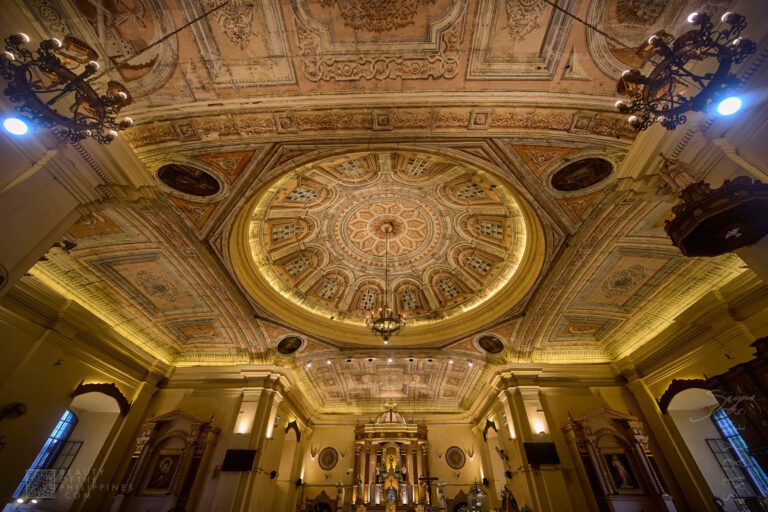
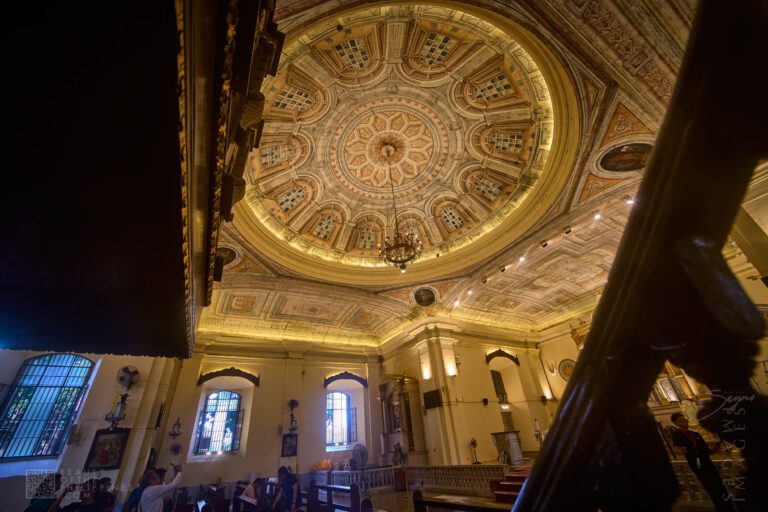
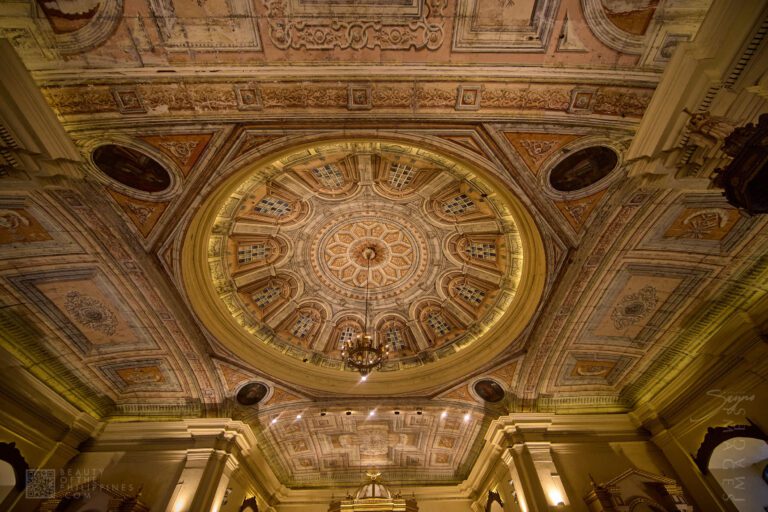
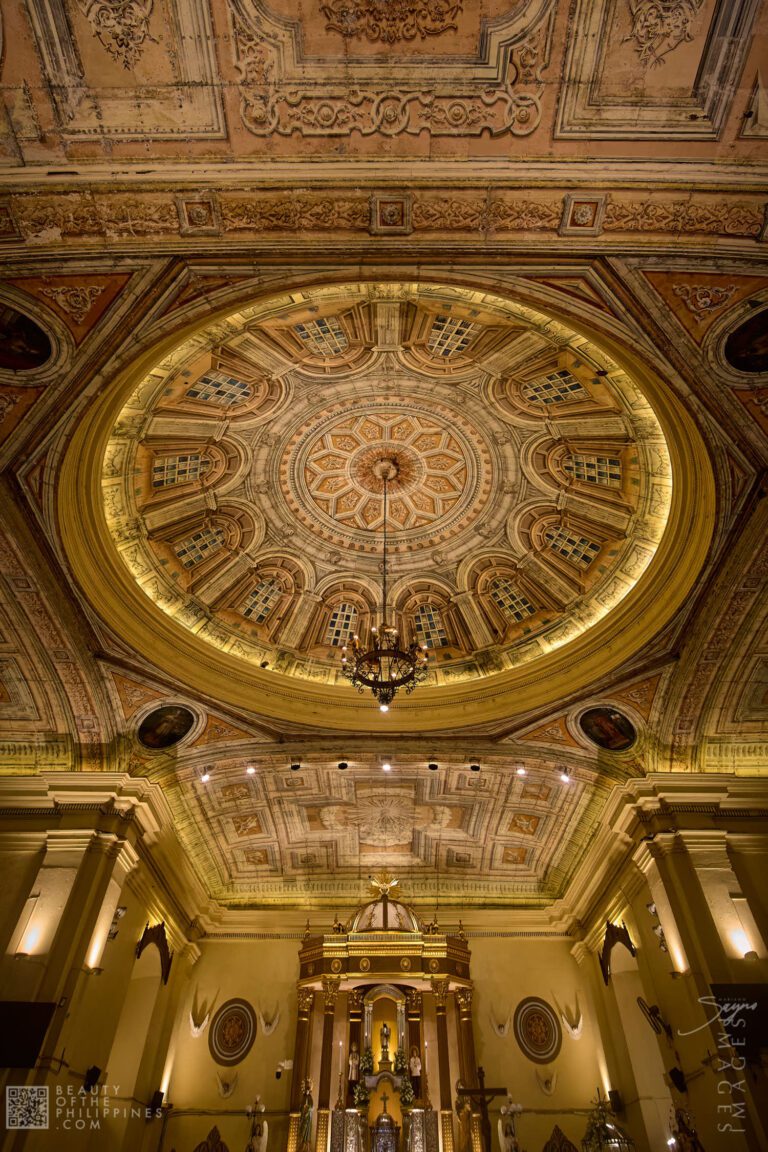
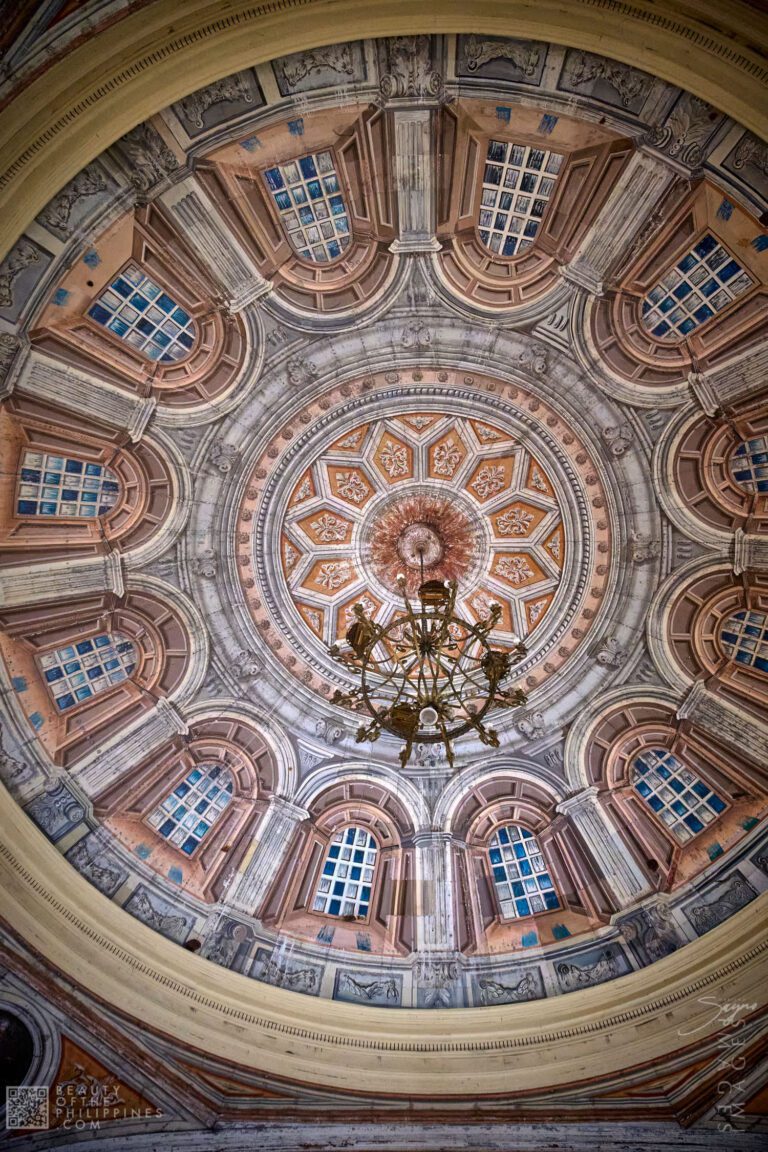
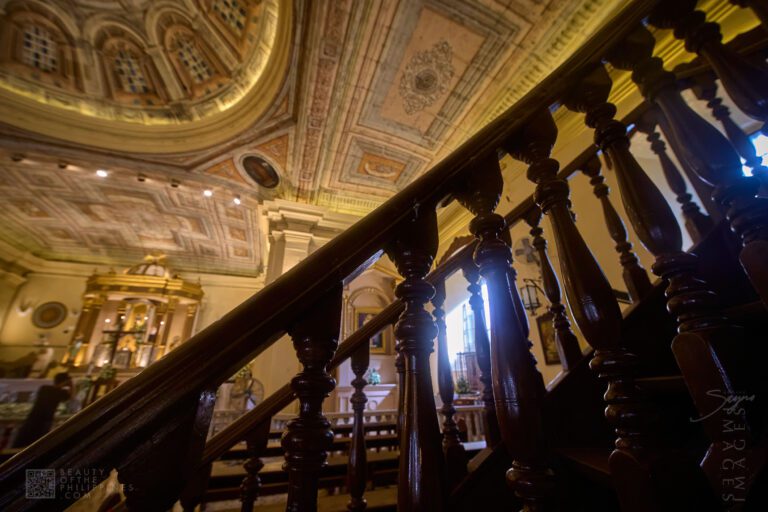
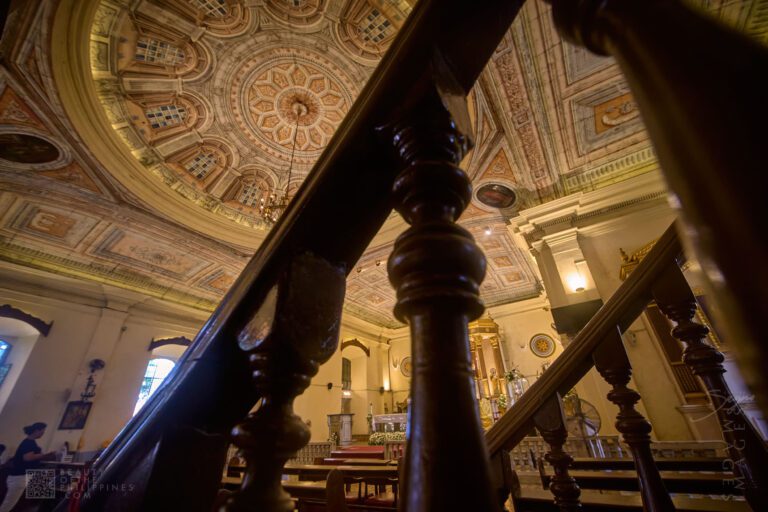
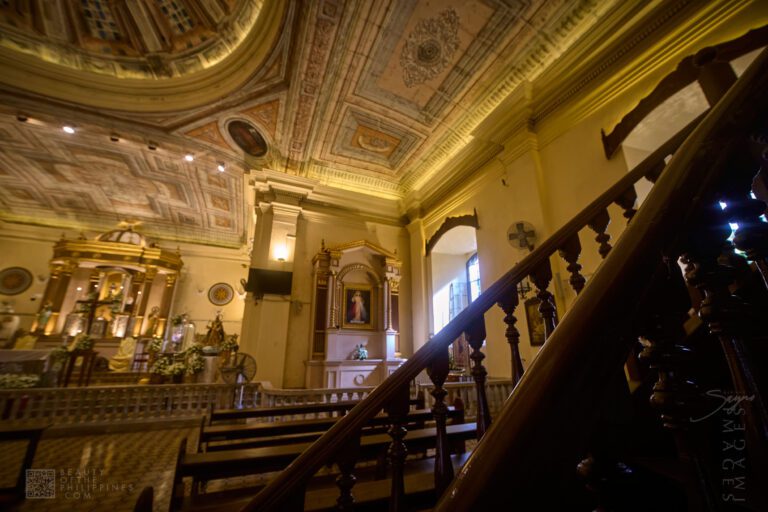
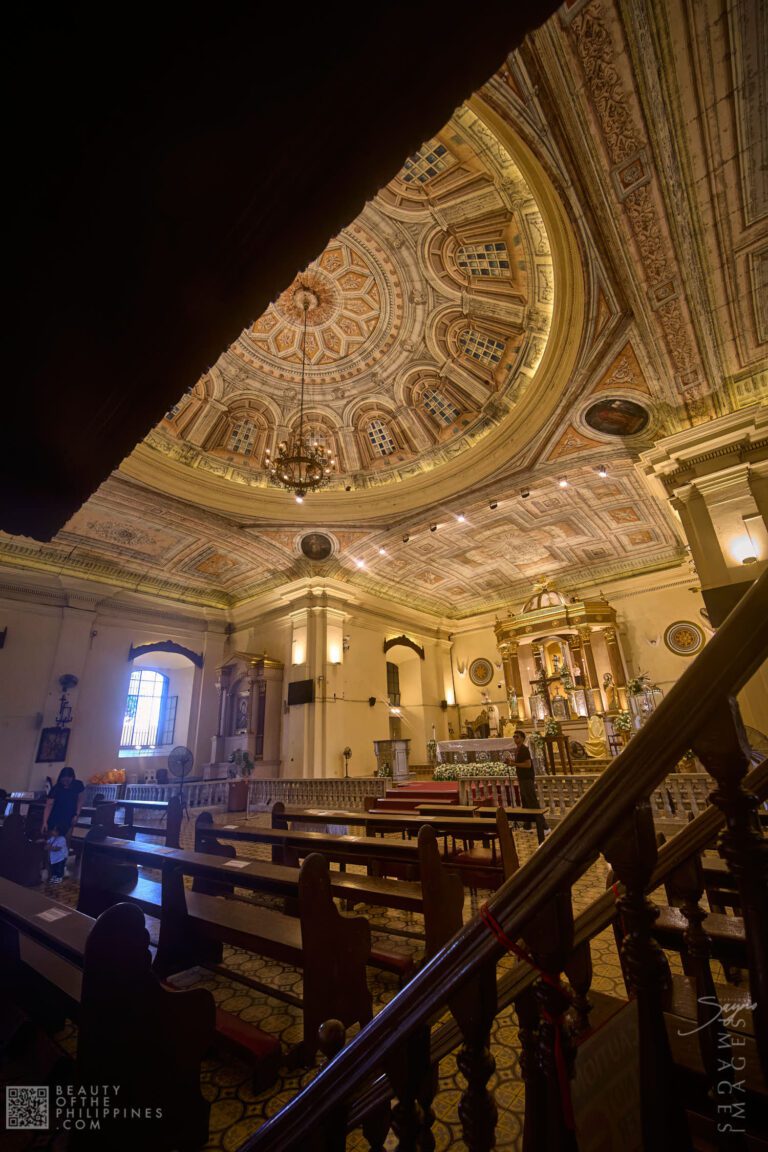
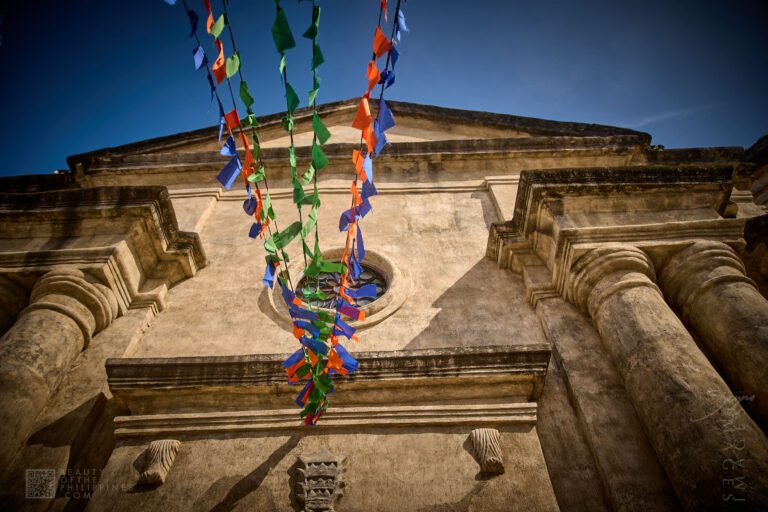
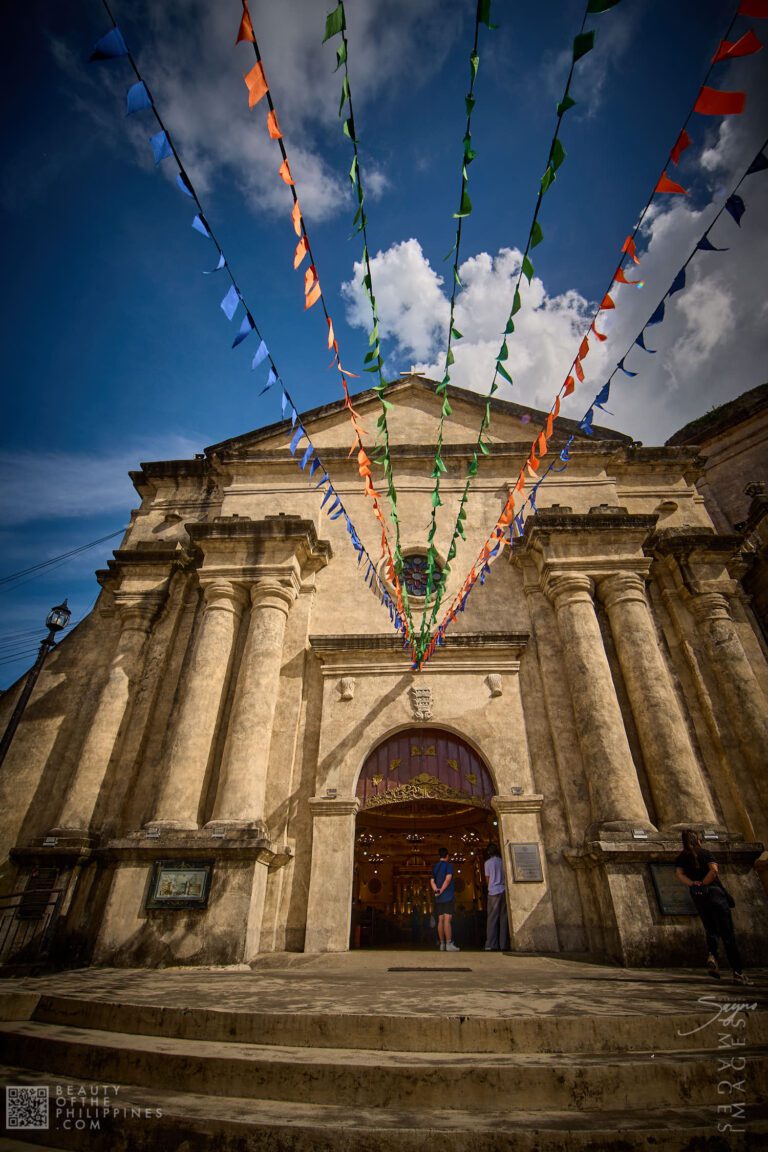
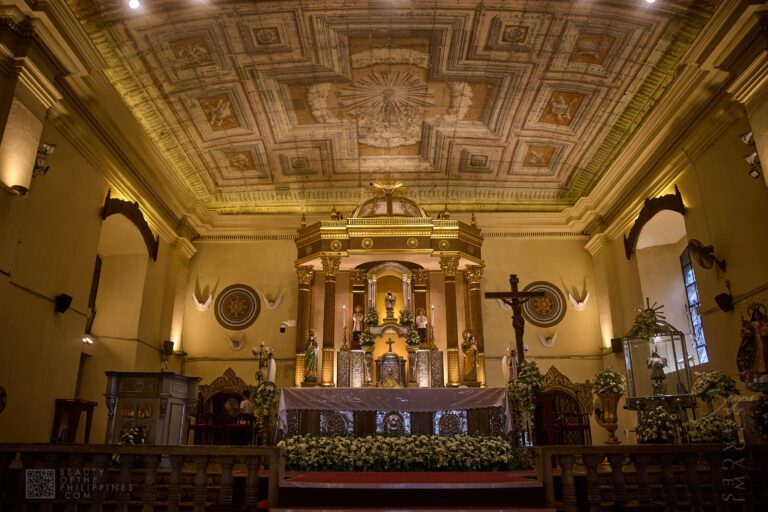
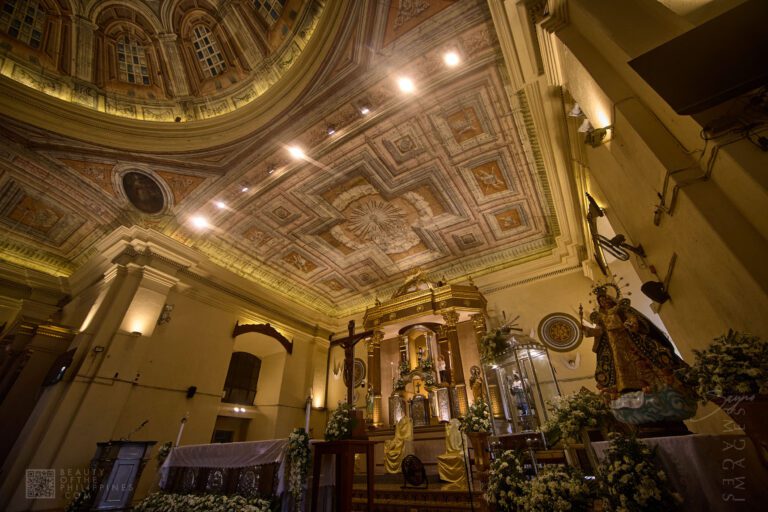
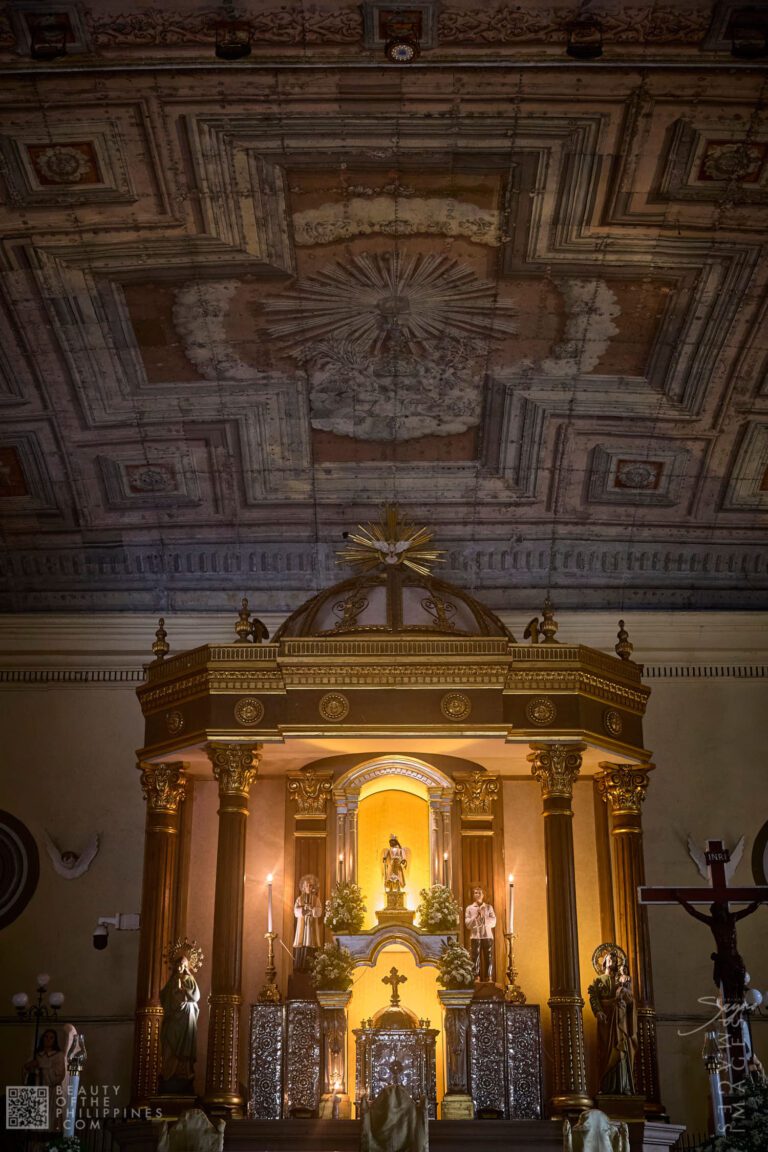
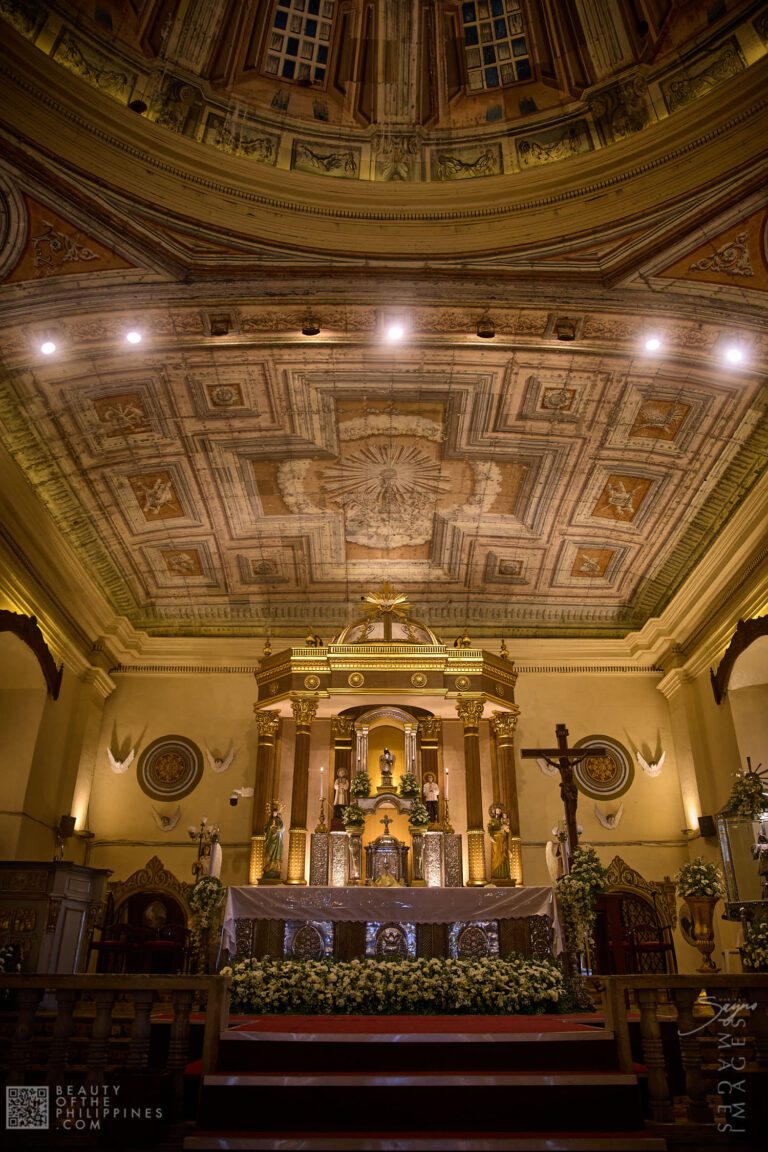
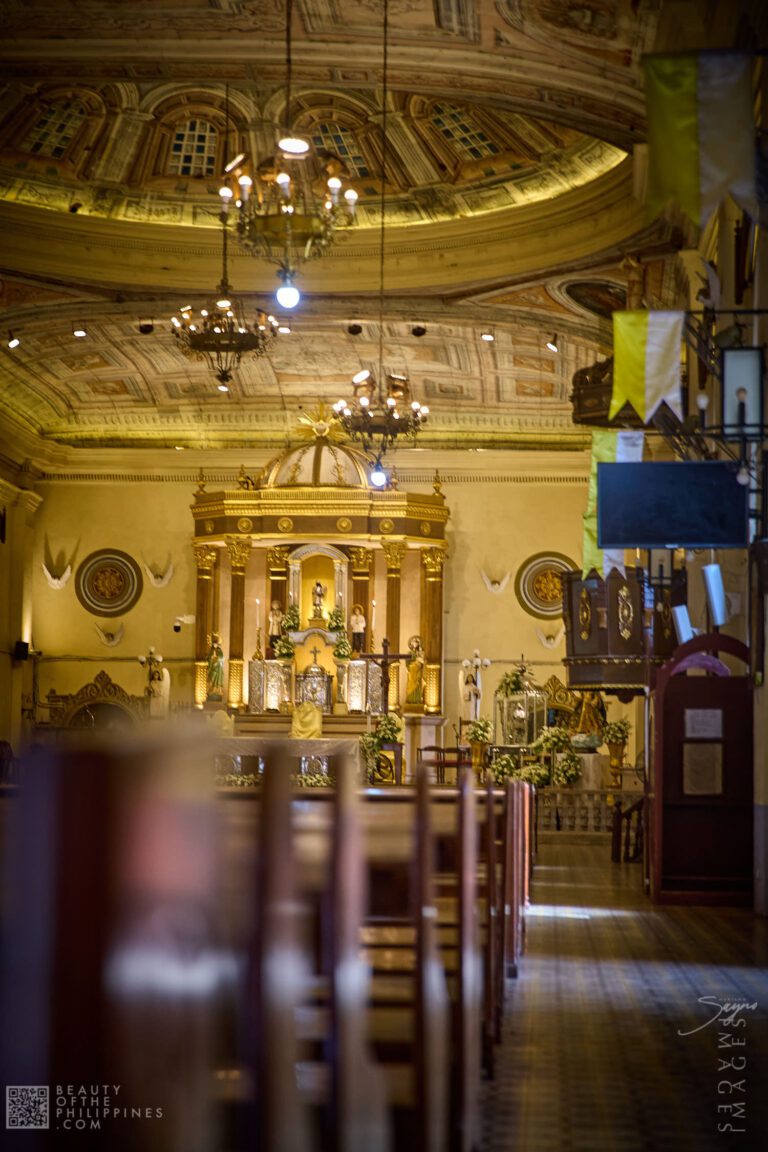
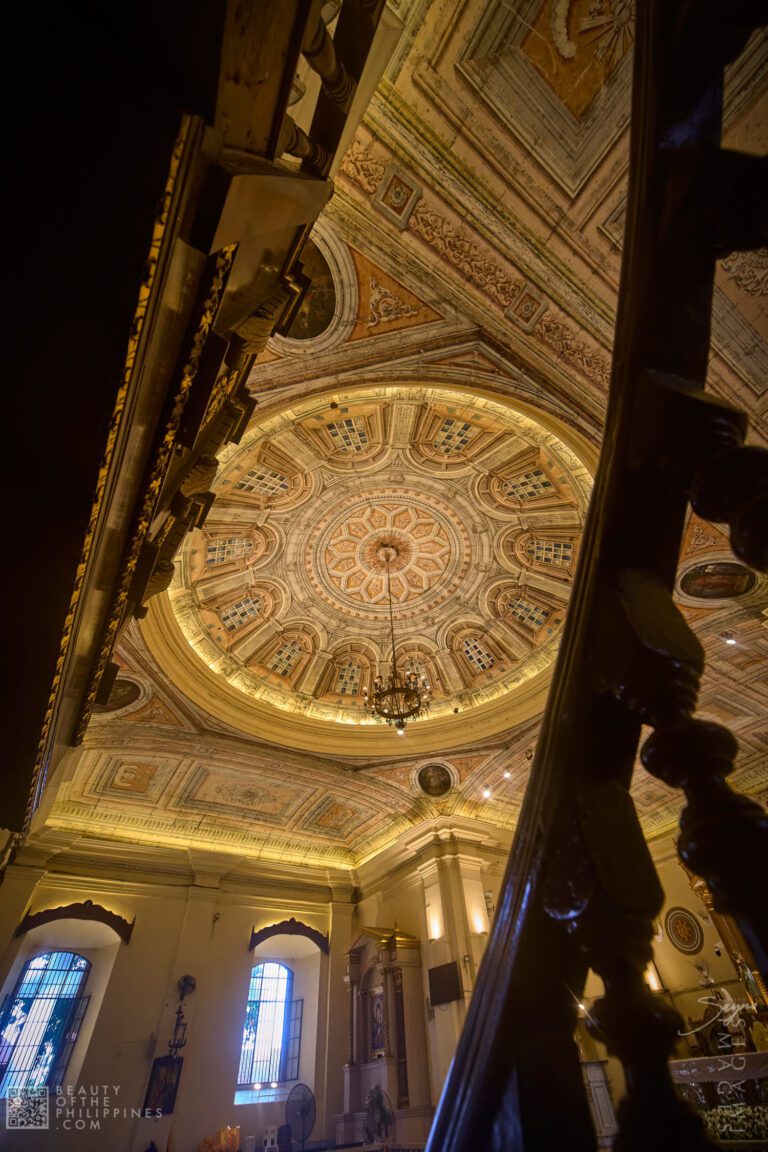
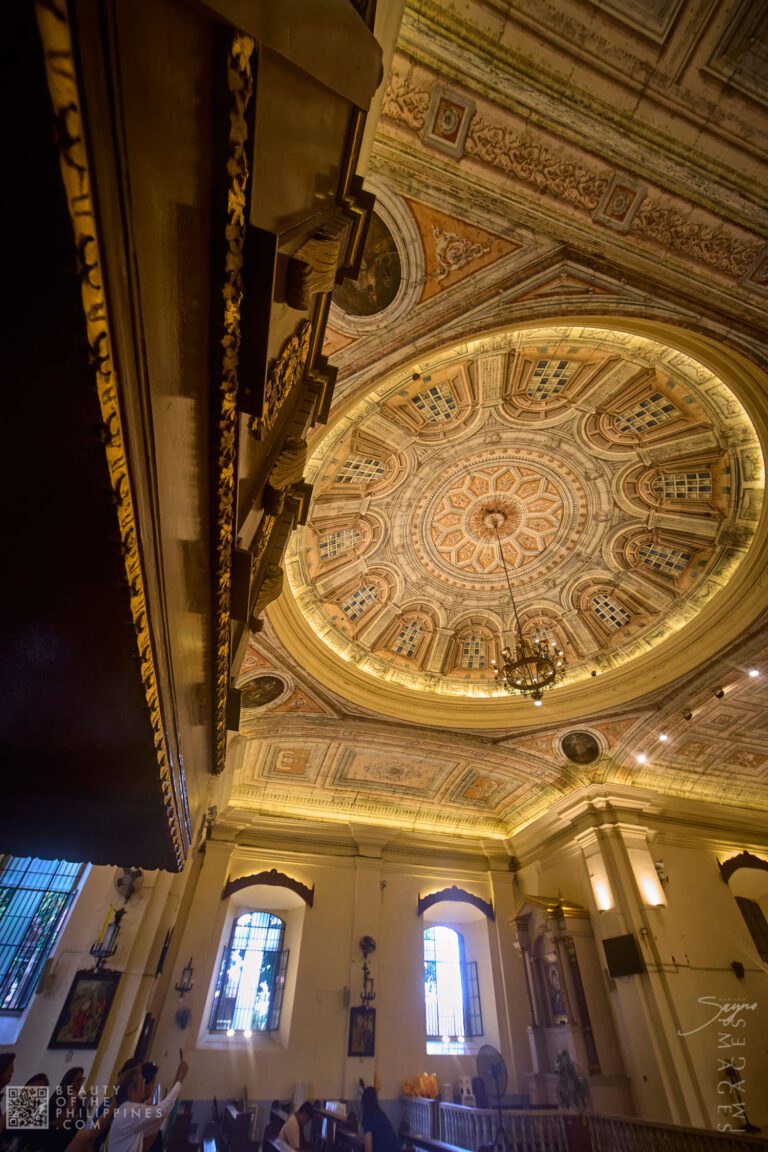
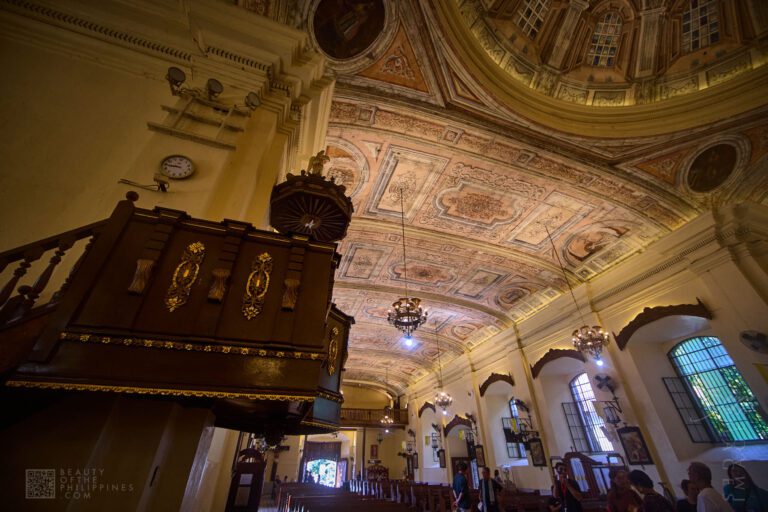
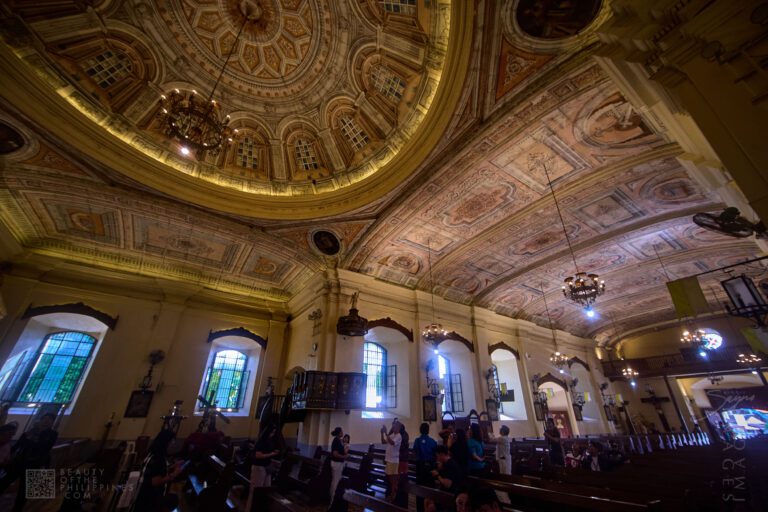
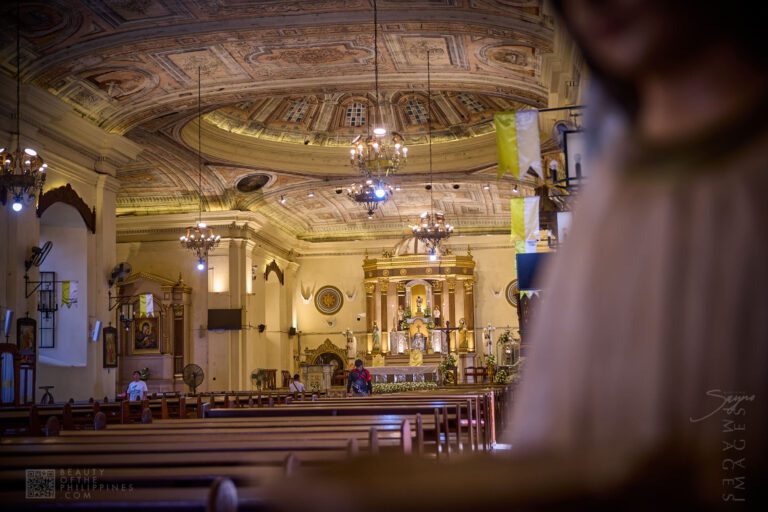
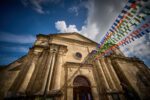
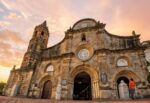
Calaca Church, formally known as the Archdiocesan Shrine and Parish of St. Raphael the Archangel, is one of the defining religious and heritage landmarks of Calaca City, Batangas. Established in 1836, the church developed alongside the young town and has remained closely connected with the community’s religious life for generations. Its historic structure has undergone several renovations, including a major restoration in 2010, while devotion to St. Raphael the Archangel continues through regular worship and annual celebrations. Today, the church offers visitors an opportunity to experience Calaca through a combination of heritage architecture, Catholic tradition, community activity, and local history. Its position in Poblacion also makes it a natural stop for those exploring the city’s older urban character and nearby destinations.
Explore the Philippines through my lens as we venture into Calaca Church with Point of View (POV) photography. Using a body cam, I’ll guide you on an interactive tour, revealing the behind-the-scenes of capturing the shots shared here. Let’s dive into this visual journey together and uncover the wonders through my lens!
Let’s explore the PHILIPPINES through my lens as we journey on a photo slideshow to Calaca Church. Join me in this visual adventure and discover the wonders captured through my lens! Check out the shared slideshow here.
Calaca Church and the Story of St. Raphael the Archangel

At the heart of Calaca City, Batangas, the Archdiocesan Shrine and Parish of St. Raphael the Archangel stands as one of the city’s most important religious and heritage landmarks. Commonly searched and recognized as Calaca Church, the historic church is closely tied to the development of the community itself, having been established in 1836, shortly after Calaca became a separate town from Balayan. More than a place for worship, the church has remained part of the city’s social and cultural landscape for generations.


The history of the church is closely connected with the history of Calaca itself. The town was officially established on May 10, 1835, after previously being a barrio of Balayan. The following year, the parish dedicated to St. Raphael the Archangel was established, giving the growing community a permanent religious center. This places the church within the formative period of Calaca’s development, when the settlement was taking shape as an independent town and the present poblacion was being organized.

Check out the video for more highlights. See what I’ve captured through my lens with Point of View (POV) photography. Using a body cam, I’ll take you on an interactive tour, showing you behind-the-scenes moments of capturing the shots shared here.
Check out the video below for additional features. Explore what I’ve captured through my lens in this cinematic slideshow.
A Heritage Church Shaped by Generations of Restoration

The present appearance of Calaca Church reflects both its historic origins and the changes made to preserve it through the years. The church has undergone several renovations, with the 2010 restoration identified by the City of Calaca as its last major restoration. The work was carried out through architect Susan Castillo with then-parish priest Rev. Fr. Aurelio Oscar B. Dimaapi, helping conserve the church while maintaining its role as an active place of worship.


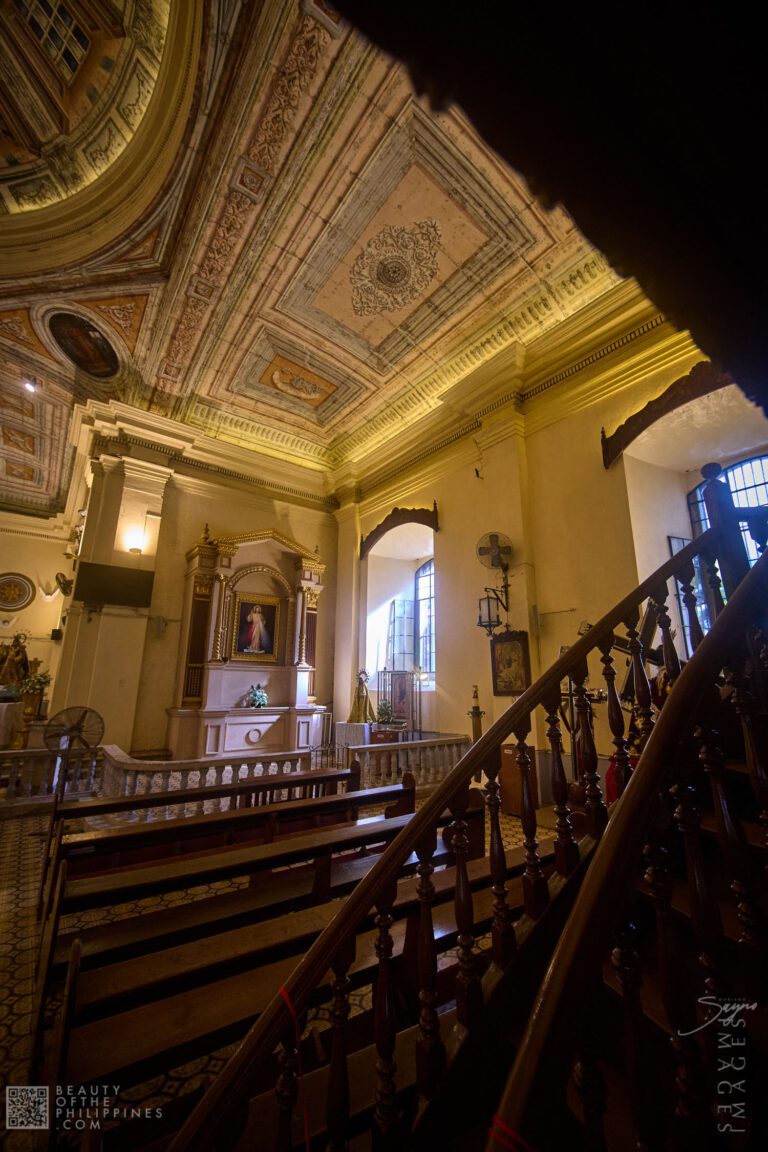
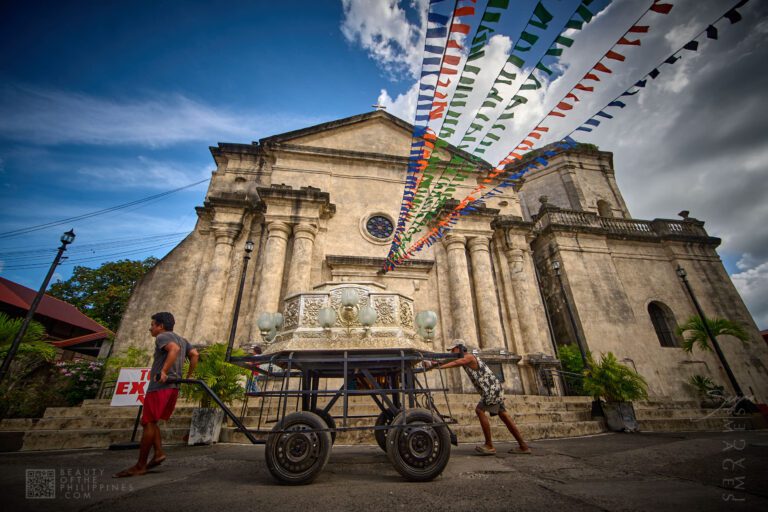
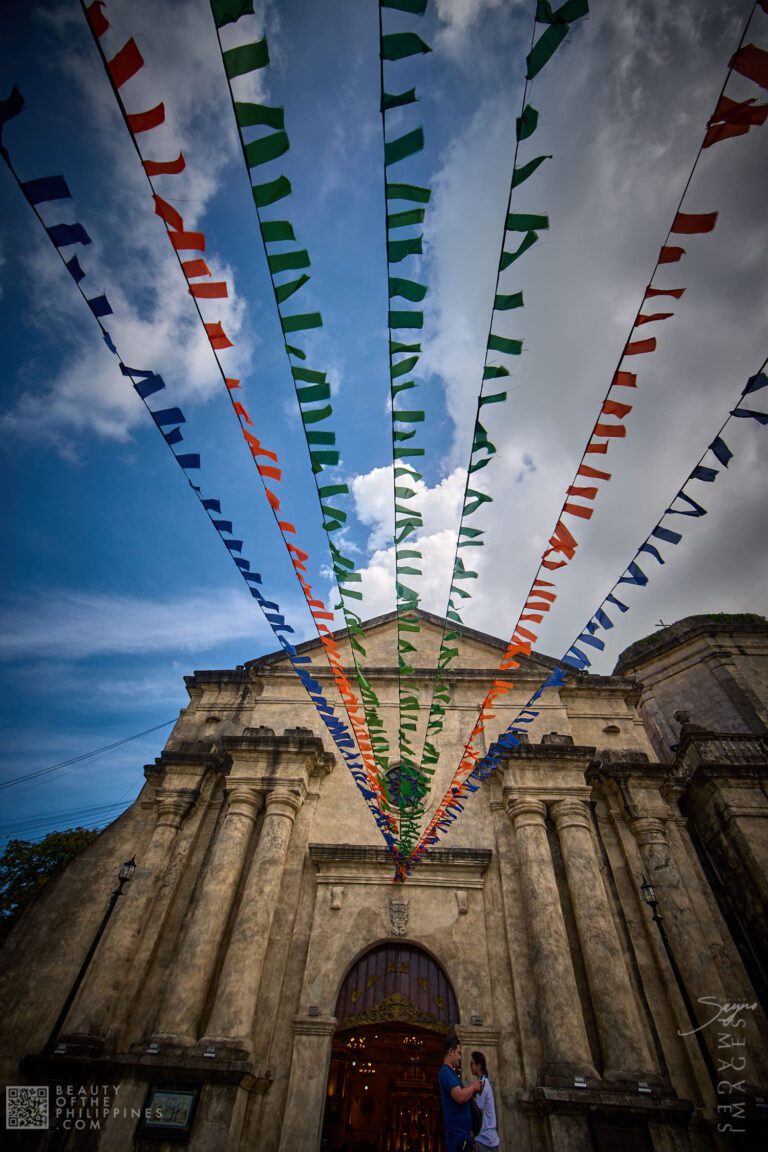
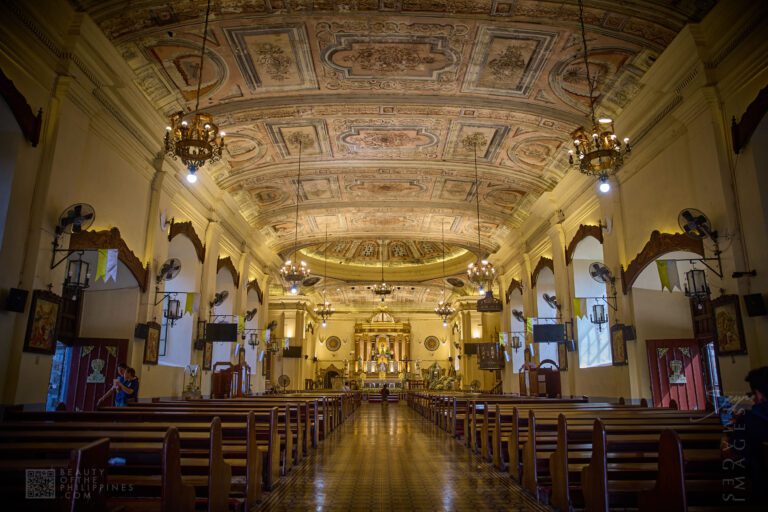
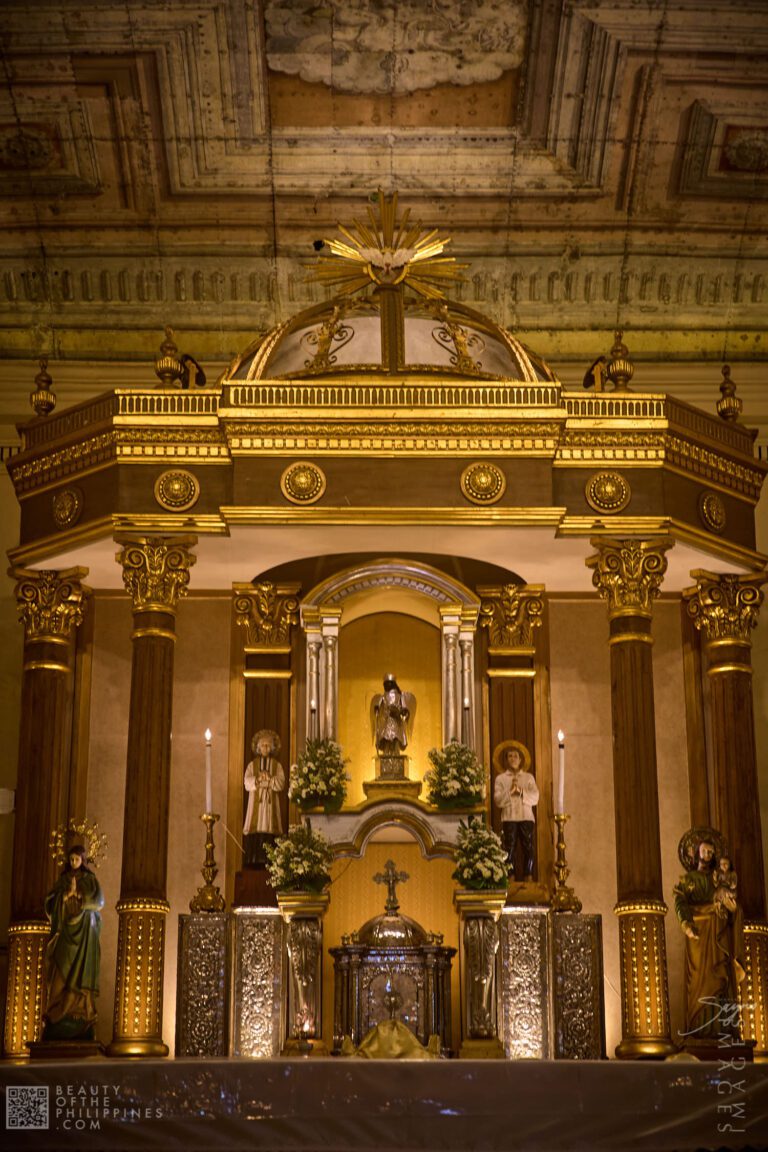
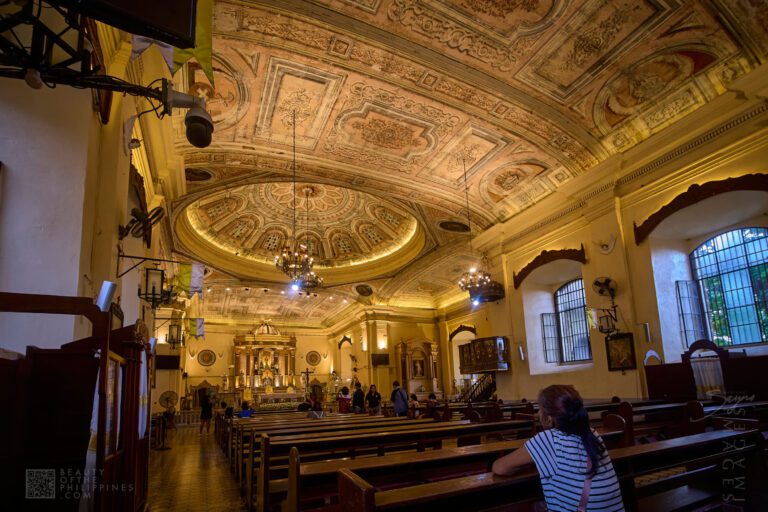
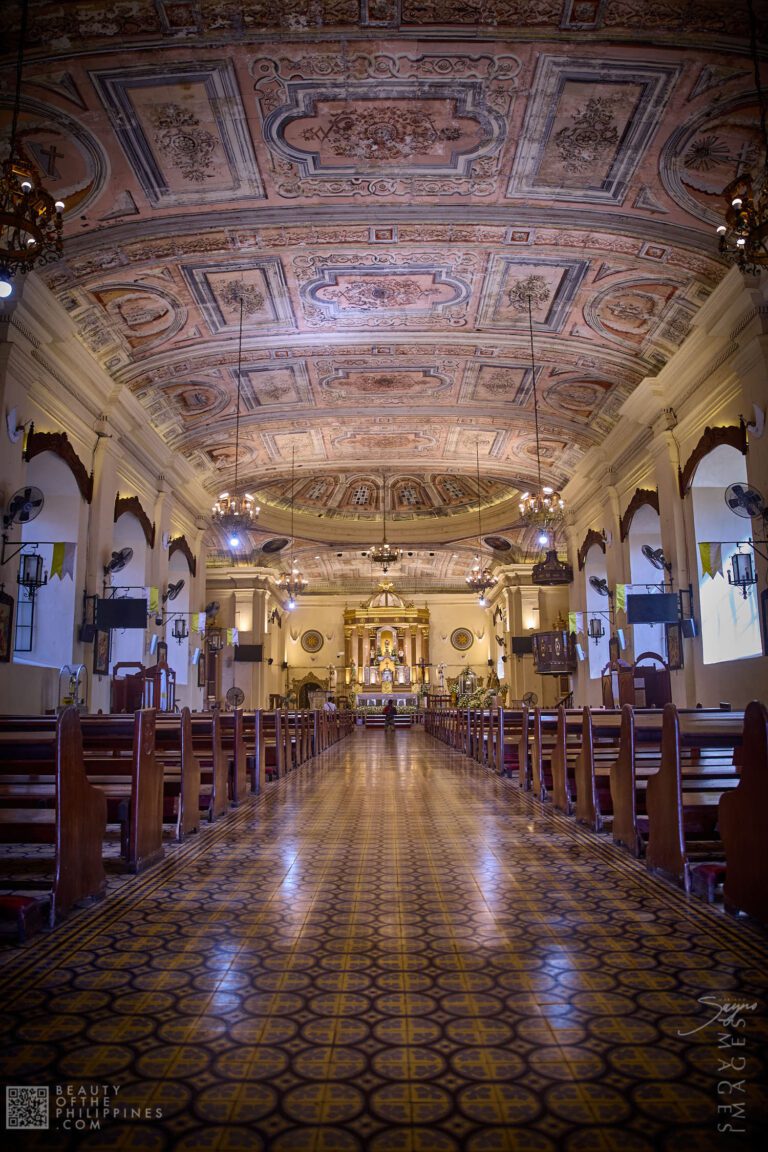
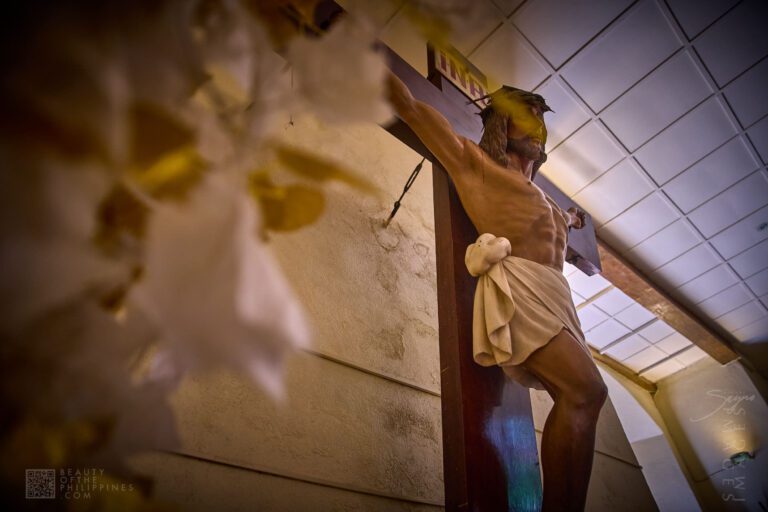
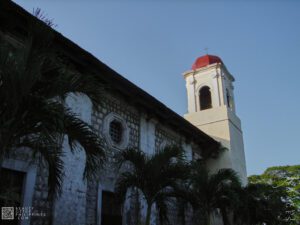
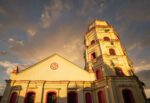
Architecturally, the church is best appreciated as a historic Filipino Catholic church whose façade, bell tower, interior arrangement, and religious details have developed through successive periods of construction and restoration. A 2024 architectural feature describes the church interior as following a traditional cruciform layout and notes the restoration of its façade in 2010. These details are particularly noticeable when viewed from the church grounds, where the structure’s older character meets the practical changes required of a functioning parish.


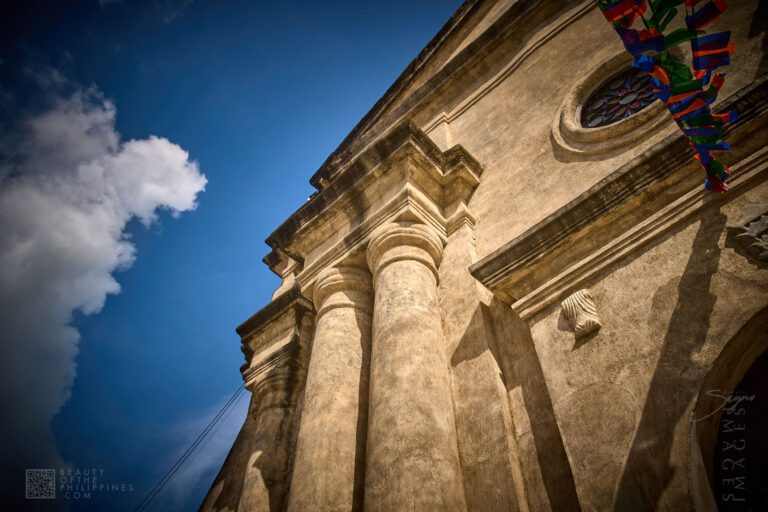
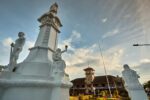
For visitors interested in church photography, the façade provides a strong visual introduction to Calaca’s heritage character. The combination of the main church structure, vertical bell tower, entrance details, and surrounding town environment gives the site a sense of scale that is difficult to appreciate from photographs alone. The building is also part of a living community, so its visual character is accompanied by the movement of parishioners, religious activities, and everyday life around the historic center.

St. Raphael the Archangel, Patron of Calaca

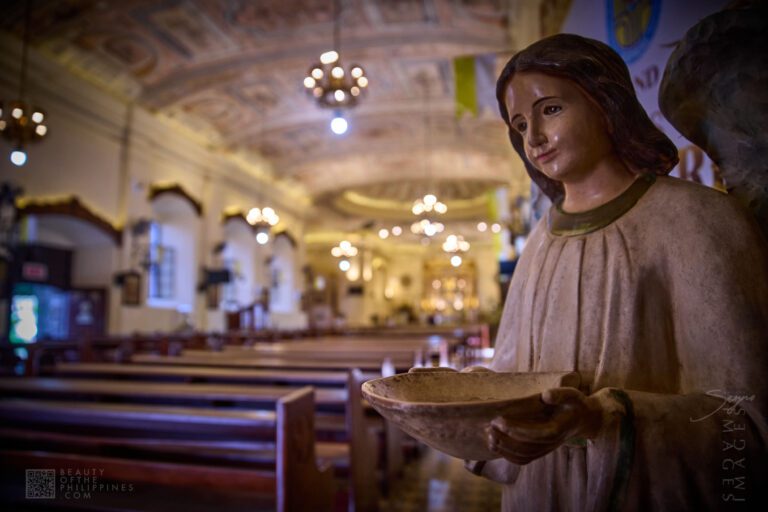
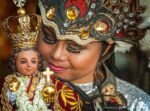
The church’s identity is inseparable from St. Raphael the Archangel, the patron saint of Calaca. The City of Calaca identifies St. Raphael as the city’s patron and notes his traditional associations with the sick, the blind, fishermen, nurses, physicians, and childless couples. Devotion to the patron continues to shape the religious calendar of the community, particularly around his feast.


The feast of St. Raphael the Archangel is observed in October, with the city’s religious and cultural activities centered around the patron saint. Parish information identifies the parish fiesta as being celebrated on the second Sunday of October, while the City of Calaca separately identifies October 24 as the date when devotees honor St. Raphael. These references should be distinguished rather than treated as interchangeable dates for the same observance.


Calaca’s religious calendar also demonstrates how the church functions beyond ordinary Mass schedules. The city identifies Feria Octubre de Rafael as an event focused on the feast of its patron saint and notes that it attracts visitors from different parts of Luzon. The church therefore serves not only as a place of prayer but also as a focal point for a wider annual gathering connected with Calaca’s identity and traditions.

A Church in the Center of Calaca’s Community Life

The importance of Calaca Church can also be understood through its relationship with the surrounding poblacion. The church is situated in Barangay Poblacion 3, placing it within the historic and active center of the city. Nearby streets, public facilities, businesses, and community activity create a setting where the church remains part of everyday life rather than an isolated heritage structure preserved only for occasional visitors.


The church’s continued importance is also reflected in the way Calaca residents gather around the patron saint. The City of Calaca notes that Wednesday is traditionally associated with honoring St. Raphael the Archangel, with residents from the upland areas and nearby communities coming into Poblacion. This connection between religious devotion, local movement, and the town center gives the church a role that extends well beyond its walls.

A Pilgrimage and Heritage Stop in Batangas

For visitors exploring historic churches in Batangas, Calaca Church offers a different experience from destinations known primarily for monumental architecture. Its significance lies in the combination of age, continuing religious use, local devotion, and its connection with the development of Calaca. The church is also formally recognized as an Archdiocesan Shrine, placing it within the wider network of Catholic pilgrimage destinations in the province.


The church’s pilgrimage relevance was further highlighted during the 2025 Jubilee Year, when the Archdiocesan Shrine and Parish of St. Raphael the Archangel in Calaca was included among designated Jubilee churches. Although the Jubilee Year itself belongs to 2025, the designation remains useful historical context for understanding the church’s recognized role as a place of Catholic pilgrimage when considering its significance as a destination in 2026.

Visiting Calaca Church

Visitors planning to see Calaca Church should approach it primarily as an active place of worship. The church continues to hold regular Masses, religious celebrations, and parish activities, so visitors should remain mindful of ongoing services and devotional practices when taking photographs or exploring the premises. Parish schedules can change, particularly during Holy Week, feast celebrations, and other major liturgical occasions.

RELATED STORIES

Burdang Taal: A Living Textile Heritage in the Historic Town of Taal, Batangas

In the historic town of Taal, Batangas, heritage can be found not only in centuries-old churches and ancestral houses but also in the fine details


Read More »

Taal Volcano: The Iconic Island-in-a-Lake Wonder

Rising dramatically from the serene waters of Taal Lake in Batangas Province, Taal Volcano immediately captures attention with its extraordinary configuration — a volcano on

Read More »

Taal Empanada: Discover the Savory Local Specialty of Taal Public Market, Batangas

Taal Empanada is one of the local food specialties that gives Taal, Batangas its distinctive culinary character. Found among the food offerings associated with Taal

Read More »

Tanauan Church: Spiritual Heart of Tanauan City

It was once a stone church, that was built during the Spanish colonial era in Tanauan, Batangas, and was known as Tanauan Church or St

Read More »

Published parish information lists regular Masses throughout the week, including Sunday celebrations and weekday services. Current listings show Sunday Masses at 5:30 a.m., 7:30 a.m., 9:30 a.m., and 4:00 p.m., with weekday Masses generally scheduled in the morning. Because schedules can change, travelers should confirm the latest timetable directly with the parish before visiting specifically for Mass, photography, or a religious celebration.


For photographers, the strongest approach is to treat the church as both an architectural subject and a working community space. The façade and bell tower can be photographed as a straightforward heritage composition, while wider frames can place the church within the streets and activity of Poblacion. During religious celebrations, photographs can also document the relationship between the church, devotees, processions, and the broader community, provided that appropriate respect is given to worshippers and religious rites.

More Than an Old Church

The continuing appeal of Calaca Church comes from the way its history remains connected to present-day Calaca. Established in the nineteenth century, restored over time, and still serving as the home of devotion to St. Raphael the Archangel, the church represents a part of the city’s history that remains visible and active rather than confined to an archival record. Its story is inseparable from the growth of Calaca from a former barrio of Balayan into a municipality and, eventually, a component city.


Today, Calaca Church remains one of the most meaningful places to encounter the city’s heritage through faith, architecture, community traditions, and everyday life. For anyone passing through Calaca City, Batangas, the church offers a chance to see how an old religious landmark can continue to shape the character of the place around it. Its importance is not simply that it has stood for generations, but that people continue to gather there, celebrate there, and recognize it as part of Calaca’s identity.

I’m looking forward to the stories and images leaving a lasting positive impression on you, just as they have on me. Stay connected with us on social media for a weekly exploration of travel assignments and breathtaking visuals. Our focus is on championing local tourism, showcasing small businesses, and honoring the magnificence of the Philippines through the content we curate. Join us in spreading the word by clicking the ‘share’ buttons below. Your support means the world to us.

BROWSE BY REGION
  • metro MANILA
  • abra
  • albay
  • baguio city
  • BATAAN
  • batangas
  • Benguet
  • bulacan
  • cagayan
  • cavite
  • cebu
  • cotabato
  • davao oriental
  • Guimaras
  • ilocos norte
  • ilocos sur
  • Iloilo
  • Isabela
  • laguna
  • lanao del norte
  • maguindanao
  • negros occidental
  • nueva vizcaya
  • palawan
  • Pampanga
  • pangasinan
  • QUEZON
  • rizal
  • Samar
  • sarangani
  • sorsogon
  • Tarlac
  • zambales
  • zamboanga city

EXPLORE MORE about

  • batangas

Sigpawan Festival: Lemery’s Vibrant Easter Celebration of Bounty and Culture

Each year, the Sigpawan Festival, which is held in Lemery, Batangas, takes place on Easter Sunday. The highlight of the festival is the Fluvial procession

Read More »

Marcela Agoncillo Museum: Through the Home of the Woman Behind the Philippine Flag

The Marcela Agoncillo Museum, formally known as the Museo nina Marcela Mariño at Felipe Agoncillo, occupies the ancestral home of Marcela Mariño Agoncillo in Taal,

Read More »

Nasugbu, Batangas: A Coastal Haven of Serenity and Adventure

The Nasugbu area has an extensive collection of beaches and snorkeling spots which make it a popular summer destination. There are numerous swimming-related activities and

Read More »

Taal Lake: Discovering Batangas’ Iconic Natural Wonder 

Taal Lake, also simply known as Lake Taal, is one of the Philippines’ most unique natural features — a volcanic lake occupying the caldera of

Read More »

Island Dreamer Resort: A Quiet Escape in Talisay, Batangas That Feels Like Home

Located in Barangay Caloocan, Talisay, Batangas—just a couple of hours’ drive from Metro Manila—is a quiet little spot that’s as unbothered as it is underrated:

Read More »

Taal Volcano: The Philippines’ Iconic Active Volcano

Let’s be real—when you think of volcanoes, you probably imagine something massive and far-flung, right? But here in the Philippines, just 50-ish kilometers from Metro

Read More »

Taal Lake: Exploring Batangas’ Iconic Caldera Lake

Taal Lake, located in Batangas on Luzon, is one of the Philippines’ most remarkable natural landscapes. This freshwater lake occupies a vast volcanic caldera, shaped

Read More »

Our Lady of Caysasay Shrine: A Sacred Treasure of Taal

Known as the Caysasay Church, the Shrine of Our Lady of Caysasay is located in Barrio Caysasay, Taal, Batangas. This is a coral-hewn chapel that

Read More »

Lemery Beach: A Black-Sand Coast Along Balayan Bay

Lemery Beach offers a different kind of Batangas seaside experience. Rather than being defined by a single large resort complex or one tightly enclosed tourist

Read More »

Balayan Bay: A Coastal Gem in Batangas Province

Among the many contributions of Balayan Bay that Batanguenos are proud of, the bay served as a fishing village and a summer retreat for locals

Read More »

Burdang Taal: A Living Textile Heritage in the Historic Town of Taal, Batangas

In the historic town of Taal, Batangas, heritage can be found not only in centuries-old churches and ancestral houses but also in the fine details
Read More »

Panutsa Making in Taal, Batangas: A Closer Look at the Sweet Craft Behind One of Taal’s Beloved Local Delicacies

In Taal, Batangas, some of the town’s most recognizable traditions can be found not only in its ancestral houses, churches, embroidery, and balisong-making, but also

Read More »

Taal Heritage Town: The Living Chronicle of Batangas

When exploring heritage towns in the Philippines, Taal in Batangas always stands out. Often overshadowed by Taal Lake and Taal Volcano, the town itself is

Read More »

Taal Empanada: Discover the Savory Local Specialty of Taal Public Market, Batangas

Taal Empanada is one of the local food specialties that gives Taal, Batangas its distinctive culinary character. Found among the food offerings associated with Taal

Read More »

Tapang Taal: A Taste of Taal’s Pork Tapa Tradition

Tapang Taal is one of the culinary specialties that gives Taal, Batangas, a distinct food identity. Unlike the beef tapa commonly associated with Filipino breakfasts,

Read More »

Tanauan Church: Spiritual Heart of Tanauan City

It was once a stone church, that was built during the Spanish colonial era in Tanauan, Batangas, and was known as Tanauan Church or St

Read More »

Fantasy World: The Unfinished Kingdom of Batangas

The Fantasy World theme park sits alone and quietly in Lemery, Batangas Province, and is known as the supposed Disney World as well as one

Read More »

Tingloy Island: Masasa, Sombrero, and Beyond

Tingloy is a unique municipality in Batangas Province, occupying Maricaban Island along with Caban Island and several smaller islets just south of the Calumpang Peninsula.

Read More »

Taal Volcano: The Iconic Island-in-a-Lake Wonder

Rising dramatically from the serene waters of Taal Lake in Batangas Province, Taal Volcano immediately captures attention with its extraordinary configuration — a volcano on
Read More »

Balai Isabel: Where Lakeside Calm Meets Adventure

If you’re craving that sweet spot where calm meets adventure—where you can sip coffee while staring at a volcano, then hop on a kayak right

Read More »

Sta. Lucia Miracle Well: A Sacred Spring in Taal, Batangas

Tucked away in the historic town of Taal, Batangas, the Sta. Lucia Miracle Well—locally known as Balon ng Sta. Lucia—is more than just a quiet,
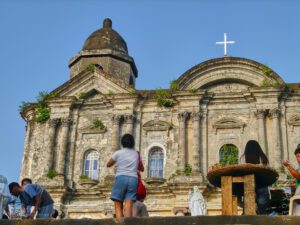
Read More »

Taal Basilica: Exploring the Philippines’ Largest Church

This Minor Basilica is canonically known as the Minor Basilica of Saint Martin of Tours and is located in the town of Taal, Batangas, within

Read More »

Atcharang Calaca: A Taste of Calaca City’s Pickled Heritage

For visitors exploring Calaca City, Batangas, food offers one of the clearest ways to encounter the character of the community. Among the city’s most recognizable
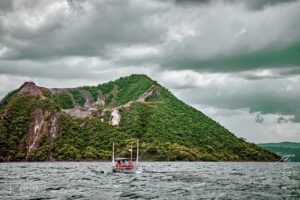
Read More »

Taal Volcano: The Island Within a Lake Within an Island

Standing before Taal Volcano, you quickly realize why it’s one of the Philippines’ most iconic natural landmarks. The sight of Volcano Island rising from the
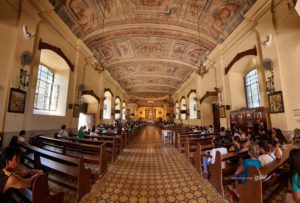
Read More »

Calaca Church: Saint Raphael’s Sacred Home in Calaca

Calaca Church, formally the Saint Raphael the Archangel Parish Church, was established shortly after the founding of Calaca on May 10, 1835. By 1836, local
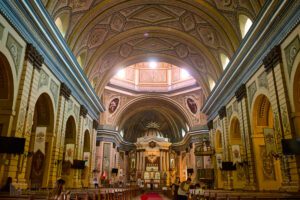
Read More »

Taal Basilica: A Grand Heritage Landmark at the Heart of Taal, Batangas

Taal Basilica stands at the heart of Taal Heritage Village in Batangas as both a monumental historic church and a living center of Catholic worship.

Read More »

Laiya Beach: Your Quick Escape to Sun, Sand, and Saltwater Joy

If you’ve ever found yourself stuck in Metro traffic, daydreaming about the beach while scrolling through Instagram—Laiya Beach might just be the answer your soul’s
Read More »

CaSoBe: Discover Calatagan’s Best-Kept Coastal Gem

You know that feeling when you just want to escape the city buzz and dive straight into a chill beach vibe? Well, Calatagan South Beach,

Read More »

BROWSE BY CATEGORIES

LOCATIONS
PROVINCES

Abra

Albay

Baguio City

Bataan

Batangas

Benguet

BOTP Template

Bulacan

Cagayan

Cavite

Cebu

Cotabato

Davao Oriental

Guimaras

Ilocos Norte

Ilocos Sur

Iloilo

Isabela

Laguna

Lanao del Norte

Maguindanao

Manila

Negros Occidental

Nueva Vizcaya

Palawan

Pampanga

Pangasinan

Quezon

Rizal

Samar

Sarangani

Sorsogon

Tarlac

Zambales

Zamboanga City

ARCHITECTURE
HERITAGE

Bonifacio Monument Tutuban

Burdang Lumban Festival

Cagsawa Festival

Capones Lighthouse

Casa Manila

Christ the King Seminary

Corregidor Island Dark Tour Experience

Corregidor Island Reopens

Corregidor Island

Cultural Center of the Philippines

Fantasy World

Gabriela Silang Memorial Shrine

Gomburza National Monument

Hondagua

Iloilo Customs House

Intramuros

Jones Bridge

Jones Bridge

Kartilya ng Katipunan

La Loma Cemetery

LOAD MORE

CHURCHES
FAITH

Bacolor Church

Baguio Cathedral

Barasoain Church

Binondo Church

Calaca Church

Calumpit Church

Chong Hock Tong Temple

Feast of Black Nazarene

Greenbelt Chapel

Guadalupe Chapel Intramuros

Guadalupe Ruins Makati

La Naval de Manila

Las Piñas Bamboo Organ

Las Piñas Church

Lingayen Cathedral

Lubenas Festival

Lucban Church

Malate Church

Manila Abbey

Manila Cathedral

LOAD MORE

NATURAL & MAN-MADE
ATTRACTIONS

A&J Cafe

Agos River

Agos River

Alligator Lake

Amare La Cucina Baguio

Ambuklao Dam

Angeles City Holy Rosary Parish Church

Antipolo Cathedral

Apurawan Beach

Atcharang Calaca

Atimonan Port

Avilon Zoo

Azalea Hotels & Residences Baguio

Bagac Beach

Baguio Media Newseum

Balai Isabel

Balayan Bay

Baluarte de San Diego

Betis Church

Binondo Chinatown

LOAD MORE

FESTIVALS &
EVENTS

Al Cinco de Noviembre Festival

Ana Kalang Festival

Antipolo Maytime Festival

Balacat Festival

Balitok Ti Alicia Festival

Bañamos Festival

Bato Art Festival

Bato Art Festival

Boling-Boling Festival

Buhayani Festival

Burdang Lumban Festival

Candle Festival

Dinagyang Festival

Feast of Santo Niño

Gilingan Festival

Halamanan Festival

Hambujan Festival

Iloilo Dinagyang Festival

Inaul Festival

Itik Festival

LOAD MORE
Facebook Twitter Instagram Envelope

All photographs that appear on the site are copyright of Mariano Sayno ©2022 Beauty of the philippines

All photographs that appear on the site are copyright of Mariano Sayno ©2022 Beauty of the philippines.com

Beauty of the philipipnes LOGO WHITE

BROWSE BY PROVINCE

Abra

Albay

Baguio City

Bataan

Batangas

Benguet

BOTP Template

Bulacan

Cagayan

corregidor-island

Cavite

Cebu

Cotabato

Davao Oriental

Manggahan aFestival of Guimaras

Guimaras

Ilocos Norte

Ilocos Sur

dinagyang aliwan friesta husayno mariano sayno

Iloilo

Isabela

Laguna

Lanao del Norte

Maguindanao

Manila Bay by Mariano Sayno

Manila

Negros Occidental

Magat River Dupax Del Norte

Nueva Vizcaya

Palawan

Pampanga

Lingayen Cathedral

Pangasinan

Quezon

Rizal

Samar

Sarangani

Sorsogon

Tarlac

Zambales

Zamboanga City

Calaca, Batangas, Philippines