
BROWSE BY PROVINCE

Taal, Batangas
Marcela Agoncillo Museum
Through the Home of the Woman Behind the Philippine Flag
Share
Tweet
Email
EXPLORE Marcela Agoncillo Museum

PUBLISHED October 21, 2026

PHOTOS | WORDS BY MARIANO SAYNO

  • Taal, Batangas
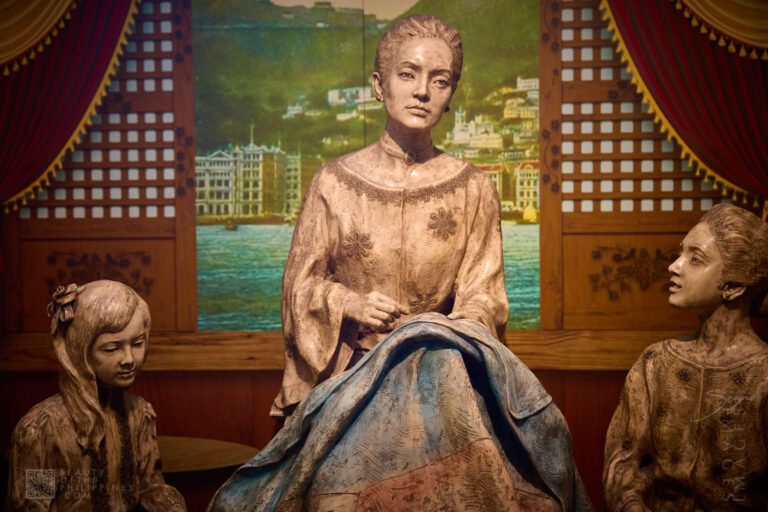
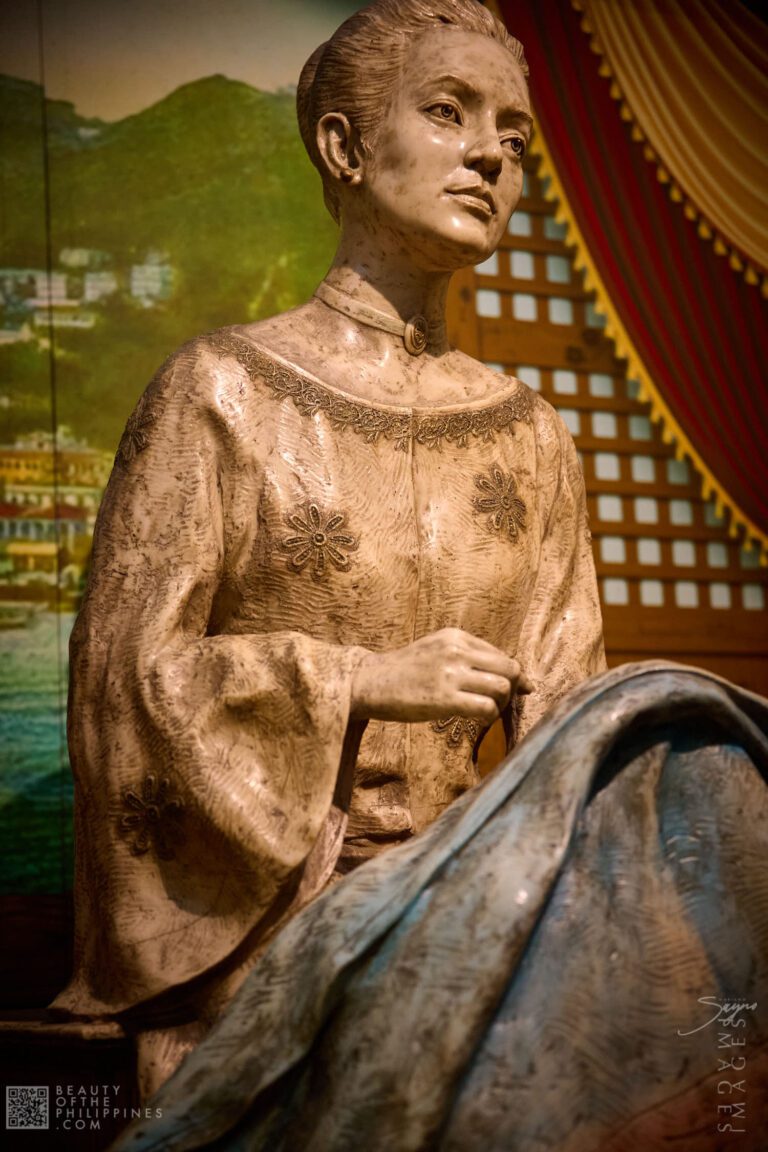
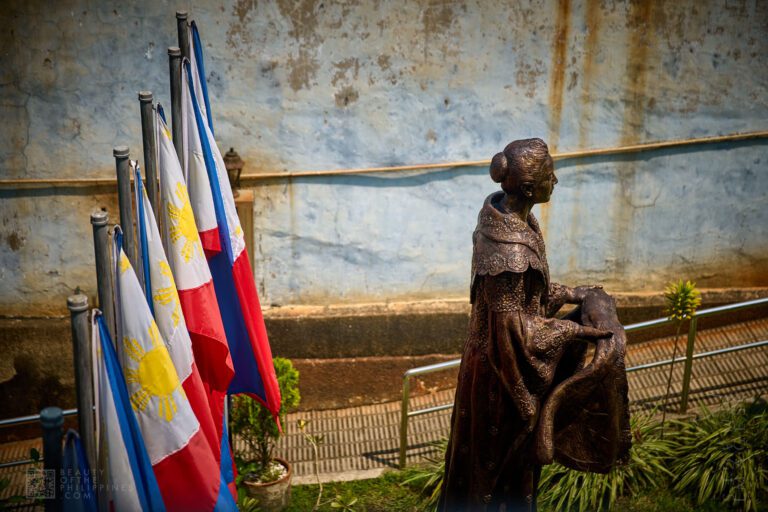
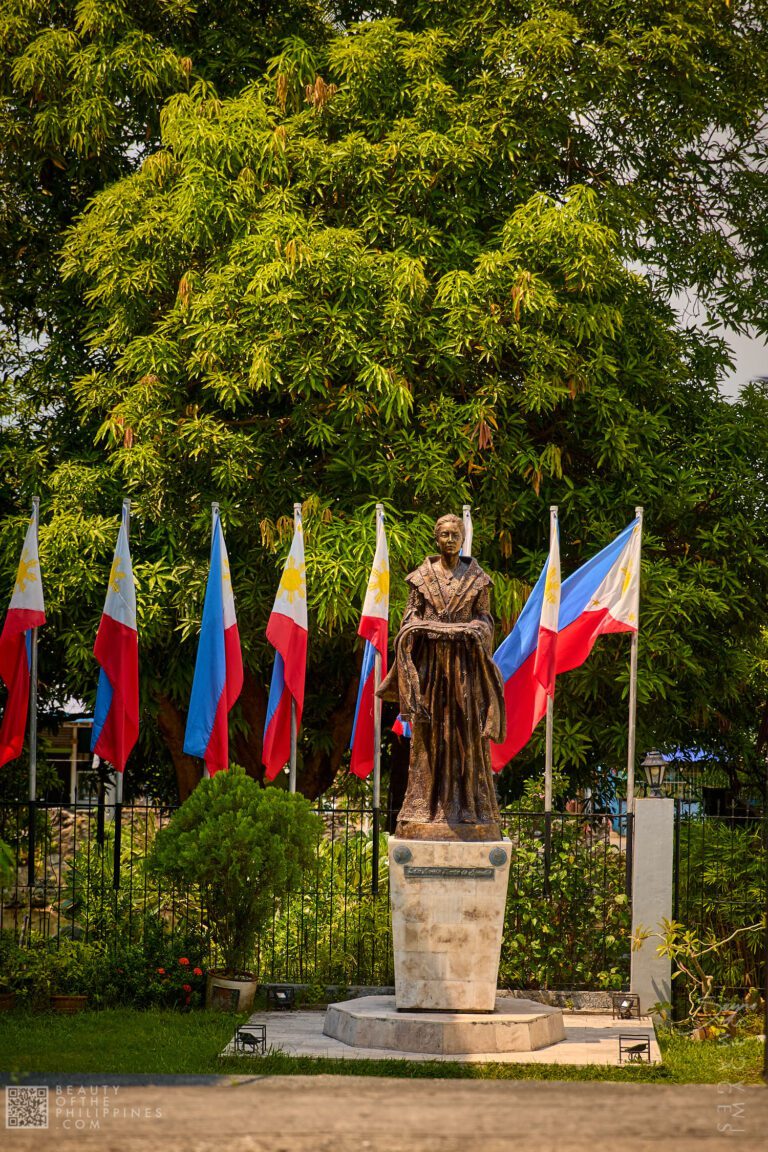
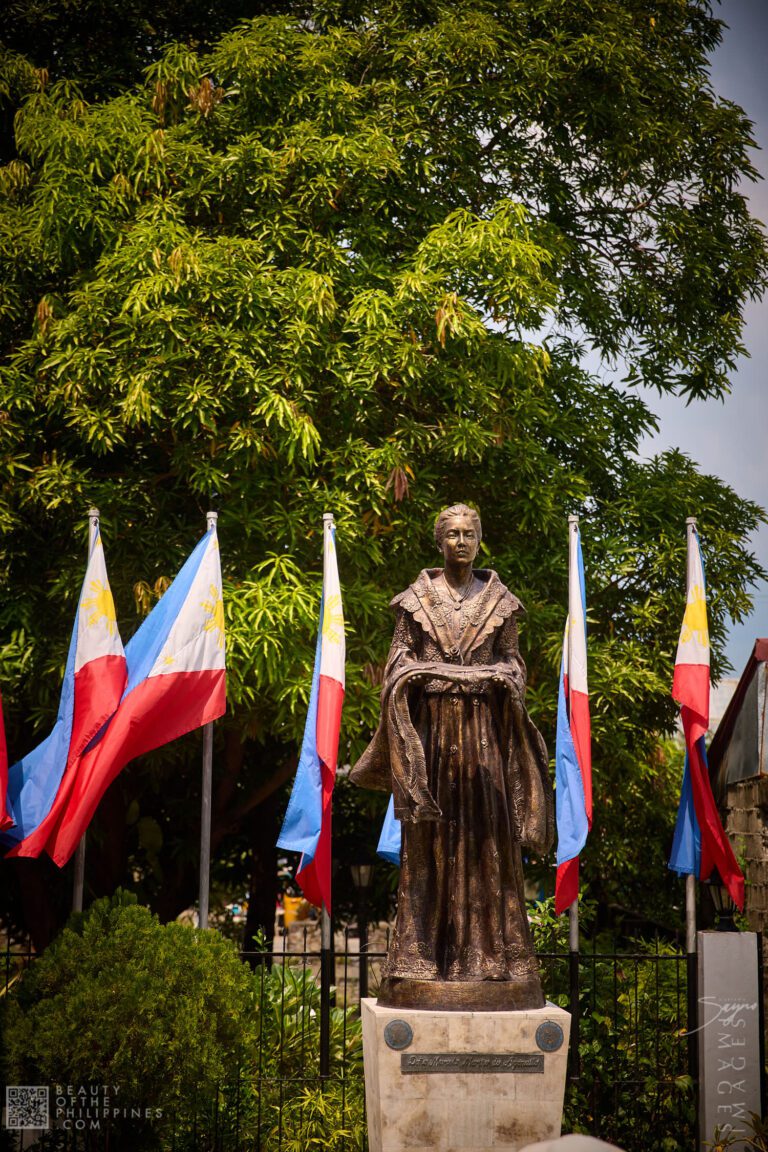
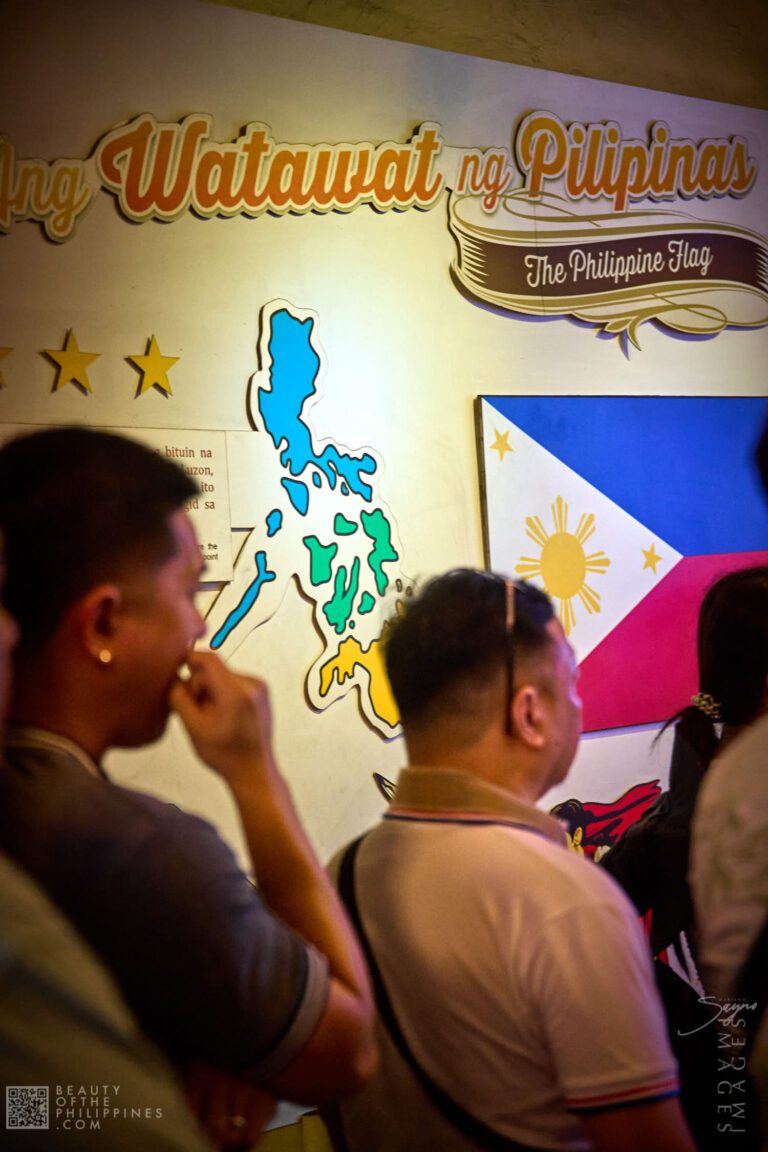
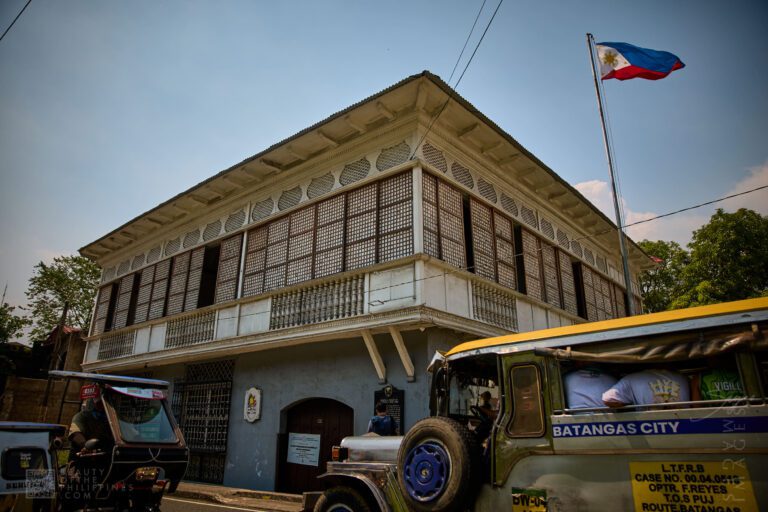
The Marcela Agoncillo Museum in Taal, Batangas preserves the ancestral home and legacy of Marcela Mariño Agoncillo, the principal seamstress of the first Philippine national flag. Formally known as the Museo nina Marcela Mariño at Felipe Agoncillo, the museum is managed by the National Historical Commission of the Philippines and recognized as a National Historical Landmark. Its exhibits connect the Agoncillo family’s personal history with the Philippine Revolution, the independence movement, and the creation of the flag unfurled during the June 12, 1898 proclamation of independence. Beyond the museum itself, its location within Taal Heritage Village places visitors among ancestral houses, churches, galleries, and other heritage attractions. The result is a destination that combines architecture, family history, national identity, and the preserved character of one of Batangas’ most important heritage towns.
Explore the Philippines through my lens as we venture into Marcela Agoncillo Museum with Point of View (POV) photography. Using a body cam, I’ll guide you on an interactive tour, revealing the behind-the-scenes of capturing the shots shared here. Let’s dive into this visual journey together and uncover the wonders through my lens!
Let’s explore the PHILIPPINES through my lens as we journey on a photo slideshow to Marcela Agoncillo Museum. Join me in this visual adventure and discover the wonders captured through my lens! Check out the shared slideshow here.

The Marcela Agoncillo Museum, formally known as the Museo nina Marcela Mariño at Felipe Agoncillo, occupies the ancestral home of Marcela Mariño Agoncillo in Taal, Batangas. Set along Calle Marcela Mariño Agoncillo within the town’s historic district, the museum brings together the story of one of the Philippines’ most recognizable national symbols with the preserved setting of a prominent Taal family home. It is administered by the National Historical Commission of the Philippines (NHCP) and is recognized in the NHCP registry as a Level I National Historical Landmark. 

Check out the video for more highlights. See what I’ve captured through my lens with Point of View (POV) photography. Using a body cam, I’ll take you on an interactive tour, showing you behind-the-scenes moments of capturing the shots shared here.
Check out the video below for additional features. Explore what I’ve captured through my lens in this cinematic slideshow.
A Historic Home in Taal’s Heritage District

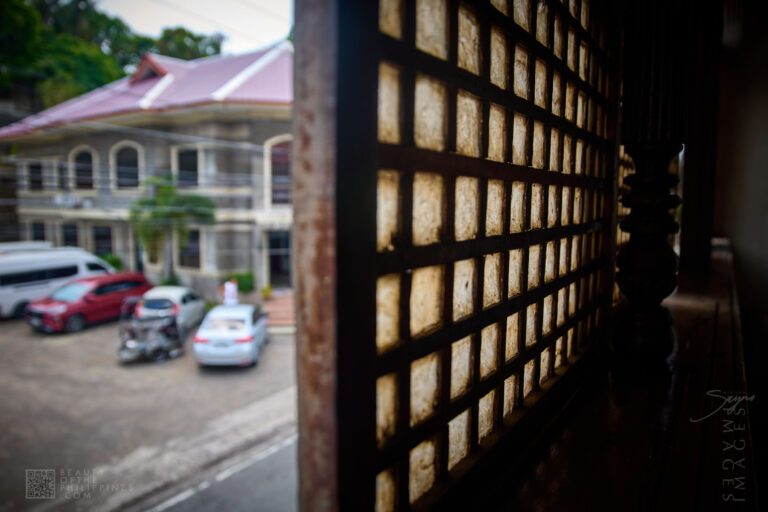
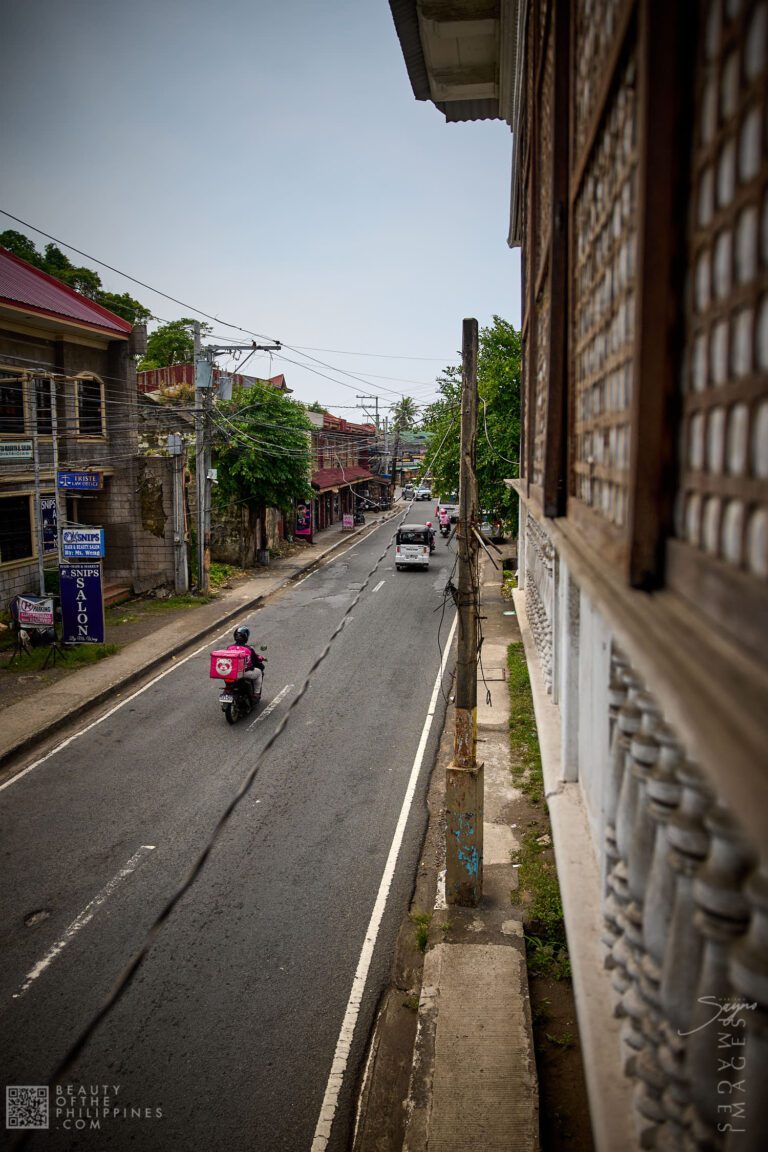
A visit to the museum is also an encounter with Taal Heritage Village, where old houses, churches, museums, galleries, and other surviving structures form a compact heritage landscape. The municipal tourism site lists the Marcela Agoncillo Museum among the historic houses and museums that help illustrate Taal’s earlier way of life. Because the museum stands within this larger historic setting, it works naturally as one stop in a broader walking or heritage itinerary around Taal rather than as an isolated attraction. 


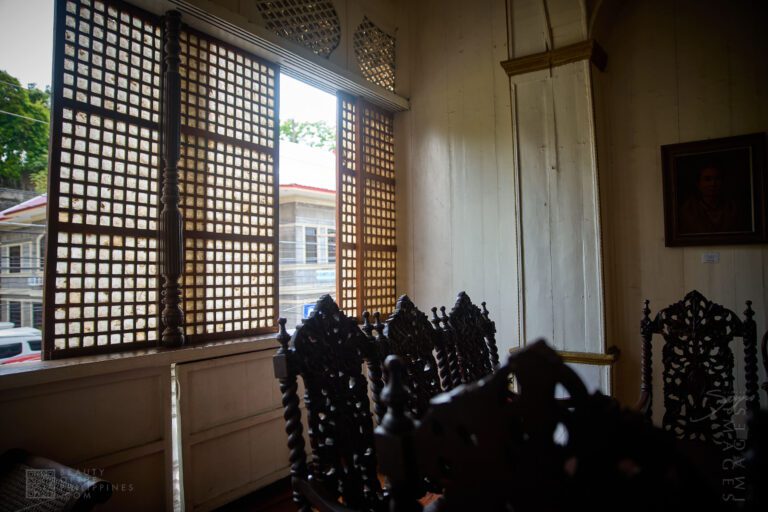
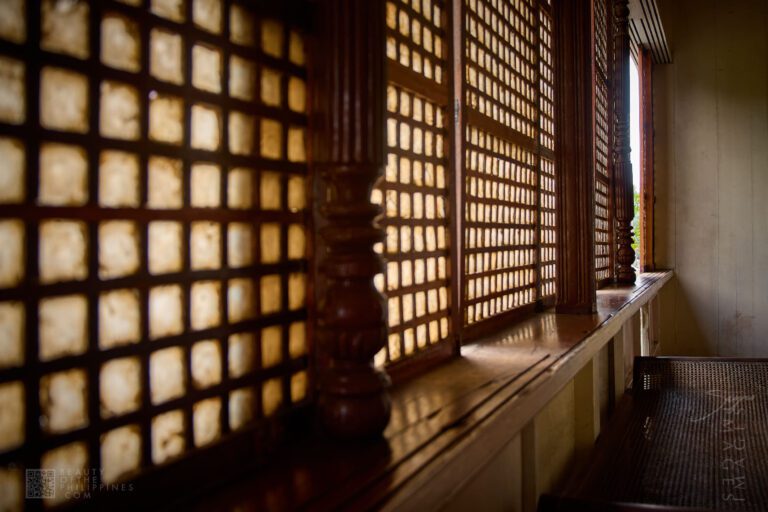
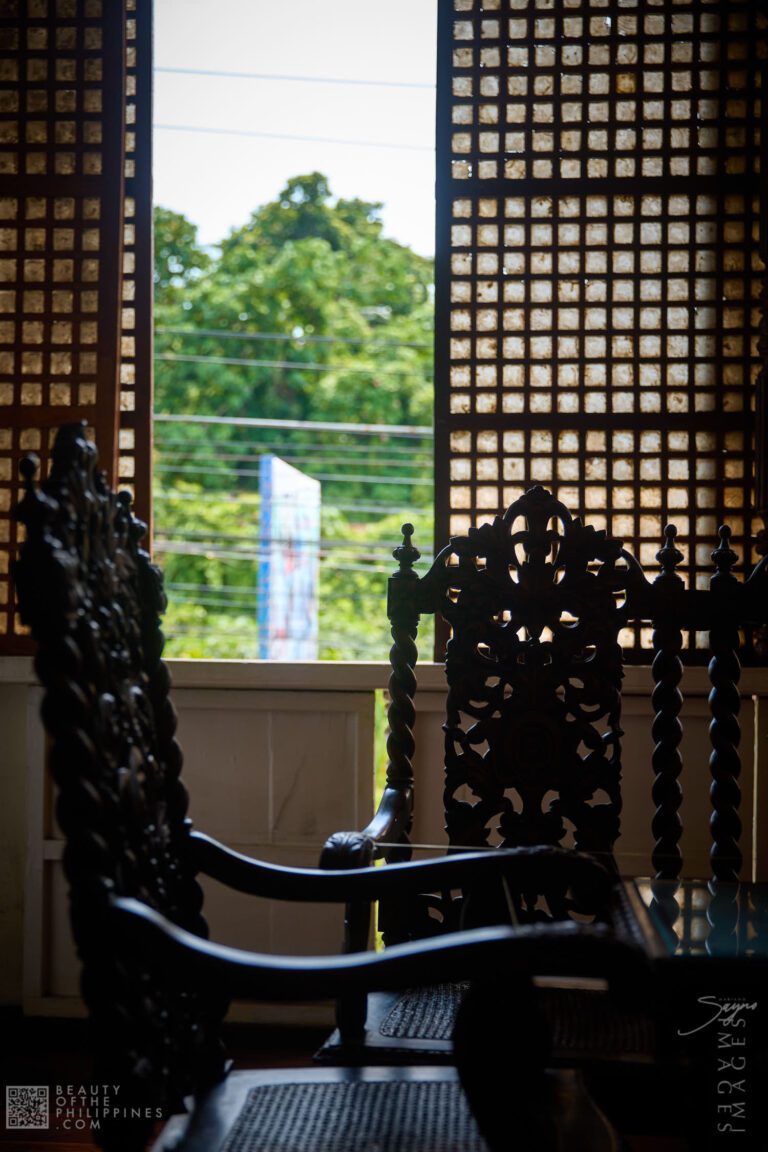
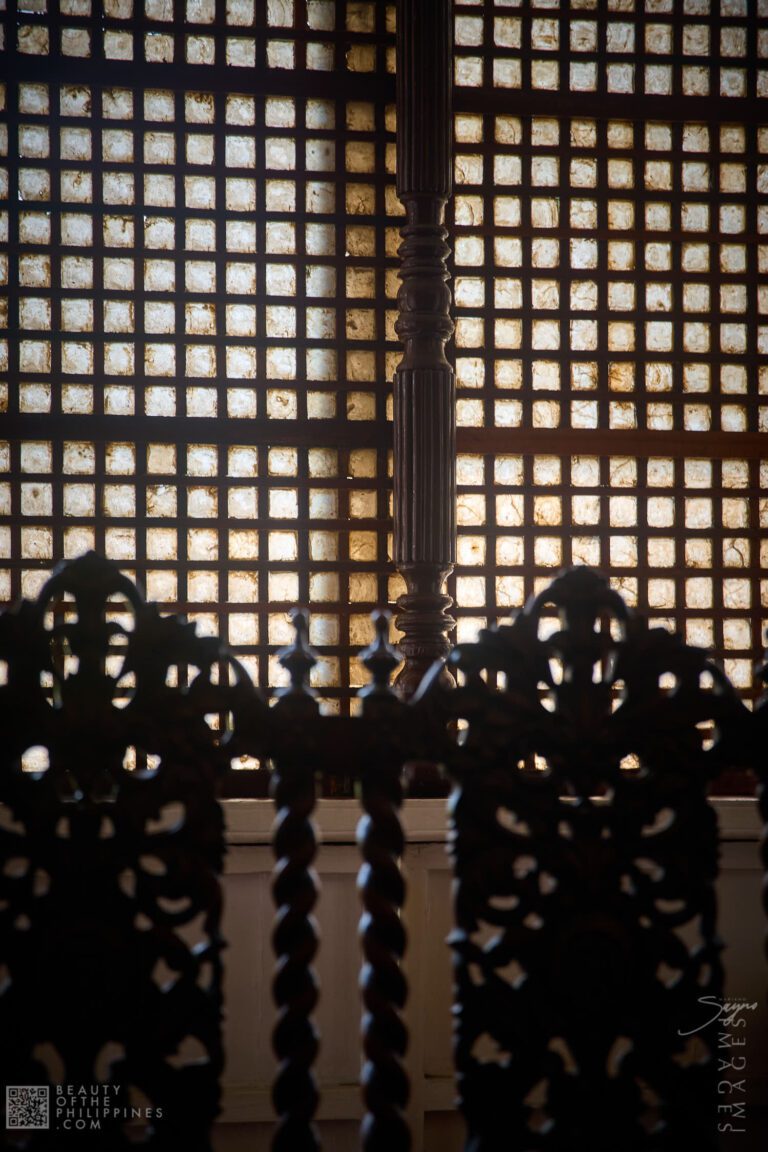
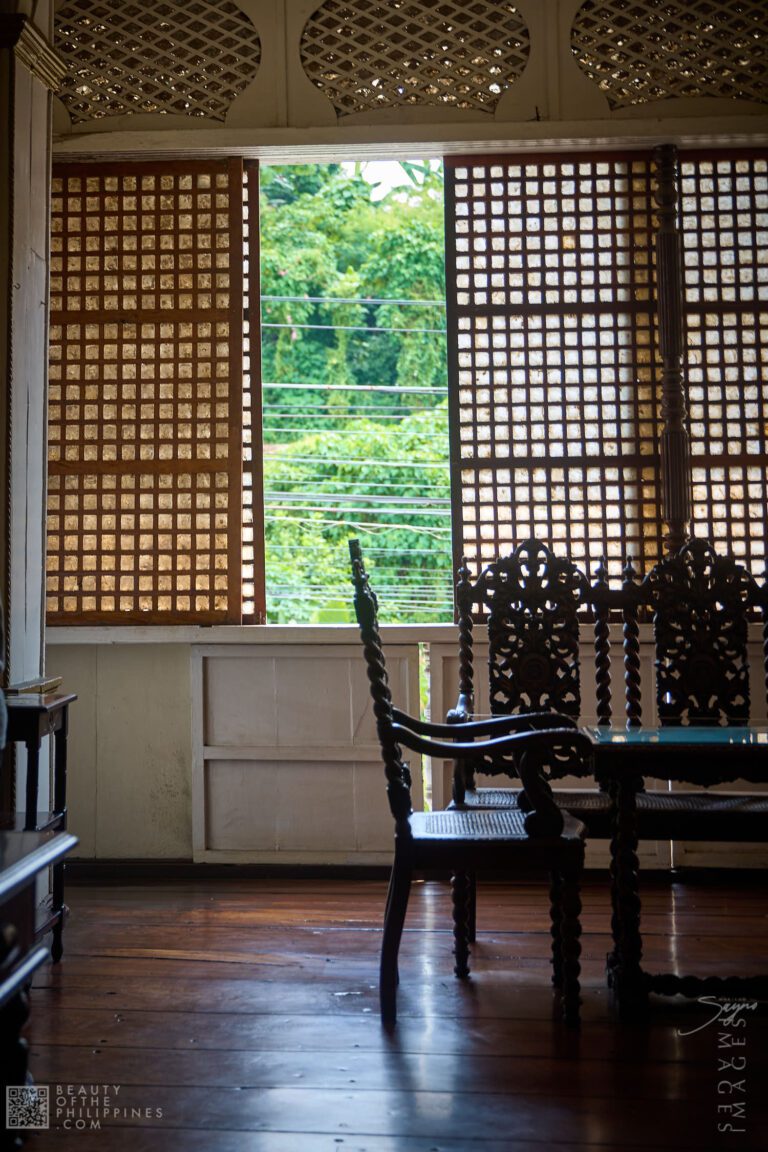
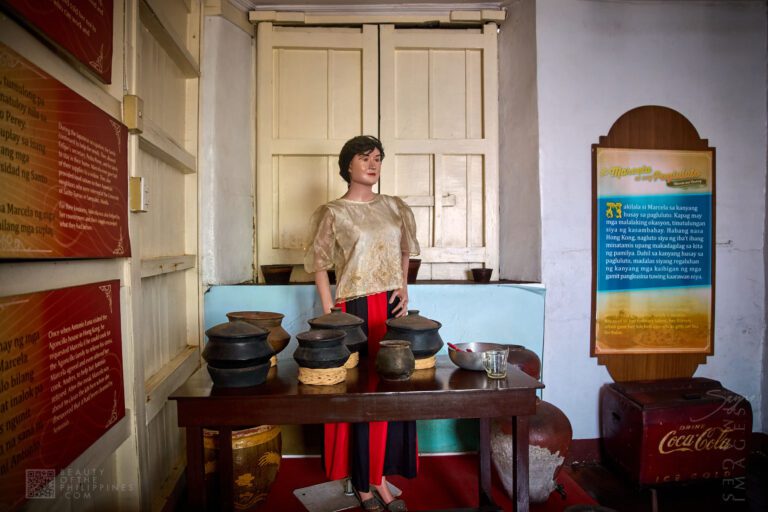
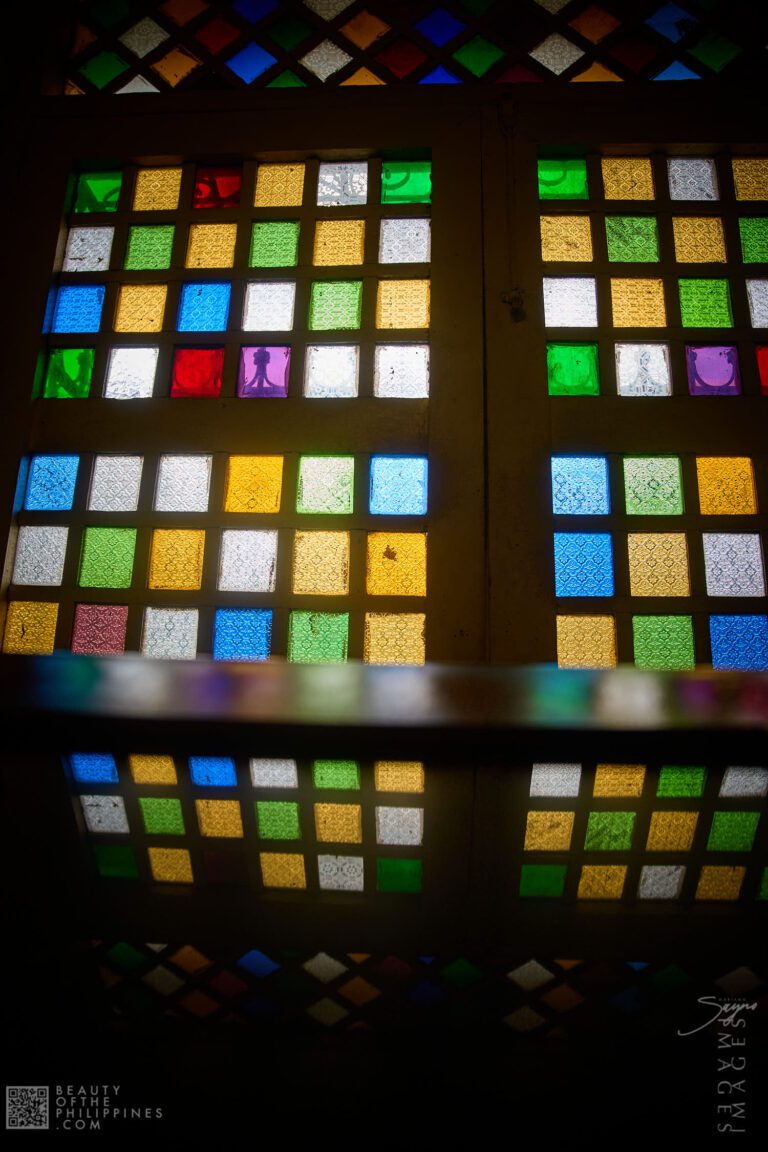
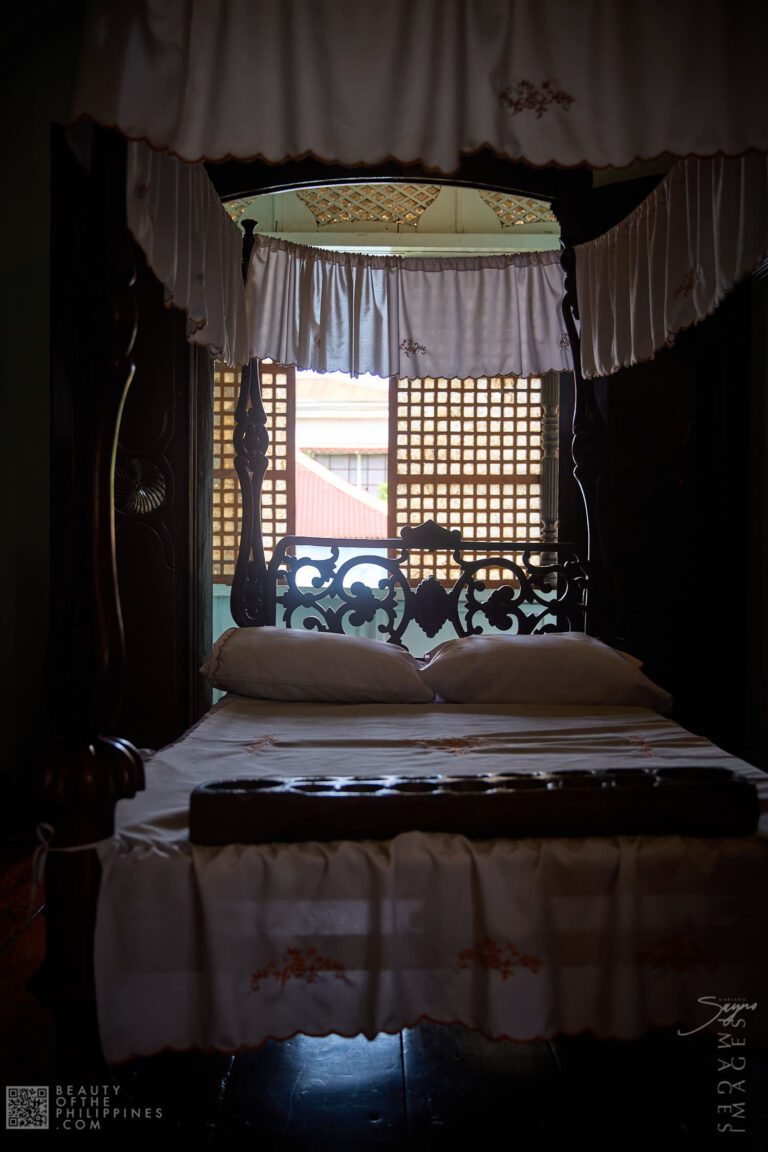
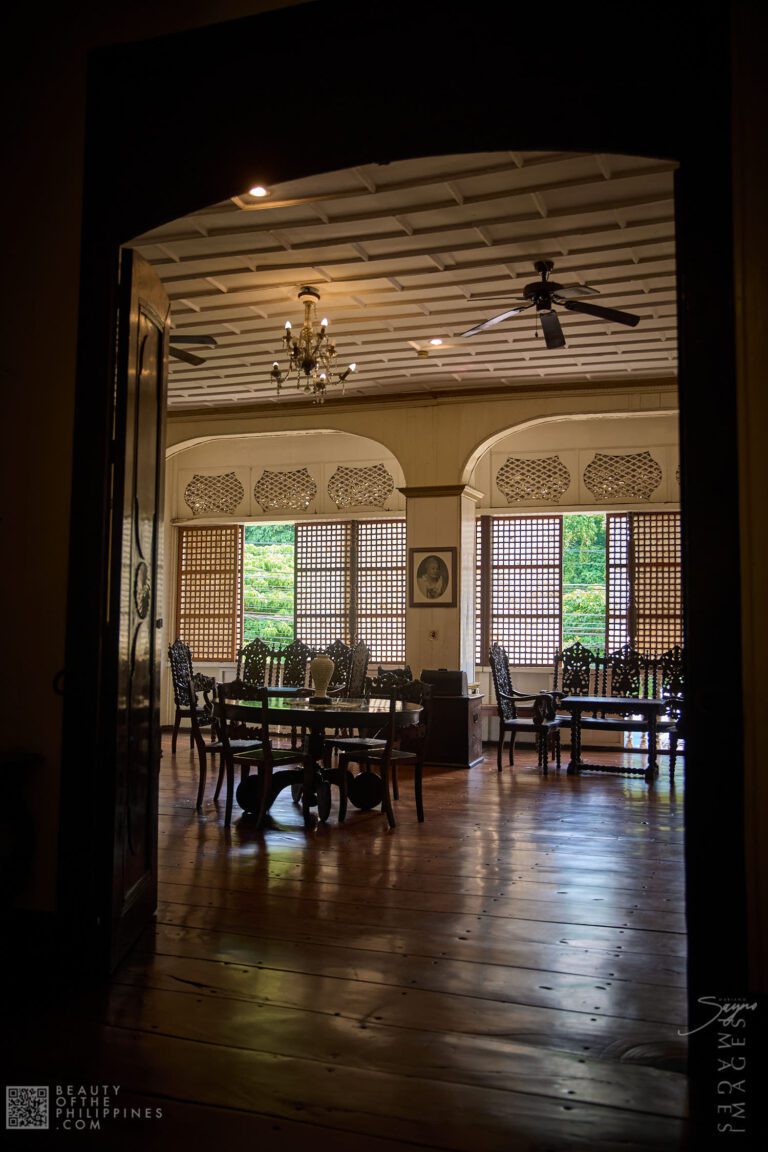
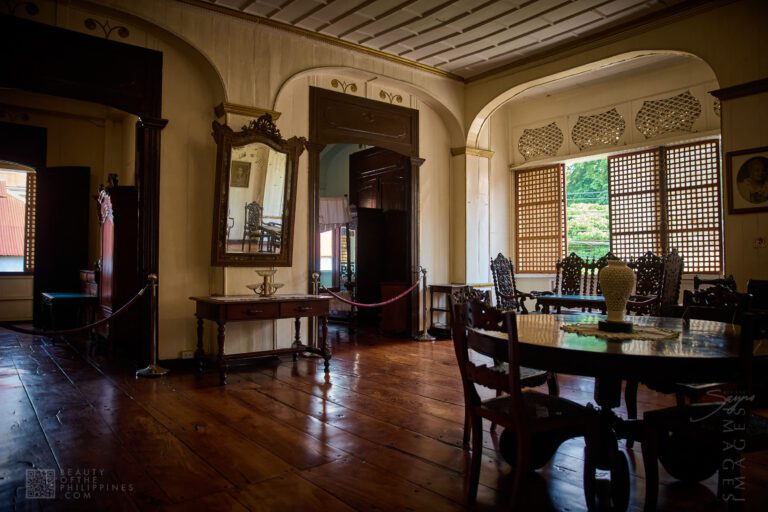
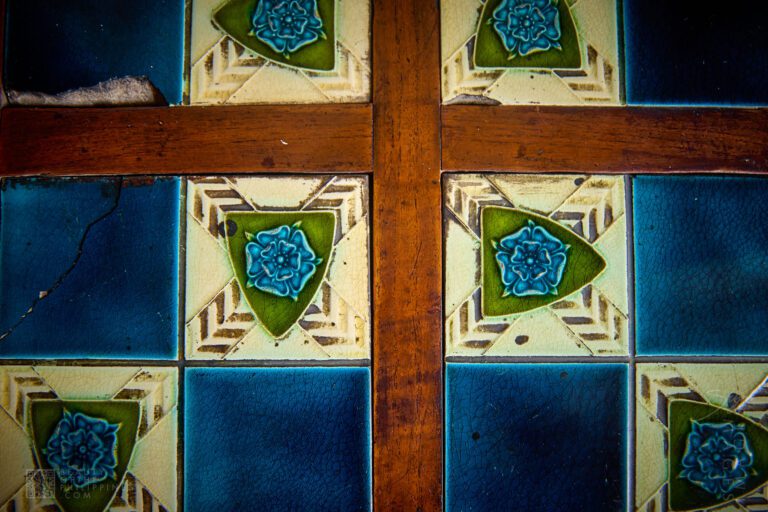
The house itself is closely tied to Marcela’s family history. Historical materials associated with the property identify the ancestral house as having been built by her family before she was born, while later accounts describe it as the home where she grew up. The preserved rooms, architectural details, furnishings, and historical displays allow the building to function not simply as a museum container but as part of the historical story being presented. 

Marcela Agoncillo and the Philippine Flag

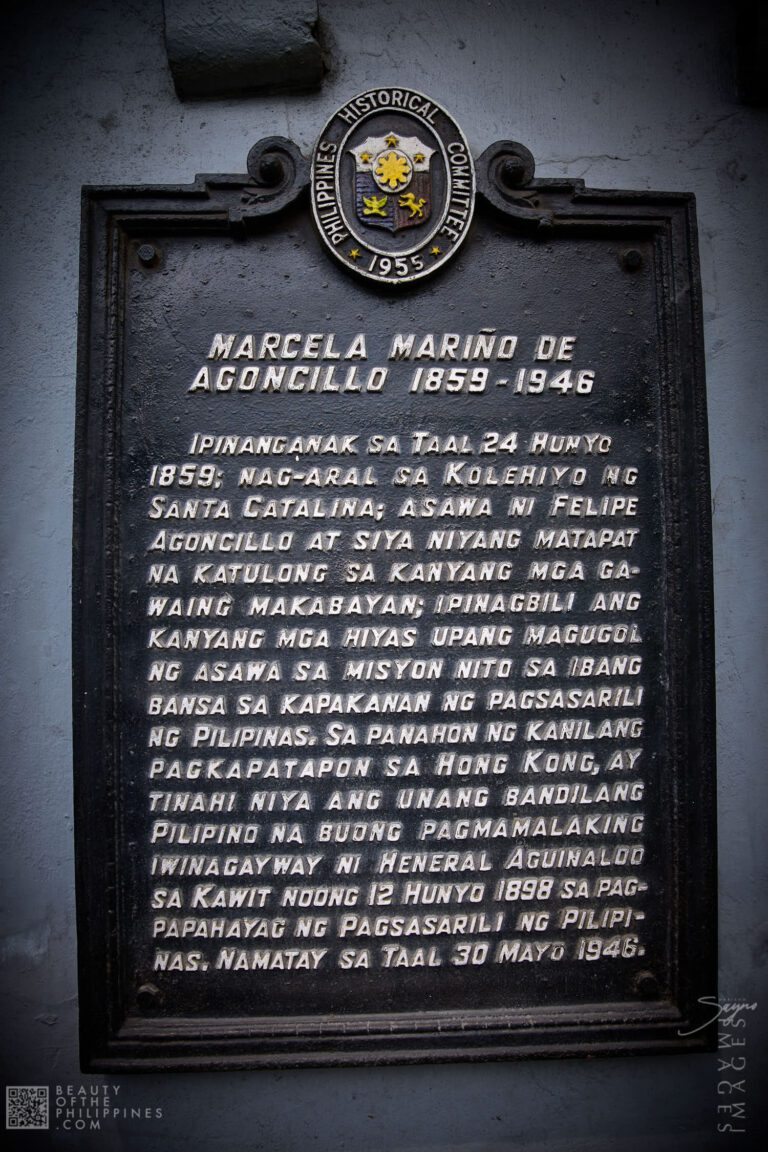
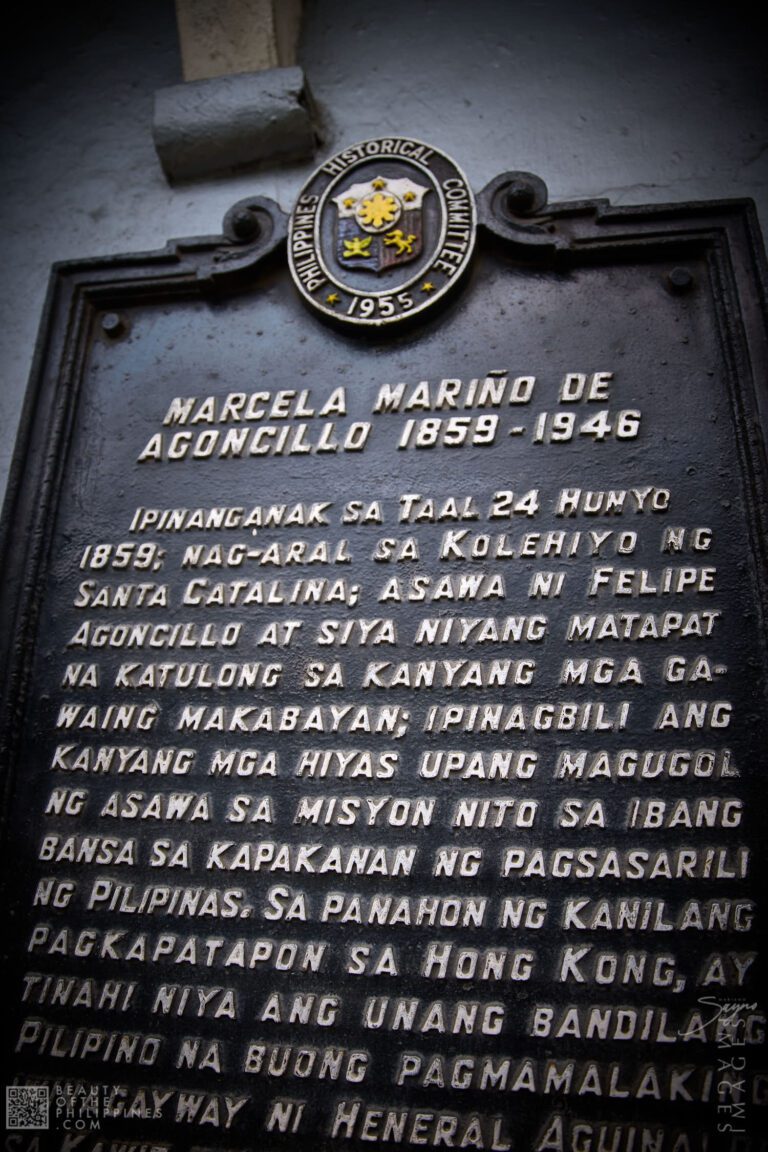
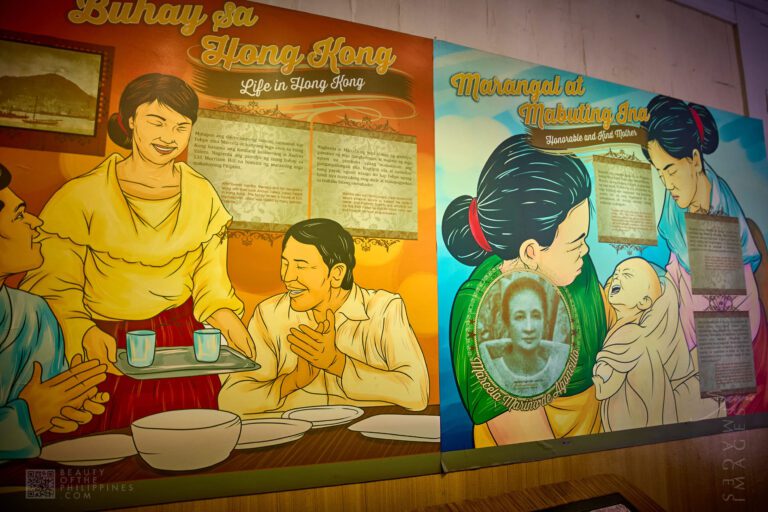
The museum’s central historical connection is Marcela Mariño Agoncillo, who was born in Taal on June 24, 1859, according to the NHCP historical marker. She studied at Santa Catalina College in Manila and later married Felipe Agoncillo, the Filipino lawyer and diplomat who became closely involved in the struggle for Philippine independence. Marcela’s life therefore intersects with both the domestic history of a prominent Taal family and the larger political events surrounding the Philippine Revolution and the establishment of the First Philippine Republic. 


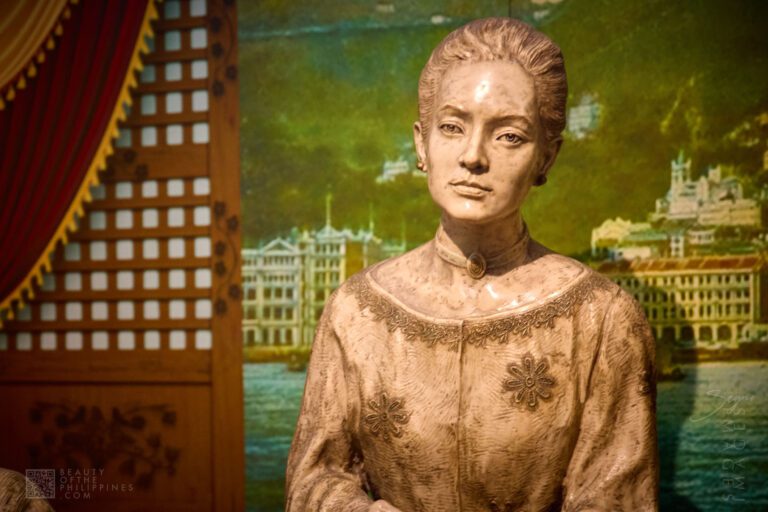
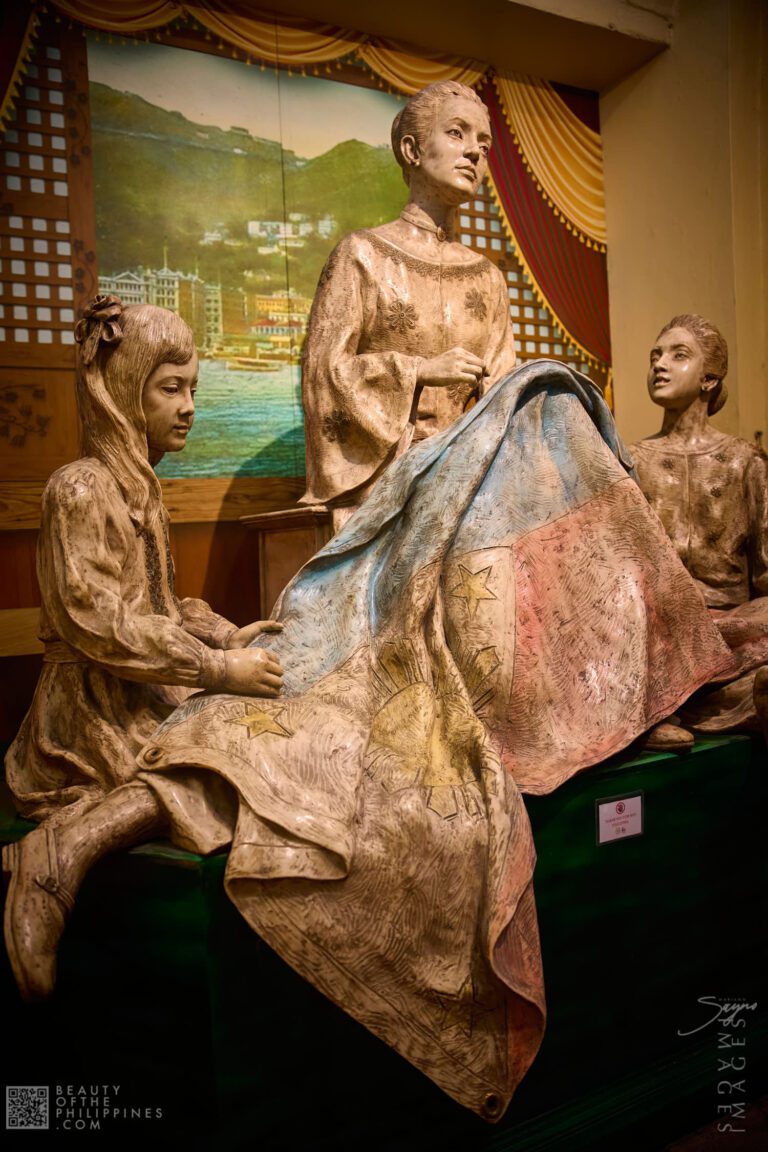
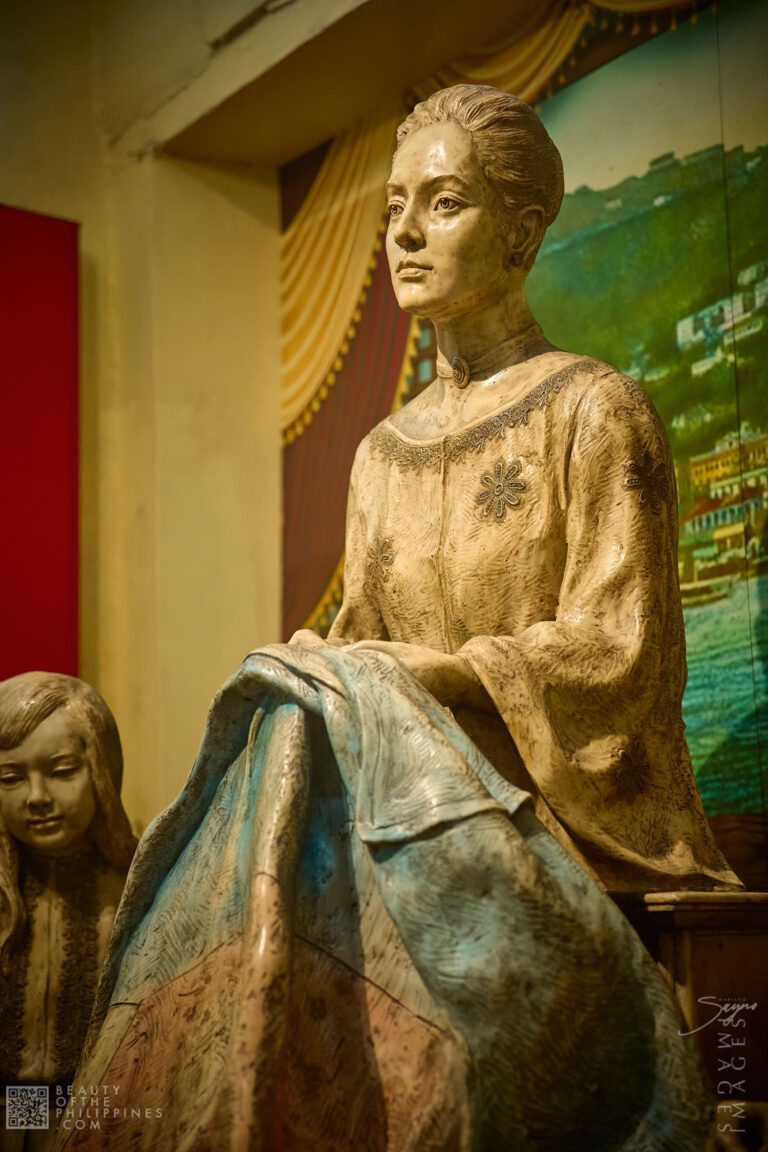
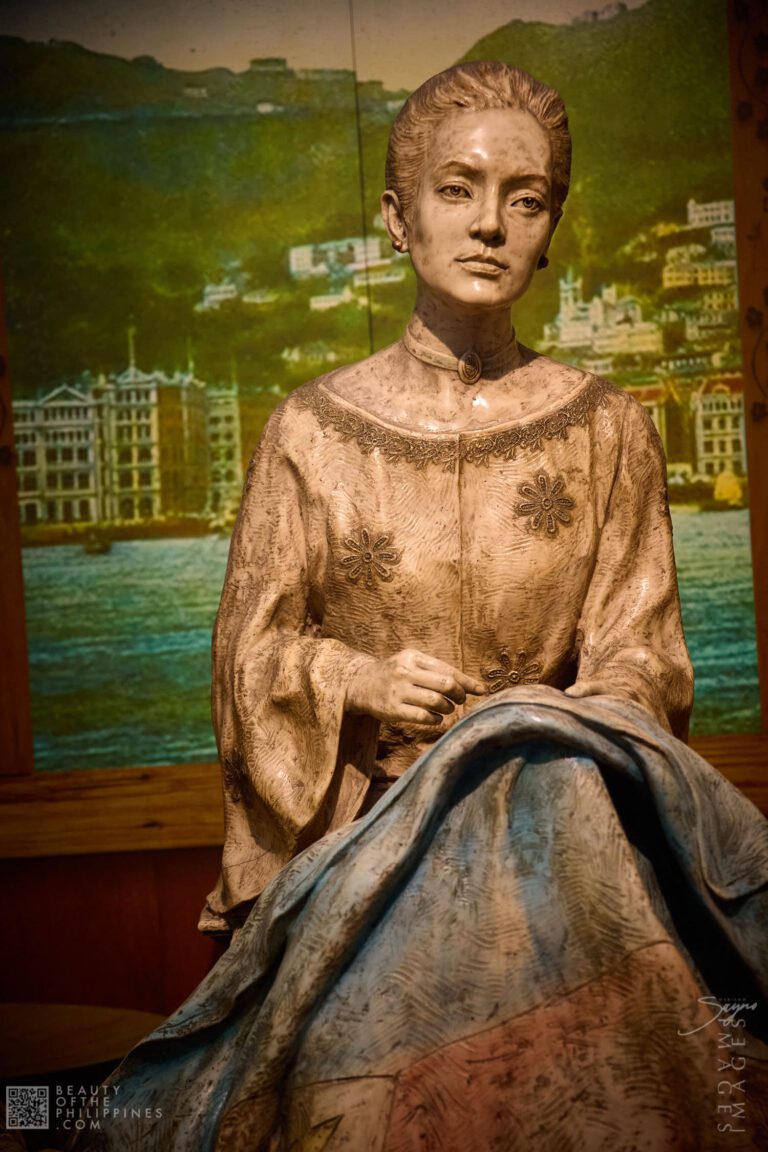
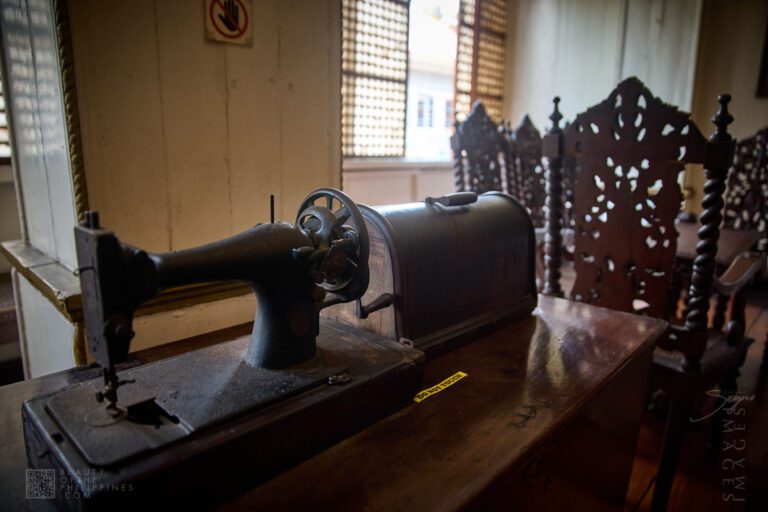
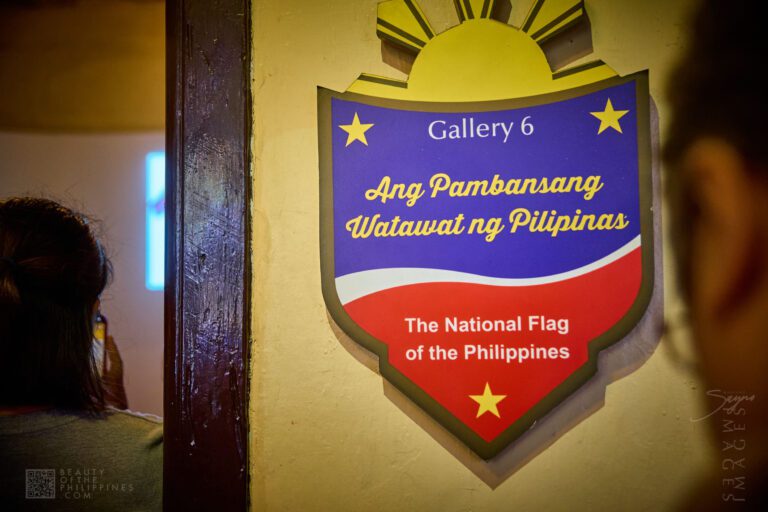
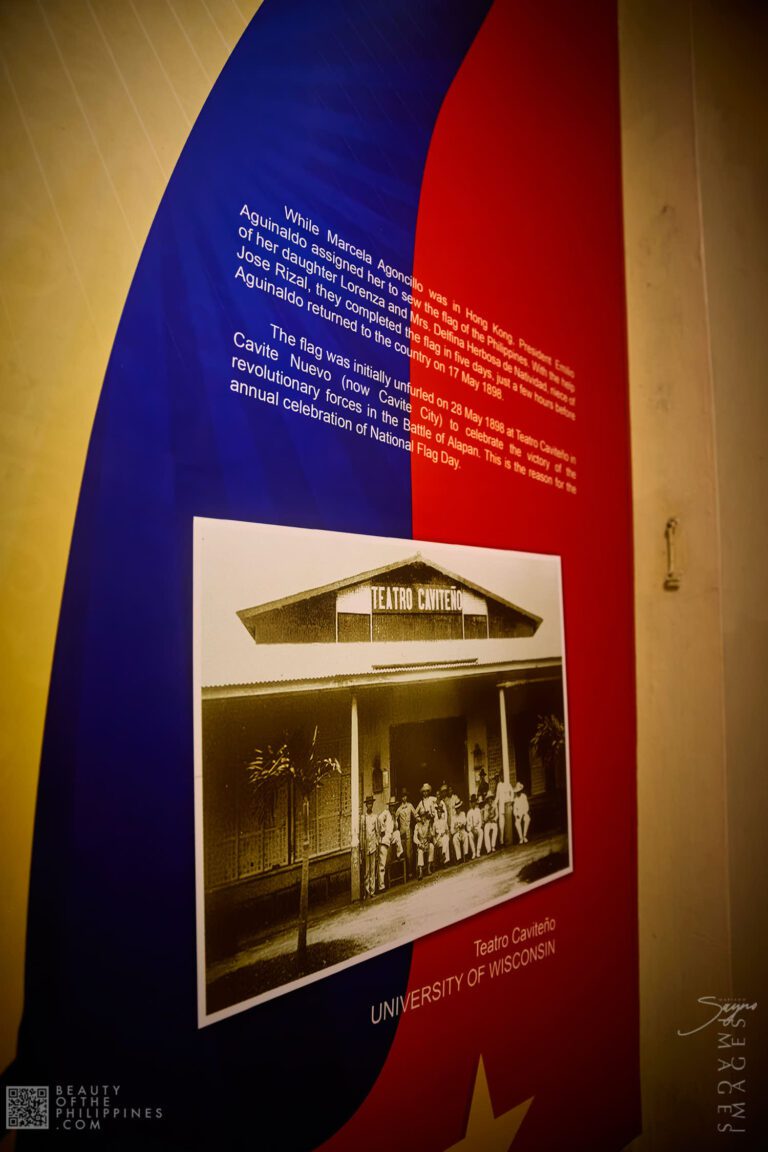
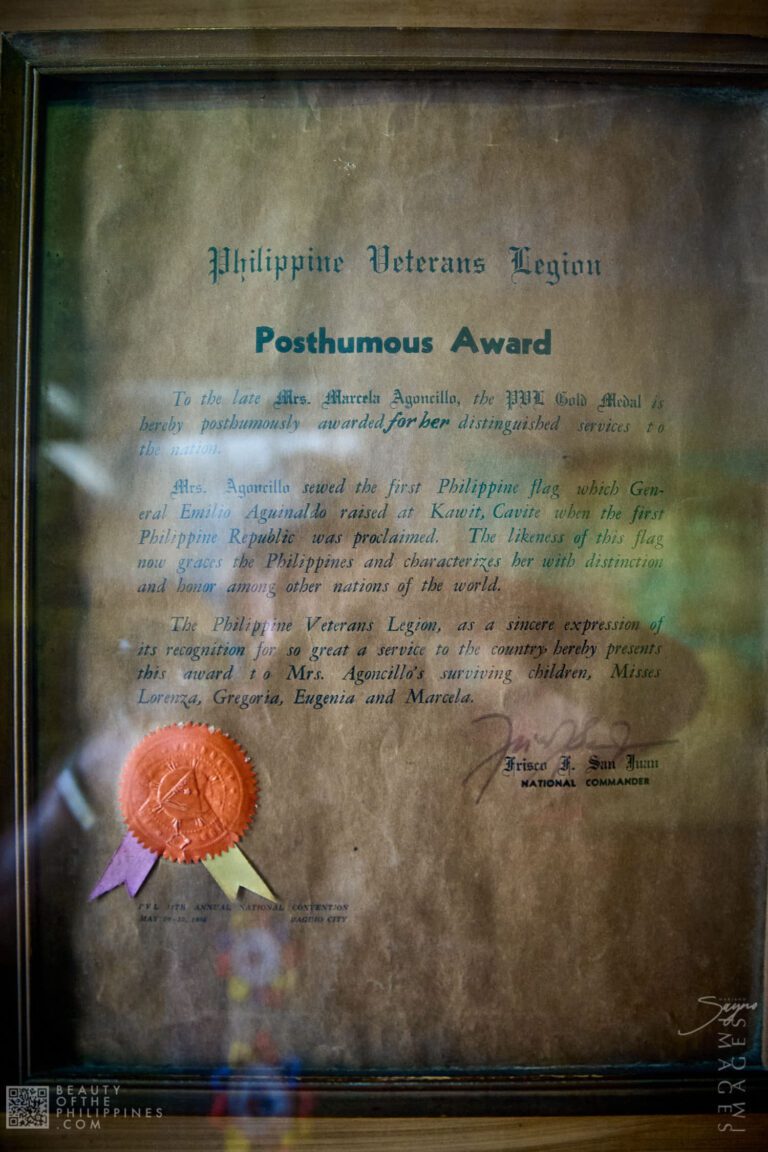
Marcela Agoncillo is best known for her role as the principal seamstress of the first Philippine national flag. In 1898, while the Agoncillo family was in Hong Kong, Emilio Aguinaldo asked Marcela to sew the flag based on the revolutionary design. She worked with her daughter Lorenza Agoncillo and Delfina Herbosa de Natividad, a niece of José Rizal. The completed flag was later brought to the Philippines and was unfurled during the proclamation of independence in Kawit, Cavite, on June 12, 1898. 


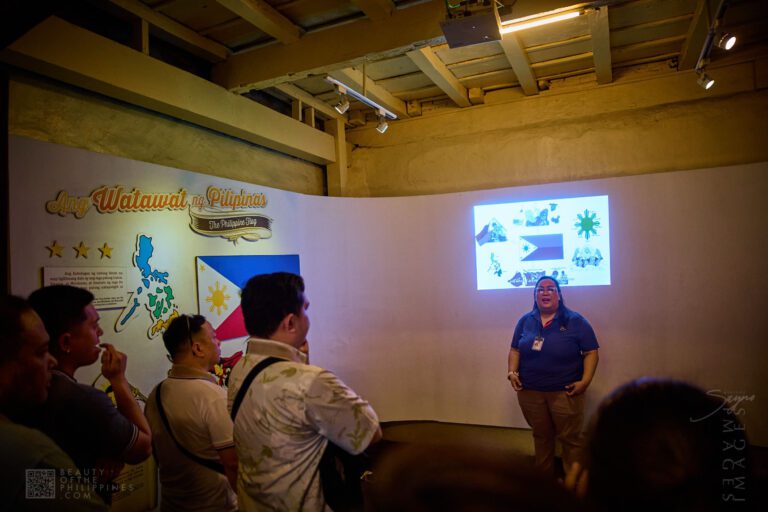
The museum consequently offers a more personal way to understand the Philippine flag. Rather than encountering the flag only as a national emblem displayed in government buildings, visitors can connect it with the people, family relationships, exile, craftsmanship, and political circumstances surrounding its creation. The house provides the physical setting for a story that ultimately reaches far beyond Taal and into one of the defining moments of Philippine history. 

The Agoncillo Family and the Story of Felipe Agoncillo

The museum is not exclusively about Marcela. Its formal name also recognizes Felipe Agoncillo, whose career adds another dimension to the site. Felipe was a lawyer, independence advocate, and diplomat who represented the Philippine revolutionary government in international negotiations. His work placed the Agoncillo family within the political and diplomatic struggles surrounding the Philippine independence movement. 


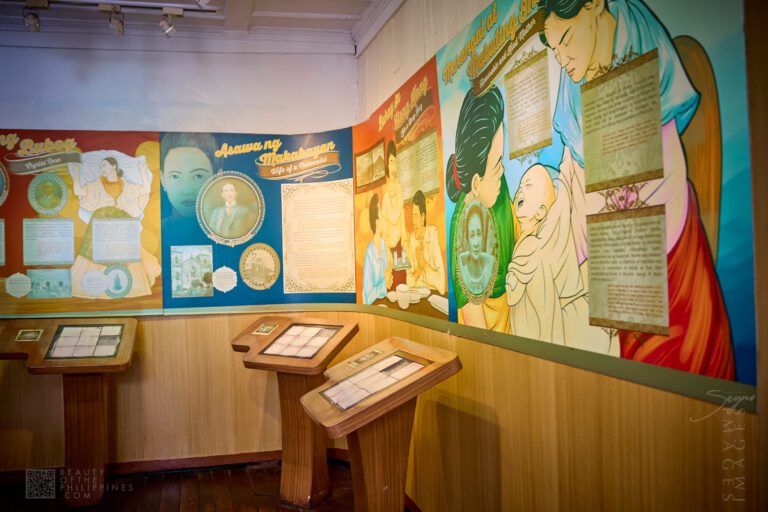
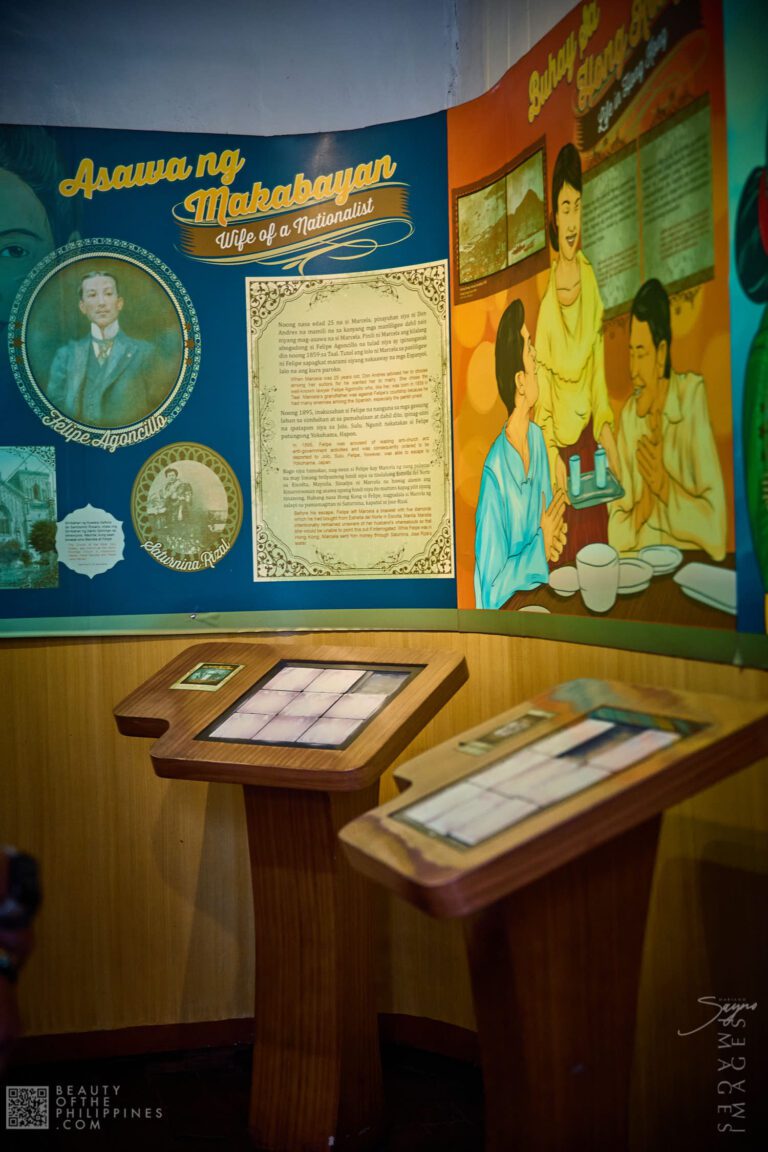
The relationship between Marcela’s domestic role and Felipe’s political work is one of the museum’s most compelling themes. The couple’s story illustrates how the independence movement involved not only battlefield leaders and political figures but also families whose work, resources, skills, and personal sacrifices supported the broader campaign for self-determination. Historical accounts also note that Marcela sold some of her jewelry to help support Felipe’s mission abroad. 

Inside the Marcela Agoncillo Museum

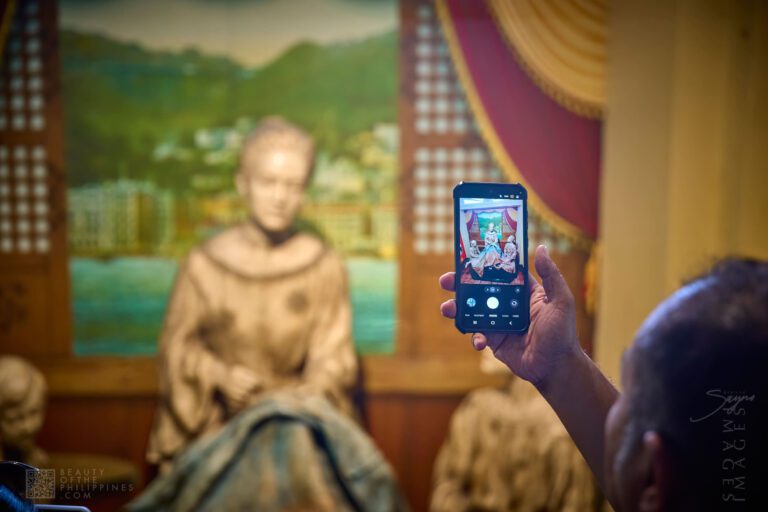
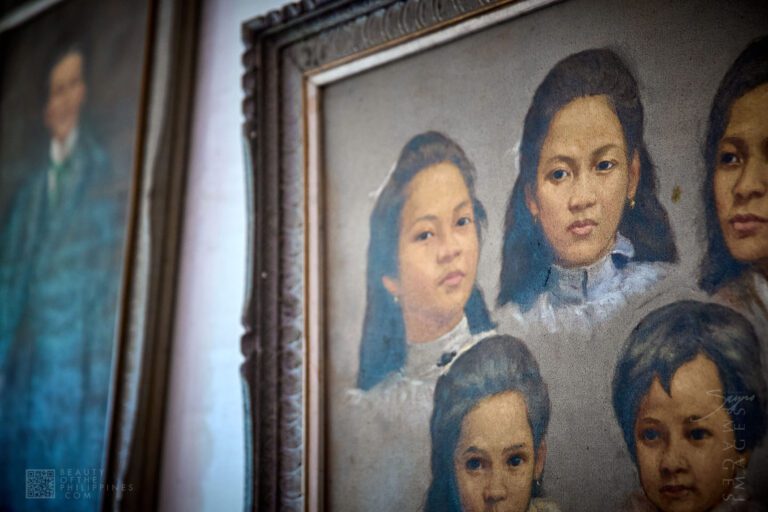
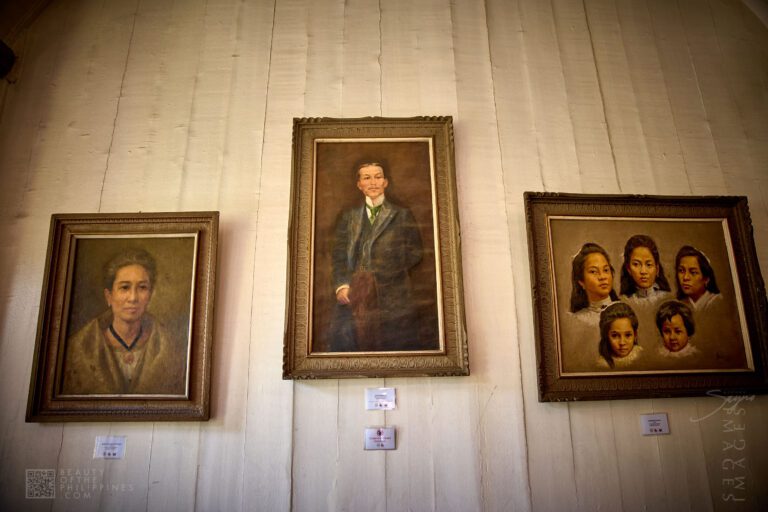
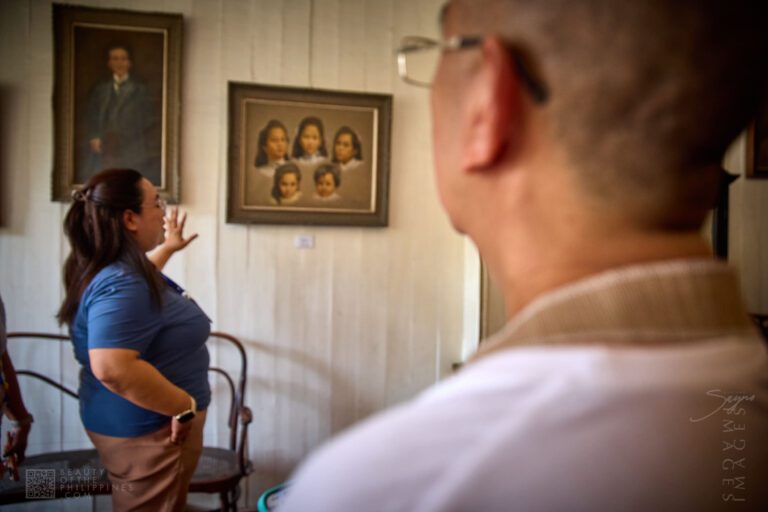
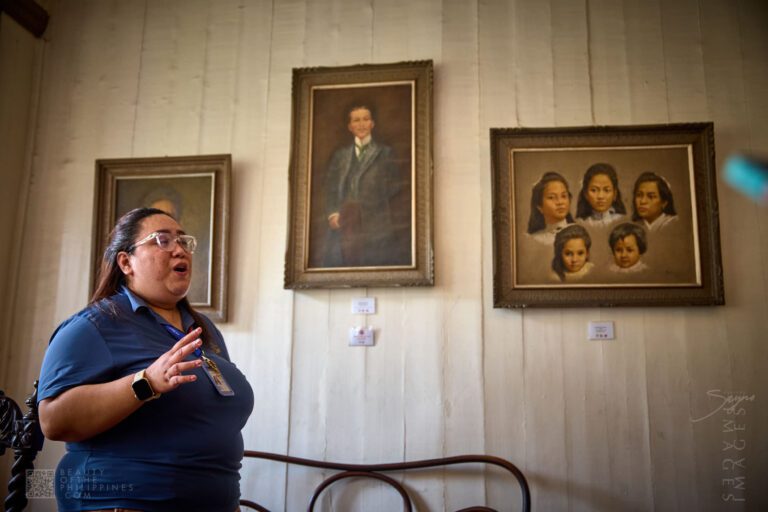
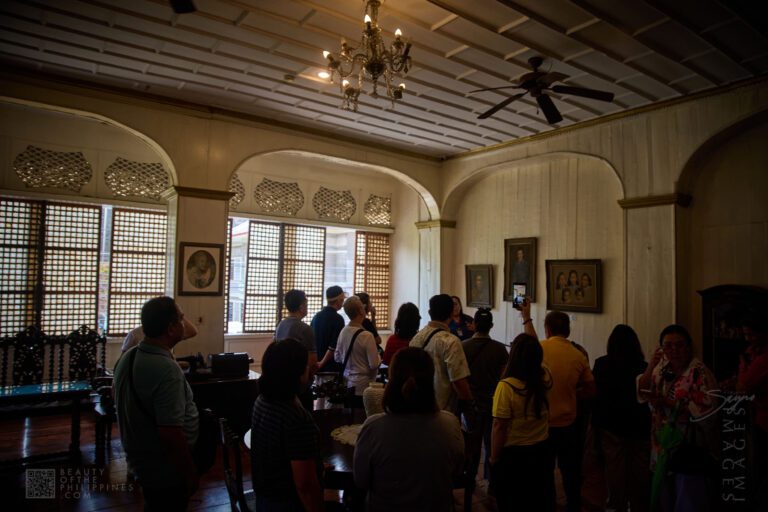
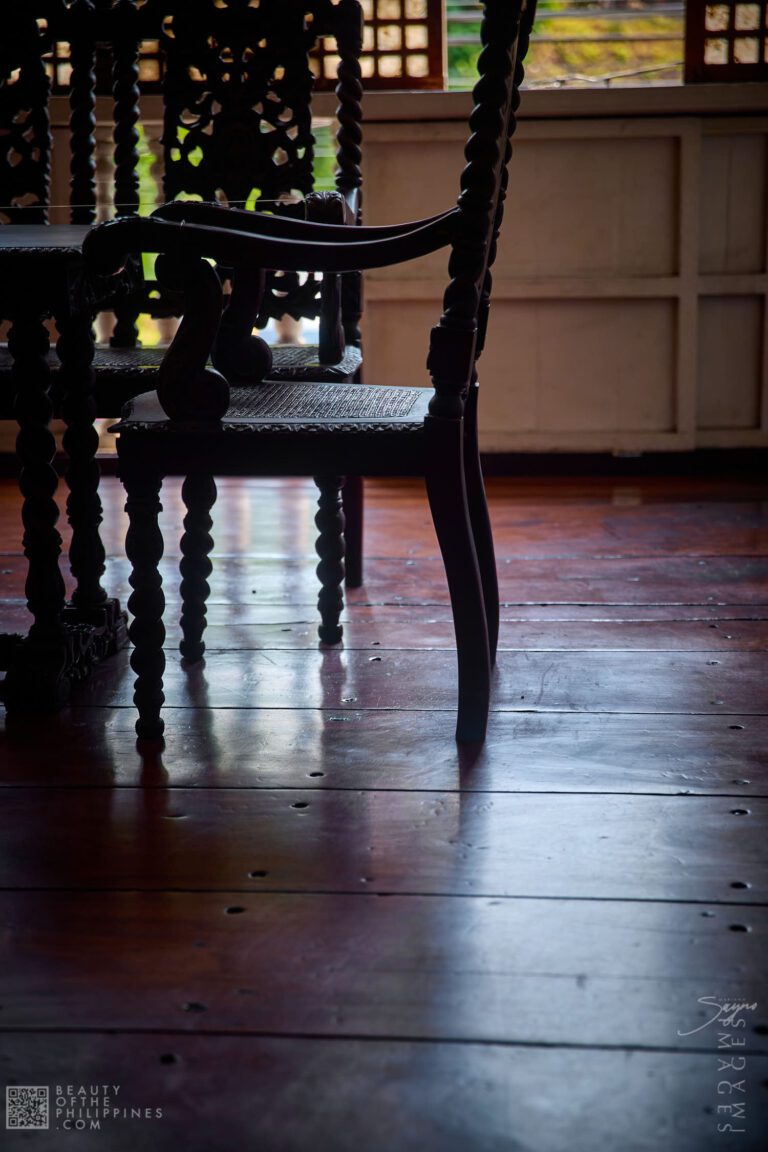
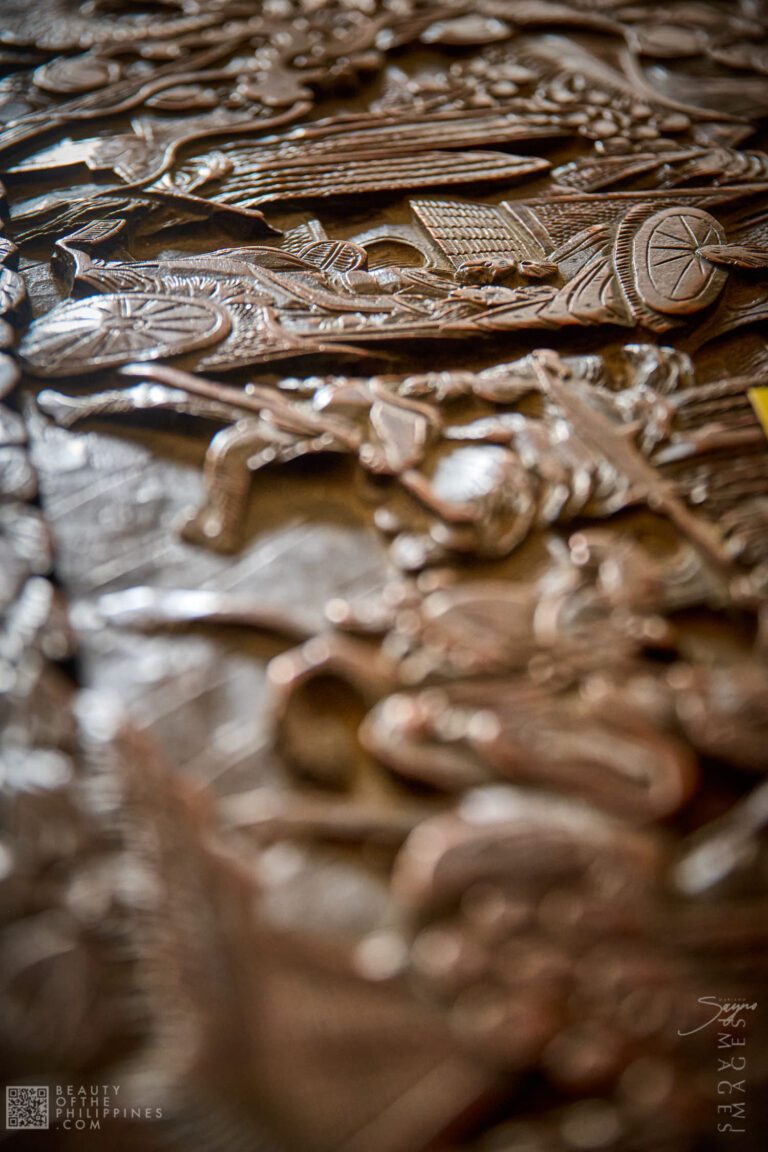
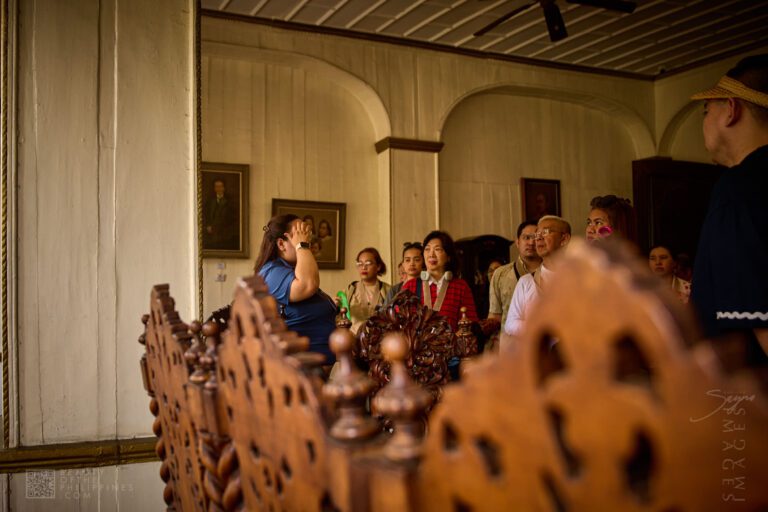
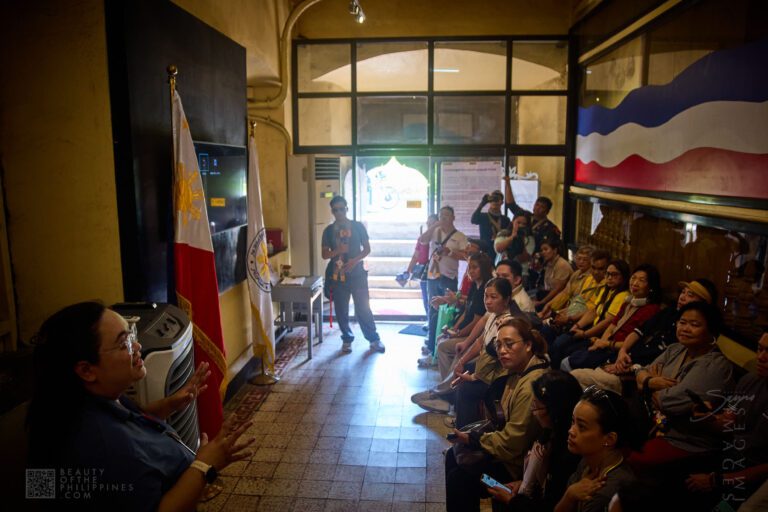
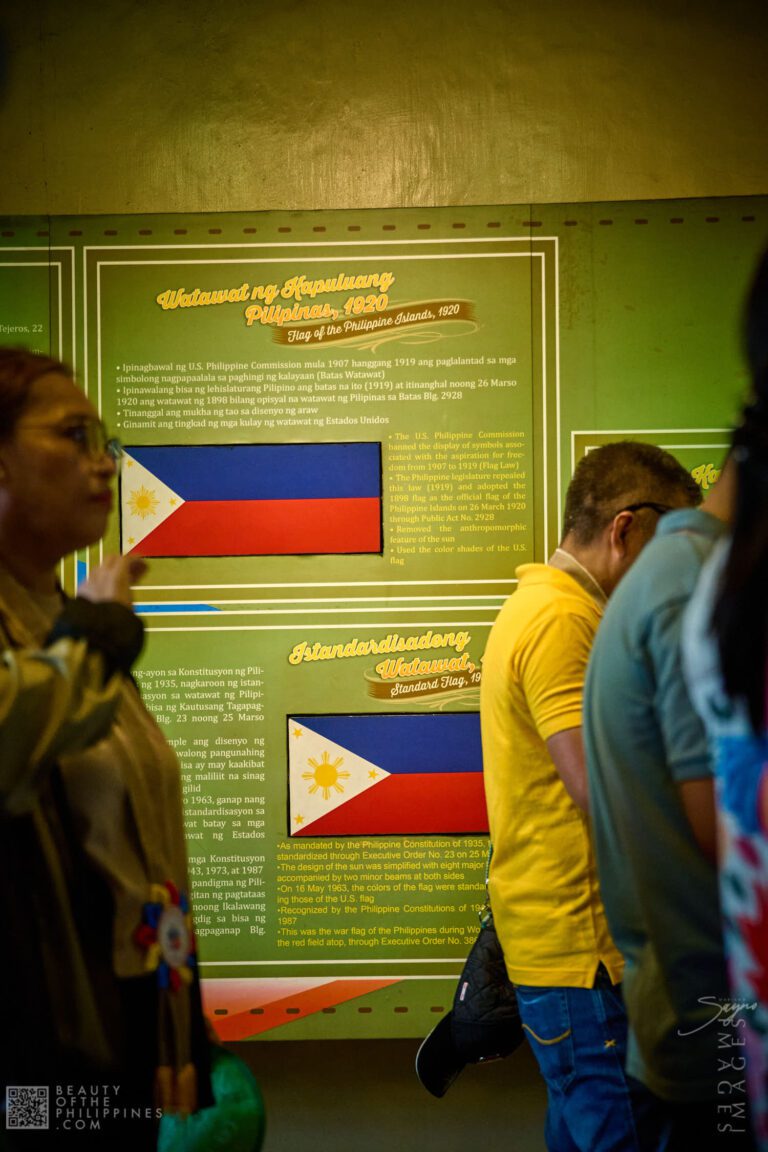
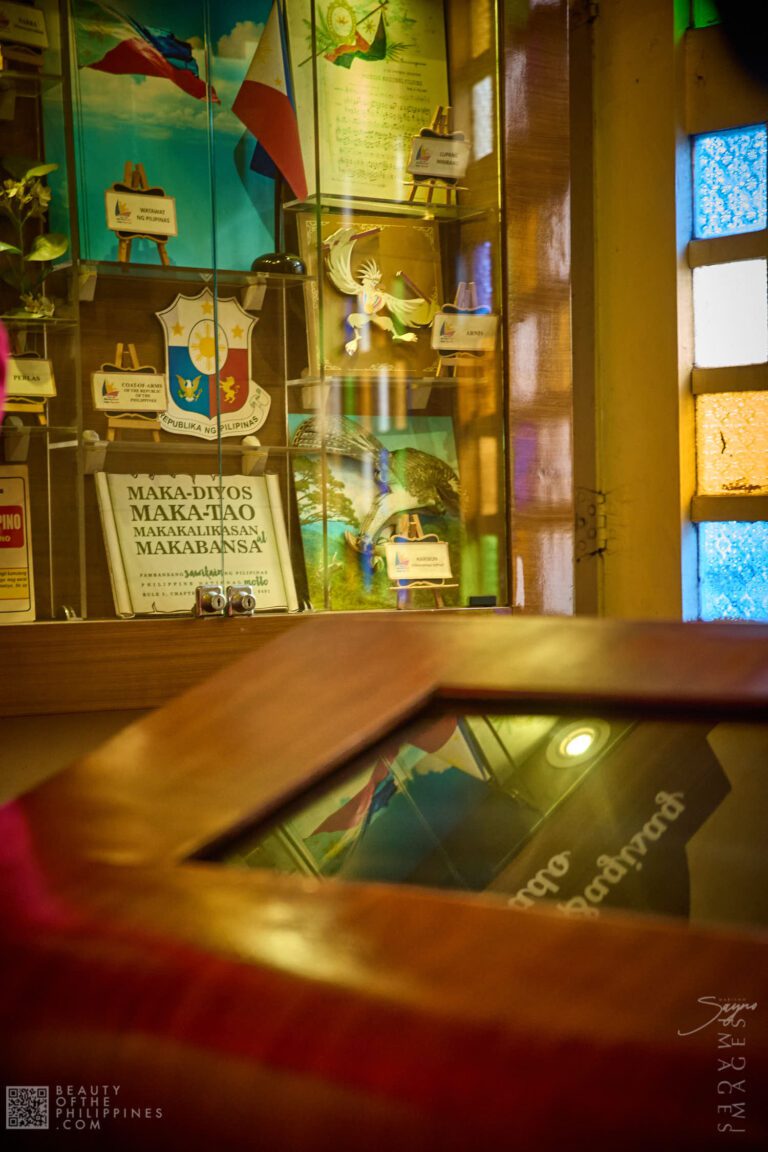
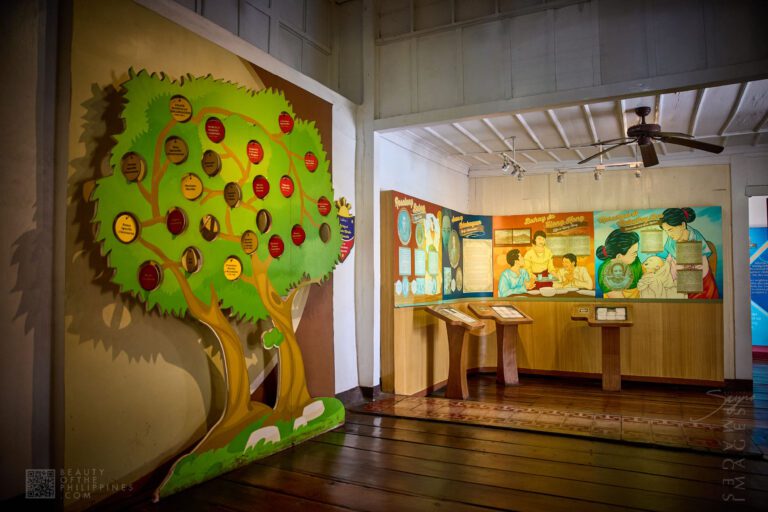
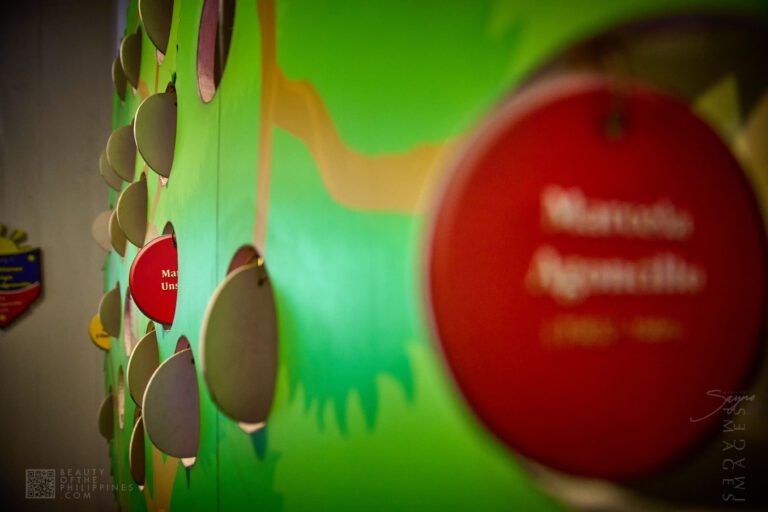
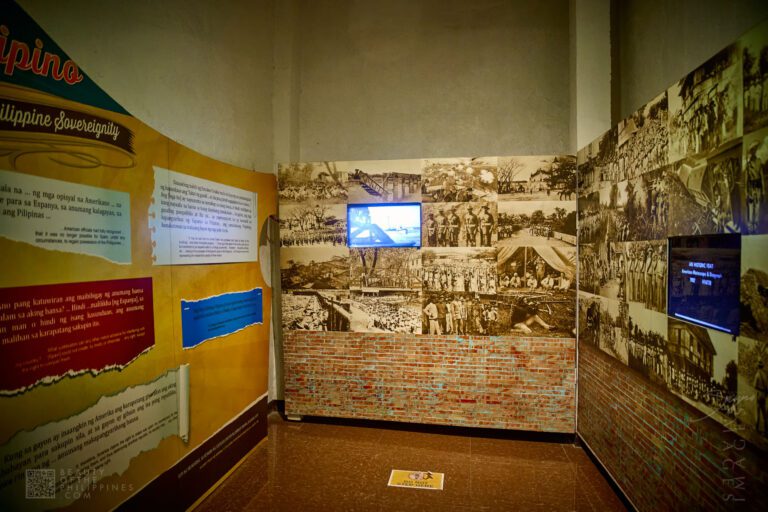
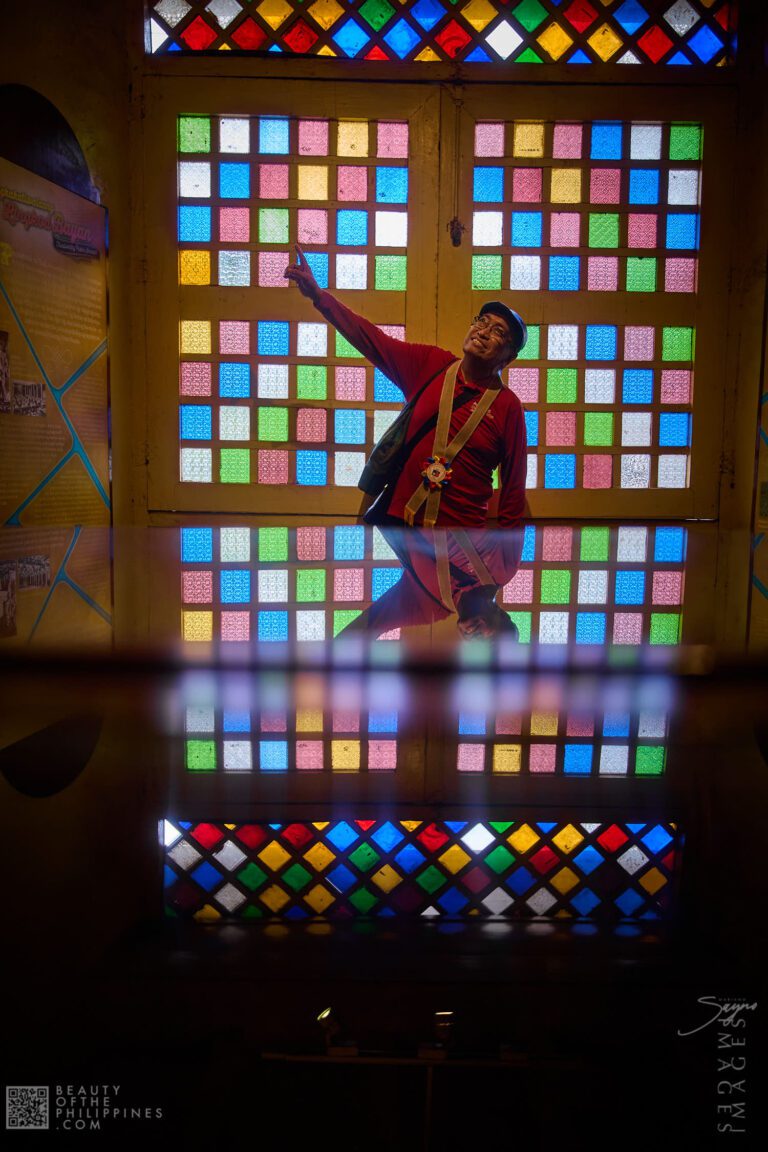
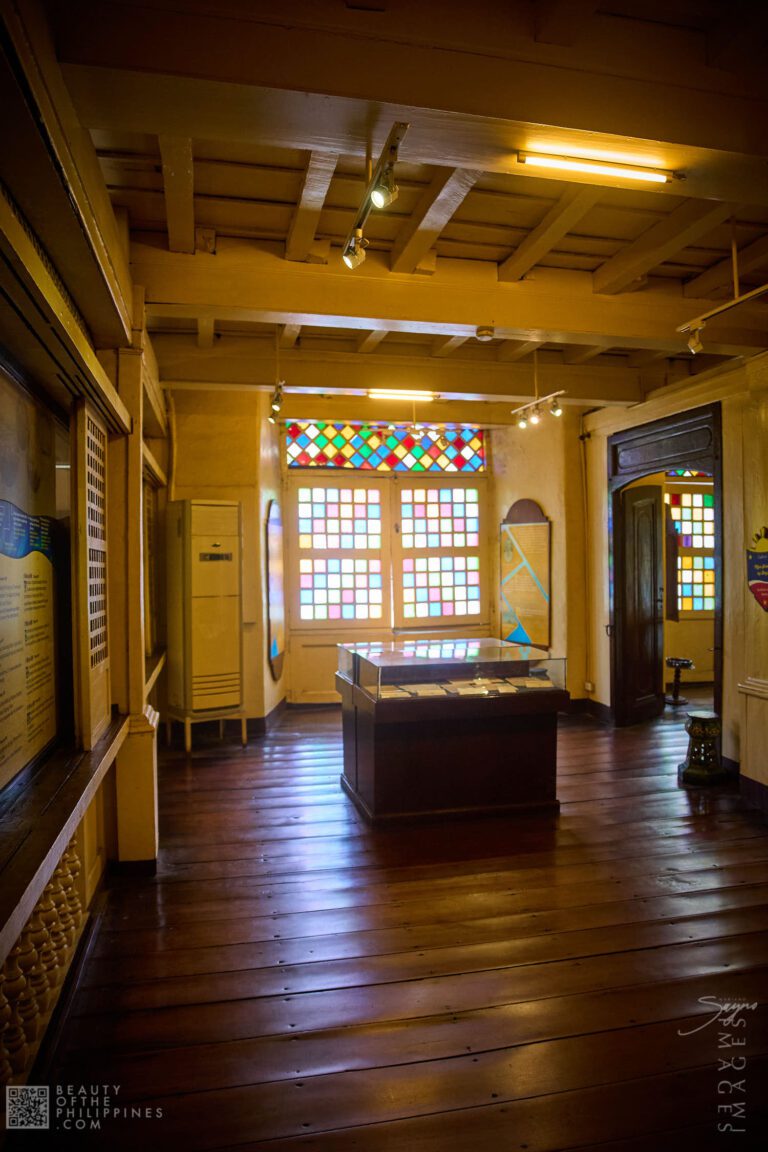
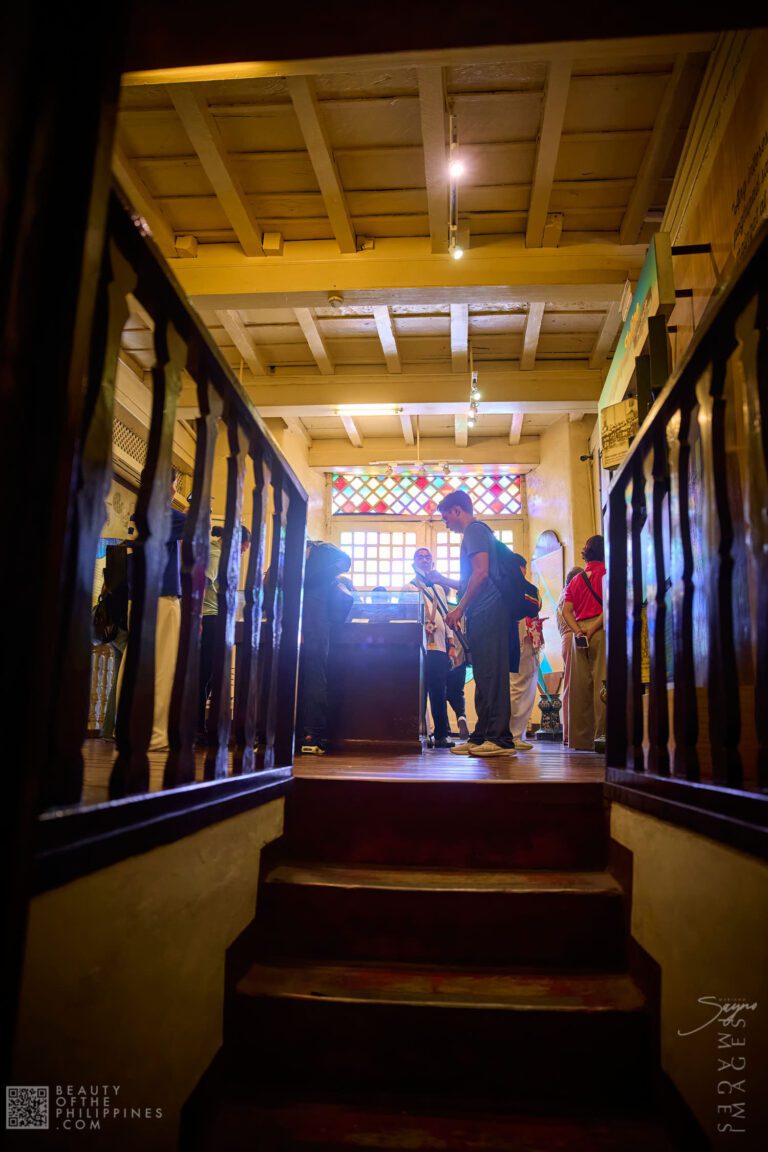
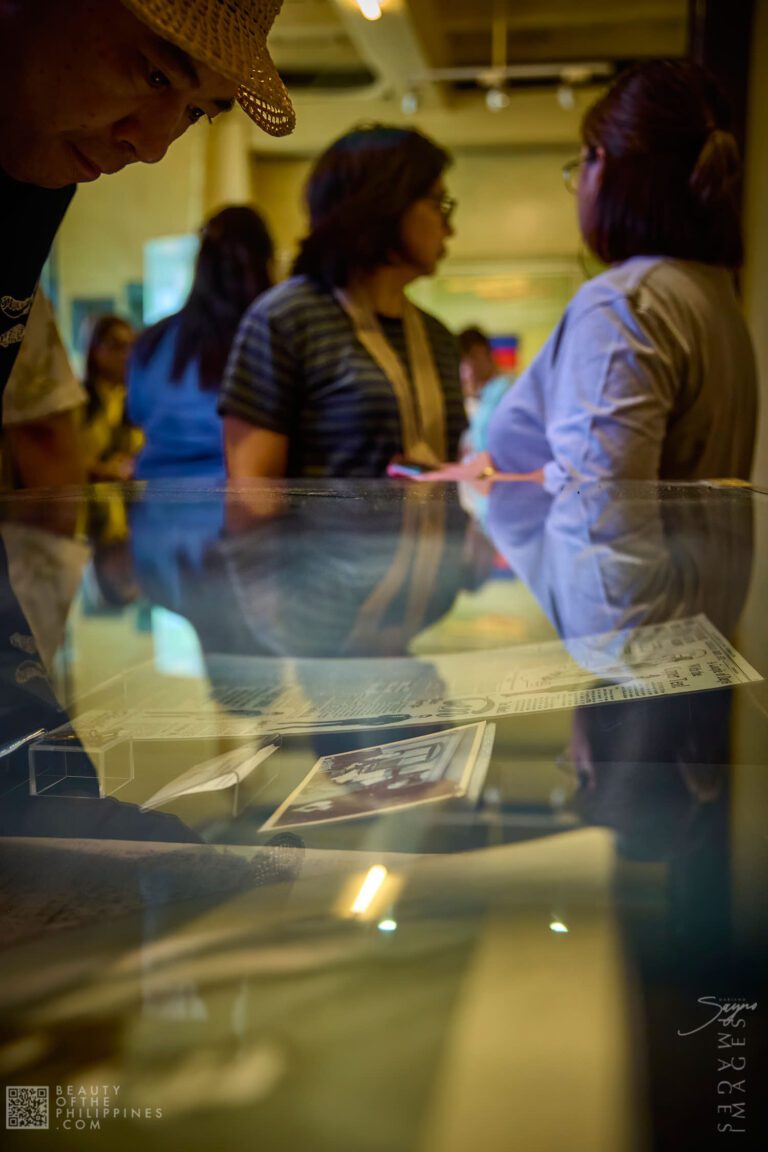
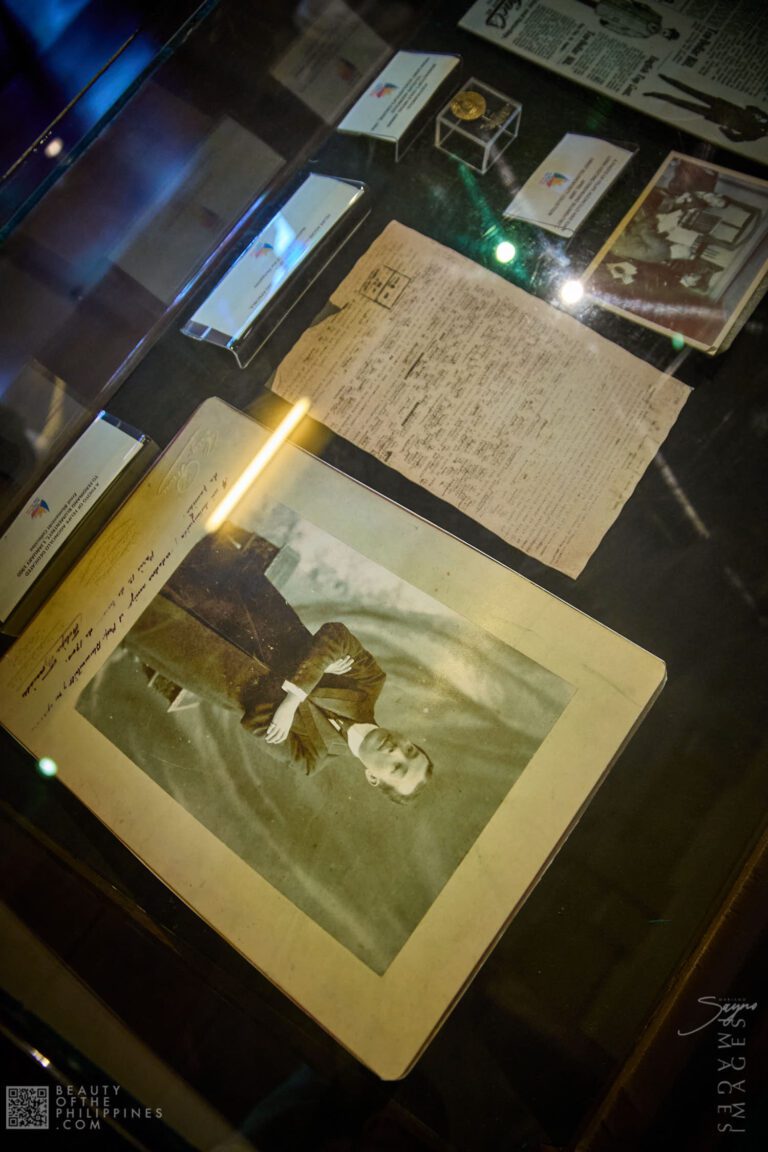
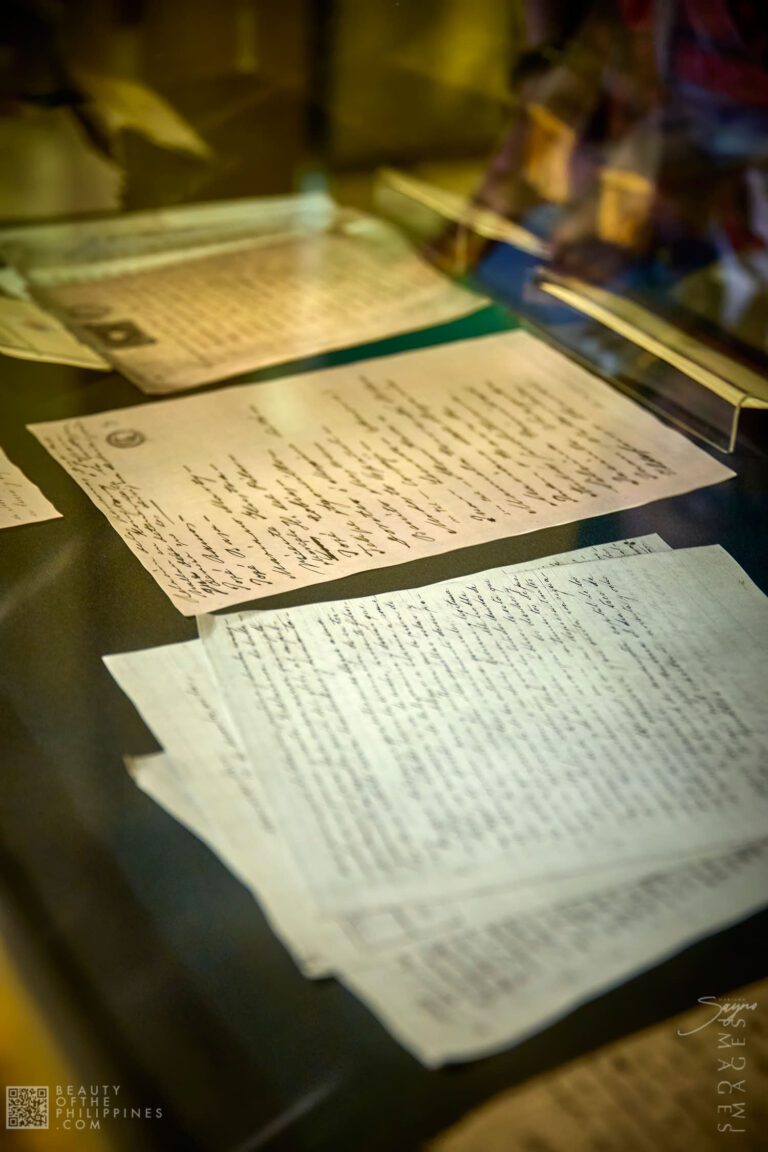
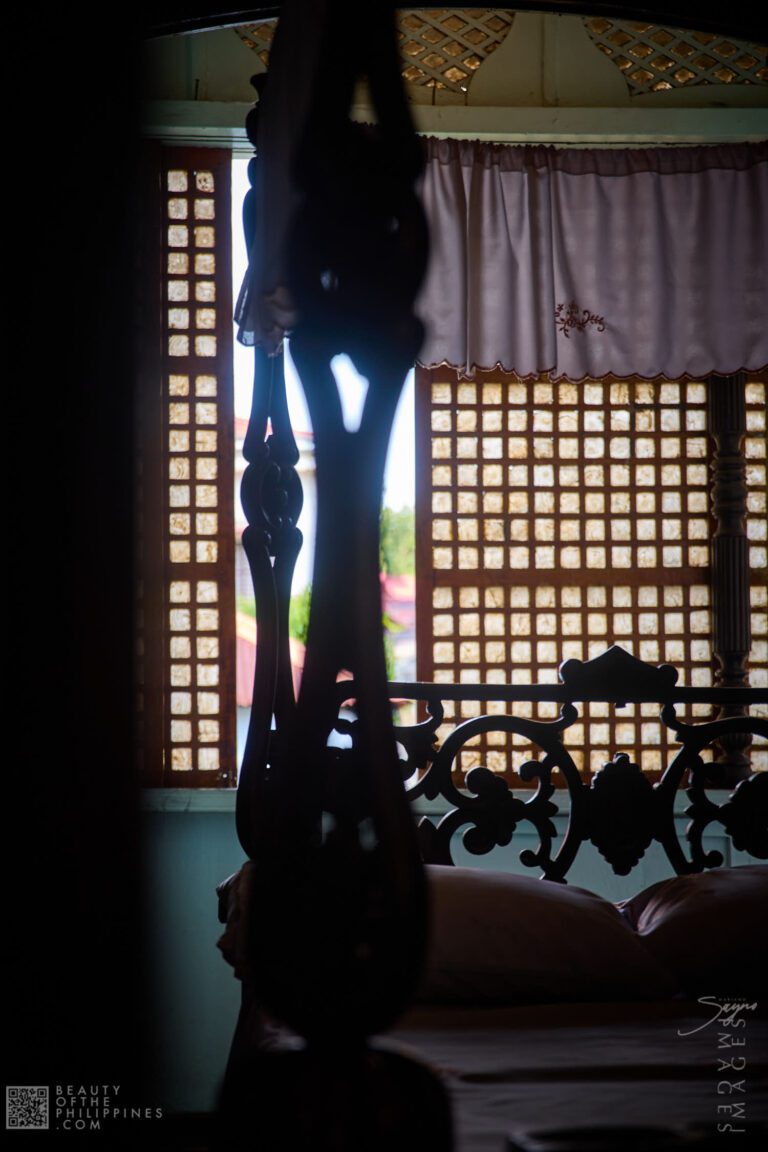
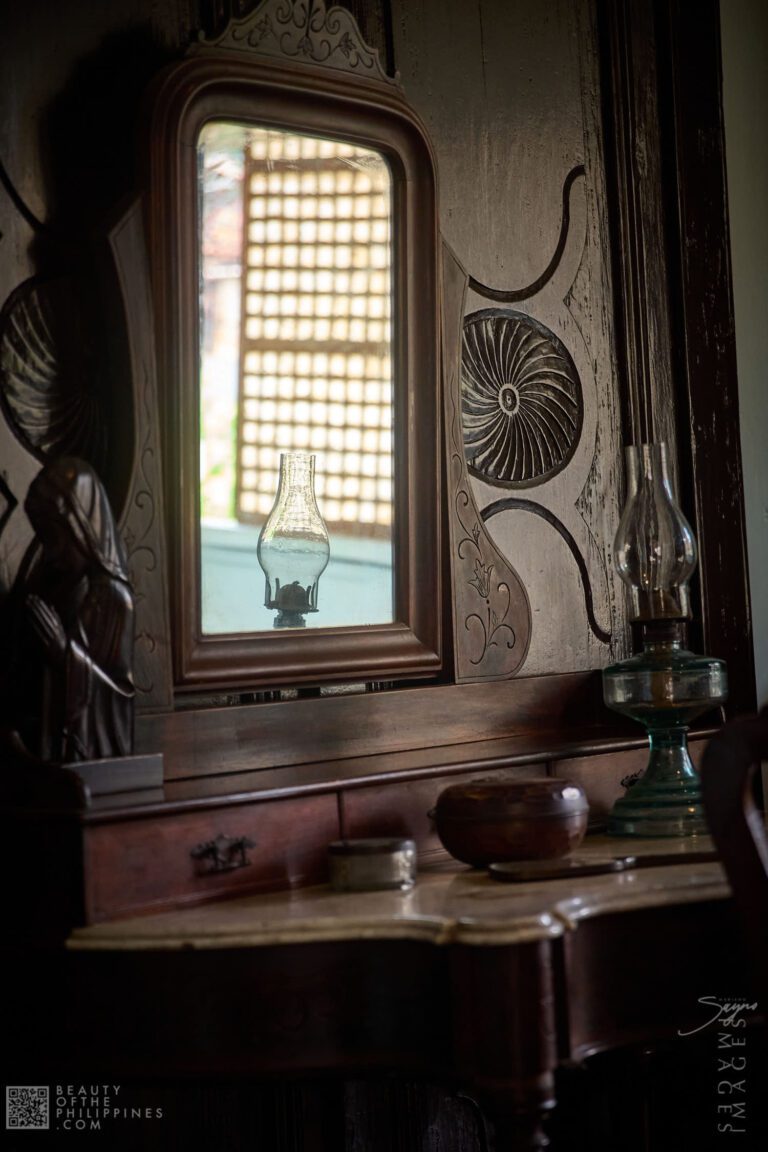
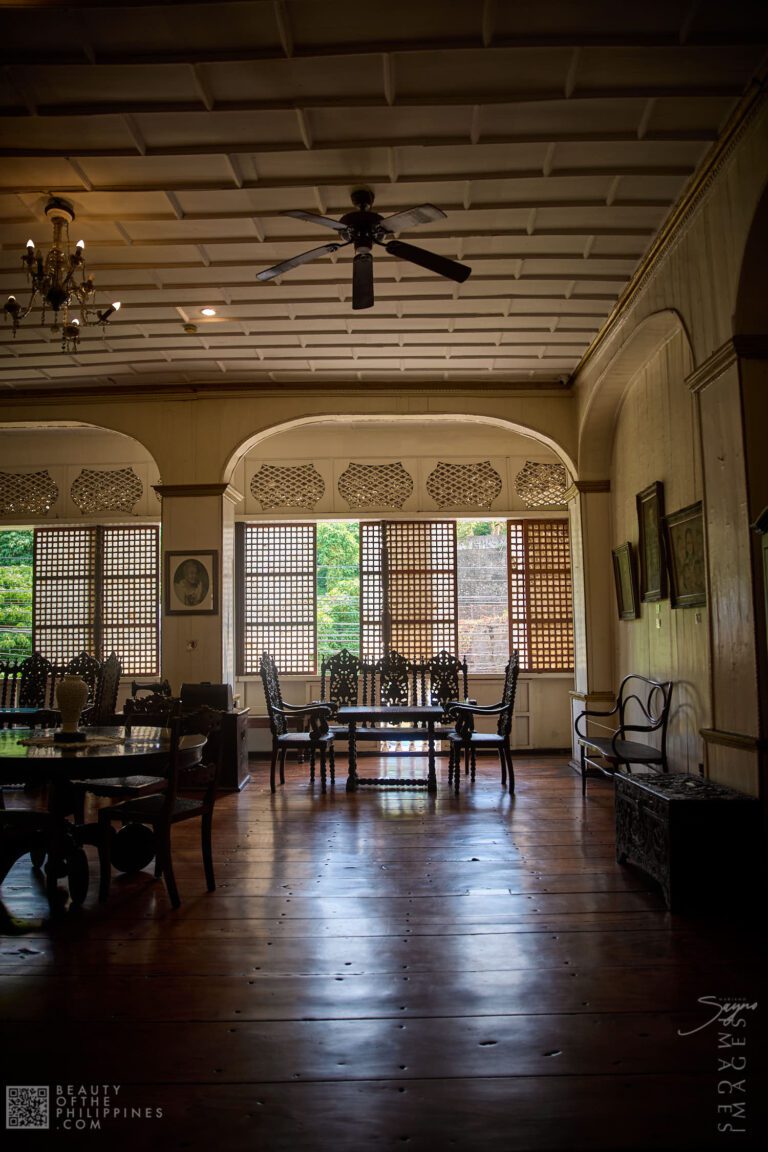
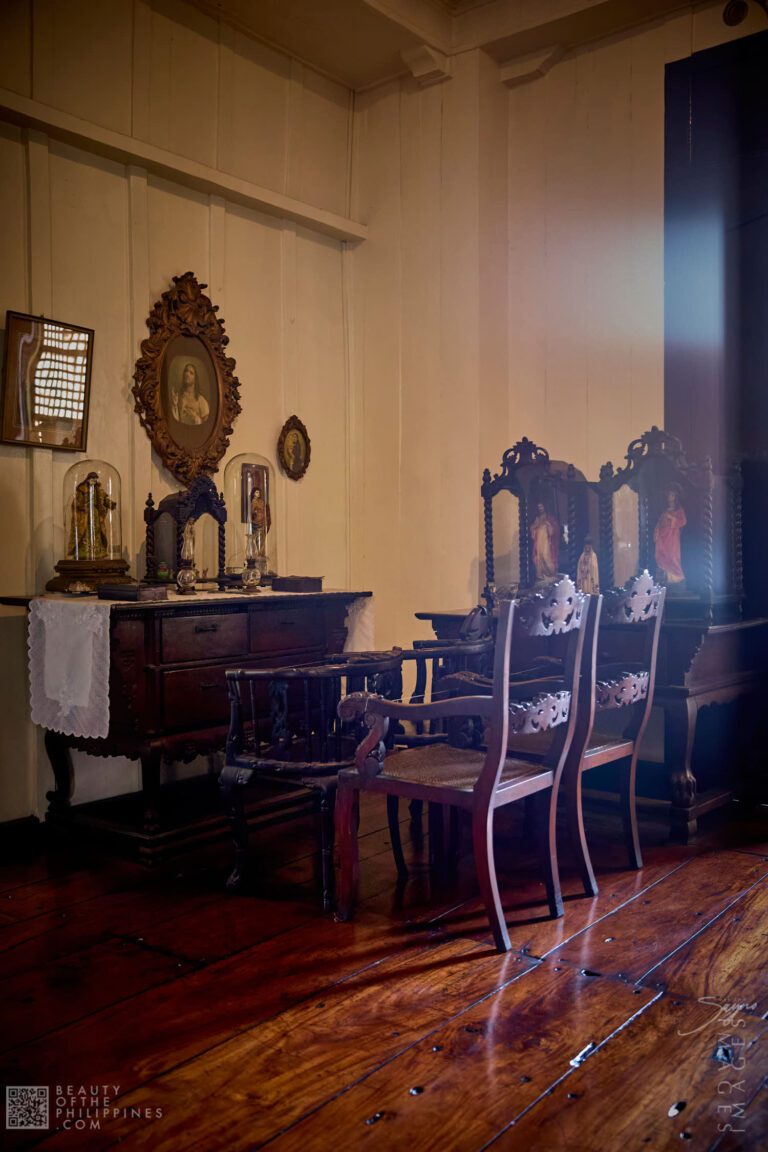
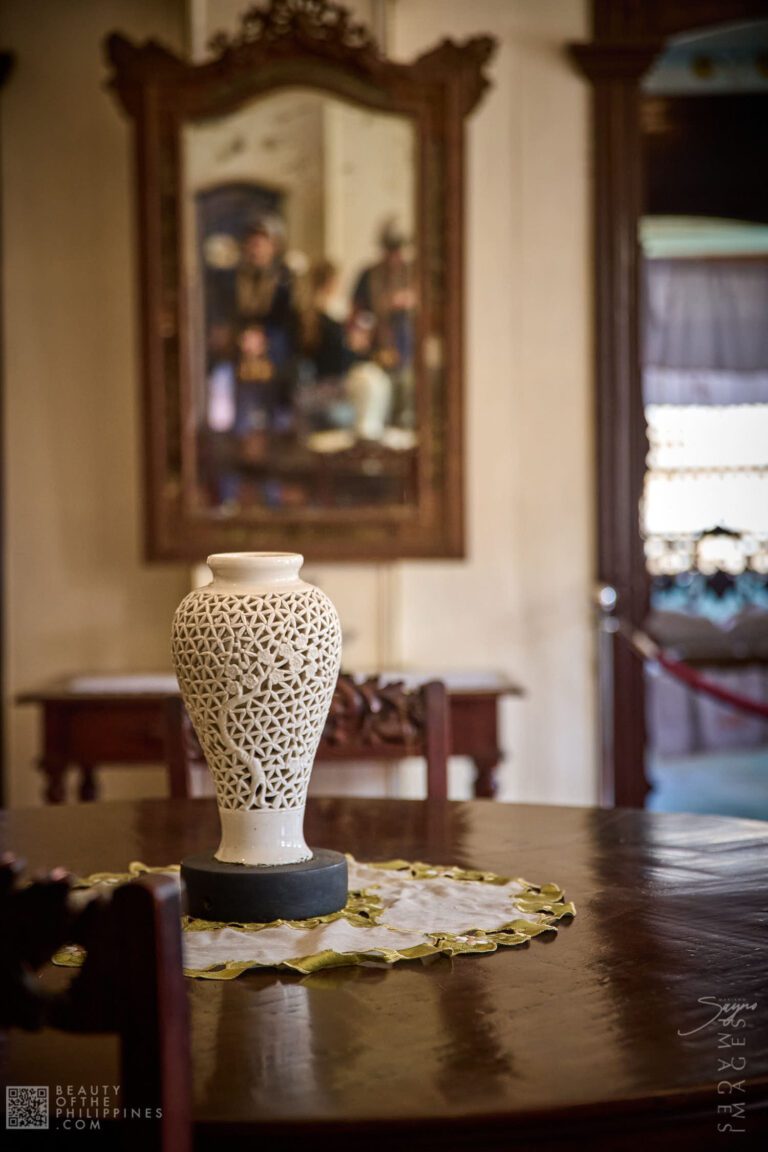
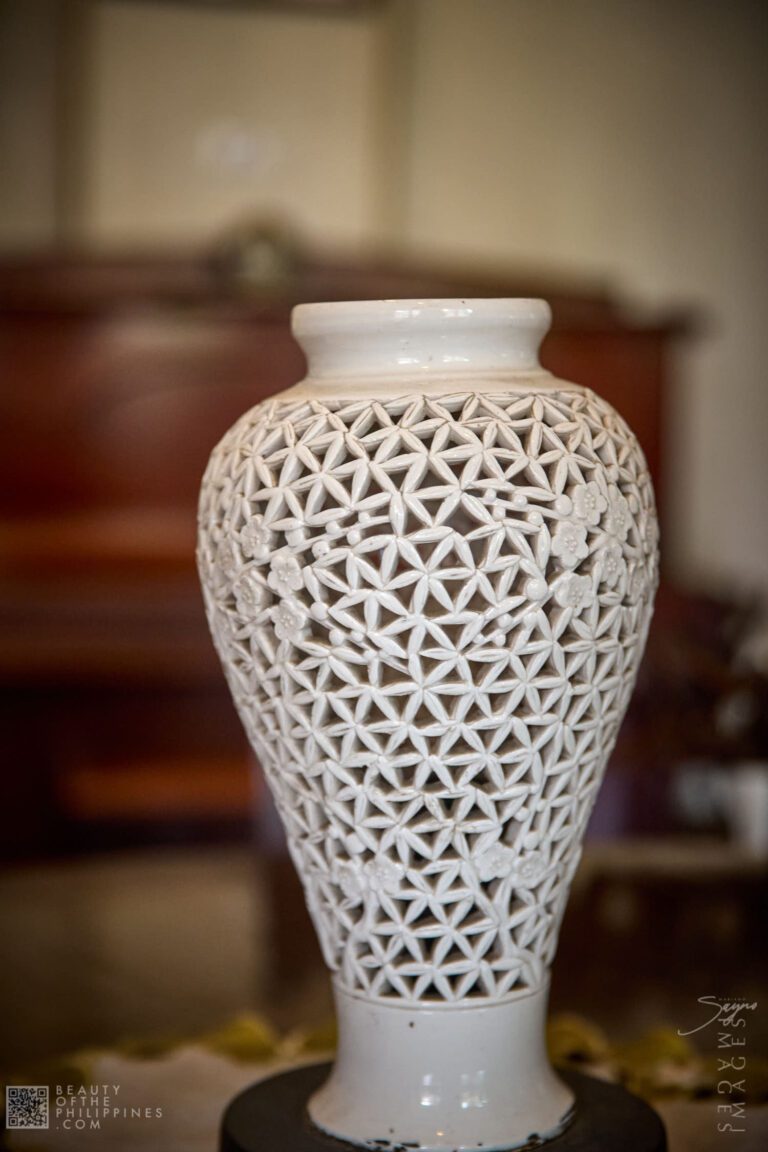
Inside, the museum combines the character of an ancestral house with historical interpretation. Exhibits and displays focus on the lives of Marcela and Felipe Agoncillo, the Philippine Revolution, the Philippine flag, and the historical circumstances surrounding their family. Visitors can encounter period objects, photographs, documents, interpretive panels, and other materials that help connect the preserved house to the people who once lived there. 


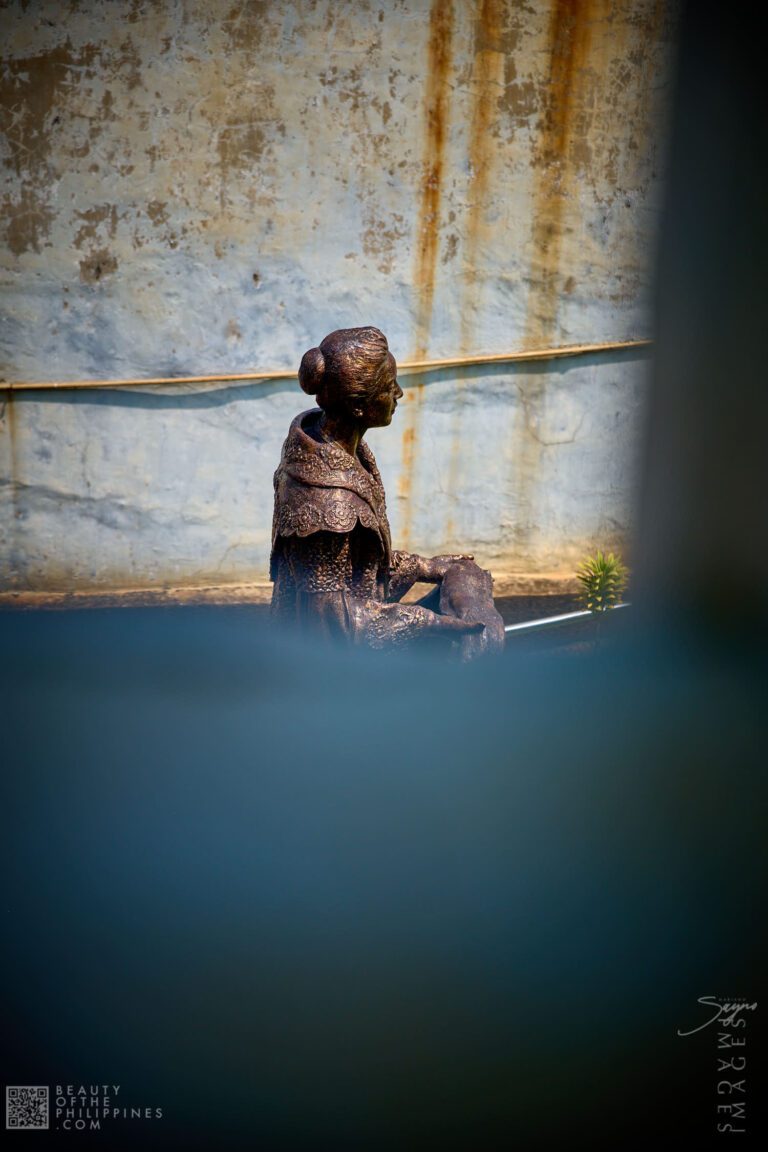
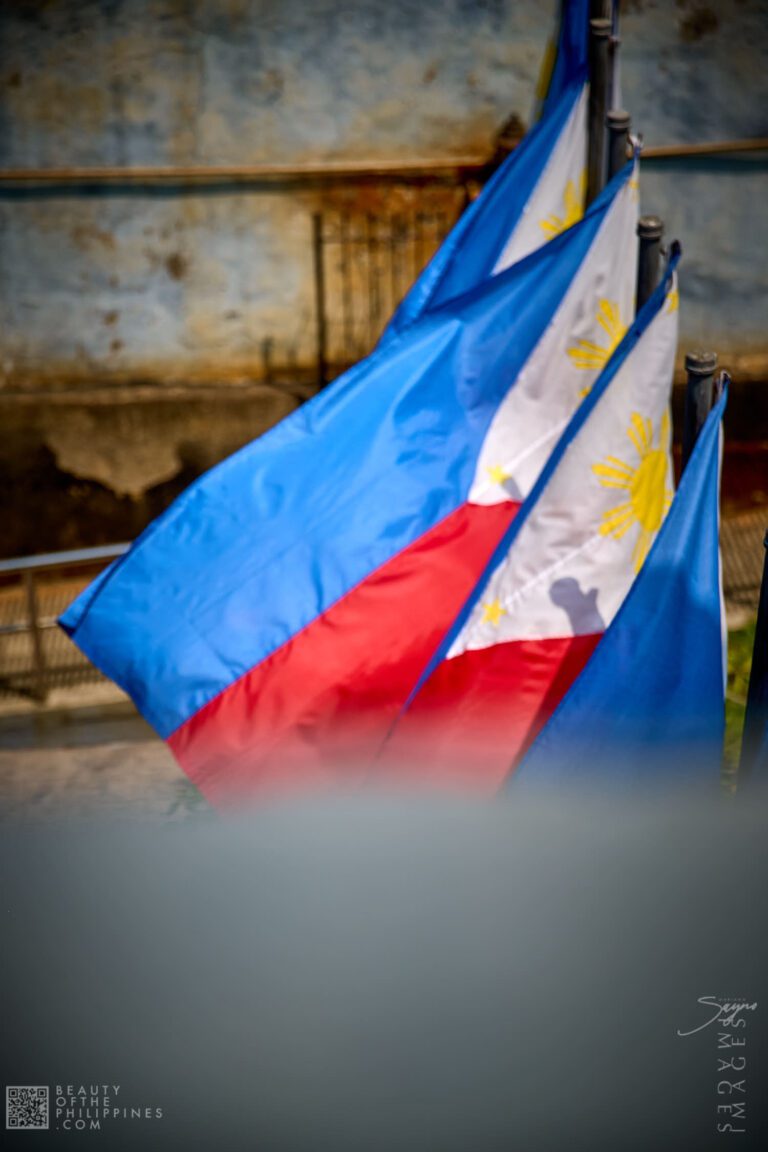
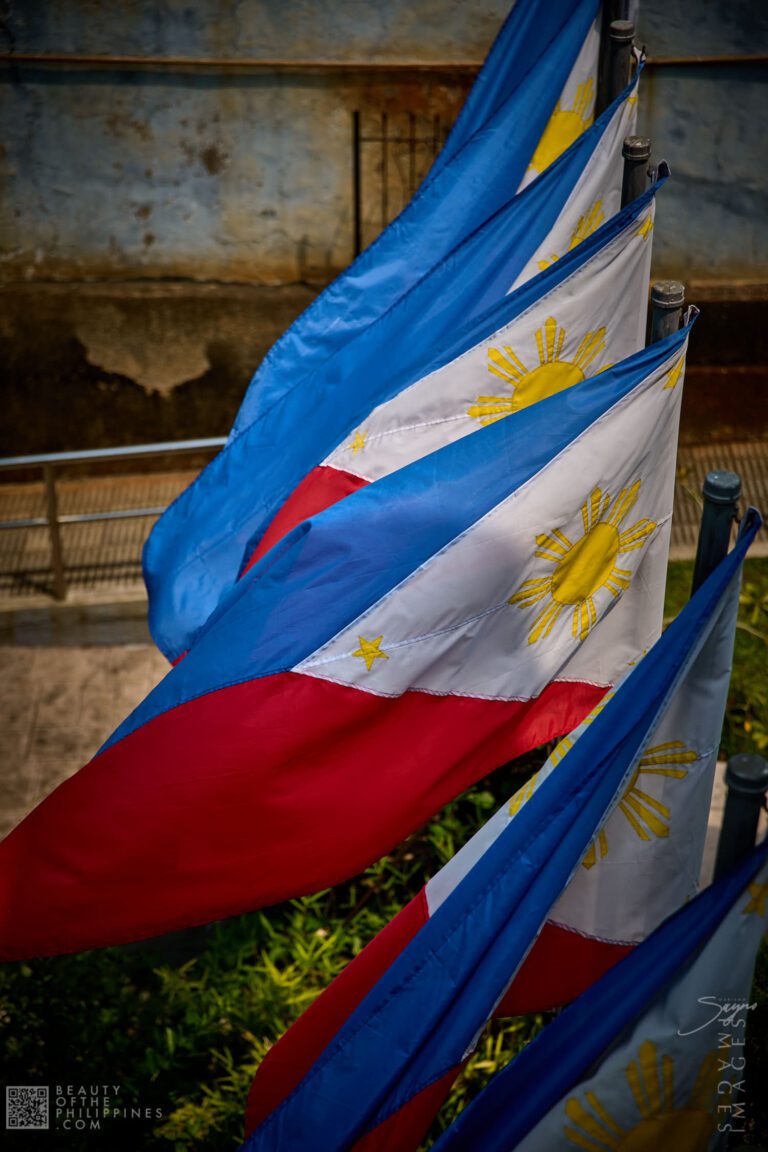
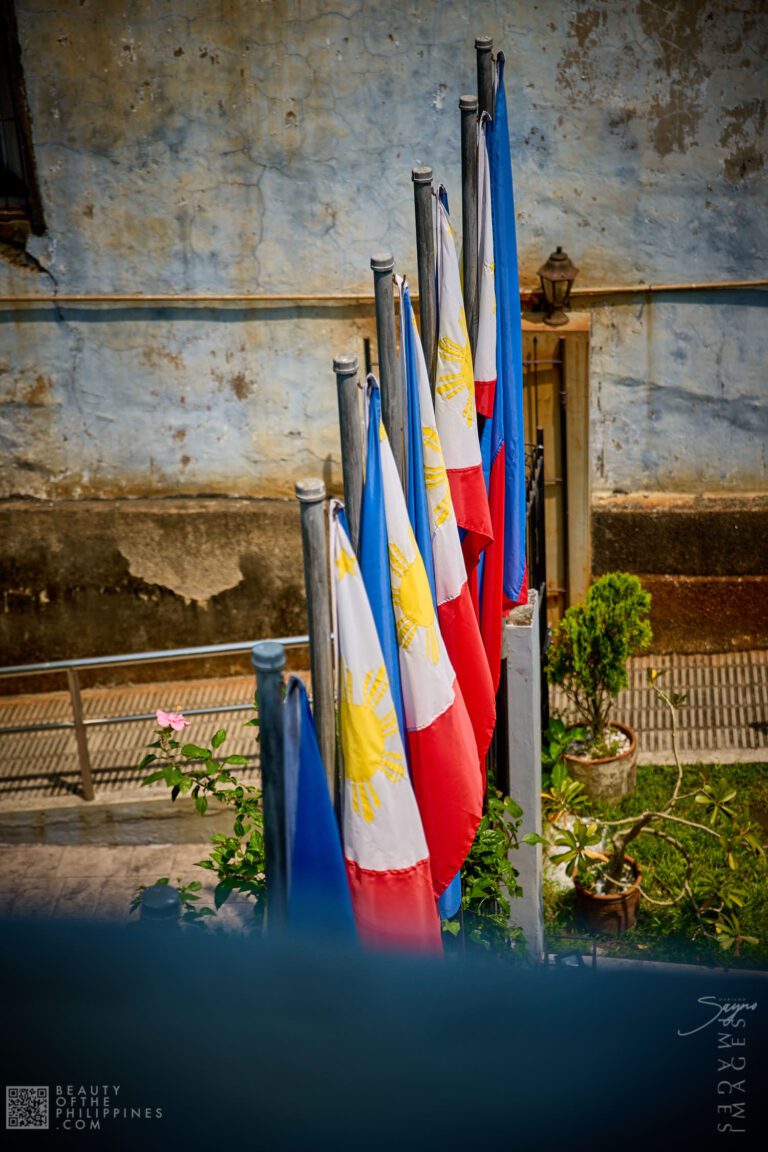
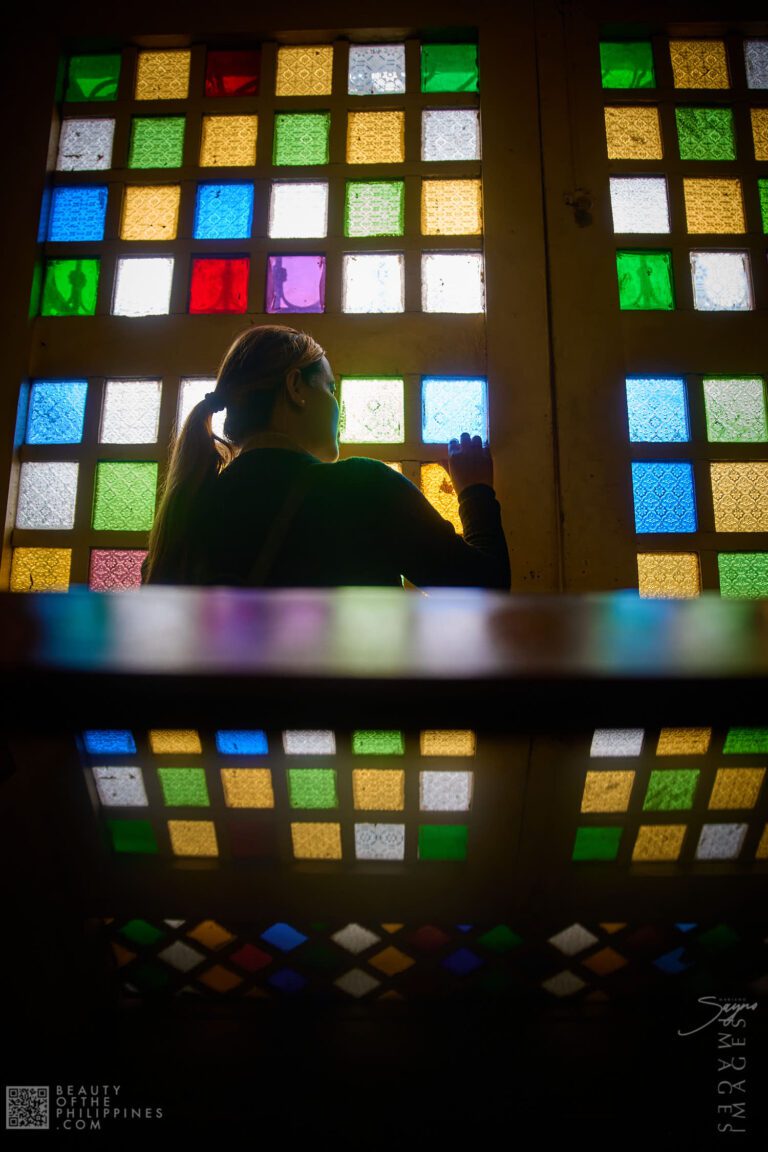
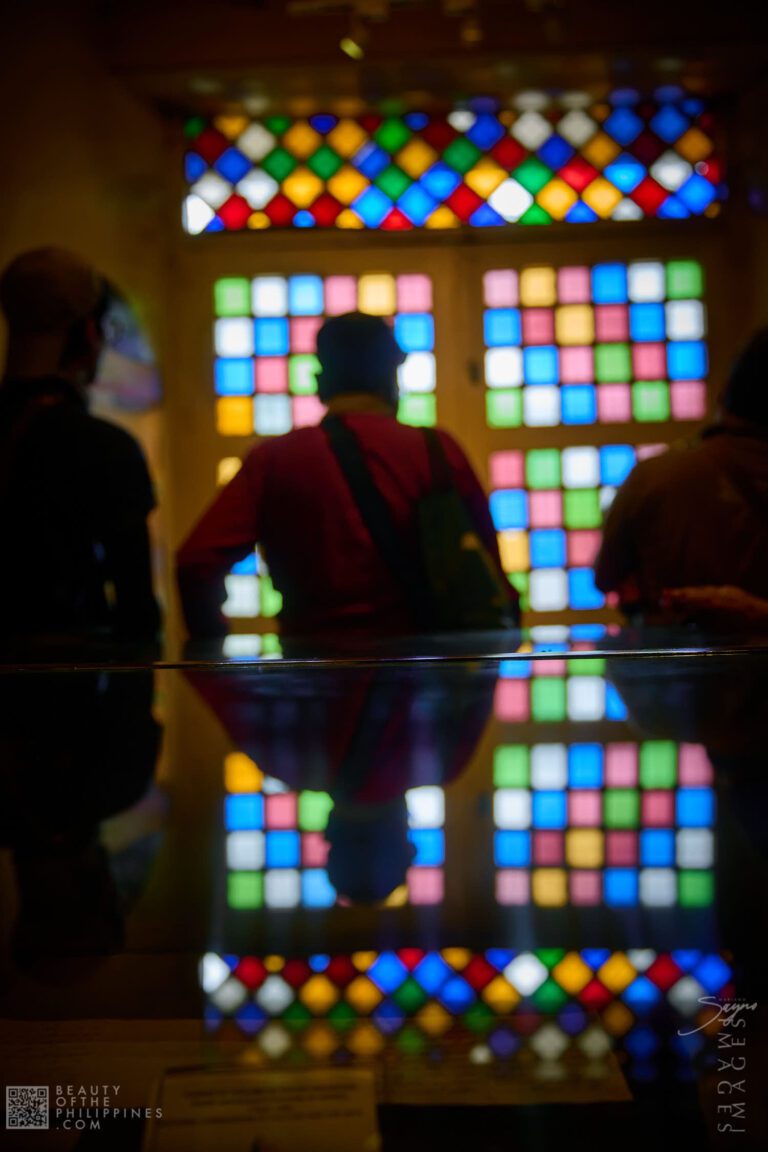
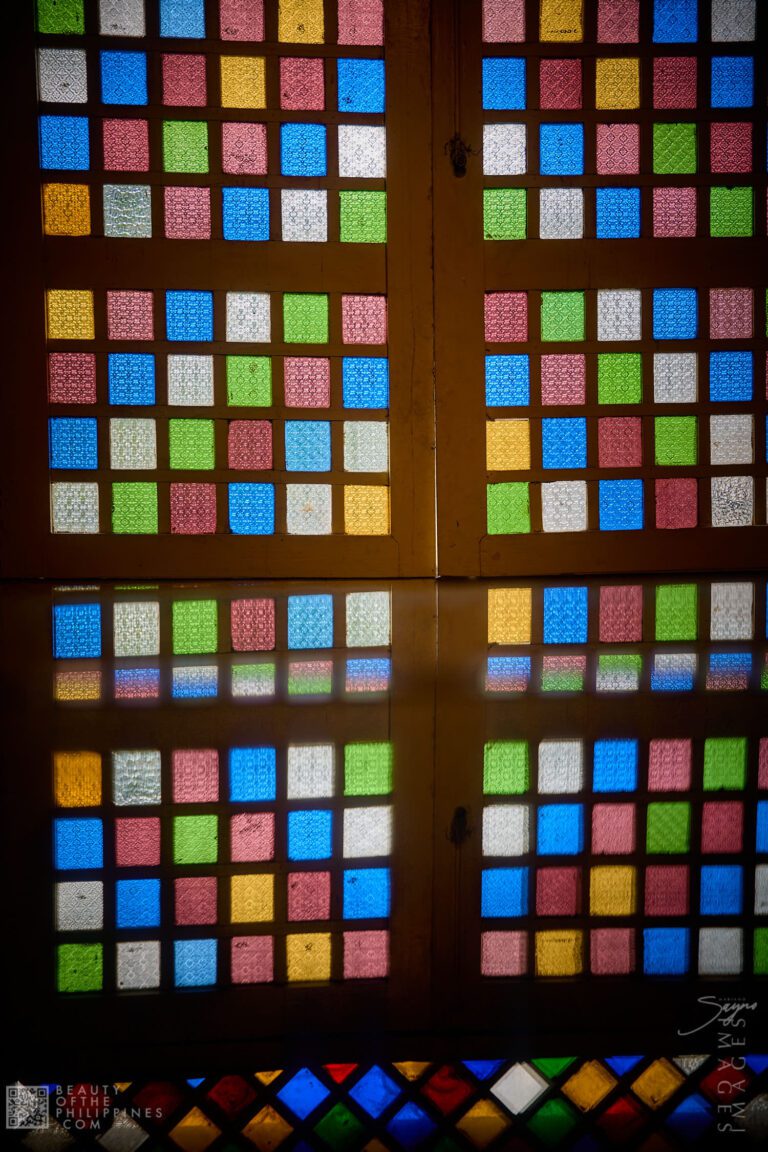
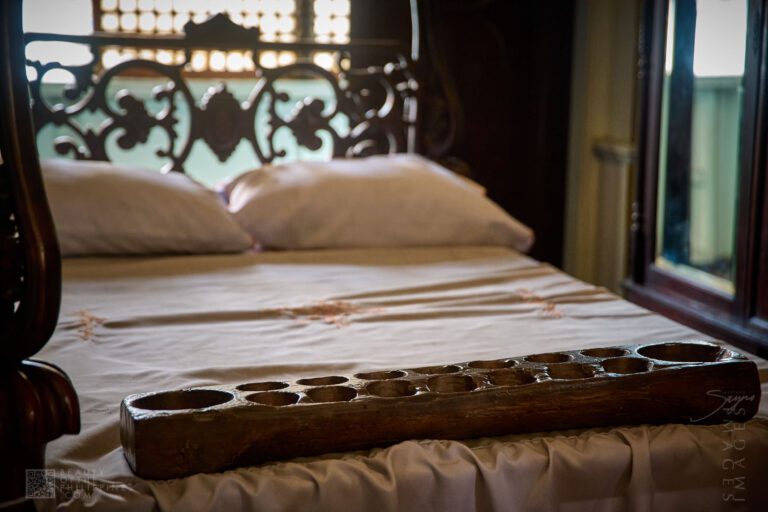
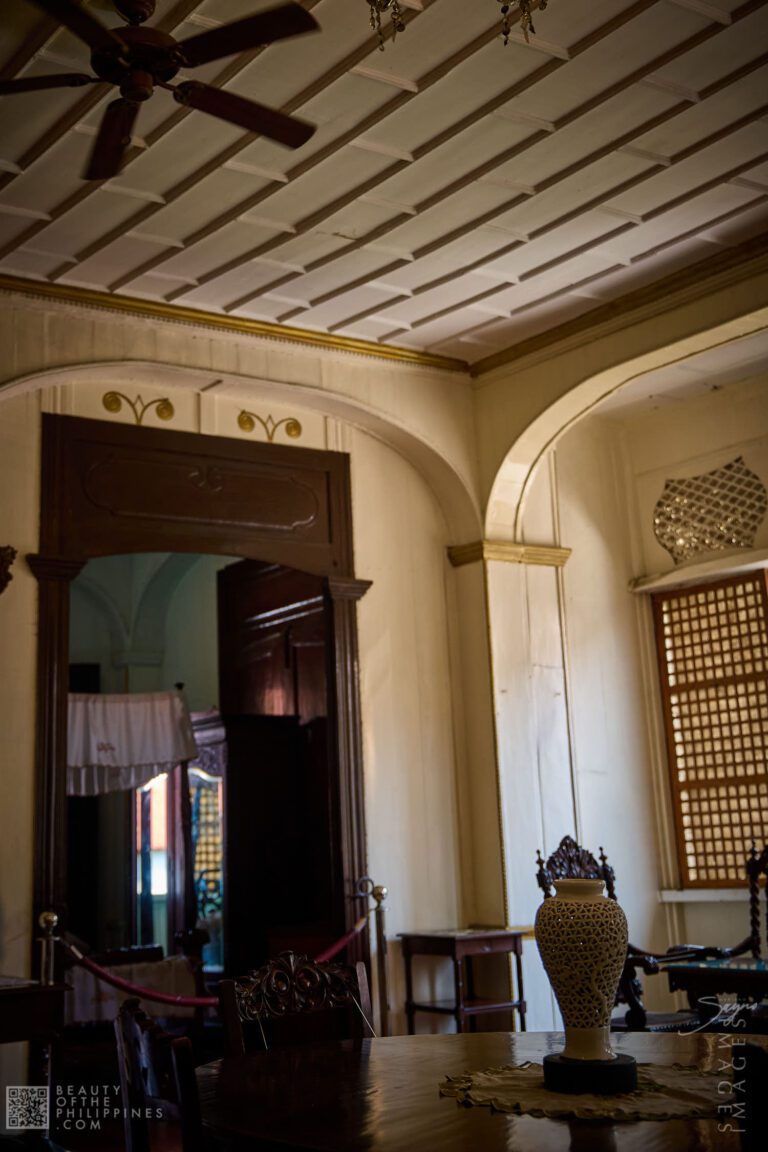
The arrangement of the museum allows the house itself to remain part of the experience. Moving through its spaces gives visitors a sense of scale, domestic life, and architectural character while the historical displays provide the context needed to understand the Agoncillo family’s place in Philippine history. For photographers, the combination of heritage architecture, period details, Philippine flags, and exterior landscaping also provides a visual record of Taal’s historic environment, subject to the museum’s photography and visitor rules. 

RELATED STORIES

Tingloy Island: Masasa, Sombrero, and Beyond

Tingloy is a unique municipality in Batangas Province, occupying Maricaban Island along with Caban Island and several smaller islets just south of the Calumpang Peninsula.


Read More »

Calaca Church: Discovering Calaca’s Heritage, Faith, and Enduring Church Traditions

At the heart of Calaca City, Batangas, the Archdiocesan Shrine and Parish of St. Raphael the Archangel stands as one of the city’s most important

Read More »

Tapang Taal: A Taste of Taal’s Pork Tapa Tradition

Tapang Taal is one of the culinary specialties that gives Taal, Batangas, a distinct food identity. Unlike the beef tapa commonly associated with Filipino breakfasts,

Read More »

Calaca Church: Saint Raphael’s Sacred Home in Calaca

Calaca Church, formally the Saint Raphael the Archangel Parish Church, was established shortly after the founding of Calaca on May 10, 1835. By 1836, local

Read More »
A National Historical Landmark in Taal

The historical importance of the property extends beyond its association with Marcela personally. The NHCP identifies the Marcela Agoncillo Historical Landmark as a Level I National Historical Landmark, with a historical marker installed on June 24, 1955. The marker records Marcela’s birthplace, education, marriage to Felipe Agoncillo, patriotic contributions, role in sewing the Philippine flag, and death in Taal on May 30, 1946. 


The museum’s significance is also strengthened by its position along Calle Marcela Mariño Agoncillo, a street associated with several historic properties in Taal. Nearby heritage attractions include the Museo nina Leon at Galicano Apacible, Galleria Taal, and other ancestral houses identified by the local tourism office. This concentration of historic sites makes the area particularly suitable for travelers who want to experience Taal through several connected stories rather than through a single attraction. 

Visiting the Marcela Agoncillo Museum

As of 2026, publicly listed museum information indicates that the Museo nina Marcela Mariño at Felipe Agoncillo generally operates from Tuesday through Sunday, with Monday as the regular closing day. Recent 2026 listings indicate a schedule of approximately 9:00 a.m. to 4:00 p.m., while other travel directories show an 8:00 a.m. to 4:00 p.m. schedule. Admission is reported as free, although donations may be accepted. Because operating schedules can change for holidays, government directives, maintenance, or special activities, visitors should verify the current schedule directly with the museum or NHCP before traveling. 


For a fuller heritage experience, the museum can be combined with other sites around Taal’s historic core. The Basilica of Saint Martin of Tours, Our Lady of Caysasay Shrine, San Lorenzo Ruiz Steps, Galleria Taal, and other ancestral houses are among the places associated with the town’s heritage landscape. The best approach is to allow enough time to move between sites rather than treating the museum as a quick photo stop. 

Why the Marcela Agoncillo Museum Matters

The lasting appeal of the Marcela Agoncillo Museum comes from the way several layers of Philippine history meet in one place. There is the preserved ancestral house of a Taal family, the personal story of Marcela Agoncillo, the political and diplomatic work of Felipe Agoncillo, the history of the Philippine Revolution, and the creation of a national flag that remains one of the country’s most recognizable symbols. Together, these elements make the museum more than a stop for learning about one historical figure; it is a place where national history can be understood through a particular family, home, town, and moment in time. 


A visit to the Marcela Agoncillo Museum also places travelers within the wider historic atmosphere of Taal, Batangas, one of the Philippines’ notable heritage towns. From the ancestral houses along its old streets to the churches, museums, and family histories preserved throughout the district, Taal offers a setting where Philippine history can be encountered through actual places rather than only through written accounts. At the center of that experience, the Agoncillo home remains a particularly meaningful reminder that the story of a nation can sometimes begin with the work done inside an ordinary family home. 

I’m looking forward to the stories and images leaving a lasting positive impression on you, just as they have on me. Stay connected with us on social media for a weekly exploration of travel assignments and breathtaking visuals. Our focus is on championing local tourism, showcasing small businesses, and honoring the magnificence of the Philippines through the content we curate. Join us in spreading the word by clicking the ‘share’ buttons below. Your support means the world to us.

BROWSE BY REGION
  • metro MANILA
  • abra
  • albay
  • baguio city
  • BATAAN
  • batangas
  • Benguet
  • bulacan
  • cagayan
  • cavite
  • cebu
  • cotabato
  • davao oriental
  • Guimaras
  • ilocos norte
  • ilocos sur
  • Iloilo
  • Isabela
  • laguna
  • lanao del norte
  • maguindanao
  • negros occidental
  • nueva vizcaya
  • palawan
  • Pampanga
  • pangasinan
  • QUEZON
  • rizal
  • Samar
  • sarangani
  • sorsogon
  • Tarlac
  • zambales
  • zamboanga city

EXPLORE MORE about

  • batangas

Laiya Beach: Your Quick Escape to Sun, Sand, and Saltwater Joy

If you’ve ever found yourself stuck in Metro traffic, daydreaming about the beach while scrolling through Instagram—Laiya Beach might just be the answer your soul’s

Read More »

Tanauan Church: Spiritual Heart of Tanauan City

It was once a stone church, that was built during the Spanish colonial era in Tanauan, Batangas, and was known as Tanauan Church or St

Read More »

Panutsa Making in Taal, Batangas: A Closer Look at the Sweet Craft Behind One of Taal’s Beloved Local Delicacies

In Taal, Batangas, some of the town’s most recognizable traditions can be found not only in its ancestral houses, churches, embroidery, and balisong-making, but also

Read More »

Tingloy Island: Masasa, Sombrero, and Beyond

Tingloy is a unique municipality in Batangas Province, occupying Maricaban Island along with Caban Island and several smaller islets just south of the Calumpang Peninsula.
Read More »

Taal Volcano: The Iconic Island-in-a-Lake Wonder

Rising dramatically from the serene waters of Taal Lake in Batangas Province, Taal Volcano immediately captures attention with its extraordinary configuration — a volcano on

Read More »

Island Dreamer Resort: A Quiet Escape in Talisay, Batangas That Feels Like Home

Located in Barangay Caloocan, Talisay, Batangas—just a couple of hours’ drive from Metro Manila—is a quiet little spot that’s as unbothered as it is underrated:

Read More »

Atcharang Calaca: A Taste of Calaca City’s Pickled Heritage

For visitors exploring Calaca City, Batangas, food offers one of the clearest ways to encounter the character of the community. Among the city’s most recognizable

Read More »

Taal Lake: Exploring Batangas’ Iconic Caldera Lake

Taal Lake, located in Batangas on Luzon, is one of the Philippines’ most remarkable natural landscapes. This freshwater lake occupies a vast volcanic caldera, shaped

Read More »

Fantasy World: The Unfinished Kingdom of Batangas

The Fantasy World theme park sits alone and quietly in Lemery, Batangas Province, and is known as the supposed Disney World as well as one

Read More »

Our Lady of Caysasay Shrine: A Sacred Treasure of Taal

Known as the Caysasay Church, the Shrine of Our Lady of Caysasay is located in Barrio Caysasay, Taal, Batangas. This is a coral-hewn chapel that

Read More »

Nasugbu, Batangas: A Coastal Haven of Serenity and Adventure

The Nasugbu area has an extensive collection of beaches and snorkeling spots which make it a popular summer destination. There are numerous swimming-related activities and

Read More »

Taal Empanada: Discover the Savory Local Specialty of Taal Public Market, Batangas

Taal Empanada is one of the local food specialties that gives Taal, Batangas its distinctive culinary character. Found among the food offerings associated with Taal

Read More »

Taal Basilica: Exploring the Philippines’ Largest Church

This Minor Basilica is canonically known as the Minor Basilica of Saint Martin of Tours and is located in the town of Taal, Batangas, within

Read More »

Lemery Beach: A Black-Sand Coast Along Balayan Bay

Lemery Beach offers a different kind of Batangas seaside experience. Rather than being defined by a single large resort complex or one tightly enclosed tourist

Read More »

CaSoBe: Discover Calatagan’s Best-Kept Coastal Gem

You know that feeling when you just want to escape the city buzz and dive straight into a chill beach vibe? Well, Calatagan South Beach,

Read More »

Balai Isabel: Where Lakeside Calm Meets Adventure

If you’re craving that sweet spot where calm meets adventure—where you can sip coffee while staring at a volcano, then hop on a kayak right

Read More »

Taal Lake: Discovering Batangas’ Iconic Natural Wonder 

Taal Lake, also simply known as Lake Taal, is one of the Philippines’ most unique natural features — a volcanic lake occupying the caldera of

Read More »

Balayan Bay: A Coastal Gem in Batangas Province

Among the many contributions of Balayan Bay that Batanguenos are proud of, the bay served as a fishing village and a summer retreat for locals

Read More »

Taal Volcano: The Island Within a Lake Within an Island

Standing before Taal Volcano, you quickly realize why it’s one of the Philippines’ most iconic natural landmarks. The sight of Volcano Island rising from the

Read More »

Calaca Church: Saint Raphael’s Sacred Home in Calaca

Calaca Church, formally the Saint Raphael the Archangel Parish Church, was established shortly after the founding of Calaca on May 10, 1835. By 1836, local

Read More »

Calaca Church: Discovering Calaca’s Heritage, Faith, and Enduring Church Traditions

At the heart of Calaca City, Batangas, the Archdiocesan Shrine and Parish of St. Raphael the Archangel stands as one of the city’s most important
Read More »

Sta. Lucia Miracle Well: A Sacred Spring in Taal, Batangas

Tucked away in the historic town of Taal, Batangas, the Sta. Lucia Miracle Well—locally known as Balon ng Sta. Lucia—is more than just a quiet,

Read More »

Taal Heritage Town: The Living Chronicle of Batangas

When exploring heritage towns in the Philippines, Taal in Batangas always stands out. Often overshadowed by Taal Lake and Taal Volcano, the town itself is

Read More »

Taal Volcano: The Philippines’ Iconic Active Volcano

Let’s be real—when you think of volcanoes, you probably imagine something massive and far-flung, right? But here in the Philippines, just 50-ish kilometers from Metro

Read More »

Tapang Taal: A Taste of Taal’s Pork Tapa Tradition

Tapang Taal is one of the culinary specialties that gives Taal, Batangas, a distinct food identity. Unlike the beef tapa commonly associated with Filipino breakfasts,
Read More »

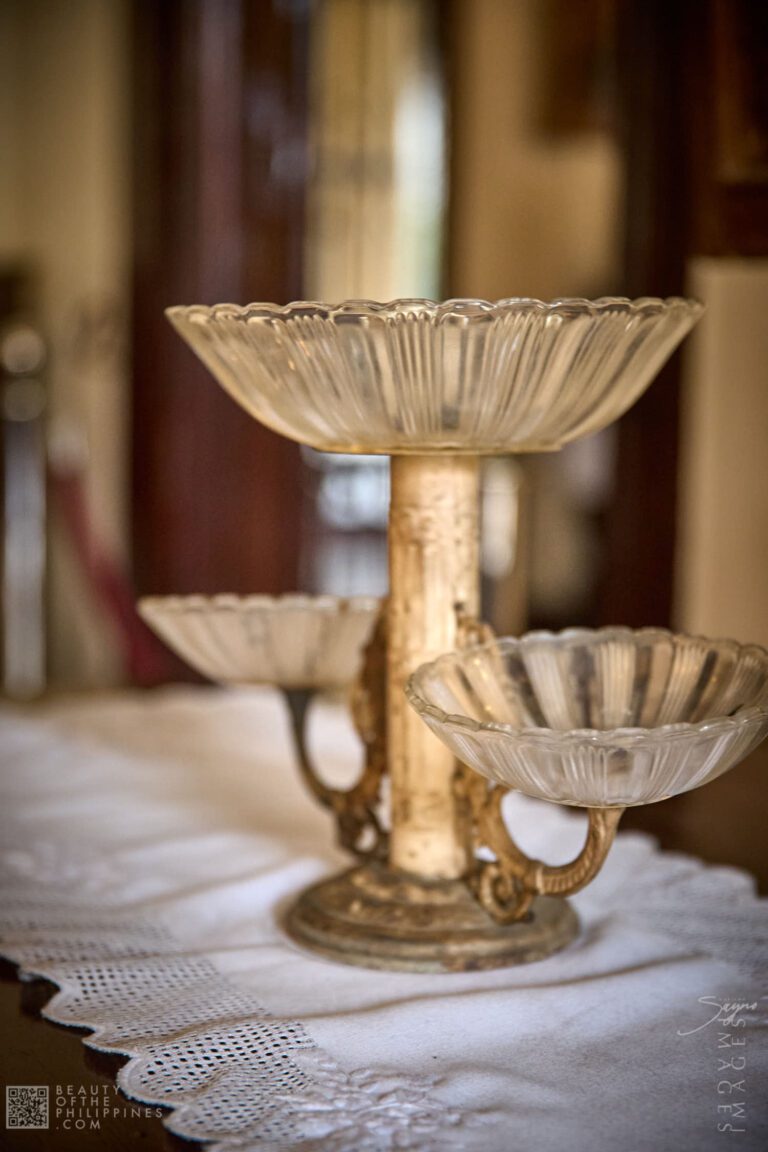
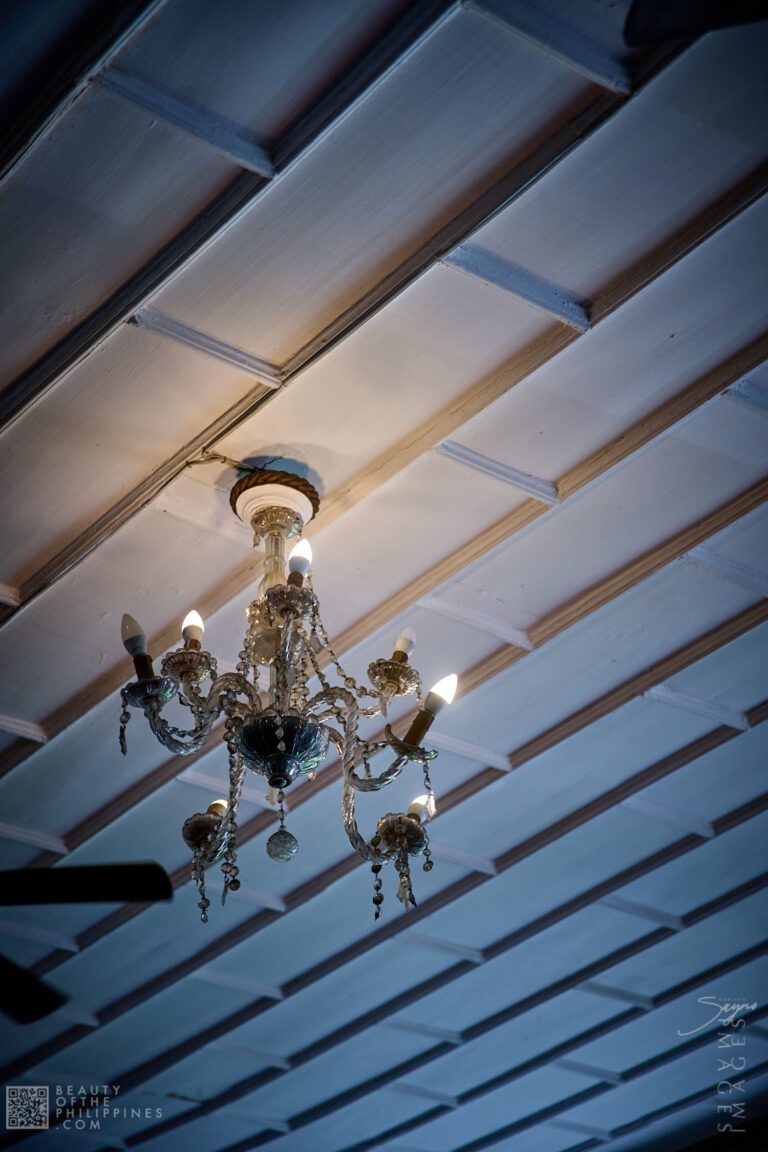
Sigpawan Festival: Lemery’s Vibrant Easter Celebration of Bounty and Culture

Each year, the Sigpawan Festival, which is held in Lemery, Batangas, takes place on Easter Sunday. The highlight of the festival is the Fluvial procession
Read More »

Taal Basilica: A Grand Heritage Landmark at the Heart of Taal, Batangas

Taal Basilica stands at the heart of Taal Heritage Village in Batangas as both a monumental historic church and a living center of Catholic worship.
Read More »

Burdang Taal: A Living Textile Heritage in the Historic Town of Taal, Batangas

In the historic town of Taal, Batangas, heritage can be found not only in centuries-old churches and ancestral houses but also in the fine details


Read More »

BROWSE BY CATEGORIES

LOCATIONS
PROVINCES

Abra

Albay

Baguio City

Bataan

Batangas

Benguet

BOTP Template

Bulacan

Cagayan

Cavite

Cebu

Cotabato

Davao Oriental

Guimaras

Ilocos Norte

Ilocos Sur

Iloilo

Isabela

Laguna

Lanao del Norte

Maguindanao

Manila

Negros Occidental

Nueva Vizcaya

Palawan

Pampanga

Pangasinan

Quezon

Rizal

Samar

Sarangani

Sorsogon

Tarlac

Zambales

Zamboanga City

ARCHITECTURE
HERITAGE

Bonifacio Monument Tutuban

Burdang Lumban Festival

Cagsawa Festival

Capones Lighthouse

Casa Manila

Christ the King Seminary

Corregidor Island Dark Tour Experience

Corregidor Island Reopens

Corregidor Island

Cultural Center of the Philippines

Fantasy World

Gabriela Silang Memorial Shrine

Gomburza National Monument

Hondagua

Iloilo Customs House

Intramuros

Jones Bridge

Jones Bridge

Kartilya ng Katipunan

La Loma Cemetery

LOAD MORE

CHURCHES
FAITH

Bacolor Church

Baguio Cathedral

Barasoain Church

Binondo Church

Calaca Church

Calumpit Church

Chong Hock Tong Temple

Feast of Black Nazarene

Greenbelt Chapel

Guadalupe Chapel Intramuros

Guadalupe Ruins Makati

La Naval de Manila

Las Piñas Bamboo Organ

Las Piñas Church

Lingayen Cathedral

Lubenas Festival

Lucban Church

Malate Church

Manila Abbey

Manila Cathedral

LOAD MORE

NATURAL & MAN-MADE
ATTRACTIONS

A&J Cafe

Agos River

Agos River

Alligator Lake

Amare La Cucina Baguio

Ambuklao Dam

Angeles City Holy Rosary Parish Church

Antipolo Cathedral

Apurawan Beach

Atcharang Calaca

Atimonan Port

Avilon Zoo

Azalea Hotels & Residences Baguio

Bagac Beach

Baguio Media Newseum

Balai Isabel

Balayan Bay

Baluarte de San Diego

Betis Church

Binondo Chinatown

LOAD MORE

FESTIVALS &
EVENTS

Al Cinco de Noviembre Festival

Ana Kalang Festival

Antipolo Maytime Festival

Balacat Festival

Balitok Ti Alicia Festival

Bañamos Festival

Bato Art Festival

Bato Art Festival

Boling-Boling Festival

Buhayani Festival

Burdang Lumban Festival

Candle Festival

Dinagyang Festival

Feast of Santo Niño

Gilingan Festival

Halamanan Festival

Hambujan Festival

Iloilo Dinagyang Festival

Inaul Festival

Itik Festival

LOAD MORE
Facebook Twitter Instagram Envelope

All photographs that appear on the site are copyright of Mariano Sayno ©2022 Beauty of the philippines

All photographs that appear on the site are copyright of Mariano Sayno ©2022 Beauty of the philippines.com

Beauty of the philipipnes LOGO WHITE

BROWSE BY PROVINCE

Abra

Albay

Baguio City

Bataan

Batangas

Benguet

BOTP Template

Bulacan

Cagayan

corregidor-island

Cavite

Cebu

Cotabato

Davao Oriental

Manggahan aFestival of Guimaras

Guimaras

Ilocos Norte

Ilocos Sur

dinagyang aliwan friesta husayno mariano sayno

Iloilo

Isabela

Laguna

Lanao del Norte

Maguindanao

Manila Bay by Mariano Sayno

Manila

Negros Occidental

Magat River Dupax Del Norte

Nueva Vizcaya

Palawan

Pampanga

Lingayen Cathedral

Pangasinan

Quezon

Rizal

Samar

Sarangani

Sorsogon

Tarlac

Zambales

Zamboanga City

Marcela Mariño and Felipe Agoncillo Museum, Calle Marcela Mariño Agoncillo, Taal, Batangas, Philippines