Calaca Church: Saint Raphael’s Sacred Home in Calaca
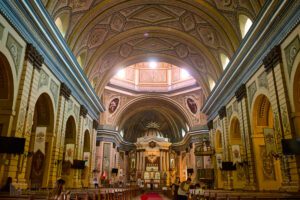
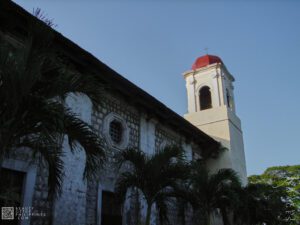
Calaca Church, formally the Saint Raphael the Archangel Parish Church, was established shortly after the founding of Calaca on May 10, 1835. By 1836, local

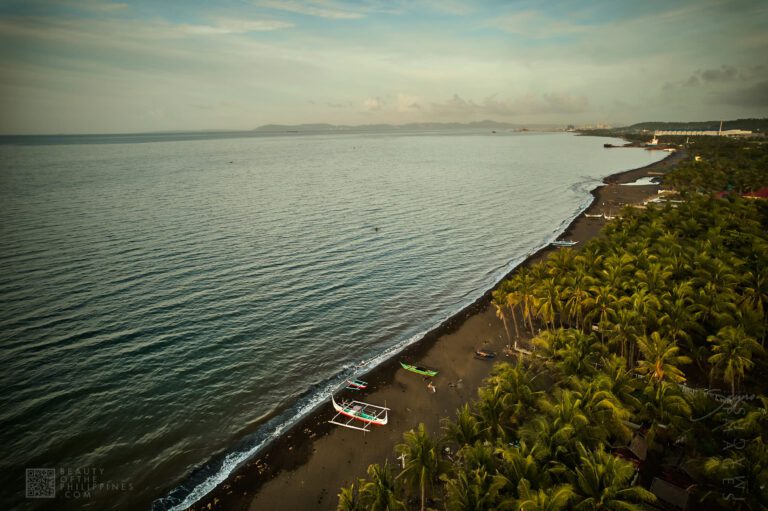
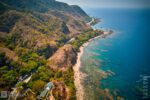
Lemery Beach offers a different kind of Batangas seaside experience. Rather than being defined by a single large resort complex or one tightly enclosed tourist attraction, the coastal area of Lemery, Batangas is a collection of beachfront communities and privately operated resorts facing Balayan Bay. The shoreline is particularly associated with dark to black sand, calm coastal views, and resort properties that cater to families, groups, day visitors, and overnight guests. The beach area also forms part of a wider coastal landscape where tourism exists alongside fishing, residential communities, and other local activities.
The beach lies along the Balayan Bay side of Lemery, a coastal municipality in Batangas within CALABARZON (Region IV-A). The municipality has 46 barangays, including several coastal communities, with Nonong Casto among the areas most closely associated with the town’s beach-resort industry. The 2024 Census of Population recorded 94,736 residents in Lemery, reflecting the scale of the municipality beyond its tourism areas.
Lemery’s relationship with the bay is also part of its history. The municipality’s own historical account describes early settlers being drawn to the area near Balayan Bay because of abundant fish and other marine life. Fishing, together with the salting and drying of fish, became important activities in the community, helping shape the settlement that eventually developed into present-day Lemery.
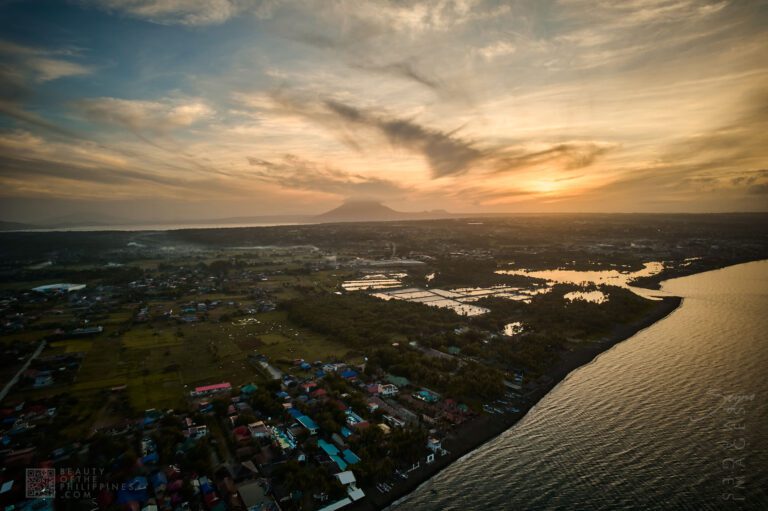
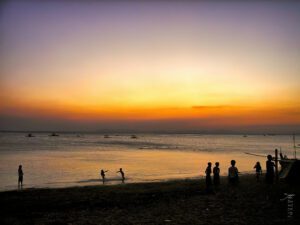
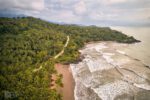
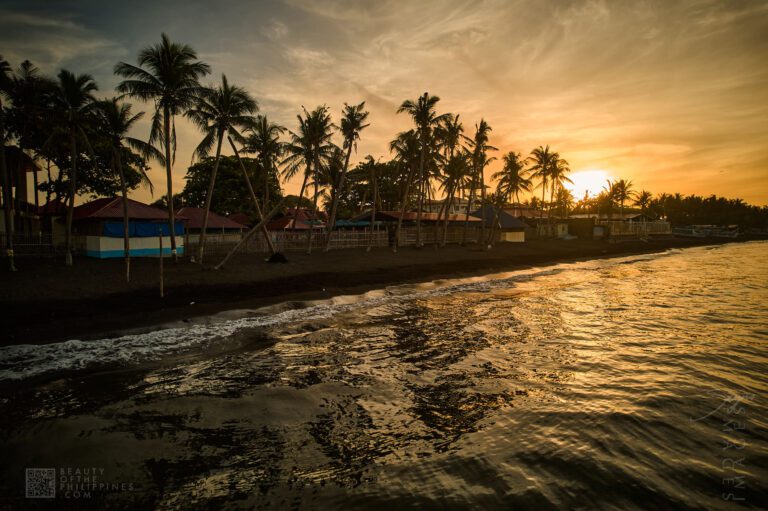
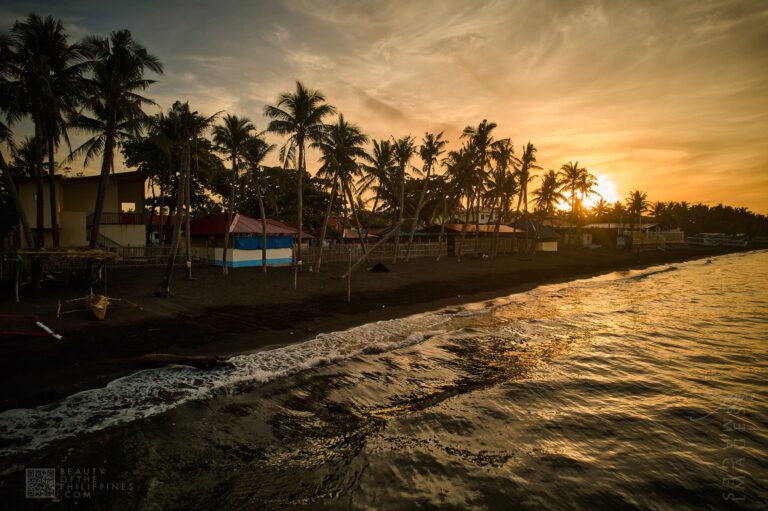
One of the most recognizable features associated with Lemery Beach is its dark or black sand. Earlier local tourism documentation specifically described Lemery’s beaches as black-sand beaches and identified a concentration of resorts along the Balayan Bay coastline, particularly in Barangay Nonong Casto. The dark shoreline gives the coast a character noticeably different from the bright white-sand beaches commonly associated with other Philippine destinations.
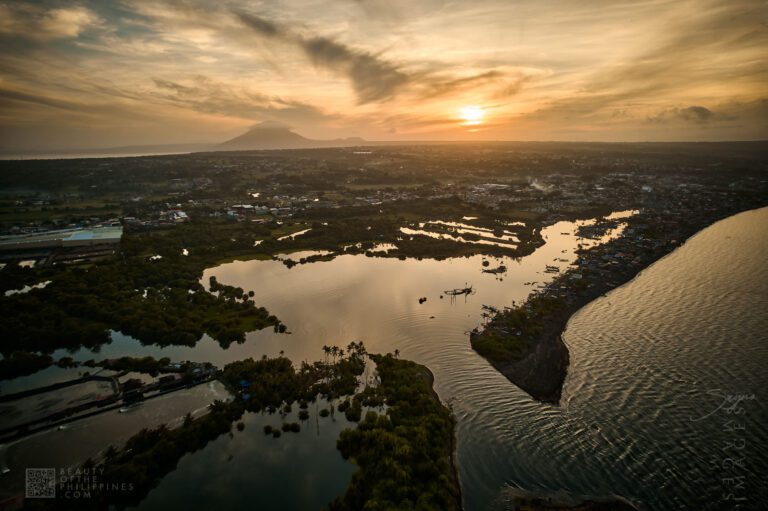
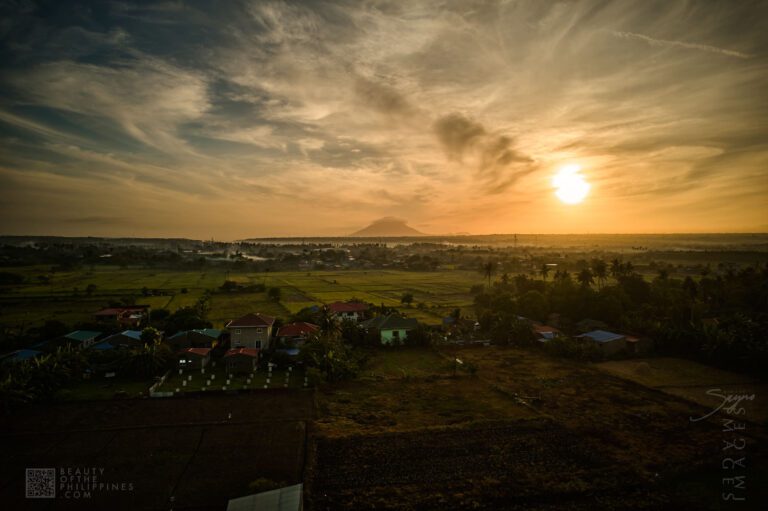
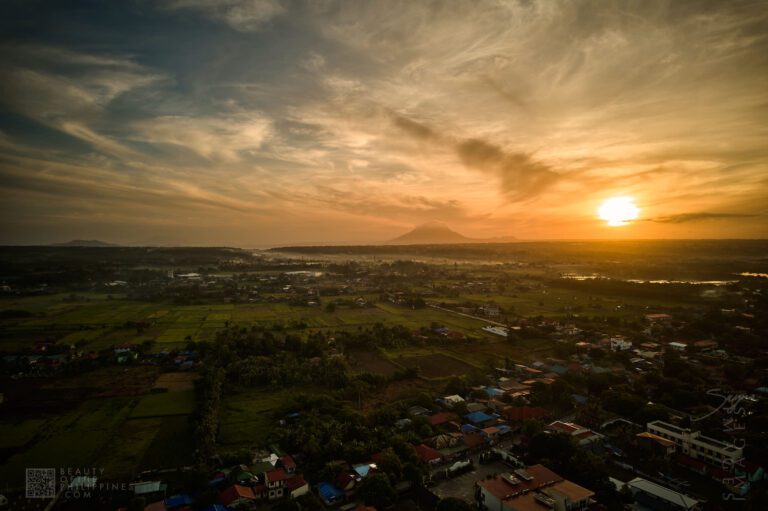
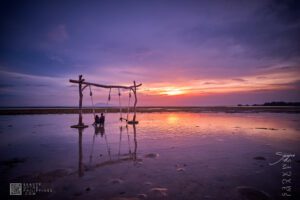
The shoreline is more about the overall coastal atmosphere than a dramatic tropical-beach postcard. Depending on the particular resort and section of coast, visitors can find open views across the bay, dark sand near the water, broad horizons, and relatively uncomplicated seaside scenery. For photography, the combination of textured sand, reflective water, changing cloud formations, and the bay’s open horizon can provide a strong setting, particularly when the light is softer.
Unlike destinations where the beach itself is managed as one major public tourism property, much of the visitor experience in Lemery is organized around privately operated beach resorts. The official Lemery Municipal Tourism Office currently lists establishments including Lady Mary Beach Resort, Royal Grande Beach Resort, RMS Garden Resort, RD8 Beach Resort, Villa Gracia Beach Resort, Leonor Beach Resort, La Suena Brisa Beach Resort, La Familia Beach Resort, Eufar Beach Resort, Orlando Beach Resort, Catibog Beach Resort, JPWR Smiley Beach Resort, Rosman Beach Resort, Lemerish Beach Resort, Heart of D’Ocean Beach Resort, and others.
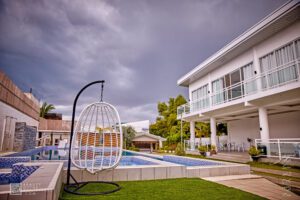
Among the established beachfront properties is Lemerish Beachotel in Barangay Nonong Casto, which offers family rooms, traditional-style kubos with rooms, and cabanas for day trips, gatherings, and celebrations. Its current property information also describes air-conditioned accommodations and beach-oriented facilities, illustrating how the Lemery coastline combines overnight stays with the more familiar day-use resort format.
The range of accommodations means that a visit to Lemery Beach can be structured in several ways. Some travelers may choose a simple day outing with cottages or a pavilion, while others may prefer an overnight stay with rooms and additional resort facilities. Because amenities, entrance arrangements, rates, operating schedules, and availability differ from one establishment to another, visitors should confirm the latest details directly with their chosen resort before traveling.
Barangay Nonong Casto is particularly important when discussing Lemery’s coastal tourism. The barangay appears repeatedly in current resort listings and property addresses, and municipal disaster-management records also identify Nonong Casto as a location for coastal activities. Its position along the bay has helped make it one of the more recognizable parts of Lemery for visitors looking for beachfront accommodation.
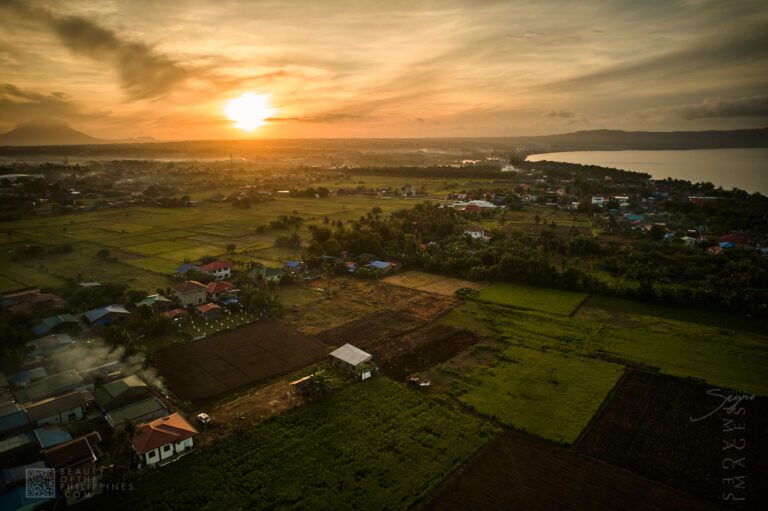
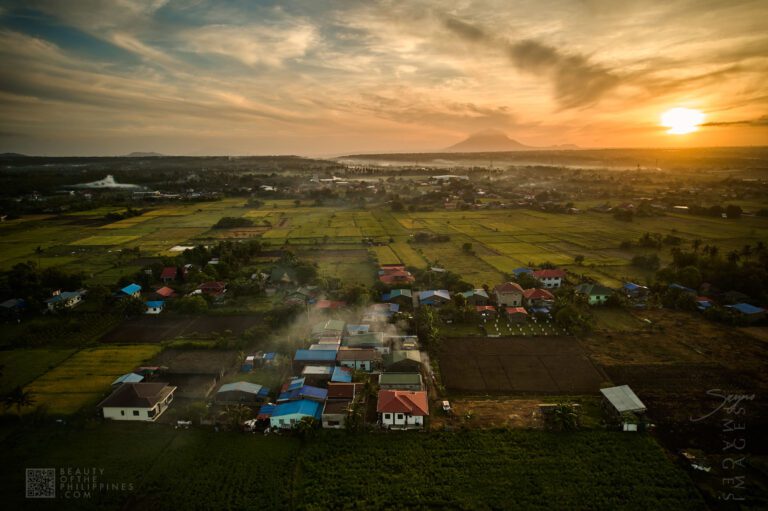
The coastal character of Nonong Casto is also connected to the wider community rather than tourism alone. The barangay is a residential area as well as a beachfront location, meaning that resort properties share the landscape with the everyday life of the local community. This gives the shoreline a more local, lived-in character than destinations built almost entirely around large tourism developments.
Lemery Beach has also been recognized within regional environmental monitoring programs. The Environmental Management Bureau CALABARZON identifies Lemery Beach as one of the recreational water bodies monitored under its recreational-waters program, alongside other recognized beaches in Batangas. The agency’s published monitoring information specifically associates the Lemery shoreline with Balayan Bay and notes its use for bathing and other recreational activities.
For visitors planning a swimming or beach day, the practical approach is to treat the resort’s current rules and local advisories as part of the trip plan. Conditions at an open bay shoreline are not necessarily identical from one resort frontage to another, so checking the chosen property before departure is particularly useful when weather, tides, sea conditions, or temporary restrictions could affect activities.
For many visitors, the appeal of Lemery Beach lies in its accessibility as part of a wider Batangas trip. Lemery functions as an important stopping point for travel through western Batangas, with road connections toward neighboring destinations including Taal, Calaca, Balayan, and other parts of the province. Travelers can therefore combine a beach visit with food stops, heritage sightseeing, or an overnight stay elsewhere in the municipality or nearby towns.
For travelers coming by public transportation, Lemery is served by bus routes connecting it with major points in Batangas and Metro Manila, while tricycles and other local transport are commonly used for shorter journeys within the municipality. Because individual beach resorts are spread across different barangays, travelers should identify their specific resort before leaving the town center and confirm the most appropriate final-leg transportation.
RELATED STORIES

Calaca Church, formally the Saint Raphael the Archangel Parish Church, was established shortly after the founding of Calaca on May 10, 1835. By 1836, local


Taal Basilica stands at the heart of Taal Heritage Village in Batangas as both a monumental historic church and a living center of Catholic worship.


Standing before Taal Volcano, you quickly realize why it’s one of the Philippines’ most iconic natural landmarks. The sight of Volcano Island rising from the


The Nasugbu area has an extensive collection of beaches and snorkeling spots which make it a popular summer destination. There are numerous swimming-related activities and


A visit to Lemery Beach is best approached as a relaxed coastal-resort experience rather than as a highly developed sightseeing destination. The shoreline, resort facilities, dark sand, open bay views, and slower pace create the setting, while the individual property determines much of the actual experience—from cottages and pools to rooms, food service, event spaces, and access to the beach.
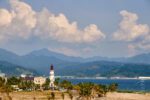
The visual character of the coast can also change considerably throughout the day. Morning light can bring softer tones to the sand and water, while later sunlight can emphasize the darker shoreline and reflections across the bay. Cloud formations, wet sand, boats, resort structures, vegetation, and changing light can all become part of the scene, giving photographers and casual visitors different ways to experience the same stretch of coast.
Families and groups may find the resort-based setup particularly practical because many properties provide spaces designed for gatherings, day trips, and overnight stays. At the same time, visitors looking for a quieter experience should choose their resort carefully and consider visiting outside peak periods, since the atmosphere can vary according to weekends, holidays, summer demand, and private events.


The most suitable time for a beach trip depends on the weather, sea conditions, and the kind of experience a visitor wants. The traditional summer period remains a popular time for Philippine beach outings, but travelers should still check the forecast before departure because coastal weather can change quickly. Visiting on a weekday may also provide a different atmosphere from weekends and holidays, when resort properties can be busier.
For those interested in documenting the shoreline, early morning and late afternoon are especially useful times to observe how the light interacts with the dark sand and bay. A cloudy day can produce a more subdued coastal palette, while clearer weather can emphasize the contrast between the shoreline, water, sky, and surrounding resort landscape.
Because Lemery Beach is part of a functioning coastal community, responsible tourism is important. Visitors should keep plastic and other waste out of the shoreline, follow the rules of their resort, avoid damaging coastal vegetation, and respect residents and other beach users. These practices are particularly relevant to a coastline that continues to support both tourism and everyday community life.
The municipality’s recent coastal activities also show that Lemery’s shoreline is not simply a backdrop for recreation. In September 2026, the local disaster-risk-reduction office documented an International Coastal Cleanup at Nonong Casto, reflecting the continuing role of the community and local institutions in maintaining the coastal environment.


A trip to Lemery Beach can also serve as an entry point to the broader tourism landscape of western Batangas. Nearby Taal offers a heritage-oriented experience, while roads toward Calaca and Balayan continue along the western Batangas coastal corridor. Within Lemery itself, visitors can also explore the town’s commercial areas and other tourism establishments, making it possible to combine a beach outing with a wider day itinerary.
Lemery’s identity is ultimately broader than its shoreline. Its history, commercial role, coastal communities, resort industry, and connection to Balayan Bay all contribute to the character visitors encounter today. The beach is therefore most interesting when viewed not as an isolated attraction, but as one part of a municipality where local life and tourism continue to meet along the coast.
I’m looking forward to the stories and images leaving a lasting positive impression on you, just as they have on me. Stay connected with us on social media for a weekly exploration of travel assignments and breathtaking visuals. Our focus is on championing local tourism, showcasing small businesses, and honoring the magnificence of the Philippines through the content we curate. Join us in spreading the word by clicking the ‘share’ buttons below. Your support means the world to us.
EXPLORE MORE about


If you’re craving that sweet spot where calm meets adventure—where you can sip coffee while staring at a volcano, then hop on a kayak right


In the historic town of Taal, Batangas, heritage can be found not only in centuries-old churches and ancestral houses but also in the fine details


The Nasugbu area has an extensive collection of beaches and snorkeling spots which make it a popular summer destination. There are numerous swimming-related activities and


You know that feeling when you just want to escape the city buzz and dive straight into a chill beach vibe? Well, Calatagan South Beach,


Known as the Caysasay Church, the Shrine of Our Lady of Caysasay is located in Barrio Caysasay, Taal, Batangas. This is a coral-hewn chapel that


If you’ve ever found yourself stuck in Metro traffic, daydreaming about the beach while scrolling through Instagram—Laiya Beach might just be the answer your soul’s


Tucked away in the historic town of Taal, Batangas, the Sta. Lucia Miracle Well—locally known as Balon ng Sta. Lucia—is more than just a quiet,


When exploring heritage towns in the Philippines, Taal in Batangas always stands out. Often overshadowed by Taal Lake and Taal Volcano, the town itself is


For visitors exploring Calaca City, Batangas, food offers one of the clearest ways to encounter the character of the community. Among the city’s most recognizable


Taal Lake, located in Batangas on Luzon, is one of the Philippines’ most remarkable natural landscapes. This freshwater lake occupies a vast volcanic caldera, shaped


Taal Empanada is one of the local food specialties that gives Taal, Batangas its distinctive culinary character. Found among the food offerings associated with Taal


Tapang Taal is one of the culinary specialties that gives Taal, Batangas, a distinct food identity. Unlike the beef tapa commonly associated with Filipino breakfasts,


This Minor Basilica is canonically known as the Minor Basilica of Saint Martin of Tours and is located in the town of Taal, Batangas, within


Each year, the Sigpawan Festival, which is held in Lemery, Batangas, takes place on Easter Sunday. The highlight of the festival is the Fluvial procession


Standing before Taal Volcano, you quickly realize why it’s one of the Philippines’ most iconic natural landmarks. The sight of Volcano Island rising from the


Taal Lake, also simply known as Lake Taal, is one of the Philippines’ most unique natural features — a volcanic lake occupying the caldera of


In Taal, Batangas, some of the town’s most recognizable traditions can be found not only in its ancestral houses, churches, embroidery, and balisong-making, but also


At the heart of Calaca City, Batangas, the Archdiocesan Shrine and Parish of St. Raphael the Archangel stands as one of the city’s most important


Taal Basilica stands at the heart of Taal Heritage Village in Batangas as both a monumental historic church and a living center of Catholic worship.


Rising dramatically from the serene waters of Taal Lake in Batangas Province, Taal Volcano immediately captures attention with its extraordinary configuration — a volcano on


The Fantasy World theme park sits alone and quietly in Lemery, Batangas Province, and is known as the supposed Disney World as well as one


It was once a stone church, that was built during the Spanish colonial era in Tanauan, Batangas, and was known as Tanauan Church or St


The Marcela Agoncillo Museum, formally known as the Museo nina Marcela Mariño at Felipe Agoncillo, occupies the ancestral home of Marcela Mariño Agoncillo in Taal,


Among the many contributions of Balayan Bay that Batanguenos are proud of, the bay served as a fishing village and a summer retreat for locals


Calaca Church, formally the Saint Raphael the Archangel Parish Church, was established shortly after the founding of Calaca on May 10, 1835. By 1836, local

Let’s be real—when you think of volcanoes, you probably imagine something massive and far-flung, right? But here in the Philippines, just 50-ish kilometers from Metro


Tingloy is a unique municipality in Batangas Province, occupying Maricaban Island along with Caban Island and several smaller islets just south of the Calumpang Peninsula.

Located in Barangay Caloocan, Talisay, Batangas—just a couple of hours’ drive from Metro Manila—is a quiet little spot that’s as unbothered as it is underrated:

BROWSE BY CATEGORIES
BROWSE BY PROVINCE