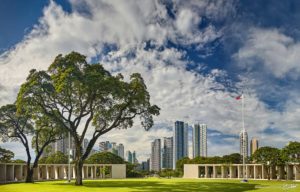
Manila American Cemetery and Memorial: A Tribute to the Pacific War Heroes
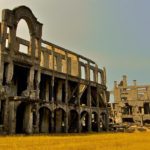
Located within Fort Bonifacio in Taguig City, the Manila American Cemetery and Memorial rises as a serene testament to courage, sacrifice, and shared history. Spanning




Located within Fort Bonifacio in Taguig City, the Manila American Cemetery and Memorial rises as a serene testament to courage, sacrifice, and shared history. Spanning
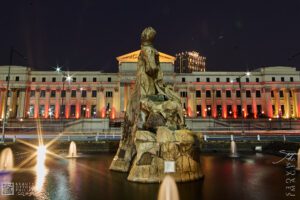
Approaching the Gomburza National Monument along Padre Burgos Avenue, the first thing I notice is its placement. Directly across from the grand façade of the
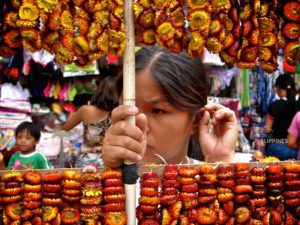
Plaza Miranda is a public square bounded by Quezon Boulevard, Hidalgo Street and Evangelista Street in Quiapo, Manila. It is the plaza which fronts the
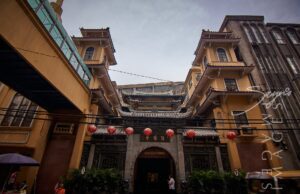
If you’re exploring the heart of Manila, you won’t want to miss Seng Guan Temple, a cultural and spiritual gem nestled in the bustling district
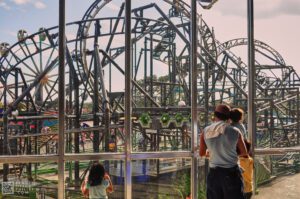
Nestled in the heart of Pasay City within the Cultural Center of the Philippines Complex, Star City stands as one of the premier amusement parks
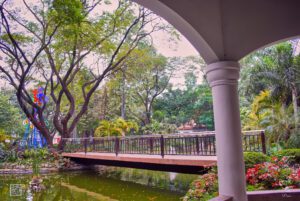
Situated in the lively heart of Makati’s Legazpi Village, Washington SyCip Park provides a serene refuge away from the city’s fast pace. Established in 2006
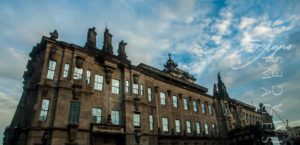
UST, also known as the University of Santo Tomas, is a private Roman Catholic university located in Sampaloc, Manila. It was founded on 28 April
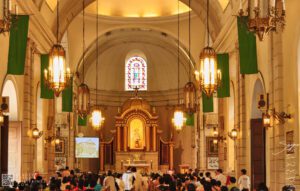
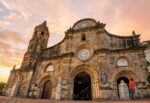
The story of Malate Church begins in 1588, when Augustinian friars established a parish in the fishing village of Maalat, named for the salty waters
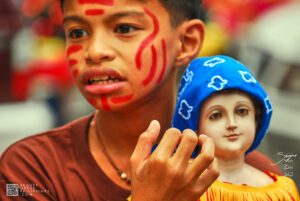
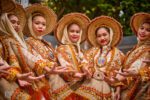
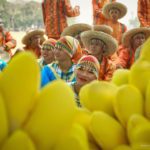
Every January, Manila transforms as the Feast of Santo Niño brings devotion and festivity to its streets. The festival centers on the Child Jesus, known
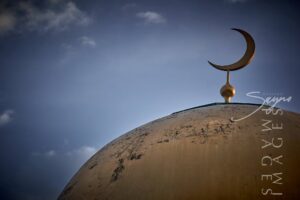
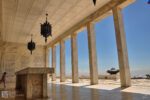
Walking into Quiapo, Manila, the golden dome of the Manila Golden Mosque immediately catches the eye. Known locally as Masjid Al‑Dahab, the mosque rises as
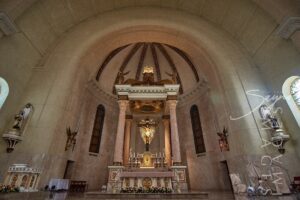
Standing prominently along Broadway Avenue in New Manila, Quezon City, the National Shrine of Our Lady of Mount Carmel — widely referred to as Mt.
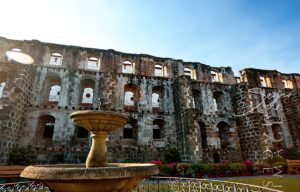
Stepping into Padre Blanco Gardens, you immediately notice a contrast from the busy streets of Intramuros. Stone paths, benches under shade, and small fountains encourage
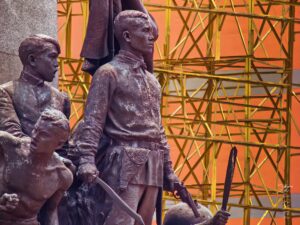
Approaching Monumento Circle in South Caloocan, traffic thickens, jeepneys weave through buses, and overhead wires frame the skyline. At the center of it all stands

At the bustling heart of Quiapo, Manila, a modest church arose in 1588, only two years after the district itself was founded. Initially built of
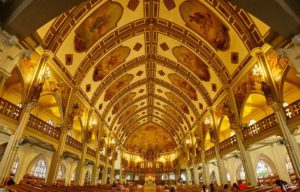
The Manila Abbey San Beda, or formally known as Abbey of Our Lady of Montserrat, is a Benedictine men’s monastery located along the streets of
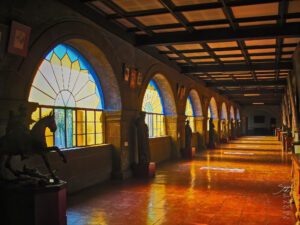
The San Agustin Museum is located adjacent to the UNESCO World Heritage Site, San Agustin Church. It is located in Intramuros—the walled city of Manila—and
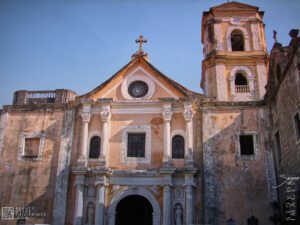
Inside Intramuros, where cobblestone streets still hint at another era, San Agustin Church reveals itself without drama. No towering spires competing for the skyline, no

It is the home of the popular Asian elephant, Mali, as well as 90 other species. As well as being a landmark in Manila, the
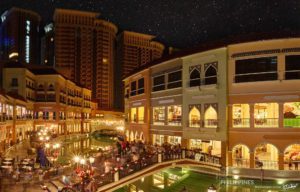
If you’ve ever imagined wandering alongside a winding canal, the sight of gondolas gliding gently under ornate bridges, you might picture Venice in Italy. Yet
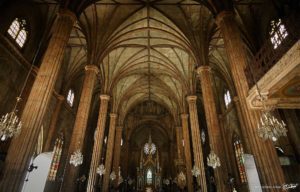
San Sebastian Church is a Roman Catholic Minor Basilica located in Quiapo, Manila. It’s also known as Minor Basilica of San Sebastian or San Sebastian

Visiting La Mesa Ecopark, I can’t help but imagine how stark the difference must have been before its rehabilitation. In the late 20th century, this
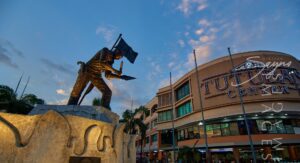
Situated in the heart of Manila, Tutuban Center is more than just a shopping destination—it’s a vibrant mix of history, commerce, and culture that draws

Walking along España Boulevard in Manila, the rhythm of jeepneys and buses rarely slows down. But once inside the grounds of the University of Santo
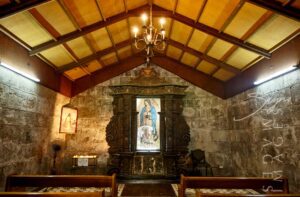
The Guadalupe Chapel Intramuros sits quietly within the Reducto de San Francisco Javier, once a defensive bastion of Fort Santiago. Walking toward it, you pass
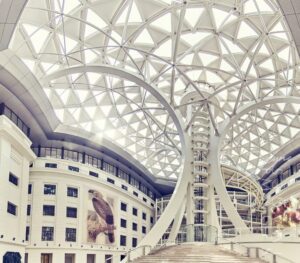
Located at Agrifina Circle in Rizal Park, National Museum of Natural History is part of the larger National Museum Complex, which also includes the National
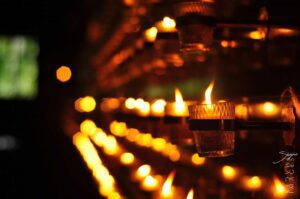
The first time I approached Padre Pio Chapel, it was impossible to ignore the contrast. Just meters away, vehicles streamed endlessly along Eulogio Rodriguez Jr.
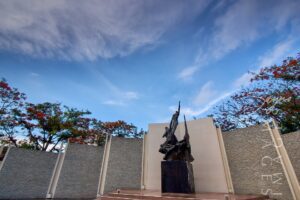
Right in the middle of San Juan City, surrounded by the constant rhythm of Metro Manila, stands Pinaglabanan Shrine, a place that does not immediately
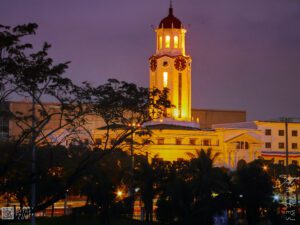
Standing prominently where Ermita meets Manila’s civic center, Manila City Hall anchors one of the most historically dense stretches of the capital. From this vantage
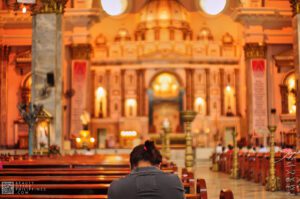
The Binondo Church is a historic church in Manila, located in the District of Binondo, near the Plaza San Lorenzo Ruiz. It was previously called
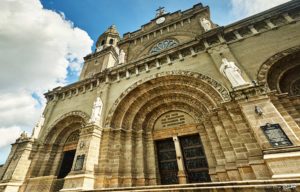
Originally built in 1880, the Manila Cathedral is the current version of the longstanding Church of Manila. It is a masterpiece of architecture that was
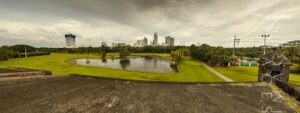
Stepping into Club Intramuros Golf Course feels like entering a curious intersection of eras. You pass through the stone gateways of Intramuros, and instead of

If you’re exploring Manila, one spot you shouldn’t miss is Plaza Rajah Sulayman, a scenic and historically significant public square in the heart of Malate,
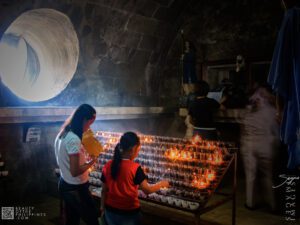
Standing by the serene Taguig River in Barangay Santa Ana, Taguig Church — formally known as the Parish of St. Anne — is more than
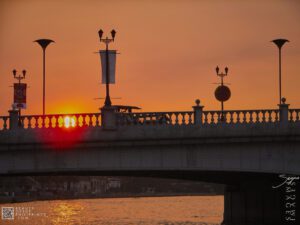
The newly restored Jones Bridge is easily recognizable by its beautifully designed black lamp posts—the same ones that were there when the bridge was first
Located within Fort Bonifacio in Taguig City, the Manila American Cemetery and Memorial rises as a serene testament to courage, sacrifice, and shared history. Spanning
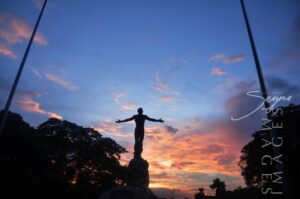
If you find yourself wandering through the sprawling campus of the University of the Philippines (UP) Diliman in Quezon City, you’ll undoubtedly encounter one of
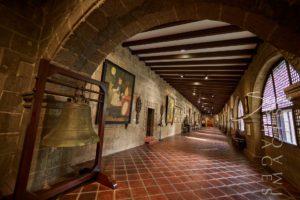
Within the historic walls of Intramuros, Manila, the San Agustin Museum stands as a living archive of Philippine colonial heritage. Beyond the towering stone façades
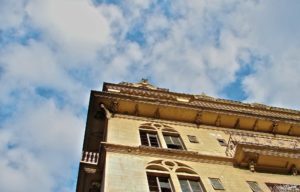
Perched along T. M. Kalaw Street in Ermita, Luneta Hotel has long been more than a building; it is a silent witness to Manila’s evolving
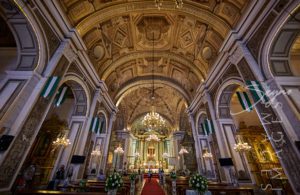
San Agustin Church in Intramuros stands as one of the country’s most treasured landmarks, a symbol of resilience and faith through centuries of upheaval. Built
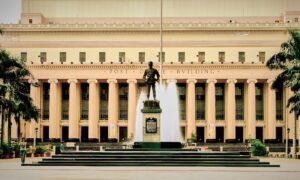
Standing at Liwasang Bonifacio, you immediately feel how many directions the city pulls at once. Jeepneys pass in steady rhythm, pedestrians cross toward the bridges,
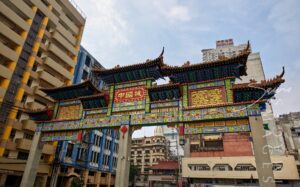
Stepping into Binondo Chinatown feels like turning a page in Manila’s long, layered story. Officially established in 1594 as a settlement for Catholic Chinese immigrants,
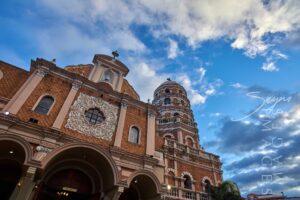
If you’re wandering through the heart of Manila and looking for a place where stories linger and time seems to slow down, Santa Cruz Church
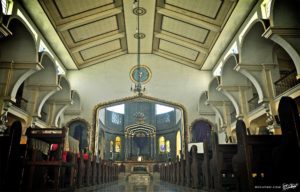
Polo Church traces its roots back to the early 1600s, when the settlement of Polo — once part of the larger Catangalan parish — gained
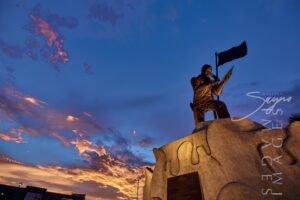
Right outside Tutuban Center, along the busy stretch of C.M. Recto Avenue in Tondo, Manila, stands the Bonifacio Monument Tutuban, a tribute that blends almost
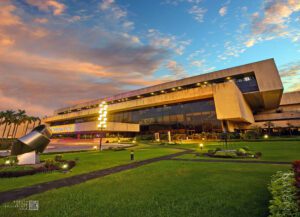
The Philippine International Convention Center (PICC) stands as a monument to the Philippines’ ambition to be a key player on the global stage. With its
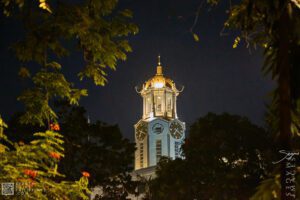
Whenever I walk through Ermita, camera in hand, the view that always pulls my eye is the pale façade and rising clock tower of Manila
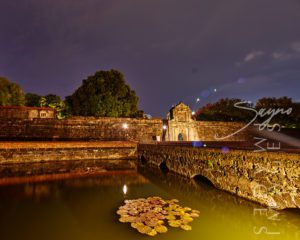
It is also known as the Walled City, and during the Spanish Colonial Period it was synonymous with the city of Manila. Intramuros was also
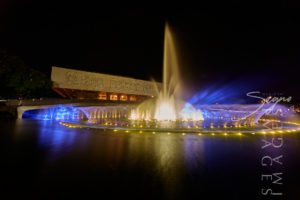
Stepping onto the grounds of the Cultural Center of the Philippines, you immediately sense the ambition behind its design. Conceived under the leadership of then‑First
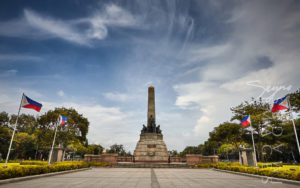
Walking through Rizal Park, every step tells a story. Known locally as Liwasang Rizal and historically called “Luneta,” this 58-hectare urban oasis in Ermita, Manila
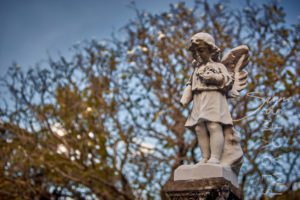
Cemeteries have a way of holding stories without speaking them aloud. La Loma Cemetery, officially known as Campo Santo de La Loma, rises from land
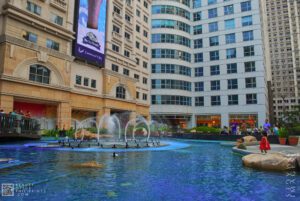
Visiting Eastwood Mall, you immediately notice it’s more than a shopping destination — it’s a hub of urban life. The four-level retail space features a
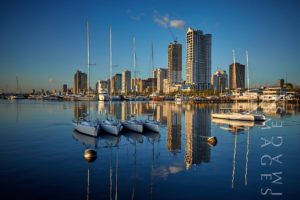
At the heart of Manila Bay’s charm is the Baywalk along Roxas Boulevard, where golden-hour sunsets transform the coastline into a photographer’s dream. By 2009,

Walking through the gates of the Manila Chinese Cemetery, visitors are immediately drawn to Chong Hock Tong Temple, a site that has been a center
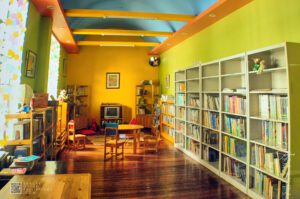
Located along Roxas Boulevard in the heart of Manila, Museo Pambata offers a one-of-a-kind experience where children can learn, play, and connect with Filipino culture
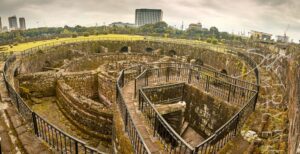
You know how sometimes, you stumble upon a place that feels like stepping straight into a history book—except the pages come alive? That’s exactly the
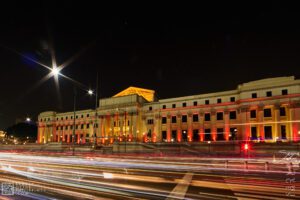
Walking along Padre Burgos Avenue in Rizal Park, the National Museum of Fine Arts immediately commands attention. Its neoclassical facade, tall Corinthian columns, and grand
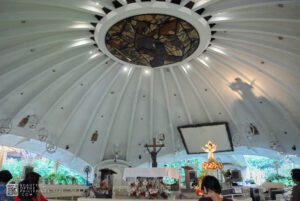
Amid the bustling corridors of Ayala Center in Makati City, the Greenbelt Chapel quietly commands attention not through grandeur but through its sense of calm.
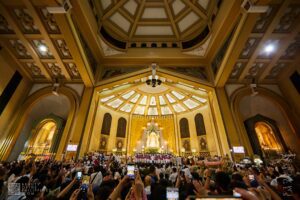
At the heart of La Naval de Manila is the revered image of Our Lady of the Most Holy Rosary, a 1593 ivory and hardwood
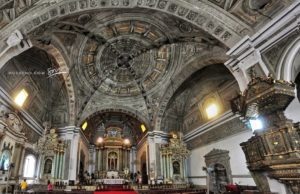
Inside Intramuros, where ruins and reconstructions sit side by side, San Agustin Church feels different. It doesn’t look like it’s trying to survive — it
Plaza Miranda is a public square bounded by Quezon Boulevard, Hidalgo Street and Evangelista Street in Quiapo, Manila. It is the plaza which fronts the
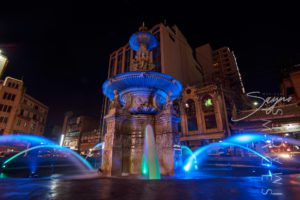
If you’re ever wandering through the lively streets of Manila, one of the city’s must-see spots is the iconic Carriedo Fountain. Nestled in the heart

Walking along Kalaw Avenue, you can’t miss the stately presence of Luneta Hotel. Across from the sprawling Rizal Park, this heritage building exudes a quiet
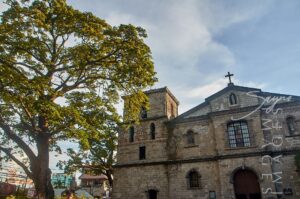
In the southern stretch of Metro Manila, within Barangay Daniel Fajardo, stands Las Piñas Church, formally known as the Diocesan Shrine and Parish of Saint
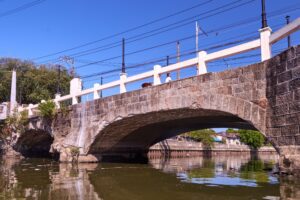
Zapote Bridge connects Las Piñas City and Bacoor City, serving as both a physical and symbolic link between communities. The bridge’s stone arch design has
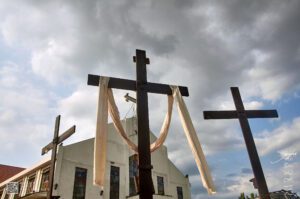
In the midst of Kaunlaran Village, Dagat‑dagatan in Navotas City, the San Lorenzo Ruiz and Companion Martyrs Parish stands as more than a place of
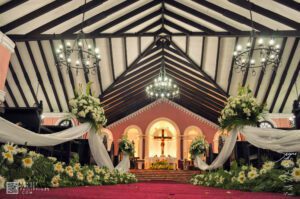
Walking into Victoneta Chapel feels like stepping into another pace of life, one where the clamor of Metro Manila recedes and quiet reflection takes center

Standing in Plaza San Lorenzo Ruiz, what strikes me first is its shape. Unlike the usual rectangular plazas scattered across the Philippines, this one curves
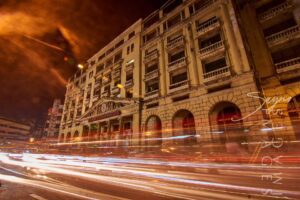
Along the right bank of the Pasig River, Santa Cruz stands as a living canvas of Manila’s past. Long before skyscrapers and shopping centers redefined
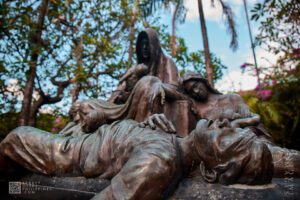
Within the historic walls of Intramuros, one of the most emotionally significant memorials in Manila stands in a small open plaza known as Plazuela de
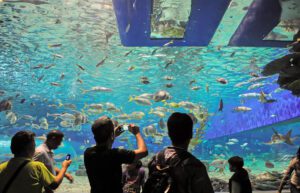
As the nation’s first ever world-class marine theme park, Manila Ocean Park is located in Ermita Manila, within the Philippines’ largest urban resort/aqua-themed hotel complex
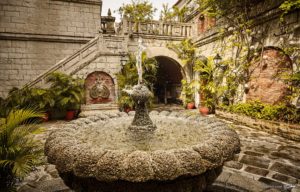
Tucked within the heart of Intramuros, Casa Manila serves as a tangible window into 19th-century urban Filipino life. Unlike typical museums, the building was reconstructed
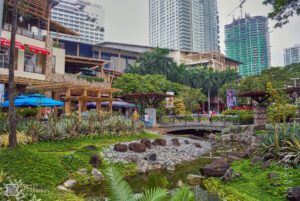
In the heart of bustling Makati, where glass towers slice the skyline and business moves at lightning speed, there’s a place that feels like a
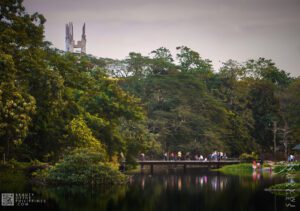
Paths, Lagoon, and Everyday Flow Entering the park, you notice the soft curve of pathways that guide you around the man-made lagoon. The water stretches
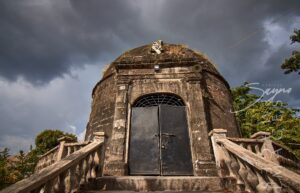
Tucked away in the heart of Taguig City, Metro Manila, lies an intriguing historical site that continues to captivate both locals and travelers alike—the Simborio.
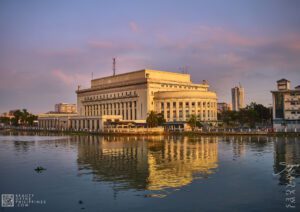
The Manila Central Post Office is more than just a hub for letters and parcels—it is a Philippine landmark that embodies the nation’s colonial history
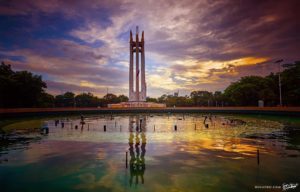
Imagine stepping into a green ellipse at the heart of one of the busiest cities in Metro Manila. Quezon Memorial Circle is not just a
Approaching the Gomburza National Monument along Padre Burgos Avenue, the first thing I notice is its placement. Directly across from the grand façade of the
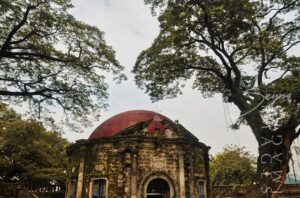
Situated in the bustling city of Manila, Paco Park is a serene oasis that invites visitors to step back in time while enjoying the calm
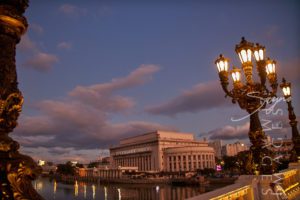
I’ve passed Liwasang Bonifacio countless times, but there’s always a moment when the Manila Central Post Office resets your pace. You don’t rush past it.
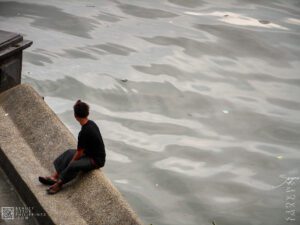
Crossing the Pasig River via Quezon Bridge feels like stepping into a living corridor of Manila’s past and present. The span links Quiapo on the
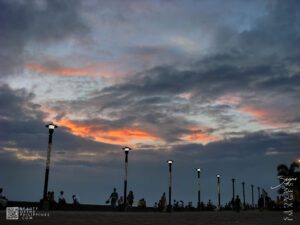
Let’s be real—when you think of tourist spots around Metro Manila, Navotas probably isn’t the first to pop into your head. But you know what?
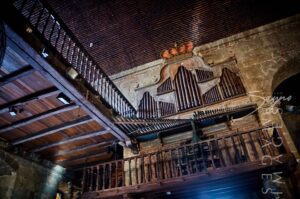
Tucked in the heart of Las Piñas City, St. Joseph Parish Church houses a treasure that few instruments can rival: the Las Piñas Bamboo Organ.

Located in the heart of Quezon City, Christ the King Seminary is not only a center of Catholic education but also a place where spirituality,

The Kartilya ng Katipunan, also known as Bonifacio Shrine or Heroes Park, is a must-visit historical site in Ermita, Manila, celebrating the legacy of Andrés
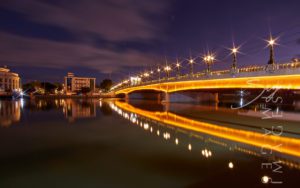
The newly restored Jones Bridge is easily recognizable by its beautifully designed black lamp posts—the same ones that were there when the bridge was first

Walking through UP Diliman, you immediately sense the blend of history, artistry, and open space. Established after the original University of the Philippines in Manila
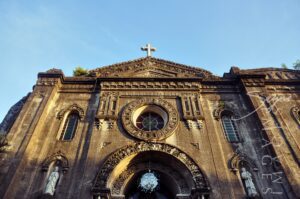
Walking into Guadalupe Viejo, the shift is immediate. The hum of traffic from EDSA fades into the background, replaced by stillness and the rough texture
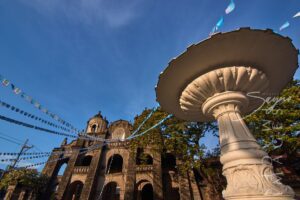
San Juan, a city tucked in the heart of Metro Manila, is often overshadowed by its more famous neighbors, yet it holds within its borders
If you’re exploring the heart of Manila, you won’t want to miss Seng Guan Temple, a cultural and spiritual gem nestled in the bustling district
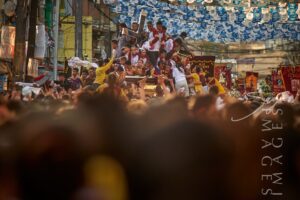
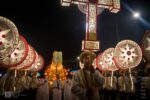
The Nazareno Festival, or the Feast of the Black Nazarene, is one of the most spectacular and deeply moving religious events in the Philippines. Held