Gomburza National Monument: A Must-Visit Historic Landmark in Manila
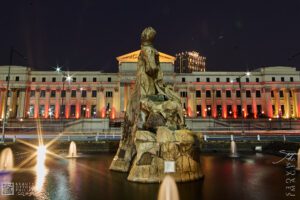
The Gomburza National Monument, located in front of the National Museum of Fine Arts along Padre Burgos Avenue in Manila, stands as a solemn tribute




The Gomburza National Monument, located in front of the National Museum of Fine Arts along Padre Burgos Avenue in Manila, stands as a solemn tribute
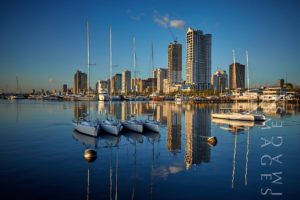
It is considered to be one of the world’s great harbors, the Manila Bay, and it serves as the Port of Manila, Philippines. Having once
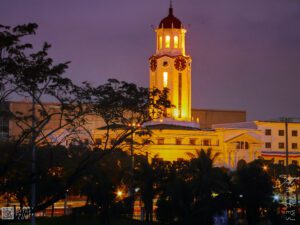
Nestled in the historic district of Ermita, Manila City Hall is more than just the seat of the city’s government—it’s a testament to the rich
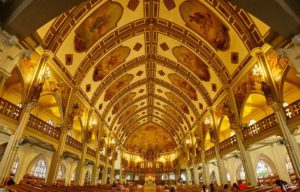
The Manila Abbey San Beda, or formally known as Abbey of Our Lady of Montserrat, is a Benedictine men’s monastery located along the streets of


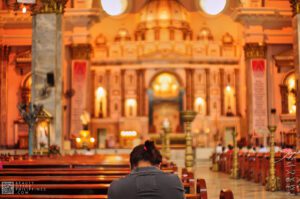
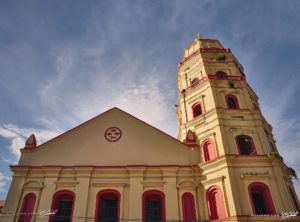
The Binondo Church is a historic church in Manila, located in the District of Binondo, near the Plaza San Lorenzo Ruiz. It was previously called
Nestled in the historic district of Ermita, Manila City Hall is more than just the seat of the city’s government—it’s a testament to the rich
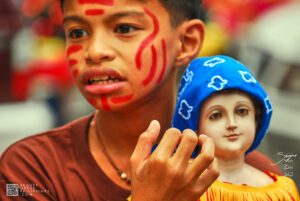
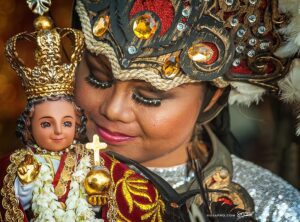
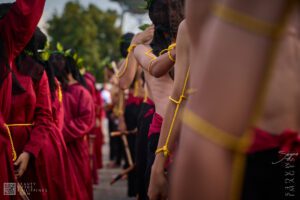
Every January, in the heart of Tondo—one of Manila’s oldest and most storied districts—a celebration unfolds that’s unlike anything else in the Philippines. The Feast
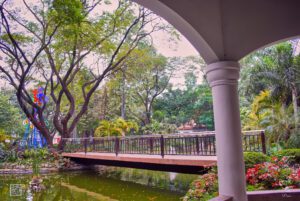
Situated in the lively heart of Makati’s Legazpi Village, Washington SyCip Park provides a serene refuge away from the city’s fast pace. Established in 2006

Located in the heart of Quezon City, Christ the King Seminary is not only a center of Catholic education but also a place where spirituality,
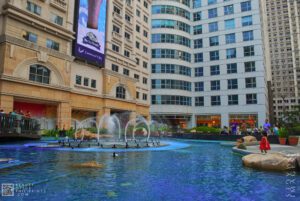
Located in the heart of Quezon City, Eastwood Mall stands as a vibrant fusion of shopping, dining, and entertainment. More than just a mall, it’s
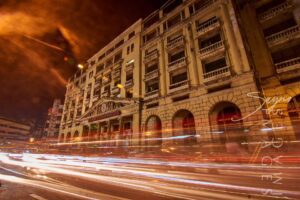
I experienced the vibrant and colorful life of downtown in full. I took some time to appreciate the beauty of Santa Cruz Church and Plaza
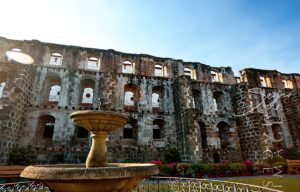
Located within the historic district of Intramuros, Manila, Padre Blanco Gardens—also known as Father Blanco’s Garden—offers a charming and romantic retreat amid centuries-old architecture. This
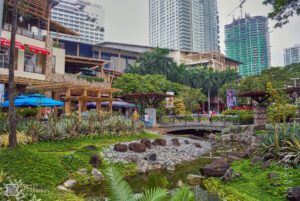
In the heart of bustling Makati, where glass towers slice the skyline and business moves at lightning speed, there’s a place that feels like a

Nestled in the vibrant district of Binondo, Manila, Plaza San Lorenzo Ruiz stands as a historical and cultural gem. Once known as Plaza Calderón de
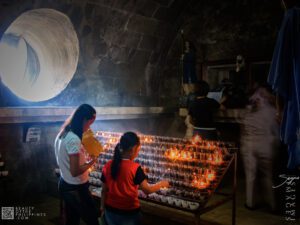
Located in the heart of Taguig City, just a short distance from the bustling Bonifacio Global City (BGC), lies the St. Anne Parish Church, more
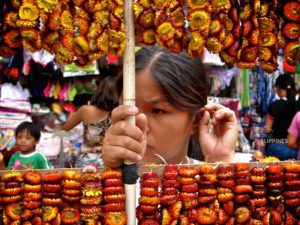
Plaza Miranda is a public square bounded by Quezon Boulevard, Hidalgo Street and Evangelista Street in Quiapo, Manila. It is the plaza which fronts the

If you’re exploring Manila and looking for more than just the usual heritage stops, make room on your itinerary for a place that blends quiet
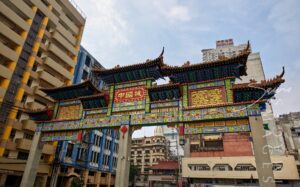
In addition to being considered the oldest Chinatown in the world, Binondo Chinatown is also the center of trade and commerce in Manila City. In

It is the home of the popular Asian elephant, Mali, as well as 90 other species. As well as being a landmark in Manila, the
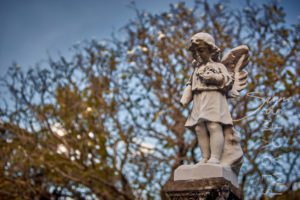
As one of the oldest cemeteries in Manila, Campo Santo De La Loma, commonly referred to as the La Loma Cemetery, is one of the

The Kartilya ng Katipunan, also known as Bonifacio Shrine or Heroes Park, is a must-visit historical site in Ermita, Manila, celebrating the legacy of Andrés

Nestled in the heart of Quezon City, La Mesa Ecopark stands as a serene sanctuary, offering both a retreat for nature lovers and an educational
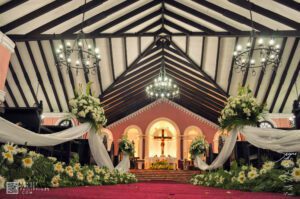
When you think of Malabon, your mind might wander to its famous pancit, old-world charm, or those quiet, flood-prone streets filled with stories from generations
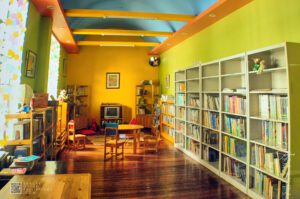
Located along Roxas Boulevard in the heart of Manila, Museo Pambata offers a one-of-a-kind experience where children can learn, play, and connect with Filipino culture

If you’re exploring Manila, one spot you shouldn’t miss is Plaza Rajah Sulayman, a scenic and historically significant public square in the heart of Malate,
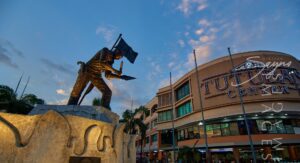
Situated in the heart of Manila, Tutuban Center is more than just a shopping destination—it’s a vibrant mix of history, commerce, and culture that draws
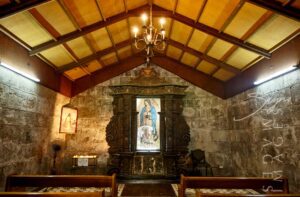
Tucked within the storied walls of Fort Santiago, a landmark that has stood as a silent witness to centuries of Philippine history, the Our Lady
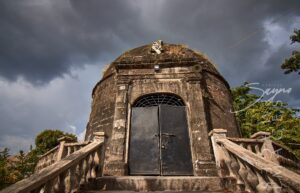
Tucked away in the heart of Taguig City, Metro Manila, lies an intriguing historical site that continues to captivate both locals and travelers alike—the Simborio.

When you think of Manila, you probably imagine vibrant street life, Spanish-era churches, or food stalls dishing out sisig and lumpia. But just beyond the

The University of the Philippines Diliman (UP Diliman) is more than just the country’s premier academic institution—it is a historical, cultural, and natural destination worth
The Gomburza National Monument, located in front of the National Museum of Fine Arts along Padre Burgos Avenue in Manila, stands as a solemn tribute
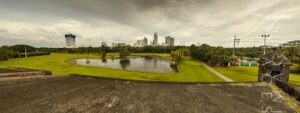
Located within the historical walls of Intramuros, Manila, Intramuros Golf Club is a true gem for both golf enthusiasts and history lovers alike. This iconic
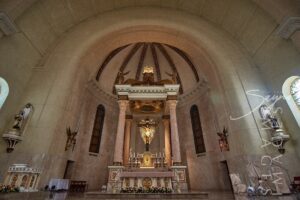
When in Quezon City, one of the most serene and awe-inspiring places to visit is the Mount Carmel Shrine, a haven of peace, spirituality, and

Quiapo, Manila, is home to the historic Quiapo Church, officially known as the Minor Basilica and National Shrine of the Black Nazarene. This revered religious
It is considered to be one of the world’s great harbors, the Manila Bay, and it serves as the Port of Manila, Philippines. Having once
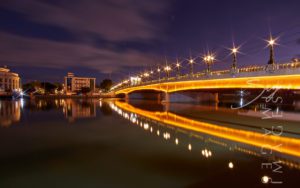
The newly restored Jones Bridge is easily recognizable by its beautifully designed black lamp posts—the same ones that were there when the bridge was first
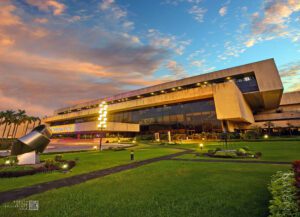
The Philippine International Convention Center (PICC) stands as a monument to the Philippines’ ambition to be a key player on the global stage. With its
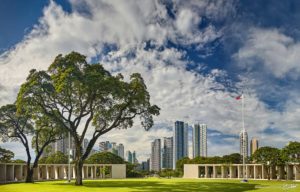
Manila American Cemetery and Memorial is located in the heart of Taguig City on the lands of Fort Bonifacio and serves as the largest grave
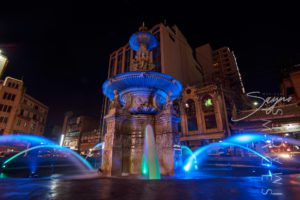
If you’re ever wandering through the lively streets of Manila, one of the city’s must-see spots is the iconic Carriedo Fountain. Nestled in the heart
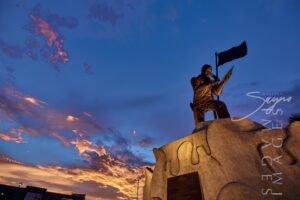
The Andres Bonifacio Birthplace Monument in Tutuban, Divisoria stands as a powerful symbol of Filipino patriotism and a tribute to the courage and leadership of Andres
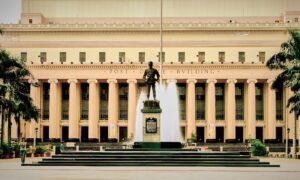
Nestled in the heart of Manila, Liwasang Bonifacio is a place where history, culture, and modern urban life converge. Formerly known as Plaza Lawton, this
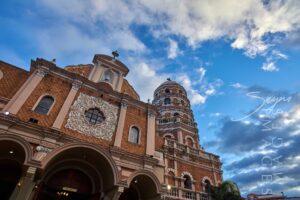
If you’re wandering through the heart of Manila and looking for a place where stories linger and time seems to slow down, Santa Cruz Church
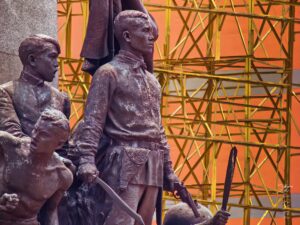
The Bonifacio Monument, also called Bonifacio Monumento or Monumento, proudly stands in Caloocan City, Metro Manila. It is a powerful symbol created by the National
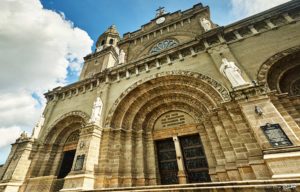
Originally built in 1880, the Manila Cathedral is the current version of the longstanding Church of Manila. It is a masterpiece of architecture that was
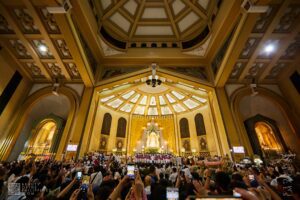
Every October, the vibrant streets of Quezon City come alive with faith, devotion, and rich cultural traditions during the Feast of La Naval de Manila.
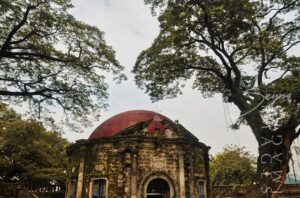
Situated in the bustling city of Manila, Paco Park is a serene oasis that invites visitors to step back in time while enjoying the calm
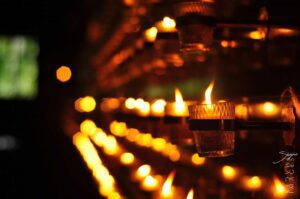
The Padre Pio Chapel, also known as the St. Pio of Pietrelcina Chapel, holds a special place in my heart as a photographer. It revealed
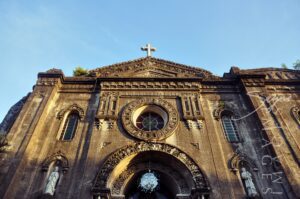
Tucked away in the bustling heart of Makati lies the Guadalupe Church Ruins, an evocative landmark that offers more than just a glimpse of the
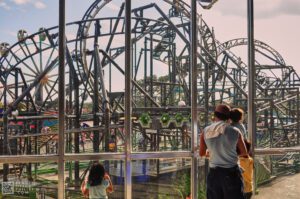
Nestled in the heart of Pasay City within the Cultural Center of the Philippines Complex, Star City stands as one of the premier amusement parks
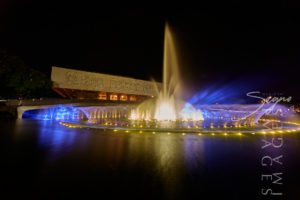
The Cultural Center of the Philippines or CCP was founded in 1966 under the directive of former President Ferdinand Marcos, in order to reinforce and
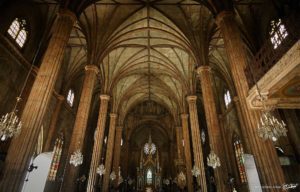
San Sebastian Church is a Roman Catholic Minor Basilica located in Quiapo, Manila. It’s also known as Minor Basilica of San Sebastian or San Sebastian
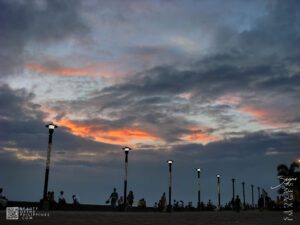
Let’s be real—when you think of tourist spots around Metro Manila, Navotas probably isn’t the first to pop into your head. But you know what?
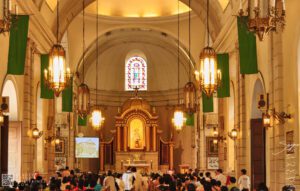
Malate Church stands as a profound symbol of faith, resilience, and artistry, preserving its sacred role and architectural splendor through centuries of triumphs and trials.
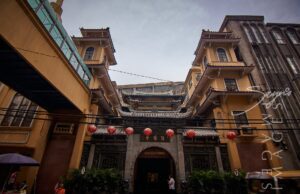
If you’re exploring the heart of Manila, you won’t want to miss Seng Guan Temple, a cultural and spiritual gem nestled in the bustling district
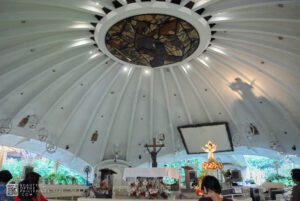
Let’s face it—Makati can be overwhelming. Skyscrapers, honking horns, back-to-back meetings, and the endless buzz of city life. But right in the middle of all
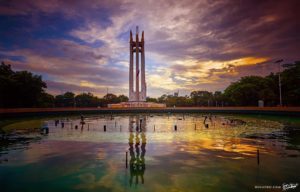
One of Quezon City’s main parks is the Quezon Memorial Circle, which is located in Quezon City and is surrounded by an elliptical road, making
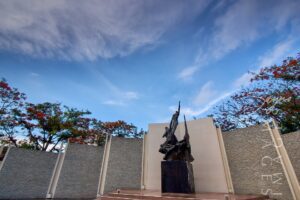
Located in the heart of San Juan City, Metro Manila, the San Juan – Pinaglabanan Memorial Shrine serves as a powerful reminder of the bravery
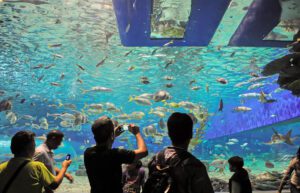
As the nation’s first ever world-class marine theme park, Manila Ocean Park is located in Ermita Manila, within the Philippines’ largest urban resort/aqua-themed hotel complex

It is always a surprise for buildings, parks and houses to survive such wars as it is almost inevitable that everything will be brought down
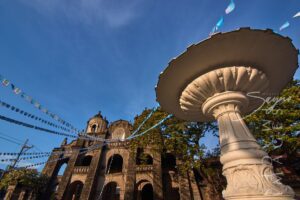
San Juan, a city tucked in the heart of Metro Manila, is often overshadowed by its more famous neighbors, yet it holds within its borders
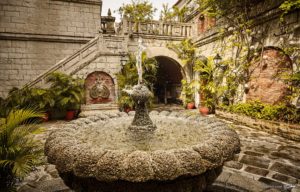
Casa Manila, located in the heart of Intramuros, Manila, is a living museum that transports visitors to the grandeur of the Spanish colonial era. As
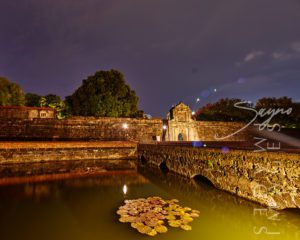
It is also known as the Walled City, and during the Spanish Colonial Period it was synonymous with the city of Manila. Intramuros was also
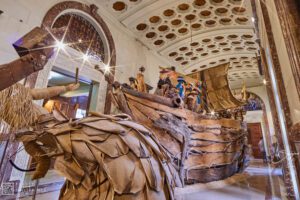
The National Museum of Anthropology, located in the heart of Manila within the National Museum Complex, is a must-visit destination for travelers eager to explore
The Manila Abbey San Beda, or formally known as Abbey of Our Lady of Montserrat, is a Benedictine men’s monastery located along the streets of
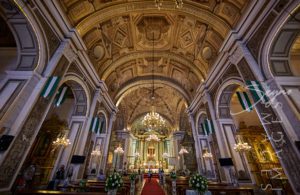
Known as one of the most important baroque churches in the Philippines and as one of the only four baroque churches in the Philippines that
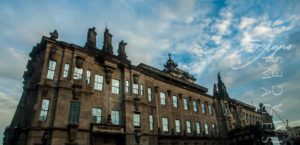
UST, also known as the University of Santo Tomas, is a private Roman Catholic university located in Sampaloc, Manila. It was founded on 28 April
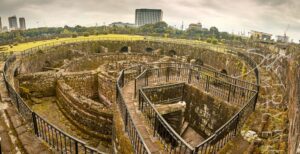
You know how sometimes, you stumble upon a place that feels like stepping straight into a history book—except the pages come alive? That’s exactly the
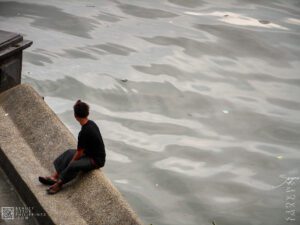
Quezon Bridge, a striking steel arch bridge spanning the Pasig River, is more than just a vital transportation link—it is a historical icon of Manila.
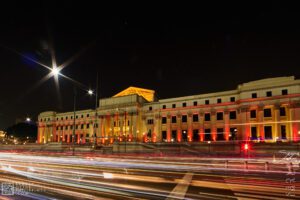
Manila, the vibrant capital of the Philippines, is home to a wealth of cultural and historical landmarks, and among its crown jewels is the National
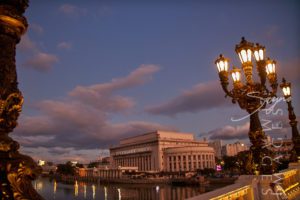
The Manila Post Office, officially known as the Manila Central Post Office, is a distinguished example of neoclassical architecture, originally designed by Juan M. Arellano,
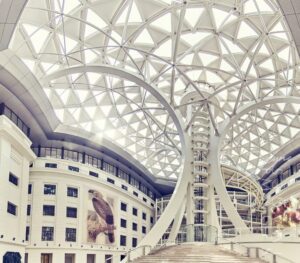
Explore the vibrant tapestry of Manila through its four national museums, each a unique gem in the city’s cultural crown. These four distinguished establishments are
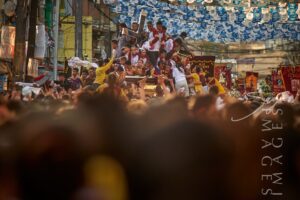
The Nazareno Festival, or the Feast of the Black Nazarene, is one of the most spectacular and deeply moving religious events in the Philippines. Held
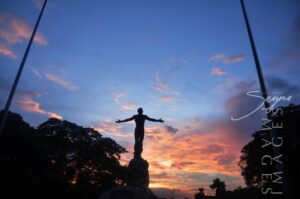
If you find yourself wandering through the sprawling campus of the University of the Philippines (UP) Diliman in Quezon City, you’ll undoubtedly encounter one of
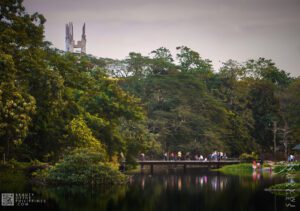
Situated in the heart of Quezon City, the Ninoy Aquino Parks and Wildlife Center (NAPWC) offers a serene retreat from the bustling streets of Metro
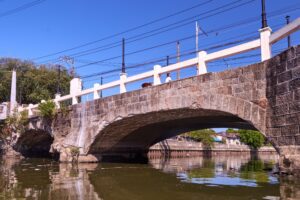
Nestled at the crossroads of Las Piñas in Metro Manila and Bacoor in Cavite, the Zapote Bridge stands as a silent yet powerful witness to
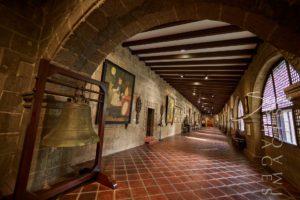
The San Agustin Museum is located adjacent to the UNESCO World Heritage Site, San Agustin Church. It is located in Intramuros—the walled city of Manila—and
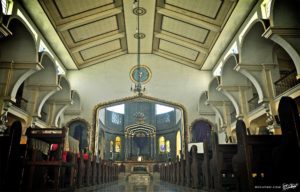
The Polo Church, formally known as the San Diego de Alcala Church, resides in the Polo neighborhood of Valenzuela, Manila. This church has a captivating
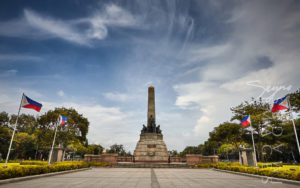
Located along Roxas Boulevard, Manila and adjacent to the century-old walled city of Intramuros, the Luneta National Park, or Rizal Park as many refer to
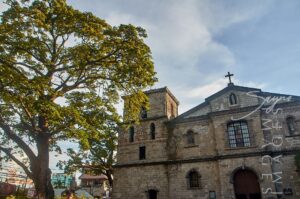
If you’re the kind of traveler who loves uncovering places with soul — you know, spots where history, culture, and a touch of magic come
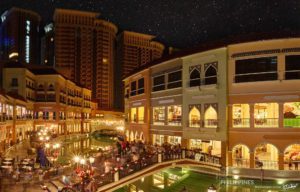
Located in the heart of the Taguig City, the Venice Grand Canal is a lifestyle mall development under the Megaworld Lifestyle Malls Located inside the
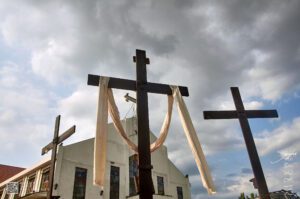
In the heart of Navotas City, San Lorenzo Ruiz and Companion Martyrs Church stands as a central hub of Catholic life for the local community.