






Kalivungan Festival: A Gathering of Unity in Cotabato
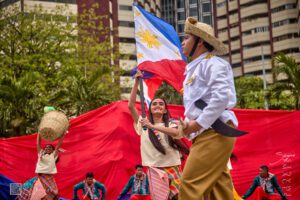
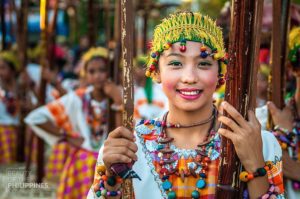
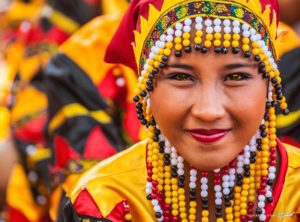
I arrived in North Cotabato, now officially called Cotabato Province, with the sound of gongs echoing from a distance. September 1 carries a particular energy here — it marks the province’s foundation anniversary, and with it comes the annual Kalivungan Festival.
Gubat Sorsogon Surfing Site: Waves and Wide Shores at Buenavista Beach
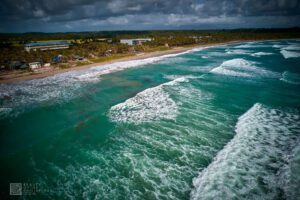
There are beaches that announce themselves with loud crowds and rows of establishments, and then there are places like Gubat Sorsogon Surfing Site in Buenavista Beach. This stretch of shoreline feels open, wind-shaped, and honest. The first thing I would notice here as a traveler with a camera is space—the broad line where shore meets the Pacific Ocean, the rolling surf, and the sense that daily life continues around the beach rather than being replaced by tourism.

Christ the King Seminary Church: Spiritual Life at the Heart of Quezon City
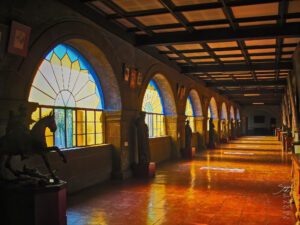
Located in the heart of Quezon City, Christ the King Seminary is not only a center of Catholic education but also a place where spirituality, history, and culture intersect. As you explore the bustling streets of Quezon City, a visit to this serene institution offers an escape into peace, reflection, and a deeper understanding of the Catholic faith. Whether you’re a local or a tourist, Christ the King Seminary offers a unique and enriching experience that blends quiet retreat with rich religious history.
Alligator Lake: Tadlac’s Quiet Crater of Laguna
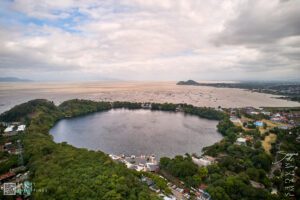
Tucked into Barangay Tadlac in Los Baños, Alligator Lake stands apart from Laguna’s more bustling attractions. While many flock to the town’s famed hot springs, this volcanic crater lake offers a quiet retreat where travelers can pause, listen, and photograph the calm waters stretching beneath the slopes of Mount Makiling. Its modest size — approximately 22.7 hectares, 650 meters long and 503 meters wide — belies the depth of its story, both geologically and culturally.
Guest Haven Coffee Baguio : A Cultural Coffee Haven in the Heart of Baguio
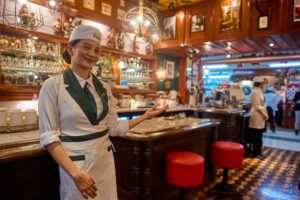
When you think of Baguio, you imagine pine‑scented breezes, foggy mornings, and cozy cafés tucked into the city’s winding streets. Among these, Guest Haven Coffee Baguio stands out as more than a café — it is a living tribute to Cordilleran culture, local farmers, and the spirit of slow travel. Founded by Gino and Venus Carling, the café evolved from their bed-and-breakfast business into a boutique space with a heart. The flagship branch is located in Room 305, Patria de Baguio Building, on Father Carlu Street — a quiet, tucked-away spot that feels like a hidden discovery. Later, a second branch opened at Porta Vaga Mall on Session Road, making the café more accessible to both locals and tourists.

Mount Pulag: Exploring Luzon’s Highest Peak and Natural Wonders
Mount Pulag, rising to 2,922–2,928 meters above sea level, is the highest peak in Luzon and the third-highest in the Philippines. Its summit sits at the junction of Benguet, Ifugao, and Nueva Vizcaya provinces, part of the dramatic Cordillera Mountain Range in northern Luzon. Its rugged landscape and ecological significance make it both a natural and cultural landmark.
Zapote Bridge: A Historic Crossing of Valor and Memory
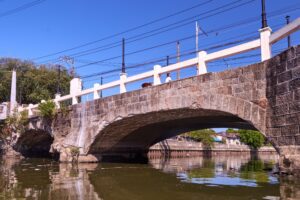
Zapote Bridge connects Las Piñas City and Bacoor City, serving as both a physical and symbolic link between communities. The bridge’s stone arch design has witnessed centuries of transformation, standing as a sentinel to events that shaped the nation. Alongside the modern concrete crossing that accommodates vehicular traffic, the original masonry bridge is preserved for pedestrians, allowing travelers to pause, reflect, and trace the footsteps of those who fought for freedom. Declared a National Historical Landmark, Zapote Bridge draws both history enthusiasts and casual visitors to engage with its layered past.
Itik Festival: A Colorful Tribute to Victoria’s Duck-Raising Heritage
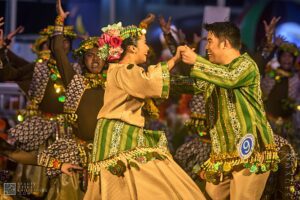
Origins and Cultural Significance If you
Nagcarlan Underground Cemetery: Exploring Laguna’s Hidden Colonial Heritage
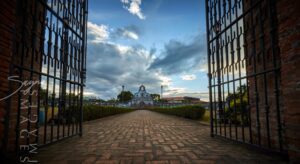
The Nagcarlan Underground Cemetery in Barangay Bambang, Nagcarlan, Laguna stands as one of the most unique historical sites in the Philippines. Unlike typical cemeteries, this site was intentionally designed with both practical and ecclesiastical considerations: a chapel aboveground for funeral rites, and a crypt beneath, providing a burial space that respected both public health concerns and spiritual traditions of the 19th century. Its layered purpose, blending the sacred with the strategic, makes it a compelling destination for heritage travelers seeking a narrative that spans life, death, and history.
Niyogyugan Festival: Celebrating Quezon’s Coconut Heritage and Vibrant Culture
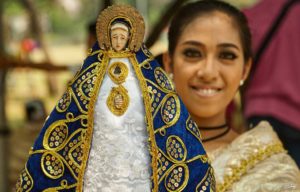
Every August, Quezon Province bursts with color, rhythm, and tradition as the Niyogyugan Festival takes over Lucena City. More than just a tribute to coconuts, the festival showcases the province’s deep agricultural roots and community spirit, offering tourists a vibrant, multi-sensory experience. From local booths to street performances, every corner reflects Quezon’s identity as a top coconut producer and the creativity of its people.
Lubenas Festival: Magalang Kapampangan Christmas Tradition
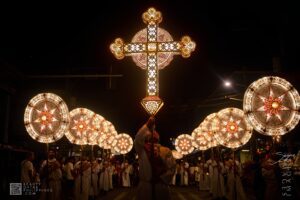
The Lubenas Festival in Magalang has its roots in the Spanish Catholic novena, nine days of prayer before a major feast, which evolved into a lantern-led Christmas procession in Kapampangan culture. The word Lubenas derives from “novenas,” emphasizing nine nights of prayer and light. In Magalang, the festival is not just a parade; it is a religious ritual and act of devotion that unites generations through lanterns expressing faith and artistry.

Balitok Ti Alicia Festival: Alicia’s Golden Harvest Comes Alive
Walking through the streets of Alicia, the Balitok Ti Alicia Festival feels alive in every corner. Gold-hued costumes shimmer under the sun, and dancers weave through the crowd, their movements narrating the story of Alicia’s fertile fields and hardworking people. Balitok, meaning “gold” in Ilocano, perfectly captures the essence of the town — a golden identity nurtured by rice, corn, and the steadfast spirit of its residents.
Inaul Festival: The Living Legacy of Maguindanaon Weaving Traditions
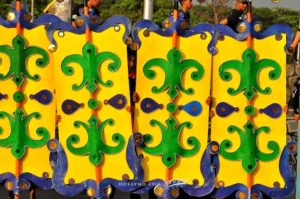
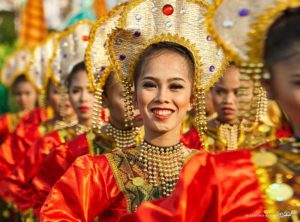
This festival is dedicated to the beautiful handicrafts made by the people of Maguindanao and the time-honored weaving tradition of the people of Maguindanao, known as Inaul.
Siain Port: From Copra Trade to Community Pier in Plaridel
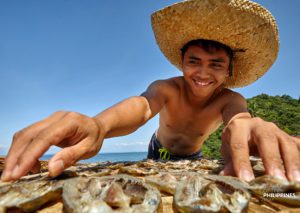
Every time I walk toward Siain Port, the first thing that hits me is the line of the pier itself—long, straight, and stretching into Lamon Bay like it’s pointing somewhere beyond the horizon. It’s simple, almost understated. Fishermen move at their own pace, nets laid out, fish drying in the sun, conversations carried by the sea breeze. You know what? It doesn’t try to impress, and that’s exactly why it works.
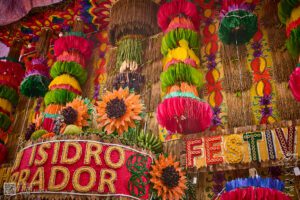
Lucban Pahiyas Festival: A Spectacularly Colorful Tradition in Quezon
Every May 15, the charming town of Lucban, Quezon bursts into a dazzling display of colors, artistry, and cultural pride as it celebrates the Pahiyas Festival. This annual event, held in honor of San Isidro Labrador, the patron saint of farmers, is a thanksgiving feast that showcases the creativity and devotion of the locals. From intricately decorated houses to lively street parades, Pahiyas is one of the most awaited festivals in the Philippines, drawing thousands of visitors eager to witness this unique and visually stunning spectacle.
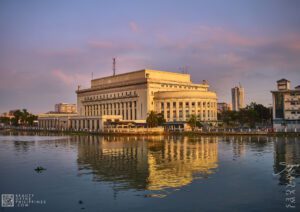
Manila Central Post Office: Monument of Philippine Postal Heritage
The Manila Central Post Office is more than just a hub for letters and parcels—it is a Philippine landmark that embodies the nation’s colonial history and architectural ambition. Originally conceptualized during the American colonial period, it became the centerpiece of Manila’s civic plan, envisioned to stand tall along the Pasig River and at the intersection of major avenues, asserting both accessibility and prominence.
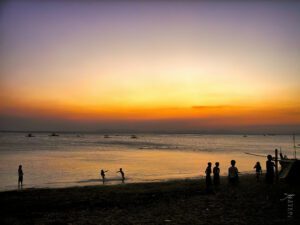
Balayan Bay: A Coastal Gem in Batangas Province
Among the many contributions of Balayan Bay that Batanguenos are proud of, the bay served as a fishing village and a summer retreat for locals to enjoy cold water and a great view during the summer months.
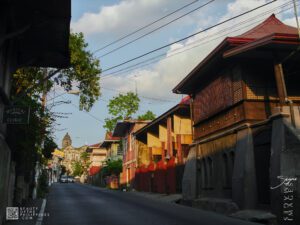
Taal Heritage Town: The Living Chronicle of Batangas
When exploring heritage towns in the Philippines, Taal in Batangas always stands out. Often overshadowed by Taal Lake and Taal Volcano, the town itself is a cultural treasure chest. Founded by Augustinian friars in 1572, Taal became one of the earliest Spanish settlements in Luzon. Its strategic position near waterways connecting to Balayan Bay made it a bustling center of trade, agriculture, and cultural exchange in the 16th and 17th centuries. Through centuries, the town survived volcanic eruptions, colonial power shifts, and economic transformations, yet retained its historic core remarkably intact.
Bacolor Church: Baroque Beauty Beneath the Lahar
Bacolor, Pampanga, a town steeped in history and culture, is home to the Bacolor Church also known as San Guillermo Parish Church, a landmark that has withstood the test of time and nature. Named after Saint William the Hermit, this church is more than just a place of worship—it is a symbol of resilience and an enduring testament to the faith of the Kapampangan people.

Mount Malasimbo: Dinalupihan’s Little Mayon Adventure
Mount Malasimbo rises in the municipality of Dinalupihan, situated in northern Bataan, Central Luzon, Philippines. Part of the Zambales Mountain Range, the peak forms a recognizable landmark visible from major arteries like the Subic–Clark–Tarlac Expressway. Its coordinates sit approximately at 14°53′12″ N, 120°25′09″ E, placing it near the border with Zambales and Pampanga. The surrounding terrain blends rolling plains, lowland farms, and foothills, with the tropical monsoon climate lending a lush character to both forested slopes and open ridges.
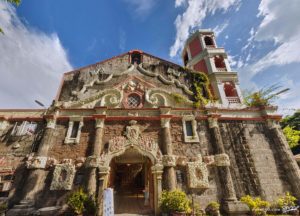
Calumpit Church: and the River-Born Story of a Town
In the heart of Calumpit, Bulacan, rises San Juan Bautista Parish Church, more commonly called Calumpit Church. You don’t need a guidebook to sense its weight. The moment you stand before it, there’s a feeling that this is not just a building people pass through — it’s a place that has watched people arrive, leave, return, and believe for more than four centuries.

Sta. Lucia Miracle Well: A Sacred Spring in Taal, Batangas
Tucked away in the historic town of Taal, Batangas, the Sta. Lucia Miracle Well—locally known as Balon ng Sta. Lucia—is more than just a quiet, unassuming site. For centuries, this place has been revered as a source of healing, mystery, and deep spiritual devotion. Whether you’re a pilgrim following tradition or a traveler chasing stories, this well invites reflection.
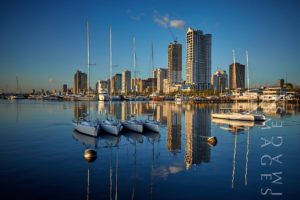
Manila Bay: Sunset, History, and City Life Along the Coast
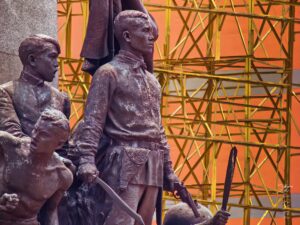
At the heart of Manila Bay’s charm is the Baywalk along Roxas Boulevard, where golden-hour sunsets transform the coastline into a photographer’s dream. By 2009, this roughly two-kilometer promenade had become a lively hub for both residents and tourists, offering casual strolls, scenic views, and a taste of Manila’s street culture. Evening visitors could enjoy a mix of performers, food stalls, and benches lining the promenade, while monuments honoring national figures punctuated the walkway, creating a subtle blend of history and leisure. Even as the city experimented with clearing commercial stalls, the Baywalk remained a focal point for community engagement and urban relaxation.
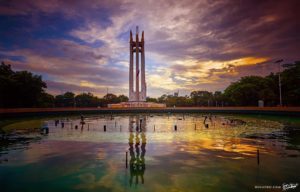
Quezon Memorial Circle: A Tapestry of History and Urban Life
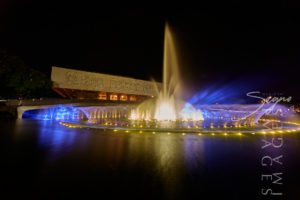
Imagine stepping into a green ellipse at the heart of one of the busiest cities in Metro Manila. Quezon Memorial Circle is not just a park; it is a space where national memory, recreation, and community coexist. Located at the center of Elliptical Road in Diliman, the park rises as a tribute to Manuel Luis Quezon, whose leadership during the Commonwealth era shaped the nation’s modern identity. The towering 66-meter Art Deco shrine dominates the skyline, its three pylons symbolizing Luzon, Visayas, and Mindanao, while sculptural angels holding sampaguita wreaths crown each peak, offering both artistic beauty and patriotic symbolism. Inside the shrine, a museum presents Quezon’s life and contributions, from national reforms to pre-war social programs, giving travelers a tangible link to Philippine history.